
Tehran Residents Complain About Air Pollution and Water Quality

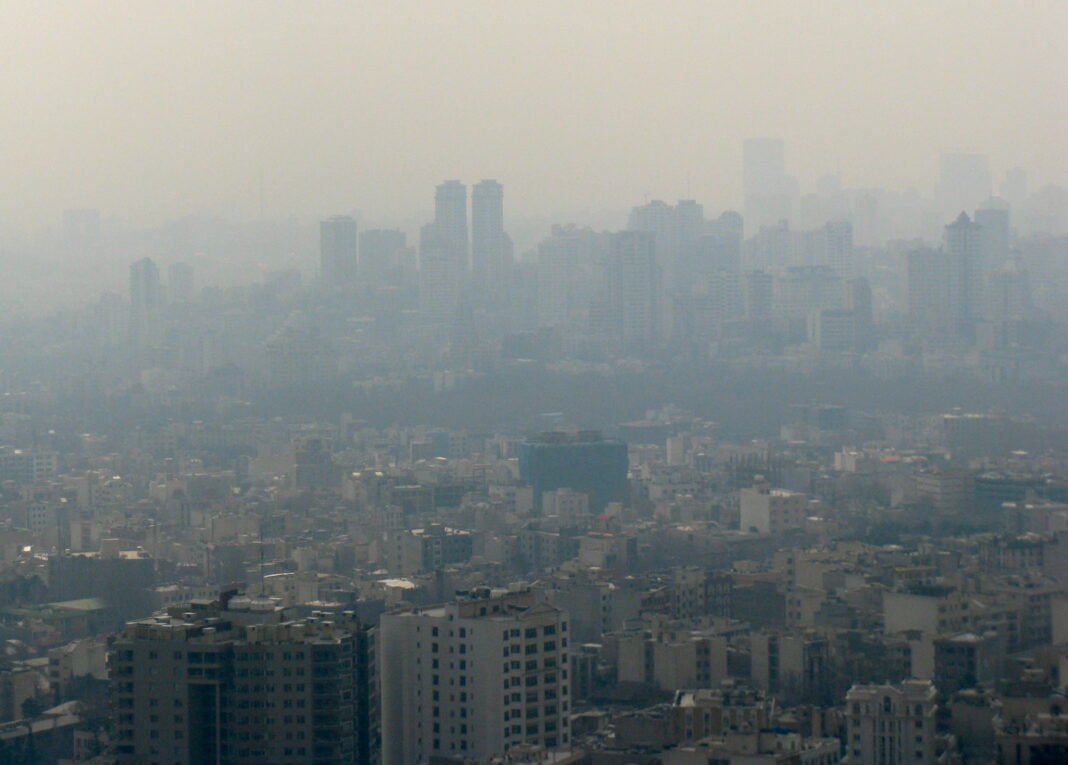
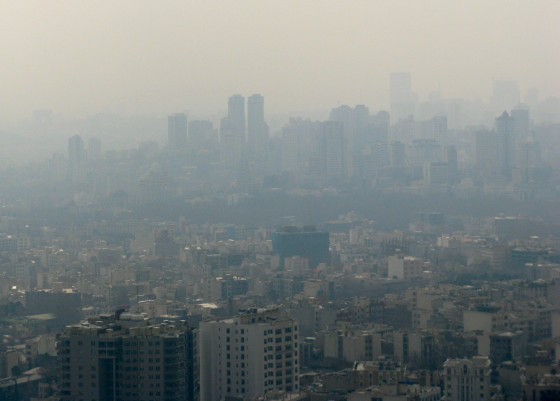
The biggest environmental concerns of the residents of Tehran are air pollution and water quality.

The public awareness of environmental problems is of great importance in today’s societies. It is somehow more important than the governmental privileges. In Iranian society, this awareness is in shadow of political, economic and social issues, which look more substantial to people. In a World Bank report, which were given out in 2007, the environmental awareness of the residents of Tehran were analyzed.

This report was provided three years ago but still can show the reality of the Iranian urban culture. It, as can be predicted, confirms that the first things that are important for people are the issues that directly affects on their lives. Politics is the main one. Also social and culture problems are important but the main factor that adjusts every thing is still politics.

According to the report, environment is not the priority of most of the people. Thirty percent of the respondents of the questionnaires (34 percent men and 29 percent women) think that the political problems are important or very important. This can be compared with the low percentage that was obtained from the same question about economic development, inflation, and environment.
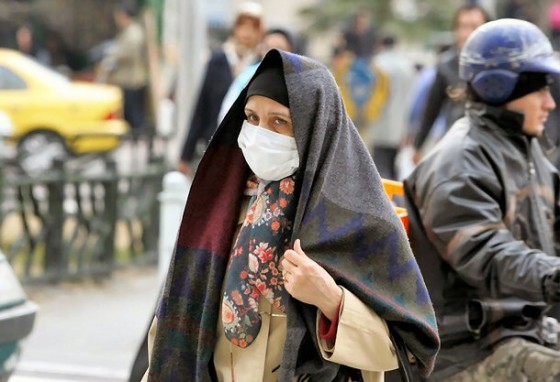
air pollution tehran, iran
Wearing a facemask against pollution (not Covid) in Tehran

Six percent think that economic development is important or very important (6.4 percent men and 5.3 percent women). Inflation is rated by 6.4 percent (5.8 percent of men and 6.5 percent of women). It seems that the respondents have rated the environmental issues as the least important problem. Only 4 percent have chosen important or very important for the environment (4.4 percent men and 3.3 percent women).

The worst part of the findings is that one third of the respondents (34 percent) believe that the environmental problems are not important at all and 53 percent do not have any opinion.

When the people are questioned more clearly about the problems, it becomes clear that they have some concerns about the environment. Air pollution and water quality are the biggest concerns of them. Some 62.3 percent of men and 61.3 percent of women believe that the water quality is worrying. Also 59.8 percent of men and 60.1 percent of women are worried about the air pollution produced by cars. Similarly the percentages for industrial pollutions are 41.5 for men and 47.1 for women. In the same way, 39.5 percent of men and 41.8 percent of women have declared great worry about the sound pollution.

Similar percentages are obtained from the survey about continuous reduction of green areas, disposal of industrial waste, and household garbage.

Other answers show that people are disappointed of the present situation of the urban environment. For example, just 8.7 percent of men and 10.5 of women strongly agree that “the environmental situation will be better in the future,” while 31.3 percent of men and 26.8 percent of women disagree.

The main bodies in the country that have the ability to improve the People’s responsibility about the environment are the public media, be it governmental or private. The present situation of the effects of the media like newspapers, TV, radio, books, internet, magazines, etc. are analyzed.

By the recent issues like the problems of Orumieh Lake in north-west Iran or the Iranian leopard, people have heard more of such news and have shown to be more conscious of the similar problems.

<!–[if !mso]> <! st1\:*{behavior:url(#ieooui) } –>

Public awareness of environmental problems is of great importance in today’s societies. It is somehow more important than the governmental privileges. In Iranian society, this awareness is in shadow of political, economic and social issues, which look more substantial to people.

In a World Bank report, which were given out in 2007 the environmental awareness of the residents of Tehran were analyzed. This report was provided three years ago but still can show the reality of the Iranian urban culture. It, as can be predicted, confirms that the first things that are important for people are the issues that directly affects on their lives. Politics is the main one. Also social and culture problems are important but the main factor that adjusts every thing is still politics.

According to the report, environment is not the priority of most of the people. 31 percent of the respondents of the questionnaires (34 percent men and 29 percent women) think that the political problems are important or very important. This can be compared with the low percentage that was obtained from the same question about economic development, inflation, and environment. 6 percent think that Economic development is important or very important (6.4 percent men and 5.3 percent women). Inflation is rated by 6.4 percent (5.8 percent of men and 6.5 percent of women). It seems that the respondents have rated the environmental issues as the least important problem. Only 4 percent have chosen important or very important for the environment (4.4 percent men and 3.3 percent women).

The worst part of the findings is that one third of the respondents (34 percent) believe that the environmental problems are not important at all and 53 percent do not have any opinion.

When the people are questioned more clearly about the problems, it becomes clear that they have some concerns about the environment. Air pollution and water quality are the biggest concerns of them. 62.3 percent of men and 61.3 percent of women believe that the water quality is worrying. Also 59.8 percent of men and 60.1 percent of women are worried about the air pollution produced by cars. Similarly the percentages for industrial pollutions are 41.5 for men and 47.1 for women. In the same way, 39.5 percent of men and 41.8 percent of women have declared great worry about the sound pollution.

Similar percentages are obtained from the survey about continuous reduction of green areas, disposal of industrial waste, and household garbage.

Other answers show that people are disappointed of the present situation of the urban environment. For example, just 8.7 percent of men and 10.5 of women strongly agree that “the environmental situation will be better in the future,” while 31.3 percent of men and 26.8 percent of women disagree.

The main bodies in the country that have the ability to improve the People’s responsibility about the environment are the public media, be it governmental or private. The present situation of the effects of the media like newspapers, TV, radio, books, internet, magazines, etc. are analyzed.

By the recent issues like the problems of Orumieh Lake in north-west Iran or the Iranian leopard, people have heard more of such news and have shown to be more conscious of the similar problems.

Mehrdad Parsipour
Mehrdad Parsipourhttp://www.greenprophet.com
Mehrdad Parsipour is an urban researcher who is based in Germany. He is originally from Iran and is interested in the traditional urbanism and architecture of Iran and Middle East. Mehrdad’s other research interests are western traditional urban development trends, Islamic cities, and sustainable urban forms, and finally the environment. Since 1997 he has been working in the field of civil engineering, and also urban and regional planning.

Read More

TRENDING

Why does eczema so often begin in childhood and how can we prevent it?

The first years of life may represent a critical window when environmental exposures: dust, mold, indoor allergens, pollutants, microplastics, all shape immune trajectories in lasting ways. If scientists can find safe ways to calm this early-life immune pathway, it may be possible to prevent allergic disease before it spreads from the skin to the lungs or gut.

Who Narrates the Narrative at TEDx? Greenwashing in Iranian Architecture’s Spotlight

The TEDxOmid Architecture event in Tehran promised sustainability and social justice but revealed deep contradictions between its rhetoric and reality. This in-depth report exposes how Iran’s star architects—linked to commercial tower projects and weak environmental accountability—reflect a pattern of architectural greenwashing under the guise of “responsive design.”

Fine-particle pollution is now directly tied to Lewy body dementia

A new peer-reviewed study in Science connects long-term exposure to fine particulate matter (PM2.5) with higher risk of Lewy body dementia (LBD) in a dataset of 56.5 million US Medicare records, and backs it up with animal experiments that show PM2.5 triggers toxic α-synuclein clumps — the protein aggregates that define LBD. 

Iran’s water mafia and thirst for war leaves the country on brink of being dry

Iran’s Lake Urmia, once the Middle East’s largest saltwater lake, has shrunk by 90 percent due to mismanagement, dams, and drought. As Tehran pours billions into foreign conflicts, water activists face repression at home. The crisis mirrors Syria’s drought-driven unrest, showing how water scarcity can destabilize entire regions.

Yerukim Forms a New Green Economy Where the Money is Really Green

The Yerukim members who pick up the recyclables get to keep the monetary reward, the public earns "green" bills that can be used in shops, and business owners get to be associated with environmentalism.

Choosing Riyadh over Dubai? What Investors Should Know

Saudi Arabia is deploying capital at unmatched scale to catalyze tourism and advanced industry while rewiring its power-and-water backbone. The investable frontier is widening—especially in renewables, grid storage, water efficiency/desal retrofits, and hospitality operating platforms. Prudent investors will insist on phased delivery, enforceable KPIs (energy, water, biodiversity), and RHQ/zone compliance—while pricing political-economy and reputational risks alongside growth upside.

Sell your cooking oil for biodiesel money

Want to make money on old french fry oil? Sell it.

Qatar Alternative Energy Summit Pairs Investors And Innovators

Alternative energy investors and innovators can meet n' greet in Doha, Qatar March 16 and 17.

Here’s How To Implement The Four Pillars Of Employee Engagement

If you throw a party for your work team and they are vegans, don't make it a barbecue. Know the sustainability values of your team to boost moral and retain good people.

Locals From Rishon Fight IKEA

Big Box stores are a pretty new concept in Israel, and thank God that not every Israeli city wants them in their backyard. A word from someone who has see the beautiful farmland around her hometown Newmarket, Ontario stripped and converted into vulgar strip malls of big box shops: they have no place in a healthy and sustainable town or city.

The Jewish National Fund Meets An Inconvenient Truth

According to the JNF, it has transformed thousands of acres of barren land into green forests in Israel. They state that each person emits about 23 tons of carbon per year, estimating that each tree planted can absorb one ton of carbon in its lifetime. That's a whole lot of trees you'd need to be planting. Could so many fit in Israel?

How to quiet noise from construction in your office

Streets need to be resurfaced in New York but the humming and grinding noise is unsettling. Noise is environmental pollution. 

Popular Categories