
ARC To Revive Faith In Food

ARC works with major religions like Islam, Christianity and Judaism to develop environmental programs. Now they look at food.

It might have something to with the fact that it’s almost Eid al-Adha, where halal slaughter is carried out en masse, but it feels like everywhere I look halal is getting a hard time in the press. First, the iconic Campbell’s soup was targeted for a boycott after introducing halal labelling and then the Australian government refuses to send their cattle to Egypt for the Eid sacrifice.

Although it turned out that the Campbell boycott was entirely orchestrated by right-wing Islamaphobes, there is more substance to the Australian government’s move which was based on serious concerns about the way the animals were treated. An expose released by the animal rights organisation Animals Australia, documented the cruel handling and slaughter of the animals who were also forced to travel long distances in harsh conditions to reach Egypt.

With this in mind, you’ll understand how happy I was to hear about the Alliance of Religions and Conservation’s (ARC)  latest project ‘Faith in Food’ which aims to inspire faith communities to adopt fairer, healthier and more sustainable ways to produce, purchase and consume food.

“What would Jesus say about farmed eggs?”

The Alliance of Religions and Conservation is a UK-based organisation founded in 1995 which works with the world’s major religions to develop environmental programmes based on their core teachings and beliefs.

Previous projects include greening religious buildings, tree planting and fitting Doaist temples in China with solar panels.

The idea behind their recent ‘Faith in Food’ project is to help people of faith rediscover the link between their food and the land and livestock, and to get them to ask questions about whether the food they are purchasing honours their religious beliefs about caring for creation.

They want to encourage more people to think carefully about the food they eat and whether it is ethically and environmentally sourced in accordance to their religious principles. If not, then positive steps are recommended to ensure that they food they eat cares for the planet by being more sustainable and cares for creation by being moving away from factory-farming.

Leading A Food Revolution

Food plays an important role in faith celebrations such as Ramadan and Purim and ARC also state that food consumption accounts for around 30% of each individuals carbon footprint so making simple changes could have a real impact. In fact, ARC is launching Faith in Food in partnership with the Soil Association, the UK’s leading organic body, as well as the Fairtrade Foundation in a bid to encourage more sustainable food habits.

Susie Weldon from ARC explained that the idea for Faith in Food partly came from discussions around the Muslim Seven Year Plan in which it was suggested that a faith-based ethical label, for goods and services, would be really useful for people of faith to know that they’re buying something that fits with their faith beliefs.

She added: “We believe Faith in Food could be the most powerful global movement in creating a more sustainable, healthier food and farming culture – with immense benefits to the environment, animal welfare and social justice.”

For more on Faith and Food see:

Eid Al-Adha: The Muslim Festival of Meat?
Have a Green and Joyful Sizdah Bedar (Persian New Year)
Repair Your Eating Habits in Time for Yom Kippur

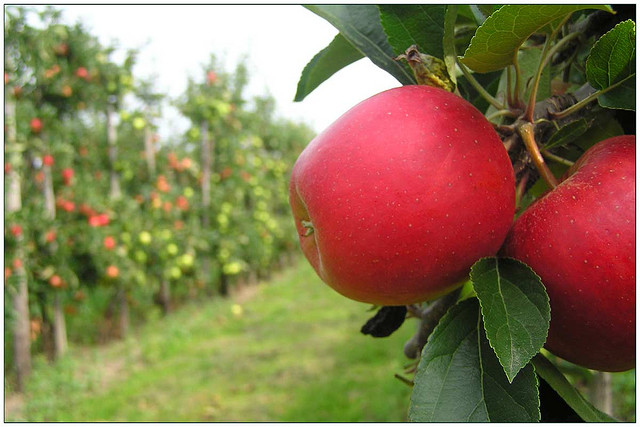
Image via digicla
Arwa Aburawa
Arwa Aburawahttp://www.greenprophet.com
Arwa is a Muslim freelance writer who is interested in everything climate change related and how Islam can inspire more people to care for their planet and take active steps to save it while we can. She is endlessly suspicious of all politicians and their ceaseless meetings, especially as they make normal people believe that they are not part of the solution when they are the ONLY solution. Her Indian auntie is her model eco-warrier, and when Arwa is not busy helping out in the neighborhood alleyway garden, swap shopping or attempting fusion vegetarian dishes- with mixed success, she’d like to add- she can be found sipping on foraged nettle tea.

Read More

1 COMMENT

TRENDING

Health Canada approves lab grown milk

Canada's approval of animal-free dairy proteins marks a milestone for precision fermentation and the growing alternative-protein industry. Will consumers embrace milk made without cows?

HelloFresh’s pride prepping ad raises a bigger question: we are we still outsourcing dinner?

The backlash against HelloFresh's Pride Month marketing campaign has sparked a wider conversation about food, labor, sustainability, and whether consumers should reconnect with local farmers, butchers, and home gardens instead of relying on subscription meal kits.

A visit to Amirim, Israel’s first all-vegetarian village in the Galilee

Just 15 kilometers from Tzfat there is a moshav that was founded in the late 50s that was ideologically influenced by organic, vegetarian and vegan principles. My hostess at Ohn-Bar, the tzimmer where I stayed, explained that the people of Amirim were among the pioneers of Israel’s strong vegetarian movement.

10 Amazing Facts About the Sidr Tree

Most people in the West have never heard of the Sidr tree. That's strange when you think about it. This tough, thorny desert tree has fed people, bees, birds, and camels for thousands of years. It appears in Islamic tradition. Its honey sells for astonishing prices.

Farmer Focus Sold as Humane and Halal. PETA Says the Reality Is Far Less Ethical

According to documents obtained by PETA, and sent to Green Prophet, Farmer Focus accumulated 40 violations from the Harrisonburg-Rockingham Regional Sewer Authority between January and March 2026 for overly acidic wastewater and excessive pollutant levels.

Yerukim Forms a New Green Economy Where the Money is Really Green

The Yerukim members who pick up the recyclables get to keep the monetary reward, the public earns "green" bills that can be used in shops, and business owners get to be associated with environmentalism.

Choosing Riyadh over Dubai? What Investors Should Know

Saudi Arabia is deploying capital at unmatched scale to catalyze tourism and advanced industry while rewiring its power-and-water backbone. The investable frontier is widening—especially in renewables, grid storage, water efficiency/desal retrofits, and hospitality operating platforms. Prudent investors will insist on phased delivery, enforceable KPIs (energy, water, biodiversity), and RHQ/zone compliance—while pricing political-economy and reputational risks alongside growth upside.

Sell your cooking oil for biodiesel money

Want to make money on old french fry oil? Sell it.

Qatar Alternative Energy Summit Pairs Investors And Innovators

Alternative energy investors and innovators can meet n' greet in Doha, Qatar March 16 and 17.

Here’s How To Implement The Four Pillars Of Employee Engagement

If you throw a party for your work team and they are vegans, don't make it a barbecue. Know the sustainability values of your team to boost moral and retain good people.

Locals From Rishon Fight IKEA

Big Box stores are a pretty new concept in Israel, and thank God that not every Israeli city wants them in their backyard. A word from someone who has see the beautiful farmland around her hometown Newmarket, Ontario stripped and converted into vulgar strip malls of big box shops: they have no place in a healthy and sustainable town or city.

The Jewish National Fund Meets An Inconvenient Truth

According to the JNF, it has transformed thousands of acres of barren land into green forests in Israel. They state that each person emits about 23 tons of carbon per year, estimating that each tree planted can absorb one ton of carbon in its lifetime. That's a whole lot of trees you'd need to be planting. Could so many fit in Israel?

How to quiet noise from construction in your office

Streets need to be resurfaced in New York but the humming and grinding noise is unsettling. Noise is environmental pollution. 

Popular Categories