

Tips to curb the energy consumption of your aquariums

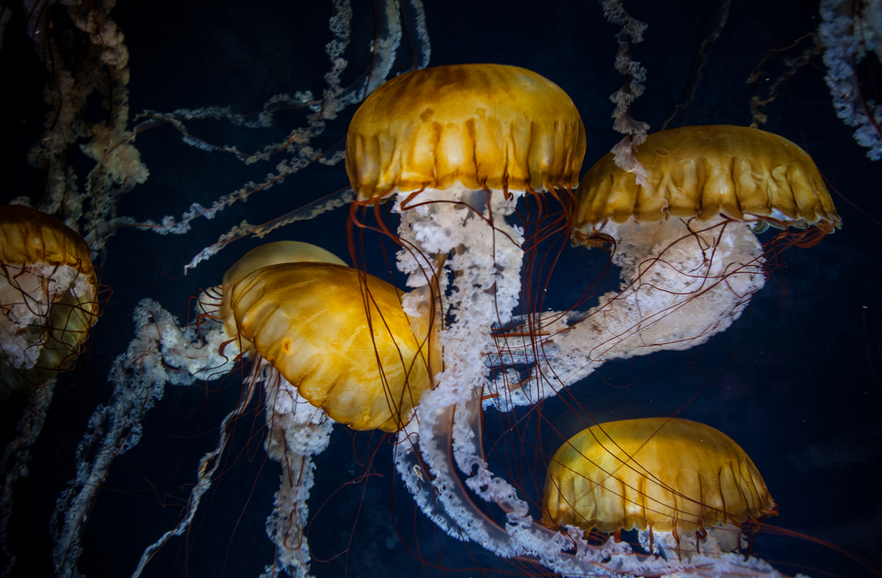
jellyfish in aquarium
Like any other appliance, the various components of a home aquarium can consume not insignificant amounts of energy over the course of a year.

Besides shopping around for cheap electricity deals, we know we can reduce energy consumption and electricity bills by remembering to switch off lights and devices such as televisions and computers when they aren’t in use. We can also save by making the change to energy-saving light bulbs and taking other steps to improve the efficiency of our household appliances. Switching off your aquarium heaters and filters to save energy isn’t so straightforward, but thankfully there are still some ways to curb aquarium energy consumption.

The energy costs involved in running an aquarium can come as quite a surprise to some people. They can consume more electricity than a television or even a computer. If you’ve got a couple of tanks, as many people do, the combined energy costs could be equivalent to that of a refrigerator. Shopping around for energy efficient models when buying new components, just as you would for white goods or other household appliances, is clearly a good idea.

The different components of an aquarium include lights, filters and heaters. Let’s take a look at how to save on each.

Lighting

Just as energy-saving light bulbs in the home can make all the difference to your energy bills, using energy efficient lighting in your aquarium can save you significant amounts over the long term. Fluorescent lights are more efficient than incandescent or halide lamps. You can also save by only using lights when you need to, for example, using them just for eight hours a day. Moonlight LED lights, which cast low levels of light and consume a lot less energy than main aquarium lights, can be used at other times.

Filters

Filters come in different power levels. You do need to choose one that is the correct size and power for your aquarium – consult your aquarium manual or ask for specialist advice if you’re unsure what kind of filter you need. Beyond this, you may be able to adjust the filter‘s settings to maintain it at the most energy efficient speed.

Heating

The temperature of your aquarium needs to be set according to the type of fishes you have in it. Ask an expert if you don’t know the optimum temperature required. Once you have this figure, check the temperature on your tank and reduce it if it’s higher than it needs to be. You could also look into using solar energy, while an aeration stone placed under the heater will help to circulate cold water to the heater and disperse warmer water. Low output heaters are also more efficient and longer lasting than high output heaters.

Consider also where you keep your aquarium, as it will need less heating if it is already kept in a well-heated room. Heat loss can be minimised by using polystyrene or a similar material as insulation underneath the aquarium and between the aquarium outer wall and room walls or cabinet walls. Just as loft and cavity wall insulation can drastically reduce heat loss from rooms, making sure your aquarium is at least partially insulated is one of the most effective ways of reducing its heating costs.

This is a sponsored post

Image of jellyfish in aquarium from Shutterstock

Read More

2 COMMENTS
  1. Can you heat a home with fish tanks? Trying to find out if Anyone done this beyond the fishroom level? Furnace is busted, winter is coming, and looking for a sustainable win-win alternative.

    Some details:

    Currently running approximately 1200 gallons in ~50 tanks with submersible heaters and covered tops. Tank temps average in the mid to high 70s range.
    WLP74
    Drafty, but plastic sealed windows at the moment and there is a large 10×25 ft living area with a cathedral ceiling to contend with (normal ceilings elsewhere). Crawlspace throughout (if this matters). Location is SE Michigan. About 80% of the 1250 s/f home has been reinsulated. 1930s wood frame style.

    Trying to locate a formula/calculators to see if I can add more aquariums at a lower cost than buying a new heating system. No luck with Google there beyond furnace btu calculators.

TRENDING

Kansas City’s Second Attempt at a Conversion Therapy Ban: What the Proposed Ordinance Does and Why It’s Being Rewritten

Kansas City is attempting to revive protections against conversion therapy with a new ordinance carefully designed to withstand recent First Amendment challenges. Rather than banning conversion therapy by name, the proposal targets harmful therapeutic practices linked to increased risks of depression and self-harm, creating what supporters hope could become a legal model for other U.S. cities.

What to Look for in a Senior Living Community That Truly Delivers

Choosing a sustainable senior living community means looking beyond appearances to care quality, nutrition, safety, social connection, and long-term well-being.

NuCicer — Chickpeas Move to the Center of the Plate

NuCicer has developed Nuchi, a new class of chickpea with 50% more protein and 25% less fat than conventional varieties. Co-founder Kathryn Cook explains how wild chickpea genetics, AI-guided breeding, and centuries-old biodiversity could transform the future of sustainable protein.

How Torvinen Jaakko’s ugly wood can lay the foundations for green building

Canada's forests generate billions of dollars in economic value each year, yet vast amounts of irregular timber are downgraded to wood chips or biomass. A collaboration between researchers at Carleton University and Aalto University is challenging that model, demonstrating how "ugly wood" can be transformed into high-value architecture while reducing waste and storing more carbon in buildings.

A Face Swap Tool for Training and Internal Comms

Corporate training videos often require repeated filming, travel, and production resources every time policies or personnel change. AI-powered face swap tools offer a more sustainable approach by extending the life of digital training content, reducing unnecessary reshoots, and helping organizations communicate more efficiently—provided they are used transparently with clear consent and ethical governance.

The Essential Guide To Sustainability in Project Management

Sustainability is an approach where businesses and individuals balance the environmental, social, and economic aspects of a project such that current and future stakeholders are not overburdened with the impacts of the project in future.

Yerukim Forms a New Green Economy Where the Money is Really Green

The Yerukim members who pick up the recyclables get to keep the monetary reward, the public earns "green" bills that can be used in shops, and business owners get to be associated with environmentalism.

Choosing Riyadh over Dubai? What Investors Should Know

Saudi Arabia is deploying capital at unmatched scale to catalyze tourism and advanced industry while rewiring its power-and-water backbone. The investable frontier is widening—especially in renewables, grid storage, water efficiency/desal retrofits, and hospitality operating platforms. Prudent investors will insist on phased delivery, enforceable KPIs (energy, water, biodiversity), and RHQ/zone compliance—while pricing political-economy and reputational risks alongside growth upside.

Sell your cooking oil for biodiesel money

Want to make money on old french fry oil? Sell it.

Qatar Alternative Energy Summit Pairs Investors And Innovators

Alternative energy investors and innovators can meet n' greet in Doha, Qatar March 16 and 17.

Here’s How To Implement The Four Pillars Of Employee Engagement

If you throw a party for your work team and they are vegans, don't make it a barbecue. Know the sustainability values of your team to boost moral and retain good people.

Locals From Rishon Fight IKEA

Big Box stores are a pretty new concept in Israel, and thank God that not every Israeli city wants them in their backyard. A word from someone who has see the beautiful farmland around her hometown Newmarket, Ontario stripped and converted into vulgar strip malls of big box shops: they have no place in a healthy and sustainable town or city.

The Jewish National Fund Meets An Inconvenient Truth

According to the JNF, it has transformed thousands of acres of barren land into green forests in Israel. They state that each person emits about 23 tons of carbon per year, estimating that each tree planted can absorb one ton of carbon in its lifetime. That's a whole lot of trees you'd need to be planting. Could so many fit in Israel?

Popular Categories