

Enterprise video content sits in an awkward position: organizations expect it to work like polished external marketing, but the budgets, timelines, and operational constraints look nothing like external marketing. The subject-matter expert who needs to appear in the compliance training video has a full calendar. The department head who should lead the onboarding sequence hasn’t confirmed availability in three weeks. And the content team still has a deadline. Pollo AI’s face swap capability was built for exactly this gap — credible on-screen presence, without scheduling it.
AI-powered face swap technology can make corporate training more sustainable by reducing repeat filming, travel, and production waste. With transparent consent and ethical governance, organizations can update internal communications more efficiently while extending the lifespan of existing training content.

Why Internal Video Has a Different Set of Problems
External content is constrained by quality standards. Internal content is constrained by participation logistics. The people who need to be on camera are almost never the people with time to be on camera.
Getting a senior HR leader to film a three-minute policy walkthrough requires alignment across at least four calendars, prep time, a filming setup, and then post-production. For content that gets updated every quarter, this overhead is simply unsustainable. Teams end up producing fewer videos than they need, or producing them less frequently than the information demands.
A face swap workflow changes this math. Pollo AI’s face swap tool makes it possible to produce a credible on-screen presenter without requiring the actual person to film on the actual day. The structure, script, and message all stay in the hands of the subject-matter expert. The on-camera logistics don’t.
Specific Use Cases with High Internal Value
Compliance and policy training: these videos are high-stakes and high-update-frequency. The content changes often; the presenter doesn’t need to change with it every time. A face swap workflow allows policy updates to be reflected in the video without a new filming session for the compliance officer.
Scenario-based skills training: training videos that show how different characters respond in realistic workplace situations — customer objection handling, difficult conversations, safety protocols — can be produced without requiring employees or live actors to participate in filming. The characters are consistent, the scenarios are controllable.
Quarterly onboarding sequences: new hire onboarding content goes stale as teams change and company positioning evolves. A face swap workflow allows the visual layer — who’s on screen — to be refreshed independently of the underlying script and structure.
Executive update videos: leadership teams that want to communicate through video but can’t commit to monthly filming schedules can be represented more consistently. The content gets recorded once; future versions update the visual layer as needed.
Governance: What Teams Need to Address Before Deploying at Scale
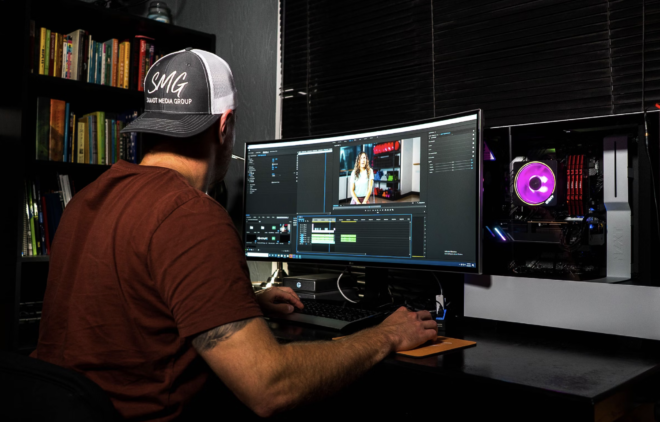
The operational appeal of this workflow is real. So is the need for a governance structure before rolling it out at scale.
For additional context on how AI tools designed for enterprise and business video production handle similar governance considerations — including how related platforms approach audit trails and consent documentation — the DeepAI page on Pollo AI provides a useful internal reference point.
The core governance requirements for internal face swap use:
- Written consent from every individual whose likeness is used: internal context doesn’t exempt the organization from needing documented agreement
- Explicit labeling of all AI-generated content: internal audiences should be informed that content is AI-assisted, regardless of whether the format feels formal or informal
- A defined approval scope: specify clearly which content types are approved for this workflow, and which require additional review before using face swap
- Mandatory human review before any distribution: no AI-generated face swap content should be distributed without a human sign-off, regardless of how routine the use case feels
Conclusion
Training and internal communications are an overlooked opportunity for AI video tools—not because organizations lack demand, but because traditional video production consumes significant time, travel, scheduling, and production resources. By reducing the need for repeated filming sessions, AI-assisted tools such as Pollo AI’s face swap capability can help organizations update training materials more efficiently, potentially lowering the environmental footprint associated with travel, studio production, and reshoots. Used transparently, with informed consent, clear labeling, and strong governance, these tools can support more agile and resource-efficient workplace communication while extending the lifespan of digital training content.