

Mediterranean Sharks Almost Gone Forever

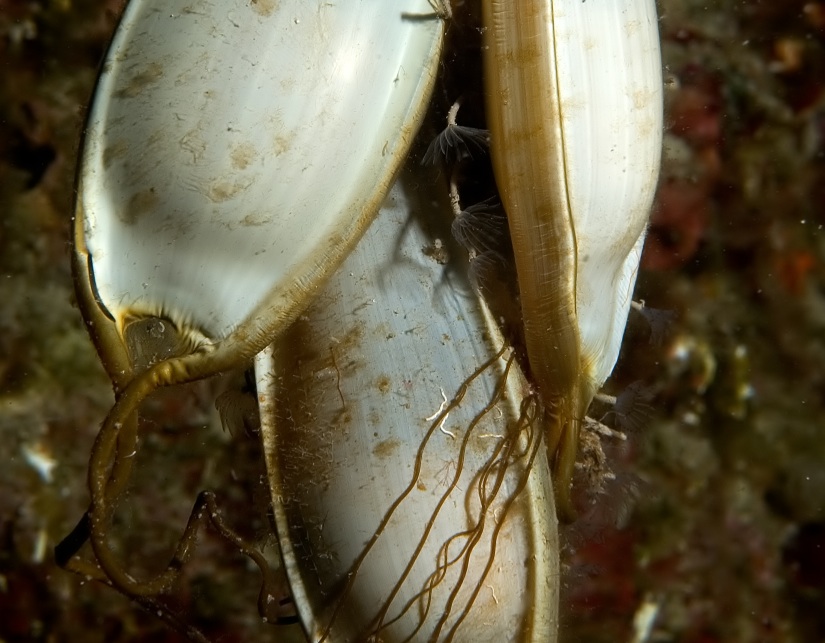
shark eggs in the sea
Mediterranean sharks risk extinction while “serious implications” feared for marine ecosystems and beyond. Accidental catches and sharks for fin soup are to blame

Shark populations in the Mediterranean and Black Sea have dropped dramatically over the last two centuries and now risk extinction, with serious implications for the region’s entire marine ecosystem and food chains, according to a new study by the UN’s Food and Agriculture Administration.

“Sharks in the Mediterranean Sea have declined by more than 97 percent in number and ‘catch weight’ over the last 200 years. They risk extinction if current fishing pressure continues,” the study found.

“This loss of top predators could hold serious implications for the entire marine ecosystem, greatly affecting food webs throughout this region,” it added.

The study, Elasmobranchs of the Mediterranean and Black Sea: Status, Ecology and Biology, was undertaken by the General Fisheries Commission for the Mediterranean, one of several FAO regional bodies working in the fisheries sector.

Sharks critically endangered

It found that cartilaginous fish species, such as sharks and rays, “are by far the most endangered group of marine fish in the Mediterranean and Black sea where 85 species are known to occur. Of 71 species assessed in the Mediterranean Sea in 2007, 30 (42 percent) were found to be threatened, including 13 percent critically endangered, 11 percent endangered and 13 percent vulnerable. Another 18 percent were categorized as near-threatened.

Cartilaginous fish have skeletons made of cartilage, rather than bones. Within that group, sharks, rays and skates are scientifically termed Elasmobranchs. Their biological characteristics, including low fecundity, late maturity and slow growth make them more vulnerable than bony fish, as their regeneration rates are slower.

Issues such as “overfishing, wide use of non-selective fishing practices and habitat degradation” are therefore affecting these species more than others.

In general sharks and rays have not been deliberately targeted in the Mediterranean and Black Sea, but caught accidentally. Annual aggregated reported landings in the Mediterranean and Black Sea currently amount to some 7 000 tonnes, compared to 25 000 tonnes in 1985 – an indication of the severity of their decline.

At the same time, however fishing activities targeting sharks are intensifying due to rapidly increasing demand for shark fins, meat and cartilage.

This is compounded by extensive damage to, or disturbance of, their habitats, caused by shipping, underwater construction and mining or by chemical, sound and electromagnetic contamination.

Among the most recent measures adopted by the Commission to protect sharks and rays is the prohibition of ‘finning’ (removal of fins at sea and discarding of carcass) and the reduction of trawl fishing within 3 nautical miles off the coast to enhance protection of coastal sharks.

The Commission has also recommended Mediterranean and Black Sea countries to invest in scientific research programmes aimed at identifying potential nursery areas and to consider time and area closures to protect juveniles of sharks and rays from fishing activities.

Other initiatives undertaken by the Commission have included the organization of several meetings and courses aimed at better understanding these species and their habitats and creating a background of Regional knowledge to guide GFCM Members in developing national plans to protect these key species.

Image of shark eggs via Shutterstock

Read More

2 COMMENTS

LEAVE A REPLY

Please enter your comment!
Please enter your name here

TRENDING

Desalination experts debunk Aqua Solaire, the floating desalination barge

AI makes it easy to dream, develop, and create images of what could be world-changing ideas, until the reality sets in. A new project making the rounds is Aqua Solaire, an allged French concept for a solar-powered desalination vessel designed to bring drinking water to coastal communities facing drought, storms, and infrastructure failures.

Eco organization offices destroyed by Iran missile

Tel Aviv's eco organization, the Heschel Center, was impacted by an Iranian missile.

What are AWG air-water generators, and why they aren’t a golden-bullet solution (yet)

Atmospheric water generators (AWGs) sound like magic: machines that can pull drinking water out of air. The idea is mentioned in the Bible, where the elders would pray for water collected as dew on plants and the catch on turning this into a machine is in the physics. To turn invisible vapor into liquid, you must remove heat, especially the latent heat of condensation.

Jordan’s $6 Billion Aqaba–Amman Desalination Project from the Red Sea Moves Forward

In 2025, the Jordanian government signed agreements with a consortium led by Meridiam and SUEZ, alongside VINCI Construction and Orascom Construction. Under a 30-year concession agreement, the consortium will design, build, finance, operate, and maintain the system before transferring it back to the Jordanian government. The total investment is estimated at approximately $6 billion USD.

The Saudi Startup Turning Desalination’s Toxic Waste Into Its Own Disinfectant

For millennia, the Middle East's water crisis seemed an immutable fact of geography — a region defined as much by what it lacked as by what lay beneath its sands. Today, a convergence of plummeting solar costs, advancing membrane technology, and hard-won engineering expertise is rewriting that story.

How to quiet noise from construction in your office

Streets need to be resurfaced in New York but the humming and grinding noise is unsettling. Noise is environmental pollution. 

EarthX and a blueprint for sustainable investing

Trammell S. Crow, a Dallas-based businessman and father of four, is focusing his efforts on impact investing, and media that focuses on saving the planet through EarthX.

Mining Afghanistan’s Mineral Discoveries Similar to Avatar

Now that American forces in Afghanistan are commemorating the longest period of any war that America has been involved in, including the 1965-73 Vietnam War, the recent discoveries of large and extremely valuable mineral and metal deposits may finally bring to light a reason to continue the presence of US fighting forces in this war torn and backward country.

From Pilot Plant to Global Stage: How Aduro Clean Technologies’ 2026 Expansion Signals a Turning Point for Chemical Recycling Investors Like Yazan Al Homsi

The company's Next Generation Process (NGP) Pilot Plant in London, Ontario, has officially moved into initial operating campaigns, generating the kind of structured, repeatable data that separates laboratory promise from commercial viability.

Nobul’s Regan McGee on Shareholder Value: “Complacency Is the Silent Killer” 

Why the governance framework designed to protect shareholders so...

Should You Invest in the Private Market?

startustartup Unlike public stock exchanges, which offer daily trading, strict...

How to build a 100-year-company

Kongō Gumi is a Japanese construction company, purportedly founded in 578 A.D., making it the world's oldest documented company. What can we learn about building sustainable businesses from them?

How AI Helps SaaS Companies Reduce Repetitive Customer Support Work

SaaS products are designed for large numbers of users with different levels of experience, and also in renewable energy.

Popular Categories