Muslim potter shapes the 99 names of God into clay

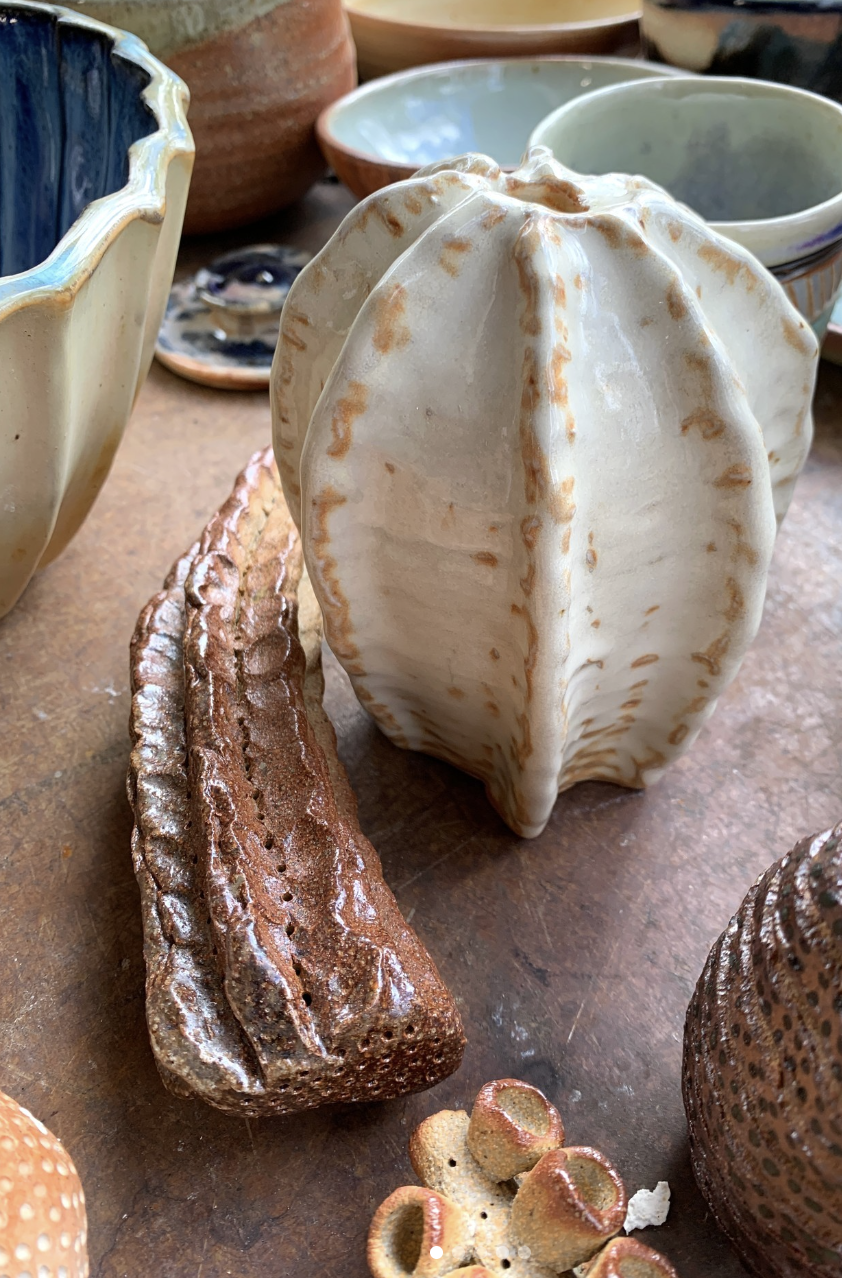
My latest ceramic series explores the 99 names of God in Islam through 99 unique sculptures inspired by seed pods. Never forget the seeds planted by our ancestors that we can use now as sustenance and inspiration in a noisy and unjust world. What seeds are you planting that can nourish future generations in their times of trial and injustice? There are so many wonderful possibilities of what that can look like.
Ceramic tiles and the 99 names of God

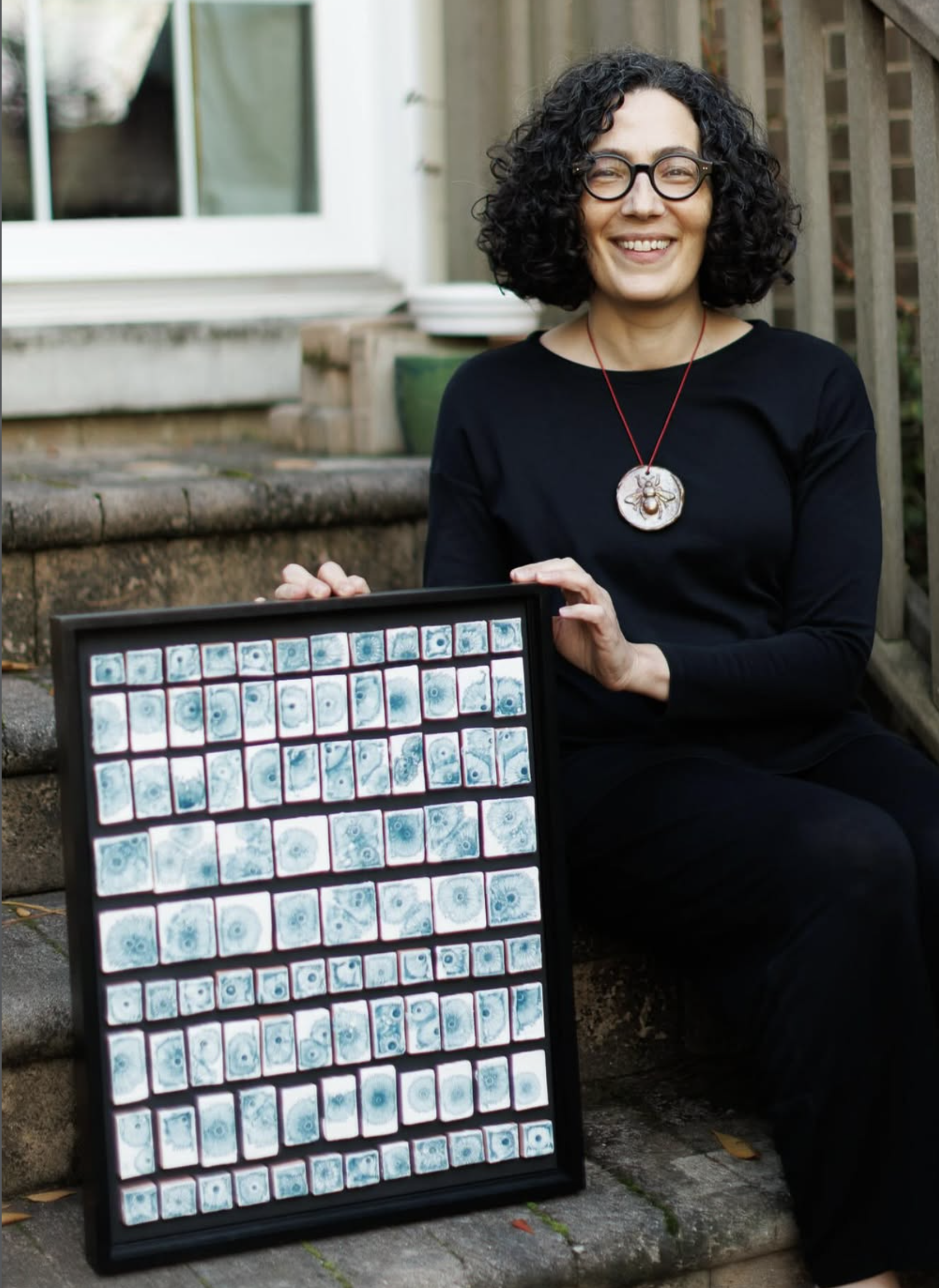
In a studio in the DC Maryland Virginia area, ceramic artist Alison Kysia is working with clay in a way that feels both grounded and personal. She makes pottery and abstract Islamic sculptures, and one of her recent works focuses on the 99 Names of God in Islam, a concept borrowed from Judaism where there are 72 names for God. Christians have about 30 names for God.

Kysia, who shares her work as @786arts, identifies openly as a Muslim woman artist. Her practice includes handmade pottery, sculptural pieces, and socially engaged art projects that connect people through making.

A recent piece, Al Musawwir III: The Artist, is named after one of the 99 Names of God, often translated as The Shaper. The work includes 99 individual ceramic tiles. Each tile is painted by hand with teal bursts that look like small worlds or organic forms spreading outward. Together they sit in a single black frame, measuring about 17.5 by 21.5 inches.

Her idea is simple and strong. Each pottery tile holds its own pattern, but the full set builds something larger. It is repetitive but not uniform. You can stand close and look at one tile, or step back and take in the whole.

Kysia shared that the reaction from buyers has been emotional. One collector told her that the idea of living with a piece connected to the 99 Names gave them chills and felt deeply moving. She also recently sold a sculpture for a four figure price, a personal milestone.

Her work also carries a message about identity. She speaks directly about the way Muslims are treated and represented, and sees her art as a way to show something else. Not an argument, just presence through material and form.

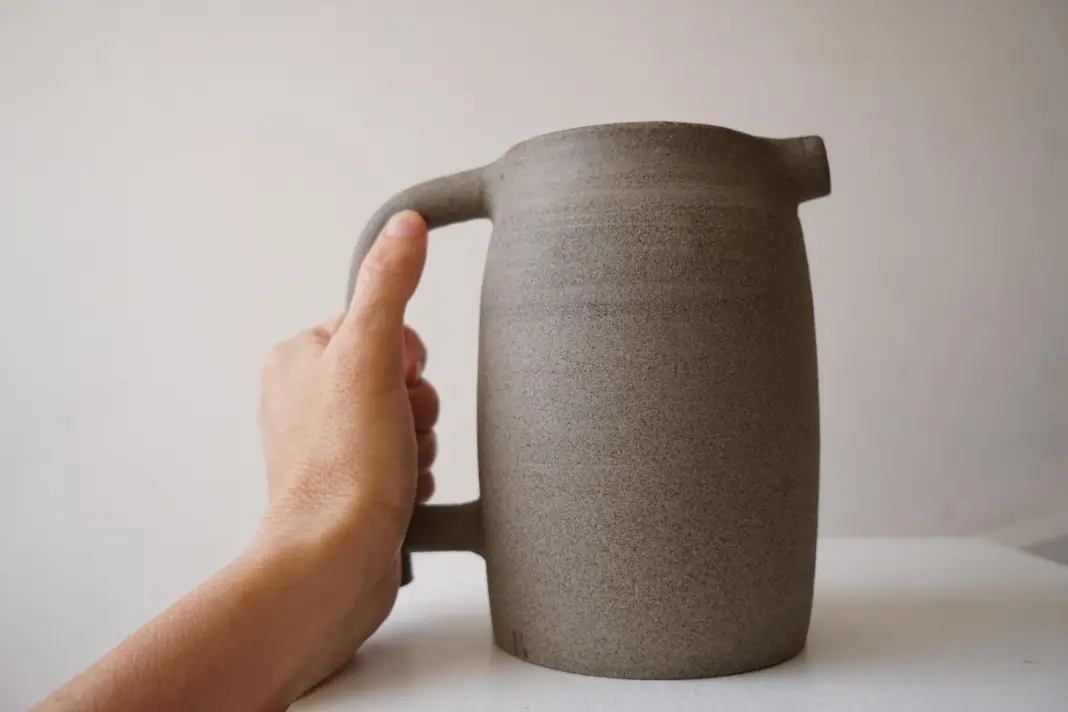
Clay does a lot of quiet work here. It comes from the earth, it holds marks, it records touch. In Kysia’s hands it becomes a way to think about faith without needing to explain it too much.
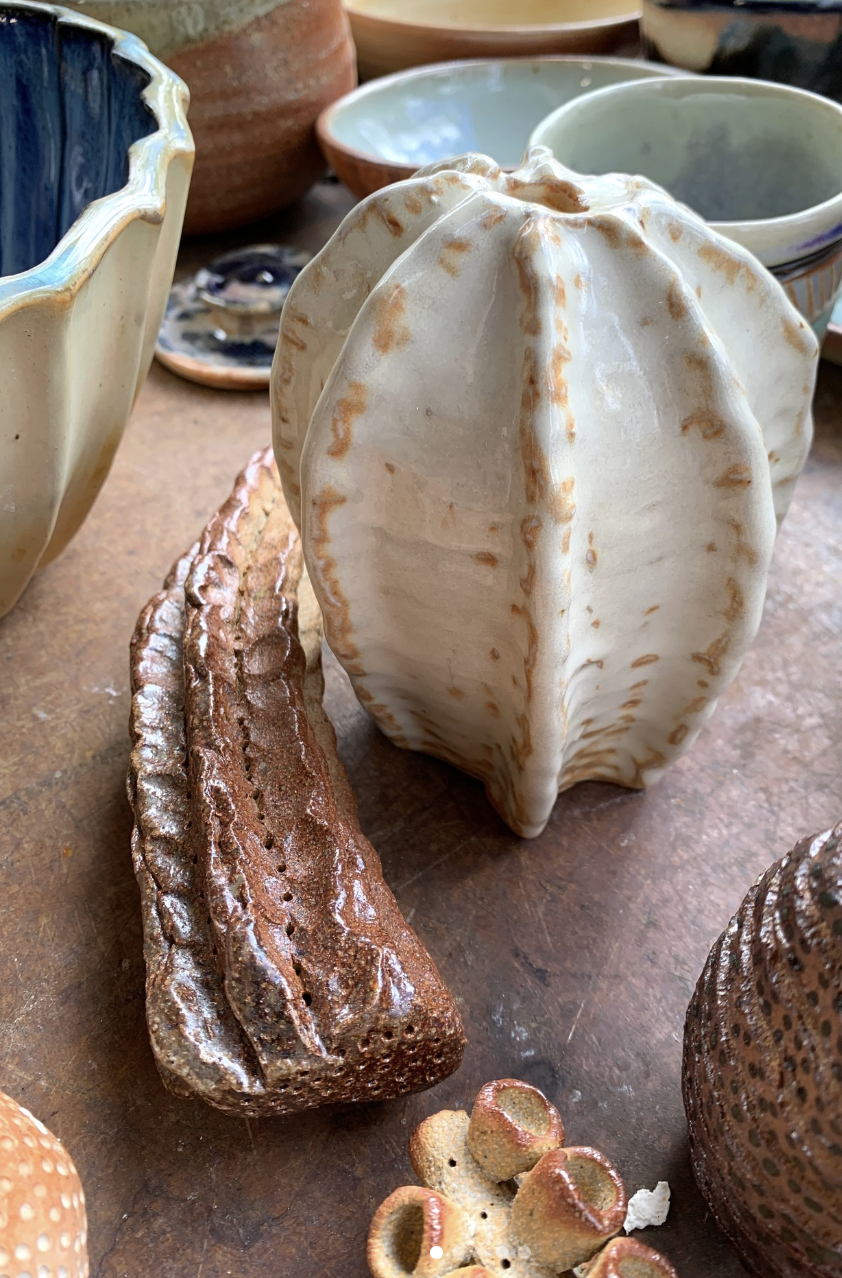
99 seed pods for God?


She then went on to do the same with crafting seed pods. “My latest ceramic series explores the 99 names of God in Islam through 99 unique sculptures inspired by seed pods. Never forget the seeds planted by our ancestors that we can use now as sustenance and inspiration in a noisy and unjust world.

“What seeds are you planting that can nourish future generations in their times of trial and injustice? There are so many wonderful possibilities of what that can look like.”

::786Art


Karin Kloosterman
Karin Kloostermanhttp://www.greenprophet.com
Karin Kloosterman is an award-winning journalist, innovation strategist, and founder of Green Prophet, one of the Middle East’s pioneering sustainability platforms. She has ranked in the Top 10 of Verizon innovation competitions, participated in NASA-linked challenges, and spoken worldwide on climate, food security, and future resilience. With an IoT technology patent, features in Canada’s National Post, and leadership inside teams building next-generation agricultural and planetary systems — including Mars-farming concepts — Karin operates at the intersection of storytelling, science, and systems change. She doesn’t report on the future – she helps design it. Reach out directly to [email protected]

Read More

LEAVE A REPLY

Please enter your comment!
Please enter your name here

TRENDING

Ancient mud buildings in the Muslim world are spectacular and sustainable

Other notable mud structures in the wider Muslim world include the Bob Dioulasso Grand Mosque in Burkina Faso, and the Khiva Wall in Uzbekistan, which is built around a collection of Islamic schools and mosques. The Siwa Oasis in Egypt (which we visited and posted about here) and the Eastern Castle in Syria have also employed mud bricks in their construction, and research shows that the famous walls of Jericho were built using sun-dried mud bricks.

Why Muslims don’t drink beer

Many Muslims avoid beer because Islamic law forbids all intoxicants, yet drinking habits vary across cultures. Green Prophet explores the religious basis, real-world exceptions, and the rise of alcohol-free trends like mocktails and kombucha among Muslim and non-Muslim drinkers.

Can Muslims drink kombucha?

Can Muslims drink kombucha even though it may have traces of alcohol?

Muslims less likely screened for cancer in this American city

Participants expressed a strong interest in having health initiatives related to cancer education, screening and survivorship integrated within mosques. This preference suggests that mosques could serve as vital centers for health education and intervention, leveraging the trust and influence of faith leaders to promote better health outcomes.

Quran guidelines on how to be ecological in the Muslim faith

Similar to Pope Francis encyclical Laudato Si’ published in 2015, Al-Mizan is an Islamic-inspired global call to head the cries of the people and the earth seeking to inspire billions of people from all religions in all parts of the world to tend to our one planet, our home.

EarthX and a blueprint for sustainable investing

Trammell S. Crow, a Dallas-based businessman and father of four, is focusing his efforts on impact investing, and media that focuses on saving the planet through EarthX.

Mining Afghanistan’s Mineral Discoveries Similar to Avatar

Now that American forces in Afghanistan are commemorating the longest period of any war that America has been involved in, including the 1965-73 Vietnam War, the recent discoveries of large and extremely valuable mineral and metal deposits may finally bring to light a reason to continue the presence of US fighting forces in this war torn and backward country.

From Pilot Plant to Global Stage: How Aduro Clean Technologies’ 2026 Expansion Signals a Turning Point for Chemical Recycling Investors Like Yazan Al Homsi

The company's Next Generation Process (NGP) Pilot Plant in London, Ontario, has officially moved into initial operating campaigns, generating the kind of structured, repeatable data that separates laboratory promise from commercial viability.

Nobul’s Regan McGee on Shareholder Value: “Complacency Is the Silent Killer” 

Why the governance framework designed to protect shareholders so...

Should You Invest in the Private Market?

startustartup Unlike public stock exchanges, which offer daily trading, strict...

How to build a 100-year-company

Kongō Gumi is a Japanese construction company, purportedly founded in 578 A.D., making it the world's oldest documented company. What can we learn about building sustainable businesses from them?

How AI Helps SaaS Companies Reduce Repetitive Customer Support Work

SaaS products are designed for large numbers of users with different levels of experience, and also in renewable energy.

Pulling Water from the Air

Faced with water shortage in Amman, Laurie digs up...

Popular Categories