

Pottery lovers are asking a surprisingly practical question: can clay jugs clean and filter water safely? The short answer is yes, but only under specific conditions. And if you’re a ceramics enthusiast, homesteader, or DIY natural living fan, the details matter.
Clay (earthenware/terracotta) has been used for water storage and filtration for thousands of years. From ancient Egypt to rural India, porous earthenware vessels like the one above made by Palestinian craftsmen helped cool and sometimes purify drinking water. But not all clay jugs are created equal, and not every handmade pot will filter water in a meaningful or safe way.
How clay jugs filter water naturally
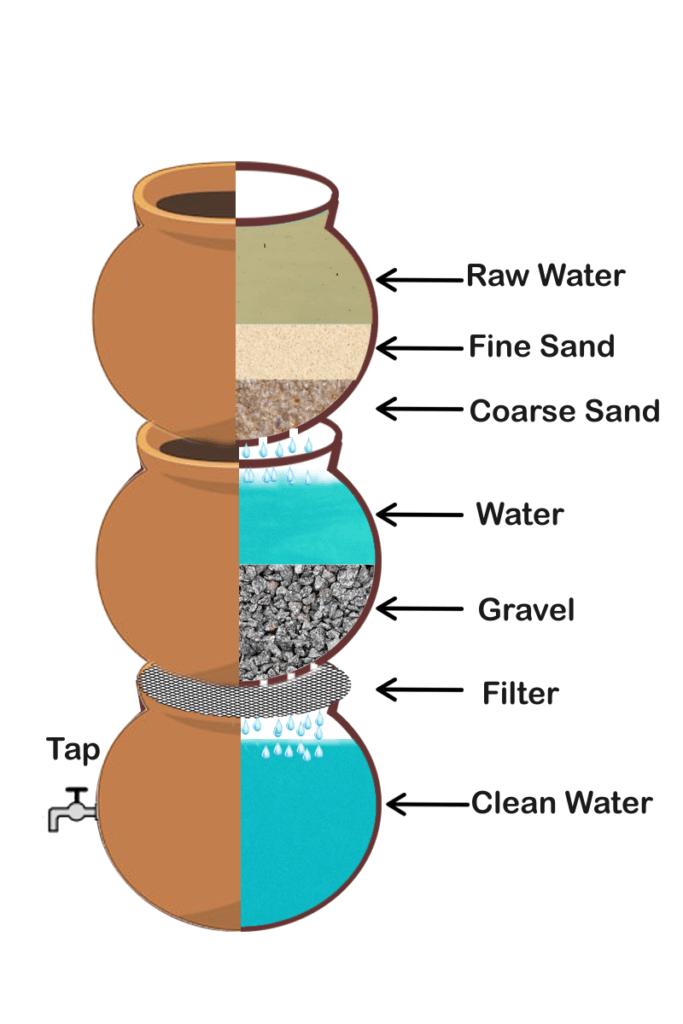
Unglazed, low-fired clay is porous. That means tiny holes in the ceramic body allow water to slowly pass through or interact with air. This porosity can trap some sediment and particles, allow slow evaporation that cools water, and in specialized cases support filtration when combined with materials like charcoal or silver.
Modern ceramic water filters are usually made from a mix of clay and combustible materials such as sawdust. When fired, the sawdust burns away, leaving micro-pores that can physically block some bacteria.
A basic clay jug from your local pottery studio? It won’t do that on its own.
Can handmade pottery actually purify water?
Here’s where pottery fans need to be careful.
Most decorative or functional clay jugs are not designed to remove bacteria or viruses. They may also contain glazes or underglazes that are not food-safe if poorly made, and they will not reliably filter contaminants such as heavy metals, pesticides, PFAS, or industrial chemicals. So while your handmade jug can store water beautifully, and it may even keep it cool, it is not a reliable water purification system.
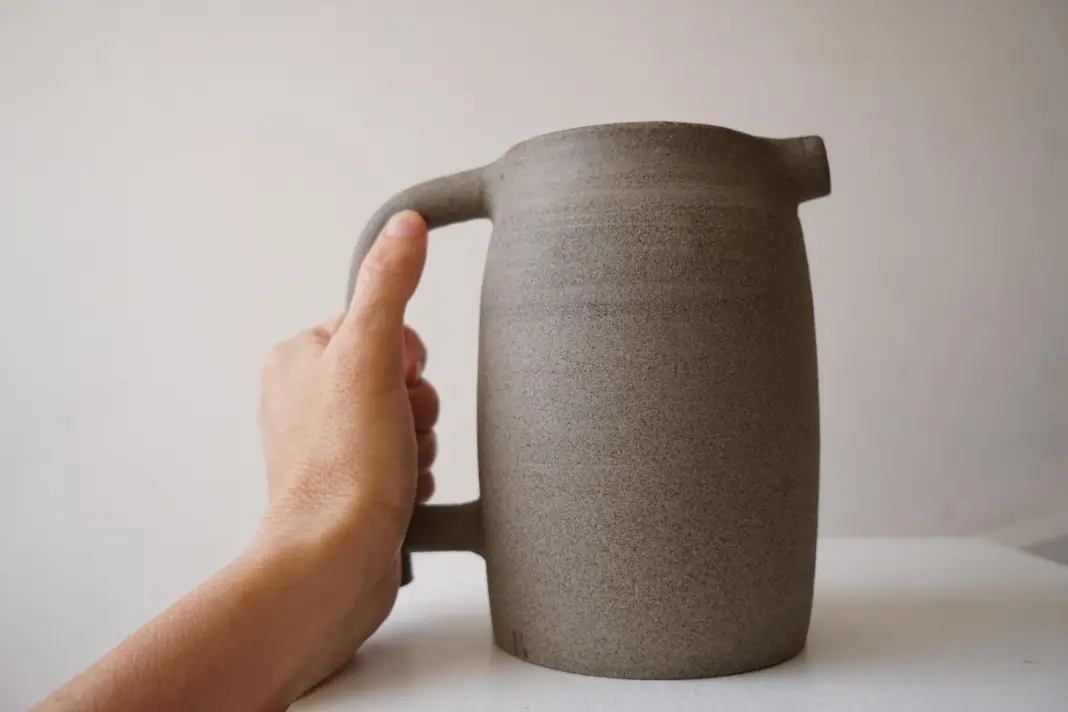
You can make a clay cooling jug using terracotta clay, fire it to about 1050 degrees C, and keep it unglazed. Rest jug on glazed plate to collect condensation.
How to turn clay into a real water filter
If you’re a ceramic artist or experimental potter, there’s a growing niche in the United States around DIY ceramic water filters. These are especially popular among homesteaders, off-grid communities, survivalists, and eco-conscious makers. To make a functional ceramic water filter, you need a clay body mixed with organic burnout material such as fine sawdust, or paper clay, controlled firing to create uniform porosity, and often a colloidal silver treatment to inhibit bacterial growth.
This is closer to engineering than craft pottery, and it requires testing. A handmade clay jug should not be used to make unsafe water drinkable unless it has been designed and tested as a water filter.
Best use of clay jugs for water at home
Even without true filtration, clay jugs still have real value. They can keep water naturally cool through evaporation, reduce the need for plastic bottles, and make water storage feel more human and beautiful.
Some people also say water stored in clay tastes better. That may be because clay jugs avoid the plastic taste that can come from bottled water or cheap storage containers. Some say that clay turns water from the tap, which is dead water to “living water”.
For actual water filtration, make sure you pair your clay jug with a certified filter system.
There’s a quiet revival happening. American potters are blending ancient water storage techniques with modern sustainability goals. Searches such as “DIY ceramic water filter USA,” “natural clay water purifier pottery,” “off grid ceramic water filter,” and “handmade clay jug drinking water safe” are part of this new maker movement. Others just buy a stainless Berkey filter or a reverse osmosis machine to make sure they are drinking the cleanest water.
So, can clay jugs filter water?
Yes, clay jugs can help with water by cooling it, storing it naturally, and in specially engineered cases filtering it. But your average handmade pottery jug will not make unsafe water safe to drink. If you are serious about using clay for water filtration, think like both an artist and a scientist. Test your materials. Understand porosity. And never assume that beautiful handmade pottery is the same thing as a certified water filter.
A well-made clay jug might not save your life, but it can make your water taste like something older, quieter, and a little more human.