
Egypt To Re-Think Wastewater Treatment At Upcoming Conference

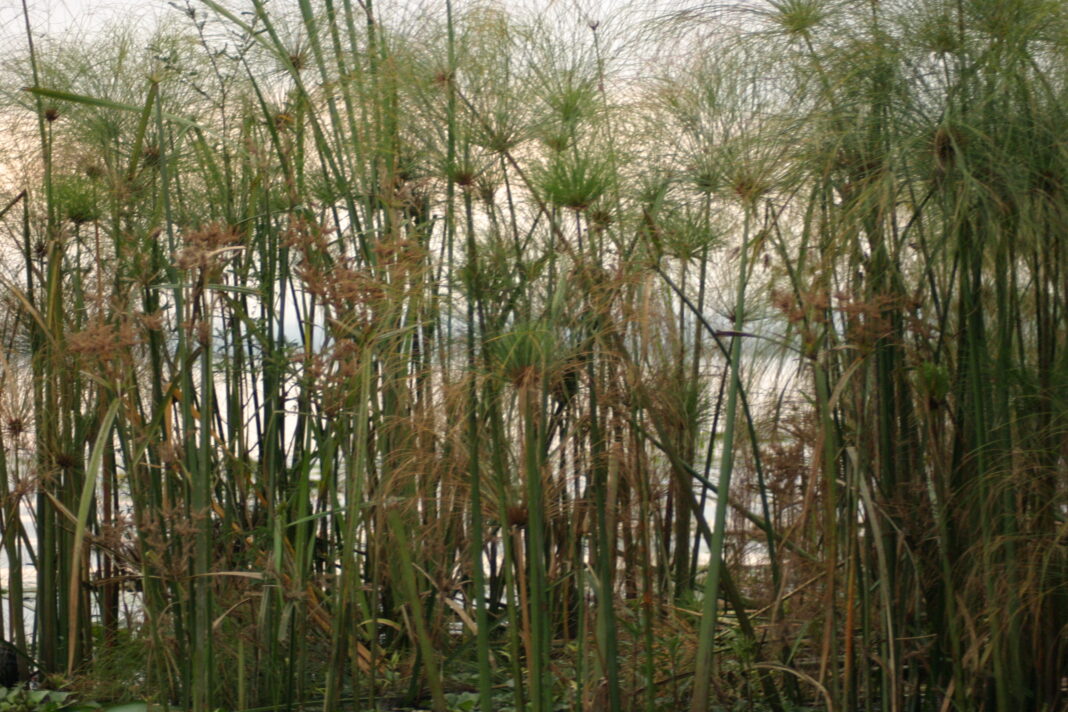
papyrus-plants-morningUsing constructed wetlands is one alternative to be addressed at the IQPC wastewater conference in Cairo this October.

As Egypt’s population increases, it puts pressure on the country’s main water source: the Nile River. In addition to general pollution from agricultural runoff and other pollutants, the recent diesel spill north of Aswan demonstrates the challenges of keeping the river fit for consumption. A pair of industrious young students are planning a kayaking trip from Aswan to Alexandria in order to generate better awareness among the populace. However, government action is absolutely critical in order to ensure the river’s long-term sustainability.  

Water management

In order to improve the quality of water that eventually seeps back into the Nile, the Egyptian government has to improve its current wastewater treatment infrastructure.

To this end, several heavyweights will introduce their ideas at the upcoming IQPC Conference to be held at the Cairo Ramses Hilton from October 31 to November 3, 2010.

Participants will have the opportunity to attend workshops and presentations  and network with other professionals.

Dr. Huseein Abdel Shafy from the Egyptian National Research Center is expected to discuss constructed wetlands as a low-tech alternative to modern treatment methods.

Constructed wetlands

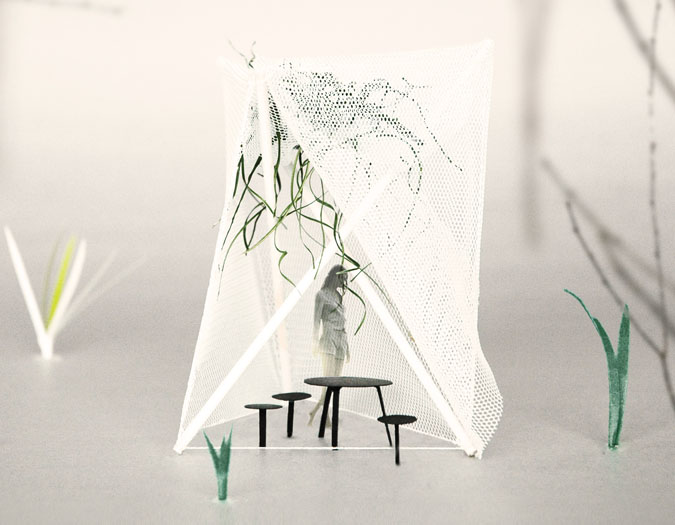
Constructed wetlands consist of plants that are typically found around freshwater systems, such as bulrushes and papyrus. Scientists have learned that these plants are responsible for absorbing the harmful nutrients from agricultural runoff, for example, before they enter into the freshwater system. Additionally, certain bacteria are used to feed on additional nutrients. This is nature’s system, and it is (unsurprisingly) remarkably effective.

The beauty of a wetland system is that it incorporates natural, closed-loop principles and is self-sustaining, therefore requiring very little maintenance. In addition, it is unnecessary to use harmful (and sometimes ineffective) chemicals to treat wastewater.

Dr. Medhat Saleh from El Azhar University will introduce the concept of centralized wastewater treatment systems for rural areas. However, evidence suggests that centralized systems often become overburdened and are expensive to maintain because of the piping necessary to pipe wastewater to one central place.

Even so, discussion and transparency are an important first step to identifying a problem and then implementing plans to resolve it.

Other participants will include the Deputy Chair of the Holding Company for Water and Wastewater, the EU Ambassador to Egypt, and the Project Manager for USAID water and wastewater.

:: image via Tafline Laylin and story via Trade Arabia

More Business and Politics from the Middle East:
Zonzoo Gives Old Phones New Life In The UAE

Sinking Hotels! Salt Imbalance In Mined Dead Sea Threatens Tourism Industry

Activists Generate Awareness of Critical Issues Ahead of UN Summit

Tafline Laylin
Tafline Laylinhttp://www.greenprophet.com
As a tour leader who led “eco-friendly” camping trips throughout North America, Tafline soon realized that she was instead leaving behind a trail of gas fumes, plastic bottles and Pringles. In fact, wherever she traveled – whether it was Viet Nam or South Africa or England – it became clear how inefficiently the mandate to re-think our consumer culture is reaching the general public. Born in Iran, raised in South Africa and the United States, she currently splits her time between Africa and the Middle East. Tafline can be reached at tafline (at) greenprophet (dot) com.

Read More

2 COMMENTS

TRENDING

Interview with America’s water reuse expert BioprocessH20 on challenges and the future of water

Food processors, industrial manufacturers, automobile manufacturers, oil and gas companies and more all need to be mindful of the wastewater they produce when they conduct their core business.

Investing in the Middle East? These 20 Energy consultants can de-risk your portfolio

For instance is your clean tech firm or company in wastewater treatment considering an office in Riyadh or should you stick with Dubai?  Below is a curated spotlight on 20 firms that shine for their deep expertise and proven ability to manage the complex risks of sustainable energy investment.

Wastewater plants are a hidden climate issue, and we’re measuring it all wrong

Wastewater treatment plants are a hidden source of greenhouse gas emissions, releasing methane, nitrous oxide, and fossil CO₂. A new study calls for smarter monitoring and tailored emission factors. U.S. firms like Jacobs, AECOM, and Black & Veatch are key players in building climate-resilient wastewater infrastructure.

Global Progress and Setbacks: Tracking Water Quality Indicators Toward SDG 6 by 2030

The United Nations has 17 objectives that paint a more resource-conscious and fair world called the Sustainable Development Goals (SDGs). The sixth mission is to “ensure access to clean water and sanitation for all” by 2030. The turn of the decade will happen before too long, so assessing progress and moments for improvement at this stage is critical. How is SDG 6 going, and what can humanity do to achieve it?

Zooplankton go eww to poo

Zooplankton don't like fecal contamination in water

Yerukim Forms a New Green Economy Where the Money is Really Green

The Yerukim members who pick up the recyclables get to keep the monetary reward, the public earns "green" bills that can be used in shops, and business owners get to be associated with environmentalism.

Choosing Riyadh over Dubai? What Investors Should Know

Saudi Arabia is deploying capital at unmatched scale to catalyze tourism and advanced industry while rewiring its power-and-water backbone. The investable frontier is widening—especially in renewables, grid storage, water efficiency/desal retrofits, and hospitality operating platforms. Prudent investors will insist on phased delivery, enforceable KPIs (energy, water, biodiversity), and RHQ/zone compliance—while pricing political-economy and reputational risks alongside growth upside.

Sell your cooking oil for biodiesel money

Want to make money on old french fry oil? Sell it.

Qatar Alternative Energy Summit Pairs Investors And Innovators

Alternative energy investors and innovators can meet n' greet in Doha, Qatar March 16 and 17.

Here’s How To Implement The Four Pillars Of Employee Engagement

If you throw a party for your work team and they are vegans, don't make it a barbecue. Know the sustainability values of your team to boost moral and retain good people.

Locals From Rishon Fight IKEA

Big Box stores are a pretty new concept in Israel, and thank God that not every Israeli city wants them in their backyard. A word from someone who has see the beautiful farmland around her hometown Newmarket, Ontario stripped and converted into vulgar strip malls of big box shops: they have no place in a healthy and sustainable town or city.

The Jewish National Fund Meets An Inconvenient Truth

According to the JNF, it has transformed thousands of acres of barren land into green forests in Israel. They state that each person emits about 23 tons of carbon per year, estimating that each tree planted can absorb one ton of carbon in its lifetime. That's a whole lot of trees you'd need to be planting. Could so many fit in Israel?

How to quiet noise from construction in your office

Streets need to be resurfaced in New York but the humming and grinding noise is unsettling. Noise is environmental pollution. 

Popular Categories