Home Blog Page 91

‘Forever Is Now’ Art Show Illuminates Giza’s Night Sky in Sustainable Splendor

0
The "Forever Is Now" exhibition, set against the Pyramids of Giza, showcases contemporary artworks by 14 international artists, blending modernity with ancient Egyptian heritage. Notable installations include the geometric "Meditation on Light" and the hyper-realistic "Egyptian Woman in the Form of the Goddess Hathor." Sustainability takes center stage, with a commitment to eco-friendly materials and environmental consciousness. The exhibition's cultural exchange fosters a dialogue between art, heritage, and the environment. Additionally, the philanthropic aspect includes donation booths for the Egyptian Red Crescent in response to recent events. Overall, the event aims to promote Egyptian tourism and celebrate a harmonious coexistence with our planet.
Rashid Al Khalifa moved from Bahrain to the UK in 1972. This is Reality is Timeless, 2023

In the heart of Cairo, where the ancient Pyramids of Giza stand as guardians of time, French-Egyptian curator Nadine Abdel Ghaffar orchestrates a symphony of art and heritage in the third edition of “Forever Is Now.” As the clock strikes noon, the bustling energy in Cairo is a testament to the monumental task ahead.

Abdel Ghaffar, the founder of the Egyptian arts platform Art D’Égypte, is not just organizing an art exhibition but crafting an immersive experience against the awe-inspiring backdrop of the Pyramids. Opening on Oct. 26, this site-specific installation transcended the boundaries of time, seamlessly blending contemporary art with the timeless tapestry of Egypt’s cultural heritage. It was the third edition of the event, but this time clouded with the war between Hamas and Israel to the north. Tourists were afraid to come to Egypt, but the show went on.

“The Pyramids, for me, are a token of hope for humanity,” Abdel Ghaffar shares, her voice echoing through the millennia. “It’s a world wonder that was not lost. It withstood pandemics, wars, different religions, and it’s still there.” Her sentiment resonates with the enduring spirit of the Pyramids, a beacon of resilience that has weathered the storms of history.

In the throes of the COVID pandemic, Abdel Ghaffar found solace in the words of veteran Egyptian archaeologist Dr. Zahi Hawass. “Look at the Pyramids,” he told her, “This will give you hope. It’s still there. So, humanity will not be erased. Don’t worry.” The Pyramids became a symbol of continuity, a source of strength during uncertain times.

Setting up an exhibition near the Pyramids is no small feat. It involves navigating through bureaucratic mazes involving the Secret Services, UNESCO, and the Ministry of Tourism and Antiquities. Ten days before the grand opening, a dedicated team of 150 workers, including architects and electricians, toils around the clock. Challenges abound, but the fruition of the exhibition each year is nothing short of a miracle. “On the night of the opening, everyone is blown away,” Abdel Ghaffar exclaims.

In past editions of “Forever Is Now,” visionary artists like JR, El-Seed, and Lorenzo Quinn left their indelible marks with sculptural installations. See some photos below. This year, the exhibition extends beyond the Pyramids, with cultural events in Downtown Cairo organized by Art D’Égypte. In response to recent violence in Gaza, the organization is taking a philanthropic stance by setting up Egyptian Red Crescent donation booths.

Amidst this cultural tapestry, sustainability takes center stage. The immersive experience at the interactive Giza exhibition is curated with environmental consciousness. Each installation, a delicate dance between modernity and history, aims to engage the audience in a dialogue about the interconnectedness of art, heritage, and the local environment.

The "Forever Is Now" exhibition, set against the Pyramids of Giza, showcases contemporary artworks by 14 international artists, blending modernity with ancient Egyptian heritage. Notable installations include the geometric "Meditation on Light" and the hyper-realistic "Egyptian Woman in the Form of the Goddess Hathor." Sustainability takes center stage, with a commitment to eco-friendly materials and environmental consciousness. The exhibition's cultural exchange fosters a dialogue between art, heritage, and the environment. Additionally, the philanthropic aspect includes donation booths for the Egyptian Red Crescent in response to recent events. Overall, the event aims to promote Egyptian tourism and celebrate a harmonious coexistence with our planet.

This year’s “Forever Is Now” places a renewed emphasis on sustainability, weaving eco-friendly practices into the very fabric of the exhibition. From the materials used in installations, sourced responsibly and with minimal environmental impact, to the meticulous planning of waste reduction strategies, every aspect reflects a commitment to environmental stewardship.

The "Forever Is Now" exhibition, set against the Pyramids of Giza, showcases contemporary artworks by 14 international artists, blending modernity with ancient Egyptian heritage. Notable installations include the geometric "Meditation on Light" and the hyper-realistic "Egyptian Woman in the Form of the Goddess Hathor." Sustainability takes center stage, with a commitment to eco-friendly materials and environmental consciousness. The exhibition's cultural exchange fosters a dialogue between art, heritage, and the environment. Additionally, the philanthropic aspect includes donation booths for the Egyptian Red Crescent in response to recent events. Overall, the event aims to promote Egyptian tourism and celebrate a harmonious coexistence with our planet.

In the third edition of the exhibition, the participation of 14 international artists adds a layer of cultural diversity and artistic exchange. Organized by CulturVator – Art D’Egypte, the event not only celebrates contemporary art against the backdrop of ancient wonders but also emphasizes the importance of cultural exchange among artists.

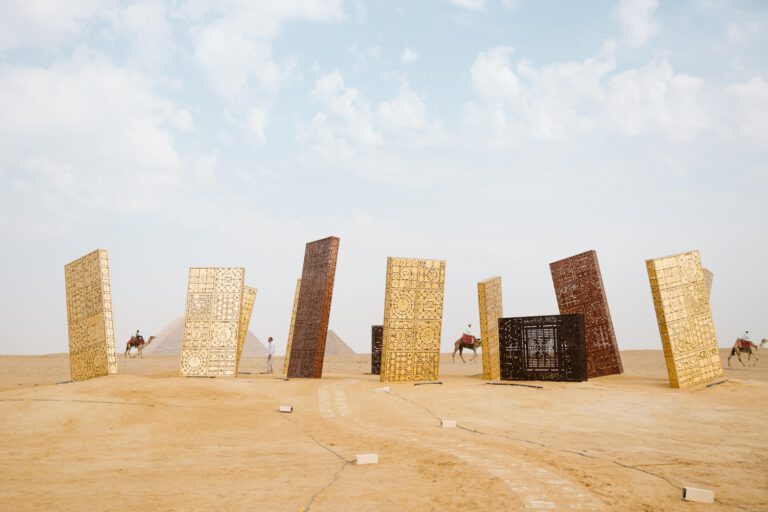
These artworks include a geometric sculpture by artist Dionysios titled “Meditation on Light,” employing artificial intelligence; a hyper-realistic sculpture by artist Carol Feuerman titled “Egyptian Woman in the Form of the Goddess Hathor,” evoking the ancient Egyptian deity of love and fertility; and parts of a maze by artist Rashid Al Khalifa, adorned with patterns inspired by the book “Tower of Babel” by Jesuit scholar Athanasius Kircher in 1679. The contemporary artworks vary in materials, including “fiberglass, steel, stone, marble,” offering an artful and environmentally friendly experience.

Nadine Abdel Ghaffar emphasized the significance of the exhibition, stating, “The ‘Forever Is Now’ exhibition has achieved outstanding success in attracting attention to contemporary art since its first edition. This year, the exhibition raises questions about the new era of technology and cultural change that the world is going through, by combining cultural heritage with the rich diversity of contemporary art practices.”

She expressed gratitude to contributors, institutions, and official partners, including the Ministries of Foreign Affairs, Tourism, Antiquities, Culture, and the Egyptian National Commission for UNESCO, among others. The support from various entities underscores the collaborative effort to promote Egyptian art and heritage on the global stage.

The "Forever Is Now" exhibition, set against the Pyramids of Giza, showcases contemporary artworks by 14 international artists, blending modernity with ancient Egyptian heritage. Notable installations include the geometric "Meditation on Light" and the hyper-realistic "Egyptian Woman in the Form of the Goddess Hathor." Sustainability takes center stage, with a commitment to eco-friendly materials and environmental consciousness. The exhibition's cultural exchange fosters a dialogue between art, heritage, and the environment. Additionally, the philanthropic aspect includes donation booths for the Egyptian Red Crescent in response to recent events. Overall, the event aims to promote Egyptian tourism and celebrate a harmonious coexistence with our planet.

In the third edition of “Forever Is Now,” 14 local and international artists are participating, each bringing a unique perspective and artistic vision to the exhibition. Belgian Arne Quinze, Brazilian Arthur Lescher, Emirati Azza Al-Qubaisi, American Carol Feuerman, Greeks Dionysios and Costas Varotsos, French duo JR and Stephan Breuer, Egyptian Mohamed Banawy, Argentinean Pilar Zeta, Bahraini Rashid Al Khalifa, Saudi Rashed Al Shashai, Dutch Sabine Marcelis, and Egyptian-British Sam Shendi form a diverse ensemble of creative minds.

These artists express the importance of this global event, hoping that their artistic works receive positive and inspiring responses. The Egyptian artist Mohamed Banawy, for instance, finds it an exciting adventure to showcase his work alongside the great civilization of Egypt in one of the most significant archaeological areas in the world.

His work, titled ‘As Above, As Below,’ draws inspiration from the emerald tablets written by the god Thoth, symbolizing keys that speak to us from the realm of the spirit. Banawy’s installation invites viewers to contemplate the material world as a reflection of another world existing in a different dimension, connecting Lower and Upper Egypt in a symbolic journey.

The "Forever Is Now" exhibition, set against the Pyramids of Giza, showcases contemporary artworks by 14 international artists, blending modernity with ancient Egyptian heritage. Notable installations include the geometric "Meditation on Light" and the hyper-realistic "Egyptian Woman in the Form of the Goddess Hathor." Sustainability takes center stage, with a commitment to eco-friendly materials and environmental consciousness. The exhibition's cultural exchange fosters a dialogue between art, heritage, and the environment. Additionally, the philanthropic aspect includes donation booths for the Egyptian Red Crescent in response to recent events. Overall, the event aims to promote Egyptian tourism and celebrate a harmonious coexistence with our planet.

French artist JR, participating for the first time, presents the project “From the Inside Out,” a platform that empowers communities worldwide to defend their beliefs and incite local global change through public art. This initiative, launched by JR after winning the TED Prize in 2011, encourages cooperation and dialogue between communities worldwide through large-scale black-and-white portraits displayed in public spaces.

Greek artist Dionysios contributes the project “Meditation on Light,” a meditative performance art exhibited at the millennial Giza Plateau. Using AI, Dionysios creates different invocations on the theme of light, reflecting Apollo, the god of light, conversing with Ra’a, the god of the sun. His installation invites viewers to envision the Giza plateau as a space for reflection and meditation on the concept of light, symbolizing a carpet on the ground following the trajectory of the sun from dusk till dawn.

The "Forever Is Now" exhibition, set against the Pyramids of Giza, showcases contemporary artworks by 14 international artists, blending modernity with ancient Egyptian heritage. Notable installations include the geometric "Meditation on Light" and the hyper-realistic "Egyptian Woman in the Form of the Goddess Hathor." Sustainability takes center stage, with a commitment to eco-friendly materials and environmental consciousness. The exhibition's cultural exchange fosters a dialogue between art, heritage, and the environment. Additionally, the philanthropic aspect includes donation booths for the Egyptian Red Crescent in response to recent events. Overall, the event aims to promote Egyptian tourism and celebrate a harmonious coexistence with our planet.

Costas Varotsos, another Greek artist, presents “Horizon,” focusing on the relationship between the Nile River and the Giza Plateau. For Varotsos, the horizon is a prediction of the future, defining the concept in space while determining the position toward life. His project features eight circles representing the world’s revolutions, connecting the celestial dome and the cycle of life expressed through the geometric shape of the circle.

Bahraini artist Rashid Al Khalifa presents “Timeless Reality,” inspired by the greatness of Egypt. Using palm fronds, an ancient craft, Al Khalifa pays tribute to the history of the pyramids, providing a contemporary interpretation of their impact on the region’s development processes. His project, “The Transparent Pyramid,” blurs the lines between traditional and modern, renewing perceptions of art, heritage, science, and sustainable practices.

The "Forever Is Now" exhibition, set against the Pyramids of Giza, showcases contemporary artworks by 14 international artists, blending modernity with ancient Egyptian heritage. Notable installations include the geometric "Meditation on Light" and the hyper-realistic "Egyptian Woman in the Form of the Goddess Hathor." Sustainability takes center stage, with a commitment to eco-friendly materials and environmental consciousness. The exhibition's cultural exchange fosters a dialogue between art, heritage, and the environment. Additionally, the philanthropic aspect includes donation booths for the Egyptian Red Crescent in response to recent events. Overall, the event aims to promote Egyptian tourism and celebrate a harmonious coexistence with our planet.

Dutch artist Sabine Marcelis contributes “Ra,” an installation inspired by the sun and the birthplace of the sundial. Marcelis’s artwork not only represents a sundial but harnesses the power of the sun, transforming it into energy. Her piece reflects deep respect for ancient Egyptian culture and their reverence for the sun god Ra.

Sabine Marcelis, Ra

Stephan Breuer, a French artist, presents “Temple •|•” for the first time in the exact axis of the pyramids. The triangular shape symbolizes the accomplishment of mastering technology in Ancient Egypt, conveying a testimony of human genius. “Temple •|•” represents a new era in human evolution, linked to digital technology and artificial intelligence, celebrating every human that interacts with it. His piece conveys both a strong material and spiritual message, preserving digital memories and offering a new visual expression of the Sublime.

Stephan Breuer, Temple

Egyptian-British artist Sam Shendi introduces “The Phantom Temple,” bridging the past and the future through sculptural works that transcend classifications. Shendi’s sculptures serve as vibrant reflections of the human condition, leaving an imprint on the land and transporting imagination beyond time.

Forever is now Edition III at the pyramids of Giza Art Title : The PhantomTemple by Sam Shendi

Argentinian artist Pilar Zeta presents “Mirror Gate,” a multidimensional portal connecting past and present, blending natural and artificial materials from the post-industrial era. Viewers are invited to reflect on their infinite potential when they see their reflections inside the pyramids, drawing connections to the limitless possibilities found in Egyptian mythology.

Pilar Zeta, Mirror Gate, 2023

The diverse artistic contributions extend from Argentina to the UAE, with Azza Al Qubaisi sharing her work titled “Treasures.” Al Qubaisi captures the secrets, shapes, and patterns of desert landscapes, incorporating cultural memories, stories, and ornaments from the past. Her artwork allows viewers to immerse themselves in an experience walking between the art piece and the sand dunes, symbolizing a journey through personal lives and hidden treasures within.

The "Forever Is Now" exhibition, set against the Pyramids of Giza, showcases contemporary artworks by 14 international artists, blending modernity with ancient Egyptian heritage. Notable installations include the geometric "Meditation on Light" and the hyper-realistic "Egyptian Woman in the Form of the Goddess Hathor." Sustainability takes center stage, with a commitment to eco-friendly materials and environmental consciousness. The exhibition's cultural exchange fosters a dialogue between art, heritage, and the environment. Additionally, the philanthropic aspect includes donation booths for the Egyptian Red Crescent in response to recent events. Overall, the event aims to promote Egyptian tourism and celebrate a harmonious coexistence with our planet.
Azza Al Qubaisi, Treasures, 2023

Belgian artist Arne Quinze’s project, “The Gateway of Light,” offers an alternative perspective on the Pyramids of Giza, exploring the dynamics between the power of nature and its fragility. Quinze emphasizes the ancient and rich Egyptian culture where the sun has always played a crucial role, presenting the sun as the fundamental element for all forms of life within a sculpted circular frame.

The "Forever Is Now" exhibition, set against the Pyramids of Giza, showcases contemporary artworks by 14 international artists, blending modernity with ancient Egyptian heritage. Notable installations include the geometric "Meditation on Light" and the hyper-realistic "Egyptian Woman in the Form of the Goddess Hathor." Sustainability takes center stage, with a commitment to eco-friendly materials and environmental consciousness. The exhibition's cultural exchange fosters a dialogue between art, heritage, and the environment. Additionally, the philanthropic aspect includes donation booths for the Egyptian Red Crescent in response to recent events. Overall, the event aims to promote Egyptian tourism and celebrate a harmonious coexistence with our planet.
Arne Quinze’s project, “The Gateway of Light,”

Arthur Lescher, although unable to attend, expresses his happiness about creating his artwork “The Observatory” to be exhibited on the Giza plateau. His artwork reframes the question of human connection with the universe, using the inner part of the pyramids as a benchmark to reflect the human scale in a new context.

Arthur Lescher, The Observatory

“CulturVator – Art D’Egypte” has been at the forefront of organizing groundbreaking exhibitions that merge the old and the new, changing the world’s perception of contemporary art in Egypt. The annual exhibitions by “Art d’Egypte” aim to promote Egyptian art globally, showcasing contemporary Egyptian art in heritage sites that link Egypt’s rich history with its creative present.

From “Eternal Light” at the Egyptian Museum in 2017 to “Narratives Rescued” at four historical sites on Moez Street in historic Cairo in 2019, these exhibitions have transformed the way contemporary art is perceived in Egypt. The prominent “Eternal Now” exhibitions held on the slopes of the historic Giza Pyramids in their first and second editions further solidify the commitment of “Culturevator – Art d’Egypte” to promoting Egyptian art on the global stage.

The "Forever Is Now" exhibition, set against the Pyramids of Giza, showcases contemporary artworks by 14 international artists, blending modernity with ancient Egyptian heritage. Notable installations include the geometric "Meditation on Light" and the hyper-realistic "Egyptian Woman in the Form of the Goddess Hathor." Sustainability takes center stage, with a commitment to eco-friendly materials and environmental consciousness. The exhibition's cultural exchange fosters a dialogue between art, heritage, and the environment. Additionally, the philanthropic aspect includes donation booths for the Egyptian Red Crescent in response to recent events. Overall, the event aims to promote Egyptian tourism and celebrate a harmonious coexistence with our planet.

In the words of Nadine Abdel Ghaffar, the success of the “Forever Is Now” exhibition lies not only in its ability to attract attention to contemporary art but also in its capacity to pose essential questions about technology, cultural change, and the convergence of heritage with contemporary art practices. As the third edition unfolds against the timeless backdrop of the Pyramids of Giza, it serves as a beacon, illuminating a path towards a sustainable future where creativity and heritage thrive in harmony. The night sky over Giza not only showcases the brilliance of art but also holds the promise of a more sustainable and conscious tomorrow.
::Arte Egypt

Visit Sharjah’s ghost village Ad Madam before it’s swallowed by sand

0

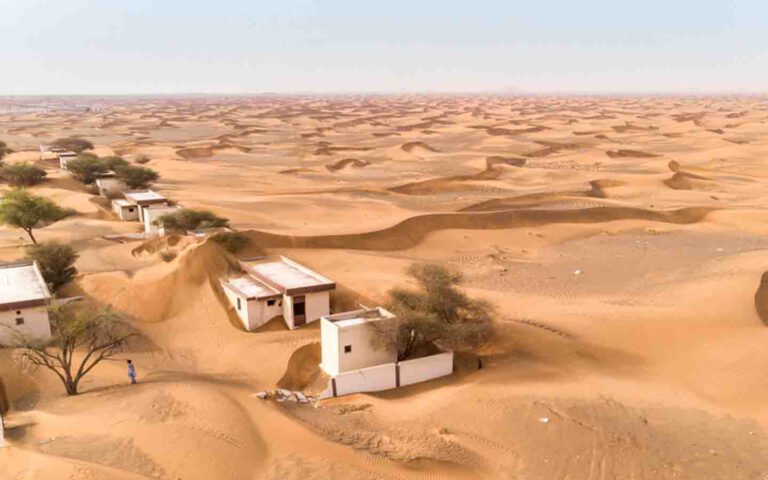
Nestled in the arid landscapes of Sharjah, United Arab Emirates, the Ad Madam Ghost Village whispers tales of a bygone era, a haunting reminder of the consequences of unsustainable urban development. As visitors explore its crumbling structures, the echoes of the past resonate with a poignant lesson—sustainable planning is not just a choice; it’s a necessity for the survival of our towns and villages. In this quest for sustainability, the visionary ideas of Egyptian architect Hassan Fathy shine as a guiding light, offering a blueprint for a future where planned villages may hold the key to resilient and harmonious communities.

Ad Madam’s Ghostly Chronicle:

Ad Madam, meaning "the home of the widows" in Arabic, weaves a tale of a once-thriving oasis settlement that succumbed to the ravages of time and unsustainable practices. The village, abandoned in the 20th century, stands as a stark testament to the perils of over-exploitation of natural resources, economic shifts, and inadequate waste management. Its deserted streets and dilapidated structures beckon tourists to reflect on the broader implications of such neglect, prompting the crucial question—how can we ensure our towns and villages stand resilient against the threat of abandonment?
No broom would be enough … The sand is eating up Ad Madam

Ad Madam, meaning “the home of the widows” in Arabic, weaves a tale of a once-thriving oasis settlement that succumbed to the ravages of time and unsustainable practices. The village, abandoned in the 20th century, stands as a stark testament to the perils of over-exploitation of natural resources, economic shifts, and inadequate waste management. Its deserted streets and dilapidated structures beckon tourists to reflect on the broader implications of such neglect, prompting the crucial question—how can we ensure our towns and villages stand resilient against the threat of abandonment?

Sustainable Lessons from the Past:

Ad Madam, meaning "the home of the widows" in Arabic, weaves a tale of a once-thriving oasis settlement that succumbed to the ravages of time and unsustainable practices. The village, abandoned in the 20th century, stands as a stark testament to the perils of over-exploitation of natural resources, economic shifts, and inadequate waste management. Its deserted streets and dilapidated structures beckon tourists to reflect on the broader implications of such neglect, prompting the crucial question—how can we ensure our towns and villages stand resilient against the threat of abandonment?
Nature takes over at Ad Madam

As we delve into the haunting beauty of Ad Madam, its ruins become a classroom where the curriculum is written in the remnants of a once-vibrant community. The village’s demise wasn’t just an isolated incident but a symptom of a global issue: unsustainable urbanization. Over-exploitation of resources, lack of environmental foresight, and economic instability are the ghosts that haunted Ad Madam, and they continue to haunt many communities today. The lesson is clear—sustainable development is not an ideal; it’s an imperative. It’s a great place to visit like the haunted Ottoman buildings in Lebanon, and the Disney village of palaces in Turkey.

Ad Madam, meaning "the home of the widows" in Arabic, weaves a tale of a once-thriving oasis settlement that succumbed to the ravages of time and unsustainable practices. The village, abandoned in the 20th century, stands as a stark testament to the perils of over-exploitation of natural resources, economic shifts, and inadequate waste management. Its deserted streets and dilapidated structures beckon tourists to reflect on the broader implications of such neglect, prompting the crucial question—how can we ensure our towns and villages stand resilient against the threat of abandonment?

The Visionary Legacy of Hassan Fathy:

Enter Hassan Fathy, an architect ahead of his time. In the mid-20th century, Fathy envisioned a radical departure from conventional urban planning, advocating for the creation of planned villages that harmonize with nature and culture. His ideas stand in stark contrast to the sprawling urban jungles that dominate our landscapes. Fathy’s model emphasizes compact, self-sufficient communities that integrate traditional building methods, locally-sourced materials, and sustainable technologies.

Fathy’s vision extends beyond bricks and mortar. It envisions a shift in mindset—a departure from the shortsightedness that led to the abandonment of places like Ad Madam. By decentralizing urban hubs and empowering communities, Fathy’s model seeks to create environments that are not only environmentally conscious but culturally rich and economically viable.

The Future in Planned Villages:

Ad Madam, meaning "the home of the widows" in Arabic, weaves a tale of a once-thriving oasis settlement that succumbed to the ravages of time and unsustainable practices. The village, abandoned in the 20th century, stands as a stark testament to the perils of over-exploitation of natural resources, economic shifts, and inadequate waste management. Its deserted streets and dilapidated structures beckon tourists to reflect on the broader implications of such neglect, prompting the crucial question—how can we ensure our towns and villages stand resilient against the threat of abandonment?

Fathy’s vision gains new relevance as we grapple with the challenges of the modern world. The haunting beauty of Ad Madam serves as a cautionary tale, urging us to reconsider our approach to urbanization. Planned villages, as envisioned by Fathy, may hold the key to a future where towns are not just structures but living, breathing organisms that adapt and thrive in harmony with their surroundings.

These villages, with their emphasis on sustainability and community engagement, offer a promising alternative to the sprawling, impersonal cities that often lead to the abandonment of smaller communities. By adopting Fathy’s principles, we can create environments that are not only environmentally sustainable but also socially and economically resilient.

Ad Madam, in its ghostly stillness, calls for responsible tourism that goes beyond mere observation. Tourists are not just visitors; they are custodians of the lessons embedded in the village’s ruins. Responsible tourism in Ad Madam involves engaging with local communities, understanding their challenges, and contributing to initiatives that promote sustainability.

Sharjah’s efforts to balance tourism with conservation in Ad Madam set a precedent for responsible development that respects the delicate balance between preservation and exploration.

In the dance between the ghosts of Ad Madam and the visionary legacy of Hassan Fathy, we find a roadmap for sustainable urban development. Ad Madam teaches us the consequences of neglect, urging us to rethink our approach to town planning. Hassan Fathy’s vision offers a hopeful alternative—a future where planned villages, rooted in sustainability and community, stand resilient against the ghosts of abandonment. As we navigate the challenges of the 21st century, Ad Madam and Fathy’s legacy beckon us to build not just structures but living, breathing communities that endure the test of time. It’s a call to embrace the past, shape the future, and ensure that the ghosts that haunt our towns are echoes, not warnings.

Above images except Hassan Fathy village via Bayt.com

Tesla, SpaceX, Starlink founder Elon Musk lands in Israel

0

SolarCity, Silevo, New York city, renewable energy, world's largest solar panel plant, solar energy, photovoltaic panel factory, renewable energy, Electric car pioneer Elon Musk lands in Tel Aviv during wartime to smooth out relations with Israel and world Jewry. He creates a love poem by his AI engine Grok upon arrival. 

The Israeli Government Press Office sent out a notice last night that Elon Musk, the world’s richest man and founder of SpaceX, Starlink and the renewable energy and electric car company Tesla will be visiting Israel. He will meet with Israel’s President Herzog and the families of terror hostages still help by Hamas inside Gaza. The meeting will take place at 3:45PM in an event closed to the press. Materials will be distributed to the press following the meeting.

The visit comes after antisemitic remarks Musk made on the popular X (formerly Twitter) social media platform. In their meeting, the Israeli President will emphasize the need to act to combat rising antisemitism online.

The problem started when Musk endorsed a claim that Jewish communities push “hatred against Whites.”

An X post Wednesday afternoon said: “Jewish communties (sic) have been pushing the exact kind of dialectical hatred against whites that they claim to want people to stop using against them.” The post also mentioned “hordes of minorities” flooding Western countries, a popular antisemitic conspiracy theory.

In response, Musk said: “You have said the actual truth.”

His comments were a painful setback to Jewish communities worldwide facing growing antisemitism since the Oct. 7 attack by Hamas terrorists.

After landing in Israel he published a poem on X by Grok, his AI engine: “I asked Grok to write a poem about love.”

Elon Musk a love poem by Grok

On a popular Facebook group in Israel, called Secret Tel Aviv Israelis had mixed responses about the Musk visit. One commenter Saul Wyner wrote, “In all honesty I hope we are polite but distant. I am not interested in fawning over someone who facilitated the greatest explosion in antisemitism in decades.”

Elliot Cohen wrote, “Cannot understand why he is welcomed here after his recent bouts of pure unadulterated antisemitism.”

Hannah Zion said: “I would stop all the whining. I am sure he is there to help Israel. Give him a chance before you all jump down his throat.”

For the environmentalists in the room, ElonJet tracked Musk’s arrival to Israel and said the journey created 62 tons of carbon emissions.

ElonJet reports that Elon Musk has landed in Tel Aviv

There was no mention of whether Musk would visit Gaza or the West Bank on this trip. The West Bank, which is overseen but hardly run by Mahmoud Abbas, the 88-year-old President of the Palestinian Authority, locals have recently lynched citizens accused of collaborating with Israel. Two days before the Hamas attack on Oct. 7, West Bank Palestinians kidnapped and beheaded a gay man who was living in Israel and on a list to immigrate within the next two months to Canada.

Elon Musk could revive Desertec plan

It will be interesting to see what emerges from the Musk visit. Hopefully it can spur a new business plan that can unite the Middle East with all its endeavours – from Saudi Arabia’s Vision 2030, to the United Arab Emirates’ more moderate stance on sustainable development. For example, Israel’s Rivulis with its achievements in smart agriculture will be showcased in Masdar City during COP28.

Elon Musk could unite an unstable region with a pan-Middle East electric car and electric truck freight network which connects off-grid solar panels to battery packs that can store and disseminate energy when needed. Think about Lebanon now with its rolling blackouts. Or Jordan, where people still have to truck in water for their daily needs. So much can be done. And from where Desertec failed, Musk could launch. The Middle East and North African countries should be collecting solar energy and shipping it to Europe where it’s needed. Transportation should all be electric.

Musk’s vision of aiming for real action in renewables and green transportation has happened. He is reaching for the stars and Mars where NASA cannot. Musk can draw the blueprint and we will follow. 


Masdar City shows off smart farms and hydroponics by Rivulis for COP28

0

drip irrigation and hydroponics solutions from Rivulis. Dana Global, the Abu Dhabi-based venture builder and investment platform, announces a new partnership with Singapore-based Temasek Holdings which has a majority stake in Rivulis. The group is establishing an innovative demo-farm to showcase sustainable farming solutions in extreme weather and arid environments at a cutting-edge demo farm in Masdar City, Abu Dhabi. This is to show how the smart farm tools of Rivulis can work during COP28, the UN-climate event.

Rivulis will showcase how farmers can benefit from using advanced micro irrigation and new climate farming models such as hydroponics, growing food in a water-nutrient medium, to address climate change, water scarcity, biodiversity loss and food security while bolstering sustainable livelihoods for growers.

This initiative introduces farmers on micro irrigation systems – producing more and better-quality crop yields even in harsh climates, while using less water, fertilizer, energy, and labor. Israel’s Netafim started the business of modern drip irrigation back in 1965 in the Negev desert, trying to grow crops in desert soil. Rivulis, was founded around that time too, and was known as Plastro until it was acquired by John Deere.

https://www.greenprophet.com/2023/09/history-promise-challenges-drip-irrigation/

The method is proven and Rivulis, a smart farm builder and consultant, aims to help growers transition to more sustainable farming.

drip irrigation and hydroponics solutions from Rivulis.

Dana signed an MoU with Masdar City, the zero-waste city of Abu Dhabi, to build its first beta site
there. The beta site tests and showcases leading desert tech solutions for arid environments, water scarcity, greenhouse cooling, soil cultivation and regeneration, carbon sequestration, and resilient seed varieties.

Saudi Arabia-based RedSea farms is doing something similar in the Middle East using brackish water and seawater for growing food.

UAE is hosting the UN’s climate event COP28 this year so the Emirates are eager to show solutions they are implementing to address the threat of climate change to food production – particularly ones cultivated in the Middle East and Africa – and how these solutions can help feed a growing world population, vulnerable to hotter and more arid growing conditions.

While we aren’t a fan of the UAE buying 1/5 of Zimbabwe for carbon credits we are a fan of local initiatives they are taking food production.

drip irrigation and hydroponics solutions from Rivulis.
Food security is inextricably linked to water security. Globally, agriculture accounts for 70% of the drain on freshwater resources – increasing up to 90% in harsh environments. Dana aims to encourage as many farmers and agricultural corporations as possible to use Rivulis systems as infrastructure for future water solutions. Just this month – we see how a simple addition of water meters can save farms in Morocco.

drip irrigation and hydroponics solutions from Rivulis.
Nadine Benchaffa from Dana said: “We are proud of our choice to make the UAE a home for our activities in the MENA region. Our anchor in Masdar City will allow us to unlock unprecedented prospects for Agri-Tech innovation within the UAE’s rising and growing ecosystem.”

Richard Klapholz, CEO of Rivulis, said:  “Rivulis, one of the world’s largest irrigation companies and a global irrigation and climate leader, has been spearheading the use of micro-irrigation for over 80 years and the systems that Rivulis has created are crucial for the uninterrupted supply of many of the foods we enjoy today.”

drip irrigation and hydroponics solutions from Rivulis.

Established in 1966, Rivulis is headquartered in Israel and has 15 manufacturing and distribution facilities, 2,000 employees, 3 R&D Centers (Israel, California, and Greece) and multiple Design Centers around the globe.

::Rivulis

Cargo ship loaded with salt sinks off Greek island

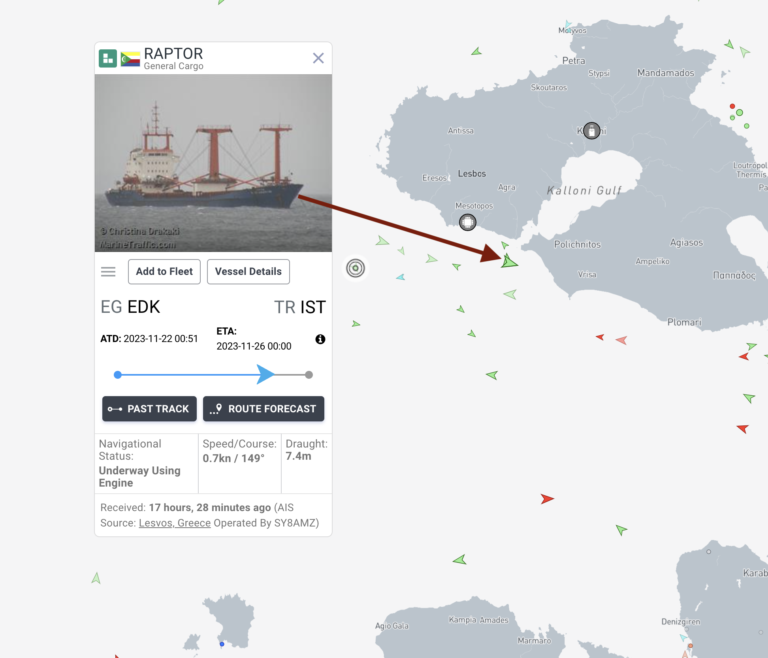
The Raptor cargo ship full of salt sinks off the coast of Lesbos

A Comoros-flagged cargo ship called the Raptor, with 14 crew onboard off the Greek island of Lesbos has sunk after it faced gale-force winds, the Greek coast guard said Sunday prompting a major rescue operation. A navy helicopter had picked up one crew member.

Five other cargo ships, three coast guard vessels, Greece’s air force and navy helicopters were part of the rescue effort. The state-run Athens News Agency (ANA) reported that the cargo ship had 14 crew members and was loaded with salt. The ANA said that it went down 4.5 nautical miles (8.3 kilometres) southwest of Lesbos early Sunday. The ship had sailed from Dekheila, Egypt, heading for Istanbul.

The crew members includes two Syrians, four Indians and eight Egyptians. Ships stayed in dock on Saturday with winds reaching 9-10, a strong gale to storm force, on the Beaufort scale. The Hellenic National Meteorological Service (EMY) had been upgraded on Saturday from “worsening weather” to “dangerous weather phenomena”, as the Storm Oliver moved from across from the Adriatic Sea toward Greece.

Makes us wonder about the nature of global trade and shipping. Turkey both imports and exports salt.

Blast fishing in Lebanon means more sharks, sea lions and dead whales in Israel?

0
Dynamite fishing, Lebanon
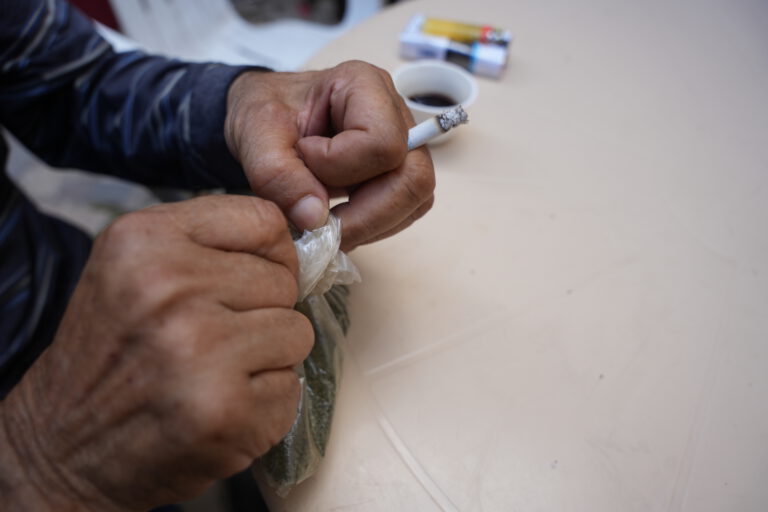
Handmade dynamite in Lebanon

Blast fishing or dynamite fishing is believed to be the cause of more shark sightings off the coast of Lebanon. In this exclusive report on dynamite fishing we uncovered the extent of the problem in Tripoli –– how fishers are using illegal, handmade dynamite to blast fish out of nature reserves. The Mediterranean Sea is overfished. And blast fishing is having an impact on other sea life, including sharks and possibly whales and sea lions.

On social media people in Lebanon are worried about getting attacked by sharks, with resorts this past summer warning bathers about the danger at sea. Blast fishing or dynamite fishing is when fishermen drop handmade explosives into the water making it easier to kill tonnes of fish using one blast. The blast damages the fish gills and they float to the surface making for an easy but deadly haul. The method also kills fishermen when not detonated correctly.

A volunteer cleans up dead fish that have washed up on the banks of Lake Qaraoun on the Litani River. (Credit: Aziz Taher/Reuters)

Sharks are getting closer to the shore now and locals in Lebanon blame blast fishing: “This makes it easier for sharks to compete with fishermen for their fish,” one local in Lebanon said. “This changes the behavior of sharks.”

There has not been a fatal attack by shark in Lebanon, but predators can be a threat to humans if they get too close. Some large sea creatures like orca whales are fighting back against humans by deliberately sinking boats off the coast of Morocco. One orca attacked by a fishing boat is teaching other orcas how to fight back.

Dead whale, israel, decomposing
Decomposing dead sperm whale, Israel coast. Death by blast fishing?

Tel Aviv is 250 miles from Beirut and just last year there was an unusual sighting of a sea lion which lingered for several days on a beach of Jaffa, the sister city to Tel Aviv. We visited her there as she languished in the sun. Although veterinarians say that she appeared to be unharmed perhaps she was a victim of Lebanon’s blast fishing? Sea lions are rarely seen in Israel, and live in clusters further north. Sea lions do compete with fishermen for fish.

Also in May, 2022 a dead sperm whale washed up on the shore of Tel Aviv. It was the third dead whale to wash up on Israel’s shore that year. Dr. Aviad Scheinin, the head of the marine biology department at Haifa University, told the Maariv news site that it was a young sperm whale and that its advanced state of decomposing made it difficult to immediately determine the cause of death. Scheinin noted that sperm whales are endangered in the Mediterranean Sea.

Blast fishing in Lebanon may be the cause for dead sperm whales, sea lions on shore and new shark sightings. Time to stop the barbaric practice. But with Lebanon hosting a terror group Hezbollah within its own state, it is obviously impotent when it comes to enforcing laws that protect citizens. Remember the 2020 bomb blast in Beirut due to negligence? We can’t expect Lebanese biologists to have any power in stopping blast fishing at sea so international organisations should be getting involved.

These researchers in Tanzania heard blasts from dynamite fishing more often that whale calls. They say that blast fishing kills all marine life. Seal bombs are also used in California. How can we stop the practice of blast fishing globally?

Dubai buys 20% of Zimbabwe for carbon offset projects

0
Victoria Falls, Zimbabwe
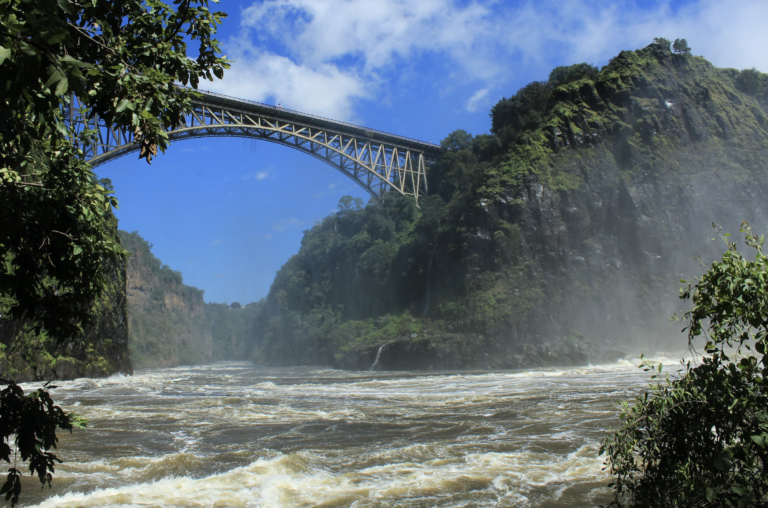
Victoria Falls, Zimbabwe. Can 1/5 of a country, the size of the UK, be up for sale? 

In what the company says is a “landmark development for climate action and community empowerment”, Blue Carbon, a carbon credit company in Dubai, has made a deal with the Zimbabwe to buy about 20% of its land for a carbon offset project. The amount of land in the Zimbabwe deal equals the size of the UK.

The $1.5 Billion USD deal will develop carbon projects and sustainable initiatives in agriculture, forestry, and more on 7.5 million hectares, say partners in a public release statement hoping to get a lot of attention for the UAE as it hosts this year’s COP28, a UN event for climate change. The Zimbabwe-Blue Carbon deal falls under Article 6.2 of the Paris Agreement. Blue Carbon and the Government of Zimbabwe say that they will advance environmental conservation, the well-being of local communities, and the stimulation of economic growth in the African country.

Environmentalists no longer believe that carbon credits can spare the economy and the schemes simply give oil and gas polluters an easy pass, using cash, to get out of taking responsibility for polluting emissions. However, the UN says carbon credits and how they can be used will be ratified at COP28.

The UAE is hosting the UN climate change COP28 this year so they are looking to show meaningful projects to tout. Blue Carbon is one of them.

According to NBC News, the existing $414 billion voluntary carbon market has been plagued by accusations of fraud against businesses that claim to prevent deforestation and sell carbon credits by saving trees. And many carbon offsetting companies selling carbon credits overstate or completely miscalculate the amount of carbon offset, said Jonathan Crook, an expert at Carbon Market Watch, a nonprofit group that monitors carbon markets.

Other climate groups that are skeptical of the carbon market as a climate solution say that those attending COP28 should focus not on carbon credits but on cutting out fossil fuels. This is what students at American universities, like Colorado University have been doing, along with climate-progressive companies like Estee Lauder. The UN, with its many biases, may not be an honest broker in handling the climate crisis. In areas where western countries won’t go because of emissions ramifications, countries like the UAE are jumping in.

Controversial choice for COP28

Sultan Al Jaber is the Emirati minister and businessman who will preside over the UN-backed COP28 climate talks in Dubai starting on November 30. His appointment as COP28’s leader has been met with fierce criticism from western countries – activists and media. While he serves as the UAE’s climate envoy and head of its renewables company, he also runs the state-owned Abu Dhabi National Oil Company (ADNOC). Over100 members of the US Congress and the European Parliament in called for him to be replaced as COP28 president-designate.

The COP28 climate event will run Nov 30 to Dec 12. And the UAE has no track record that it can manage its own country sustainably, let alone that in a vulnerable African country. Zimbabwe is experiencing a breakdown in living  standards, life expectancy while political oppression has increased. The Council on Foreign Relations writes that the country’s current leader, now making deals with the UAE was elected non-democratically: “Voter suppression and intimidation directed by the government marred Zimbabwe’s elections, which reaffirmed incumbent Emmerson Mnangagwa’s power and will likely prolong the country’s dysfunction and severe economic woes.”

The US has denied any debt relief to Zimbabwe until it holds a fair election. The State Department in the US says the win for Emmerson Mnangagwa was marred by suppression and intimidation.

The UAE has a problematic track record for years of human rights abuses of its migrant workers, and mismanaging waste issues – see Burj.

Human Rights Watch says:

  • Migrant workers form 88 percent of the UAE population and often come from climate-vulnerable countries. UAE-based workers are exposed to escalating climate risks, especially extreme heat, which is linked to chronic health harms and even death.
  • Widespread labor abuses like exorbitant recruitment fees and wage theft limit workers’ ability to send financial support back home, including during climate-linked extreme weather events.
  • These abuses in the UAE, which is hosting the upcoming COP28 climate conference, contribute to climate injustice in multiple ways.

Beyond the immediate goal of carbon emissions reduction, the UAE carbon projects aims to have a grassroots impact. If this were Switzerland, I might believe the intent but the UAE has yet to prove it can be environmental stewards.

According to Blue Carbon, they will be doing what we would expect from the Africa country to do for its own people: and build Community Welfare Programs, where the capital received from carbon credits will be used, among other things, to finance various social projects tailored to uplift the living standards of the communities residing in the project areas.

Blue Carbon buys Zimbabwe for carbon credit scheme

This pioneering partnership aligns with the goals of the Paris Agreement and underscores the dedication of both Blue Carbon and the Government of Zimbabwe towards driving transformative change for a greener, sustainable, and more equitable future, says parties in the press release.

The signing ceremony occurred in Zimbabwe with the presence of Nqobizitha Mangaliso Ndhlovu, Minister of Environment, Climate, Tourism and Hospitality Industry and Josiane Sadaka, CEO of Blue Carbon.

“We believe that effective climate action should go hand in hand with community empowerment,” said Ndhlovu. “Through this collaboration with the Government of Zimbabwe, we are confident that our carbon projects will not only make a positive impact on the environment, but also lead to meaningful improvements in the lives of the people who need it the most.”

Blue Carbon is a Dubai based company under the patronage of the Member of Dubai Ruling Family Sheikh Ahmed Dalmook Al Maktoum, which was formed to create environmental assets, nature-based solutions and register carbon projects under eligible methodologies.

CNN says that Blue Carbon is a “new outfit, not even a year old, but its chief was no fledgling entrepreneur: he was an Emirati royal whose family had ruled Dubai for 190 years, flush with oil money.”

According to CNN the deal with a floundering Zimbabwe is a smokescreen so the UAE can keep pumping fossil fuels: “The flurry of forest conservation deals with Zimbabwe, Zambia, Kenya, Liberia and Tanzania were announced in the months ahead of the annual United Nations’ COP28 climate summit, being hosted this year in December by the United Arab Emirates.”

“These conservation deals are the latest attempt by the petrostate to use green initiatives as a smokescreen for its plans to continue pumping fossil fuels.

“At the same time, the UAE has said it plans to extract its very last barrel of oil 50 years from now, when its reserves are projected to dry up — decades beyond when scientists say society needs to be done with fossil fuel.”

Our writer in Saudi Arabia wrote in 2012 about the troubling case of Coldplay and carbon offset controversy in the Middle East: “The main reason I think an offset model cannot work for Saudi Arabia is because it does not address the real issue of carbon emissions in the first place.

“Consumers and companies in Saudi Arabia need to discover their environmental stance before they rethink it. In a country where the utilities are dirt cheap and the fuel costs less than a can of soda, the real problem is to wake people from their stupor. To make them realize that the resources are not unlimited and that the time is running out.”

RedSea farms grows from Saudi Arabia to Egypt

0
RedSea farms tomatoes growing
Tomatoes growing at RedSea farms, Saudi Arabia

RedSea, a climate controlled hydroponics greenhouse business that started in Saudi Arabia, has announced that its business is expanding. They have hired Bruno De Oliveira as VP East Africa and Egypt to help grow the business. He’s worked in Kenya, Egypt, Portugal, and the UAE.

RedSea uses science to design sustainable agriculture technologies for very hot climates. Hydroponics is a form of greenhouse agriculture that uses water and a nutrient medium to grow vegetables such as leafy greens in a controlled way. Israeli and Dutch companies tend to lead the space. See Infarm in Germany founded by an Israeli team. There is plenty of space and capital globally for new systems to be developed.

RedSea has proven it can do low-water needs agriculture in its 6-hectare facility near Riyadh, Saudi Arabia at its research and development facility in KAUST, the King Abdullah University of Science and Technology.

RedSea has seen an infusion of capital – almost $20MM USD this year at least. They are striving for hot climate markets where hydroponics technologies may have the greatest impact in saving water and energy as well as improving profitability for growers. It’s harder to prove the concept in cold climates with less sun as heating greenhouses requires a significant amount of resources. Hydroponics may be ideal for growing food in deserts. Saltwater and solar greenhouses have been a dream for Middle East and African nations. RedSa is working on perfecting the concept that has been in development for decades.

In 2008 Green Prophet reported on early pilot saltwater greenhouses in Qatar and the UAE. RedSea is advancing the concept.

In recent months, RedSea worked with iyris SecondSky roofs have been installed on 30HA of a major government owned site in Egypt and an MOA has been signed with Magrabi Agriculture to supply genetically-favorable seeds and root stocks to the Egyptian market.

De Oliveira, the new hire, will be cased in Cairo. He has worked more than 30 years in commercial farming and business development.

Ryan Lefers, CEO of RedSea, said: ​​“Our rapid growth in Egypt warrants positioning a key member of the RedSea team to focus exclusively on the East Africa and Egypt region. The ability to leverage such an experienced executive as Bruno, with a large professional network across that region, close to the market, will accelerate the growth of RedSea in territories that have suffered badly from an increasingly hot climate, and where our hot climate AgriClimate technology systems will bring higher profitability to farmers in a truly sustainable way.”

RedSea was founded in 2018 by Mark Tester and Ryan Lefers. It uses salt water and solar energy to grow local produce more sustainably to reduce carbon emission and food and water scarcity. First funding was led by a group of Saudi and UAE investors including the Aramco entrepreneurship arm Wa’ed (Aramco is the oil company owned by the Saudi family), the non-profit foundation Future Investment Initiative Institute, KAUST and Global Ventures, a UAE venture capital group. The funding is one of the first agritech investments for many of the participants.

Aramco, the Saudi oil giant, last year posted a net profit higher than the profits of Apple, Exxon, and Microsoft combined.

Mark Tester, Ryan Lefers
RedSea founders Mark Tester and Ryan Lefers

De Oliveira, says “I am excited to be able to give greater focus to a region in which I have been working for man years. In a way, it’s a coming back home for me. I know from years of hands-on experience of farming in this region the challenges that the growers face day to day. I joined RedSea because I recognized the unique competitive advantage of the technologies we bring to growers operating in this region. The potential and market opportunity to work with them to mitigate the impact of climate change is huge and I look forward to this new challenge.”

RedSea has developed and commercialized pioneering sustainable agriculture climate technologies for hot climates. Under the brands iyris, Kairos, and Volcano Plant Genetics.

cotton farming egyt

Egyptian cotton farmer. Photo Credit: Magued Makram/UNIDO Egypt. Location: Kafr ElSheikh, Egypt 2019Some environmental advocates believe offering better conditions for small-hold farmers in Egypt that focus on regenerative farming and healing the soil, may give our planet a better chance for survival than energy-intensive greenhouses. Woody Harrelson thinks so too. An article in The Ecologist explains why hydroponics, divorced from the soil with unnatural mineral and oil industry nutrient inputs could never be organic:

“Given its apparent eco-credentials, there have been strong calls for hydroponics to be accepted under organic standards. But the Soil Association thinks this would take organic in the wrong direction, and is calling for the international organic movement to prohibit hydroponics in organic agriculture.

“Organic production is about the interconnectivity of vital living ecosystems – it is a regenerative form of agriculture that both takes from and gives back to the soil. In fact, starting with the soil is at the heart of organic.” This resource points out the need of micronutrients found in the soil that need to be supplemented in hydroponics.”

The solutions are probably somewhere in the middle.

Low- and zero-carbon freight transportation – is it even possible?

0
Transport of goods in ecological truck sustainable. Green environmentally friendly transport and shipping.

In the context of reducing the carbon footprint of passenger and public transportation, electric cars, and even electric buses are increasingly being used. On the territory of the European Union, replacing internal combustion vehicles with them in the future is not just a pious wish but a ready-made plan, the implementation of which has already begun and should be completed by 2035. After all, from then on, no new cars and vans will be allowed to be registered in any country that is part of this agreement. These used ones can be used, sold, and bought until the end of their useful life.
While in the case of passenger cars, customers are becoming more and more convinced of electric motors, the electromobility of the truck segment still raises many questions. In 2022, this type of vehicle accounted for just 0.6% of all vehicles used for road transportation*. Although more manufacturers are offering to increase efficiency and range, replacing the internal combustion vehicle fleet with them is still a plan for the distant future.

It must be admitted, however, that the preliminary statistics look impressive. According to a study by The International Council on Clean Transportation, hydrogen fuel cells in trucks can reduce greenhouse gas emissions by 15-33%. In addition, if so-called green hydrogen – produced using renewable energy – is used to power them, emissions drop by up to 89%**.

Investors looking for zero- and low-carbon solutions are now leaning towards the rail transportation segment, which is showing considerable success in this regard. Trains are today regarded as one of the most efficient ways to transport a large load over a significant distance with minimal CO2 emissions. In some European countries, it is already possible to encounter almost 100 percent zero-emission railroads.

What solutions will reduce the transportation industry’s carbon footprint?

Road train, Australia. A novel form of freight

One of the most essential ways to decarbonize the transportation industry is undoubtedly to use green modes of transportation as much as possible. We are primarily talking about rail transportation, which offers the highest energy efficiency and lowest greenhouse gas emissions. However, there is no doubt that the decarbonization of road transportation is an ongoing process, and electric trucks have the potential to dominate this market over time.

However, it is worth noting other solutions that could determine the reduction of the carbon footprint of freight transportation. These include such issues as:

  • route optimization – thanks to modern TMS systems, logistics companies can plan routes in such a way that covering them has the least possible impact on the environment, regardless of the mode of transport chosen;
  • cargo consolidation – assembling several smaller loads heading in the same direction into one large one translates into efficient use of transportation space. This can reduce the number of cars, trains, or planes in use, resulting in lower CO2 emissions;
  • efficient transport management – modern technological solutions can be used to plan the transport route and monitor it from loading to unloading. This will make it possible, among other things, to control fuel consumption, as well as driver habits, which can affect a higher carbon footprint;
  • preventing damage to goods in transit – by protecting the cargo you are transporting from spoilage or damage, you reduce the risk of having to transport it again;
  • efficient vehicle fleet – by performing regular maintenance on the means of transportation that make up your fleet, you reduce the risk of unforeseen breakdowns and accidents. While in the case of truck transport, this is a way to reduce wasted fuel and wasted time, in the context of shipping, this equates to reducing the risk of causing an environmental disaster.

Sustainable logistics is not just about transportation itself

Amazon prime air drone
Amazon’s first drone, Prime Air

While transportation is by far the part of the logistics process that has the most significant impact on the environment, it is not the only one. The construction and organization of warehouses and distribution centers also significantly impact the industry’s carbon footprint.

Concerning the buildings, using renewable energy and water sources, among other things, is essential. We are talking, for example, about the use of photovoltaic installations and heat pumps, rainwater harvesting, and even the use of gray water and carbon dioxide to cool buildings.

And remember eco-friendly materials for packing goods for transport and storage. Meanwhile, goods management at the destination will be improved by so-called beacons, which are miniature electrical devices that inform, among other things, about the location of a particular cargo. This will make it possible to plan unloading optimally, as well as to organize storage space.

Selecting the right partners who share similar values will also help reduce the company’s carbon footprint. It is an excellent idea to outsource the planning of transportation processes to a company with relevant experience in this field and a wide range of available options. Road, rail, sea, or air transport organized in cooperation with the transport and logistics company AsstrA will work perfectly in this role.

Introducing solutions to reduce the carbon footprint of a logistics company will undoubtedly take time to succeed. To ensure that all processes work flawlessly and do not cause losses in the interests of investors, it is worth taking the help of professionals in this field. It is not worth rushing in the context of changes aimed at decarbonizing freight transport. It is better to do it gradually but effectively – instead of betting on greenwashing, which does not contribute to reducing the problem.

Earth passes the 2 degree threshold 2 times in November

0
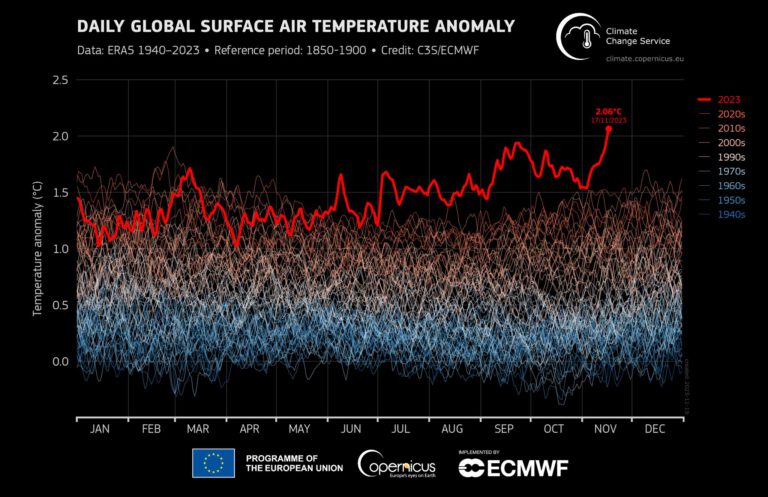
Provisional ERA5 global temperature for 17th November from @CopernicusECMWF was 1.17°C above 1991-2020 - the warmest on record. Our best estimate is that this was the first day when global temperature was more than 2°C above 1850-1900 (or pre-industrial) levels, at 2.06°C.
The world hit over a 2 degree warming this past November, twice

Earth briefly hit the 2 degree warming limit not once, but twice in November. Two degrees since pre-industrial times is the feared warming milestone that would cause ‘cascading effects’ of climate change over time. Increased flooding in Pakistan, forest fires in Canada. What’s it going to take for the world to wake up? This past Friday the globe hit 2 degrees Celsius (3.6 F) above the preindustrial levels of temperature for the first time in recorded history, said Samantha Burgess, the deputy director of Copernicus Climate Change Service. The next day, it broke the threshold again.

Provisional ERA5 global temperature for 17th November from was 1.17°C above 1991 to 2020 – the warmest on record, she said. “Our best estimate is that this was the first day when global temperature was more than 2°C above 1850-1900 (or pre-industrial) levels, at 2.06°C.”

She updates: “2.07°C above preindustrial and provisional data for 18th Nov at 2.06°C above preindustrial. Now two Nov 2023 days where global temperature exceeded 2°C in ERA5.”

That’s the exact temperature level the world has wanted to avoid, experts say: “A 2-degree rise in global temperatures is considered a critical threshold above which dangerous and cascading effects of human-generated climate change will occur,” according to NASA.

Indeed, one or even two days above 2 degrees of warming “does not mean that the Paris Agreement has been breached,” Burgess said in an interview with CNN, “but highlights how we are approaching those internationally agreed limits. We can expect to see increasing frequency of 1.5-degree and 2-degree days over the coming months and years.”

Meanwhile Saudi Arabia announces it has discovered more natural gas. We are not going to get out of global warming without a shift in mentality.


Restoring a synagogue sustainably in Kos, Greece

0

Sanctity in circularity? How Jewish history and sustainable practices meet in Greece today. Kos Island, Greece. The Kahal Shalom synagogue gets a sustainable remodel by Israeli-Greek architect Elias Messinas.

The word Ecology combines two Greek words: oikos (οίκος, meaning ‘house’ or ‘dwelling place’) and logos (λόγος, meaning ‘the study of’). It describes how biological systems remain diverse and productive over time.  To achieve this, we need to keep materials in cycles of reuse, and reduce the need for new extractions and the production of waste.

Architect William McDonough and chemist Michael Braungart in their revolutionary book ‘Cradle-to-Cradle: Remaking the Way We Make Things’ (2002) present how to adopt a circular economy model through design and science. Their work and examples of circular practices in architecture and industry, are presented in the 2002 documentary film ‘The Next Industrial Revolution’ by directors Shelley Morhaim and Christopher Bedford.

The construction sector plays an important role in the economy. In Europe, it generates almost 10 % of GDP and provides 20 million jobs. It also requires vast amounts of resources, producing greenhouse gas emissions in material extraction, manufacturing, transportation and construction. It is estimated at 5-12% of total national greenhouse gas emissions. Here I write about the problem with deep sea mining for concrete

Kos Island, Greece. A sustainable synagogue remodel
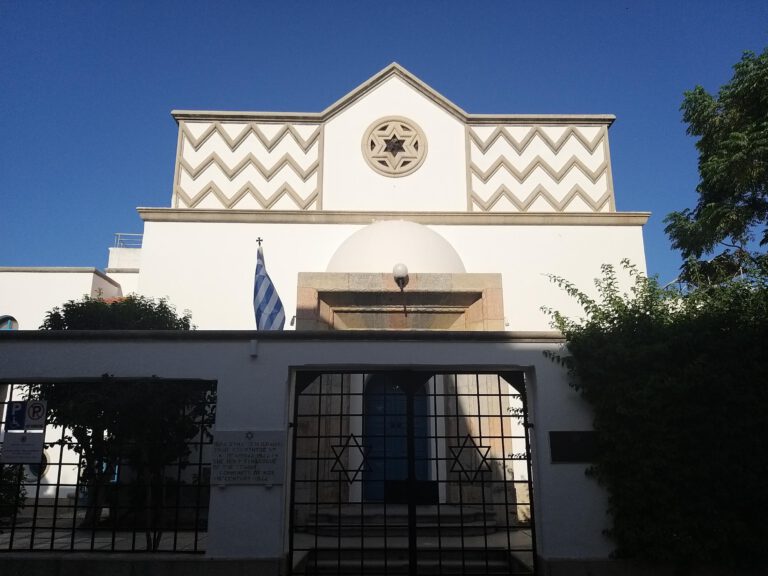
The front elevation of the synagogue: Elias Messinas Architect © 2023

In terms of waste, construction and demolition waste amount to about 35% of total waste generation, and about 50% of all extracted materials. In Europe, construction and demolition waste recycling is about 50%, although some EU countries recycle up to 90%. Circular economy in the EU is a growing sector with around 4 million jobs.

General view of Kos town: Elias Messinas Architect © 2023

The EU – and the rest of the world – aiming towards 50% reduction of greenhouse gas emissions by 2030 and net-zero greenhouse gas emissions by 2050, in order to reach the Paris commitment of keeping a global temperature rise well below 2 degrees Celsius compared to pre-industrial levels. 

The construction sector requires bold moves by architects and designers to comply with this global goal. Not only towards reducing greenhouse gas emissions of producing new materials, but reducing waste production and illegal disposal of construction waste in nature, as well. 

Using circular practices, Israeli-Greek sustainable architect Elias Messinas renovated a Greek island synagogue on Kos. It hasn’t been used since the Holocaust.
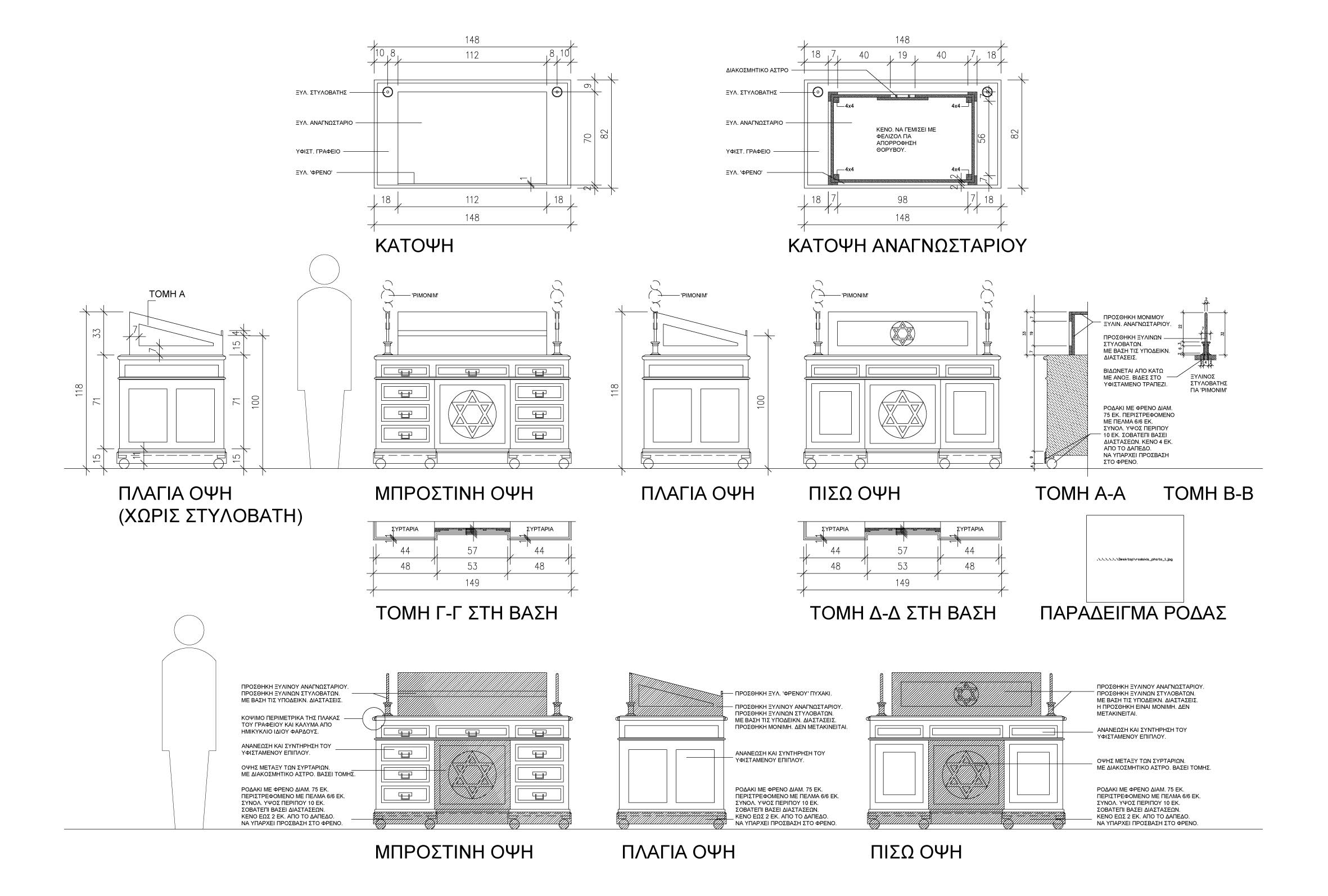
Architectural drawings for the transformation of furniture into Bimah and Holy Ark: Elias Messinas Architect © 2023

Using circular practices, Israeli-Greek sustainable architect Elias Messinas renovated a Greek island synagogue on Kos. It hasn’t been used since the Holocaust.

Circular practices – reuse of materials, reuse of construction waste, building materials disassembly, materials passport, urban mining for materials and others – are the way to go (see Rotterdam). Design for product and materials reuse and upcycling. To reach these ambitious goals one needs to start small and grow. Like the interior restoration project for the synagogue Kahal Shalom, on the island of Kos in the Aegean sea, in Greece. A small project aligning with a global ambition.

Inspired by leading architects on circular practices in Europe, such as Superuse studio and Rau Architects, this project explores the common ground between historic research, restoration and sanctity.

Applying Jewish laws in upcycling

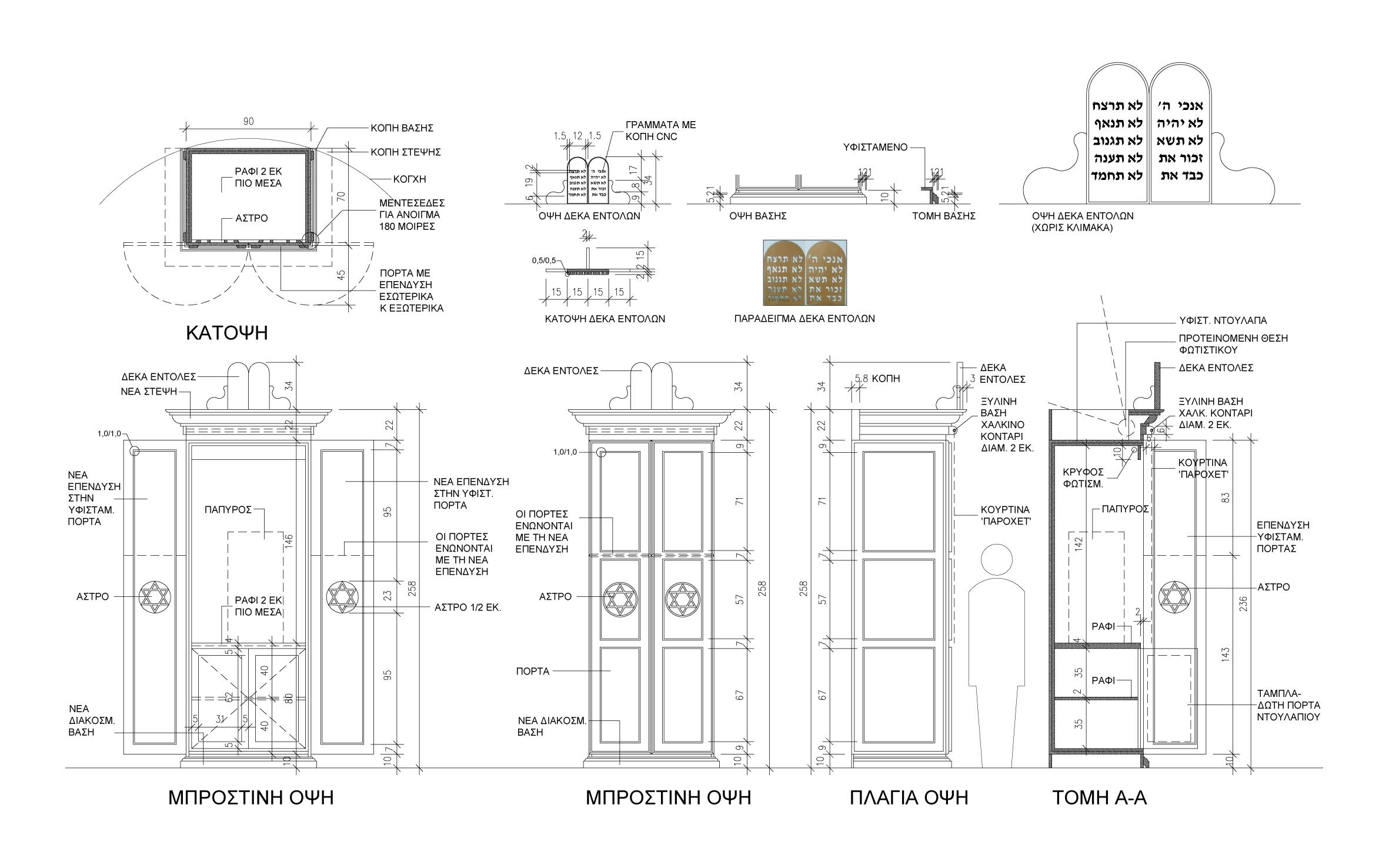
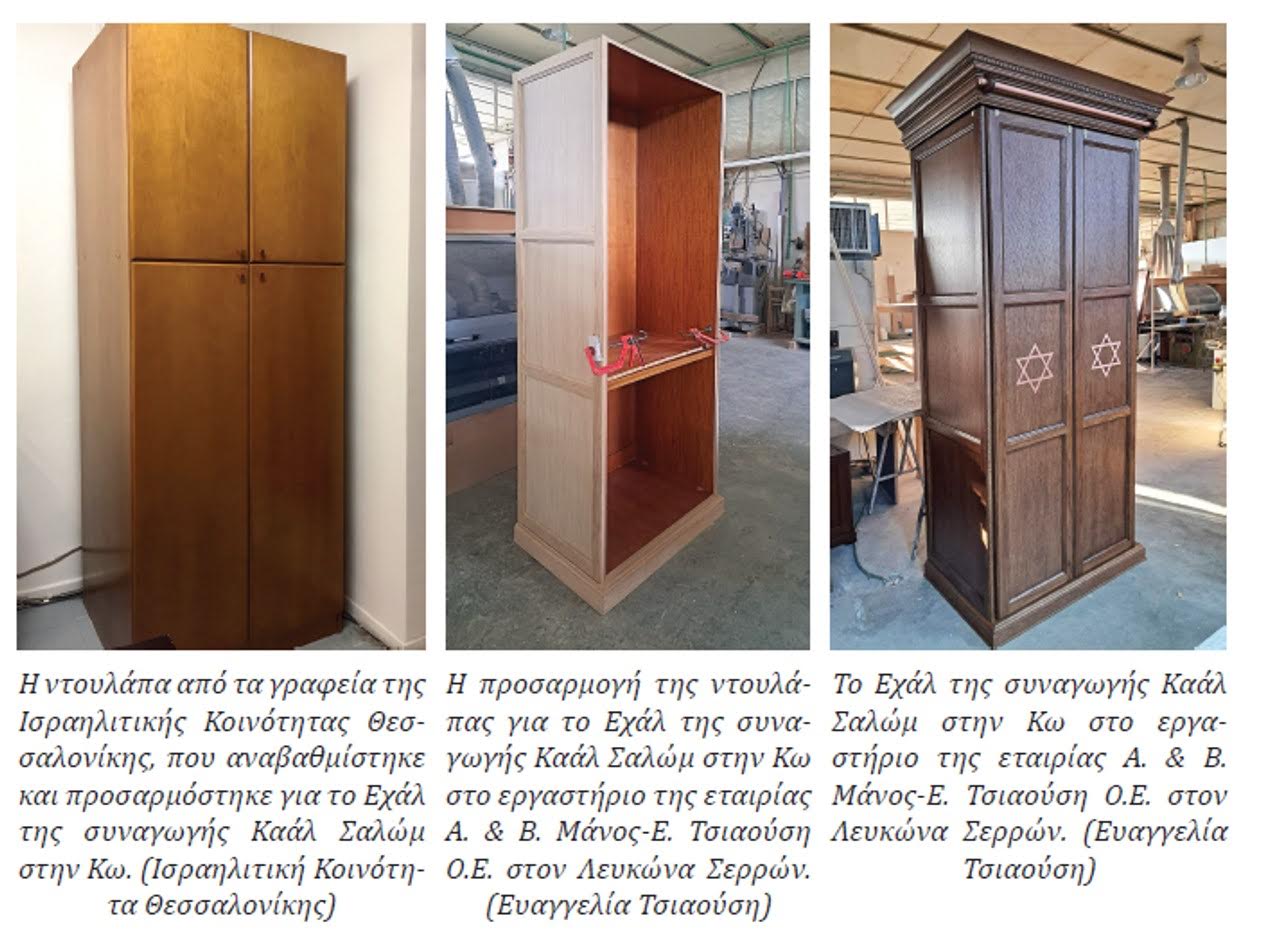
According to Halakhah (Laws guiding Jewish life), based on the sanctity hierarchy of the Temple of Jerusalem, sanctity of a synagogue and its liturgical objects, requires upcycling. For example, a simple closet can be turned into an Aron Hakodesh, but not the opposite. Also, a simple desk can be turned into a Bimah. In a magical way, the reuse of these objects, based on a circular economy principle, raises their sanctity. These objects become at the same time more holy and the project more ecological. In other words, sanctity meet ecology on the Greek island of Kos.

The island of Kos is located in the Dodecanese complex in the eastern Aegean, near the coast of Turkey, near the island of Rhodes. It is known as the island of Hippocrates, the ‘father’ of medicine, who was born in Kos in 460 BCE. The island was under Italian rule from 1912 until 1943 and under German occupation between 1943 and 1945. In 1948, Kos and the Dodecanese, were incorporated to the Greek State.

The Nazis almost wiped out the Jewish population of Kos, which were about 150 people at the time. The synagogue was abandoned for a long period of time until 1984, when the municipality decided to buy it and use it as a cultural center. As the number of Israeli tourists increased, the municipality decided to turn the building into a synagogue again and restore it. The only problem was that there were no original documents on what the original house of worship looked like. Image by Elias Messinas.

In early 2022, with the increase of Israeli tourism on the island, the Municipality of Kos saw the need for a functioning synagogue to serve the growing demand for services and ceremonies. Until then, the alternative would be the nearby synagogue Kahal Shalom in Rhodes. 

The synagogue Kahal Shalom in Kos, was designed in 1935 by Italian architects Armando Bernabiti and Rodolfo Petracco, and constructed by the Italian firm “De Martis-Sardelli”, in the Italian Colonial style. Kahal Shalom synagogue was erected after the previous synagogue of 1747 was destroyed in the earthquake of April 1933, which destroyed most of the island.

The Nazis made the Jews abandon their holy site

The synagogue functioned until the Nazis arrested, deported and annihilated the Jewish community in July 1944. After Liberation the synagogue was abandoned. In 1984 it was endangered with demolition. The Municipality, took a bold step and purchased the synagogue to preserve it as a cultural and exhibition hall. In 2022, in collaboration with the Central Board of Jewish Communities, a decision was made to restore the interior of the synagogue to serve, in a mixed-use, as a synagogue and a cultural center. Thus, serving tourists during the tourist and holiday season, and the local community during the rest of the year.

I am an architect and expert in the architecture, history, and restoration of Greek synagogues who undertook the restoration design and have been researching and documenting Greek synagogues for over 30 years. Since 2016, with my team of local expert architects, we have successfully restored the Monastirioton central synagogue and Yad LeZikaron synagogue in Thessaloniki (with KARD Architects D. Raidis and A. Kouloukouris), the Yavanim synagogue in Trikala (with Petros Koufopoulos), and are advancing the construction of a protective roof over the mosaic of an ancient Romaniote synagogue on the island of Aegina, dating from the 4th century CE (with engineer Argyris Chatzidis).

I also consult the Ministry of Culture in Greece, towards the enrichment of the official Archaeological Registry with more than 300 new entries of Jewish monuments and sites throughout Greece.

Kos upcycling
The Kos synagogue, exterior: Elias Messinas Architect © 2023

The restoration of the synagogue was based on research on Italian synagogues – including the Patras synagogue (1917) furnishings on display at the Jewish Museum of Greece in Athens, and the synagogue Conegliano Veneto (1701) at the Museum of Italian Jewish Art in Jerusalem. The synagogue design was also based on circular practices, primarily, through the reuse of existing furniture as a way to raise their sanctity, and reduce waste in the process. In addition, the project was both more economical and faster to implement.

Using circular practices, Israeli-Greek sustainable architect Elias Messinas renovated a Greek island synagogue on Kos. It hasn’t been used since the Holocaust.
Views of wooden desk and BIMAH: Evangelia Tsiaousi
Using circular practices, Israeli-Greek sustainable architect Elias Messinas renovated a Greek island synagogue on Kos. It hasn’t been used since the Holocaust.
General view of the restored interior: Elias Messinas Architect © 2023

The design process in a nut shell: once the commission proceeded, the initial attempt of the architect was to order furniture from one of the synagogue furniture suppliers in Israel. As the furniture was produced in Ukraine, the Russian invasion made delivery schedules unpredictable. Further, the total cost was beyond the set budget. The architect then tried to find existing historic furniture to reuse from demolished synagogues in Greece, Turkey, Italy and the US. Once this option was exhausted unsuccessfully, the architect suggested using existing furniture: an office closet for the Aron Hakodesh and an old wooden office desk for the Bimah.

The furniture, originally in use and in storage at the offices of the Jewish Community of Thessaloniki, was recruited for the task. For the remodeling of existing furniture, the architect also consulted with the Chief Rabbi of Thessaloniki Aaron Israel, who confirmed the remodeling as Halahically acceptable as long as the sanctity of the furniture was upward: from regular furniture to synagogue sacred furniture, and not the opposite.

Views of wooden desk and BIMAH: Evangelia Tsiaousi 
Views of wooden desk, Evangelia Tsiaousi
Using circular practices, Israeli-Greek sustainable architect Elias Messinas renovated a Greek island synagogue on Kos. It hasn’t been used since the Holocaust.
The gradual transformation of the closet into an Aron Hakodesh: Elias Messinas Architect © 2023

Based on detailed remodeling drawings, the carpenter Manos-Tsiaousi Co. based in Serres – NE of Thessaloniki, was chosen for the implementation. A local contractor undertook some light work to enhance the interior restoration. The work was completed in less than four months, and nearly half the cost of ordering new furniture. The synagogue was ready on time for the summer tourist season for the island, and was officially re-dedicated in July 2023.

Today, this small synagogue of 124 sq. m. sanctifies the circular practice of reusing existing furniture in the most profound way. It applies the principles of sustainability in a religious building, such as a synagogue, and as a result not only sanctifies the space and furnishings, but it also protects ecology and aligns human activity to the limitations of the planet, as well. 

Using circular practices, Israeli-Greek sustainable architect Elias Messinas renovated a Greek island synagogue on Kos. It hasn’t been used since the Holocaust.
Views of Jewish cemetery: Elias Messinas Architect © 2023

The synagogue Kahal Shalom is open for visits and services. NGO ‘Ippokratis’, whose offices are located in the former rabbi residence adjacent to the synagogue, can be contacted regarding upkeep and visit to the synagogue. The Greek book “Kahal Shalom: The synagogue of Kos” by Messinas was published on the occasion of the completion of the project, to fully present the history of the synagogue and the process of restoration. An English translation of the book is in preparation.

Using circular practices, Israeli-Greek sustainable architect Elias Messinas renovated a Greek island synagogue on Kos. It hasn’t been used since the Holocaust.
Elias Messinas has written a book about the renovation project. It can be downloaded in a PDF file. English to follow in the coming months. Architectural drawing of front facade: Elias Messinas Architect © 2023

Link to Messinas, E. 2023. “Kahal Shalom: The synagogue of Kos”, Kos in Greek (links to PDF)

Author

Elias Messinas is a Yale-educated architect, urban planner and author, creator of ECOWEEK and Senior Lecturer at the Design Faculty of HIT, where he teaches sustainable design and coordinates the new SINCERE EU Horizon program, which aims to provide the tools for optimizing the carbon footprint and energy performance of cultural heritage buildings, by utilizing innovative, sustainable, and cost-effective restoration materials and practices, energy harvesting technologies, ICT tools and socially innovative approaches. . www.ecoama.com and www.ecoweek.org


Artichokes and Oranges: December’s Seasonal Produce

0

artichokes on a white plate

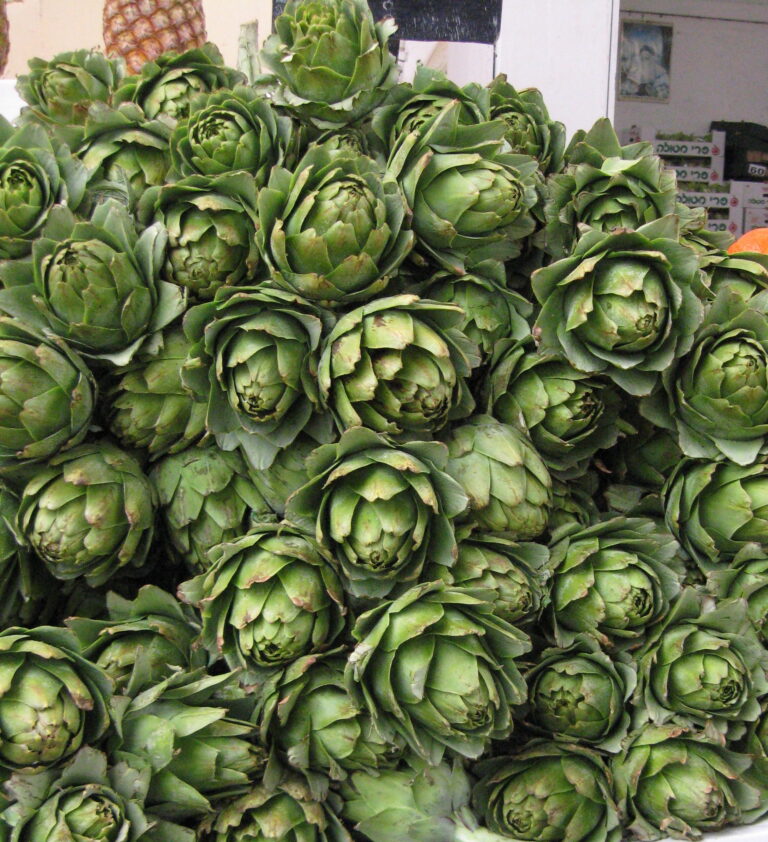
It’s officially winter in the Middle East. We’d hoped it would be raining now, but climate change is often evident in blue skies and dry ground everywhere. While we dream about wandering past a pile of artichokes, imagining how good their hearts will taste hot, with a dab of lemon butter or made into artichoke dip, we’re wishing that the skies would grant us a few months of good, solid rain. See our post on how wintertime droughts are due to climate change.

Still, December’s produce isn’t substantially different from November’s. There are even a few lingering summer fruits, products of hothouses. But it seems that we’re instinctively attracted to seasonal foods, while out-of-season foods look out of place. And winter’s seasonal foods are luscious in the Middle East.

Fruits of the Winter

orange blue background

Citrus fruit continue excellent right now. Look for red and yellow grapefruits, lemons, oranges and clementines, both yellow and red pomelos, loquats, and local citrus hybrids. Indeed, citrus trees loaded with fruit can be seen in gardens everywhere.

Pomegranates are still available, probably reflecting the recent culinary fad for them. Buy and juice some for making your own pomegranate molasses. Green and purple table grapes are also out in the markets. Persimmons are fat and juicy now.

Avocados are excellent and relatively cheap. Bananas are out in huge quantities, most of them still fresh off the stem and green. Strawberries are still extravagantly expensive.

All the native apple and pear varieties are in full season. Or how about the feijoa? But them if you can find them.

Vegetables of the Winter

spicy garlic roasted cauliflower
Roasted garlicky cauliflower

Root vegetables continue fat and flavorful, with lower prices than in November. Buy carrots, parsley root, beets, white and red potatoes, celeriac and sweet potatoes.

The brassicas are beautiful right now: broccoli, cauliflower (easy and delicious recipe using both of them here), red and white cabbages, kohlrabi. Kohlrabi and fennel are especially good, with prices that actually verge on the cheap.

Pumpkins, cucumbers, squashes and zucchini are a bit more expensive, but still very good. Red, yellow and white onions are big and firm. Leeks are bigger and more attractive, but  ever expensive. Leafy vegetables like Swiss chard and lettuces continue excellent, as does celery. Artichokes are more attractive than last month, although their price has only crept down. Big, firm, purple eggplants are out and are delicious stuffed with bulgur and dried fruitAsparagus, another expensive treat, are out now.

Capsicums seem to like both hot and cool weather. Colorful bell peppers and green and red hot peppers are plump and firm, good for making muhamarra spread. Hothouse tomatoes are abundant but prices are naturally high.

Sweet corn is still abundant and still sweet. Radishes are out in all their varieties, from white daikons through squat green ones and round red ones to black Russian radishes that the vendors say to eat for the sake of your kidneys.

The prices of string beans, dark lubia and broad Italian beans have come down, and they’re worth buying now.

The baladi wild eggplants, with their ridged, fan shape, are all over the markets right now. Swiss chard and all leafy greens are beautiful and crisp, having enjoyed a good rainy winter this year.

Herbs of the Winter

Peppery watercress is a seasonal herb that’s in full leaf now. Fat sour grass leaves for making the Russian shav soup are looking good. Worth buying are basil, oregano, thyme, tarragon, scallions, parsley, coriander, rocket, arugula, dill, and chives. As in last month’s market, rosemary, sage, and wormwood (sheeba) for tea are still displayed in bunches.

Winter Forager’s notes:

As in November, mallows (called chubeiza in Hebrew), milk thistle, nettles and chickweed have broken through the ground, but are bigger and more worth picking now. A few wild oats (brew a cup of our wild oats tea) are waving their heads in the breeze.

Fumaria, a delicate herb with a neutral taste, is out but not flowering yet. Pick it for its liver-supporting properties: just put a couple of sprigs in your next cup of tea and fish it out before drinking.

Plantains – not the bananas, the low-growing leafy herb – are out; while they’re not especially good food, they make an excellent soothing tea for coughs and sour stomach. Plantain tea also soothes irritated, chapped or acne-tormented skin.

Wild beets and wild marigolds are already appearing in warmer regions. Look for wild chamomile in the next few weeks.

Brighten overcast days with our seasonal winter salads:

Saudi Arabia announces new natural gas fields in the east

0
Saudi Aramco discovered natural gas in the Eastern Province

Oil rich Saudi Arabia has announced discovering the lesser evil of fossil fuels, two natural gas fields in what they call the Empty Quarter, by Saudi Aramco, Saudi Arabia’s gas and oil business, the wealthiest company in the world owned by the Saudi royal family. Saudi Prince Abdulaziz bin Salman, announced the discovery yesterday.

The Al-Hiran natural gas field was discovered after natural gas flowed at a rate of 30 million standard cubic feet per day (mscf/d) from the Hanifa reservoir in the Al-Hiran-1 well, along with 1,600 barrels per day (bpd) of condensate. Natural gas also flowed at a rate of 3.1 million mscf/d from the Arab-C reservoir in the same field.

Meanwhile, natural gas flowed from the Al Mahakek-2 well at 0.85 mscf/d, resulting in the discovery of the Al Mahakek natural gas field in the Empty Quarter.

Saudi Arabia hosts World Environment Day, un unlikely choice

Natural gas was also discovered in five reservoirs in previously discovered fields, including the Al-Jalah reservoir in a field in the Empty Quarter, where natural gas flowed at 46 mscf/d, and an additional natural gas reservoir in the Shadoon field west of Markaz Haradh. Another exploration was made in the Unayzah-A reservoir as natural gas flowed at a rate of 15.5 mscf/d, accompanied by about 460 bpd of condensate.

In the Eastern Province, natural gas was discovered in the Unayzah B/C reservoir in the Mazalej field southwest of Dhahran, where gas flowed at 14 mscf/d, with about 4,150 bpd of condensate. Al-Sara reservoir also saw a natural gas discovery in Al-Wudhaihi field and Al-Qusaiba reservoir in Awtad field southwest of Al Hofuf, where natural gas flowed from Al-Sara reservoir at a rate of 11.7 mscf/d and from the Al-Qusaiba reservoir at a rate of 5.1 mscf/d, accompanied by about 57 bpd of condensate.

Dynamite fishing is at war with the sea

Poor Lebanese are fishing illegally, using dynamite Three fish from this Tripoli market stall were analyzed to determine the ammonium content inside them. The results revealed a very high concentration of ammonium.

While Lebanon is going through an historic financial crisis, fishermen are trying to survive by fishing with dynamite. A special Green Prophet report on a social and environmental disaster:

Sitting in the courtyard of his home in a port district of Tripoli, Sayed*, a fisherman in his sixties, enjoys a coffee prepared by his wife. The crutches that have helped him since a violent car accident are lying on the ground. In his damaged mouth, where only two teeth remain, is a cigarette, which he soon lights. With it, he demonstrates the effect of fire on ammonium nitrate. From a black bag, he extracts a handful of green powder which he placed on a plate. His family witnesses the sinister scene.

“This is what I make my dynamite with,” he says with a serious face. The old man pours the nitrate into a piece of plastic which he rolls up mechanically. His wife brings him some thread to tighten it. All he needs now is the detonator to finish the homemade preparation. Sayed is a former dynamite fisherman, an illegal practice. Even if he has not forgotten anything about its manufacturing, he claims he has withdrawn from the market.

dynamite or blast fishing explosives made in Lebanon
In the early hours of the morning at the port of Al-Mina, the fish markets fill up with buyers and sellers. No one knows which fish have been caught in the legal or illegal way.
Sayed is a former dynamite fisherman. In this small plastic bag, he has kept some ammonium nitrate powder, the key ingredient in the fabrication of his homemade explosive. 
Sayed is a former dynamite fisherman. In this small plastic bag, he has kept some ammonium nitrate powder, the key ingredient in the fabrication of his homemade explosive.

Land of the cedar but also of the sea, Lebanon hosts 44 ports and a mostly artisanal fishing industry. Dynamite fishing has evolved throughout the tumults of history. During the civil war (1974 to 1990), sticks of dynamite were common currency. Today, it’s in Palestinian camps, such as in Nhar-al-Bared, 12 miles north of Tripoli, that you can find ready-to-use sticks. Other fishermen, like Sayed, prefer to make their own.

Also the recipes differ, they all use ammonium nitrate, a fertilizer sold in any agricultural store and the cause of the explosion at the port of Beirut in August 2020. “Homemade” dynamite also requires a detonator, banned from public sale but easily available on the black market. For the rest, everyone has their own tips. Some add sugar, others charcoal. With the crises of recent years, the techniques have been further refined.

dynamite or blast fishing explosives made in Lebanon
Ammonium nitrate powder is used by dynamite fishermen on the Lebanese coast, and a spark is enough to set it on fire.

Artificial reefs made from car wrecks are created to make nurseries for fish. Others, for saving fuel, swim to sea pushing a floating tire loaded with dynamite and bombard the fishes. A 50 kg bag exploding at a depth of 60 meters has a radius of 50 meters and can harvest up to four tonnes of fish. After the explosion, the fishermen just need to wait until the dead fishes go back up to the surface.

“Fish are killed by the shock wave which causes hemorrhagic lesions of the gills,” analyzes Rami Khodr, technical director at the RBML Food Labs laboratory in Beirut. Particularly effective, dynamite fishing is well established in the poor regions of North Lebanon.

Surviving poverty

Poor Lebanese are fishing illegally, using dynamite
A multitude of fishing boats go out to sea in the waters near Tripoli, but it’s very difficult to get close to the illegal fishing boats, which flee as soon as they are approached by an unknown vessel.

Sitting under a sheet metal shelter with fishing companions, Amir*, 34, is waiting. Due to unstable weather, he was unable to go out to sea. The man lives in Aabdeh, in the Akkar region. The Syrian border is only 10 miles away. The surroundings are poor and abandoned, the smell of fish and diesel escapes from this small fishing port. “The fish are getting smaller and smaller and there are fewer and fewer of them, he says sadly. We sometimes have to go further to find it, but it costs a lot of diesel.”

So, for him, it is not surprising that some are turning to illegal fishing.

A two-hour drive north of Beirut, Tripoli is no longer the flourishing Phoenician city of the old days. The town was already poor before the economic crisis, but since 2019, Tripolitans have joined Syrian and Palestinian refugees in poverty. As day breaks over this desperate city, the port is bustling with activity. The fishing boats have returned from their night of hunting. On the market stalls, dozens of marine species lie in trays of ice. It’s hard to guess which ones were captured with the explosives. “Dynamite? None of that here!”, claims one of the sellers, clearly shocked by the question.

Lebanon’s shipwreck

old boat in Lebanon
An abandoned boat in the port of Aabdeh, in northern Lebanon, one of the poorest regions in the country.

If the pandemic followed by the explosion at the port of Beirut had already weakened the country, the economic crisis that occurred in 2019 and is still ongoing has destroyed much of the hope of the Lebanese population. The country is experiencing inflation which accelerated at the start of the year to reach 270% year-on-year in April, 2023. This crisis has plunged more than 80% of the Lebanese population into precarious living conditions, with half of them living in extreme poverty. To try to get by, people work night and day.

Thus, fishermen no longer belong only to the sea. They are also taxi drivers, café owners, bus drivers. Many had to sell their boats. “It is sad because fishing is a family tradition, a heritage,” adds Amir. Bassem is another fisherman from the port of Aabdeh. Sitting on a plastic chair in the hot sun, he relates his father’s accident in which he lost seven fingers while handling dynamite: “He was at sea. It was raining and windy. He lit a cigarette and the dynamite exploded. Since then he stopped using it.”

According to the Safadi Foundation, a structure that develops sustainable projects in Lebanon, 5% of fishermen use dynamite fishing. “In Tripoli, this technique was in decline for several years before increasing again in 2019, points out Samer Fatfat, consultant at the Safadi foundation. On the beaches of Akkar, it has remained constant.”

A failing state

The Safadi Foundation in Tripoli, a structure that develops sustainable projects in Lebanon.
The Safadi Foundation in Tripoli, a structure that develops sustainable projects in Lebanon. They study blast fishing, fish bombing, dynamite fishing or grenade fishing, a destructive fishing practice using explosives to stun or kill schools of fish for easy collection.

On 25 miles of coastline between Tripoli and Syria, the army was quickly overwhelmed. In Tripoli’s Al Mina port alone, more than 1,800 fishermen are registered. These wooden motorboats, less than seven meters long, enter and leave the port by means of a simple visual check by the army from the dyke. While the authorities clearly lack resources, not even having enough fuel to arrest illegal fishermen, they may also be in cahoots with the outlaws. In the port of Al Mina, illegal fishermen are known to everyone but the omerta, a southern Italian code of silence, hangs over anyone who dares to denounce them.

As for the president of the fishing union, crisscrossing the Corniche and the fish souks aboard his gleaming black Mercedes, he brushes the question aside: “It’s not our mission to arrest the fishermen and if they are arrested it is only for a few days in prison.”

Corruption, however, is costly to illegal fishermen. According to one of them, 40% of the revenue is intended for corruption and 60% is shared between him and his crew. However, a law governing the rules of fishing in Lebanon exists since 1929. Dynamite is strictly forbidden. But like a country that does not have a president since a year, the state is falling apart and the laws are not applied.

Some fishermen even bomb the Palm Islands Nature Reserve, in front of Tripoli, where all human activity is theoretically prohibited. Explosions not only damage the seabed but also contribute to the reduction of fish stocks without distinction between small and large fish. A toxicological analysis carried out by the RBML Food Labs laboratory, which tested three samples of fish from a market in Tripoli, demonstrated a significant quantity of ammonium inside the fish. But due to the massive use of this fertilizer in agriculture, it is difficult to know whether this pollution comes from dynamites or land runoff.

Every day, hundreds of bombs are dropped in Lebanese waters by fishermen, descendants of Phoenicians, renowned for their navigation skills. In these ravaged lands, the sea is a constant witness to tragedies. Each time a conflict has caused the closure of maritime space, fishermen have found a sea rich in fish. But the natural cycle is constantly overtaken by the death spiral. The president of the Al Mina union even dares a comparison: “It’s like Israel and Palestine, the sea is the enemy against whom the fishermen throw bombs to survive.”

*names changed


Moroccan farms and aquifer saved by water metering

0
Berrechid aquifer Morocco
Berrechid aquifer Morocco, FAO. To improve water governance, Sweden, the FAO and the Moroccan government install water meters to stop water theft by Moroccan farmers.

The Berrechid plain has historically been known as Morocco’s granary for its vast production of cereals and fodder and more recently, it has been an important legume production hub. But farming in Morocco has become difficult over the last decade with climate change.

Over the past two decades, the plain has seen a disorderly intensification of irrigation. Between 2007 and 2017, carrot production, for instance, increased by about 500 percent. Despite the immediate economic gains, this process has been one of the causes of the over-exploitation of the Berrechid aquifer, whose more than 95 percent of pumped water goes to agriculture. The UN and partnering bodies determined in a recent study that by stopping illegal irrigation from farmers, they can slow the destruction of a life-giving aquifer. The answer: water meters.

Today, the Berrechid aquifer is one of the most depleted in Morocco. More water has been taken from the aquifer than its natural capacity to recharge. The reserve has recorded an annual deficit of 32 million cubic metres (the equivalent of 12 800 Olympic-size swimming pools) due to overuse and increasingly erratic rainfall patterns. The aquifer also suffers from increasing levels of pollution from agricultural activities. Drip irrigation, a modern method of farming developed by Israel, has increased in Morocco, making farming less of a back breaking job.

Drip irrigation, a marvel of agricultural technology, has its roots in the arid landscapes of Israel and the ancient ingenuity of desert farming. Simcha Blass, an Israeli engineer, drew inspiration from the ancient qanat system, a remarkable underground aqueduct system used by ancient civilizations, and introduced the concept of drip irrigation in the 1960s, with the pioneering support of companies like Netafim.

Rural communities and farmers in Berrechid rely on this essential aquifer to live and to grow the crops on which their household incomes and food security rely.

Said Fikri, a farmer in the Berrechid plain of Morocco, has started using drip irrigation for his carrot production, saving 50 percent more water than traditional irrigation. ©FAO

Though the country had established legal and institutional systems to regulate groundwater use, for several years, most wells in the area were neither declared nor monitored. Water charges were unpaid and illegal drilling accelerated the aquifer’s depletion.

“Life becomes more difficult with water shortages,” says Said Fikri, a farmer in Berrechid. “We need sustainable agriculture that does not deplete water, so our children can continue our work.”

Mounting pressure

The case in Berrechid sheds light on some of the major concerns about water management in Morocco at large. The country faces “structural water stress” due to population growth combined with climate change and growing urban and industrial demand for water.

Like in Morocco, water is incredibly precious in all of the Near East and North Africa. Freshwater availability in the region is around one-tenth of the global average, having decreased by 78 percent between 1962 and 2018, compared with a global reduction of 59 percent over the same period.

While a few decades ago, wells would pump water from 50 metres beneath the surface, now it is nearly three times deeper, compounding the difficulties in accessing water resources.

A watershed deal in a watershed plain

In 2011, the Hydraulic Basin Agency of Bouregreg and Chaouia (ABH-BC) – a governmental division overseeing the use of water in the Bouregreg and Chaouia areas, which includes the Berrechid aquifer – began negotiating a water governance arrangement to stem the groundwater deficit in Berrechid and ensure the sustainable management of these resources.

In November 2021, this process, facilitated by the Food and Agriculture Organization of the United Nations (FAO), resulted in the signing of two contracts between ABH-BC and two associations of water users, as a first step towards a broader contract that will go beyond agriculture and engage all concerned actors in the Berrechid watershed.

The contracts grant authorization and regulate the annual use of groundwater per hectare. Farmers are required to install water metres, pay fees and communicate the volumes consumed on a quarterly basis.

Funded by the Swedish International Development Cooperation Agency, FAO’s Water efficiency, productivity and sustainability in the NENA regions project supported the Moroccan government by providing scientific evidence on water availability and productivity and facilitating dialogue. FAO helped bring the different parties together to sensitize them about the gravity of the aquifer depletion, stress the importance of having a long-term agreement and facilitate their engagement.

The success of the agreement between the government and two private associations, represents a milestone for Morocco and the region at large.

“The governance process that took place over the past decade was a remarkable example of participatory process that culminated in a responsible way of looking at the aquifer, one that is conscious of future generations and reflects how different public and private actors can collaborate when they have the right motivation and conditions for it,” highlights Abdelhak Laiti, Assistant FAO Representative in Morocco.

Common ground

Throughout the years, the decreasing availability of the resource and increasing tensions and competition over groundwater have gradually given way to a spirit of cooperation between farmers and State regulators. The collection and dissemination of data on groundwater overexploitation has demonstrated that there is no time for disagreement.

This process also helped build understanding and trust between the government and the farmers. While previously farmers resisted signing an aquifer contract, today they are the ones who champion it.

To complement the governance process, FAO ran farmer field schools to support farmers in undertaking more sustainable management of natural resources.

“The project provided us with valuable information on irrigation issues and agricultural practices, allowing us to reduce quantities of water used, and therefore reduce production costs and improve our income,” says the owner of a carrot field in Jakma commune, Berrechid.

“Thanks to this, we have saved 50 percent of water compared to gravity irrigation,” exclaims Said.

Strengthening sustainable and inclusive water governance is a living process. Continued dialogue and transparency, as well as investment in accurate data, will be key to preventing any future conflicts that could arise due to lack of information or inequalities in access to water resources.