Home Blog Page 57

Improve climate anxiety with placemaking actions

0

On January 1 the first day of the new year this year, I woke up with a very positive attitude, despite microplastics. Although we enjoyed the turn of the year night with friends until quite late, I chose to stick to my diet, not to drink alcohol, not to eat after 8pm, and of course, not to smoke. Having fun, does not require abusing my body, I thought, or putting my health at risk, after all. 

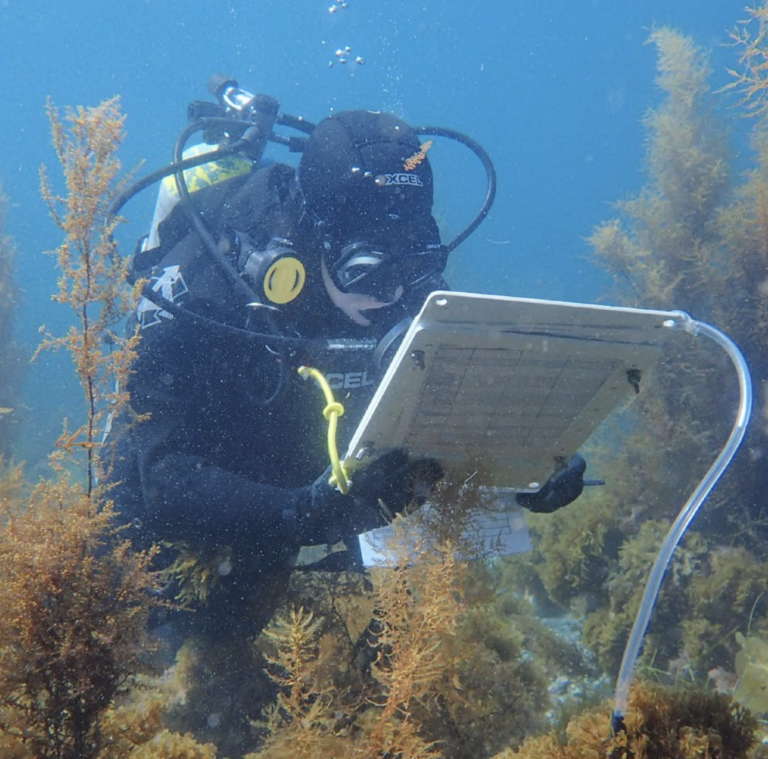
So, this morning, I woke up without a hangover. Instead, I had a very positive and optimistic attitude. To the extent that I even went for a swim, despite the sea water cold, but extremely refreshing, temperature. In the clear blue waters, observing the fish and sun reflection on the sea bottom, among other things, I thought, well, about climate change. If climate change is here to stay for the next few decades (depends on us really), I wondered, instead of trying to fight it, why not make it our partner and make the most out of it?

For one thing, the weather is warmer, drier and more moderate. No extreme heat or cold during the year – with the exception of the summers, of course, which are heating up considerably, almost unbearably in many parts of the world. Also, not counting the days that some areas of the planet cope with extreme weather events and catastrophes. 

According to National Oceanic and Atmospheric Administration is a Washington, DC global yearly surface temperature has been in the rise since the 1940s and the global average surface temperature has increased by 1 degree Celsius since pre-industrial era (1800 to 1900).

Temperature increases as global emissions of greenhouse gases also increase. According to 2022 Global Climate Report from NOAA National Center for Environmental Information, 2022 was the world’s 6th warmest year on record (1880 to 2022). Further, every month of 2022 ranked among the ten warmest for that month.

Therefore, in general, there is no doubt, that except for extreme weather events that will certainly affect the daily routine of many communities around the planet, in more frequency and intensity, we should expect warm weather and late winters. 

With this moderate weather expected, people who travel south to warmer climates, don’t really need to travel anymore, as these areas are now more vulnerable to hurricanes or other extreme weather events due to rising temperatures. These people could choose to stay and enjoy the warm weather at home. That potentially cuts down considerable travel, primarily, air travel. It also brings people closer, as people don’t leave home but make more contacts in the neighborhood, and get to know their neighborhood better.

Cutting down on travel – air or land – may be a considerable intervention to reduce emissions as, according to scientists, they affect the rising temperatures.

According to the US Environmental Protection Agency, 65% of global GHG emissions come from carbon dioxide from burning fossil fuels and industrial processes. Transportation was responsible in 2010 for 15% of global GHG emissions, including road, rail, air and marine transportation. They rely by 95% on petroleum-based fuels. Even electric vehicles that charge from the grid, most of that electricity, in most cities, comes from burning fossil fuels. According to NOAA, in 2022, global average carbon dioxide set a new record high reaching 417.06 parts per million. Nearly 50% higher than the average before the Industrial Revolution.

The moderate weather is also encouraging more physical activity outdoors. More walking and biking for local commute and travel of short distances. No need to take the car. Walking and biking encourages more physical exercise, which pollutes less and builds a healthier body. Being healthier, also means, less visits to the doctors, and less need for medication.

Let’s start placemaking, making cities safer for walking

placemaking makes a city more sustainable

The benefits are obvious. Once in a routine of physical exercise, then more benefits come. Like, walking longer distances, getting to know your local neighbors and shops, stop and talk to people, get more accustomed to where you live.

Become, what Jane Jacobs used to call, the ‘eyes of the street’. The benefits are again obvious. More people walking the streets, less crime on the streets, more local businesses, less need for travel longer distances. More people on the streets of the neighborhood, more urban furniture and public interventions can take place by the community through Placemaking. Therefore, we can grow better neighborhoods and more resilient communities.

According to the World Health Organization all physical activity counts. It can be done as part of work, sport and leisure or transport (walking, wheeling and cycling), preferably on a daily basis. On the other hand, too much sedentary behavior can be unhealthy.

It increases the risk of heart disease, cancer, and type-2 diabetes. According to the WHO guidelines on physical activity and sedentary behavior, 150 to 300 of physical activity per week and 60-minutes moderate aerobic physical activity per day, offers significant health benefits and mitigate health risks for children, adolescents, adults and older adults. The Guidelines ‘At a Glance’ can be a great handbook to start changing habits this new year.

Moderate weather also cuts down the need for more clothing. Which, reduces our need to shop more, either online or in shops, cutting down on travel emissions for us, and considerable emissions from the production and delivery of products from one end of the globe to another.

Skateboarding to work
Skateboarding in Australia where the weather is always great.

Changing our attitude and habits, will also send a new message to the clothing industry to cut down on (over) production and perhaps focus on quality and endurance of products with less synthetic materials, which also pollute our air and water. Rather than spend more to increase production and then try to sell.

According to a report by the BBC, the fashion industry is responsible for 8-10% of global emissions, as new fashion trends aim for fast fashion, and cheap, mass-produced clothing with new lines being released constantly. GHG emissions are not the only impact of clothing over-production and over-consumption on the planet. Cotton for the fashion industry uses about 2.5% of world’s farmland. Synthetic materials, such as polyester, require up to 342 million barrels of oil annually.

Washing polyester clothes releases microfibers that contribute by more than 30% to global microplastics pollution. Dying of clothes requires 43 million tons of chemicals annually. Clothing production also uses a lot of water. A t-shirt, for example, requires 2,700 litres of water and a pair of jeans 10,000 litres of water. The list goes on.

At work, moderate weather allows people to be outdoors more. To walk, or bike to work. Also, to even open a window at the office – if operable windows are available – increasing natural ventilation and refreshing indoor air. As a result, productivity increases at work, and allows people to leave work on time, and spend more free time outdoors, with family and friends, enjoying the good weather in the neighborhood.

According to the World Green Building Council, staff costs, including salaries and benefits, typically account for about 90% of business operating costs. Therefore, increasing air quality at work may appear a modest improvement in employee health or productivity. However, it can have a significant financial benefit for employers.

Often more, than any other financial savings associated with efficiently designing and operating an office building. Improving indoor air quality (IAQ) through high ventilation rates and low concentrations of CO2 and pollutants, may improve productivity by 8-11%. 

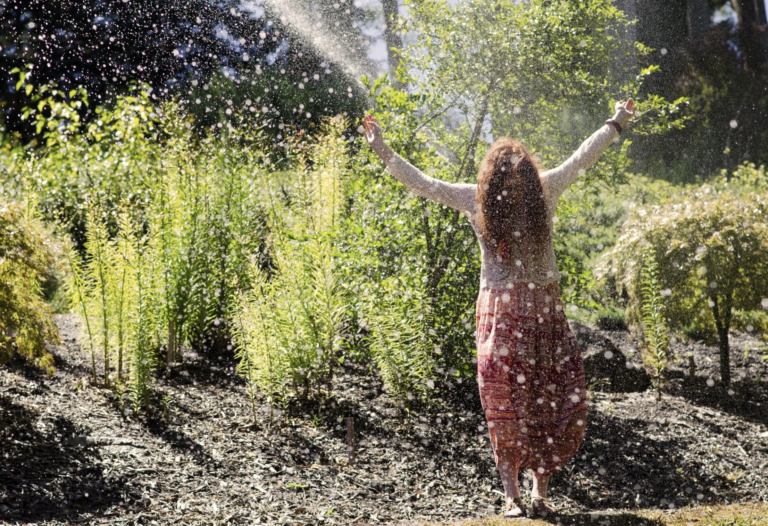
At home, more sunshine days means we can solar heat water for showers, without consuming energy. Also, if we have south facing windows, we can passive solar heat the living space from the sun. We can also use the warm outdoor air to refresh and ventilate our home indoor air by opening windows, without the need for a mechanical system and without consuming energy.

shower blue, woman, water sprinkling, sustainable shower
Is your hot water warmed by the sun?

Moderate weather also encourages less need for heating, therefore less emissions from burning fossil fuels. Also, moderate weather encourages more outdoor activity. More engagement with the outdoors, may lead perhaps to adopting new habits, such as gardening and growing our own vegetables and managing our organic waste in a composter in our garden. The benefits are obvious, considering the pollution and land appropriation for landfills, the pollution from emissions and particles in the air from garbage truck traffic in our neighborhood streets, not to mention noise and the potential for traffic jams and accidents. Also consider how we contribute in reducing the chemicals harming the rivers and lakes from industrially produced fertilizers (remember ‘The Silent Spring’?). Organic fertilizers will benefit our garden, our neighborhood and our city. And of course, the nearest river or lake or sea.

According to the US Department of Energy solar water heaters can be a cost-effective way to generate hot water for home use. They can be used in any climate and the only fuel they use, sunshine, is free. They also have some smart suggestions about further energy-saving strategies to lower heating bills, if a back-up system is required. As a matter of fact, some hotels are not only heating water for showers from the sun, but also heating pools and heat water for the kitchen, from solar systems. 

According to the University of Georgia, a well-tended, fruitful garden can supply a family with a variety of nutritious, healthful fresh vegetables. Gardening can be a rewarding hobby, and a way to improve physical fitness. Fresh garden vegetables can supplement quality fresh, frozen or canned vegetables of bought food at the local market, or supermarket.

gabriel borochov make compost
A food composter that is rolled by kids as a game

Composting is nature’s way of recycling. Many cities around the world encourage citizens to compost and provide the infrastructure for individual or municipal composting. According to the US Environmental Protection Agency composting is one of the most powerful actions one can take to reduce trash, address climate change, and build healthy soil. By turning food scraps and yard trim into compost, we transform our waste streams into a beneficial, value-added soil amendment and use it to protect the environment and create resilient communities.

Having a composter at home involves minimal effort, equipment, expense, and expertise and can be fun. You benefit by building healthier soil, preventing soil erosion, conserving water, and improving plant growth in your garden and yard. If you wish to compost but you lack the space, it is possible to join local municipal or community composting programs. It is worth finding out and start composting! 

A more moderate weather, may also change our psychology, and make us more contemplative and aware of nature around us. Perhaps this will make us also more attuned to the surrounding ecology and more sensitive to our daily routine. To be more balanced, more accommodating to other people, and perhaps running our lives with more intention. Be more present and appreciative of the ‘now’, enjoy, respect, and honor the ‘now’ and the good that it has inherently, even if we are obliged to deal with a crisis or a problem. Because, like the climate crisis, every crisis has its inherent solution built-in its DNA. This is where we need to focus and find the positive in the negative. 

I invite you to read how I chose to start the new year by reducing microplastics in the sea and seashore in my marine-dependent community with one simple move. It is easy and I encourage you to do it too.

Obviously, there is a lot more to be done to address the climate crisis. But, walking on the moon took one first step. Walking the talk, will lead to more appetite for more, and more initiatives will be born. Once we are in the ‘solution’ – rather than the ‘problem’ – mindset, the rest will follow. Once we tackle the low-hanging fruits, it is easy to come up with more solutions. Solutions that do not require investing in expensive and complicated technologies. The solutions are simple, and inherent in us. We don’t need more to solve the crisis. 

So, join me in closing this year with the right foot(print) and the right attitude for our lives, our loved-ones and for the planet. 

——————–

Elias Messinas a Yale-educated architect, urban planner and author, creator of ECOWEEK and Senior Lecturer at the Design Faculty of HIT, where he teaches sustainable design and coordinates the EU Horizon program SINCERE, which aims to optimize the carbon footprint of cultural heritage buildings, through innovative, sustainable, and cost-effective restoration materials and practices, energy harvesting, ICT tools and socially innovative approaches. www.ecoama.com and www.ecoweek.org


Bees for Peace in Israel uses biodynamic beekeeping to sweeten hearts

Bees for peace
Muslim women learn how to raise bees using the biodynamic method.

Beekeepers are setting up hives in a neighborhood near you, but most will just be part of the conventional system which use the same tools that may have contributed to the decline of bees in the first place. Biodynamic beekeepers are different, using a more nature-centered approach: they oppose moving hives for pollination, mass harvesting honey, and killing and replacing the queen every year. They open the hive when the moon is right, and use natural medicine like chamomile tea to treat the hives.

I first learned about biodynamic beekeeping in Israel from Yossi Oud, who studied the Rudolf Steiner methods of beekeeping via German colleagues.

With 24,000 species of bees in the world, Israel is home to about 1,300 species, compared to a total of 600 species in a country as large as Canada, says Oud, an Israeli beekeeper and teacher who works with biodynamic beekeeping methods. He says Israel is unusually rich in bee species, and this is due in part to the country’s plant diversity. I took a course with him and visited his biodynamic hives on the roof of Tel Aviv’s mall, Dizengoff Center, and at his bee farm outside Jerusalem.

Read more: Palestinian women make beekeeping sweeter

As we learn more about sustainable methods such as regenerative farming and agriculture hopefully beekeeping will meet somewhere in the middle.

The Land of Milk and Honeybees

“Israel is the land of milk and honeybees, and a special area and hotspot for animals, plants and bees,” says Oud. “Of the 1,300 species of bees in Israel, 8 of them are social bees,” he tells Green Prophet.

The local bee for the most part, which is the Syrian bee, is extinct, he notes. This is an aggressive bee which has been replaced by an imported Italian bee which is now common in wild hives, urban hives and in commercial hives. The Italian bees were brought to Israel in the 1930s to support the vineyards, he says.

Because there is such a wide diversity of plants in Israel, he stresses, this is reflected by the large range of bee species. It all goes together.

Natural and urban beehives on the roof of Tel Aviv's Dizengoff Center
Natural and urban beehives on the roof of Tel Aviv’s Dizengoff Center

What makes the honey bee different from other bees is the honey stomach which creates honey and which is also 95% of their diet, says Oud, noting that people and honeybees have had a strong connection for thousands of years as seen in cave art in France that depicts a kind of bee agriculture. Bees were also domesticated in ancient Egypt.

Honey is a magical elixir. Mystical even. And our love for it goes way back to the earliest signs of advanced civilization, he notes.

Urban beekeepers collecting honeybee honey in Jaffa, Israel
Urban beekeepers collecting honeybee honey in Jaffa, Israel. Image by Karin Kloosterman for Green Prophet

Bees and Islam

ystically, all major world religions have a connection to bees, and Islam is no exception: “In the Quran, Chapter 16 is named after the bees” says Oud who is Jewish but who works with Muslim and Christian Palestinians to help them learn the trade of beekeeping in a project called Bees for Peace.

Why is there an entire chapter on the bees in the Quran, The Bee?

Algerian cave art of bees or man on magic mushrooms
Islam and the bees: Be like a bee

Within the chapter, two verses cover the essence of the honeybee:

And your Lord inspired the bee: build homes in mountains and trees, and in (the hives) they build for you.

Then eat from all the fruits, following the design of your Lord, precisely.

The Bee (Arabic: النحل; an-nahl) is the 16th chapter (sūrah) of the Qur’an with 128 verses. It is named after the honey bees mentioned in verse 68, and contains a comparison of the industry and adaptability of honey bees with the industry of man.

An-Nahl, Chapter 16 (verses 68 to 69) talks about a variety of topics, but Allah, according to Muslims, specifically chose the title The Bee to catch the attention of the readers. Bees are said to be Allah’s miracles; the way they function and how they behave, are to be held as an example.

Yossi Oud, biodynamic beekeeping, Israel, course Tel Aviv
Yossi Oud teaching a biodynamic beekeeping class, Tel Aviv

According to some Islamic traditions, everyone needs a sheep and bees to ensure prosperity for the coming year.

In Judaism, the bee is not kosher but you can eat its honey, which is a rare ruling as you can’t drink milk from a non-kosher animal such as a camel. Deborah (Dvora in Hebrew), who was a prophet, is also associated with bees. Dvora means bee in Hebrew.

In the Bible, honey is mentioned 61 times and its meaning is often linked with prosperity and abundance. In the third chapter of Exodus, when God called Moses to lead the slaves out of Egypt, he called him to lead them to a land that will flow with milk and honey. This is the land of modern day Israel.

In the Song of Songs of the Old Testament (4:11-16): “Your lips, my beloved and (promised) bride, drip honey as the honeycomb; Honey and milk are under your tongue, And the fragrance of your garments is like the fragrance of Lebanon.”

Honey is a ritual food eaten during the Hebrew holiday called Rosh Hashanah, which celebrates the Jewish New Year. “May you have a sweet year,” is a common blessing as people eat apples dipped in honey.

Make a natural hive from mud
A natural hive made from mud for the bees

What is biodynamic beekeeping?

To further the understanding of biodynamic beekeeping, we are to view the colony as one creature, explains Oud. What does the hive know? For most of us it’s a mystery but we do know that each worker female lives about 6 weeks, there is one queen and a small percentage of male drones.

The biodynamic queen lives for 6 or 7 years, and the worker bee has about 16 jobs, among which is making propolis, the immune system of the hive, which is collected from tree resin, says Oud.

Ayelet, Nir Galim, beekeeping supplies
Ayelet at Kibbutz Nir Galim sells beekeeping gear and supplies for urban beekeepers in Israel.

The job of the male drones? While they might look like loafers who can’t even feed themselves, male bees bring genetic diversity from one hive to another on their travels,, says Oud. They mate with the the new emergent queen once a year in the spring when she flies out of the hive, and the rest of the colony follows her in a swarm to establish a new colony.. And that is how bees give birth, according to biodynamic beekeeping. The old queen stays in the hive and raises her new brood after the rest have left.

Related: What is apitherapy that uses the stings of the bees?

Bees for Peace

Bees give so much sweetness in life and health as well, but they can be credited for bringing people together in the Middle East when politicians fail. Oud has started a number of educational programs in Israel including Bees for Peace where he teaches Muslim woman how to be urban beekeepers. biodynamic beekeeping, Yossi Oud, Israel bees, honeybees is your honey real or fake? “When people learn to work for the bees’ welfare, much sensitivity and gentleness is developed, and that could translate into our daily life. In this way the bees teach us to act for society, to live in co-existence, let go of stigmas, and help us get closer to ourselves, others, the land and the world,” says Oud.

Oud started Bees for Peace to join hearts and create cooperation between Christians, Muslims and Jews, Palestinians, Israelis and Jordanians. The initiative helps build bridges through the bio-dynamic bee keeping method in multiple constellations – amongst kids in schools, through courses and activities for adults coming from different sectors and cultures and in diverse joint initiatives.

Biodynamic is a term developed inside the teachings of anthroposophy, developed by the spiritualist and educator Rudolph Steiner from Austria in the early 1900s. There is dozens of Steiner schools in Israel, also known as Waldorf Schools, and Oud comes from that education system as an educator and teacher. There is even a biodynamic farm in Egypt called Sekem.

Bees for Peace emphasizes empowerment of women from “traditional houses” (whether Muslim, religious Jewish or other disempowered populations), who usually don’t go out of the house to work. They learn the art of beekeeping on their rooftop or from their garden and can make a small income from honey, beauty products, or other products derived from the wax of the hive.

The conflict between Israel and the Hezbollah group in Lebanon has made it difficult for women in northern communities to tend their hives. Many hives have died says Oud, and I spoke with one Muslim woman who says she misses her hives like her family. She was staying at a hotel in Nazareth, unable to live in her village in the north as its constantly being bombarded by missiles.

The Marj Ibn Amer Almond project in the Jezreel Valley trained Israeli and Palestinian women to grow bees by the biodynamic method, in order to increase the number of bee hives in the area, to enhance the women’s involvement in the almond agriculture and to increase the almond yield, especially in light of the decreasing numbers of bees in the area and in the world.

The project was carried out by the El-Hukayer organization, an NGO dedicated to socio-economic development within Palestinian society in Israel.

Palestinian beekeepers on a roof
Palestinian beekeepers on a roof in Jerusalem. Honey women, via Haaretz

Tlmei Achva is an educational agricultural farm in the city of Lod, for Muslim-Jewish kids and teenagers, secular and religious, where they work and grow bees together.

There is an urban beekeeping farming project in the city center of Jerusalem.

There is a biodynamic beekeeping course at Ecome center and in the city of Jericho, West Bank. The NGO works to empower Ethiopian women through growing bees and building traditional Ethiopian bee hives.

The Honey Women of East Jerusalem is a project in collaboration with the Sinsila Center and the Mosella Association.

Have a swarm? Call SOS for the Bees. Locals who find a swarm or an unwanted hive should not use poison to kill them.

SOS for the Bees is a volunteer-run group that collects swarms and re-homes hives. In Hebrew, it is Magen D’vorim Adom. You can call Yossi Oud and his team of volunteers will run to collect the bees.

::Bees for Peace

Sweet and Healing, Here’s More Honey news on Green Prophet:

Raw honey from Yemen

Tej, Ethiopian Honey Beer Recipe

Green Prophet Visits Apiary – And Gets Swarmed

Australian Eucalyptus Trees Keep Honey Bees Buzzing Year-Round

Bee Stings Are Sweet in Israel

Beelogics to save the world from bee colony collapse disorder

Organic Honey or Mass-Produced?

Can Urban Beekeepers Prevent Colony Collapse?


The UAE goes nuclear – complete’s first nuclear plant in the Arab world

0

Baraka nuclear power

As Germany shut its last nuclear plant last year, the oil-rich country the United Arab Emirates has completed firing up its first.

Abu Dhabi’s Barakah Nuclear Energy Plant is lated to produce 40 terawatt-hours of electricity every year now that its fourth and final reactor has started running, announced the state-owned Emirates Nuclear Energy Corporation (ENEC). The reactor was built by Korea.

The nuclear plant will generate 25 percent of the electricity needs of the hot, desert Gulf state, where everyone has their air-conditioning firing at full blast most of the year. The air con needs are nearly the equivalent of New Zealand’s annual consumption, the ENEC said.

Related: ways to use your air conditioner water

The nuclear power plant will power the Abu Dhabi National Oil Company (ADNOC), one of the world’s biggest oil producers, and Emirates Steel and Emirates Global Aluminium, ENEC said.

Barakah, which means “blessing” in Arabic. It started operations in 2020.

baraka nuclear power plant

Emirati President Sheikh Mohamed bin Zayed Al Nahyan hailed Barakah’s completion as a “significant step on the journey towards net zero”.

“We will continue to prioritise energy security and sustainability for the benefit of our nation and our people today and tomorrow,” he said on X.

According to the International Atomic Energy Agency, the plant “will have to be disassembled at the end of its useful life, in around 60 to 80 years”.

Baraka nuclear power plant

The UAE was built on oil and is one of the largest oil producers in the OPEC cartel.

Last year, it hosted the COP28 UN climate talks which resulted in an agreement to “transition away” from fossil fuels. Not all environmentalists agree that nuclear energy is clean energy die to the risks.

The UAE currently uses gas-powered stations for its electricity needs, but also now has one of the world’s biggest solar plants outside Abu Dhabi.

Scientists say the sun is an aphrodisiac

0

We’ve covered plenty of food choices to spice up your love life with ancient wisdom suggesting aphrodisiac qualities. We’ve even reported about the map of love in the brain. Now if you ask anyone from Tel Aviv they will tell you that the perfect place for a first date is at the beach. Now, science supports that claim.

The new discovery from TAU may lead to future practical applications, such as UVB treatments for sexual hormone disorders. The breakthrough opens up for further discoveries in basic science, “As humans, we have no fur, and our skin is thus directly exposed to sunlight. We are only beginning to understand what this exposure does to us, and the key roles it might play in various physiological and behavioral processes. It’s only the tip of the iceberg,” says Prof. Carmit Levy Tel Aviv University who led the study.

Researchers have found that exposure to ultraviolet radiation from sunlight enhances romantic passion in humans. In the study, men and women were exposed to UVB (ultraviolet radiation type B) under controlled conditions, and the findings were unequivocal: increased levels of romantic passion in both genders.

Sun + Skin = Love

The study revealed that exposure to sunlight affects the regulation of the endocrine system responsible for the release of sexual hormones in humans. The discovery may lead to practical applications down the line, such as UVB treatments for sexual hormone disorders.

In animal models, the effect was dramatic: the females’ hormone levels rose significantly, enlarging their ovaries and prolonging their mating season; the attraction between males and females increased; and both were more willing to engage in sexual intercourse.

The researchers repeated the experiment on the animal model, this time removing from the skin a protein called p53, which identifies DNA damage and activates pigmentation during exposure to sunlight as protection against its adverse effects. The removal of the protein eliminated the effect of UVB exposure on the animals’ sexual behavior, convincing the researchers that exposure to radiation through the skin was the cause of the observed hormonal, physiological and behavioral changes, and that the protective system is also responsible for the regulation of sexuality.

Furless Humans and Sun Exposure

In the 32 human subjects of the study, all treated with UVB phototherapy at the Tel Aviv Sourasky (Ichilov) and Assuta Medical Centers, both genders exhibited a rise in romantic passion, and males also noted an increase in levels of aggression.

Similar results were found when the subjects were asked to avoid sunlight for two days, and then tan themselves for approximately 25 minutes. Blood tests revealed that exposure to sunlight resulted in a higher release of hormones like testosterone compared to one day before exposure. A rise in testosterone in males during the summer was also found in analyses of data from the Israeli health maintenance organizations Clalit and Maccabi Health Services.

Prof. Carmit Levy (on the left) & PhD student Roma Parikh.

The study was led by PhD student Roma Parikh and Ashchar Sorek from the laboratory of Prof. Levy. UVB phototherapy was administered to the subjects at the Tel Aviv Sourasky (Ichilov) and Assuta Medical Centers. The groundbreaking discovery was published as a cover story in the prestigious scientific journal Cell Reports.

The wind farm’s sweet spot for energy efficiency

0

wind farms should put their first one to slow


The cost effectiveness of wind farms could be significantly improved by reducing the speed of wind turbines that are clustered together, which could improve their longevity and also reduce noise pollution. A team of researchers from the University of Adelaide led by Dr Rey Chin looked at the operation conditions of wind turbines, investigated those conditions relative to power output and performance, and how turbines interact with each other.

Related: the top wind farms of the Middle East

“We have found that the efficiency of wind turbines arranged in wind farms in which turbines are clustered together can be improved by reducing the rotational speed of wind turbines at the front of the group,” said Dr Chin, Senior Lecturer, School of Electrical and Mechanical Engineering, University of Adelaide.

“The power extracted from the wind turbine behind the first is significantly less – up to 30 per cent of the turbine in front of it – because of the effect that the wake has.

“By reducing the rotational speed of the leading turbines, the speed of the ones behind can be increased so that all the turbines in a group spin at the same speed.

Al Marmoom Wind Farm

“This might have a small impact on the total energy generated by wind farms, but this is outweighed by important benefits, some of which are hidden but some, such as reduced noise pollution, are more obvious.”

There are currently 110 wind farms operating across all Australian states and territories of which 31 wind farms, comprising a total of 599 turbines, are more than 15 years old. A wind farm typically has a nominal design life of 20 to 30 years, though some wind farms are now designed for a minimum operating life of 30 years.

Wind turbines cost approximately AUD $7 million each to build and cost around half a million dollars to decommission.

“Up until now, wind turbine technology has been implemented quickly without much consideration for end-of-life planning,” said Dr Chin.

“Wear and tear on a turbine can be significantly reduced by slowing down its rotational speed and will increase its longevity and improve their cost effectiveness.

“Turbines are currently over-designed. By optimising the performance of individual turbines clustered together the design and manufacturing process that goes into making turbines can be simplified and with significant cost savings.”

The team published their most recent findings in the Journal of Wind Engineering and Industrial Aerodynamics.

“Noise pollution is the most significant negative aspect of wind farms and is often cited in opposition to proposed new farms,” said Dr Chin.

“Reducing the noise that farms make by minimising the rotational speed of wind turbines makes this important source of green energy more acceptable for people living nearby.”

The team’s findings will be of great use for the wind farm industry to more carefully plan future farms using more accurate business case analyses.

California droughts boosts the Valley Fever fungus

0
Valley Fever diagram, via the LA Times

Valley fever is an emerging fungal disease in the western United States that most often causes flu-like symptoms, but can also cause dangerous or even deadly complications.

By analyzing data on reported cases of Valley fever in California, which have increased dramatically over the last two decades, researchers from University of California San Diego and University of California, Berkeley, have identified seasonal patterns that could help individuals and public health officials better prepare for future surges in Valley fever cases.

Related: Microplastics you breath in the desert

The findings also have important implications for how the changing climate can exacerbate the threat of infectious diseases. The findings are published in The Lancet Regional Health – Americas.

The researchers collaborated closely with the California Department of Health (CDPH) to analyze all reported Valley fever cases in California from 2000 to 2021. By comparing these to seasonal climate data, they discovered how the disease cycles seasonally across different California counties and identified how these cycles are influenced by drought periods.

The researchers found that while most cases occur during the period from September to November, there were differences in seasonal patterns and timing between counties and years.

“Most seasonal infectious diseases show a peak in cases every year, so we were surprised to see that there were certain years during which few or no counties had a seasonal peak in Valley fever cases,” said author Alexandra Heaney. “This made us wonder what was driving these differences in seasonality between years, and based on the timing we observed, we hypothesized that drought might be playing a role.”

The researchers found that on average, counties in the San Joaquin Valley and Central Coast regions had the most pronounced seasonal peaks, though the peaks started earlier in San Joaquin Valley.

“This is valuable information to time public health messaging aimed at educating the public about the symptoms of Valley fever and how to protect themselves,” added Heaney.

Valley fever is caused by spores from the soil-dwelling Coccidioides fungus. People contract Valley fever by inhaling infectious spores that become aerosolized when the soil is disturbed by wind or human activity. Valley fever is most likely to affect people who are exposed to airborne dust frequently, including those who work outdoors. However, the disease is not contagious.

Valley fever has long been a problem in the American Southwest, but the number of cases has skyrocketed in recent years, tripling from 2014–2018 and again from 2018–2022, according to the CDPH. However, because it is still relatively rare, and because it causes similar symptoms to other respiratory infections, including COVID-19, Valley fever is often misdiagnosed.

When left untreated, the fungus can cause severe damage to the respiratory system and spread to other parts of the body, such as the skin, bones and even the brain, the latter of which can be deadly.

“Knowing when the Valley fever season starts and how intense it will be can help health care practitioners know when they should be on high alert for new cases,” said corresponding author Justin Remais. “This is the first study to pin down exactly when disease risk is highest in all of California’s endemic counties, as well as places where the disease is newly emerging.”

The researchers observed that during drought periods, seasonal peaks in Valley fever cases are less severe. However, when the rains return, these peaks are particularly high. One hypothesis to explain this pattern is that droughts allow heat-resistant Coccidioides spores to outlast their less-hardy competitors. When rains return, the fungus is able to proliferate widely with less competition for moisture and nutrients.

Another hypothesis suggests that the links between Valley fever and drought may be due to drought’s impact on rodents that host the Coccidioides fungus. Because rodent populations decline during droughts, and because dead rodents are thought to be an important source of nutrients for the fungus, it may be able to survive and spread more easily in drought conditions.

“This work is an important example of how infectious diseases are influenced by climate conditions,” said Heaney. “Even though droughts appear to decrease Valley fever cases in the short term, the net effect is an increase in cases over time, particularly as we experience more frequent and severe droughts due to climate change.”

Individuals can help protect themselves against Valley fever during dry and dusty periods by minimizing time outdoors and wearing face coverings that can block dust. The researchers also emphasize the need for more thorough monitoring of the Valley fever fungus, which can be difficult to detect.

The team is now expanding the range of their analyses to include other Valley fever hotspots in the United States.

“Arizona is much dustier than California and has very different climate dynamics, and about two thirds of cases in the United States occur in Arizona, so that’s where we’re looking next,” said Heaney. “Understanding where, when, and in what conditions Valley fever is most prevalent is critical for public health officials, physicians, and the public to take precautions during periods of increased risk.”


How bats help your babies

0
White nose syndrome in bats
A little brown bat with white-nose syndrome. Credit: Marvin Moriarty/USFWS

We often curse some animals we don’t like in nature. Mosquitoes come to mind as the first choice. And a lot of people don’t like bats because of the movies, but they are masterful at pest control. According to the US Forest Service bats catch 1,000 mosquito-sized insects in an hour, and a nursing mother eats approximately 4,500 insects every night.

When insect-eating bats are wiped out by a new fungus found in the US known as ‘white nose syndrome’, farmers turn to pesticides for pest control — possibly leading to knock-on effects for human health and the survival rates of babies.

Researchers compared counties in the northeastern United States where the white nose fungus had killed most bats to those areas where the disease hadn’t yet spread.

In places where bat populations had crashed, farmers used 31% more insecticides and infant deaths not due to accidents or homicides rose by 8% — numbers that the authors suggest might be linked. Where bats remained, there was no change in pesticide use or infant mortality.

white nose bat
Tricolored bat from Avery County, North Carolina, with white-nose syndrome. Credit:Gabrielle Graeter/NCWR.

White-nose syndrome (WNS) according to the NGO in its name is a disease that affects hibernating bats and is caused by a fungus, Pseudogymnoascus destructans, or Pd for short. Sometimes Pd looks like a white fuzz on bats’ faces, which is how the disease got its name. Pd grows in cold, dark and damp places.

White nose syndrome
White nose syndrome in bats. Little Brown Bat; close up of nose with fungus, New York, Oct. 2008. Credit: Ryan von Linden/New York Department of Environmental Conservation

It attacks the bare skin of bats while they’re hibernating in a relatively inactive state. As it grows, Pd causes changes in bats that make them become active more than usual and burn up fat they need to survive the winter. Bats with white-nose syndrome may do strange things like fly outside in the daytime in the winter.

Where did White-nose Syndrome Come From?

Biologists first saw bats sick and dying from white-nose syndrome in 2007 in caves near Albany, New York. However, cave explorers in that area had taken a photo of bats with a white powder on their noses the year before, so white-nose syndrome has been in North America at least since 2006.

Read related: Making bats habitat in cities 

According to the whitenosesyndrome website white-nose syndrome has killed millions of bats in North America. At some sites, 90 to 100 percent of bats have died. Several species are affected, with the hardest-hit being the northern long-eared bat, little brown bat, and tricolored bat.

There is no cure for white-nose syndrome, but scientists from all over the world are working together to study the disease, how it spreads and infects bats and what we can do to control it. Several experimental treatments, including a vaccine and making changes to bat habitats, are in progress and will hopefully lead to increased survival of bats from this devastating disease.

New guitarfish breeding ground found in the Mediterranean Sea

0

The guitarfish, also referred to as shovelnose rays, are a family, Rhinobatidae, of rays. The guitarfish are known for an elongated body with a flattened head and trunk and small, ray-like wings. The combined range of the various species is tropical, subtropical, and warm temperate waters worldwide.

Highly endangered but still kicking: researchers from Israel have found the breeding ground of a rare sea creature, a kind of ray once thought to be a shark, called the guitarfish. The long-term study at the Leon H. Charney School of Marine Sciences at the University of Haifa found that the coast between Ma’agan Michael and Dor Beach serves as a nursery ground for the blackchin guitarfish and the scientists are working to get it declared a nature reserve.

Dor Beach is a popular place for people from all over Israel to swim. It is free to enter but you need a car to get there.

Blackchin guitarfish is a cartilaginous fish in danger of extinction.

The researchers found that concentrations of juvenile guitarfish develop from the end of August through early November.

“A nursery ground is a natural area where animals, particularly marine species, gather during the early stages of life. A nursery ground is defined as an area that enhances the animals’ chances of survival during the sensitive early stage of life by providing optimum conditions in terms of food, protection against predators, and shelter from extreme environmental conditions. Following the study findings, we hope this area will be declared a nature reserve when the young guitarfish gather here so they can be protected,” says PhD student Eynav Cohen, one of the study’s authors.

The guitarfish, also referred to as shovelnose rays, are a family, Rhinobatidae, of rays. The guitarfish are known for an elongated body with a flattened head and trunk and small, ray-like wings. The combined range of the various species is tropical, subtropical, and warm temperate waters worldwide.

Guitarfish populations are in constant decline around the world, and in the Mediterranean Sea in particular, mainly as a result of net fishing. These fish are now classed at the highest level of extinction risk for vertebrates.

Related: Over Fishing in the Mediterranean Sea 

According to the International Union for Conservation of Nature (IUCN), the blackchin guitarfish is in critical danger of extinction. The researchers add that there is a lack of biological and ecological knowledge about guitarfish, including population sizes along Israel’s coast and worldwide. Most of the existing knowledge comes from commercial fishing data.

This study was the first time a monitoring program for guitarfish in Israel was established.

The researchers hope that their study’s findings, confirming that the area serves as a nursery ground for the blackchin guitarfish, will motivate national to regional regulatory bodies to declare the area as a marine nature reserve when the guitarfish are present.

So little is known about the Mediterranean Sea and its biodiversity. Since the establishment of the Suez Canal and the linking of the Med Sea to the Red Sea biodiversity has become under threat due to invasive species such as the jellyfish taking over. Egypt earns almost $10 Billion USD a year for the canal which allows ships to bypass Africa on their way to Europe but Egypt has denied its culpability in the biodiversity invasion.

Cairo invests $1 billion USD to upgrade its trains

0
Cairo Metro Line 1
Cairo Metro Line 1, via European Investment Bank

The Egyptian National Authority for Tunnels has contracted a consortium to renovate its Cairo Metro Line 1. The group includes France-based Colas Rail, Egypt‘s Orascom Construction and Japan’s Hitachi Rail in an 800 million EUR) ($1.1 B USD) contract, split between the three companies.

The Line 1 in Cairo metro is the oldest underground train line in Egypt and is the heart of the city’s urban transport system, carrying 1.5 million people daily. The new investment will increase capacity on the line.

cairo commuter train
Cairo commuter train

“We are proud to have supported the National Authority for Tunnels over more than 40 years in the construction of reliable, low-carbon urban mobility infrastructure in Cairo and Alexandria,” said Hervé Le Joliff, Chairman of Colas Rail. “The modernisation of line 1, which Colas Rail helped to build in the 1980s, represents a new challenge. Over the next few years, many of the world’s major cities will have to modernise their underground railway lines to keep pace with the growing demand for mobility among the population.”

Trains in Cairo, look at the trash
The trains of Cairo. Look at the trash everywhere.

Under the contract, Colas Rail will work with Orascom to modernize the electric power supply and electromechanical systems in stations, tunnels and on the rail track.

Related: Ecological news from Egypt

Hitachi Rail will upgrade the signaling, control and telecommunications infrastructure.

This work will be completed during the day while maintaining commercial operations on the line. The project is expected to start in October 2024 and will run for 64 months.

Alessio Bencivenni, Head of Ground Transportation Systems for Egypt, Hitachi Rail said: “Our solution will enable greater safety, reliability and capacity on the line and deliver more seamless and sustainable journeys for passengers in Cairo.”

Turkey’s deadly sinkholes threaten agriculture and peoples’ lives

0
Sinkholes in Turkey, deadly
A farm in Turkey threatened by sinkholes. Image via ABC News: Tom Joyner

In the fertile plains of Turkey known as the Konya Plain and celebrated as the country’s breadbasket, an eerie phenomenon is taking shape. More than 2,600 sinkholes have appeared in the last years and experts believe it’s from drought and a reckless use of the country’s groundwater draining the aquifers.

Deadly sinkhole in Turkey

Deadly sinkhole in farmers' field Turkey

Deadly sinkhole in farmers' field Turkey
Deadly sinkhole in farmers’ field Turkey. The above images via Reddit

Varying in size the sinkholes are starting to threaten not on the farmers’ lives but residential areas as well including the regions of Cihanbeyli, Yunak, Kulu, Sarayönü and Kadınhanı, where the farmers’ rely on grain production.

While sinkholes are believed to occur in nature, experts in Turkey say the sudden increase is manmade. Officials at the the Disaster and Emergency Management Authority (AFAD) and the Sinkhole Application Research Center at Konya Technical University are closely monitoring the situation. 

Read related: Sinkholes from the Dead Sea region

Will authorities be able to get groundwater overuse under control?

Turkey is notorious for cutting corners and disregarding policies meant to protect people. Years of neglect is the reason why there are so many fatalities after earthquakes in Turkey. The same is true with the recent decision to cull millions of dogs, 4 million dogs, from the streets of Turkey.

environmental activists murdered in Turkey, Aysin Büyüknohutçu, Ali Ulvi

Turkish environmentalists were killed for protecting the land. The least we can do is petition that justice is served.

The government had issued rules for sterilizing feral dogs and cats on the streets. The policies weren’t enforced and now the animals are paying the price.

In other areas, whistleblowing against pollution can send you to jail in Turkey. Treehuggers have been murdered for protecting forests against mining. Read the story on Ali Ulvi and Aysin Büyüknohutçu.

Word to visitors to Turkey: Watch out.

Egypt threatens Ethiopia over the source of the Nile

0
GERD Ethiopian dam
GERD Ethiopian dam

Ethiopia has built a dam on the Nile to meet 60% of its power needs. Downstream countries Sudan and Egypt are furious as this threatens their water supply. They are asking for UN intervention –– or war?

The Nile River as we know it is the large river that floods wide areas of Egypt, allowing for the farming of wheat, beans, cotton and fruit –– and tourism. But the Nile is one of the longest rivers in the world, and one of the two major sources of the mighty Nile starts in Ethiopia at what is known as the Blue Nile at Lake Tana. The Blue Nile is the source of 85% of the Nile water. The second source starts lower down in Uganda and passes through Sudan.

Over the years Ethiopia has been building a dam called the Grand Ethiopian Renaissance Dam (GERD) about 10 miles east of Sudan to supply its energy needs. Ethiopia has been building Africa’s largest hydro-electric dam since 2011. The landlocked country, which I visited this year, has one of the lowest rates of access to modern energy services, with its energy supply primarily based on biomass, followed by oil (5.7%) and hydropower (1.6%).

The main purpose of the GERD in Ethiopia is power generation, and its 13 turbines are expected to produce about 16,000 GWh of electricity annually which will double Ethiopia’s previous output of electricity and provide power to 60% of the country’s population. If you have ever visited Ethiopia you will understand how meaningful this is.

The GERD dam complete in 2023
The GERD dam was completed in 2023

In 2023, Ethiopia filled the GERD reservoir to completion and Egypt, opposed to the GERD project, announced this was a violation of international law.

In the image below via the US Government site USGS you will see the area of GERD before the dam was built, and then a second photo of the water it required to fill the dam area near completion.

Related: this mystery discovery could explain how the pyramids were built

The GERD reservoir is in a deep gorge, so its surface area is relatively small compared to its volume. This means less water will be lost to evaporation than in desert reservoirs. The lake’s capacity is about twice the volume of Lake Mead formed by the Hoover Dam in the United States.

Including the Aswan High Dam in Egypt, which forms Lake Nasser and has the capacity of four times the volume of Lake Mead, two of the world’s largest dams are now on the Nile River system, in two different countries.

Gerd Ethiopia, via Wikipedia

But Egypt is not happy about the Ethiopian dam, despite it building its own dam on the Nile: “We are ready to exercise our right to defend and protect the rights and interests of the Egyptian people, in accordance with the UN Charter,” said a warning letter issued to the Ethiopian government, addressed to the President of the UN Security Council and signed by the Egyptian Minister of Foreign Affairs, Badr Abdelatty this month.

Egypt calls for the intervention of the UN in regards to filling of the GERD. Egypt says that Ethiopia is violating previous international agreements: “Egypt is almost entirely dependent on the Nile River for its renewable water resources, that are indispensable for the vital human needs and fundamental rights of Egyptians,” the letter states.

“Even though the Nile River has witnessed consecutive above-average flood seasons in recent years, which has relatively protected Egypt from major harm, the continuation of Ethiopian policies, as announced by the Ethiopian Prime Minister on 26 August 2024, could result in an existential threat to Egypt as well as the rights and interests of the 150 million citizens of both downstream countries, and would consequently jeopardize regional and international peace and security.”

For this reason, Egypt declares that after “having exhausted all amicable means, including those repeatedly resorting to the Security Council, in hopes of persuading Ethiopia to desist from its unlawful unilateral policies and accept any of the existing compromise solutions that balance the interests and rights of all parties, the Government of Egypt, therefore stands ready to exercise its rights to defend and protect the rights and interests of the Egyptian people, in accordance with the United Nations Charter.

“Egypt urges the Security Council to assume its responsibilities under Article 24 of the UN Charter, by taking appropriate measures to ensure that Ethiopia cease its unlawful unilateral practices in the Nile Basin,” the letter concludes.

Egypt recently signed a military agreement with the Somali governments to deploy Egyptian troops in the Horn of Africa which borders Ethiopia.

“Such policies are at odds with the aspiration of most regional countries to enhance cooperation and integration among themselves, instead of sowing seeds of strife and differences between peoples bound by ties of brotherhood and common destiny,” Abdelatty said addressing the UNSC president.

Related: This Turkish dam The Tuzluca Dam threatens biodiversity

Abdelatty said the dam will have “serious negative effects on the two downstream countries” which are Egypt and Sudan.

Is Egypt the pot calling the kettle black? Egypt built the Aswan Dam or the Aswan High Dam, as one of the world’s largest embankment dams, built across the Nile in Aswan, Egypt, between 1960 and 1970. It is about 600 miles from the Sudan border.

Like many other dams in the world, the Aswan dam had negative effects leading to water-borne disease, a rising water table that damaged urban sewer systems, damaging ancient monuments, and it deteriorated agricultural fields. The lack of rich sediment in the water drove high artificial fertilizer use and wiped out fish populations.

Egypt is not an angel in other ecological ways: It disregards the effects of the Suez Canal which is destroying ecosystems in the Mediterranean Sea despite the man-made canal bringing in an estimated $9.4 billion USD (2023) in revenue. Egypt was not abiding by UN law when it allowed for billions of dollars of terror money to siphon into its borders through to Gaza over the last 15 years. And it easily allowed Hamas terrorists to cross into Egypt and fly out of its sovereign borders to countries like Turkey and Qatar.

Egypt’s human rights violations against its people and lower class societies are well-documented.


Humble is the best eco deodorant in the world

0

Humble eco deodorant, bergamot and ginger

When it comes to ecological deodorant I’ve tried them all in countries around the world. The deoderant crystals, roll-ons, and pots of paste you slide onto your pits with your fingers. It’s come to a point where I can’t trust the eco deodorants because they don’t work, and I can’t stand the non-eco solutions because of the fake smells and the obvious health risks.

Ask my friends on a sunny afternoon in the Middle East: don’t hug me. I smell.

Humble deodorant stick

Now it hasn’t been put to the true test of weeks or months, but so far so good: It seems that I have found deodorant salvation in a little non-plastic tube made by a company in New Mexico – a 60-person team making products, mainly deodorant under a brand called Humble.

Humble staff

I bought a Humble deodorant at Nature’s Emporium near Toronto. The scent I found –  bergamot and ginger is – a pleasure, with bergamot being my favorite go to scent. It’s light and citrusy.

Humble’s simple tube makes it easy to apply a few layers of the creamy but dry when applied.

Humble stick. eco

The fact that Humble works is what works for me. I have read some mixed online reviews about it staining clothing:this might be from the MCT, a coconut derived oil used in the formulation but I haven’t noticed any problems. My wardrobe is pretty basic and since I have a sweat problem I tend to avoid pastel colors and colored silks. I work and live in my clothes and Humble, so far so good.

The main ingredients in Humble are things you can probably cook together on your own from products you buy at a pharmacy: MCT, corn starch, baking soda, and beeswax. And that’s what you will love about this product.

::Humble


Want to send Green Prophet a natural product to review? We’ve reviewed water energizers, tents, eco-domes, Dr. Bronner’s chocolates, Vitamix machines, eco luxury resorts, leading sustainability authors’s books and more. Drop us a line for the right address to reach the right staff member: [email protected]

Saudi Arabia’s 15 venues for FIFA World Cup 2034

0
FIFA Saudi Arabia
A FIFA stadium for the World Cup 2034 in Saudi Arabia

It’s 10 years away and hopefully the Houthi conflict in the Red Sea far behind them: Saudi Arabia has already revealed plans for 15 of its 2034 World Cup stadiums. This will be the second FIFA World Cup to be help in the Middle East after Qatar hosted the 2022 FIFA World Cup.

The stadiums will host the World Cup and includes a venue built at the 15-minute city, The Line. Another is based on the surface of the bark of a tree.

Revealed as part of its official bid submission to FIFA, the 15 stadiums will be based in the cities of Riyadh, Jeddah, Al Khobar and Abha, as well as part of The Line, the controversial city which has seen Bedouins murdered and sent to jail.

A total of 11 new stadiums will need to be built, with 3 under construction. Two of Saudi Arabia’s largest stadiums will be renovated for the event and 2 others expanded. How can we ensure that worker’s rights in Saudi Arabia are upheld?

A Guardian report issued in February 2021 found that more than 6,500 migrant workers from India, Pakistan, Nepal, Bangladesh and Sri Lanka had died in Qatar since the award of the tournament. The death records were not categorised by occupation or place of work but it is assumed they were accidents that took place during construction of the stadium, pointing to modern-day slavery conditions in Qatar that still has not seen much media attention.

We wrote about this in 2012, but Qatar nor the international FIFA body paid no heed.

“Trade unionists have used the COP18 discussions in Qatar to bring the silent but disturbing plight of migrant workers to light. While the emirate boasts about its plans to build a bevy of solar-powered stadiums in advance of the 2022 World Cup in addition to a host of other eco-boosting projects, very little has been said about who is going to do the work. Like Abu Dhabi, Dubai and Saudi Arabia, Qatar relies very heavily on migrant workers, who do all the dirty work but receive few of the benefits of their hard, miserable labor.”

FIFA is set to confirm Saudi Arabia as the host for the 2034 event in December, with the country the only bidder for the event. Who is going to hold FIFA and Saudi Arabia accountable for worker’s rights when basic media is not allowed to report from Saudi Arabia?

Read on for details of the 15 stadiums set to host games at the 2034 World Cup:

The New Murabba Stadium

New Murabba Stadium, Riyadh, unknown architect

The New Murabba Stadium will be surrounded by rock-like forms divided by canyons: “Its design replicates the layered overlapping planes and peeling planar texture of the bark of the native acacia tree,” according to the bid placed.

The 45,000-seat stadium will form part of the Murabba downtown development, and will include the square skyscraper called Mukaab featured here. No elements of sustainability in materials or LEED certification supplied.

King Salman International Stadium, Riyadh, by Populous

King Salman International Stadium, Riyadh, by Populous

This venue will host the World Cup 2034 final and will be the country’s largest stadium when complete. It is designed by the architecture studio Populous, and will have a capacity of 92,000.

“The stadium will blend into its surrounding topography, with terrain and natural habitat forming part of the stadium’s roof,” said the official submission.

“Aside from its aesthetic appeal, this design will provide effective shading and ventilation tailored to the desert climate.”

ROSHN Group

Roshn Stadium, Riyadh, ROSHYN Gruop

“The stadium is designed as a dynamic part of the urban fabric, encouraging the community to walk around and through the facility,” announced the bid.


King Fahd Sports City Stadium, Riyadh, by Ian Fraser, John Roberts, Michael KC Cheah

King Fahd Sports City Stadium, Riyadh, by Ian Fraser, John Roberts, Michael KC Cheah

First opened in 1987, the King Fahd Sports City Stadium is covered with a distinctive fabric roof supported on a series of masts. Set in east of Riyadh, it is being refurbished by Populous to increase seating from 58,000 to 70,000.

Prince Mohammed bin Salman Stadium, Riyadh, by Populous

Prince Mohammed bin Salman Stadium, Riyadh, by Populous

Named after Mohammed bin Salman, the stadium is planned about 20 miles from Riyadh and the cliffside stadium will include attendee stands on three sides with a large, retractable LED wall occupying the other side. There are no sustainability elements supplied.

“The bowl has been designed to optimise the spectator experience, featuring a unique three-sided arrangement to allow for spectacular views out towards the Tuwaiq cliffs,” wrote the official bidders.

Prince Faisal bin Fahd Sports City Stadium, Riyadh, Populous 

Prince Faisal bin Fahd Sports City Stadium, Riyadh, Populous 

“The stadium design draws inspiration from the ‘culturally contextualized modernism’ principles of Salmani architecture,” said the bid.

The stadium will include solar panels and locally sourced materials.

South Riyadh Stadium, Riyadh

South Riyadh Stadium, Riyadh, Populous

Influenced by “Salmani architecture”, the South Riyadh Stadium will be located in the south Riyadh. “The facade blends modernity with the rich architectural language and material palette of the area,” according to the bid.

King Saud University Stadium, Riyadh, by Michael KC Cheah, renovation by Populous

King Saud University Stadium, Riyadh, by Michael KC Cheah, renovation by Populous

This is one of the two existing stadiums that will be expanded for the World Cup so it can seat 46,000 during the tournament instead of 33,000 currently.

Neom Stadium, Neom, unknown architect

Neom Stadium, Neom, unknown architect

The aim here is to be the most unique stadium in the world the Neom stadium will be part of The Line, a 15-minute linear city being built on the coast of the Red Sea. “With a pitch situated more than 350 meters above ground, stunning vistas, and a roof created from the city itself, the stadium will be an experience like no other.”

King Abdullah Sports City Stadium, Jeddah, by Arup

King Abdullah Sports City Stadium, Jeddah, by Arup

This venue was opened in 2014 by Arup and can hold 62,000 people. It will be refurbished for the World Cup: “Saudi Arabia’s King Abdullah Sports City Stadium is an elegant, respectful and versatile complex that combines traditional Islamic architecture with innovative design to form a highly functional, sustainable and flexible building,” said Arup.

Qiddiya Coast Stadium, Jeddah, Populous

Qiddiya Coast Stadium, Jeddah, Populous

This colorful stadium will be built aboutu 30 miles outside Jeddah.

“It is designed as a physical representation of the vibrant relationship between people and water, energy and matter, with its design also evoking the ripple effect of a Mexican wave,” said the bidder.

“Its form undulates; its vibrant color palette is rich and joyful.”

Jeddah Central Stadium

Jeddah Central Development Stadium, Jeddah, by GMP Architecten

This is being built as one of the anchor buildings of the Jeddah Central giga project and will include a 45,000 seat stadium designed by German studio GMP Architecten. The idea is to look like historic structures, though Saudi Arabian historic buildings were essentially palaces and buildings made from mud. See the House of Saud.

“It echoes the traditional architecture of Jeddah’s historic Al Balad district, while embracing technological advancements and innovative building design,” said the bidder.

“It features three tiers, with an outer concourse connected to four surrounding ‘villages’. The stadium bowl is fully covered by a semi-translucent roof, with a retractable inner roof and a 360-degree LED screen.”

King Abdullah

King Abdullah Economic City Stadium, Jeddah, unknown architect

Located 60 miles from Jeddah, the King Abdullah Economic City Stadium will form part of a planned new city on the Red Sea Coast. The drum-shaped stadium will have a capacity of 45,000.

Aramco Stadium, Al Khobar, by Foster + Partners and Populous Aramco Stadium, Al Khobar, by Foster + Partners and Populous

Aramco Stadium, Al Khobar, by Foster + Partners and Populous

With a concept by UK studio Foster + Partners and now being designed by Populous, the Aramco Stadium is under construction in Al Khobar.

“The stadium’s architecture celebrates the sea’s dynamic nature and its profound influence on the local community,” said the bid: “Its whirlpool-shaped design mimics overlapping sails and draws on graceful, natural wave motifs, to blend seamlessly with the coastal landscape.”

King Khalid

King Khalid University Stadium, Abha, a renovation by Populous

Located in Abha, the King Khalid University Stadium is stadium number 2 that will be expanded and retrofitted to accommodate a larger crowd.

Abha, UN Habitat, Saudi Arabia

The stadium can hold 12,000 and it will be increased to 45,000 during the World Cup.


New ceramic material makes energy-collecting piezoelectrics lead-free

0

(L to R) Sergey Khodorov, Maxim Varenik, Dr. David Ehre and Prof. Igor Lubomirsky

Piezoelectric materials transform energy of walking, cycling or your car driving over them into energy. But piezoelectric materials require lead. A new piezoelectric ceramic produced in Prof. Igor Lubomirsky’s lab at the Weizmann Institute of Science belongs to a class of materials that are the backbone of many essential technologies but that unfortunately also create an environmental problem because they usually contain lead, which is highly toxic.

The surprising thing about the Weizmann ceramic was that it could perform just as well as other materials in this category while being entirely nontoxic.

The new material falls into a class of substances that become deformed when exposed to an electric field, undergoing strains and stresses that are widely exploited in a slew of devices to produce tiny, precise movements. In cell phones, for example, the slight deformation induced by voltage can set off the charging process or move the lens to create autofocus. In industrial inkjet printers, a plate buckles when voltage is applied, ejecting a controlled amount of ink.

Using platforms inserted within sidewalks Pavegen converts steps into electric power (while also generating data and even rewards)

Related: these roads collect energy

At present, materials that undergo such deformations – they are known as electrostrictors or piezoelectrics, depending on the underlying mechanism – are a major source of lead pollution. Because electrostrictive and piezoelectric components tend to be too small to be recycled, tons of lead regularly end up in landfills. Even though lead has been phased out from most other applications in the Western world, these materials are so indispensable that their use continues to be permitted.

Piezoelectric materials, for example, constitute an annual global market of over $20 billion.

Previous attempts by scientists around the world to produce lead-free electrostrictive or piezoelectric materials have been only marginally successful: Some are too chemically reactive, others too difficult to make. In contrast, the Weizmann substance – cerium oxide laced with about ten percent zirconium oxide – is inert and simple to manufacture. But perhaps its major potential advantage is that compared to materials currently in use, it can produce the same deformation while having a much lower dielectric constant, which means that it stores less electric charge – that is, it requires less energy to do the same work.

“For about ten years we’d studied something considered utterly useless. Now we’ve suddenly obtained a material with potential engineering applications”

The new ceramic’s source materials are cheap and readily available. Both cerium and zirconium are relatively abundant in Earth’s crust and are mined all over the planet for a variety of industrial applications. Cerium oxide, for example, is commonly used in powdered form to polish lenses and as a catalyst in catalytic converters, devices that reduce harmful emissions in cars.

The ceramic might therefore offer an attractive and environmentally friendly alternative to existing electrostrictive or piezoelectric materials. But when, over a decade ago, Lubomirsky first started the research that would lead to its discovery, practical applications were far from his mind. His team had discovered that under certain circumstances, the mechanical properties of cerium oxide – in pure form and when laced with impurities – didn’t fit the classical picture. The electrostrictive effect was about 100 times stronger than expected according to the predominant theory – still too tiny to be of practical use, but intriguing. The team continued to explore it.

Electronic waste. A major environmental headache

About three years ago, Maxim Varenik, a PhD student in Lubomirsky’s lab, performed an experiment that produced startling results. He introduced trivalent impurities – atoms with a chemical valence of three, that is, having three electrons in their outer orbit – into cerium. When he applied voltage to the resultant substances, he noticed an interesting, regular phenomenon: The smaller the inserted atoms were in size, the greater the electrostriction. Because the increases in electrostriction had occurred along such a neat, straight line, he was curious to continue experimenting with ever smaller atoms. However, he ultimately ran out of trivalent impurities; none of the smaller ones he had already tried could be dissolved in cerium oxide.

Varenik then decided to introduce zirconium, the substance usually used in catalytic converters, even though it has four electrons in its outer orbit rather than three. To his and everyone else’s amazement, the electrostriction of the material he created didn’t move up by a notch, as had happened with the other experimental materials. Rather, it shot up about two hundredfold.

Lubomirsky (left) and Varenik. The desirable deformation

“For about ten years we’d studied something considered utterly useless – we did it for the sake of scientific curiosity,” Lubomirsky says. “Now we’ve suddenly obtained a material with potential engineering applications. The strains and stresses produced within it by voltage are on a par with those observed in the best commercial materials.”

In addition to exploring the properties that might make their ceramic attractive for industrial use, scientists in Lubomirsky’s lab are trying to explain why its electrostrictive performance was so far off the classical charts. “This is not an animal we’ve ever seen in our zoo,” Lubomirsky says.

Ever since discovering this nonclassical electrostriction, Lubomirsky’s team has been studying it in collaboration with Prof. Anatoly Frenkel of Stony Brook University, one of the world’s leading experts on a type of spectroscopy known as EXAFS. Recently, they were joined in this research by the theoretician Prof. Yue Qi of Brown University.

Their task, however, is far from being complete. “We still don’t fully understand what happens in this material,” Lubomirsky says, “but that’s precisely what makes it interesting.”

Looking to invest in ideas that change the world? Consider this one for your impact fund.

New Book – Land of Health: Israel’s War for Wellness

0

After the dreadful attacks of October 7, 2023, Israel and the Jewish people went to war on three fronts. While the army fights the war of bodies, and government officials and journalists wage the war of minds, every Jew on earth is a soldier in our war for wellness.

We’re all combating fear, distraction, and stress. We’re all looking for meaning inside the madness. More than ever before, Israel needs healthy Jewish people who value and love their land.

Land of Health teaches how to win the war for wellness:

  • Part One shows how the Land of Israel is the healthy body of the Nation of Israel, and appreciating that holds the solution to our current crisis.
  • Part Two shares practical strategies for healthy living in challenging times. It covers all areas of life: eating, exercise, emotional health, and, of course, spirituality and faith.

Even after the guns go quiet — hopefully soon — the war for wellness will continue as our emotional and spiritual wounds slowly heal. Although our bodies will again be safe and secure, our disturbed souls will yearn for peace and balance. Land of Health will help us heal, as individuals and as a nation.

“Rabbi Naiman masterfully shows how every aspect of the physical Land of Israel expresses profound spiritual concepts — and teaches how to live within it. This book is filled with intriguing insights as well as practical suggestions for healthy living even under the most challenging conditions.” —Miriam Kosman, senior lecturer at Olami and author of Circle, Arrow and Spiral: Exploring Gender in Judaism

ABOUT THE AUTHOR

Rabbi Shmuel Chaim Naiman is a Torah student, certified health counselor, and foraging guide. He lives in Ramat Bet Shemesh, Israel, where he teaches at Yeshivas Lev HaTorah. Check out healthyjew.org to subscribe to his weekly email newsletter, The Healthy Jew, and to book your foraging walk in Israel. Land of Health is available on Amazon.com, on Menuchapublishers.com, and in your local Jewish bookstore.

Click here to order on Amazon

Imprint: Menucha Publishers
On sale: August 28, 2024
Price: $14.95
Pages: 188
ISBN: 979-8-88839-464-9

Click here to order on Amazon