Climate change is here and it looks like there is no way back.
Scientists and policymakers are increasing concerned about extreme weather and climate events. These include extended waves of abnormally hot or cold weather, unseasonal temperatures, changes in precipitation and wind patterns, along with more dramatic occurrences like unprecedented blizzards, cyclones sudden downpours, sudden floods and extended droughts.
Attempts to curtail climate-altering phenomena, which is known as mitigation, has been the focus of international protocols (Montreal, Kyoto) and gatherings (such as the failed Copenhagen Summit of late 2009). While the international community can claim modest achievements in some areas, for example, pacts that have led to a decrease in the use of ozone-reducing substances, reducing the emission of greenhouse gases has been far from encouraging. Accordingly, there is a second focus in the climate change literature, dealing with adaptation.
It is sobering then, that the focus of a special report entitled Managing the Risks of Extreme Events and Disasters to Advance Climate Change Adaptation released last week, by The Inter-Governmental Panel on Climate Change (IPCC) is not on how climate change can be forestalled. Rather, it deals with what societies will have to do to adapt to such change.

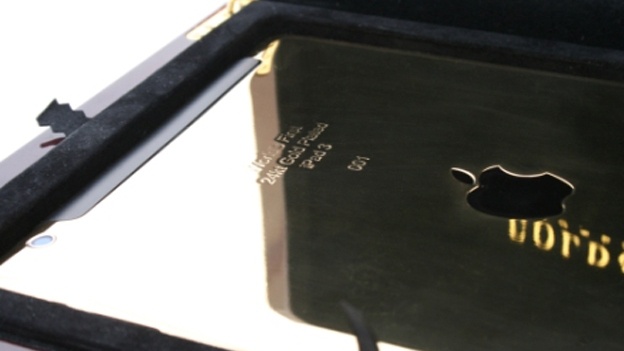
 Gold and Co. London encases electronics in 24 carat gold-plating; their best market? The Gulf, naturally.


 Frying pan company Neoflam smacks TV show with libel law suit


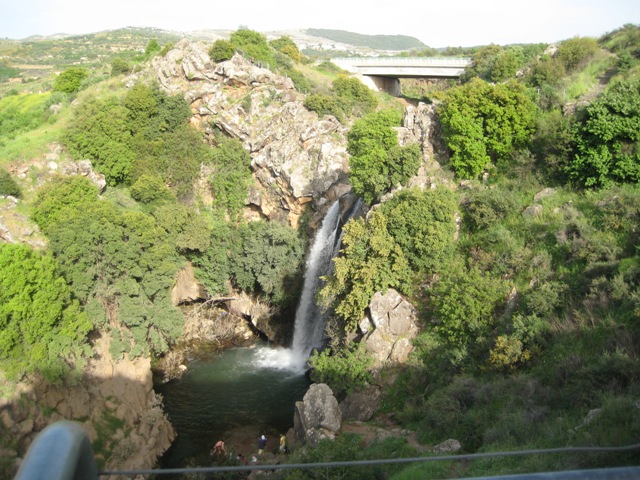
 Sa’ar Stream waterfall near the Banias: Israel’s natural beauty at its best