Home Blog Page 29

Mars found a way to store carbon. Can we?

0
Mars
What we can learn from Mars about climate change

Mars, the dusty red planet that once held our wildest dreams of alien life, is revealing its past—and perhaps a glimpse of Earth’s future. Today it’s a frozen desert, with no breathable atmosphere and no surface water in sight. But new findings from NASA’s Curiosity Rover suggest Mars was once warm, wet, and much more Earth-like—possibly with rivers, rainfall, and lakes.

The key? A humble mineral called siderite, a type of iron carbonate that’s helping scientists piece together how Mars may have once locked away its carbon—and lost its atmosphere in the process.

Related: This Dune suit could keep us alive on Mars

In a recent SETI Live conversation, Dr. Ben Tutolo, a geochemist at the University of Calgary and a science team member on the Curiosity mission, shared the breakthrough. While analyzing rocks inside Gale Crater, Curiosity detected up to 10.5% siderite in some layers of Mount Sharp—far more than expected.

This wasn’t just a geochemical oddity. It was evidence that Mars once had abundant CO₂, likely released by volcanoes, which dissolved in ancient waters and was then mineralized into rock. That’s the same basic carbon capture strategy we’re exploring here on Earth today to combat climate change—except Mars figured it out a few billion years earlier.

Carbon Capture on a Planetary Scale—Then Collapse

On Earth, carbon gets locked up in limestone—made of calcium carbonate. On iron-rich Mars, siderite takes that role. Its presence, alongside evaporite minerals like magnesium sulfate, suggests a long phase of evaporation, meaning Mars had standing water. For that to happen, the atmosphere had to be thick—at least 1,000 times denser than it is today, rich in CO₂.

Related: rogue geo-engineers chased by the EPA for injecting sulphur into the atmosphere

But something happened: the atmosphere thinned, water disappeared, and the climate collapsed. Where did the CO₂ go? Some was lost to space, but this discovery shows that much of it was mineralized into the Martian crust.

The lesson is sobering. On Earth, we’re now injecting carbon into the atmosphere faster than the planet can absorb it. Mars shows us what can happen when a planet’s carbon cycle gets thrown off balance—even slightly—over geological timescales. A world once capable of supporting liquid water became uninhabitable. This is more than a Martian mystery; it’s a cautionary tale. If Mars could lose its habitability after capturing its carbon, what could happen to Earth if we fail to?

Related: dealing with gravity on Mars

The next steps will involve returning samples from these siderite-rich layers to Earth, possibly offering clues not just to climate, but to life. If Mars held onto water for long enough, it might have also given life a fighting chance. And if a “dead” planet like Mars once supported a warm, wet climate, then our definition of what makes a world habitable—whether in our solar system or beyond—may need a radical rethink. Maybe Elon Musk will get there soon with SpaceX and report back to earth before it’s too late. The United Arab Emirates plans on joining Musk on Mars.

Whale watching tours find whales talking to people with strange bubble rings

0
This bubble ring was captured on video in 1988 in the Stellwagen Bank National Marine Sanctuary in Massachusetts. (© Dan Knaub, The Video Company)

Could bubble rings be the cetacean equivalent of a wave and a smile?

A new study suggests that humpback whales (Megaptera novaeangliae) might be trying to communicate with humans –- or aliens? –– through a behavior that’s both beautiful and baffling: perfectly circular bubble rings, deliberately blown near boats and swimmers. The finding comes from researchers at WhaleSETI, a project inspired by the search for extraterrestrial intelligence (SETI), only this time, the “aliens” are right here in our oceans.

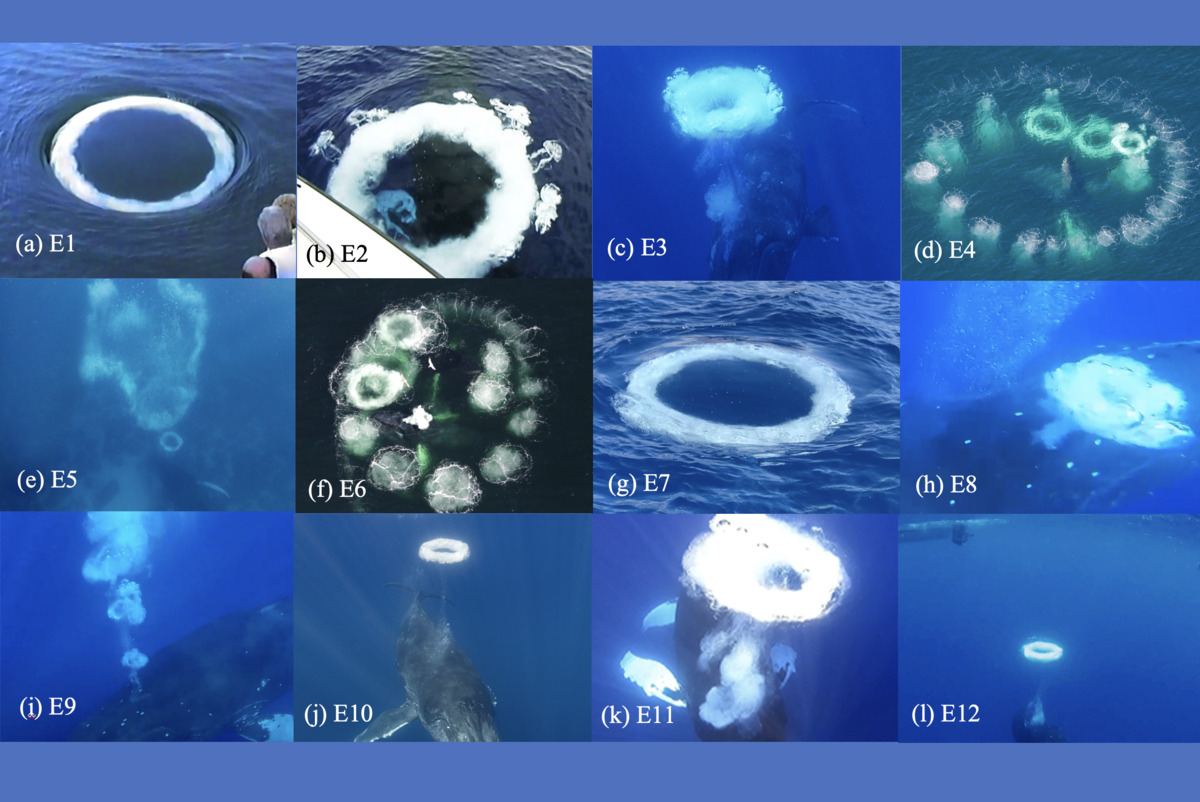
In 12 documented encounters across the globe, individual humpbacks were observed creating bubble rings only in the presence of humans—never when monitored by drones or distant cameras. These were not the messy bursts of bubble-net feeding, but rather tight, precise rings—deliberate and controlled.

“We’ve now located a dozen whales from populations around the world, the majority of which have voluntarily approached boats and swimmers blowing bubble rings,” said marine wildlife photographer and study co-author Jodi Frediani.

Composite image of at least one bubble ring from each episode. Photo attributions: (a) D. Knaub, (b) F. Nicklen, (c) D. Perrine, (d) W. Davis, (e) G. Flipse, (f) A. Henry, (g) M. Gaughan, (h) H. Romanchik, (i) D. Patton, (j) D. Perrine, (k) S. Istrup, (l) S. Hilbourne.

In other words: they saw us, they swam toward us, and they made bubbles—in what can only be described as a strangely charming act of interspecies improv.

The WhaleSETI project, headed by scientists with backgrounds in linguistics, animal behavior, and astrobiology, aims to study non-human intelligence with the same tools we use to prepare for contact with extraterrestrials. If we can’t talk to whales—who evolved on the same planet—how do we ever expect to chat with space-faring civilizations?

And what better place to start than with one of the most acoustically gifted and socially complex animals on Earth? Or consider, maybe aliens are speaking with whales and not us?

“Because of current limitations on technology, an important assumption of the search for extraterrestrial intelligence is that extraterrestrials will be interested in making contact and so target human receivers. This important assumption is certainly supported by the behavior of humpback whales,” said Dr. Laurance Doyle of the SETI Institute, a coauthor on the paper.

Importantly, the whales in these cases were not stressed. They showed no signs of aggression or alarm. Instead, the encounters were marked by calm, curious approaches, often followed by the bubble display and, in some cases, eye contact.

This behavior suggests a kind of social play or signaling, and while it’s not yet clear what bubble rings mean in whale culture (a “hello”? a “back off”? an invitation to dance?), their exclusive appearance in human company has researchers wondering: Is this their way of saying hi?

Bubble ring communication isn’t just cute—it raises questions about how we define intelligence and connection. In the search for life beyond Earth, SETI has long looked for intentional signals. WhaleSETI flips that search around: what if a highly intelligent species has already been trying to talk to us, but we didn’t recognize the signs?

As with all science, caution is warranted. The sample size is small. The interpretations are early. And whales have been sinking boats in the Mediterranean Sea. Maybe we should start listening.

___

The team’s findings were recently published in Marine Mammal Science in a paper titled “Humpback Whales Blow Poloidal Vortex Bubble Rings.” The study analyzes 12 bubble ring–production episodes involving 39 rings made by 11 individual whales.

Similar to studying Antarctica or other terrestrial analogs as a proxy for Mars, the Whale-SETI team is studying intelligent, non-terrestrial (aquatic), nonhuman communication systems to develop filters that aid in parsing cosmic signals for signs of extraterrestrial life. As noted by Karen Pryor, “patterns of bubble production in cetaceans constitute a mode of communication not available to terrestrial mammals” (Pryor 1990).

Other team members and coauthors of the paper are Dr. Josephine Hubbard (Postdoc, U.C. Davis), Doug Perrine (Doug Perrine Photography), Simon Hilbourne (Marine Research Facility, Jeddah, Saudi Arabia), Dr. Joy Reidenberg (Icahn School of Medicine at Mount Sinai, NY) and Dr. Brenda McCowan, ( U.C. Davis, Veterinary Medicine), with specialties in animal intelligences, photography and behavior of humpback whales, whale anatomy, and the use of AI in parsing animal communication, respectively.

An earlier paper by the team was published in the journal, PeerJ, entitled, “Interactive Bioacoustic Playback as a Tool for Detecting and Exploring Nonhuman Intelligence: “Conversing” with an Alaskan Humpback Whale.” The authors would like to acknowledge the Templeton Foundation Diverse Intelligences Program for financial support of this work.

For more information, visit WhaleSETI.

Poo beats pills? Norway backs poop transplant as safer treatment for gut-wrecking infection

0
Poop pills
Poop pills are used for fecal transplants

In a scientific win for poop, a new phase 3 trial out of Norway found that fecal microbiota transplantation (FMT)—yes, a literal poop enema—performed slightly better than the go-to antibiotic vancomycin in treating Clostridioides difficile infections (CDI).

Researchers found FMT to be noninferior (that’s doctor-speak for “basically just as good, or a bit better”) and possibly a gentler first-line treatment than antibiotics. This could be a game-changer in how we treat gut chaos—and a step toward embracing the full healing power of… other people’s poop.

Related: Seres and Nestle makes poop pills to replace antibiotics

If this sounds familiar, that’s because Green Prophet has been covering the rise of fecal transplants like a proud microbiome mama. From our early report on how gut bacteria can control your mood (and maybe your destiny) to the Israeli startup making synthetic poop capsules for people who’d rather swallow than squirt, we’ve been watching this digestive revolution unfold. But we prefer before you rush to medicine, to eat what fermentation doc, Sandor Katz recommends –– and that’s eating fermented food.

Now, with Norwegian researchers giving the royal flush to vancomycin, we may soon be saying goodbye to antibiotics and hello to artisanal, farm-to-bum therapies.

Related: Wombats have cube-shaped poop

Let’s not forget the bigger message here: modern medicine is slowly realizing what your grandmother and your compost bin always knew—shit matters. Whether you’re nurturing your gut with probiotic yogurt or contemplating a fresh stool smoothie, the path to health might not be lined with roses, but with microbes.

As the future of medicine continues to smell a little funny, we’ll keep digging into the science of sustainable solutions—one scoop at a time. ?

Rebuilding a life, one hand at a time: a medical first at Penn Medicine

0
New hands Luka Krizanac
Luka Krizanac gets a new set of hands

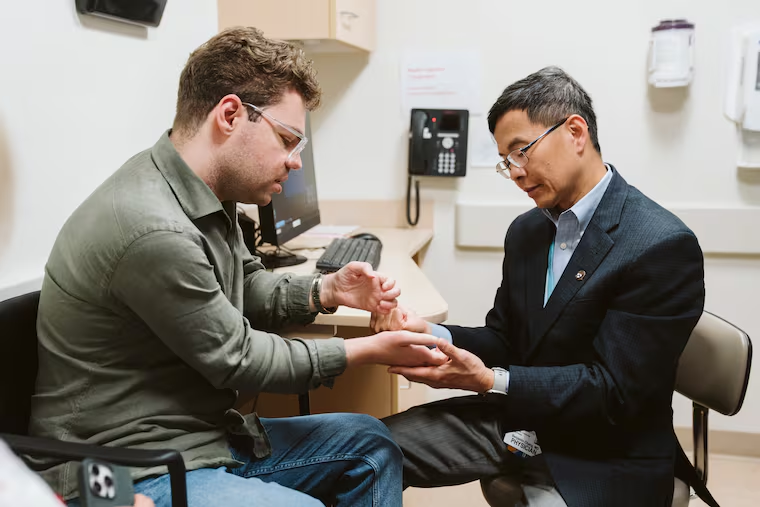
When Luka Krizanac lost all four limbs to sepsis at age 12, he never imagined he’d one day hold a cup, type on his phone—or feel the warmth of human touch again. But in a groundbreaking medical feat, the now 28-year-old Swiss man has received a bilateral hand transplant from doctors at Penn Medicine in Philadelphia. The surgery, performed in fall 2024, is the first of its kind in the US on a patient with surgically integrated leg prosthetics, and it marks a new chapter in the science of healing and regeneration.

Related: Turkey’s first womb transplant is a success

Krizanac is Penn’s fifth hand transplant recipient, and the program’s first since a COVID-era pause on non-vital transplants. The complexity of the procedure—known as vascularized composite allotransplantation—requires a team of over 20 specialists, from plastic and orthopedic surgeons to anesthesiologists and transplant coordinators.

“You do 1,001 things with your hands every day. Prosthetics can’t replace that,” said Dr. L. Scott Levin, a pioneer in the field and Chair Emeritus of Orthopaedic Surgery at Penn. “Our team is very proud of the many things we’ve done as ‘firsts,’” Levin said. “The first child. The first transatlantic vascularized composite allotransplantation. The first in a patient with no lower extremities. The first woman to have hand transplants who later gave birth to a baby.”

Healing Beyond Organs: A Sustainable Vision for Medicine

Luka Krizanac gets a new set of hands
While many sustainability stories focus on climate, the principles of regeneration and mindful resource use are equally vital in healthcare. Hand transplantation offers an alternative to mass-produced, resource-intensive prosthetics, and is built on human tissue reuse—a powerful expression of biological circularity.

Related: First whole eye transplant successful

Indeed, donor compatibility for hands is complex: beyond blood type, doctors must match skin tone, gender, muscle size, and age. “It’s the most human gesture I’ve ever witnessed—that someone would help me beyond their own life,” Krizanac said. “How can you ever find the words for that kind of gratitude?”

The road to surgery took years. Luka’s leg wounds had to heal first, and surgeons even flew to Europe to perform microsurgery on his residual limbs to prevent infection. Once cleared, he underwent a rigorous mental and physical evaluation to ensure he could endure the transplant’s demands: intense rehab, lifelong immunosuppressants, and the emotional weight of recovery.

Related: thinking about a hair transplant?

While the world emerged from lockdowns, Penn’s hand transplant team quietly practiced. In the Human Tissue Lab, they ran hours-long mock surgeries, rehearsing every nerve, vessel, and bone connection down to the stitch.

By fall 2024, the real operation began—10 hours long, performed overnight while most of Philadelphia slept. Four surgical teams, working in sync on Krizanac and the donor, navigated the complex choreography of rebuilding a body.

Six months after surgery, Luka is back home in Switzerland. He can now feel textures and temperatures, pick up food, and even push his glasses up—a movement most take for granted. His nerves continue to regenerate, and so does his confidence.

This story isn’t just a medical marvel. It’s a testament to long-term thinking, international cooperation, and the sustainability of human care—values we champion at Green Prophet. As we seek a regenerative future for the planet, we can’t forget to regenerate ourselves.


Werner Lanthaler Reveals Why Wlanholding Avoids Traditional VC Models

0

Impact investing for solar energy

Most life sciences investors follow predictable patterns: raise funds from limited partners, deploy capital across portfolio companies within defined timeframes, and exit investments to generate returns for fund investors. Werner Lanthaler has deliberately constructed Wlanholding GmbH to operate outside these conventional frameworks, creating what amounts to an alternative approach to biotechnology investment.

As founder and CEO of Wlanholding, a family office focused on life sciences and high-tech sustainability investments, Lanthaler has designed his investment platform to prioritize long-term value creation over the rapid return cycles that characterize traditional venture capital. This approach reflects the lessons he learned during his tenure as CEO of Evotec SE, where he experienced firsthand how external investor timelines can sometimes conflict with the lengthy development periods necessary for pioneering biotechnology innovation.

The contrast becomes apparent when examining Wlanholding’s portfolio companies: Proxygen GmbH developing molecular glue degraders, Cerabyte GmbH creating ceramic-based data storage solutions, Solgate GmbH targeting complex protein families, Planet Pure GmbH producing organic consumer products, and Cyment developing sustainable building materials. Each represents ambitious science that benefits from patient capital rather than pressure to achieve rapid milestones for fund reporting purposes.

Family Office Structure Creates Different Investment Dynamics

Wlanholding operates as a family office rather than a traditional venture capital fund, creating fundamentally different relationships between the investment platform and portfolio companies. This structure eliminates many of the tensions between investor reporting requirements and company development needs that can complicate traditional VC relationships.

Family office investment decisions can focus on scientific merit and long-term market potential rather than fund marketing requirements or limited partner expectations. This freedom allows Wlanholding to invest in companies that traditional VC funds might consider too early-stage, too technically complex, or too specialized for their portfolio construction needs.

The family office structure also enables more flexible deal terms and ongoing support arrangements. Without pressure to demonstrate rapid progress to external fund investors, Wlanholding can provide sustained support through the inevitable setbacks and strategic pivots that characterize biotechnology development. This stability often proves crucial for companies developing novel technologies that don’t follow predictable development timelines.

The operational implications extend to board participation and strategic guidance. Rather than managing relationships with dozens of portfolio companies to satisfy fund diversification requirements, the family office structure enables deeper engagement with a more concentrated portfolio of companies where meaningful value creation support is possible.

Extended Investment Timelines Enable Ambitious Science

Traditional venture capital funds typically operate on 7-10 year cycles with pressure to generate returns within predetermined timeframes. Wlanholding operates without these artificial constraints, enabling investment in companies pursuing scientific objectives that may require extended development periods to reach their full potential.

This extended timeline approach proves particularly valuable for companies that are developing platform technologies rather than single-product applications. Solgate’s focus on solute carrier proteins is an example of the kind of ambitious science that benefits from patient capital. These proteins represent a large class of therapeutic targets that have been historically challenging to address, requiring sustained research efforts and iterative development approaches that don’t fit neatly into traditional VC timelines.

The patient capital philosophy extends to supporting companies through multiple development phases and market applications. Rather than pressuring portfolio companies to pursue exits at the first viable opportunity, Wlanholding evaluates whether continued investment and support can create significantly greater long-term value by enabling companies to capture larger market opportunities or develop additional applications for their core technologies.

Concentrated Portfolio Approach Over Diversification Models

Traditional venture capital follows portfolio construction models designed to generate returns through a small number of highly successful investments that compensate for multiple failures or modest successes. This approach requires VCs to make numerous investments with limited resources available for deep engagement with individual companies.

Werner Lanthaler has built Wlanholding around a concentrated portfolio approach that enables deeper engagement with each investment. Rather than spreading capital across dozens of companies with limited attention available for each, the concentrated approach enables meaningful partnership relationships that can significantly influence company development outcomes.

This concentrated investment strategy requires higher conviction in investment decisions but creates opportunities for more substantial support during critical development phases. The approach aligns well with the complex, relationship-intensive nature of biotechnology innovation, where strategic partnerships and deep domain expertise often determine success more than capital availability alone.

The concentrated approach also enables better integration between portfolio companies, facilitating knowledge sharing and collaborative development opportunities that larger, more diversified portfolios cannot easily coordinate. Companies like Proxygen and Cerabyte can benefit from shared insights and complementary expertise that emerge from closer portfolio integration.

Active Partnership Beyond Financial Investment

Traditional venture capital relationships often involve providing capital in exchange for board representation and periodic monitoring, with limited operational involvement beyond major strategic decisions. Wlanholding’s approach emphasizes active partnership and operational support that leverages Lanthaler’s extensive industry experience and professional network.

This active partnership approach draws on his experience building Evotec from approximately 200 employees to over 5,000 while expanding revenue from €40 million to €800 million. Portfolio companies benefit from strategic guidance based on direct experience with scaling biotechnology companies, navigating regulatory processes, and developing strategic partnerships with pharmaceutical companies and academic institutions.

The active partnership involves hands-on problem-solving during critical development phases. Rather than simply monitoring progress through board meetings and investor updates, Wlanholding engages directly with portfolio companies to overcome technical challenges, navigate regulatory complexities, and develop strategic partnerships. This level of involvement often proves essential for companies developing breakthrough technologies that require specialized expertise and industry relationships.

Long-Term Value Creation Over Rapid Exit Strategies

Traditional VC models prioritize generating returns within fund timelines, creating pressure for portfolio companies to pursue exit opportunities that may not optimize long-term value creation. Wlanholding’s approach emphasizes building sustainable competitive advantages and market positions that create lasting value, even if this requires longer development timelines.

This long-term orientation allows portfolio companies to build robust scientific foundations, develop multiple product applications, and establish market positions that support sustained growth rather than optimizing for quick exits. Cerabyte’s development of revolutionary data storage technology exemplifies this approach, pursuing ambitious technical objectives that may take years to fully commercialize but could create substantial long-term value.

The long-term approach extends to supporting companies through multiple growth phases and market expansions. Rather than exiting when companies achieve initial success, Wlanholding evaluates whether continued investment can enable companies to capture significantly larger opportunities by expanding into adjacent markets or developing additional applications for their core technologies.

Scientific Expertise Drives Investment Decisions

Traditional venture capital often relies on pattern recognition and financial analysis to evaluate investment opportunities, with limited deep scientific expertise in specific technology areas. However, Werner Lanthaler brings extensive domain knowledge from his experience in biotechnology development, enabling more sophisticated technical evaluation of investment opportunities.

This scientific expertise allows Wlanholding to identify promising opportunities that traditional VCs might overlook due to technical complexity or unfamiliarity with specific scientific domains. Companies developing advanced platform technologies, addressing difficult biological targets, or pursuing novel therapeutic approaches benefit from investors who understand the technical merits and development challenges rather than relying primarily on market comparisons.

The scientific expertise also enables more effective ongoing support and strategic guidance. Lanthaler can provide insights based on direct experience with similar technical challenges, regulatory requirements, and commercial development pathways rather than generic business development advice that characterizes many traditional VC relationships.

Risk Management Through Deep Domain Understanding

Rather than managing investment risk through portfolio diversification alone, Wlanholding’s approach emphasizes a deep understanding of the scientific and technical risks associated with each investment. This domain expertise enables more accurate risk assessment and more effective risk mitigation strategies than traditional portfolio construction approaches.

The risk management approach considers the specific technical challenges, regulatory pathways, and market development requirements associated with each company’s approach. Rather than applying generic risk models across diverse investments, the deep domain understanding enables tailored support strategies that address the most critical success factors for each portfolio company.

This sophisticated risk assessment extends to strategic partnership development and competitive analysis. Understanding the technical differentiation and competitive advantages of portfolio companies enables more effective positioning for strategic partnerships, acquisition opportunities, and market development initiatives.

Through his alternative approach to biotechnology investment, Werner Lanthaler has created an investment platform that is uniquely positioned to support the most ambitious scientific innovations while generating sustainable returns for all stakeholders. Wlanholding’s model shows how alternative investment structures can better serve both entrepreneurs and investors in complex, technology-intensive industries that require patient capital and deep domain expertise.

The success of this approach suggests opportunities for evolution in how life sciences innovation is funded and supported, moving beyond standardized VC models towards more flexible structures that align investor capabilities with the specific requirements of breakthrough biotechnology development.


Life-Cycle Thinking Under Fire: Industrial Ecology Mission Amid Geopolitical Conflict

0
ben gurion kniv
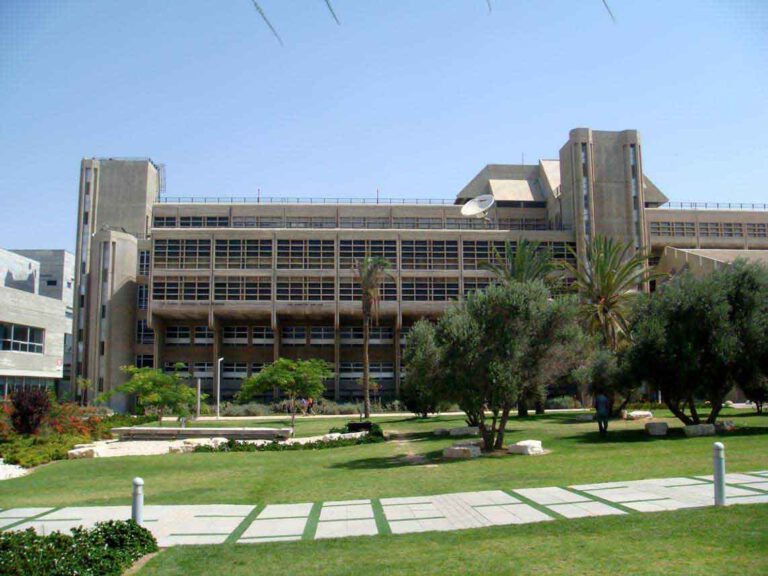
Ben-Gurion University Campus

Dr. Tamar Makov is a lecturer at the Guilford Glazer Faculty of Business and Management school at Ben-Gurion University of the Negev. Originally from Israel, she earned a BSc in Nutrition Science at the Hebrew University of Jerusalem before moving to the U.S. to complete an MA and PhD in Environmental Studies at Yale University.  Recruited back to BGU in 2019, she now lectures at the university. Her research focuses on data science, circular economy, and life-cycle analysis.

See Related Article: Hebrew University Recognized as World Leader in Movement Ecology 

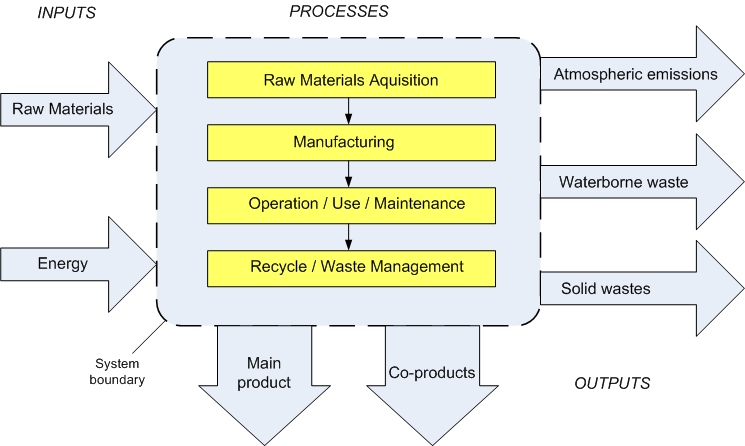
At the heart of her work lies industrial ecology. The field of study that industrial ecology encapsulates is the analysis of the relationship between the natural environment and industrial processes to promote sustainable development. The aim of this idea is to minimize environmental impacts and promote efficiency by integrating production and consumption development. Critical characteristics of the field of study are life-cycle assessment, economy, and sustainability. While lifecycle assessment is widely taught throughout the U.S and European universities, Israel only has about five dedicated researchers in the field. Dr. Makov’s efforts, a new curriculum at the university, and other students are looking to change this.

At BGU, Dr. Makov’s research thrusts include:

  • Looking into emerging tech, to model current production systems
  • Identifying current “hotspots” to identify and lessen environmental impacts
  • Digitalization studies, to examine how consumer behavior shifts in response to initiatives
  • Second-hand culture, the study on how reuse is effective only when it replaces new production and use of resources


By intersecting research, data, and conclusions, Dr. Makov and her associates aim to bridge theory and real-world impact. To increase efficiency and sustainability while reducing harmful environmental practices and their impacts. 

Lifecycle Analysis Flow Diagram, Credit: Mark Fedkin

Dr. Makov also lies at an interesting intersection herself. Her educational background at Yale University and her current job at BGU highlight some notable differences in the academic mindset between American and Israeli students. In America, it is much easier for students to focus on their education. While there are inconveniences and real, valid life events, students are still given the opportunity to focus entirely on their education. However, this is not the case for all students in Israel. Makov explains that it is more challenging for students to work, especially when focusing on certain school subjects. To many during a time of war, an environmental education can be seen as secondary. It is challenging to focus on sustainability when a war is unfolding in the backyard. Additionally, many of Makov’s students were in attendance at the Nova Festival during the October 7th terrorist attacks conducted by Hamas. These are just some of the challenges and experiences that Israeli students face when they decide to attend school.

See Related Article: Desert University Goes Green With Gusto

Even if students do decide to study the environment, their tough times do not disappear. On one occasion, Dr. Makov had students studying abroad in the Netherlands. During their final presentation, three of their classmates disregarded the instructions and instead targeted the few Israeli students. Instead of displaying their knowledge, they displayed their ignorance by spouting anti-Israel and anti-Semitic sentiment at the horror and shock of the other students. 


Despite her international pedigree, Dr. Makov faces hurdles stemming from resource constraints and geopolitical tensions. Funding in Israel is much more limited than at major U.S. institutions. This means that research, grants, and funding overall need to be taken seriously and utilized in a careful and targeted way. Additionally, recruiting students with a background in the environmental field can be difficult. To add on, many institutions outside of Israel who used to send students to study at BGU have either pulled out, or the students have not wanted to come due to the war. Partnerships are fragile in general. One example of this came from Dr. Makov’s work on studying bluefish. The study was utilizing a particular software, one that Dr. Makov had used in the past. However, after the October 7th attacks and subsequent public response, the software company will pull its programming. This experience is not unique.

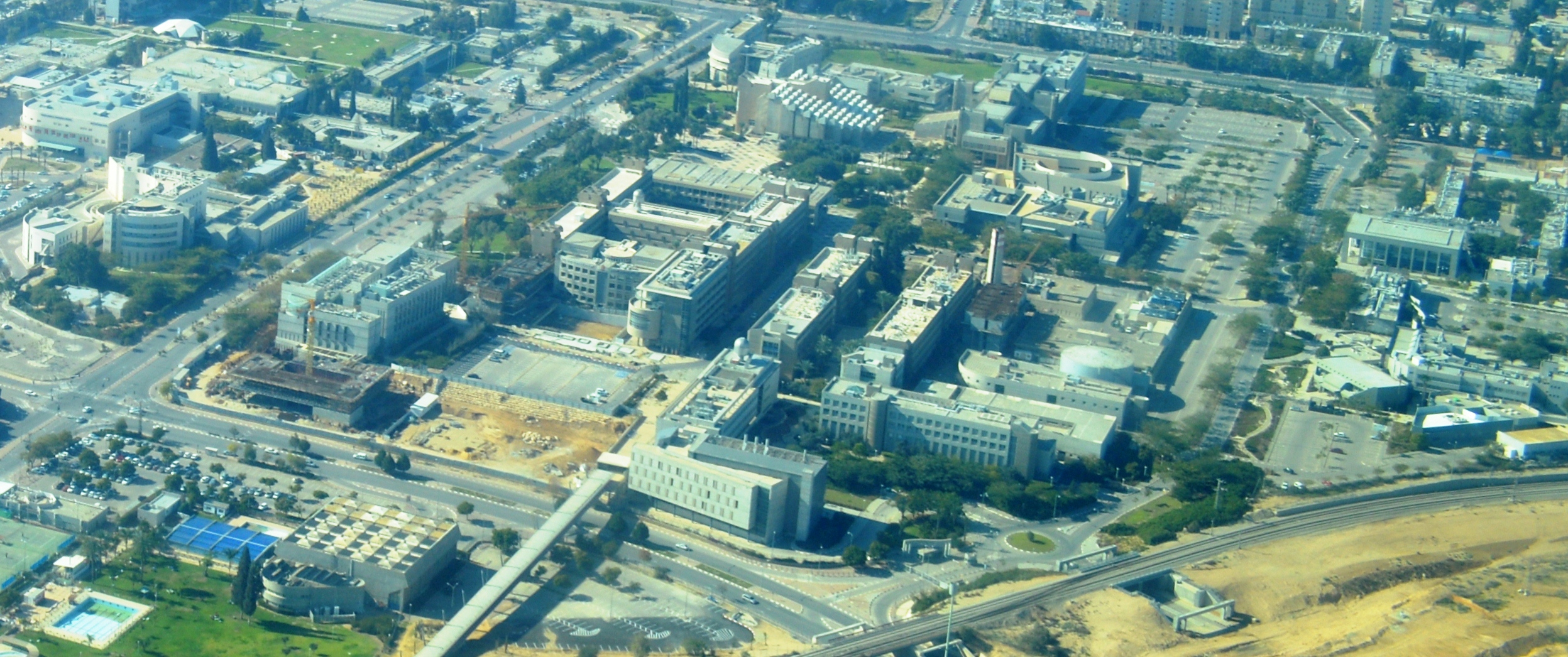
Ariel Image of Ben Gurion univeristy of the Negev
Ben-Gurion University of the Negev

Meanwhile, Dr. Makov reflects on her own time studying abroad at Yale, where she once shared an office with a Palestinian man from Gaza. This shows that collaboration and cooperation are possible. Today, along with many others, Dr. Makov observes that many activists in the U.S. and worldwide often conflate climate issues, Israel-Palestine issues, and other social issues. In her view, this distracts from all causes and forms a generalization. She says that we are better off focusing on issues that are urgent to environmental work: low-income and minority communities still face increased environmental risks, and emerging economies like China drive global emission increases. One example of this comes from Greta Thunberg. Thunberg, who is a climate activist, recently attempted to deliver symbolic aid to Gaza. Thus, bringing the two issues close in activist dialogue. 

See Related Article: Climate Activist Greta Thunberg Joins Gaza Flotilla

As the war continues, Dr. Tamar Makov remains committed to expanding Israel’s footprint in industrial ecology and circular economy, even as she navigates a fractured global landscape. Her work demonstrates that rigorous methods, interdisciplinary teaching, and data-driven projects can still, and will continue to, pave the way toward a more sustainable future. 


Sandor Katz – a conversation about fermentation for the future

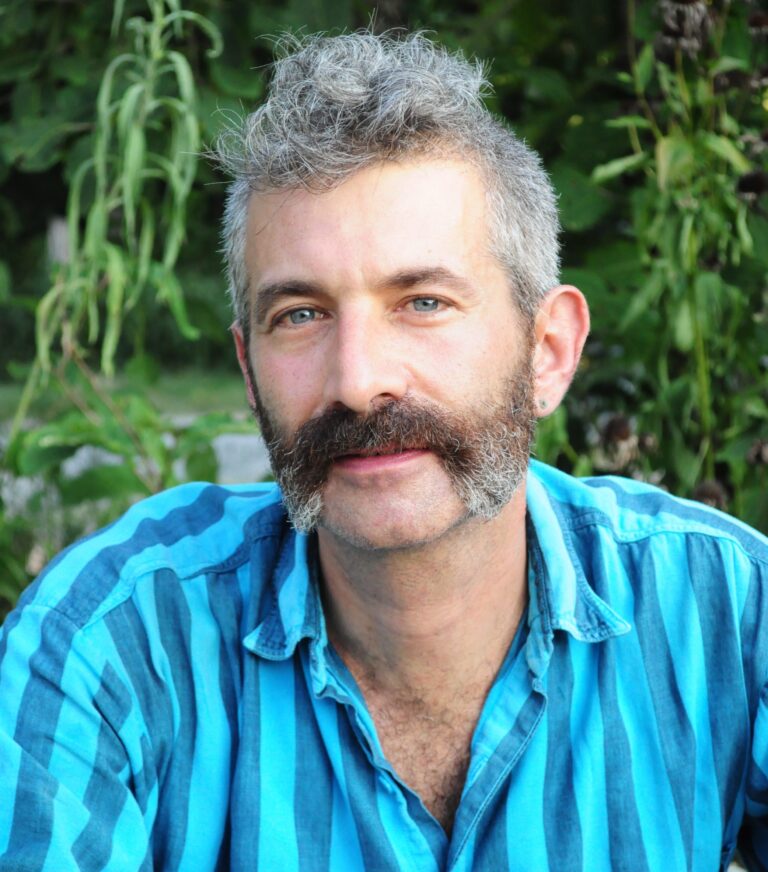
Sandor Katz
Sandor Katz

In a world increasingly disconnected from its food sources, fermentation evangelist Sandor Ellix Katz stands out as a champion of microbial culture—literally. Author of groundbreaking books like The Art of Fermentation and Wild Fermentation, both books I own, Katz has helped usher in a global revival of age-old food practices. His work is not only culinary but deeply ecological, spiritual, and political—highlighting how fermentation preserves both nutrients and traditions in an age of ecological collapse and over-industrialized food.

At Green Prophet, where we’re constantly exploring the beautiful dance of ecology, culture, and innovation in the Middle East and beyond, we spoke to Sandor Katz about the ancient roots and modern relevance of fermentation—especially in water-scarce regions like ours. Here is our Q&A.

Karin Kloosterman: In the Middle East, ancient fermented foods like labneh, pickled turnips, and date wine have long been part of daily life. Do you think fermentation could be a tool for ecological resilience in water-scarce, climate-stressed regions like ours—and if so, how?

Sandor Katz:
In every region of the world, fermentation is an ancient practice, an essential way in which people in varied climates and topographies have been able to make effective use of available food resources. Fermentation enables many foods to be preserved without refrigeration, breaks down toxic compounds in certain otherwise inedible foods, and enables some foods to be eaten with much less cooking, saving fuel. Fermentation is most definitely a tool for ecological resilience.

Kloosterman: From a microbial point of view, borders are meaningless. What does that say about our shared biological and cultural heritage when everyone is busy these days laying claim to their own unique heritage?

Katz:
I’m not sure I agree with the premise of your question, since all microbes, like every cell, have membranes that function as borders. But cell membranes, like all borders and boundaries, are never absolute—they are selectively permeable. Life processes require some degree of permeability for access to water, oxygen, minerals, and food, as well as the release of metabolic by-products.

Many varied microbes inhabit each of us, like every multicellular life form in existence, and they respect neither the autonomy of our individual bodies nor political borders. Specific microbial communities in different environments can vary quite a lot; yet their presence is ubiquitous. Our coexistence with the microbes present on our food is inevitable, yet the unique ways in which people in different parts of the world developed to work with this biological reality (that was not specifically understood until recent times) are distinctly cultural. Different cultural lineages have produced many distinctive fermented products. And yet so many of them are similar. Culture is never fixed; it is always evolving and always being influenced.

Wild Fermentation, Sandor Katz

Kloosterman: Could fermented foods—rich in microbes—play a role in healing not just the gut but also trauma, memory, or even the land itself? Have you come across any stories that link fermentation to emotional or ancestral healing?

Katz:
Certainly microbes play a huge role in healing land and water, and as we learn about the important connections between gut microbes and brain chemistry, in healing human traumas as well.

Kloosterman: In a time of ecological collapse, techno-solutionism, and AI-driven agriculture, do you believe fermentation can re-root us in slowness, decay, and human-scaled knowledge? What’s one radical thing you wish more young eco-activists knew about microbes?

Katz:
I know that the ecological destruction and catastrophes activists are focused on are vast in scale, but in thinking about strategies we cannot overlook microorganisms. Microbes may be small, but they are numerous, they are powerful, and they are resilient.

SAndor Katz
Sandor Katz

Kloosterman: Give us a short overview on what’s keeping you busy now and how we can access your latest book/project.

Katz:
My latest project is a natural history of fermentation, which will be published next year by Timber Press. I continue to teach in varied locations, and you can find out where on my website www.wildfermentation.com.

Get Fermenting: Favorite Recipes from the Green Prophet Kitchen

At Green Prophet, we’ve celebrated Middle Eastern fermentation traditions for years. Here are a few of our favorite starter recipes:

  • Labneh (strained yogurt):
    This is something my children would make in their Waldorf kindergardens, after making bread. Rich in probiotics and easily made at home by draining plain yogurt through a cheesecloth. Add olive oil, za’atar, or mint for a Levantine twist. Or try kefir.

  • Sumarian beer:
    Beer used to be made by women, before it became big business. Travel around the ancient times by making a simple beer loved by our mutual ancestors.

  • Preserved lemons:
    For a taste of Sinai and Egypt. This easy-to-make and easy to use spice uses the entire lemon. Just make sure they are organic. Get the recipe here.

Whether you’re fermenting on a balcony in Beirut or your basement in Boise, embracing microbial culture is a revolutionary act. In a time of upheaval, Sandor Katz reminds us that transformation—of food, land, and self—often begins with the smallest life forms.

Is sea acidity a ticking time bomb?

0
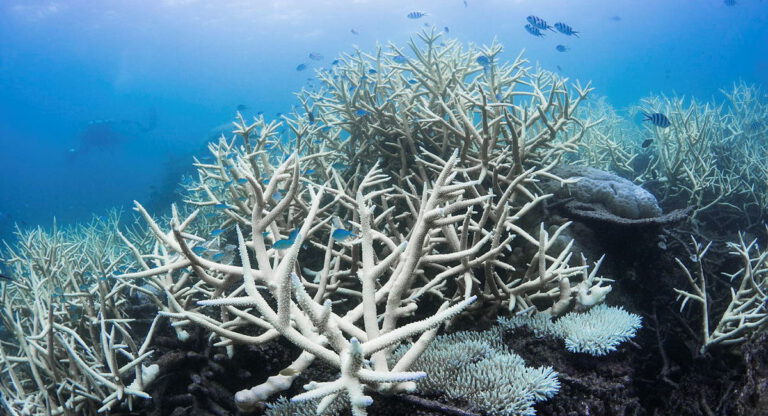
Great Barrier Reef Foundation
Great Barrier Reef coral bleaching

Ocean Acidification Has Quietly Crossed a Planetary Boundary — And It’s Worse Than We Thought

Fresh analysis from a global team of researchers—including the UK’s Plymouth Marine Laboratory (PML), NOAA, and Oregon State University—reveals a troubling truth: ocean acidification has already breached a planetary boundary, and alarmingly, this occurred around five years ago.

The planetary boundary framework defines Earth’s “safe operating space,” with nine environmental limits. Until now, ocean acidification had remained within this zone—barely. New findings, however, show that by about 2020, global seawater conditions had exceeded the boundary, defined as a >20 % decline in calcium‑carbonate saturation relative to pre‑industrial times.

Disturbingly, at depths of 200 m—where much ocean life thrives—60 % of waters have passed that threshold.

This creeping acidity threatens organisms that build calcium‑carbonate shells—corals, molluscs, crustaceans, pteropods, oysters—and the ecosystems and economies that depend on them.

As PML’s marine ecologist and Global Ocean Acidification Observing Network co‑chair Prof Steve Widdicombe starkly warns: “Ocean acidification isn’t just an environmental crisis —it’s a ticking time‑bomb for marine ecosystems and coastal economies.”

Deep Waters, Deeper Problems
Lead author Helen Findlay from PML highlights that acidification isn’t confined to surface waters. She notes: “Most ocean life doesn’t just live at the surface … the waters below are home to many more different types of plants and animals. Since these deeper waters are changing so much, the impacts … could be far worse than we thought.”

Indeed, coral reef habitats are already shrinking: a 43 % habitat loss in tropical/subtropical corals, up to 61 % for polar pteropods, and 13 % for coastal bivalves.

too loud for baby oysters
Foods to boost testosterone include oysters · leafy green vegetables · fatty fish and fish oil. Bivalves are an aquatic mollusk that has a compressed body enclosed within a hinged shell, such as oystersclams, mussels, and scallops.

Lower ocean pH hampers shell formation, metabolic functions, reproductive success, and resilience. The Guardian underscores that acidification is accelerating, exacerbating threats to biodiversity and coastal industries like oyster farming—already suffering in the Pacific Northwest .

Marine ecologist Widdicombe tells Oceanographic Magazine: “If we could see ocean acidification, we’d be way more scared. … Couple ocean acidification with warming temperatures … you’ve got a way bigger problem than plastics.”

What’s Being Done—and What Still Needs to Happen
The study, published in Global Change Biology, combines ice‑core chemistry, historical ocean samples, and advanced modeling to track trends over 150 years .

Researchers advocate for:

  • Deep CO₂ emissions cuts to halt further acidification.
  • Targeted conservation of reefs and vulnerable habitats.
  • Upping acidification on policy agendas—it’s still largely sidelined.

Some are even exploring local fixes—like alkalinity enhancement—but scientists stress these remain unproven, and the real solution is still cutting fossil fuels out of our diet. Some companies like Make Sunsets in the US is going ahead and geo-engineering our planet, to the ire of ocean conservationists –- as we write here in this article.

Ocean acidification is dubbed the “evil twin” of climate change—and it has stealthily crossed a planetary limit, with cascading impacts on every layer of marine life, from shellmakers and corals to coastal economies. Professor Steve Widdicombe’s warning rings true: humanity is “gambling with both biodiversity and billions in economic value every day that action is delayed.”

We’re out of time. Reducing CO₂ emissions—and integrating acidification into global climate and biodiversity strategies—is no longer optional; it’s essential for the health of our oceans and ourselves. Greta Thunberg, can you come back to work?

SPNI’s Eco-Therapy Program Offers Vital Support and Resilience in Post-October 7 Israel

0
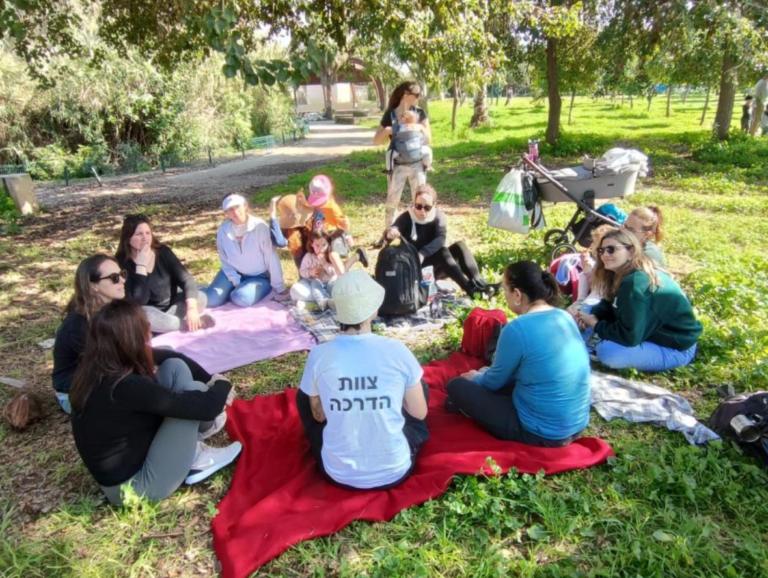
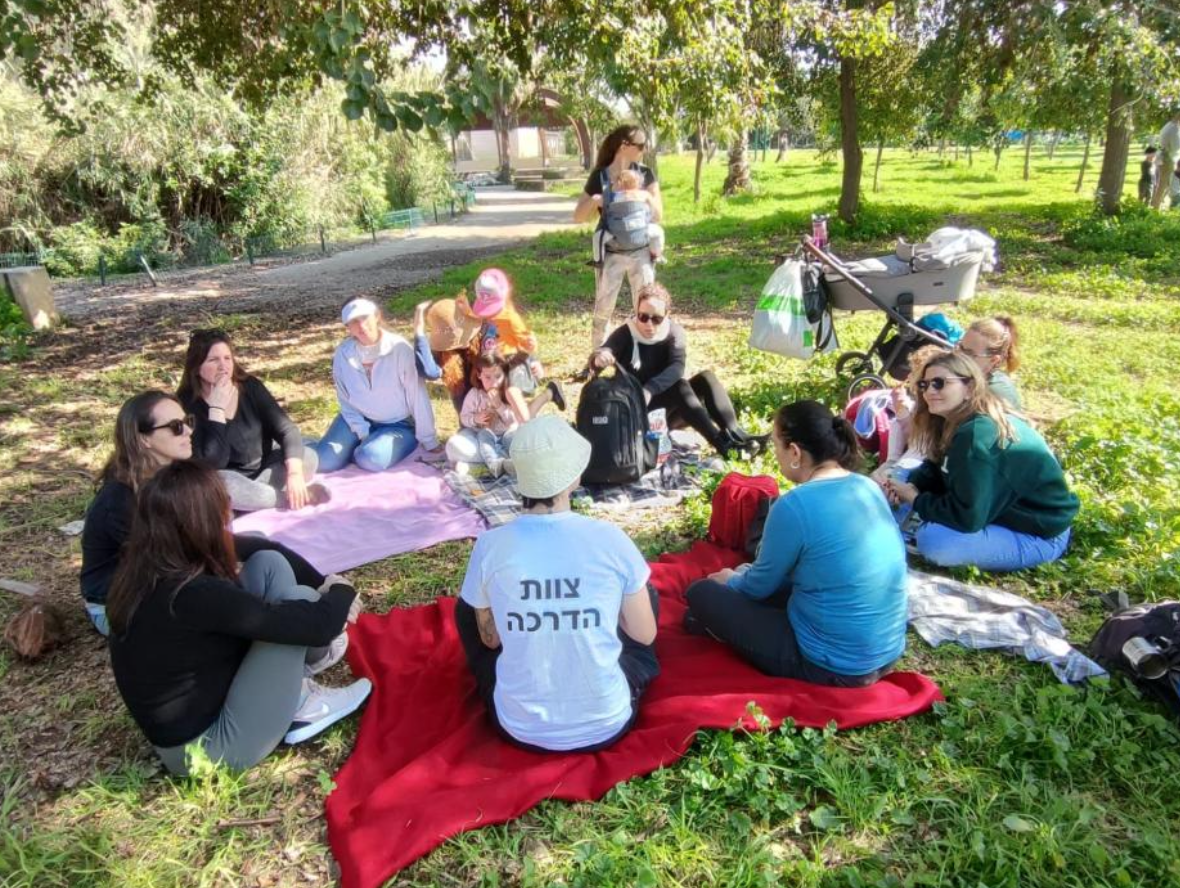
moms and children participating in an SPNI acivity in nature
Participants in SPNI’s “Nature Heals” program 

The “Nature Heals” program, run by the Society for the Protection of Nature in Israel (SPNI) since November 2023, uses nature to help Israelis, particularly young people, deal with mental health challenges after the October 7th attacks. Since the 2023 attack on Israel, over 100 thousand Israelis have gained some sense of peace and calmness through this program. 

See Related Article: How SPNI is Rewilding Cities and Rebuilding Resilience

Traditionally, SPNI is dedicated to conservation and initiatives within Israel’s natural areas. However, SPNI recognized the urgent need to address the widespread psychological distress gripping the nation and particularly Israel’s youth community. 

SPNI is not new to helping the Israeli community. After the destruction of the October 7th attacks, SPNI gave emergency shelter, in their facilities, to over 220 families at no cost. Additionally, schools run by SPNI in Eilat and Ein Gedi partnered with IsraAid and the Ministry of Education to provide space for displaced children to attend school, thereby offering some sense of normalcy during such volatile times.   

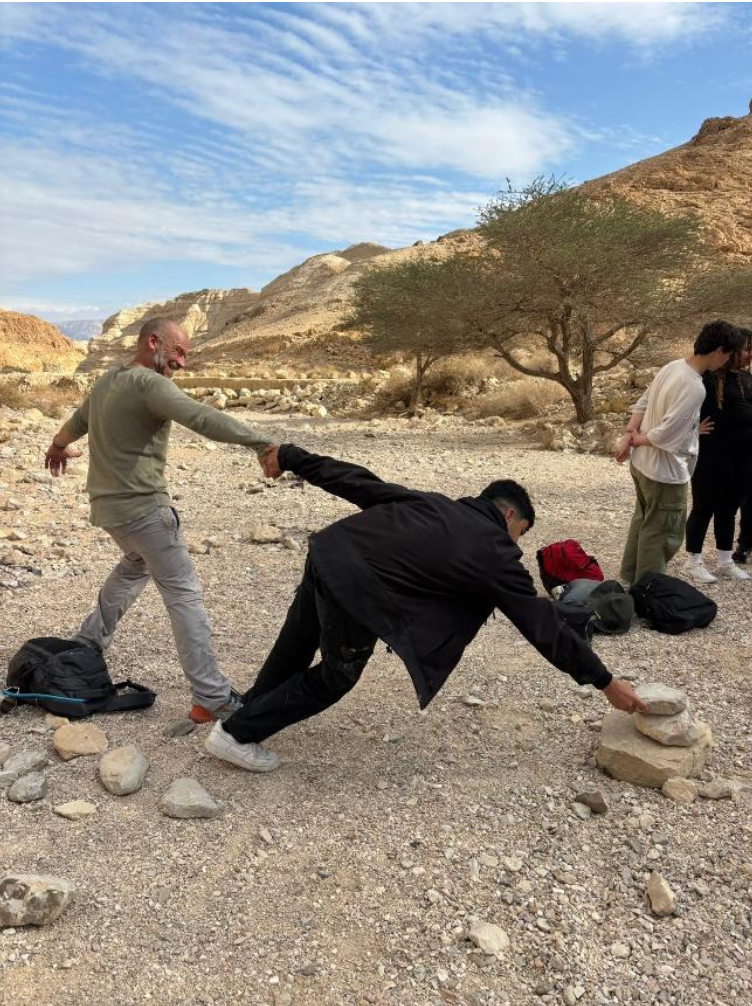
The “Nature Heals” program is not only targeting adolescents. They also provide services for displaced families, military personnel, and the general public. Over 4,000 children have already attended the program’s 4-day tours. If someone is unable to participate in a tour, SPNI offers online eco-therapy. Over 30 thousand Israelis have viewed their “Nature at Home” content. The content includes live birds, tours, and lectures. 

The in-person program is designed around a three-phase framework: Respite, Resilience, and Rehabilitation. The respite phase focuses on providing immediate relief through easily accessible natural experiences. The resilience phase, highlighted by the tours, offers an immersive experience that focuses on long-term physiological growth and instills positive beliefs in its participants. Finally, the rehabilitation phase aims to provide therapeutic activities aimed at long-term recovery.

So far, the results have been almost entirely positive. SPNI reports that 92% of teens stated they felt less anxious after attending one of the camps. Additionally, the programs are helping entire families, with 97% of parents reporting that their child had a significant, positive experience due to SPNIs’ work.

kid enjoying time
A young person actively engaging in SPNI’s activities

The success of the “Nature Heals” program would not have been possible without the support of various forces. Collaborations with local municipalities, therapists, and other welfare programs allow SPNI to reach out and recruit those from the most affected communities in Israel. One example of these positive partnerships is the collaboration with Sheba Medical Center. SPNI, Sheba, and the Eilat municipality have recently agreed to proceed with an eco-therapy retreat for recovering IDF soldiers. The program will provide professional trauma therapy in a natural setting. 

Rendering of the eco-therapy retreat in Eilat

Looking forward, “Nature Heals” does not plan to stop its work after the war is over. It plans only to expand and become a mainstay in eco-therapy in Israel. The program provides a compelling blueprint for trauma response and underscores the profound impact that eco-therapy can have on an individual. The goal SPNI set for itself is to engage over 700 students from the West Negev to Northern Israel at no cost. 

::SPNI

All About Ancient Mesopotamian Beer

0
Sumarian beer dinner
Have a Sumarian beer dinner

Below is one of the oldest written texts known to exist: a hymn in praise of the Mesopotamian beer goddess Ninkasi. Archaeologists surmise that brewing goes back to 3500 to 3100 BCE at the Sumerian settlement of Godin Tepe in modern-day Iran. But It’s not known exactly when the first beer was poured into a jug and tasted.

Hymn to Ninkasi
Hymn to Ninkasi

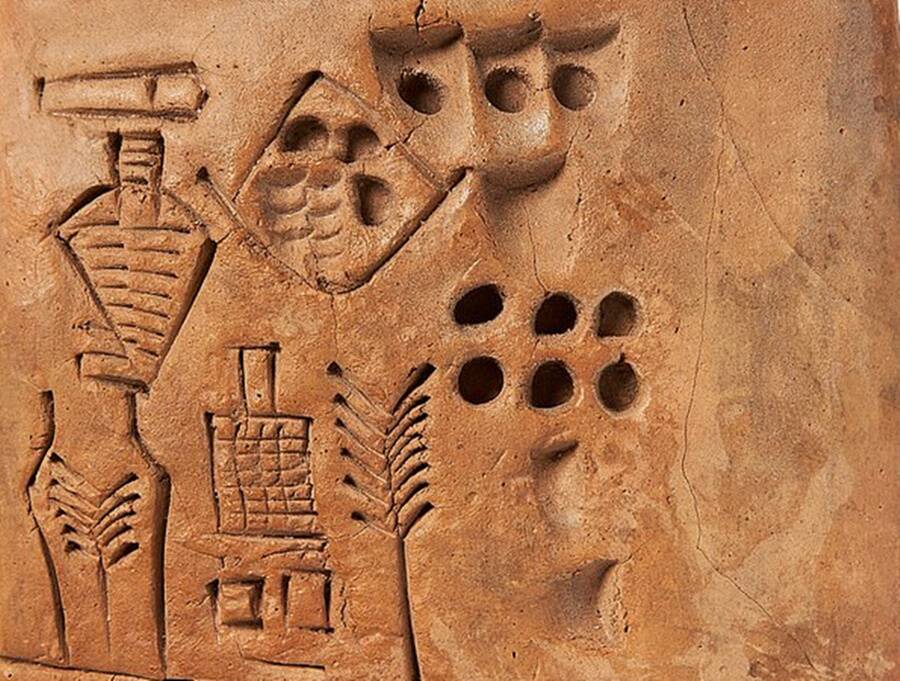
The Sumerians brewed many kinds of beer. The cuneiform tablet shown below is dated from “The sixth year of Prince Lugalanda,” ruler of southern Mesopotamia circa 2370 BC. It reports the deliveries of three kinds of beer to the palace and as offerings to a temple. The quantities of barley and other ingredients needed for making beer are carefully noted for inspection.

Beer was the everyday drink of the masses and of the gentry, as necessary as bread. Its nutritional value was high. It was also safer to drink than plain water, as the basic fermented liquor had to be boiled.

Barley was the grain used to provide the nutrients and sugars needed to ferment beer. It was used in the shape of barley bread dissolved in water, plus sprouted barley grains. It was a labor-intensive process, each ingredient matured separately and added in stages. Emmer, an ancient wheat variety, was added as well. Emmer is still around and is known as farro today.

Sumarian beer, via tasting history

Our dandelion beer recipe also relies on natural ingredients, but is much easier to brew up.

We have a partial recipe for Sumarian beer. It’s preserved in the Hymn to Ninkasi. The lyrical poem with its rhythmic verses was probably sung by workers in the brewing facilities. It illustrates the religious respect with which the Sumarians regarded beer, precious gift of the goddess.

“Ninkasi, you are the one who pours out the filtered beer of the collector vat,
It is [like] the onrush of the Tigris and the Euphrates.”

The poem goes on to describe the effects of the goddess’s gift:

“Drinking beer, in a blissful mood,
Drinking liquor, feeling exhilarated,
With joy in the heart [and] a happy liver…”

The whole poem may be viewed here.

This 5,000-year-old tablet depicting beer-making and a signed sales transaction was sold for $230,000.

We’ve brewed our own ancient-style beer at home: Ethiopian Tej. The traditional procedure eerily almost matches the ancient Sumerian method as outlined in the Hymn to Ninkasi.

t'ej beer, tej beer, injera ethiopian honey beer
Tej, Ethiopian honey wine (as it’s called in Ethiopia) or beer elsewhere

Women were the home bakers of the time, so the responsibility for beer brewing was first theirs. When beer became a commercial enterprise, men took over the production. As a home-brewer myself, it seems logical that the first beer was the result of water into which barley bread fell, making a new ferment. The alcoholic odor was tempting – someone dared to taste the liquid – and decided to make it again, on purpose. As good a theory as any.

What was ancient beer like? We know that although recipes varied from region to region, it was probably somewhat sour, although sweetened with dates whose sugar content would have boosted fermentation. Honey was included in some recipes for the same purpose. It’s thought that it usually had 2 to 4% alcohol by volume.

It was cloudy and rough, with floating husk particles of barley and wheat and field dust. People drank the beer through a straw, avoiding the gritty stuff at the bottom of the jar. Here’s an illustration from those times. Note the sideways smile of the second figure from the left.

drinking ancient beer through straws

The Sumarians’ brewing methods developed over the ages into the beer we know today. Yet making alcohol from bread mashed into liquid has never left people’s minds. We have a funny note on that: jailbird booze.

This story went around brewer’s forums for a while. It was said that convicts would fill a garbage bag with Kool-Aid left over from lunches, then floated a slice of moldy bread (great yeast) on it. The bag was stashed behind the toilet. After a while the sugary liquid had become alcoholic. Of course, today’s ubiquitous security cameras put a stop to that.

Not something I would recommend. But If you’re feeling ambitious, you can make Tej to sip while munching on Mersu candy. For that good old Mesopotamian feeling.


Greta Thunberg deported on plane back to Sweden

0
Greta Deported from Israel on a plane back to Sweden

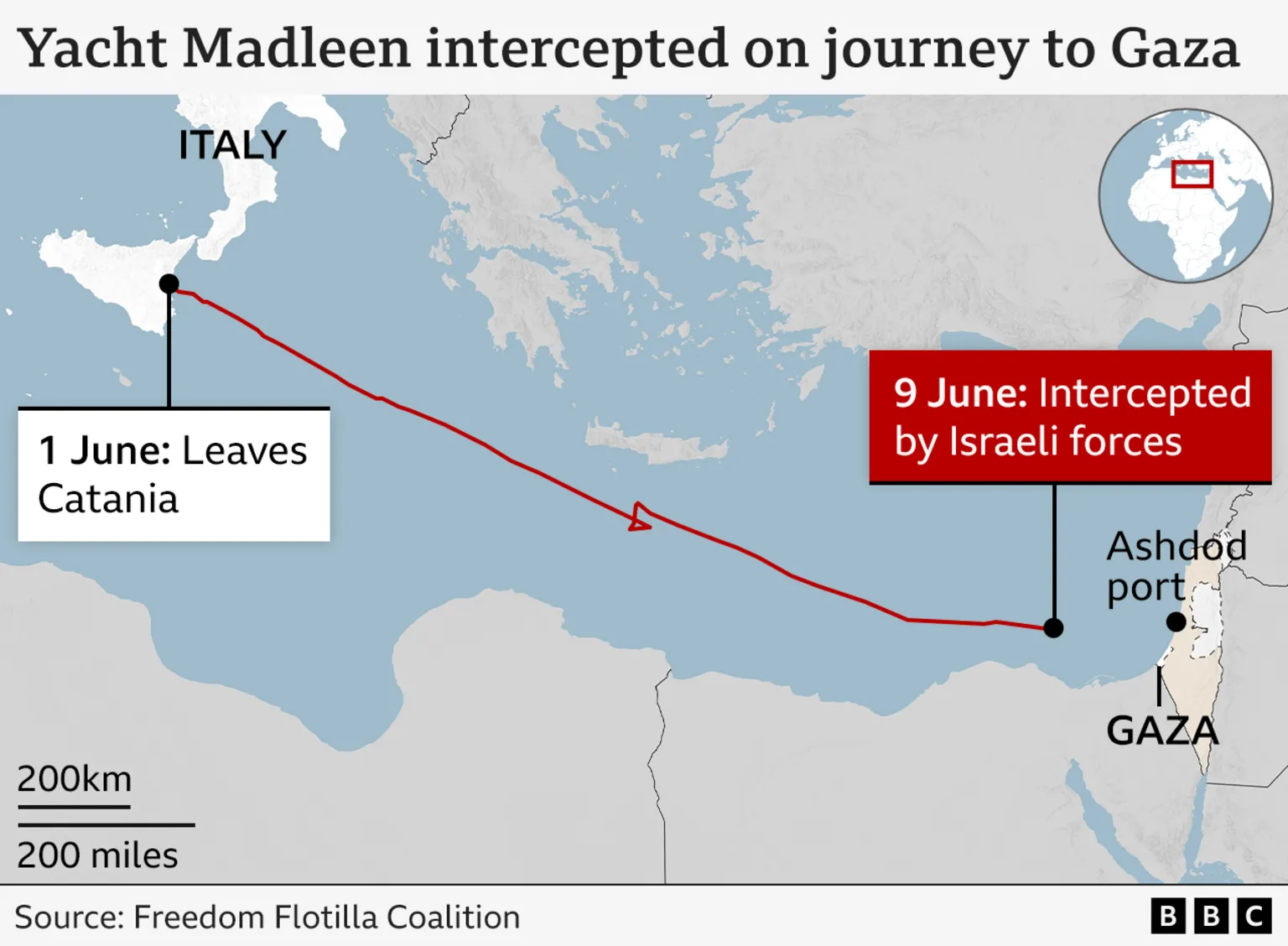
Swedish climate activist Greta Thunberg has been deported voluntarily from Israel following the interception of the Freedom Flotilla vessel Madleen, which aimed to break the Israeli naval blockade on Gaza and deliver humanitarian aid. The boat was seized in international waters on Sunday night by Israel’s Shayetet 13 naval unit and escorted to Ashdod Port.

The Israeli Ministry of Foreign Affairs confirmed Tuesday morning that Thunberg had departed the country via a flight to Sweden, with a stopover in France.

“Greta Thunberg just departed Israel on a flight to Sweden (via France),” the MFA posted on X.

Thunberg, who joined the flotilla to call attention to the humanitarian and ecological collapse in Gaza, was among 12 international activists on board. The group included medical workers, political figures, and climate advocates protesting what they call an “unlivable siege” that has blocked not only food and medicine but solar energy kits and water filters from reaching the 2.2 million people in the enclave.

Rima Hassan, a refugee from Syria to France has refused deportation. She joins another 7 that will need to appear before a judge before they can be deported.

Inside the Kaaba: Islam’s Hidden Heart

0

At the very center of the Islamic world stands a cube. Modest in shape yet immense in meaning, the Kaaba anchors the faith of over a billion Muslims, who turn toward it five times a day in prayer. Located within the Grand Mosque in Mecca, Saudi Arabia, this black-clad structure is the direction of prayer, the spiritual axis of Islam, and the focal point of the annual Hajj pilgrimage.

Yet despite its global significance, the Kaaba remains one of the most mysterious buildings on Earth. Few have seen inside it, and fewer still know what lies beyond its heavy door.

Inside the kaaba
Inside the Kaaba via Islamic Landmarks

The interior of the Kaaba is striking in its simplicity. Step inside, and you enter a quiet, rectangular chamber lined with smooth white marble. Three ancient wooden pillars rise from the floor, holding up a flat wooden ceiling. From this ceiling hang delicate silver and gold lamps, some inscribed with calligraphy from bygone Islamic dynasties. The scent of oud lingers in the air—applied regularly with sacred oils stored in a modest wooden cabinet tucked along one wall.

The floor itself is made of cool, polished marble. There are no decorations, no paintings, no thrones or altars—only space, light, and stillness. The room is empty of ornament but full of spiritual weight.

Kaaba, kabaa interior Kaaba, kabaa interior Kaaba, kabaa interior Kaaba, kabaa interior

This is not a place of tourism or spectacle. The Kaaba is closed to the general public. Entry is reserved for rare ceremonial occasions, most notably when it is cleaned twice a year in a ritual carried out with immense care and reverence. This responsibility belongs to a distinguished Meccan family, the Al-Shaibi clan, who have been the traditional caretakers of the Kaaba for generations—since the time of the Prophet Muhammad himself.

It is a hereditary role, passed down with deep honor. During the cleaning, the interior is washed with Zamzam water and rosewater, wiped down with white cloths, and anointed with perfumes. Only a small group of religious leaders, heads of state, or invited dignitaries are present.

The cloth that wraps the Kaaba—the Kiswa—is replaced once a year during Hajj. Woven from silk and embroidered with Quranic verses in gold thread, the Kiswa is produced by a dedicated team of artisans in a specialized factory in Mecca. It is raised slightly each year to prevent wear from the crowds of pilgrims, then lowered again after Hajj concludes.

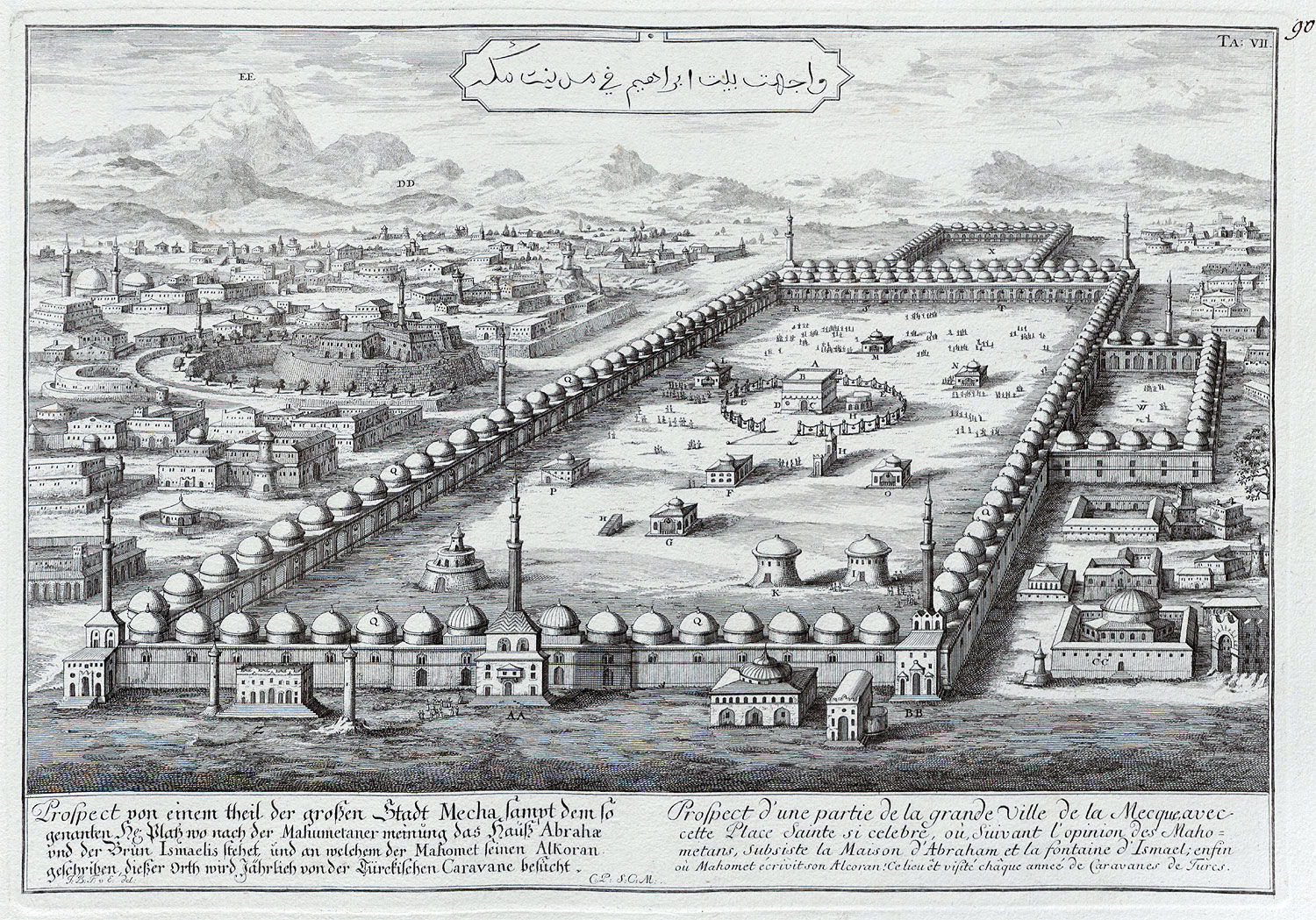
While the Kaaba we see today has undergone many reconstructions, its spiritual essence remains unchanged. Tradition holds that it was originally built by Abraham and his son Ishmael as a house of monotheistic worship. Over the centuries, it has been rebuilt several times due to floods, fires, and the passage of time. The current structure dates largely to a 17th-century reconstruction, with its foundations going back even further.

No appointment needed to kiss the stone

Security officers stand guard next to "Al-Hajar al-Aswad", or the Black Stone, as the first group of Muslims perform Tawaf around Kaaba at the Grand Mosque during the annual Haj pilgrimage, in the holy city of Mecca, Saudi Arabia, July 17, 2021. Saudi Ministry of Media/Handout
Security officers stand guard next to “Al-Hajar al-Aswad”, or the Black Stone, as the first group of Muslims perform Tawaf around Kaaba at the Grand Mosque during the annual Haj pilgrimage, in the holy city of Mecca, Saudi Arabia, July 17, 2021. Saudi Ministry of Media/Handout
The Black Stone on the Kaaba

Just outside the eastern corner of the Kaaba lies the Black Stone, a revered object kissed or touched by pilgrims performing the circumambulation ritual. But the sanctity of the Kaaba is not contained in any one object or wall. It lies in the unity it creates. Across continents and cultures, from mud mosques in Mali to prayer rooms in Jakarta, millions face the same direction each day, bound together by the unseen geometry of faith.

Vintage, undated images of the Kaaba

Vintage, undated images of the Kaaba

The Kaaba does not boast grandeur in the way palaces or cathedrals might. Its power is in its restraint. It is a place beyond spectacle, where emptiness becomes presence, and silence becomes prayer.

How SPNI is Rewilding Cities and Rebuilding Resilience

0
gazelle in gazelle valley park with jerusalem as the backdrop
Gazelle grazing in Gazelle Valley, Jerusalem

In the heart of Jerusalem, a city often defined by its layers of stone, history, and conflict, a special, quiet scene unfolds daily: a herd of over 100 endangered wild mountain gazelles roaming freely through the grasslands of a restored valley. Even in a time of war, Israeli children can be heard laughing along the winding trails. Birdwatchers hide from migratory birds while viewing their natural beauty. 

See Related Article: Near-extinct gazelle brings Israelis and Palestinians to peace-making plan

This is the Gazelle Valley Urban Nature Park, one of Israel’s first urban wildlife refuges and one of the most powerful symbols of what the Society for the Protection of Nature in Israel (SPNI) stands for: a belief the nature belongs to everyone, and that green space-especially in cities- is not just a sanctuary, but a solution.

Founded in 1953, SPNI emerged from a grassroots protest against the draining of the Hula Valley wetland. This move destroyed biodiversity and compromised the water quality of the wetland in northern Israel. Though the campaign failed in its goal of stopping the project, it gave rise to one of Israel’s and the world’s first environmental NGOs.

Today, SPNI operates a diverse portfolio that encompasses biodiversity conservation, sustainable urban planning, education, and advocacy. “If you learn about nature, you’ll love nature, and you’ll want to protect it,” says Jay Shofet, Director of Partnerships and Development at SPNI, who has lived in Israel for over 40 years.

See Related Article: Why is the Society for the Protection of Nature (SPNI) in Israel Supporting Settlements in the West Bank?

While SPNI’s base and roots are in wildlife protection, preserving nature reserves, restoration, and defending against habitat loss, its focus has shifted to cities where over 90% of Israel’s population resides. This shift is embodied in SPNI’s “Promoting Urban Nature” initiative. The goal of this initiative is to combat pressure to utilize land reserves for housing. SPNI works with the Israeli government and, more importantly, municipal leaders to create plans to make Israel’s cities greener. The key to this is creating and lobbying for urban nature sites. The sites offer residents a unique experience of nature in an urban setting, distinct from traditional parks. They emphasize natural biodiversity. The sites not only help nature but also help people. Their work is also “About protecting nature for our health and enjoyment,” says Shofet. SPNI emphasizes the mental health and physical health benefits that nature has. 

No site better captures this philosophy than Gazelle Valley. Located in western Jerusalem, the valley was once planned for the construction of 30,000 living units. However, with passionate residents by their side, SPNI organized a campaign to preserve it—the result: Israel’s largest urban nature site. Gazelle Valley boasts 64 acres of restored open space, where mountain gazelles, one of hundreds of species, roam freely with wetlands, food, and care at their disposal. 

Gazelle Valley is also a fully functioning, living lab. SPNI and other researchers track biodiversity indicators, such as the gain or loss of dragonflies and otters, both indicator species, and collaborate with scientists from various institutions, universities, and private organizations, as well as the government, to monitor numbers and migrations. Educational programs are held on-site that educate youth and members of government and business. 

gazelle park attendees laerning about one of the parks species, turtle
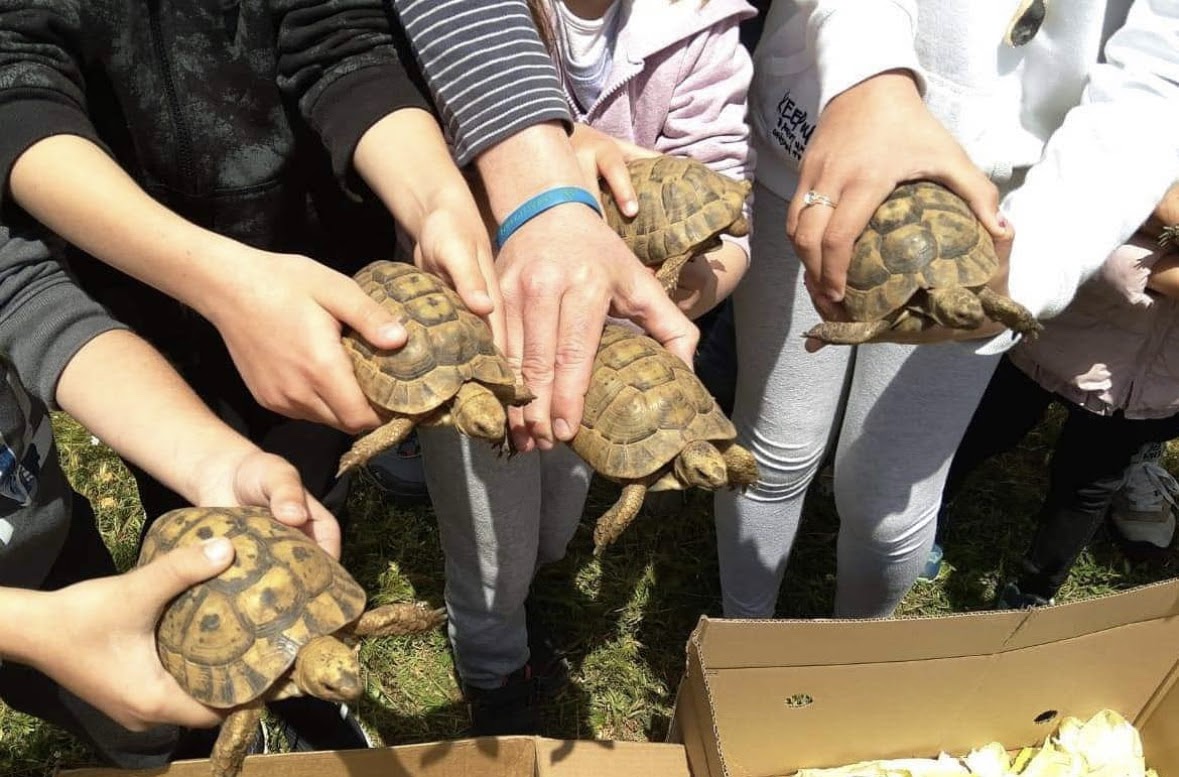
Gazelle Valley attendees learning about another of the site’s species, turtles

SPNI is one of Israel’s leading organizations in environmental education, helping to create Israel’s nationwide mandate to integrate nature studies into the school curriculum. The work started over 30 years ago and is now expanding with the support of the Ministry of Education.

“We teach the teachers,” Shofet explains. Through short-term development programs, classroom materials, and outdoor field experiences, SPNI helps facilitate environmental education for Israeli students. Urban sites, such as Gazelle Valley, serve as outdoor classrooms, providing children with the opportunity to learn about ecosystems, biodiversity, and sustainability, even in an urban setting. 

gazelle in the valley
A gazelle in the Gazelle Valley with Jerusalem in the background

Additionally, education helps inspire and promote environmental activism. “The environment is a great entry point to activism,” says Shofet. “Educate, Love and Protect,” Shofet adds, are the three primary keys to SPNI’s mission.

See Related Article: Waze saves wild lives

As urbanization continues to grow and intensify around the world, Israel may hold a hopeful model. SPNI’s integration of ecology, education, health, and urban planning remains a driving force in this space. SPNI plans to expand its Urban Nature initiative in 2025 and beyond, particularly to Israel’s rebuilding of northern and southern cities. Their goal is simple yet ambitious: to bring nature to every Israeli, regardless of their location or background.

::SPNI

Asbestos and Cancer and Why Mesothelioma Is So Hard to Find Early — and Treat

0
 asbestos, mesothelioma, Middle East health, Israel environment, Lebanon infrastructure, Turkey asbestos ban, Syria conflict health, asbestos exposure, public health, environmental toxins, cancer prevention, MPM, toxic materials, Green Prophet, regional health risks, asbestos removal, hazardous waste, Middle East pollution
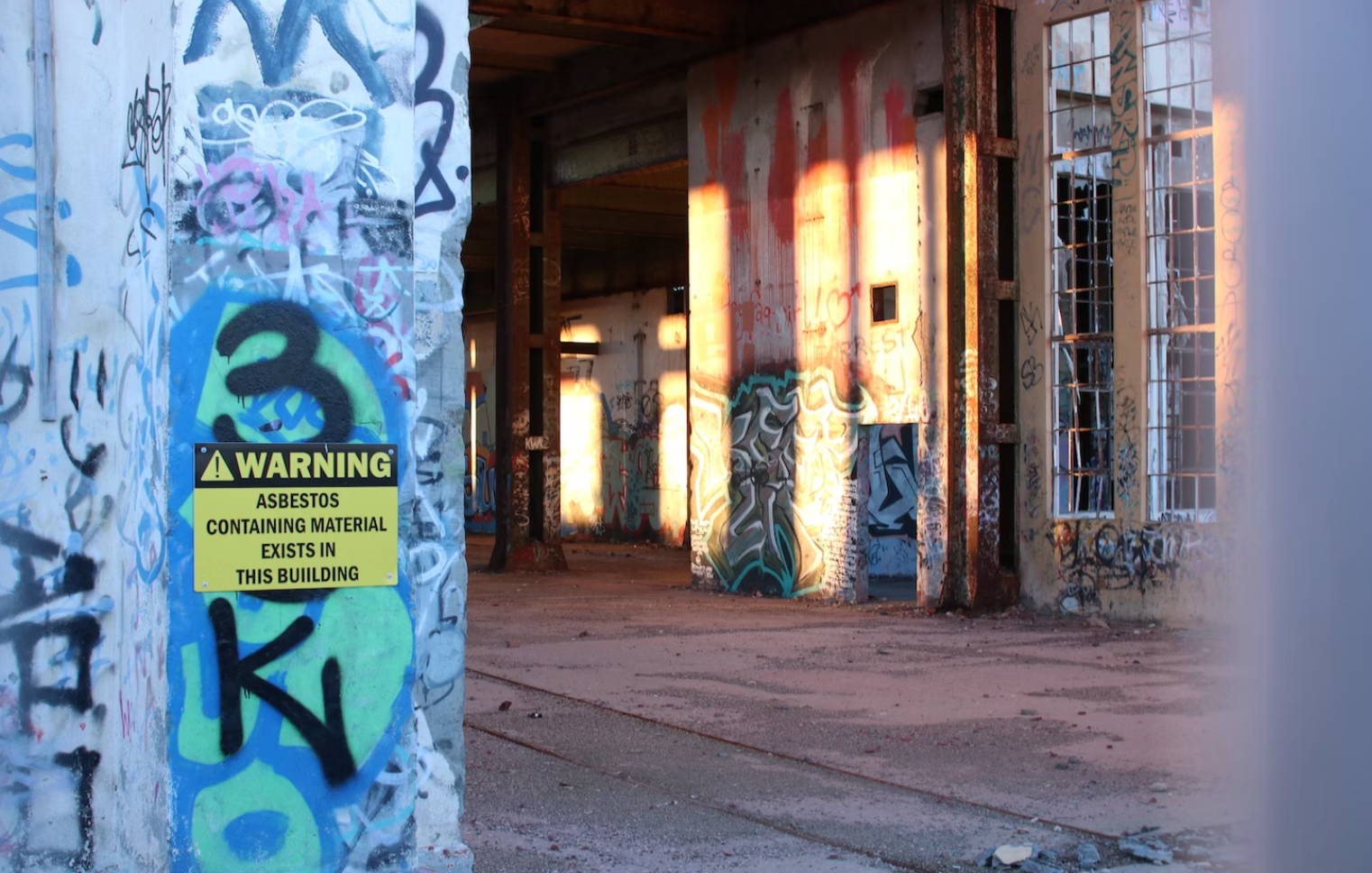
Asbestos remains a silent killer across the Middle East—hidden in homes, rubble, and old infrastructure—posing long-term cancer risks from Israel to Syria.

You may have heard of asbestos—a once-common material used in construction, shipbuilding, and insulation. What you may not know is how deeply it can damage our bodies at the molecular level, leading to a rare and deadly cancer called Malignant Pleural Mesothelioma (MPM).

New research from scientists working with the Sbarro Health Research Organization (SHRO) reveals how exposure to asbestos triggers changes in our DNA, laying the groundwork for cancer development. This study not only helps explain why mesothelioma is so hard to detect and treat early, but it also points toward new ways to fight it in the future.

MPM is a rare cancer that forms in the lining of the lungs (pleura) and is almost always caused by inhaling asbestos fibers. These tiny, sharp fibers lodge deep in lung tissue and stay there for decades—damaging cells slowly, silently. By the time symptoms like shortness of breath, chest pain, or fatigue appear, the disease is often in advanced stages and hard to treat.

asbestos, mesothelioma, Middle East health, Israel environment, Lebanon infrastructure, Turkey asbestos ban, Syria conflict health, asbestos exposure, public health, environmental toxins, cancer prevention, MPM, toxic materials, Green Prophet, regional health risks, asbestos removal, hazardous waste, Middle East pollution

Unlike some cancers that can be detected with regular screenings (like breast or colon cancer), there’s no routine test for mesothelioma. It also has a long latency period—meaning it can take 20 to 50 years after asbestos exposure for the disease to show up.

And even when it does, it can look like other conditions—pneumonia, lung infections, or general respiratory issues. That makes early diagnosis incredibly difficult. And difficult for lawyers to win their cases.

In the recent study, published in Experimental and Molecular Pathology, researchers analyzed public datasets of RNA sequencing (a type of genetic blueprint of how cells behave) from patients with MPM caused by asbestos.

Led by Professors Antonio Giordano (SHRO and Temple University) and Elisa Frullanti (University of Siena), the team found specific genes and molecular pathways that are altered in mesothelioma patients.

Some of these changes are involved in:

  • Ion balance inside cells
  • Oxidative stress (damage caused by reactive molecules)
  • Disruption of cell structure and communication

These are all hallmarks of cellular chaos caused by asbestos—and they help explain how the cancer gets started and spreads.

This research is part of a growing effort to bring precision medicine to mesothelioma. That means creating:

  • Better diagnostic tools that detect the disease earlier
  • Personalized treatments based on the exact molecular changes in a patient’s tumor
  • Risk prediction models that identify people more likely to develop MPM after asbestos exposure

“With further validation, this could translate into real-world clinical applications,” says Frullanti. In other words, these lab discoveries may soon guide how we diagnose and treat real people.

Although asbestos is banned or restricted in many countries, it still lingers in old buildings, homes, and industrial sites. It’s found all over cities like Tel Aviv. In parts of the world, it’s still actively used.

The World Health Organization estimates thousands of people die each year from asbestos-related diseases, many from mesothelioma. With no cure, and limited treatments, research like this offers hope—not just for healing, but for catching the disease before it’s too late.

Takeaway: A Silent Killer With a Genetic Footprint

Asbestos doesn’t just irritate lungs—it rewrites your genes. This study shows how molecular damage caused by asbestos exposure becomes a cancer blueprint—a map scientists are now starting to decode. With better understanding comes better tools, better treatment, and better chances for those at risk.

We may not be able to erase past asbestos exposure, but we can give people a fighting chance with earlier detection and smarter therapies. Stay tuned to Green Prophet as we continue covering the cutting edge of environmental health and precision medicine.

Microplastics in Your Food Links Nanoplastics to Liver Damage and Glucose Imbalance

a Single Use Ain’t Sexy tablet is simply placed into a reusable glass dispenser along with water that produces a luxurious white foam every time you wash your hands.
A Single Use Ain’t Sexy tablet is simply placed into a reusable glass dispenser along with water that produces a luxurious white foam every time you wash your hands.

Plastic is everywhere — from the oceans to the bloodstream. Now, new research presented at the NUTRITION 2025 conference in Orlando suggests that the tiniest plastic fragments—nanoplastics—could be silently harming your liver and disrupting your metabolism. Plastics are part of the food we eat, the animals and plants we eat, the water we drink and are emitted from plastic teeth aligners and bubble gum.

In a new animal study, scientists at the University of California, Davis, found that ingesting polystyrene nanoplastics (commonly found in food packaging) led to glucose intolerance, liver damage, and gut barrier disruption in mice. These alarming results echo concerns raised in earlier Green Prophet reporting on microplastic pollution in sea salt, seafood, and even the placentas of unborn babies.

“We already know microplastics have invaded every corner of the food chain,” said Amy Parkhurst, the study’s lead author and a Clinical and Translational Science Center fellow. “But now we’re seeing how those particles can impact basic bodily functions—like regulating blood sugar.”

Nanoplastics are the breakdown products of everyday plastics—smaller than 100 nanometers. They’re invisible to the naked eye, but not to our bodies. Previous research cited by Green Prophet estimated that an average person may consume 40,000 to 50,000 plastic particles per year—others put the number closer to 10 million particles annually.

The UC Davis study focused on male mice, fed a normal diet alongside a daily oral dose of polystyrene nanoparticles mimicking human exposure. The mice developed signs of systemic glucose intolerance, a red flag for type 2 diabetes. They also showed elevated levels of alanine aminotransferase, a marker for liver injury.

Perhaps more worrying: the study found increased gut permeability, which allowed endotoxins to leak into the bloodstream—creating a toxic loop that may contribute to chronic liver dysfunction.

This new evidence builds on prior warnings that our plastic obsession could come with a steep biological price. From endocrine disruption to cognitive decline, microplastics have been linked to a spectrum of emerging health risks.

This latest study adds a metabolic twist—suggesting that nanoplastics could directly interfere with how our bodies process sugar, potentially increasing risks of obesity and diabetes.

Parkhurst and her colleagues are now working with UC Davis’s Dr. Elizabeth Neumann to map the tissue-level effects of nanoplastics using mass spectrometry imaging. Their goal? To understand where nanoplastics end up in the body—and how they alter metabolism at the molecular level.

“We need more science before setting policy,” said Parkhurst. “But the early warning signs are there.”

That warning should matter to policymakers, consumers, and health advocates alike. As science catches up with the scale of plastic pollution, the push for bans on single-use plastics and improved biodegradable alternatives is gaining urgency.

Next time you reach for a plastic-wrapped snack or sip from a disposable cup, remember: the real cost may not show up on the price tag, but in your liver enzymes or your glucose test.