Home Blog Page 15

Chicken and beef plumping. Are You Paying For Meat, Or For Water?

0
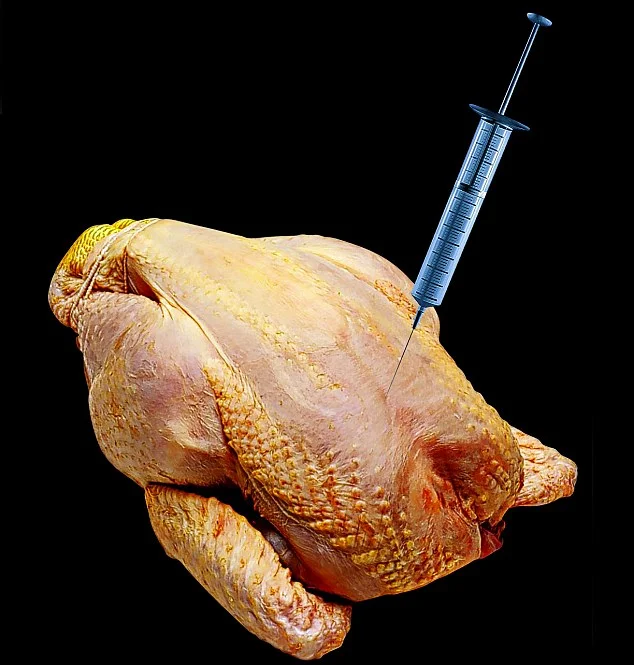
Chicken “enhanced” with water and salts

Let’s say you’re sautéeing ground beef. Look at the meat you’re stirring around: what’s all that water in your frying pan? It’s water all right, but you paid for meat, not H2O. It’s right to ask if this a hidden ingredient, like meat glue.

To figure out how much you paid for that water, drain it off and measure it. 1 cup of water equals about 236 grams, or 0.5 lb. Divide that into the price per kilo/lb that you paid for that package of raw ground beef, and prepare for a shock.

Cooking causes loss of natural meat fluids, about 25% of the weight. Injected meat may lose up to 40% weight. Even discounting natural loss of juices in cooking, it’s likely you paid the price of meat for that water. And you’re short of the amount of food you were counting on.

Another experiment, this one with packaged raw meat: take the piece off the damp absorbent pad it sat on, and weigh it. You may find that it weighs less than stated on the label by as much as 15%. That was water absorbed by the pad. And that’s without accounting for water leeched out when the meat hits a hot pan.
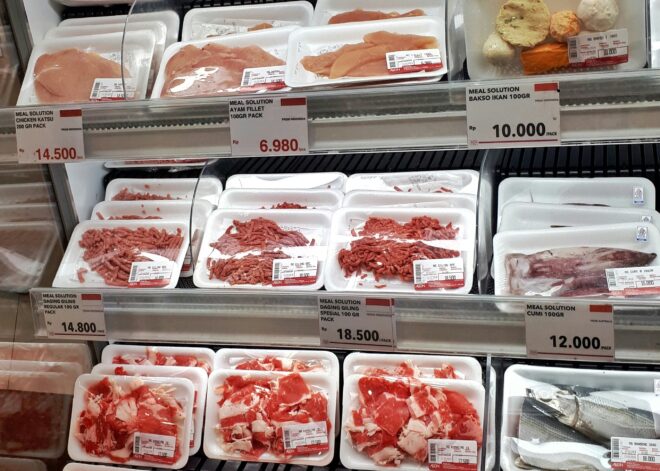
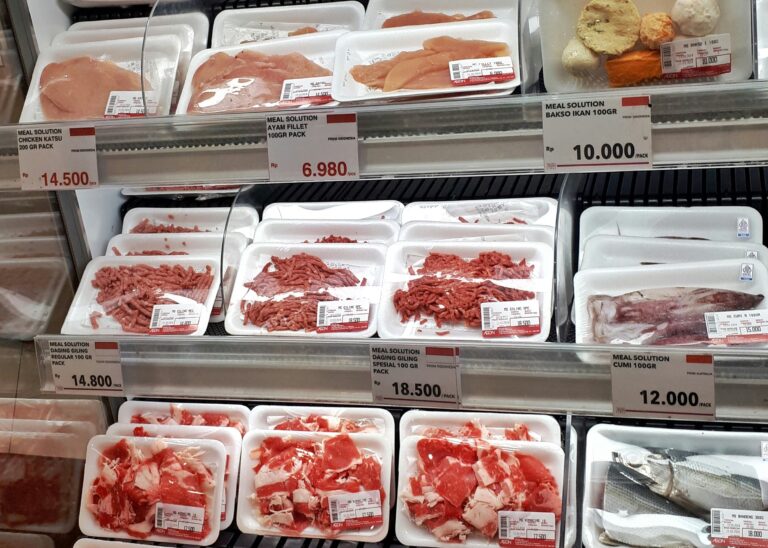
supermarket packaged meat

Many manufacturers inject water or saline solution, or water plus salt, phosphate, and flavorings into raw beef, pork, chicken, turkey, and some seafoods. This increases the product’s saleable weight. And it increases manufacturers’ profit per animal; water is cheaper than meat, after all. Phosphates make the meat retain that added water, giving it a juicy appearance and texture.

According to the USDA, about 30% of poultry, 15% of beef, and 90% of pork are injected with salty liquids. This is the FSIS’s detailed breakdown of water in meat and poultry. (Some people reach out to them asking why the meat they are trying to brown is simmering in water).

The meat is treated before getting weighed, packaged, and labeled; when the supermarket receives the product, it’s ready to sell.
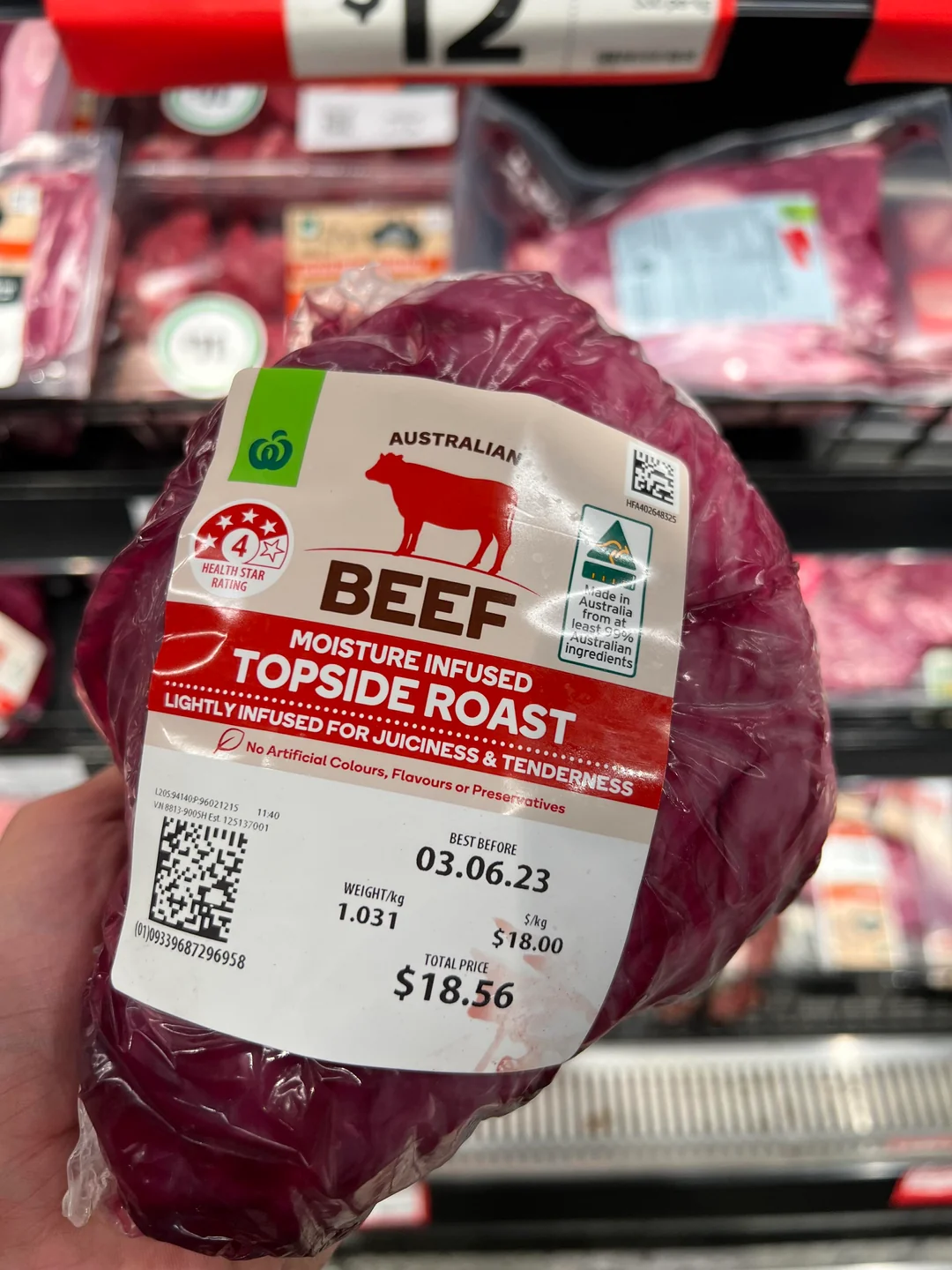
Beef plumping
Reddit user shows how meat in Australia is advertised as injected with water

Injecting saline into meat is called “plumping” or “enhancing.” It’s a recognized, governnment regulated practice.  Meat manufacturers justify plumping by claiming that it grants meat and poultry better flavor and texture, (and makes them more marketable) when treated so. That’s probably true. But wait, what happened to the original flavor and juiciness?

It’s a problem. Today’s consumers demand meat and poultry bred to have less fat. Because fat contains much of the flavor and protects the natural juices, low-fat proteins tend to dry up in cooking and lose flavor. Consumers like to buy the most attractive product, and expect retail chains to conform to standard weight and appearance. From the processor’s and supermarket’s point of view, pumping salty, flavored water and phosphate into your steak is therefore doing you a favor.

Plumping’s not new, but consumers have become aware and vocal about it only recently. There were scandals in the UK about water-injected chicken and pork as far back as 2017.

Health hazards

More recently, consumers have brought up other related issues. Safety, for example. The Food Safety and Inspection Service (FSIS) lists injected meat as a high-risk carrier of E. coli bacteria, which is often found on the surface of meat. When the needles that insert the salt solution penetrate the meat, the bacteria is pushed in deeply. Cooking may not kill it, especially when the meat’s served rare.

To avoid bacterial infection in injected meat, the FSIS recommends, but does not require, that processors apply “an allowed antimicrobial agent to the surface of the product prior to processing.” What antimicrobial agents are these? And how are they applied? We aren’t told.

Salt and water sounds harmless, but the consumer eating injected meat is getting more sodium in their diet than they’re aware or can keep track of. This could be bad news for people with high blood pressure or heart disease who must minimize their salt intake.

Even meat labeled organic may contain injected saline, because FSIS lists salt and water as organic. The FSIS allows selling injected meat as “natural” and “fresh” unless the added solution changes the product’s nature in ways that require different labeling. If you want to make absolutely sure that product is free of added salt and water, look for a statement on the label reading “no artificial ingredients,” “minimally processed,” or similar.

A person standing in the supermarket and considering the label on a meat product may well wonder where they should put their trust. Must they Google every brand to feel comfortable eating it? It’s one thing to inject brine into your Thanksgiving turkey, and some people choose to, but the cook should be in control over that, not the meat processing factory.

Red flags

If the product was injected, the package label should indicate that it contains X amount of added solution. Conversely, it may read that it’s X percent meat (or chicken, or fish). You’re to understand that the missing percent is water treated with salt or salt plus phosphate.

Look on the label for the words enhanced, marinated, broth, and flavored. Those are signs that the meat has been interfered with. Avoid food packaged in sauce; you may be taking home chemical enhancers, fillers, preservatives, and yet more salt.

On the other hand, if the label reads “no added solutions,” “minimally processed,” “no artificial ingredients” or “100% beef (or fish or chicken) ” – or the listed ingredients don’t include water, salt, or phosphate, it’s probably honest meat.

If you can, buy whole cuts of roasts and chops. Learn to trim them at home. Or if that’s too much trouble, buy your supermarket meat from the butcher counter. Ask if they grind their own.

Even better, buy meat from local farms. Best of all, if you can, is to make a co-op order of freshly butchered meat together with neighbors, friends, or work colleagues. It will cost more, but consider water you pay for in plumped meat.



Stoned and driving? High THC levels might not mean you are impaired

0
hipster reads book while smoking a joint
THC blood levels don’t reliably indicate driving impairment, meaning current per se laws risk penalizing sober drivers long after cannabis use.

Previous research that evaluated the effect of the hallucinogenic molecules of cannabis (delta-9-tetrahydrocannabinol THC) the main psychoactive compound in cannabis on motor vehicle crashes concluded that there is no increase of crash risk because of detectable THC. The molecule may linger days after use and is not a reliable indicator that a driver is impaired, report scientists in a new study.

Despite evidence showing no correlation between the detection of THC in the blood and driving impairment, 6 American states in the United States have per se laws using 2 or 5 ng/mL of THC as the cut-off point for driving under the influence of cannabis, while 12 have a zero-tolerance law.

These cut-off points are considered face value evidence of driving impairment, which means that even if it has been several days since an individual’s last use of the drug and they show no behavioral impairment, they may still face legal risks, up to and including felony charges. In Dubai you can go to jail for having cannabis in your blood, even if the cannabis was consumed in London, Tel Aviv or Toronto.

To address this issue, a team of researchers led by Dr. Thomas D. Marcotte, professor of psychiatry at the University of California, San Diego, and codirector of the Center for Medicinal Cannabis Research, set out to investigate the blood concentrations of THC in regular cannabis users, as well as the simulated driving performance for participants who exceeded per se cut-off points compared with those who were below these values. The researchers measured baseline concentrations of THC in 190 regular cannabis users after instructing participants to abstain from cannabis for at least 48 hours. Following abstention, the researchers also evaluated driving performance in this group using a driving simulator.

From this, the team found that many regular users of cannabis exceed zero tolerance and per se THC cut-off point concentrations days after their last use. Specifically, 43% of participants exceeded zero-tolerance statutes at baseline, while 24% had baseline blood THC concentrations that were greater than or equal to the per se cut-off of 2 ng/mL, and 5.3% had blood concentrations greater than or equal to 5 ng/mL.

Based on the results from the driving simulation, participants with elevated baseline concentrations of THC did no worse on a driving simulator compared with participants who were below per se cut-off points. Altogether, the results add to a growing body of evidence showing that current per se THC blood limit laws lack scientific credibility as face-value evidence of impairment.

“More work needs to be done to address how to best identify drivers who are under the influence of cannabis and are unsafe to drive,” the study authors wrote. “At present, the best protocol is a combination of observations in the field and toxicology testing.” They also added that “an essential component of improving highway safety is collaborations between law enforcement and the scientific community to develop standards that are unbiased and potentially lifesaving.”

American college trains medical students on how to treat with cannabis

0
quit smoking
Cannabis flowers, usually smoked, are inaccurately labeled

Maryland, home to the FDA, is one of 38 US states, along with three territories and the District of Columbia, that have legalized cannabis for medical purposes. This legal sea change has generated increasing interest in and use of cannabis and cannabis products, yet most health care practitioners and students feel underprepared to counsel patients on medical cannabis, according to a new paper co-authored by a University of Maryland School of Medicine (UMSOM) faculty member and published in JAMA Network Open.

The paper suggests key content that should be incorporated into medical school curricula so that students will have the tools they need to serve patients in a landscape of increasing legal medical cannabis use, according to study co-author David Gorelick, MD, PhD, Clinical Professor of Psychiatry at the Maryland Psychiatric Research Center.

“This paper outlines the core competencies that physicians should possess to deal appropriately with their patients regarding medical cannabis,” Dr. Gorelick said. “The goal is to spur medical schools and residency programs to incorporate these competencies into their curricula.”

When I interviewed Dr. Raphael Mechoulam in the past, and also Dr. Alan Shackelford, both medical cannabis pioneers in their right, they both understood that dosing is key. How to find it may depend on the individual’s response to finely tuned concentrations of CBD and THC and other cannabis active compounds.

Alan Shackelford, medicinal cannabis doctor Charlotte's Web
American-Israeli physician Alan Shackelford was the first to treat children, using CBD. He helped legalize cannabis as medicine in Colorado where he practices.

The core competencies could also help clinicians address a concurrently increasing amount of legal non-medical cannabis use, Dr. Gorelick added, as 24 states, including Maryland, now allow for adult recreational sale and use of cannabis products.

In collaboration with more than 20 co-authors across 26 institutions, Dr. Gorelick and his colleagues characterized the gap between patient and clinician needs and the current medical school curriculum. They cited past studies showing that only 8 percent of medical school curricula mentioned medical cannabis in the 2015-2016 academic year, and that 66.7 percent of surveyed medical school curriculum deans felt their students graduated without adequate preparation for prescribing medical cannabis.

At the same time, the need for cannabis-informed physicians is increasing as more people are using cannabis with or without medical supervision — UMSOM researchers studying cannabis use among pregnant women found that use increased 170 percent between 2009 and 2016, for instance.

When I asked cancer researchers at Princess Margaret Hospital in Toronto, treating my dad for cancer, and one of the leading cancer clinical hospitals in the world, they were stumped and said I couldn’t access any treatments inside the hospital. The concept was out of bounds.

To better meet the needs of patients and clinicians, the authors assembled 23 clinical and scientific experts with varied backgrounds to achieve a consensus on what medical students need to know about cannabis before entering practice. The process resulted in a recommendation of six core competencies addressing the clinical utility, risks, legal landscape, and scientific evidence around medical cannabis.

The six core competencies are:

  1. Understand the basics of the endocannabinoid system.
  2. Describe the main components of the cannabis plant and their biological effects.
  3. Review the legal and regulatory landscape of cannabis in the US.
  4. Describe the evidence base for health conditions that are commonly managed with cannabis.
  5. Understand the potential risks of medical cannabis use.
  6. Understand basic clinical management with medical cannabis.

”It’s important that medical students be exposed to this information, and we currently provide lectures that cover cannabis fairly robustly in our pre-clerkship curriculum in the first two years of medical school,” said Dr. Joseph Martinez, MD, UMSOM Professor of Emergency Medicine and the school’s Associate Dean for Medical Education and Student Experience.

Students also gain hands-on experience in caring for patients using cannabis, as well as any other medications and illicit substances, after they begin their clinical rotations, he added.

“I’m pleased to say that the UMSOM medical student curriculum appears to incorporate most of the topics recommended in the JAMA Network Open article,” Dr. Gorelick said. “I hope that further progress will be made in including cannabis-related material in the curricula for clinical clerkships and residencies. This will help ensure that future physicians have the knowledge and expertise they need to work with patients who are using or considering using cannabis products.”

What a martian ice age left behind tells us about our future

0
Mars
What we can learn from Mars about climate change

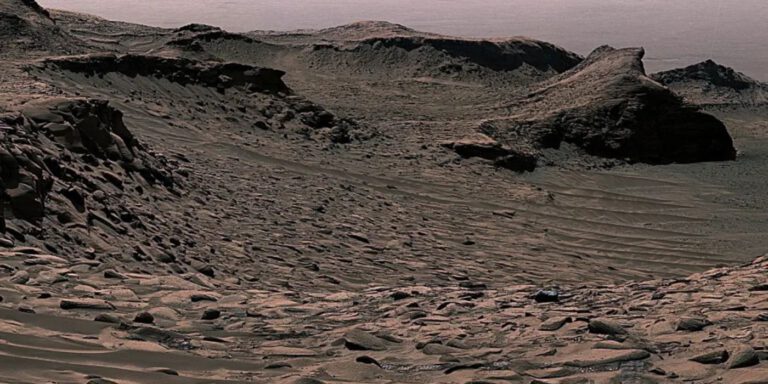
We have heard that peak climate change might be in sight. Does Mars have more clues about our future? Travelling from Mars’s equator toward its northern latitudes, planetary scientists reach a region called Coloe Fossae — a landscape carved by deep valleys, collapsed blocks of terrain, scattered craters, and remarkably, the fingerprints of a long-vanished ice age. New high-resolution images from ESA’s Mars Express mission offer the clearest evidence yet that the Red Planet once cycled through dramatic shifts in climate, much like Earth.

Earth has experienced several major ice ages over the past 2.5 billion years, the most recent peaking around 20,000 years ago when global temperatures fell to 7–10 °C. These events are driven by natural changes in Earth’s orbit and axial tilt — processes known as Milankovitch cycles. They bear no relation to modern, human-driven global warming, which scientists continue to warn about the climate crisis.

Mars, too, has undergone its own glacial rhythms. The new Mars Express imagery shows long, parallel lines cutting diagonally across Coloe Fossae — fractures created as alternating segments of ground collapsed over geological time. Scattered across the area are craters of every age and state: fresh and sharp-edged, or softened by erosion.

On the crater floors and valley bottoms lie the most intriguing features: swirling, textured patterns known as lineated valley fill and concentric crater fill. These formations arise when icy debris slowly flows, glacier-like, across the surface before becoming coated with rock and dust. On Earth, similar structures are found in glaciated mountain ranges and polar regions.

What makes Coloe Fossae especially fascinating is its latitude: 39°N — far from Mars’s polar caps. How did ice accumulate so far south?

The answer lies in Mars’s shifting axial tilt. Unlike Earth, whose tilt is stabilized by its large Moon, Mars wobbles chaotically over millions of years. During periods of extreme tilt, ice can migrate from the poles into mid-latitudes. Throughout multiple cold phases, glaciers spread outward and then retreated, leaving behind the flows and fills visible today. Scientists believe this region may have been covered in ice as recently as 500,000 years ago, when Mars’s most recent ice age ended.

The broader region, known as Protonilus Mensae, marks the dramatic boundary between Mars’s smooth northern lowlands and heavily cratered southern highlands. In some places, this global divide rises as a cliff two kilometers high; in others, like Coloe Fossae, it is a rugged transitional zone shaped by glaciers, impacts, and tectonic collapse. Similar features were observed in Acheron Fossae, highlighted in a previous Mars Express release.

These discoveries deepen our understanding of Mars as a dynamic planet with a shifting climate — and may even inform future studies of how planetary climates evolve, including our own,

Global Emissions Keep Rising, But Scientists Say Peak is in Sight

0
black smog cairo
Black smog in Cairo

At COP30 in Belém, Brazil, scientists delivered another stark update: global fossil-fuel emissions are set to rise yet again this year. But for the first time, there are credible signs the world may be nearing a turning point. The timing of that peak — and what happens afterward — will depend largely on one country: China.

According to new data released by the Global Carbon Project on 13 November, emissions from fossil-fuel burning and cement production are projected to rise by 1.1% in 2025, reaching 38.1 billion tonnes of CO₂. That represents yet another record high.

Overall greenhouse-gas emissions — which also include methane, nitrous oxide and fluorinated gases — are still climbing. Yet scientists at COP30 stressed that emissions growth is slowing, and that a peak could emerge within the decade. As Bill Hare, physicist and head of Climate Analytics in Berlin, put it: “We don’t [project] the global inflection point until around 2030, unfortunately, but it does look like emissions are flattening off.”

Some researchers argue that the world may already be entering the early stages of decline for CO₂ specifically. The Global Carbon Project notes that overall carbon emissions could fall slightly in 2025 if a projected drop in deforestation and other land-use changes holds. But researchers caution that it is still “too early to say that the world has turned a corner on its fossil-fuel addiction.”

Emissions today are roughly 10% higher than when the Paris Agreement was signed in 2015 — far from where they need to be to limit warming to 1.5°C. Major industrialized countries, responsible for the bulk of historical emissions, have been reducing their emissions for more than two decades. But emissions are rising nearly everywhere else, especially across low- and middle-income countries that are growing their economies and expanding energy access.

China is the deciding factor

No country shapes the global emissions trajectory more than China. Over the past two decades, China has become the world’s largest emitter and now accounts for almost one-third of global greenhouse gases. The main driver is coal: China burned nearly 2.3 billion tonnes of it last year, according to the International Energy Agency in a Nature recap.

Yet China, conversely, is also the world leader in clean-energy deployment — wind, solar, and electric vehicles — and has committed to reducing overall greenhouse-gas emissions by at least 7% from peak levels by 2035. Hare predicts that when China’s emissions peak, global emissions will peak as well.

So are we in a good place?

A growing number of analysts believe that moment may have already arrived. Data from Carbon Monitor, which tracks daily emissions, suggests China’s carbon emissions peaked in 2024 and will fall by 1.2% this year. Researchers at the Centre for Research on Energy and Clean Air (CREA) report a similar downward trend.

According to Zhu Liu, an Earth-systems scientist at Tsinghua University, the biggest driver of the current decline is the collapse of China’s real-estate market, which has slashed demand for cement and steel. (See the problems of concrete and cement here) Clean-energy deployment is accelerating as well. China’s impact on other nations such as Ethiopia are also clear. Massive neighborhoods around Addis Ababa were built with cement and then abandoned. “I would say this is the peak of China’s carbon emissions,” Liu says.

Related: inflatable concrete homes made sustainably

China isn’t known for its accuracy in anything, certainly not the news. To win global favor and expanding trade agreements in EVs for instance, China will need to learn to be a bit more like the west. Countries that have bought Chinese EVs, for instance, understand they are a security risk as the Communist party can collect data and information about the drivers and the roads with the flip of a switch.

Over the years, the concerns of China spying have led to a wave of proposed bans and new rules on devices such as DJI drones, with US lawmakers and agencies worried that they could send sensitive information to China or be used for spying. The biggest push to ban DJI comes from the 2025 National Defense Authorization Act (NDAA).

Can a jungle jam? Brazil percussionist finds out

0

In an era when the climate crisis often feels abstract, distant, or buried beneath the data of carbon credits or financing mechanisms of COP30, a new artistic project from Brazil is cutting through the noise—literally—by turning one of the world’s most fragile ecosystems into a musical collaborator.

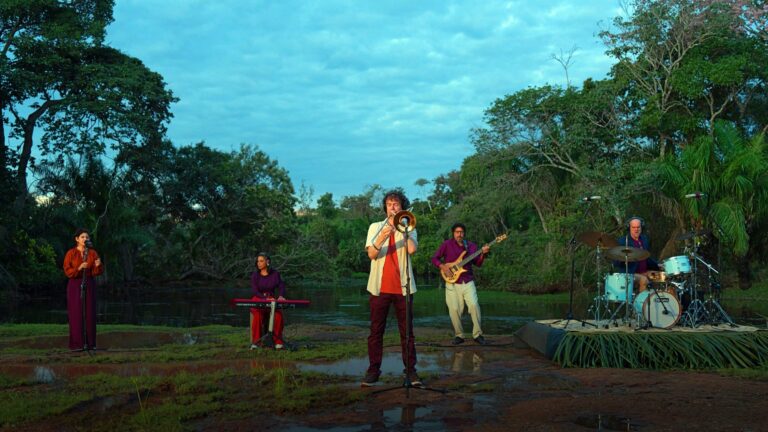
Pantanal Jam, a groundbreaking sound experiment created inside the world’s largest tropical wetland of Brazil, treats nature not as a backdrop but as a full artistic partner. The Pantanal—home to jaguars, giant otters, macaws, and more than 4,700 documented species—becomes both muse and musician, shaping the album’s rhythms, motifs, and improvisations in real time.

To understand the philosophy behind the project, Green Prophet spoke with Sandro Moreno, drummer, percussionist, and co-creator of Pantanal Jam.

Sandro Moreno
Sandro Moreno

His reflections reveal not only the making of an album but the emergence of a new ecological listening practice—one that invites humans to stop dominating nature’s soundscape and start collaborating with it.

Take the album “Espiral,” says Moreno. “At the very beginning of the track, a jaguar growls – not as a background effect, but as a participating artist. That growl shaped the pulse of the moment. It entered the rhythm like a beat, blending seamlessly with the percussion and setting the mood for everything that followed. It was wild, unexpected, and perfect.

“Throughout the album, this conversation with nature continues. Birds like the thrush, the Pantanal blackbird, the seriema, the hornero, the potoo, the ibis, macaws, and parakeets – they didn’t just inspire us. They played with us. Their calls, cries, and chatter became part of the music’s soul, interacting with our drums, guitars, and voices in spontaneous harmony.

“This wasn’t about layering nature sounds onto music in post-production. It was about playing with nature – responding to its rhythms in real time, allowing its unpredictability to shape our own.”

Musicians have long searched for ways to collaborate with the natural world, though few have taken it as far as Pantanal Jam.

Stevie Wonder experimented with field recordings and environmental textures on albums like Journey Through the Secret Life of Plants, one of the earliest mainstream attempts to treat nature as a co-composer rather than a backdrop.

couple recording sounds with plants

If you love this kind of sonic ecology, you’ll probably also enjoy our stories about Plants that talk using sound and AI, how we might one day speak “dolphin”, and crickets composing the soundscape at the Venice Biennale.

Scientists and sound artists have also translated plant electrical signals into audible frequencies, creating “plant music” that reveals hidden rhythms in living organisms. And Björk, through projects like Biophilia, has blended natural processes, digital ecosystems, and experimental instrumentation to explore how the environment can shape melody, structure, and emotional tone.

Pantanal Jam emerges in this lineage but roots itself directly in a living biome, playing not about nature or around it, but with it in real time.

Sandro Moreno

According to Moreno, when the group set out to create Pantanal Jam, they weren’t planning to simply compose music. They were planning to listen—deeply—to “one of the most biodiverse and magical places on Earth,” responding to it “in the most honest way we could: through sound.”

Moreno describes the concept as letting the living landscape lead: the wind, the water, the rustling trees, and most importantly the animals. These weren’t atmosphere or incidental texture. They acted as “fellow musicians,” their voices forming motifs that shaped the improvisations and guided the compositions.

For a percussionist, this demanded a different kind of listening. Moreno says rhythm exists everywhere in the Pantanal: in the lapping of water, the beating of wings, distant thunder, or dawn animal calls. Playing in that environment required letting go of control, responding intuitively, and allowing the environment to lead. It became less about performance and more about presence.

His description of the project extends beyond technique. Pantanal Jam, he says, is an invitation to reconnect with the earth through music, to experience the wild not as an accessory but as part of our own creative process. Art doesn’t have to dominate nature. It can dance with it.

The Panatal in Brazil. National Geographic.

This approach lands at a crucial environmental moment. The Pantanal is under escalating threat. Wildfires in recent years have burned unprecedented areas, droughts have intensified, and agricultural expansion continues to alter the wetland’s hydrology. Projects like Pantanal Jam do not pretend to solve these systemic issues, but they shift the cultural lens: they ask listeners to hear the biome as a living, expressive presence rather than a resource or backdrop.
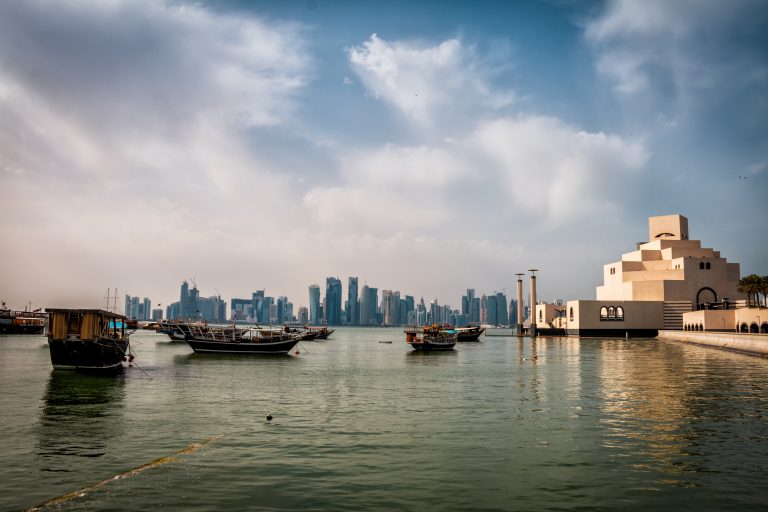
By bringing listeners into this sound world, the project acts as both artistic innovation and subtle ecological advocacy. It reminds us that ecosystems are not silent. They speak constantly—if we listen.

::www.pantanaljam.com

How flat windows work on round and dome-shaped rooms

0
inflatable concrete house, inflatable concrete homes, concrete dome house, Binishell house, Automatic Construction, sustainable housing, low-cost housing, eco architecture, alternative building methods, monolithic dome, back to the land movement, affordable housing, concrete home cost, off-grid living, green building, low carbon cement, hempcrete construction, aircrete house, prefab home innovation, modern dome architecture
Inflatable concrete house

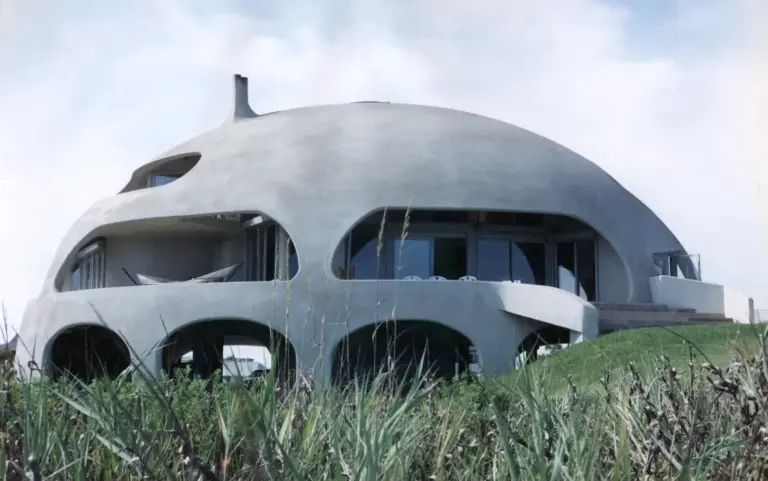
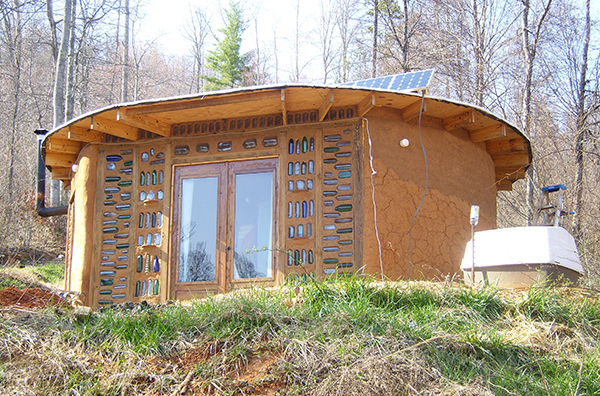
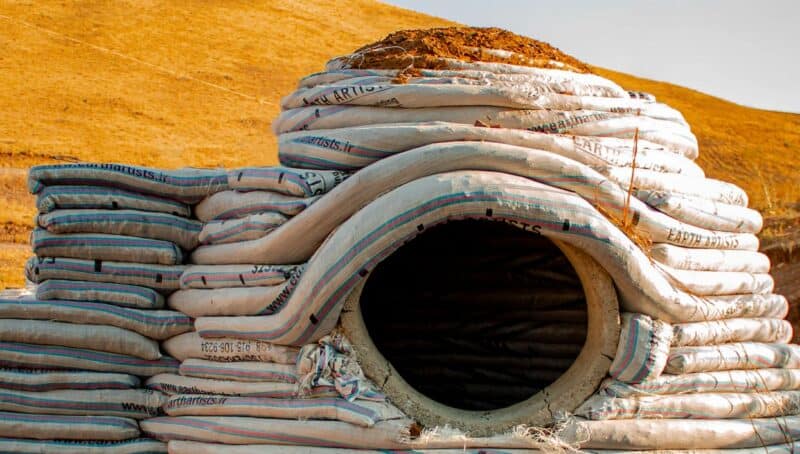
Circular homes are having a renaissance. From inflatable concrete shelters to earthen superadobe domes and traditional adobe roundhouses, curved structures promise strength, energy efficiency, and resilience in a hotter, stormier world. Their geometry sheds wind, holds heat, and uses fewer materials than boxy buildings. They also just feel better, as bed-“womb” builder Hassan Fathy always said.

But there’s one practical concern that consistently comes up when readers explore these climate-smart homes: How do you put flat windows into round walls?

Curved architecture may be ancient, but modern living still expects views, ventilation, and natural light. Fortunately, builders have developed elegant, low-tech solutions that work across materials and climates. Here’s a guide to the most effective ways to fit windows into round or dome-shaped homes.

Create a Flat “Window Buck” Inside the Curve

round home window installation, curved wall window solution, eco architecture window design, window in round room, sustainable circular house design, curved wall glazing, dome home window example, natural building window framing, round wall daylighting, curved architecture window detail, passive solar window in round room, eco-friendly home design, window buck in curved wall, wood frame insert for round home window, earthbag dome window buck, flat window frame in dome house, rectangular window in round room, inflatable concrete house window buck, superadobe window frame detail, embedded window box in curved earthbag wall, sustainable window install, monolithic dome window mounting, flat plane window insert, eco building techniques window buck, arched window in adobe home, vaulted opening in round wall, traditional earthen window design, adobe arched window reveal, curved adobe wall with arch window, passive cooling arched window, superadobe arched window form, earth architecture arch window detail, natural building vault window, thick wall arched reveal daylighting, eco desert architecture window, flat section in dome wall for window, buttress window design in round home, earthbag flat window mount, curved house with flat window panel, round room partial flat wall for window, hybrid curved-flat wall glazing, eco resort dome window flat area, sustainable home buttress window example, round-house window detail, porthole window in dome home, circular window in curved wall, eco dome porthole glazing, inflatable concrete house porthole window, small round window in adobe wall, marine-style window in dome, tiny home with circular window, storm-resistant dome porthole window, monolithic dome circular window, bubble house porthole window, minimalist round window design, recessed window in thick curved wall, passive cooling window reveal, inward-tilted window opening, deep window niche in adobe home, desert architecture recessed window, round wall window shading, tilted window frame ventilation, natural cooling window channel, curved wall window recess design, Mediterranean vernacular window recess, thick-wall window shading technique, eco passive design window
Flat buck

This is the most common method used in superadobe domes, monolithic domes, inflatable concrete houses, and even straw bale roundhouses. A window buck is a rigid, rectangular insert made from wood, steel, or composite. It’s placed into the wall while the dome or roundhouse is being built.

How it works: Construct a strong rectangular frame the size of your chosen window. Anchor it to rebar, mesh, or the foundation. Build your curved wall—earthbags, adobe, or sprayed concrete—snugly around the frame. Install a standard flat window once the wall cures.

Why builders use it: It interrupts the curve just enough to create a flat surface without weakening the dome. Standard windows fit perfectly, and the buck acts like a structural anchor.

Shape an Arched or Vaulted Opening (The Classic Adobe Method)

round home window installation, curved wall window solution, eco architecture window design, window in round room, sustainable circular house design, curved wall glazing, dome home window example, natural building window framing, round wall daylighting, curved architecture window detail, passive solar window in round room, eco-friendly home design, window buck in curved wall, wood frame insert for round home window, earthbag dome window buck, flat window frame in dome house, rectangular window in round room, inflatable concrete house window buck, superadobe window frame detail, embedded window box in curved earthbag wall, sustainable window install, monolithic dome window mounting, flat plane window insert, eco building techniques window buck, arched window in adobe home, vaulted opening in round wall, traditional earthen window design, adobe arched window reveal, curved adobe wall with arch window, passive cooling arched window, superadobe arched window form, earth architecture arch window detail, natural building vault window, thick wall arched reveal daylighting, eco desert architecture window, flat section in dome wall for window, buttress window design in round home, earthbag flat window mount, curved house with flat window panel, round room partial flat wall for window, hybrid curved-flat wall glazing, eco resort dome window flat area, sustainable home buttress window example, round-house window detail, porthole window in dome home, circular window in curved wall, eco dome porthole glazing, inflatable concrete house porthole window, small round window in adobe wall, marine-style window in dome, tiny home with circular window, storm-resistant dome porthole window, monolithic dome circular window, bubble house porthole window, minimalist round window design, recessed window in thick curved wall, passive cooling window reveal, inward-tilted window opening, deep window niche in adobe home, desert architecture recessed window, round wall window shading, tilted window frame ventilation, natural cooling window channel, curved wall window recess design, Mediterranean vernacular window recess, thick-wall window shading technique, eco passive design window
A superadobe home by Caltech

round home window installation, curved wall window solution, eco architecture window design, window in round room, sustainable circular house design, curved wall glazing, dome home window example, natural building window framing, round wall daylighting, curved architecture window detail, passive solar window in round room, eco-friendly home design, window buck in curved wall, wood frame insert for round home window, earthbag dome window buck, flat window frame in dome house, rectangular window in round room, inflatable concrete house window buck, superadobe window frame detail, embedded window box in curved earthbag wall, sustainable window install, monolithic dome window mounting, flat plane window insert, eco building techniques window buck, arched window in adobe home, vaulted opening in round wall, traditional earthen window design, adobe arched window reveal, curved adobe wall with arch window, passive cooling arched window, superadobe arched window form, earth architecture arch window detail, natural building vault window, thick wall arched reveal daylighting, eco desert architecture window, flat section in dome wall for window, buttress window design in round home, earthbag flat window mount, curved house with flat window panel, round room partial flat wall for window, hybrid curved-flat wall glazing, eco resort dome window flat area, sustainable home buttress window example, round-house window detail, porthole window in dome home, circular window in curved wall, eco dome porthole glazing, inflatable concrete house porthole window, small round window in adobe wall, marine-style window in dome, tiny home with circular window, storm-resistant dome porthole window, monolithic dome circular window, bubble house porthole window, minimalist round window design, recessed window in thick curved wall, passive cooling window reveal, inward-tilted window opening, deep window niche in adobe home, desert architecture recessed window, round wall window shading, tilted window frame ventilation, natural cooling window channel, curved wall window recess design, Mediterranean vernacular window recess, thick-wall window shading technique, eco passive design window

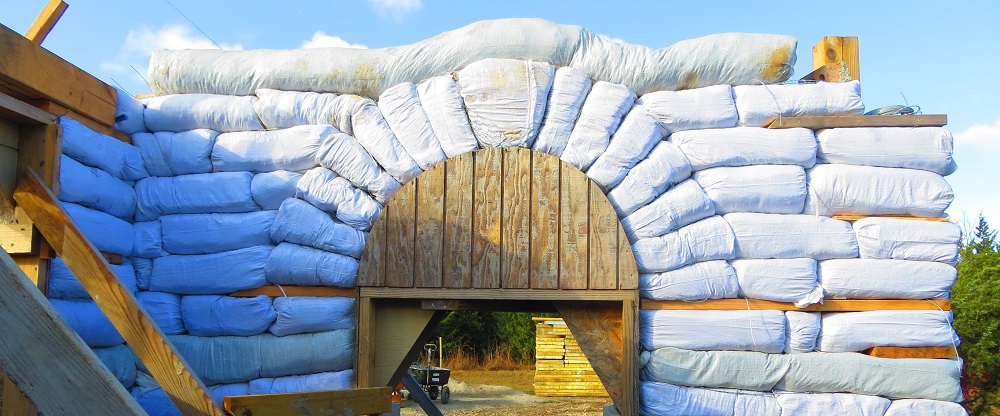
In traditional Middle Eastern and North African adobe buildings, window openings are shaped as arches carved into thick earthen walls. The windowpane stays flat, but the curved walls taper gracefully toward it.

Benefits: The arch distributes structural loads evenly. No lintels needed, reducing cracking. Creates deep, shaded window wells—excellent for cooling in desert climates. Ideal for passive solar design. This method is especially beautiful in hand-plastered homes and pairs well with natural finishes.

Add a Mini Flat Section or Buttress for the Window

round home window installation, curved wall window solution, eco architecture window design, window in round room, sustainable circular house design, curved wall glazing, dome home window example, natural building window framing, round wall daylighting, curved architecture window detail, passive solar window in round room, eco-friendly home design, window buck in curved wall, wood frame insert for round home window, earthbag dome window buck, flat window frame in dome house, rectangular window in round room, inflatable concrete house window buck, superadobe window frame detail, embedded window box in curved earthbag wall, sustainable window install, monolithic dome window mounting, flat plane window insert, eco building techniques window buck, arched window in adobe home, vaulted opening in round wall, traditional earthen window design, adobe arched window reveal, curved adobe wall with arch window, passive cooling arched window, superadobe arched window form, earth architecture arch window detail, natural building vault window, thick wall arched reveal daylighting, eco desert architecture window, flat section in dome wall for window, buttress window design in round home, earthbag flat window mount, curved house with flat window panel, round room partial flat wall for window, hybrid curved-flat wall glazing, eco resort dome window flat area, sustainable home buttress window example, round-house window detail, porthole window in dome home, circular window in curved wall, eco dome porthole glazing, inflatable concrete house porthole window, small round window in adobe wall, marine-style window in dome, tiny home with circular window, storm-resistant dome porthole window, monolithic dome circular window, bubble house porthole window, minimalist round window design, recessed window in thick curved wall, passive cooling window reveal, inward-tilted window opening, deep window niche in adobe home, desert architecture recessed window, round wall window shading, tilted window frame ventilation, natural cooling window channel, curved wall window recess design, Mediterranean vernacular window recess, thick-wall window shading technique, eco passive design window

Curved homes don’t need to be perfectly round. Builders often create a subtle flat segment or “mini buttress” — just wide enough for a window. This technique is common in eco-resorts in Sinai, Jordan, and Portugal that want the sculptural look of domes but the convenience of standard glazing. Why it works: It’s simple, avoids complex carpentry or brick work, and creates a stable vertical plane for installation without disrupting the overall geometry.

Install Circular or Porthole-Style Windows

Barrel sauna, panoramic window, serene beauty, lush forest, precision-crafted, cylindrical design, nature integration, wellness experience, unobstructed view, tranquil ambiance, rustic charm, modern functionality, charming retreat, contemporary luxury, natural splendor, rejuvenating journey, heart of the forest, sauna escape, forest sanctuary, soothing warmth, panoramic serenity.
A barrel sauna with a panoramic window. It’s plastic, not glass. 

Some builders embrace the curve by choosing round or oval windows. These are custom-builds, and more expensive options generally. Plastic windows, with tints, may be found in home and dome kits for a reduced fee.

Where you’ll see them: Inflatable concrete bunkers, monolithic domes, tiny eco-homes, storm-resistant shelters and in barrel sauna. They eliminate the need for a flat insert and can withstand extreme wind. Repurposed marine portholes are surprisingly popular thanks to their durability and charm.


Round homes ask us to rethink building conventions. Their curves offer comfort, efficiency, and surprising strength—but they require intentional window design. Whether you’re building in the desert, forest, or city fringe, one of these solutions will fit your climate, materials, and aesthetic.

What Are the Best Charging Solutions for Multi-Device Households?

0

Charging cables

Modern homes often depend on several phones, tablets, and smart devices that all need power. Keeping everything charged can feel messy without the right setup. Families and shared spaces now look for ways to keep devices powered without clutter or constant cable swaps. The best charging solutions for multi-device households combine speed, safety, and organization in one simple setup.

As technology grows, so does the need for smarter charging stations that adapt to different devices. From compact hubs to wireless pads, new designs make it easier to power multiple gadgets at once. This article explores practical options that help every household stay connected and ready for the day.

Statik Magnetic Cables

Statik magnetic cables offer a simple way to charge multiple devices with one cord. Each cable uses a universal magnetic charging cable design that fits USB-C, Lightning, and Micro-USB ports. This setup helps families avoid clutter and keeps charging areas neat.

The magnetic tips attach easily and reduce wear on device ports. A 360-degree rotating head allows flexible use, so users can plug in from different angles without bending the cord. This feature makes it practical for desks, nightstands, or travel bags.

Durable nylon braiding adds strength and prevents fraying over time. Some models also support fast charging and data transfer, which suits phones, tablets, and even laptops. As a result, Statik cables serve as a useful choice for households with mixed devices that need consistent performance and long-lasting build quality.

Anker PowerPort Atom PD 4

The Anker PowerPort Atom PD 4 serves households that use several devices at once. It includes two USB-C ports and two USB-A ports, which allow a mix of phones, tablets, and laptops to charge together. Its compact size saves space on desks or counters.

This charger supports up to 100 watts of total output. It can provide full power to one device or divide power among multiple devices as needed. This flexibility helps users keep everything charged without swapping cables or adapters.
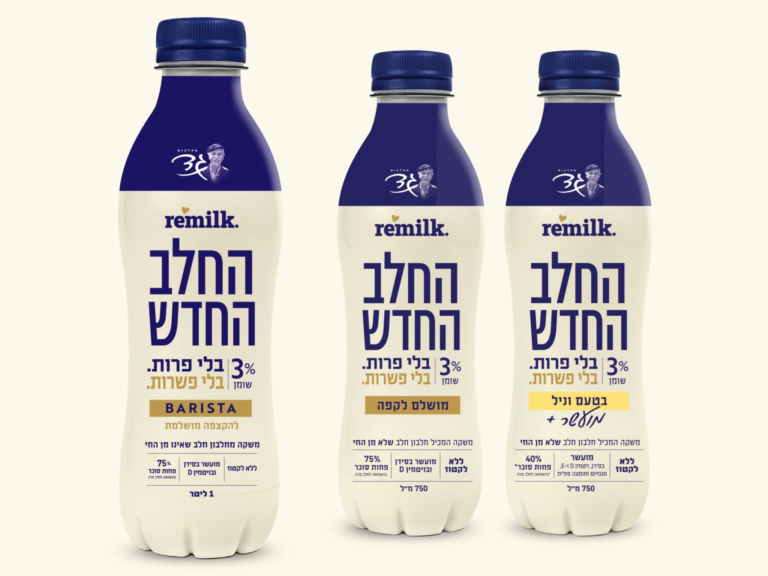
Some users note that the charger can feel warm during use and costs more than basic models. However, its ability to handle high-demand devices and reduce clutter often outweighs those concerns. It suits families or shared spaces where several people need to charge at the same time.

Overall, the PowerPort Atom PD 4 offers a practical balance of speed, convenience, and capacity for multi-device households.

Nomad Base Station Pro

The Nomad Base Station Pro offers a simple way to charge several devices at once. It supports up to three Qi-compatible devices on its wide surface, so users can place phones, earbuds, or other gadgets anywhere without perfect alignment. This flexibility makes it practical for families or shared spaces.

Its aluminum frame and soft leather pad give it a clean, modern look that fits well on desks or nightstands. The build feels solid, and the materials add a touch of quality without being flashy.

The charger uses FreePower technology to detect each device and deliver the right amount of power. It connects through a USB-C port and includes a compatible power adapter in the box.

LED lights on the front show charging status, and the pad automatically stops if a device does not support wireless charging. This feature helps prevent wasted energy and keeps the setup simple for daily use.

Belkin Boost Charge 3-in-1 Wireless Charger

The Belkin Boost Charge 3-in-1 Wireless Charger offers a simple way to power multiple devices at once. It supports fast charging for phones that use MagSafe or Qi2 technology and provides dedicated spots for a smartwatch and wireless earbuds. This setup helps reduce clutter and keeps devices ready for use.

Its magnetic alignment helps each device connect securely to the pad. The phone charger delivers up to 15 watts of power, while the smartwatch and earbuds charge at lower watt levels suitable for their batteries. This balance helps maintain efficiency without overheating.

The stand’s design allows a phone to rest in either portrait or landscape mode, which makes it convenient for video calls or media viewing. Its compact shape fits well on a nightstand or desk, and the soft surface helps prevent scratches. Therefore, it suits users who want a single charging point for their main devices without complicated cables.

Twelve South HiRise Wireless

The Twelve South HiRise Wireless line offers a clean and compact way to charge multiple devices at once. It fits well on a desk or nightstand and reduces clutter by combining several chargers into one unit. Each model focuses on practical design and steady power delivery.

The HiRise 2 Deluxe supports two devices, such as a phone and earbuds. It uses Qi2 wireless charging on the main arm for faster power transfer and a slower base pad for smaller accessories. The magnetic connection helps align the phone easily and keeps it in place during use.

The HiRise 3 Deluxe expands the setup to three devices. It adds a charging spot for a smartwatch while keeping the same small footprint. Its upright phone stand allows quick access to notifications without picking up the device. This design suits users who want a single, space-saving station for everyday charging needs.

Conclusion

Multi-device homes benefit most from charging setups that combine speed, safety, and space efficiency. A good station supports phones, tablets, earbuds, and watches at once without clutter.

Smart charging features help balance power use and protect batteries from heat or overcharge. As a result, families can keep every device ready without swapping cables or outlets.

Compact hubs with both wired and wireless options fit well in shared spaces. They reduce mess, save time, and make daily charging simpler for everyone.

Choosing a station with multiple ports, surge protection, and clear indicators offers long-term convenience and better device care.


Take me home, Roman roads

0
Roman roads of the past

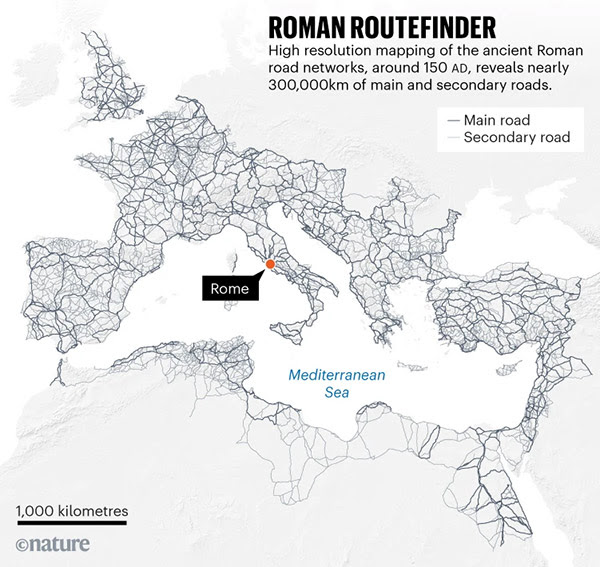
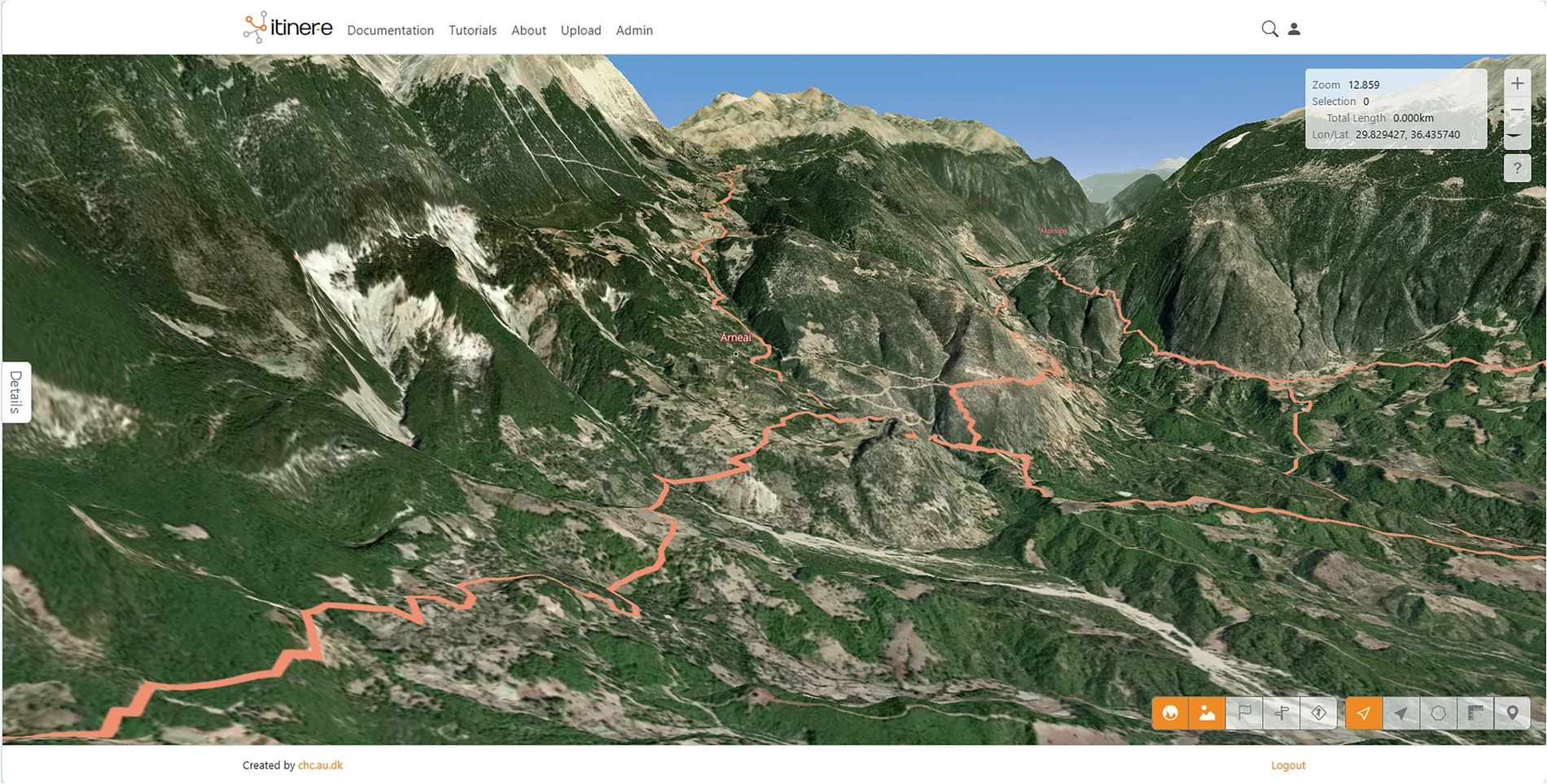
Two thousand years ago, all roads led to Rome. Now, thanks to modern data science, they finally do again — this time in high resolution. A newly released digital atlas Itiner-e what they call a “Google Maps for Roman roads.”It is being hailed as a kind of Google Maps for the ancient world, charting nearly 300,000 kilometres of Roman roads across Europe, the Middle East, and North Africa. The project stitches together countless archaeological and historical datasets into a single interactive network, revealing the sheer scale of the viae Romanae that once bound the empire together.

Ancient Roman roads

At its peak around AD 150, the Roman Empire stretched from Britain’s Hadrian’s Wall to the banks of the Euphrates, from the Atlas Mountains to the Black Sea. Its lifeblood was the road — engineered with stone, gravel, and astonishing precision — that carried soldiers, grain, ideas, and empire itself. But despite centuries of scholarship and excavation, our understanding of this network has remained incomplete.

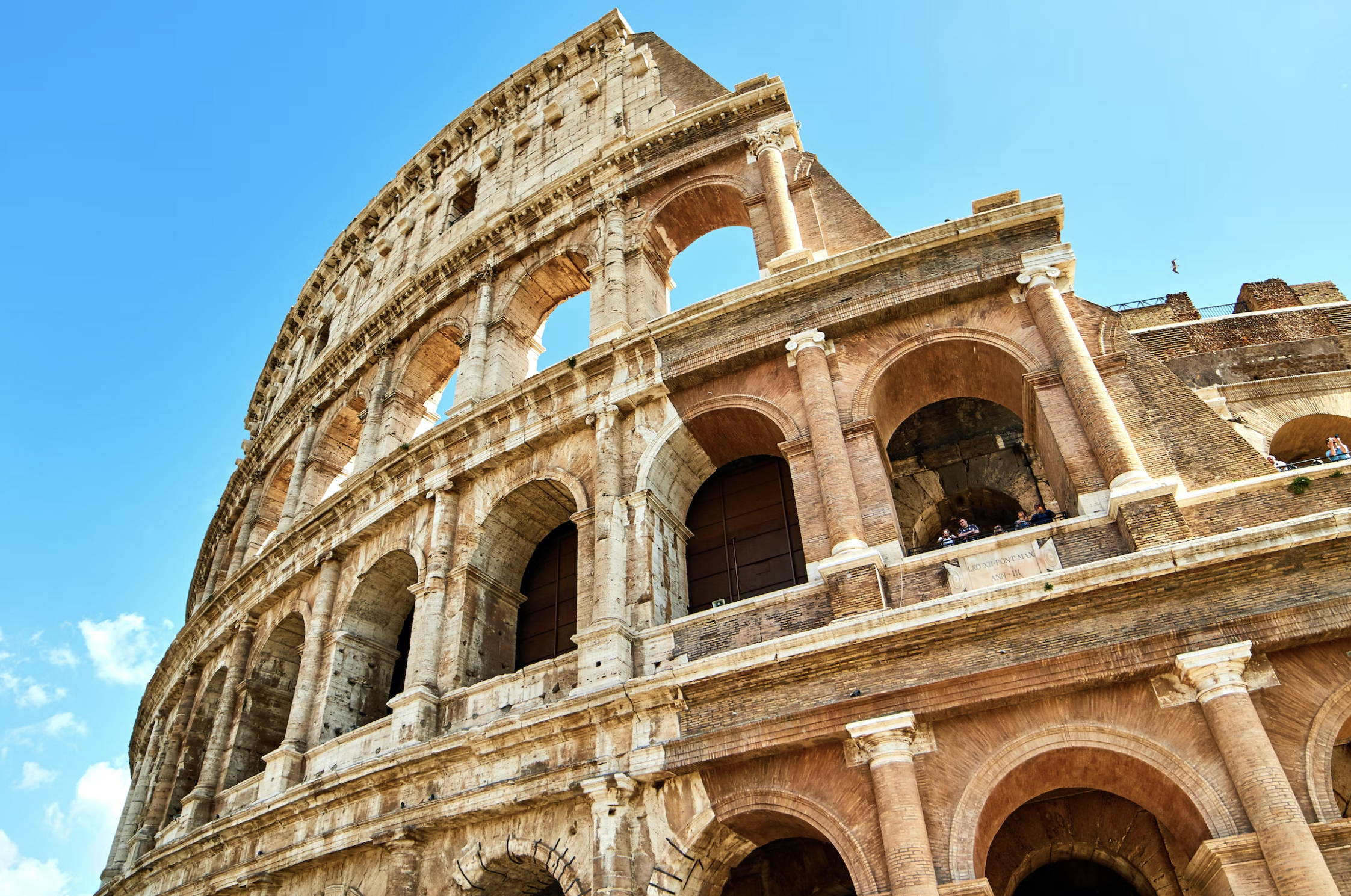
Rome colosseum, self-healing mortar
Romans mastered self-healing mortar, which works well in wet environments

Although the roads are one of the best-known aspects of Roman history, it’s surprising how many details about them we still don’t know. According to the new dataset, the locations of only 3% of Roman roads are known with certainty; the rest have been inferred from satellite imagery, topographical analysis, and fragmentary archaeological evidence.

The map, created through a collaboration of classicists, GIS specialists, and open-data archivists, pulls together previously siloed regional studies — from Britain’s Watling Street to Israel’s Via Maris — into a single digital ecosystem. Each route can be explored interactively, complete with estimated construction dates, trade significance, and terrain context.

For ordinary viewers, it’s a revelation — a chance to visualize how Rome’s engineers carve through deserts, mountains, and marshes to keep an empire alive. It is, quite literally, the skeleton of Western civilization rendered as pixels and coordinates.

But this project isn’t just a nostalgic look backward. It’s also a powerful reminder of what sustainable infrastructure once meant. Roman roads were built to last millennia, with local materials, drainage systems, and low-maintenance stonework that endured centuries of weather and war. Many of today’s highways and rail lines still trace their original foundations. Roman concrete was self-healing and lasts until today.

In an age of asphalt sprawl, potholes, and short-term urban planning, the Roman network offers a strange kind of hope for our future. Ancient engineers designed for permanence and adaptation — concepts that modern infrastructure often neglects. The Romans understood maintenance as a civic duty, with roads meant to connect people, not just move things.

Roman law (Lex Julia Municipalis, 45 BCE) required local communities and landowners to maintain the sections of road passing through their territory. Public funds (the cursus publicus) supported major arteries, showing that upkeep was embedded in governance.

Some sustainability researchers see parallels between the Roman viae and today’s green corridors: both seek to balance movement, resilience, and local ecology.


Sustainable Architect Ronak Roshan on the Politics Behind the Houston Ismaili Center

0
ismaili center houston architecture, ismaili center houston gardens, farshid moussavi building design, thomas woltz landscape, aga khan green building, houston buffalo bayou skyline, islamic modern architecture texas, sustainable civic center houston, reflecting pool ismaili center, aga khan development network, faith based architecture, pluralism in texas, eco architecture houston, islamic art design usa, houston cultural corridor, farshid moussavi architect, thomas woltz nelson byrd woltz, greenwashing architecture, aga khan award sustainability, houston civic landmark
Aga Khan’s Ismaili Center in Houston to share Shia Muslim culture and community

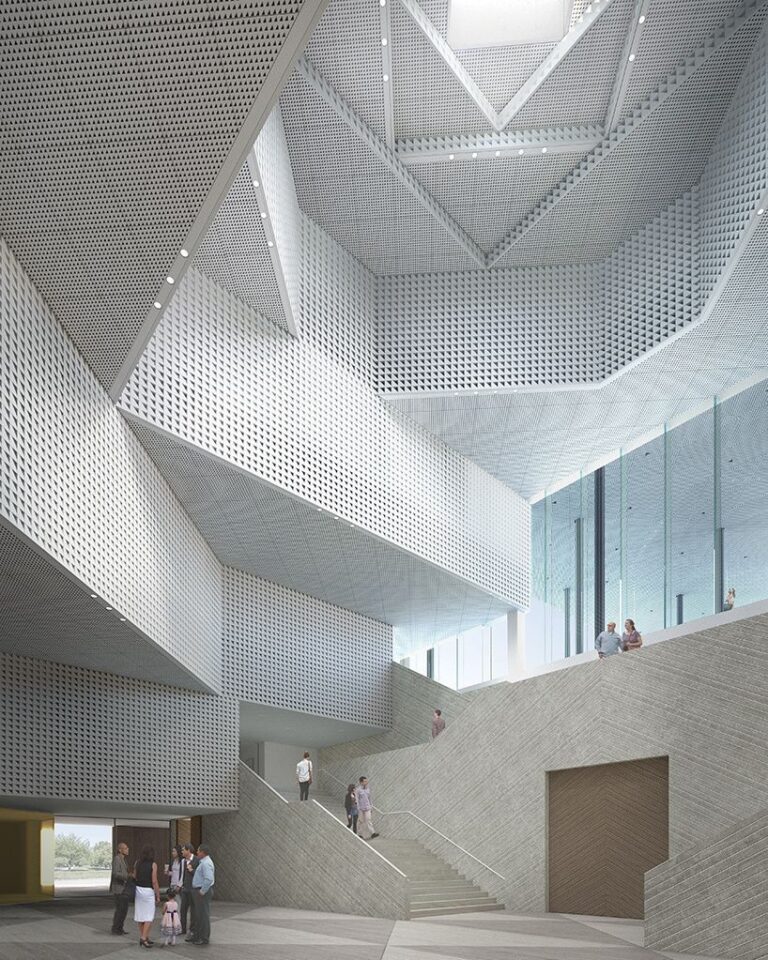
The recently inaugurated Ismaili Center in Houston has been celebrated as a triumph of architecture, culture, and interfaith dialogue. Yet some in the architectural community are urging a deeper look at what such projects represent in geopolitical and environmental terms. Sustainable Architect Ronak Roshan from Iran (who calls out the Shia Muslim Aga Khan Award for greenwashing its award) offers the following perspective on the origins, symbolism, and environmental implications of the project:

“This issue can be examined from several perspectives to clarify the reasons behind the emergence of such a project in the heart of this site. The construction of multiple mosques in the West should be understood within the policy seen in Paris, where, due to the fear of the rise of fundamentalism following the migration of Muslims caused by war, poverty, and other reasons to the West, the directive to build numerous mosques was issued to organize these communities.

“Saudi Arabia and several Arab countries also contributed financially (to building mosques). It is undeniable that every person has the right to have a place of worship according to their faith, but the question is whether this is the right approach. This should be seen from the political roots and the role of governments in power relations.

“I do not view the formation of this mosque outside of this perspective.

“Keep in mind that this project began before the current Aga Khan.

ismaili center houston architecture, ismaili center houston gardens, farshid moussavi building design, thomas woltz landscape, aga khan green building, houston buffalo bayou skyline, islamic modern architecture texas, sustainable civic center houston, reflecting pool ismaili center, aga khan development network, faith based architecture, pluralism in texas, eco architecture houston, islamic art design usa, houston cultural corridor, farshid moussavi architect, thomas woltz nelson byrd woltz, greenwashing architecture, aga khan award sustainability, houston civic landmark
The Shia Islam center in Houston is the latest eco-mosque – launched in 2025

“The new Aga Khan studied environmental sciences in the United States and is expected to be both aware of and sensitive to such issues. These policies were not in place during his tenure. The Aga Khan Award manager is Iranian, a person with significant influence whose development-oriented approach is old school and largely symbolic, very close to Farshid Moussavi, the Iranian architect based in London. These connections are not coincidental.

“I mention these points to clarify the small but important reasons behind the formation of such projects. It must be emphasized that a project of this scale cannot truly support the environment unless they themselves transparently disclose or reveal that they have offset the carbon footprint or have fully transparent reports. Otherwise, such projects should have been undertaken at smaller scales and within smaller neighborhoods.

“Ms. Moussavi generally works on large-scale projects and even has some failed projects in her record; for example, some speculative developments in Turkey. A beautiful object with high spatial quality is no longer considered successful architecture in today’s world.”

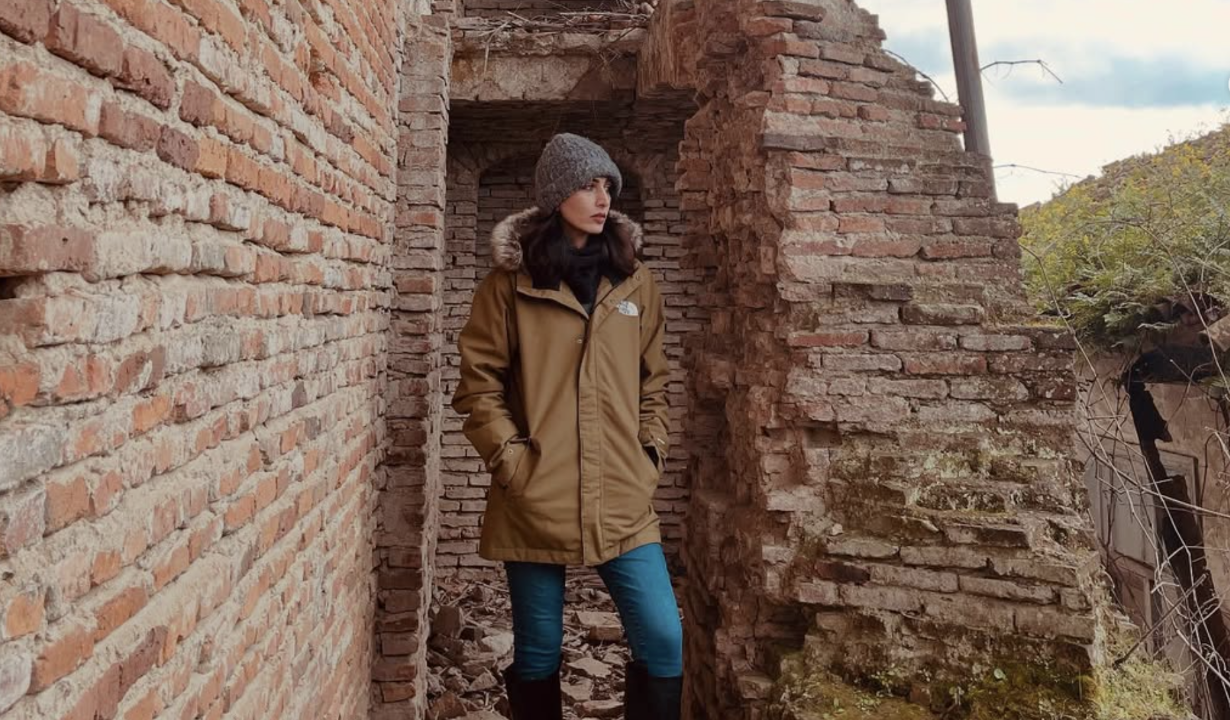
Ronak Roshan
Ronak Roshan. Image supplied to Green Prophet.

Roshan’s critique reframes the Houston Ismaili Center not as a beacon of progress, but as a mirror reflecting the entanglement of faith, politics, and greenwashing in contemporary architecture — a beautiful object whose sustainability remains, for now, a matter of belief rather than proof.


Qatar builds its own oversight mechanism to monitor itself on climate — what could go wrong?

0
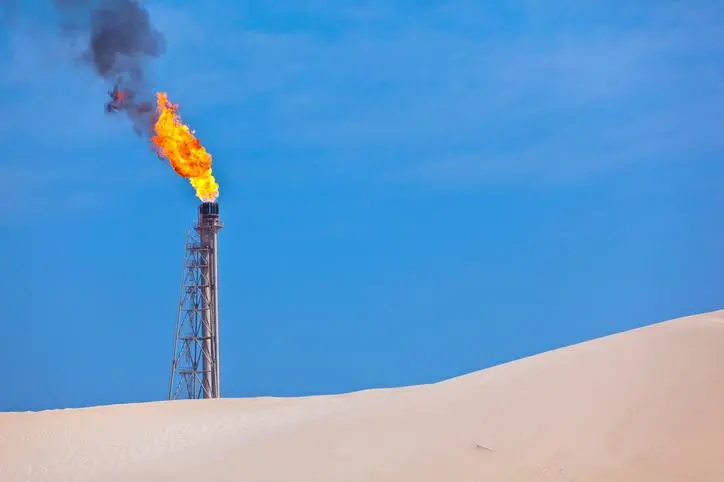
Qatari LNG gas flare

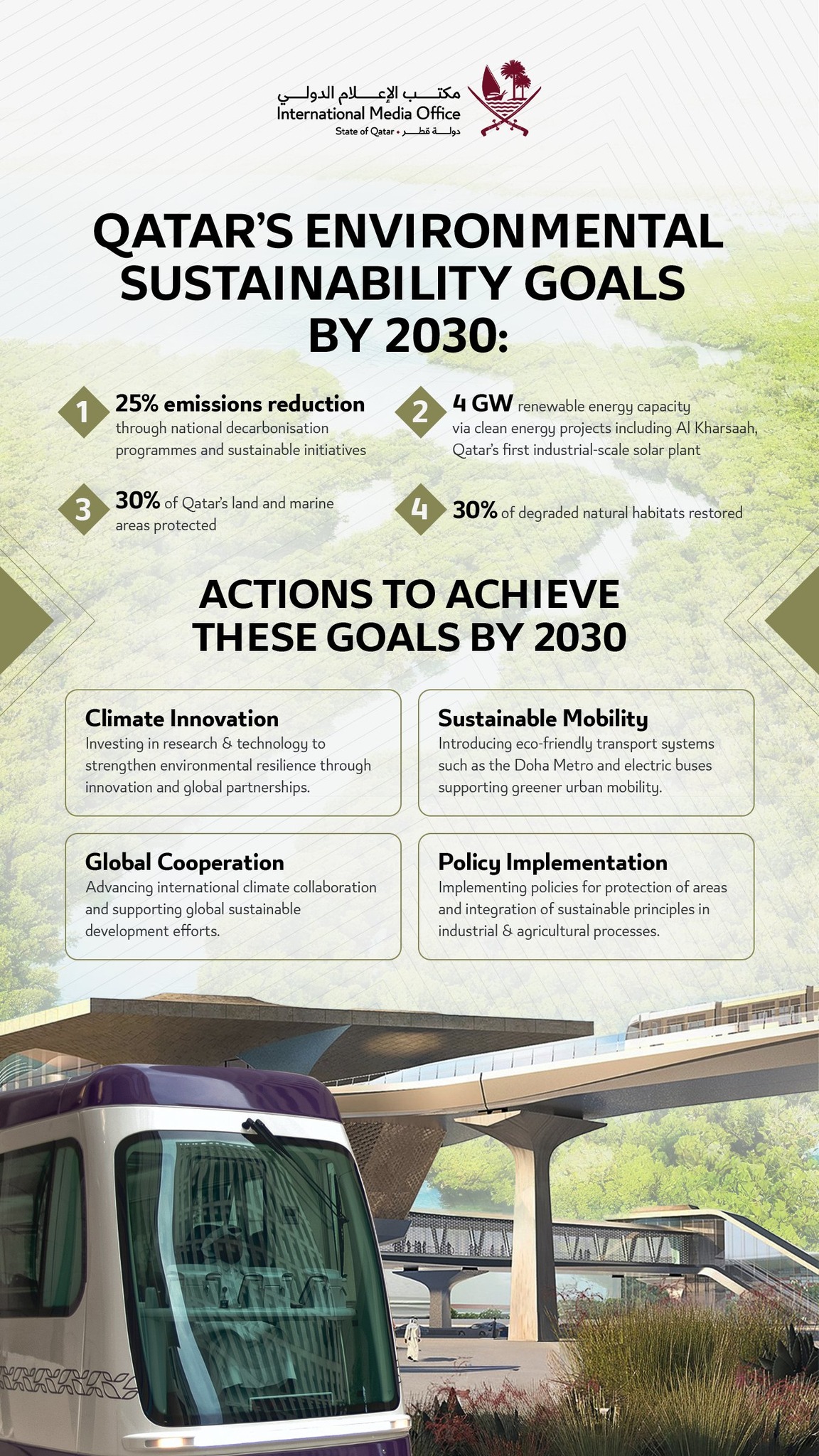
Qatar, the world’s richest per-capita nation and the planet’s largest exporter of liquefied natural gas (LNG), has announced an ambitious set of “environmental sustainability goals” for 2030. On paper, the Gulf state pledges to cut emissions by 25 percent, generate 4 GW of renewable power, and protect 30 percent of its land and marine areas.

It’s a vision wrapped in the language of decarbonization, resilience, and “global cooperation.”

But who’s keeping score? The answer, it turns out, is Qatar itself. The same petrostate that fuels the global gas market has quietly built its own “oversight” mechanism to monitor, verify, and approve its climate progress. The Global Accreditation Bureau (GAB)—a Doha-based body established by the government—recently became the first Middle East entity to sign an international agreement allowing it to accredit greenhouse gas verifiers.

On paper, this gives Qatar international recognition for tracking emissions. In practice, it means the fox is now in charge of the henhouse.

Qatar’s self-styled climate governance system includes a national MRV framework (Measurement, Reporting and Verification) designed to track carbon output across sectors. The country touts it as a transparent, UN-aligned process developed in partnership with the Global Green Growth Institute. Yet the data pipeline, the audit process, and the publication of results all sit under the Qatar Ministry of Environment and Climate Change. There is no independent audit, no investigative press to scrutinize numbers, and no civil society oversight. No free press can criticise Qatar. No one person or NGO can hold it accountable.

In theory, “international alignment” sounds good. But in the absence of true independence, it’s little more than bureaucratic choreography. A climate governance façade, built for export. The GAB may tick ISO and IPCC boxes, but it remains accountable to the same state apparatus responsible for expanding LNG exports well into 2050.

Qatar calls this sustainability; the rest of the world might call it self-certification.

Qatar’s contradictions are stunning. The country burns vast amounts of fossil fuel to desalinate water and cool indoor stadiums, then advertises solar plants and metro lines as symbols of green progress. It finances one of the most powerful propaganda networks, Al Jazeera; reporters who work there cannot investigate environmental issues at home. The same “news outlet” runs climate-awareness campaigns on the London Underground.

It’s a nation that sells gas by night and lectures the world by day on carbon offsetting.

Building one’s own watchdog is the natural next step in that narrative. With no freedom of the press, no parliamentary opposition, and no public-access climate data, Qatar’s self-auditing system ensures that the only emissions counted are the ones convenient to count.

In the end, Doha may not just be exporting LNG. It’s exporting a new model of green authoritarianism — where the state burns, monitors, and praises itself, all in the same breath.

Qatar’s climate hypocrisy rides the London Underground

Qatar climate hypocrisy, Al Jazeera climate ad London Underground, fossil fuel Qatar greenwashing, Qatar LNG exports climate crisis, Al Jazeera London Tube ad campaign, Qatar carbon footprint propaganda, climate change billboard London, petrostate sustainability PR, greenwashing fossil fuel states, Qatar selling sickness and cure
Climate hypocrisy

Fossil fuel giant Qatar—the world’s top LNG exporter and a known sponsor of extremist and terror groups such as Hamas and Hezbollah, has no free press at home, yet floods London with glossy ad campaigns telling the West how to manage carbon credits and climate change. It’s the height of green hypocrisy: a petrostate profiting from the crisis while pretending to cure it.

If you’ve taken the London Underground lately, you may have seen them — sleek Al Jazeera English ads urging governments to “redouble their efforts to tackle climate change.” The image: a man knee-deep in floodwater, dragging what looks like the remains of a livelihood. The message: urgent, moral, global. The messenger here to save us: Qatar.

I’ve seen similar ads from Saudi Aramco about how we need to invest in clean energy on the back pages of the New York Times as they pump out megatons of oil.

It’s a curious irony — the world’s richest per-capita fossil fuel state paying for climate virtue ads in the West timed with COP30 in Brazil. Qatar, a monarchy built on liquefied natural gas exports and one of the highest per-capita carbon footprints on Earth, is telling London commuters how to save the planet. The country that bankrolls the world’s most polluting industries, limits press freedom, and funds a network forbidden from criticizing its own rulers now positions itself as a moral voice for climate action. You can’t make it up.

The Al Jazeera campaign has plastered slogans across London, part of a broader PR push to soften Qatar’s image ahead of the next round of UN climate talks happening now in Brazil, COP30, a charade of do-gooders where not much gets done. In a just world, no fossil fuel companies should be leading this conversation. Like cigarette companies, they should be banned from buying ads.

In a just world, the billions spent on soft-power PR that comes out of London offices (see our story on how a London firm greenwashes Qatar to ravage a Seychelles island) would go toward real decarbonization and freedom of information.

Until then, Qatar remains a master of doublethink—burning gas by the megaton while selling “sustainability” to a world desperate for clean air. Wake up from your slumber people.


Israel’s first cloned milk hits cafés as Remilk and Gad Dairies launch “The New Milk”

0
Israel alt meat industry, Israel cultured meat approval, Aleph Farms lab-grown beef Israel, Israel cultivated meat startups, lab-grown kosher meat debate, lab meat carbon footprint Israel, Imagindairy alt dairy Israel, Yofix plant-based yogurt Israel, Israeli vegan dairy startup, chickpea milk Israel vegan innovation
Remilk, an animal-free cloned milk, hits the market in Israel

I once lived on a kibbutz in Israel for a year. The saddest sound I ever heard was a newborn calf crying for its mother. That’s the hidden soundtrack of the dairy industry — cows separated from their calves within hours, udders swollen, pumped with hormones, antibiotics, and additives like Bovaer to squeeze out more milk. All that pain, all that chemistry, ends up in our coffee cups.

Enter Remilk, an Israeli foodtech pioneer creating real milk without cows. In partnership with Gad Dairies — one of Israel’s best-known dairy brands — Remilk has just launched The New Milk, a lactose-free, cholesterol-free, animal-free milk identical in taste and nutrition to cow’s milk. The product is now pouring into cafés and restaurants across Israel and will hit major supermarket chains in January 2026.

Related: Israel is the first country to approve the sale of lab meat

While we think safe, healthy, regenerative slow food is the best place to aim for, Remilk might be the healthy in-between until we get there.

alternative dairy farming
Slow Food cows make high fat milk using regenerative agriculture. Such food made by mistakenly labeled as unhealthy.

Remilk’s milk is not plant-based. It’s real dairy protein, created using precision fermentation — the same process used in the biotech world to make insulin or vitamins. Scientists insert the gene for a cow’s milk protein into a microbe, which then “ferments” and produces that protein without the cow. The result: milk that’s biologically identical to dairy, minus the animal, methane, and moral compromise.

Remilk’s CEO Aviv Wolff calls it “a better, healthier, and tastier world through real milk made without cows.” Amir Aharon of Gad Dairies adds that the collaboration is “a defining moment where generations of dairy tradition meet groundbreaking technology.”

Three products are debuting under The New Milk line: a Barista Milk for cafés, and two retail versions — a regular milk and a vanilla-flavored option. They froth, foam, and taste just like the real thing, yet contain 75 percent less sugar. The milk is fortified with calcium and vitamins and, being kosher-pareve, can be served right after meat meals — a quiet revolution for Jewish kosher consumers long frustrated by dairy separation rules.

What Israelis really think about milk

Ahead of the launch, Remilk and Gad commissioned a national survey with Geocartography Knowledge Group. It found that 92 percent of Israelis still drink animal-based milk, but more than half also consume milk alternatives. There are more vegans per capita in Israel than anywhere else in the world. The main barrier for more people going vegan and dairy-free? Taste. Fifty-five percent said current substitutes “aren’t tasty enough,” while 50 percent of kosher-observant respondents said they’d happily drink coffee with milk after a meat meal — if the milk tasted real.

The New Milk may have found the perfect sweet spot: authentic flavor, ethical production, and a format that fits Israel’s dietary laws and café culture.

Beyond dairy guilt

Remilk’s animal-free protein has already been approved by regulators in Israel, the U.S., Canada (Canada gives the green light to cloned milk), and Singapore. Each market confirmed the protein’s safety and molecular identity with traditional milk. The company has raised more than $150 million USD and is scaling production globally.

Precision fermentation still uses energy, and its total carbon footprint depends on where and how it’s produced. Yet Remilk’s life-cycle analysis shows significant reductions in land and water use compared to industrial dairy. If scaled efficiently and powered by renewables, it could help phase out one of the most resource-intensive sectors of modern agriculture.

Read more on Israel’s uneven contributions to the alt meat and airy markets

Israel is the first country to approve the sale of cultured meat

Israel’s uneven impact in the cultivated meat market

Aleph Farms engineers lab-grown steaks from cattle cells

Slaughter free ribeye steak meat grown in a lab

Is lab meat kosher?

Lab-grown meat telling convenient lies about carbon footprint

Israeli alt dairy startup Imagindairy raises $15M seed

Israel’s Yofix offers dairy and soy-free yoghurt alternative

Vegan protein alternative for dairy industry (Yofix flexitarian plant dairy)

New vegan milk made from hummus (or chickpeas)

Canada gives green light to Remilk’s cloned milk

0
Remilk

While X is abuzz with news that Canada may be selling cloned meat, in truth cloned milk is not quite market ready. But what is ready for the marked is cloned milk. It’s a fermented, hormone-free, cruelty-free milk made in a lab, without cows and may be on the shelves sooner than you think.

Canada has just approved what could be the future of milk — without cows.

The foodtech company Remilk has received Health Canada’s coveted Letter of No Objection for its animal-free dairy protein, becoming the first producer of animal-identical milk protein to gain approval in the country. Canada joins the U.S., Singapore, and Israel in giving the regulatory nod to this new form of “cloned milk.”

Remilk uses a process known as precision fermentation: they take the genes that code for cow-milk proteins and insert them into microbes (e.g., yeast or other single-cell organisms). Those microbes then manufacture the identical protein.

This isn’t a plant-based milk like oat or soy milk that is full of sugar or estrogens and which can cause glucose spikes. It’s real milk protein — beta-lactoglobulin (BLG) — made through precision fermentation, a process that uses genetically engineered microorganisms instead of cows to produce identical dairy proteins.

Remilk on the market in Israel

For the first time, Canadians may soon find milk, yogurt, or ice cream made entirely without animals, yet indistinguishable in taste and nutrition from traditional dairy.

The approval marks a watershed moment for Canada’s nascent foodtech sector, signaling that its regulators are ready to engage with cellular agriculture and fermentation-based food production. Dana McCauley, CEO of the Canadian Food Innovation Network, called it “a transformative era in our food supply,” one that could help feed growing populations with fewer resources and less environmental harm.

A global first for safety validation

Remilk offices

Remilk’s co-founders, Aviv Wolff and Dr. Ori Cohavi, say the approval followed an extensive review of the company’s data on safety and molecular equivalence. “Health Canada’s acceptance of our animal-free protein is additional validation of its safety and purity,” said Cohavi. “Each of the four regulatory agencies that have examined our protein has found it to be identical to traditional milk protein.”

Wolff adds, “Canada’s process was rigorous. We met with Health Canada’s team, provided the data they requested, and were thrilled to receive their Letter of No Objection. It’s an honor that opens the door for Canadian companies to develop animal-free dairy products.”

What it means for consumers and the planet

Remilk says its protein allows manufacturers to make familiar dairy products — milk, cream cheese, or yogurt — that are lactose-free, cholesterol-free, and hormone-free. For consumers, that means indulgence without digestive distress or ethical compromise.

The company uses a patented fermentation process to manufacture its BLG protein at commercial scale. Precision fermentation is resource-efficient compared to livestock farming, though it does require significant energy. Remilk recently completed a life-cycle analysis that reportedly shows “substantial reductions in land, water, and greenhouse-gas emissions” versus conventional dairy. The data will be peer-reviewed before publication.

While the environmental benefits still need independent confirmation, Canada’s approval signals a larger trend: the mainstreaming of fermentation-based proteins as credible climate solutions. The country’s openness could attract more innovators working on sustainable fats, egg proteins, and alternative meats — such as Israel’s Aleph Farms and other Israeli foodtech startups.

For now, the symbolic impact is huge. “Reinventing dairy by removing cows from the equation” was once a science-fiction idea. With Canada’s green light, it’s officially a market reality — and the race to define the future of milk has entered a new phase.

For more on sustainable and futuristic foods, see Green Prophet’s coverage of lab-grown honey and cultivated seafood innovation.

Kabbalah sages once lived on carob and now the superfruit returns as a modern prebiotic

0

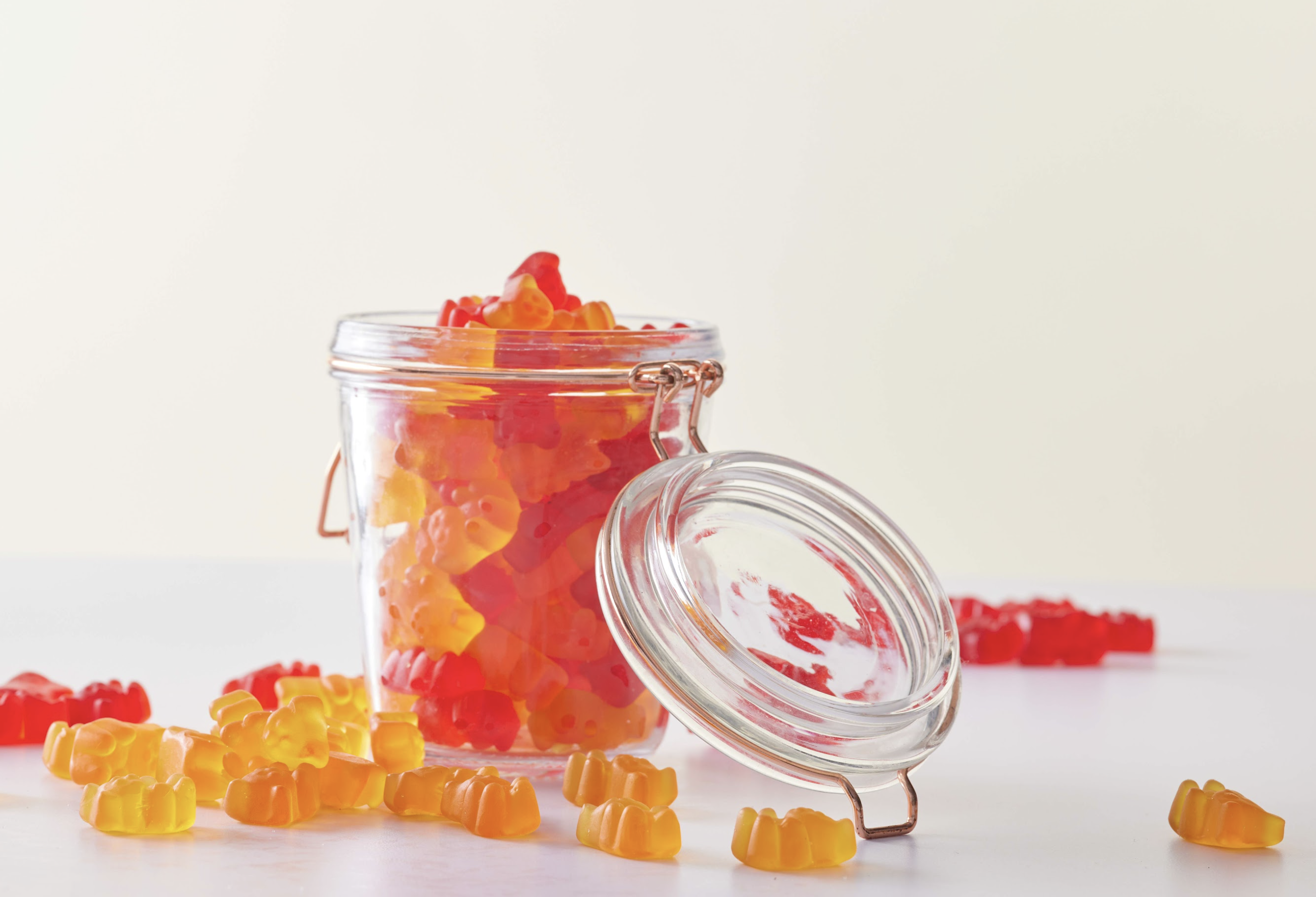
Carob pods on the tree


From cave food to clean-label prebiotics

Jewish tradition tells of Rabbi Shimon bar Yochai, a mystic who fled Roman persecution and hid in a cave for years, living on a single carob tree and a spring of water. From this hardship came the mystical teachings of the Zohar, a foundational book in the Kabbalah. The carob tree, Ceratonia siliqua, became a symbol of endurance and nourishment across the Mediterranean. In Israel, carob has been used as a vegan alternative to chocolate for years. Little kids don’t notice the difference and it’s a natural way to satisfy the sugar craving.

Two thousand years later, the same fruit is being reborn as a sustainable, functional superfood.

Carob prebiotic gummies
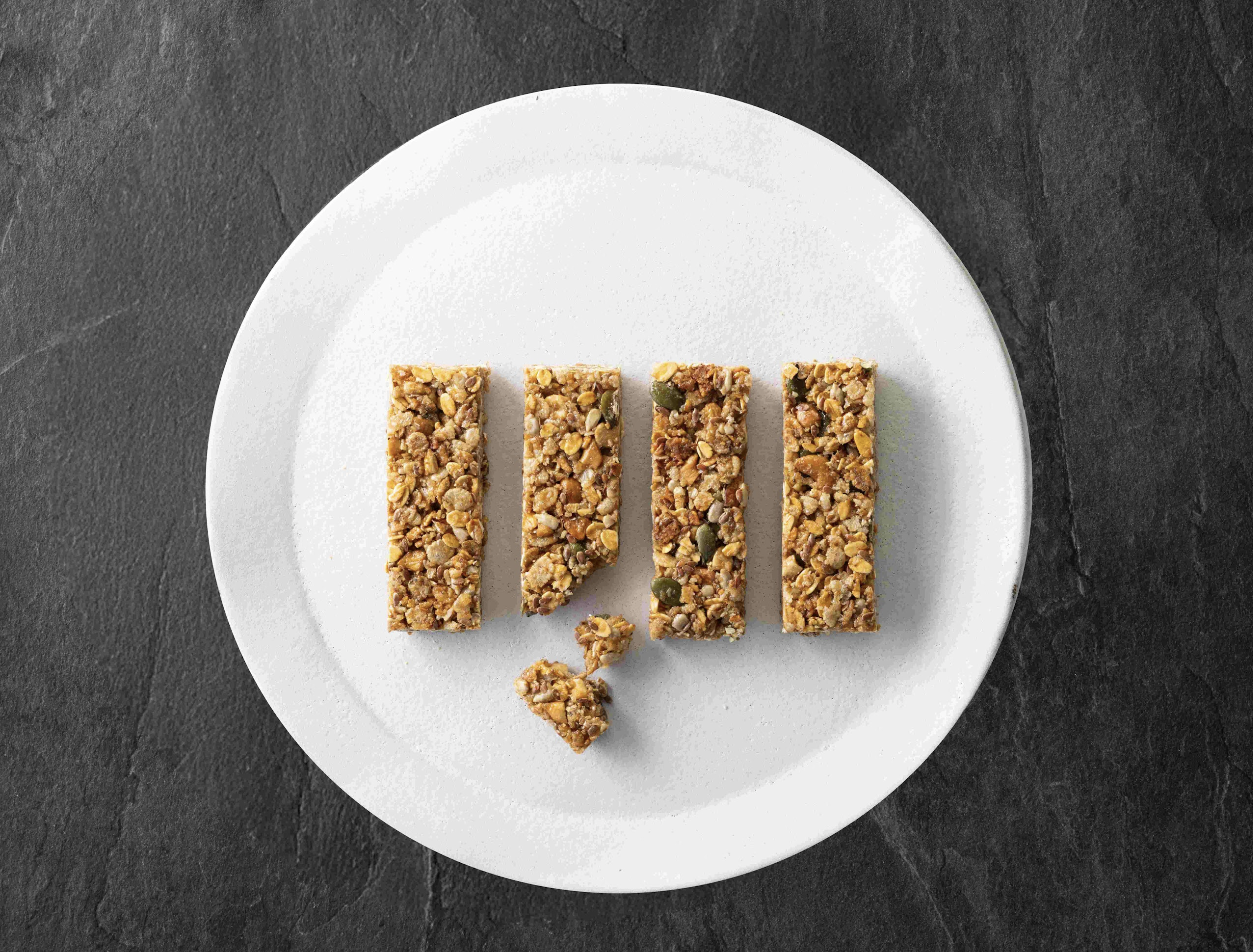
Carobway can be used in prebiotic gummies

The Swiss–Israeli bio-ingredient company CarobWay has announced an exclusive US distribution deal with GRA Nutra Corp. to launch CarobBiome in 2026 — a clean-label prebiotic fiber derived from upcycled carob fruit.

Carob pods are rich in natural fiber, minerals, antioxidants, and D-pinitol, a compound linked to blood-sugar balance. The new ingredient CarobBiome contains about 85% total fiber, combining soluble and insoluble fractions that promote digestive comfort and metabolic wellness. It is made using only water and heat, producing a neutral-flavored powder for supplements, baked goods, snacks, and meal replacements.

“CarobBiome™ was designed to be gut-friendly, label-friendly, and highly functional,” says Udi Alroy, CarobWay’s CEO and co-founder. “We wanted to honor the ancient fruit while applying modern science to support everyday health.”

Partnership rooted in sustainability

Carob pods on the tree

GRA Nutra CEO Lynda Doyle says the partnership will help bring carob’s potential to the North American functional food and supplement market. “By integrating CarobWay’s high-quality, responsibly produced ingredients into our portfolio, we expand what we can offer across the functional food, beverage, and supplement industries,” Doyle explains. “Our shared commitment to sustainability and integrity drives this collaboration.”

CarobWay grows and processes its own carob trees across the Mediterranean, creating a zero-waste, vertically integrated supply chain. The seeds and pulp are all reused in new products, and the drought-resilient trees contribute to carbon sequestration and soil health — making carob one of the planet’s most sustainable crops.

Even the sages warned about balance

Not everyone in the ancient world viewed carob as a miracle food. The great medieval physician and philosopher Maimonides (Rambam) wrote in his dietary teachings that, “One should refrain from eating too many tree fruits… carobs are always harmful… while figs, grapes, and almonds are always beneficial.”

Rambam believed that health was derived from food and it is advisable to not eat too much at any meal. His warning about carbos are likely rooted in the medical science of his time, reminds us that moderation was once the ultimate prescription for health.

Today, modern nutrition is rediscovering that same principle — but with new tools and evidence. While carob in excess may have troubled medieval digestion, its natural fibers and polyphenols are now recognized for supporting gut balance and metabolic health when used properly.

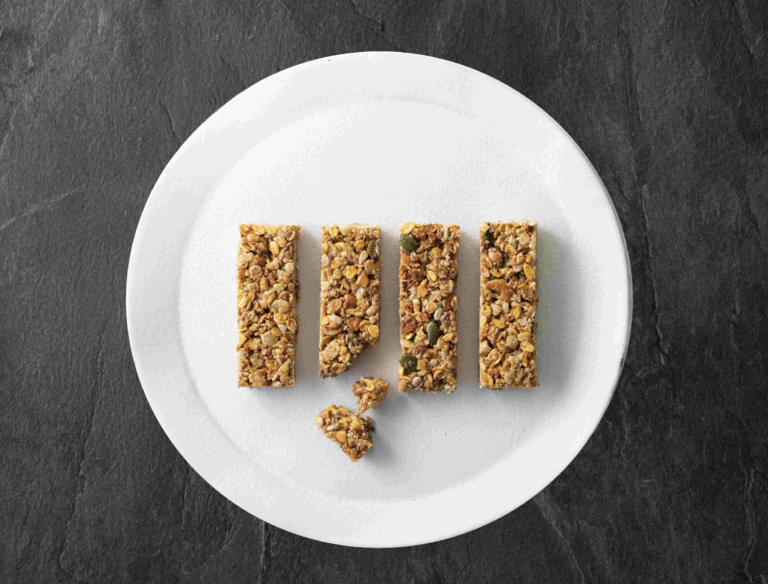
Once a symbol of survival and divine simplicity, carob bars are born from a new generation of sustainable foods aligned with the global “food as medicine” movement. We do believe however the best source of nutrition is food that is not processed and altered and then put back together.

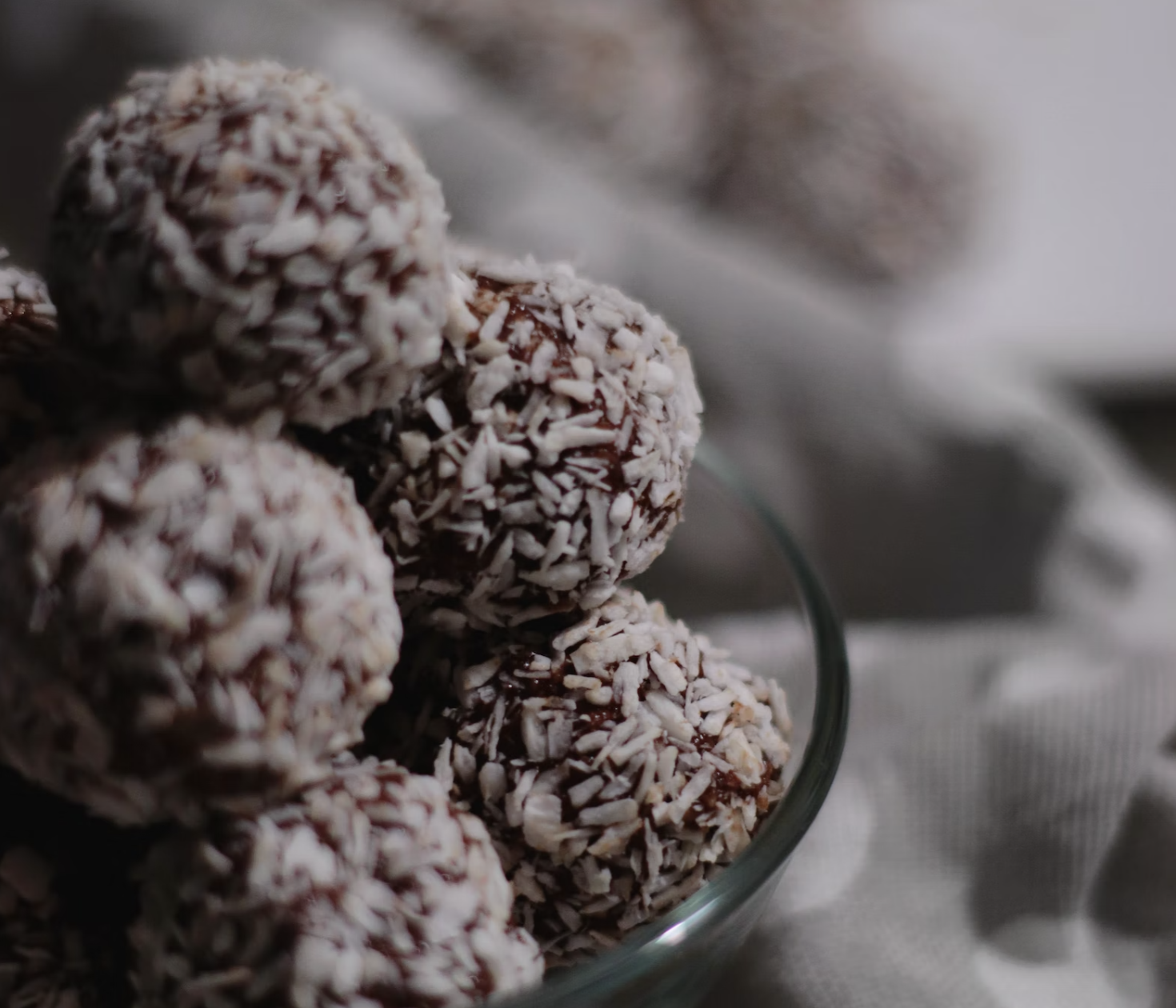
carob balls, nuts coconut
Carob is an easy and sustainable chocolate replacement. You can make your own carob nut balls.

The carob tree thrives where little else grows, using minimal water and resisting pests naturally. As droughts worsen across the Mediterranean and Middle East, carob’s resilience offers a model for regenerative agriculture. Its deep roots stabilize soil and provide shade for biodiversity, aligning with climate-smart farming goals across the region. Hiking in the Sea of Galilee region in Israel it is easy to come across a carob tree and have a healthy snack. Watch out for the seeds. They can break your teeth.

Competition in the U.S. prebiotic market

CarobWay isn’t alone in the growing gut-health race. The U.S. market is already rich with functional fiber innovators:

  • TIC Gums (Ingredion) — A major player in carob powder and hydrocolloid ingredients, supplying functional fibers and clean-label texturizers to major food brands.
  • Nexira — Its inavea Carob Acacia blend combines acacia and carob fibers with proven prebiotic effects, already marketed in North America.
  • Traditional prebiotics — Inulin, soluble corn fiber, and tapioca fiber dominate the category, though brands are actively seeking novel, sustainable alternatives like carob.

With consumers shifting toward “food as medicine,” the emergence of carob-based prebiotics positions CarobWay among a small but promising circle of next-generation fiber innovators.

For Green Prophet readers following stories like seed banks in the Middle East, recovering gut health after antibiotics,
and ancient carob recipes for Tu B’Shvat, and make your own carob nut balls.