Maggie Baird, best known as the mother of Billie Eilish and Finneas O’Connell, is stepping into a much larger spotlight, this time as a climate storyteller.
Tillage is one of the clearest signals of how a farm treats its soil. Intensive plowing can degrade structure, release carbon, and increase erosion. Conservation practices—no-till, cover cropping, minimal disturbance—do the opposite. They build soil, retain water, and support biodiversity. But until now, measuring these practices at scale has been slow, expensive, and often self-reported.
Hydrophilis, Oliver Isler’s experimental rebreather suit, reimagines diving by reducing drag, eliminating bubbles, and bringing humans closer to the natural movement of marine life.
If you work as a roofer, landscaper, pool builder, or in construction, installing garden slabs or solar panels, building sheds, or working on outdoor home improvement projects, take note of new research that can help you protect your heart.
Maggie Baird, best known as the mother of Billie Eilish and Finneas O’Connell, is stepping into a much larger spotlight, this time as a climate storyteller.
Tillage is one of the clearest signals of how a farm treats its soil. Intensive plowing can degrade structure, release carbon, and increase erosion. Conservation practices—no-till, cover cropping, minimal disturbance—do the opposite. They build soil, retain water, and support biodiversity. But until now, measuring these practices at scale has been slow, expensive, and often self-reported.
Hydrophilis, Oliver Isler’s experimental rebreather suit, reimagines diving by reducing drag, eliminating bubbles, and bringing humans closer to the natural movement of marine life.
If you work as a roofer, landscaper, pool builder, or in construction, installing garden slabs or solar panels, building sheds, or working on outdoor home improvement projects, take note of new research that can help you protect your heart.
Maggie Baird, best known as the mother of Billie Eilish and Finneas O’Connell, is stepping into a much larger spotlight, this time as a climate storyteller.
Tillage is one of the clearest signals of how a farm treats its soil. Intensive plowing can degrade structure, release carbon, and increase erosion. Conservation practices—no-till, cover cropping, minimal disturbance—do the opposite. They build soil, retain water, and support biodiversity. But until now, measuring these practices at scale has been slow, expensive, and often self-reported.
Hydrophilis, Oliver Isler’s experimental rebreather suit, reimagines diving by reducing drag, eliminating bubbles, and bringing humans closer to the natural movement of marine life.
If you work as a roofer, landscaper, pool builder, or in construction, installing garden slabs or solar panels, building sheds, or working on outdoor home improvement projects, take note of new research that can help you protect your heart.
Maggie Baird, best known as the mother of Billie Eilish and Finneas O’Connell, is stepping into a much larger spotlight, this time as a climate storyteller.
Tillage is one of the clearest signals of how a farm treats its soil. Intensive plowing can degrade structure, release carbon, and increase erosion. Conservation practices—no-till, cover cropping, minimal disturbance—do the opposite. They build soil, retain water, and support biodiversity. But until now, measuring these practices at scale has been slow, expensive, and often self-reported.
Hydrophilis, Oliver Isler’s experimental rebreather suit, reimagines diving by reducing drag, eliminating bubbles, and bringing humans closer to the natural movement of marine life.
If you work as a roofer, landscaper, pool builder, or in construction, installing garden slabs or solar panels, building sheds, or working on outdoor home improvement projects, take note of new research that can help you protect your heart.
Maggie Baird, best known as the mother of Billie Eilish and Finneas O’Connell, is stepping into a much larger spotlight, this time as a climate storyteller.
Tillage is one of the clearest signals of how a farm treats its soil. Intensive plowing can degrade structure, release carbon, and increase erosion. Conservation practices—no-till, cover cropping, minimal disturbance—do the opposite. They build soil, retain water, and support biodiversity. But until now, measuring these practices at scale has been slow, expensive, and often self-reported.
Hydrophilis, Oliver Isler’s experimental rebreather suit, reimagines diving by reducing drag, eliminating bubbles, and bringing humans closer to the natural movement of marine life.
If you work as a roofer, landscaper, pool builder, or in construction, installing garden slabs or solar panels, building sheds, or working on outdoor home improvement projects, take note of new research that can help you protect your heart.
Maggie Baird, best known as the mother of Billie Eilish and Finneas O’Connell, is stepping into a much larger spotlight, this time as a climate storyteller.
Tillage is one of the clearest signals of how a farm treats its soil. Intensive plowing can degrade structure, release carbon, and increase erosion. Conservation practices—no-till, cover cropping, minimal disturbance—do the opposite. They build soil, retain water, and support biodiversity. But until now, measuring these practices at scale has been slow, expensive, and often self-reported.
Hydrophilis, Oliver Isler’s experimental rebreather suit, reimagines diving by reducing drag, eliminating bubbles, and bringing humans closer to the natural movement of marine life.
If you work as a roofer, landscaper, pool builder, or in construction, installing garden slabs or solar panels, building sheds, or working on outdoor home improvement projects, take note of new research that can help you protect your heart.
Maggie Baird, best known as the mother of Billie Eilish and Finneas O’Connell, is stepping into a much larger spotlight, this time as a climate storyteller.
Tillage is one of the clearest signals of how a farm treats its soil. Intensive plowing can degrade structure, release carbon, and increase erosion. Conservation practices—no-till, cover cropping, minimal disturbance—do the opposite. They build soil, retain water, and support biodiversity. But until now, measuring these practices at scale has been slow, expensive, and often self-reported.
Hydrophilis, Oliver Isler’s experimental rebreather suit, reimagines diving by reducing drag, eliminating bubbles, and bringing humans closer to the natural movement of marine life.
If you work as a roofer, landscaper, pool builder, or in construction, installing garden slabs or solar panels, building sheds, or working on outdoor home improvement projects, take note of new research that can help you protect your heart.
Maggie Baird, best known as the mother of Billie Eilish and Finneas O’Connell, is stepping into a much larger spotlight, this time as a climate storyteller.
Tillage is one of the clearest signals of how a farm treats its soil. Intensive plowing can degrade structure, release carbon, and increase erosion. Conservation practices—no-till, cover cropping, minimal disturbance—do the opposite. They build soil, retain water, and support biodiversity. But until now, measuring these practices at scale has been slow, expensive, and often self-reported.
Hydrophilis, Oliver Isler’s experimental rebreather suit, reimagines diving by reducing drag, eliminating bubbles, and bringing humans closer to the natural movement of marine life.
If you work as a roofer, landscaper, pool builder, or in construction, installing garden slabs or solar panels, building sheds, or working on outdoor home improvement projects, take note of new research that can help you protect your heart.
With the increase of jobs and lure to tech in the Bay Area, where to lay one’s hat is still a main problem in today’s housing crisis. Maybe you are a carefree environmentalist who can work at the office by day and rent a sleeping pod by night but if you are over the age of 27 living in teeny tiny houses and sharing “pods” and vans with friends, being green is probably no longer a fun experiment. Covid has taught us the importance of a stable home and WiFi, the need for a good kitchen and healthy food –– and also about community and space where we can wander or retreat with our bubble of friends or family.
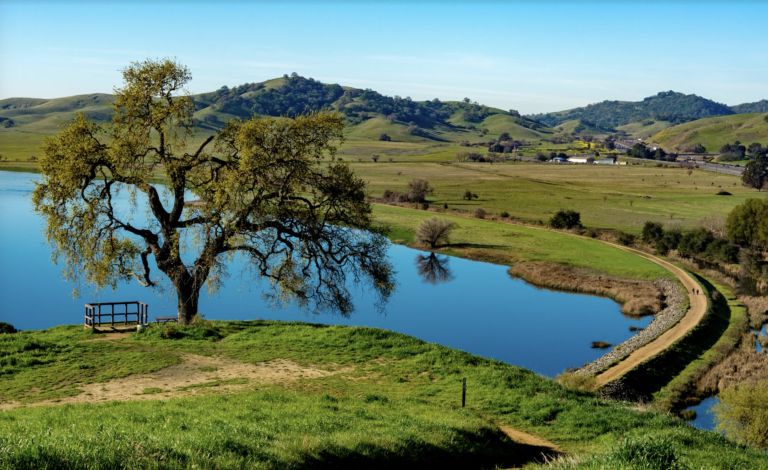
So what are the options for Bay dwellers? A new planned community called Lagoon Valley is being built between the Bay Area and Sacramento, and the project developers believe they are doing their part for planet earth. They are raising the green flag for all the people around the planet who may love Burning Man and glamping but ultimately want to settle into a place that helps define values and community and which may include aging parents.
Using green building codes that will go above Californian standards, Lagoon Valley says they will also protect, improve, and preserve more than 1,300 acres of land and resources. Eighty-five percent of the community’s specific plan is dedicated to open space and parks and recreation — creating an environment where wildlife and people can thrive.
With the Bay Area as the largest tech market in the United States, San Francisco has a cost-of-living index of 269.3, almost twice as high as Vacaville, California. Lagoon Valley, on the outskirts of Vacaville, which broke ground in June, anticipates its first residents will move in summer of 2023. It is just 53 miles from San Francisco and will provide fourteen neighborhoods with 1,015 homes varying in size and price ranges, including neighborhoods offering affordable housing, as well as age-qualified residences, and estate homes designed to encourage multi-generational living.
“We know that creating a conservation community is the right way. However, it is not the easy way, and Lagoon Valley has taken decades to plan,” says Curt Johansen, Development Director, Triad Lagoon Valley, LLC “Investing in the planet means living on it as lightly as possible. We’ve done that with this dynamic community.”
5 ways Lagoon Valley protects the earth and improves “human” well-being
Gardens in the center: The community’s organic, community-supported farming teaches children and adults to respect, protect, and care for the land in ways that inspire stewardship, social connection, and wellness, not to mention delicious dishes.
Wetlands preservation in situ: Communities that combine wetlands preservation and expansive wildlife habitat in their neighborhood planning create positive change. In addition to encouraging the ecological literacy of community residents, they help maintain a balanced ecosystem.
Solar Powered Homes: Solar energy, both active (for electricity) and passive (for winter heat retention and summer cooling), is no longer optional – it is essential to reduce our carbon footprint, reduce impacts to the biosphere, and mitigate climate change.
Car-optional community: like big cities where people can walk to work or walk to their local shops and community centers, Lagoon Valley is an intentional community that will make it easy for people to navigate and shop by foot or by bike.
Using reclaimed water: California’s drought problems are a liability if you are buying a home. Will you have water for the bath tomorrow? Lagoon homeowners have the option to reduce potable water consumption by up to 50% through reclamation of greywater built into their home.
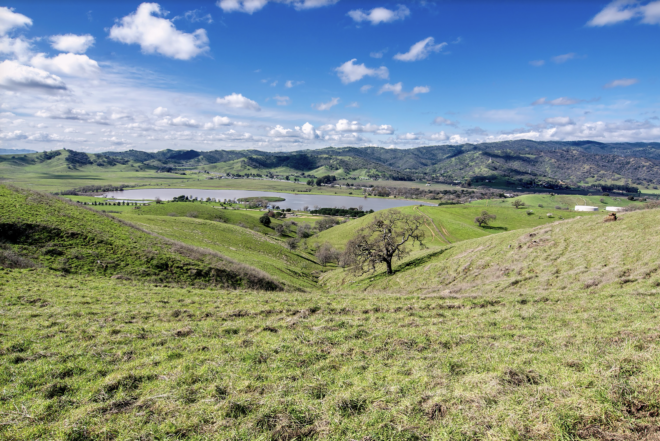
Some 72% of Lagoon Valley’s 2,400-acre specific plan is dedicated open space and 13% for parks and recreation. The neighborhoods are interconnected with trails that offer easy access to adjoining villages, the Town Center, the Community Farm, neighborhood parks, recreational facilities, an 18-hole golf course seeking Audubon certification, and a Community Event Center with a full complement of amenities. It will be the first conservation community of its kind in the San Francisco Bay Area.
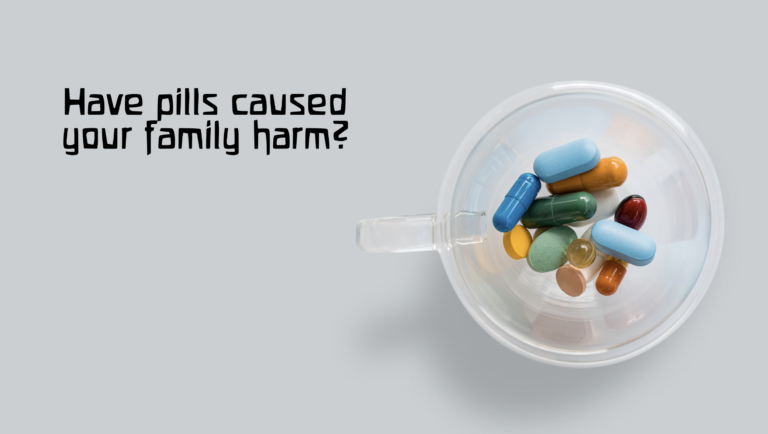
A simple medicine to treat heartburn may be linked to cancer.
Zantac, a ranitidine drug, has amassed a lot of limelight because of all the wrong reasons. The troubles for its manufacturers began to exacerbate in late 2019 when several reports were linked to its probability of causing various types of cancer.
Since its release in the 1980s, Zantac has been consumed, marketed, and deemed safe in the medical fraternity. Many people who suffer from illnesses including indigestion, heartburn, GERD (gastroesophageal reflux), and others have been using the medicine for years or even decades to address their symptoms.
Zantac (ranitidine) falls under the histamine-2 blocker class of medicines. It helps reduce the quantity of acid produced by your gut. It has traditionally been used to treat and prevent gut and intestinal ulcers. It has also been used to treat Zollinger-Ellison syndrome, a disorder in which the stomach generates excessive amounts of acid.
This led to the FDA directing all the manufacturers of ranitidine to remove the drug from the market in the U.S. The primary reason for this is that the use of Zantac may raise your chances of cancer because of NDMA, as mentioned above.
The usage of Zantac regularly may lead to many types of cancer including liver cancer. The hypothesis is that the drug’s metabolized by the liver, which can result in the formation of NDMA.
This NDMA can subsequently be transported throughout the bloodstream. Since NDMA generation after intake of Zantac (ranitidine) can occur in multiple parts of the body, it may be linked to a variety of malignancies.
Not Found By FDA, But An Online Pharmacy
The issue with liver cancer and serious liver disorders induced by ranitidine did not come to the notice of the FDA or drug firms. Instead, it was Valisure, an online pharmacy, that did the government service of notifying the public of this significant situation.
Valisure’s approach is to purchase pharmaceutical items and test them independently. The company is dedicated to public safety, and it has discovered contamination in several well-known pharmaceuticals.
Ranitidine contains NDMA
Just when knowledge of the NDMA (N-Nitrosodimethylamine) contamination reached Valisure, the pharma makers, and the shops themselves did react fast. Pharmaceutical corporations that developed Zantac and cheap ranitidine, according to lawsuits, knew for a long time that their medications included a cancer-causing chemical.
Liver Cancer and Zantac
Liver cancer is defined as cancer that begins in the cells of your liver. The liver is a huge organ located in the upper right section of your belly, beneath the diaphragm and above the stomach.
Several malignancies can occur in the liver. Hepatocellular carcinoma is the most frequent type of liver cancer, and it starts in the primary type of liver cell known as hepatocyte. Hepatoblastoma & Intrahepatic cholangiocarcinoma are two less prevalent kinds of liver cancer. While in some cases, liver cancer is treatable, the fatality rate associated with the condition is alarmingly high.
At this time, there is no way of knowing how likely it is that you may get liver damage after taking Zantac. However, there is evidence that the NDMA in Zantac may raise the chance of developing liver problems.
People who have acquired the following cancers as a result of persistent and extended usage of Zantac or comparable ranitidine medicines may be eligible for compensation, in addition to liver cancer:
Bladder cancer is a type of cancer that affects the bladder
Cancer of the stomach
Cancer of the oesophagus and colon
Renal/kidney cancer
Leukemia
Multiple Myeloma
Lymphoma Non-Hodgkin’s
Pancreatic carcinoma is a type of cancer that affects the pancreas
Prostate cancer is a type of cancer that affects men
Cancer of the small intestine
Conclusion
Zantac is no longer available on the market due to various legal claims from cancer patients who were diagnosed as a result of its prolonged use. Just like many other cancer claims, the claims of Zantac causing Liver cancer are not yet fully proven. But there are reported instances where regular use of Zantac has resulted in liver problems. Science will know more in the years to come.
Summer staycations means saving money, keeping things simple and real. How about making your own sunscreen? It's healthier and toxin-free.
With summer on the horizon, some people are looking forward to booking vacations to take advantage of the warmer weather, and the time their kids have off from school. Unfortunately, not everyone can afford to go away to enjoy some fun in the sun, and the good news is — they don’t have to. Whether or not a family goes away for a week or two during the summer months, there is still the rest of the time to enjoy. The best thing is that none of them will break the bank, so you can have fun and drink in the summer weather while keeping your budget intact.
Hiking and Biking
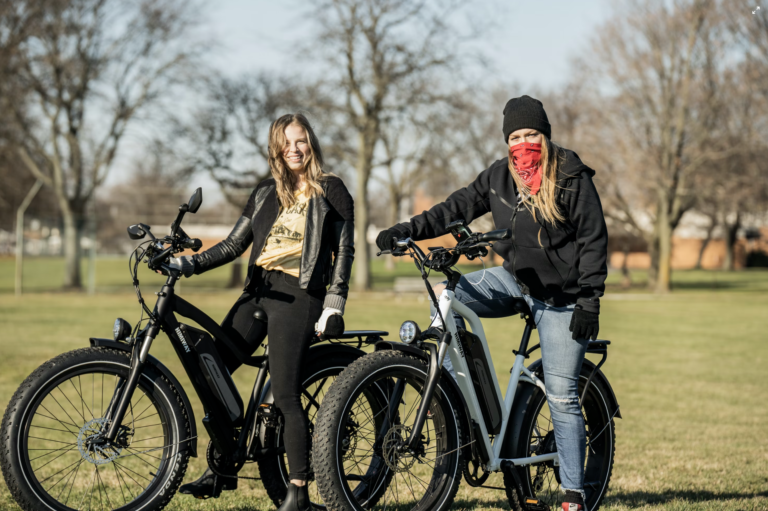
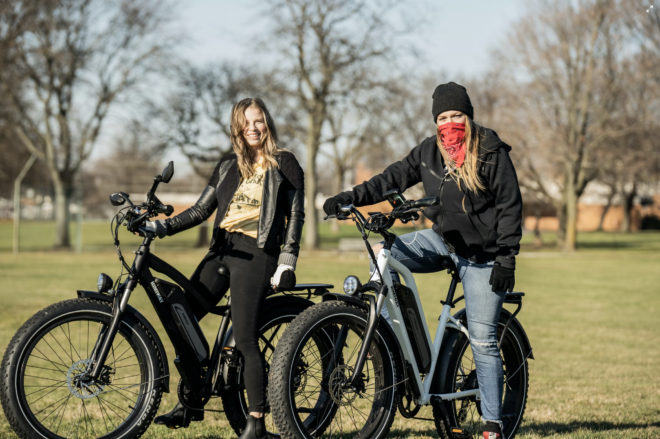
Depending on the size, exploring a new park can be overwhelming, so it might be a good idea to bring a bike with you on the adventure. If you choose to hike, be sure to wear good hiking shoes and sunscreen. You want to tell someone where you’re going, your route, and when you expect to be back in contact. Taking this step can help keep you safe by giving you a point of contact to alert authorities if they suspect you’re in trouble.
Remember, anything can happen on a hike or bike ride because accidents aren’t planned. Even if you’re trained in CPR or have taken the ABEM practice test, that will do little good stuck in the wilderness. So, be sure to have an emergency plan while you bask in all that nature has to offer.
Picnics and Parks
Some would say the perfect way to enjoy the summer weather is to go outside and breathe it in. Taking that concept a bit further, how about packing a picnic lunch and heading to your local park. Better yet, still pack the picnic, complete with potato salad, cold fried chicken, and lemonade, and venture to a new park you’ve never explored before. If you happen to be visiting the US, hundreds of national parks all across the nation participate in fee-free days on certain calendar dates. The National Park Service holds the event every year, so check their site for changing dates. Check parks in your area of the world to see if they run similar programs, or just pick your favorite tried and true spot.
After your lunch, while still at the park, enjoy the greenery and flowers all around you as you explore nature. If available, print off or pull up a map of the park so you can plan your route and bring water for the whole family.
Your Backyard
Enjoying the summer sun doesn’t have to happen somewhere far away or even anyplace new. Sometimes the best place to have fun outside is your own backyard. Fire up the grill, invite friends and family, and play some music while you refresh with a cool glass of iced tea. You can even set up sprinklers for everyone to cool off or a slip and slide if you don’t have a pool to take a dip in. Try looking for foraged plants while you are at it.
Splash Around
One of the best things about summer is getting to splash around in the water. If you don’t have a pool in your backyard, maybe you could visit a local public pool or take a drive to the beach. Listening to the ocean water crash on the shore while sinking your toes in the sand or riding the waves is a classic summer treat. Depending on where you live, water is an essential part of any summer plan. Even if swimming isn’t your thing, there are sprinklers, water balloons, and water guns that can cool you and your guests off when things get too hot. There are rivers and raw water springs and everything you need the moment you look for it.
As you can see, there are many ways to take advantage of the summer months and make memories that will last a lifetime.
Alt Dairy, Alt Meat and Alt Fish are hot trends in the food tech industry. Plus they help farmers produce more protein. Vegans are pushing for the conversion to non-animal sources of milk, meat and fish, and the planet needs it badly too. Animal byproducts are causing climate change.
Maybe because Israel has the highest number of vegans in the world per capita or maybe because the Jewish Kosher food business has always pushed food additives from alternative non-pork or not-dairy sources to follow Jewish Dietary Laws, but Israel is seeing a disproportionately high number of Alt Meat and Alt Dairy companies ranging from cricket burgers to steak grown in a lab from real cow cells.
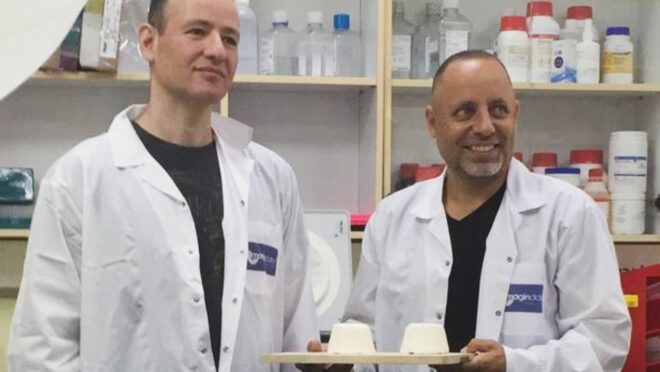
FoodTech startup Imagindairy, developer of animal-free milk proteins, or in simpler words – milk made in a lab – secured an additional $15M USD in its extended seed-round. The initial round in November 2021 brought in USD13M. This brings the total investment capital to USD28M, making it one of the highest-earning seed rounds in the alternative protein space.
The funding was led by Target Global and joined by the company’s existing investors Strauss Group (which just suffered, Emerald Technology Ventures, Green Circle Foodtech Ventures, Collaborative Fund, New Climate Ventures, and FoodSparks® by PeakBridge, demonstrating a robust commitment to the company’s future progress.
In its mission to provide consumers sustainable, better-for-you, guilt-free dairy solutions, the alt-protein innovators found a way to create animal-free milk proteins from microorganisms via proprietary precision-fermentation technology. The technology allows the production of a broad spectrum of dairy analogs, from raw milk to cheese, without involving animals.
Imagindairy’s dairy proteins are non-GMO, cholesterol-free, and possess the same flavor, texture, functionality, and nutritional value of their cow-based counterparts. Most importantly, they eliminate the burden that livestock imposes on the environment.
Imagindairy’s proprietary platform significantly amplifies protein expression, enabling exceptionally cost-effective production of animal-free milk proteins. This overcomes one of the biggest hurdles in alt-dairy protein production, allowing brands to sell analog dairy products at consumer-friendly prices—a major requirement for mass-market adoption.
The funds raised in this seed round will be used to accelerate the company’s R&D efforts to launch a range of real dairy products without using animals. It also will help attract additional talent to its expanding workforce. Imagindairy is currently in dialogue with major dairy food producers seeking to diversify their product portfolios.
Farmers growing feed for the animal industry? Don’t worry. You will be growing more protein if you switch to growing food for us humans to eat.
Ground chaga for tea is believed to be a natural protection against cancer. But what do you do when the C word happens to you? There are some natural and non-medical ways for treating your health and peace of mind.
Being diagnosed with cancer is one of the worst things anyone can ever wish for. You may feel frightened, terrified, or depressed after learning of your cancer diagnosis and worry about dealing with it in the coming days. But the good news is that you have options and people who can help you through it.
Before engaging in any self-care, you may need advice from a certified practitioner. For example, someone interested in esophageal cancer natural treatment options should talk to their doctor first before trying anything.
Find Out All You Need to Know About Your Cancer Diagnosis
To make decisions about your medical care, try to get as much helpful information about your cancer diagnosis as possible. This includes information about your cancer type, risk factors, treatment options, and prognosis. The best way to get this is from your doctor. You can either do it (in person or via Skype if needed), who will know all there is to know about your case. So speak to your doctor and try to gather as much information as possible to make informed decisions about treatment.
Stay in Touch with Your Social Circle
Cancer can be a lonely period in your life. When you are experiencing a cancer diagnosis, you have to deal with the physical pain and mental stress of having cancer, but you also have to cope with the possible isolation it can bring. When friends and family may not know what to say, you must stay in touch with your social circle and let them know how they can help you through this difficult time.
Educate Yourself
It is crucial to learn about your specific type of cancer and the best and most innovative cancer treatments available. You can best do this by reading, talking, and asking questions of professionals who offer treatments.
Make Your Own Treatment Decisions
You are the most critical factor in your cancer battle, so do not be afraid to make your own decisions about it. You know what is best for your body and what works for you. Base your decision on the information given to you by your doctor, but ultimately, rely on yourself to decide what cures can work best for you with the help of a medical professional who does not try to push any particular treatment plans onto you.
Be Optimistic and Use Humor
Cancer can be scary, especially when you are going through a particular treatment for it. But, try to stay positive and use your sense of humor when you can to make your cancer journey as easy as possible.
Try Not to Get Overwhelmed by The Physical Pain
Cancer causes severe physical pain, so try not to let it overwhelm you with fear or depression and think it will never disappear. Cancer is a disease and must be treated like one, but there are ways to help ease stress and make treatment easier for you.
Get A First-Hand Look at The End of Treatment
If you are going through therapy or treatment, you should try to get a first-hand look at the end of it all. For example, in many cases, chemotherapy patients may prefer to have the time to finish their treatment before the chemo ends to start their recovery from it as soon as possible. If you are going through therapy or treatment for cancer, try to be patient and wait until your doctor deems that you can handle it all before the end of your treatment.
Try Mindfulness
Forest bathing is a kind of therapy called for in some cultures like Japan.
Mindfulness is a great way to cope with cancer and its treatments. By being mindful, you will be able to rethink your psychological condition, find your inner strength, and connect on a personal, more profound level with yourself, helping you through the whole treatment process. Mindfulness can be powerful for cancer survivors, especially when coupled with self-compassion.
Find Ways to Stay Productive Despite Illness
Cancer can be devastating if it prevents an individual from being happy and productive. However, during treatment periods and beyond, an individual can stay productive and reach out to others in a way they once could not have before they were diagnosed with cancer.
Conclusion
Do not despair when you are diagnosed with cancer. When you follow the proper steps daily, you will become the victor. The path to your recovery is as critical as the treatment itself.
The road ahead will make you stronger, so do not give up. It’s essential that you know what to expect, have read up about it, understand your diagnosis, and have the know-how to prioritize the next steps in your cancer journey. Fighting it comes from inside you—finding wisdom and strength from within—so be confident in yourself and go for it!
Emirates might be the world’s sexiest airline (though we don’t suggest joining the Mile High club on a journey to Dubai) but Saudia but be the most eco-sexiest so far. The airline we have never heard of, the national flag carrier of the Kingdom of Saudi Arabia, has operated the world’s longest net positive flight in May this year.
On its maiden net-positive voyage in from Jeddah to Madrid, Saudia claims it offset a total of 346 tonnes of carbon emissions for commercial passenger flight SV227, making the flight flight net-positive. This means that the passengers of this flight help offset more greenhouse gases than their travel created.
Operating with a Boeing 787-9 Dreamliner, the flight time was 5 hours and 55 minutes. It departed from King Abdulaziz International airport in Saudi Arabia at 1030 hrs and arrived at Adolfo Suárez Madrid–Barajas airport at 1535 local time.
The most “eco” way to fly is not flying at all, and the next step is creating greener fuels, more direct flights, but we should still praise airlines looking to go the extra mile despite so many challenges Covid has thrown at the airline industry.
How do you make a flight next positive?
The most creative way would be an airplane that sucks greenhouse gases from the atmosphere as it flies. As that’s not a realistic solution, Saudi turned to CarbonClick and aviation consultancy SimpliFlying.
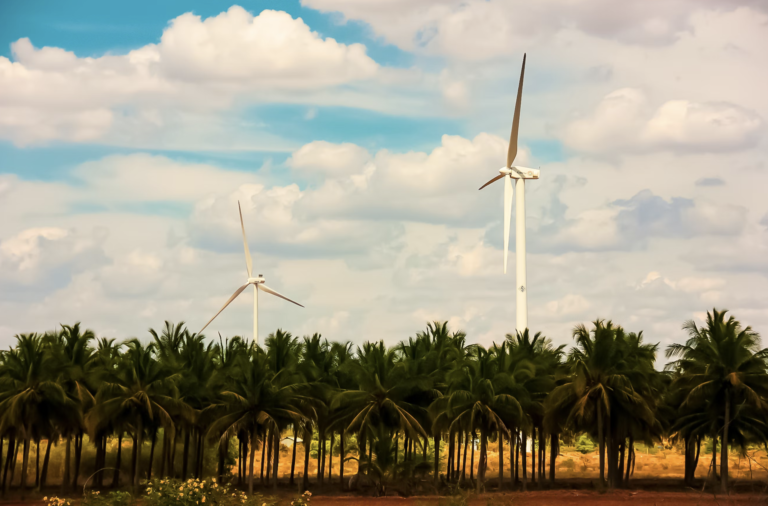
CarbonClick will use proceeds from the flight to generate clean wind electricity for communities in India. From the offsets bought, wind turbines can be powered for 26 days, generating clean energy for the local population.
The project is building wind power in India, displacing an equivalent amount of carbon-intense electricity which would otherwise rely on dirty fossil fuels for cooking, like coal. The contribution by Saudi to this project will supply clean energy to the grid, providing sustainable electricity to families living in Bhuj, in the western Indian state of Gujarat.
CarbonClick has also provided a landing page for guests on all Saudi flights allowing them to voluntarily offset the carbon emission of their travel. Guests who visit this page will be able to calculate the CO2 impact of their flight and make a contribution towards climate-friendly travel, receiving a verified receipt to fully-traceable carbon offsets.
But we can’t discount the efforts: This flight is SAUDIA’s entry into The Sustainable Flight Challenge, an initiative by SkyTeam, one of the world’s three major airline alliances. All SkyTeam airlines are being challenged to go above and beyond by finding the most sustainable way to operate one single flight in their existing networks.
SkyTeam is one of the world’s three major airline alliances. Founded in June 2000, SkyTeam was the last of the three alliances to be formed, the first two being Star Alliance and Oneworld, respectively. Its annual passenger count is 630 million, the second largest of the three major alliances.
The 20 airlines that are members of SkyTeam include Aeroflot, KLM, Korean Air, Vietnam Airlines, and XiamenAir.
Carbon demands now from the millennial generation make it complicated for any business to face a world where they can do better. But in Saudi Arabia’s case future flights may end in the use of novel clean technolgies such as cleanly-produced hydrogen fuel.
Let me explain: Despite Saudi Arabia’s often misinterpreted ideas of how modernity and sustainability should go together (see Neom on the Red Sea) which is paid for by big oil money thanks to Saudi Aramco (the wealthiest company in the world); and Saudi’s undiplomatic response to journalists they don’t like; and the lavish spending habits of its ruling family and Prince, Saudi Arabia is also taking on risks where other companies and countries wouldn’t dare. Its investment into solar desalination early on, and commitment to unproven hydrogen fuel are just a couple of many examples.
“The Kingdom’s Vision 2030 will see 100 million visits to Saudi Arabia by the end of the decade,” said Saudi CEO Ibrahim Koshy. “A cornerstone of that vision is for the Kingdom to be a leader in sustainable and even regenerative tourism.
Regenerative is usually applied to agriculture, an approach that includes permaculture, animal systems and human needs into the picture. Since women in Saudi Arabia are not yet to travel aboard without a man’s permission we leave the level of Saudi’s “regenerative tourism” concept to your imagination. Saudi Arabia does have an ambitious plan to plant a million mangroves. (See: In Saudi, it looks like behind every thriving mangrove, there’s a strong woman.)
Saudi Arabian mangrove forests can help mitigate climate change
The flight will also see the world’s first in-flight sustainability lab, where passengers contribute ideas on how air travel can become ‘greener’, led by SimpliFlying.
“Aviation is a difficult sector to decarbonize. New, more sustainable technologies are emerging, but those advances can be easily outpaced by industry growth,” says Michelle Noordermeer, Chief Operating Officer at CarbonClick. “SAUDIA is setting a huge example by showing what can be done now, carbon offsetting, and using quality carbon credits as a powerful way to remove carbon and neutralize the impacts of radiative forcing.”
Saudi-owned and world’s largest oil company invests in food
Saudi Aramco is investing in what many people hail as food for the future: hydroponics. Hydroponics means growing food crops like lettuce and fresh herbs (it started with cannabis in Canada) using a water based medium and added nutrients to a closed loop system based on plastic pipes. Hydroponics works well for growing cannabis where the cost of the product is high, but its application for food at items such as lettuce and fresh herbs is still being challenged as a viable business model.
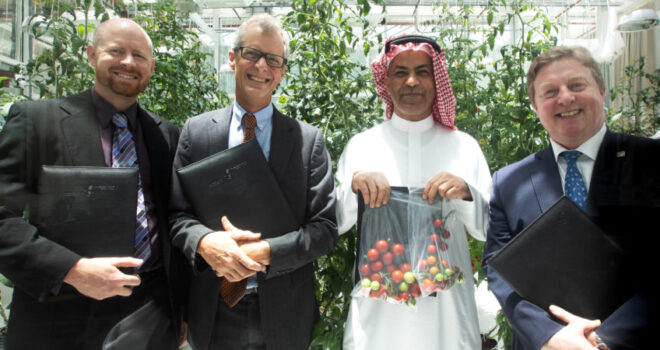
Investors with money to spare are trying on hydroponics: Saudi Aramco has led a $18.5 million USD investment round with the The Savola Group to grow soilless agriculture at the Red Sea Farms in Saudi Arabia.
Saudi Aramco, officially the Saudi Arabian Oil Company, is a Saudi Arabian public petroleum and natural gas company based in Dhahran. As of 2020, it is one of the largest companies in the world by revenue. It is 95% owned by the Saudi government ruled by the Saud family.
The Red Sea Farms is a jointly-owned Saudi Arabian and United Arab Emirates agtech business that uses less freshwater than traditional agriculture through hydroponics, an approach to farming that requires, still, a heavy dependence on synthetic fertilizers to work.
Red Sea Farms is building an indoor farm to sustainably feed guests at The Red Sea Project and be a main supplier to the luxury destination’s resort; it has partnered with Silal in the UAE to deploy new technologies for sustainable desert farming.
In January 2022, Red Sea Farms expanded into the USA and recently completed a new commercial-scale 6-hectare technology retrofit site near Riyadh, KSA and an R&D facility at the King Abdullah University of Science and Technology in Thuwal, KSA – where technologies are delivering results ahead of expectations.
What is the Red Sea Project?
The Red Sea Project is the world’s most ambitious tourism project, offering an exclusive experience of unparalleled diversity for discerning global travellers. The site encompasses an archipelago of more than 90 pristine islands, miles of sweeping desert and dramatic mountain landscapes.
Red Sea Farms, which will supply food the Red Sea Project, has raised a total of USD $36.5 million to date.
I was at a luxury, sustainable resort in Thailand called Keemala that offered hydroponics food to their guests. A peek under the hood in the backyard and I could see the hydroponics were hardly in operation. Good in theory, in practice, very difficult to do without the right oversight.
For the Red Sea Farms, the recent fund raise was co-led by Wa’ed – the venture capital arm of Saudi Aramco and The Savola Group – the leading strategic investment holding group in MENA food and retail, through their corporate venture capital program. KAUST Innovation Fund, one of Red Sea Farms’ original investors, is also participating, along with OlsonUbben LLC, an investment entity owned by Tony Olson and Jeffrey Ubben. Tony Olson is the CEO of SPINS, a leading wellness-focused data company and advocate for the Natural Product Industry, and Jeffrey Ubben is the Founder and Managing Partner at Inclusive Capital Partners and a pioneer in impact investing.
Proceeds will support Red Sea Farms’ global and regional expansion plans – including expansion of the fresh produce business in the GCC. Global expansion is focused on technology development, and productization – with first generation product sales expected by Q4 2022.
Solar technology advancements have influenced daily life and industry operations over the years. One such advancement involves hybridisation.
Hybrid solar systems are similar to grid-tier solar systems, but they differ in that they store energy using hybrid batteries and inverters. Most hybrid systems can also function as backup power source if a blackout occurs, similar to an uninterruptible power supply (UPS) system.
If you’re unfamiliar with solar technology, including inverters, you may find it difficult to understand them. If you want to learn how hybrid inverters work, you might want to click here to ensure a good start. Although there are a variety of inverters available, hybrid solar inverters are a good option.
How A Hybrid Solar Inverter Works
In general, an inverter is a component of a solar power system that transforms the direct current (DC) originating from the solar panels into alternating current (AC) for usage in homes and businesses.
A typical inverter with solar panels requires an additional inverter to convert AC to DC. A solar panel system with a hybrid converter no longer needs a separate battery inverter. It can work as an inverter that converts energy from the solar panels into electricity while also acting as a battery. Although hybrid inverters are specially structured to integrate storage, a professional can install one without batteries. Some people prefer to install a hybrid inverter ahead of time in case they’ll be adding batteries to their system later on.
What Are The Types Of Hybrid Systems?
There are four major types of hybrid systems, which include:
Basic hybrid inverter
Multi-mode hybrid inverter
Advanced AC-coupled systems
All-in-one battery energy storage systems
In most circumstances, an energy-efficient hybrid solar design with smart controls that identify the most efficient use of available energy is considered an energy-efficient hybrid solar system.
With all these pieces of information, you now have to look at the pros and cons to help you decide about hybrid solar inverters.
The Pros of Hybrid
Ongoing Power Supply
A hybrid solar energy system with storage batteries connected to the inverter can deliver a continuous power supply. If a power shortage unexpectedly happens, the batteries will act as an inverter and provide backup power.
Many believe that if they install a solar system, they’ll never run out of power if a power outage occurs. However, this isn’t true in most cases because traditional grid-tied solar inverters cut off power production from your solar panel system during power outages for safety reasons.
One way to ensure you have backup solar power during a grid outage is by pairing a hybrid inverter with batteries. Some of the hybrid models can work both on-grid and off-grid. It’s an advantage as it provides solar power for your home or establishment, even if the power is cut off.
Use Of Natural Resources To Their Full Potential
Because a battery system is connected to a hybrid system, the sun’s rays are fully utilised on bright sunny days. Generally, the system allows optimal usage of solar energy by storing it during sunny days and utilising the stored power during gloomy or overcast days.
Coordinated Monitoring
When you have a hybrid solar inverter, all the electricity you’ll use for your home, sent to the grid or stored in the battery, undergoes conversion through a single component. The process allows centralised monitoring in which you can monitor both the solar panel system and battery performance on a single platform.
The Cons of Hybrid
Supplemental Add-ons Or Modifications For An Existing Solar Panel Systems
If you currently have a solar panel system and plan to incorporate a battery, an AC-coupled battery with an inverter is an option. A hybrid scheme will entail extra labour and cost because your solar panel system currently has a grid-tied inverter.
Costly Installation
The addition of a hybrid inverter plus batteries to your current system is likely to fetch a higher price than installing a grid-tied solution.
If you have regular power outages or want to use a battery for savings on your utility bill, the extra expense may be a beneficial investment. The conventional grid-tied solar system may be an affordable choice if your power grid is reliable in your area and your utility company offers a favourable net metering incentive.
Short Battery Life
Most battery models have a lifespan of seven to fifteen years. This means you have to get batteries now and then or keep one in stock for when the battery in use comes to the end of its term in the midst of a blackout.
Final Thoughts
A hybrid solar inverter might be the ideal choice for those who want to use a renewable energy source to help the environment. Although a hybrid solar inverter seems promising, knowing about the advantages and disadvantages is crucial so that you can decide if investing in one is right for you.
Let’s say you have a sustainable business, maybe in solar energy? Or let’s say you’ve planned everything about end of life, like a green burial. How can the afterlife be sustainable if your loved ones aren’t able to take ownership of the loving, ecological business you created? Learn how to save your green assets from the tax man.
Spend time talking to other business owners and you’re probably going to hear about probate nightmares that families, would-be successors and business owners have faced. These problems might include huge expenses, long delays, and complex court battles. Arizona probate problems and probate problems in other states can be time consuming, expensive, and a pain in the neck. In terms of expenses, they might include lawyer fees, filing fees, and publication charges.
Dig a little into the root causes of the probate issues and most tend to be caused by poor estate planning. Most of the issues can be avoided if the decedent leaves their estate in order.
The following advice includes ways that business owners can avoid probate problems.
Write a Living Trust
Writing a living trust is one of the simplest ways to avoid a probate problem. It is an alternative to the Last Will and outlines how you want your assets to be distributed when you pass. In short, it places your properties in trust.
The properties are managed by the trust for the ultimate benefit of the beneficiaries. A living will is an estate planning tool that helps you avoid probate and the cost of probating a Will. This is because your assets and properties are distributed to the trust.
In case your estate includes a significant life insurance policy, creating an irrevocable life insurance trust (ILIT) can help ensure those proceeds aren’t subject to probate. This allows the benefits to go directly to your intended beneficiaries without delay.
Write a Will
If you’re a business owner and die without a will, the probate law of the state takes over and manages the distribution of your properties and assets to the proper parties. When a Will is probated, property is distributed according to the Will. However, the presence of a Will doesn’t mean probate is skipped.
What a Will does is reduce the cost of probate and inform the probate court what you want to happen to your business and other assets.
It’s best if you look for a lawyer to help you write a will. In addition, you’ll need to appoint an executor to handle your estate for you when you die.
Another good idea is to assign someone to manage your business while probate is taking place and arrange a Power of Attorney in the event of disablement or incapacitation.
Establish Real Estate Joint Ownership
In probate, real estate may be considered a business asset whether the property is owned independently or rented to your business. Arranging joint ownership is something you can do if you want to eliminate or mitigate a probate issue.
Joint ownership will include a detailed survivorship plan, a transfer on death deed or a life estate. If business real estate has joint ownership, the title will be transferred to the remaining owners if one owner passes away.
Create a Business Continuation Plan
Having a succession or continuation plan can also help to avoid a probate issue. The plan states who will hold the business ownership when you pass.
When you’re writing the plan, you have the opportunity to consider your family and the best interests of your business. For example, you might want to assign another business partner to manage the business, while a family member owns it.
A continuation business plan is prepared in advance. With such a plan in place, business operations can continue. However, the business will not continue if the probate judge orders liquidizing of business assets to pay debts.
Keep Your Assets Separate
Aim to maintain a clear distinction and separation between personal and business assets. If you don’t do this, it can become very difficult to untangle the two in your estate planning.
You may already have done this for tax purposes and to help shield yourself from liability. However, it’s especially important if you want to avoid probate with your business assets.
Think and Act Ahead
It’s possible to avoid most probate issues if you set up an estate plan. Tools that can help your successors, remaining business partners and family members include a trust, a Will, power of attorney, joint ownership of real estate and a business continuation plan.
If you have these in place before you die, it will help avoid the headaches and nightmares of a tedious probate process. You should also consider seeking a specialist lawyer to help you with your estate planning.
Ebikes are not regular bicycles that you power with your feet. Some of them are very powerful machines and without helmet enforcement and riding on bike lanes can be a danger to pedestrians and the drivers. Know your rights even if you think you are driving sustainably.
According to the observation of the rider of a two-wheel ride, the motorcycle is 63 times more prone to being killed or suffering severe injuries than car drivers. Most of the time, motorcyclists are fully aware of traffic rules and their responsibilities while sharing the same roads with vehicles many fold heavier and are fully aware of how dangerous it is to collide with other vehicles.
Unfortunately, still most of the time, they are the ones who are blamed for being careless and irresponsible for collisions. A motorcycle accident, and more commonly now with ebikes, often involves serious injuries which can cause mental, physical, and financial impacts on the lives of the individual. Resulting injuries and disabilities may have lifelong effects. They must need legal guidance and expertise to secure maximum compensation and the best possible rehabilitation after the accident.
Causes of motorcycle accidents.
There may be many causes of motorcycle accidents, including road spillage, bumpy or defective infrastructure, hit and run accidents, disbalancing, and irresponsibility of another vehicle.
Who can you file a claim against for liabilities?
Driver’s liability
The vehicle’s driver involved in the collision is held responsible if they are driving carelessly or ignoring the motorcycle traveling nearby while taking turns or changing lanes. Most of the time, it happens when the accused driver is busy on-call or is texting something, or they are driving drunk. Driving drunk or intoxicated may impair the vision ability to judge and affect the driver’s reaction time. Driving cars with exceeding speed limits may also make it difficult for them to spot motorcyclists.
Liabilities of automakers
An automaker of the vehicle is held responsible if a collision happens because of the vehicle’s parts malfunction. For example, bursting of the tire of any of the vehicles involved or malfunctioning of brakes or any other system became the reason for the injuries and other damages.
Liabilities of local or state government:
Sometimes accidents happen due to defects in the infrastructure designs of highways, intersections, and flyovers by the government. The inappropriate infrastructure designs can be held liable for the claim if a collision occurs because of them.
Liable compensations for motorcyclist injuries:
In case of a collision, a motorcyclist may claim for
Medical expenses:
This includes medical expenses like labs, scans, fractures, cuts, lacerations, brain, spinal injuries, medicines, and hospitalization.
Loss of income:
After severe injuries or disabilities, motorcyclists may need to rest, and they may not be able to carry on their job resulting in loss of income.
Claiming for pain and sufferings:
Although it is not easy, with the help of an experienced lawyer, one can claim the pain and suffering due to disabilities, scarring, and disfiguration of the victim.
Property damage:
The affected person may also claim the motorcycle’s damage or associated property damage.
A motorcyclist who has suffered mentally, physically, or financially can claim compensation for their losses if they contact a motorcycle accident lawyer. They will investigate and help them collect evidence to claim liabilities.
Covid has taught us one thing. We love to cook at home and we need to have fresh, meaningful and healthy food at our fingertips. Making your kitchen a great place to cook and hang out in at the heart of your home is a big step towards a very sustainable home.
If you have a love for baking and are always whipping up cakes, pies, cookies, brownies, and other delectable desserts but don’t have enough storage in your kitchen, you need a baker’s rack. A baker’s rack with drawers is an even better idea. These baker’s racks provide enough storage for your supplies and ingredients. Everything is kept in one place, so you aren’t scrambling around the kitchen.
But, before you run out and buy one, there are a few things to take into consideration. One of those things is the size of the rack. Take measurements, so you know what dimensions will fit. You don’t want one that will overwhelm the space, especially if there’s already a lot of heavy furniture in the room. A wooden rack with cabinets may be too much, but a wire rack is visually much lighter and may be the best option.
The material is just as important to your décor as the size. Metal baker’s racks are very common and less expensive than solid wood racks. However, the durability offered by a wooden rack would be right for busier households.
Wrought iron is another popular material for baker’s racks that are used outdoors. They’re great for gardeners to store their tools and other supplies. Gloves, trowels, fertilizer, and dirt can all be kept on the shelves. When you want to show off your green thumb, place plants or flower arrangements on display.
Bakers racks with drawers are a storage solution that won’t steer you in the wrong direction. Place one in your bathroom and keep all the extras you need in the drawers, everything from toothpaste to toothbrushes to ointments and salves.
Use one in the guest bedroom and keep it stocked with everything your visitors need to enjoy their stay. Body washes, towels, tissues, and more will all be in one easily accessible central location.
Drawers give the rack an organized, clean look. When you have them, you don’t have to worry about finding baskets to keep everything in its place.
Your living or family room will also benefit from storage provided by a baker’s rack. Is our television set mounted to the wall? If so, you may still have placed a bulky media stand underneath it to hold the cable box and streaming devices your household uses. Your gaming console may even be on the stand.
Get rid of that media stand and free up some floor space with a slim baker’s rack. One with four to six tiers should be able to handle your streaming boxes and game console. Place it next to the television and give the space a more streamlined look.
There are a few other features you want to look for in a baker’s rack. Casters are one of them. If you want to move the rack around the kitchen as you cook, the casters will make the piece mobile. Choose a rack that allows you to enjoy being at home.
Done making a great, sustainable kitchen? Don’t stop here:
Ever visit a 7-11 in Thailand? Or a convenience store anywhere in the world? How about the middle aisles of every grocery store? Single bananas wrapped in plastics. Refined foods, sub-divided, then wrapped. Single cookies. Single candies. Single everything in a plastic coating in a plastic bag in a plastic lined box. How long can this go on? Climate scientists call for a plastic diet, asking governments to cap production.
An international group of experts says the production of new plastics should be capped to solve the plastic pollution problem. The authors argue that all other measures won’t suffice to keep up with the pace of plastic production and releases. The letter was published in the journal Science.
Plastic Soup draws an atlas of plastics and where they are accumulating around the world.
Capping production of new plastics, the authors implore, will help cut their release to the environment — and the release of dioxins, PVC, Bisphenol A— and brings other benefits, from boosting the value of plastics to helping tackle climate change., the scientists write in their plea.
Regulating, capping, and in the long term phasing out the production of new plastics.
“Even if we recycled better and tried to manage the waste as much as we can, we would still release more than 17 million tons of plastic per year into nature,” says Melanie Bergmann of the German Alfred-Wegener-Institute, the initiator of the letter. “If production just keeps growing and growing, we will be faced with a truly Sisyphean task,” she adds.
The gold dust bought at Walmart may make your graduation photo pretty. But one blow and it’s forever cycling as microplastics that will get into our lungs.
Research published in Science in 2020 shows that plastic emissions can only be cut by 79 per cent over the next 20 years if all solutions available today are implemented, including replacing some plastics with other materials, and improved recycling and waste management.
“The exponentially growing production is really the root cause of the problem, and the amounts of plastics we have produced thus far have already exceeded planetary boundaries,” says Bethanie Carney Almroth of the University of Gothenburg, Sweden. “If we don’t tackle that, all other measures will fail to achieve the goal of substantially reducing the release of plastic into the environment,” she said.
Why we should plastics in feeding animals
Phasing out the production of new plastics from fresh feedstocks should be part of a systemic solution to end plastic pollution, the experts from Canada, Germany, India, Norway, Sweden, Turkey, the UK and the U.S. argue. This approach is supported by the best science available today and in line with what political and legal experts proposed in Science last year.
Along with measures to address the consumption and demand side of the problem — such as taxes — a comprehensive approach must also cover the supply side, meaning the actual amount of plastics produced and put on the market.
Gradually cutting the production of new plastics will come with many societal, environmental and economic benefits, the scientists say.
Sedat Gündoğdu of the Cukurova University, Turkey, says “The massive production also feeds the plastic waste transfer from the Global North to the South. A production cap will facilitate getting rid of non-essential applications and reduce plastic waste exports.”
“We gain a lot of benefits from plastics but reducing production will increase the value of plastics, boost other measures to curb plastic pollution, help tackle climate change and promote our transition to a circular and sustainable economy,” adds Martin Wagner, an ecotoxicologist at the Norwegian University of Science and Technology.
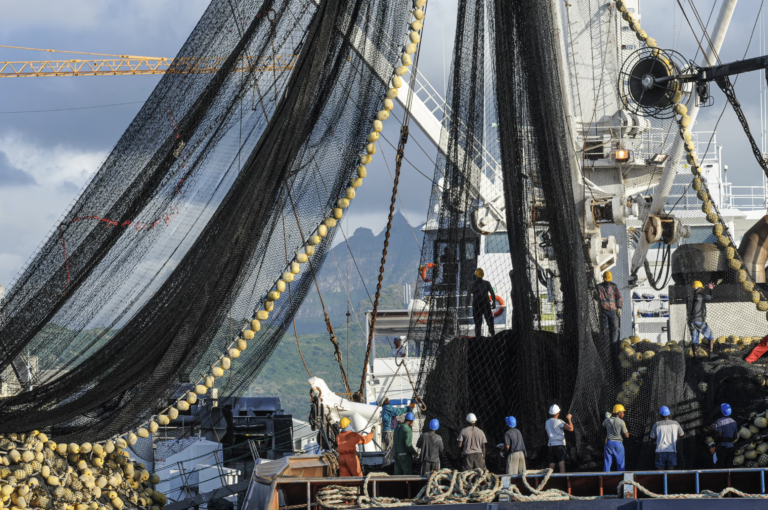
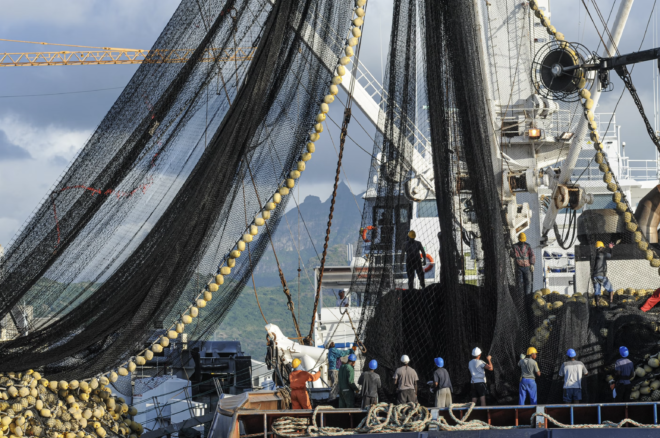
That means with every fish you eat that’s caught from the sea, chances are other wildlife paid the price for your palette. And not just dolphins, but seals, sea turtles, sharks and sting rays are also getting trapped and killed by fishing nets.
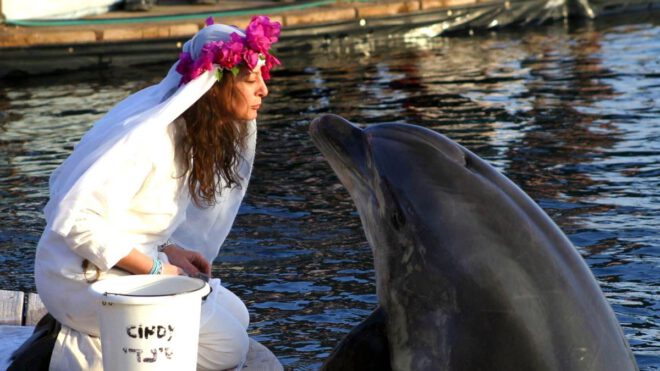
With this herring I thee wed: woman marries dolphin in Israel
An international team of researchers from the United Arab Emirates and the UK have developed a method to assess sustainable levels of human-caused wildlife mortality, which when applied to a trawl fishery shows that dolphin capture is not sustainable. (But is dolphin marriage? Remember the story about the woman from the UK who married a dolphin in Israel? The dolphin died in 2021)
The new study, led by scientists at the University of Bristol and United Arab Emirates University was published in the journal Conservation Biology.
Human activities like commercial fishing can result in the accidental death of non-targeted wildlife, threatening protected and endangered species. “Bycatch and discarding of marine wildlife in commercial fisheries are major challenges for biodiversity conservation and fisheries management the world over”, said Simon Allen of Bristol’s School of Biological Sciences, who studies dolphin behaviour and interactions with fisheries.
Bycatch Reduction Devices were placed in Western Australian trawl nets in 2006, but no quantitative assessment of the impact was carried out.
“We set out to model different levels of dolphin capture, including those reported in skippers’ logbooks and those by independent observers. Unfortunately, our results show clearly that even the lowest reported annual dolphin capture rates are not sustainable”, Allen said.
How to solve the dolphin bycatch problem?
The study’s lead author Oliver Manlik, Assistant Professor at the United Arab Emirates University explained how the researchers introduced a novel approach to assessing human-caused mortality to wildlife that can be applied to fisheries bycatch, hunting, lethal control measures or wind turbine collisions.
“And when we incorporate stochastic factors, random events, we show that previous methods of assessing wildlife mortality were not conservative enough,” says Manlik: “This raises concerns for the dolphin population and highlights a problem with other assessments that do not account for random events, like heatwaves, because these environmental fluctuations are becoming more frequent and intense with climate change.”
With only voluntary or low levels of fisheries monitoring and no quantitative conservation objectives, Allen notes that the UK and EU are also failing to address the bycatch problem.
Greater transparency and the application of more rigorous methods would improve the scientific basis for decision-making around the impacts of fisheries on non-target species like dolphins, whales, seals and seabirds.
While the authors suggest ways for better reporting the problem the only solution seems to be up to you – just don’t buy fish? Seems like a drastic solution but it impacted the tuna industry at some level. Although if the reporting standards are low anyway chances are the tuna industry, even the so-called sustainably caught tunas, are probably greenwashing our conscience.
A new peer-reviewed research report published by the Soil Health Institute provides fresh insights into the vital role that soil organic carbon levels can play in preventing drought, reducing flooding and improving the health and water retention of the soils used to grow crops.
The publication includes the development of new pedotransfer function equations, available for use by other researchers, that enable more precise measurement of the correlation between carbon levels, water retention and various soil types.
Learn how to raise soil carbon levels
These new equations will allow scientists to better predict how much water farmers can provide to their crops through improved soil health – specifically, by raising their soil carbon.
According to the Institute healthy soil that is rich in carbon acts like a sponge to soak up rainfall and store it for crops. While farmers have known this for a long time, it has been hard for scientists to predict how much extra water farmers can expect when they use regenerative agriculture practices that improve soil carbon. This is important because many farmers consider water management to be the biggest reason to adopt soil health management practices like no-till or cover crops.
“A positive, causal relationship between soil organic carbon and plant water-holding capacity has direct benefit by increasing crops’ resistance to drought,” said Dianna Bagnall, a soil research scientist and lead author of the study.
According to Bagnall, previous research on this relationship has been mixed, with some findings showing negligible impact on soils’ water-retention capacities from higher soil carbon levels while others showed a substantial increase in water holding.
This new study took a different approach, drawing on a more comprehensive sample of soil from locations throughout North America, using more natural, preserved soil structures, and identifying levels of calcium carbonate, which can impact water-holding capabilities, in the soil samples as part of its analysis.
“Our findings showed an increase in water-holding capacities for non-calcareous soils (those lacking calcium carbonate) resulting from soil organic carbon that was more than double that of earlier studies,” Bagnall said. “This is an exciting development, since it provides a concrete incentive for farmers to adopt more responsible soil management practices that will positively impact their productivity and profitability.”
To help farmers evaluate the impact carbon sequestration and other practices might have on their businesses, the Institute is developing a decision support tool, “to allow farmers to review various management practices to achieve a targeted increase in available water-holding capacity and better drought resilience in their soils,” Bagnall said.
The new equations discussed in the study are freely available for use by other scientists. Find them here.
“Our hope is that other scientists and conservationists will build on this work to develop new models for how soils can offset carbon emissions and make agriculture more drought resistant,” Bagnall said.
The world’s biggest chemicals and food companies, owned by a dozen multinationals, are diving deeper into the protein alternative movement as more people turn to veganism. DuPont, the chemical company that makes teflon, lycra, polyester, and lucite, will now be making artificial salmon, using spirulina, a type of algae. They have partnered with an Israeli company to harvest and isolate the reddish-orange components from the algae to give the taste and texture to the cultivated salmon.
I just finished a green veggie shake made with spirulina this morning. Known for its rich in a range of vitamins and minerals essential for maintaining a healthy immune system, like vitamins E, C, and B6, some research finds that spirulina also boosts the production of white blood cells and antibodies that fight viruses and bacteria in your body.
But fish-in-a-lab from spirulina? Why not just eat it as it is? This is one of the growing problems with the food industry today: making fake meat and fish and marketing them to consumers who might be better off just eating the same vegetable based products in their original form. Read here how the Slow Food movement is rallying against fake meat.
But the news is in, DuPont, now known as IFF-DuPont is joining up with an Israeli foodTech start-up called SimpliiGood to develop the first commercial smoked salmon analog made entirely from a single ingredient: fresh spirulina. The company is growing its spirulina in the Israeli desert under ample sunshine.
Mercury free fish?
The plant-based salmon-like cut is uniquely crafted to take on the appearance, color, texture, and flavor of smoked salmon, reports the companies in a joint press statement, yet without the ocean pollutants that living fish are commonly exposed to. These include compounds such as mercury, fossil fuels, and industrial waste. The final product contains 40% protein.
In the new partnership SimpliiGood provides the raw material and texture and color qualities of fake salmon, while IFF-DuPont contributes the flavor and smells. The product is expected to hit the market by the end of 2023. In 2020, the global sales value of salmon amounted to approximately 15 billion USD.
SimpliiGood specializes in cultivating and harvesting fresh blue-green algae, as well as producing of a range of spirulina-centered food products.. Its current portfolio encompasses a range of meat substitutes, including hamburgers and chicken nuggets, as well as popsicles, ice cream, crackers, and beverages where spirulina serves either as the base ingredient or as nutritional enrichment.
“Our spirulinacan act as a complete replacement for animal-based protein or be easily integrated into existing food products as an added-value ingredient, as it has a neutral flavor and maintains its full nutritional value,” says Lior Shalev, CEO and Co-founder of Algaecorem the parent company of SimpliiGood.
Spirulina is heralded as one of the most nutrient-dense plant-based forms of protein on the planet, being a naturally rich source of whole protein, plus antioxidants, chlorophyll, vitamins, (including B12), and minerals, especially iron.
Chaga tea, lion’s mane mushroom, kale, spirulina and fiber powder are all part of a new health food diet fad
The spirulina market is relatively young and is dominated by dried and powdered forms of the ingredient which is easy to use when making shakes, baking breads or sauces. An orange, salmon-like hue has been expressed through identifying and isolating the native beta carotene pigment naturally present in spirulina.
Who else is making lab fish?
Plenty of companies from around the world are looking to print salmon and other kinds of fish to stop over fishing and over consumption of fish in the wild. The Israeli startup Plantish showed a prototype of whole-cut vegan salmon filets earlier this year. The “meat” offers a flakey texture, it’s buttery in the mouth and created to duplicate the sensation of salmon.
One other startup working to reel in the big fake fish is Good Catch Meals which offers an American-made salmon burger. The “salmon” burger is made from six plants: peas, soy, chickpeas, faba beans, lentils, and navy beans. They also offer a vegan tuna and different seafood appetizers and entrées to offer customers a fish substitute.
Hong Kong-based OmniFoods known for its plant-based pork products launched OmniSeafood. They are looking to replace fish with vegan options and products include alternate options to canned tuna, breaded fish, and filets and its first vegan crab muffins launched on the menu of Starbucks Hong Kong. This month, its plant-based fish made it onto the menu at McDonald’s in Hong Kong.
From greenhouse-to-fork?
Like all the hydroponics farms touting “sustainability”, the makers of animal alternative protein are doing the same though there is yet little justification for it, except for animal suffering. Critics of alternative meat companies (links to the NY Times which needs a subscription) say that the extensive process of making these products cannot yet claim to be good for the environment, though it’s a feel-good proposition that wins favor with the public. The term for that is “green-washing”.
I’d rather see a world where people eat real food and real meat products, unprocessed in a lab, including real meat and real fish, products that are trapped, hunted from healthy forests and fish caught from unpolluted seas. We’d rather, as a species, be better informed about consuming animal products and if we choose to eat them, do it much, much less, while focusing on quality over quantity.
We need to focus on reducing our need for ready-made packaged products. Make our own real food, plant our gardens or buy from locals who have made farming a better way of life for them and their community.
Strauss shows the stressors of globalization
Strauss, a food company from Israel, which has heralded the support of alternative protein companies through its investment arm The Kitchen (also supported by the Israeli government using grants from the Office of the Chief Scientist), has invested in Flying Sparks (makes protein from insects), Aleph Farms (meat in a lab), and Wanda Fish, a company that makes alternative fish proteins. Last week Strauss suffered from a massive financial blow after its food products were recalled due to a salmonella outbreak.
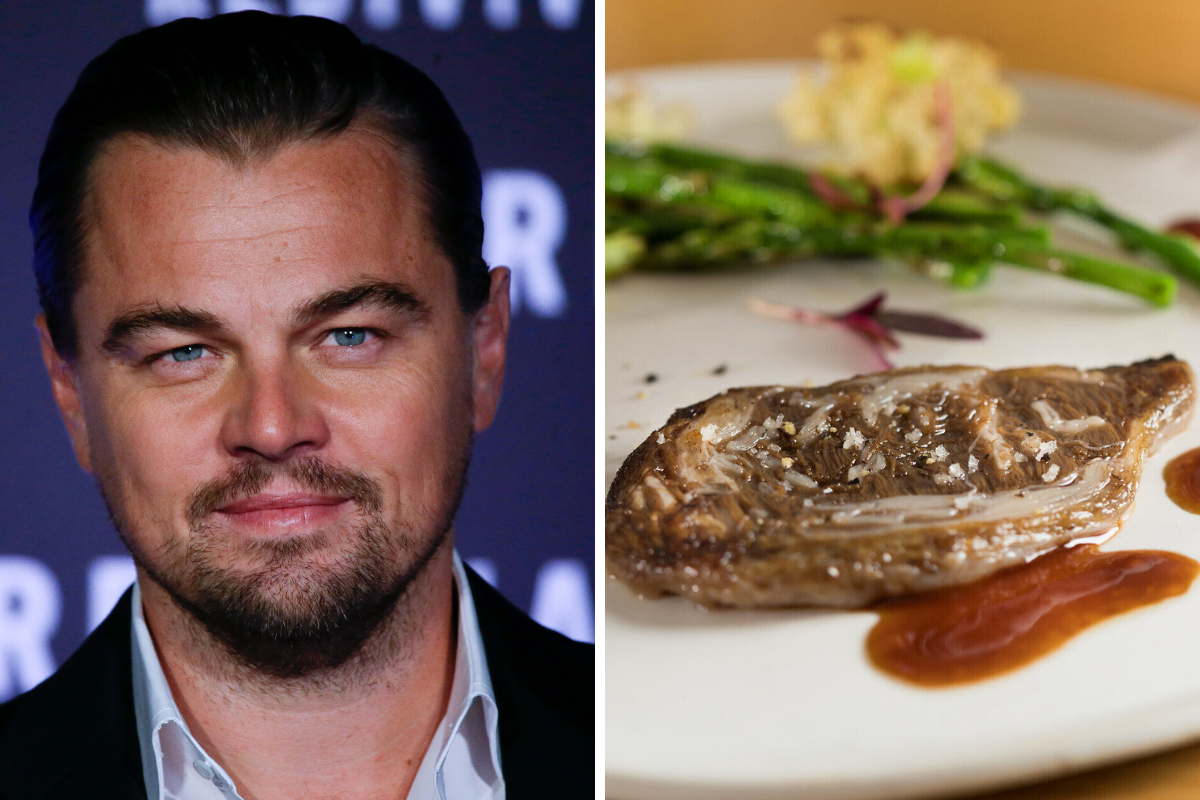
Leonardo DiCaprio invests in Israel’s Aleph Farms
It is one of the largest food recalls in Israel’s history and its impact will be global. Friend and fellow environmentalist (and Eco Bible author) Yonathan Neril noted: “There are likely millions of food items included in this recall. Once the products are returned from the stores, Strauss destroys them. This is food waste on a tremendous scale.
“We live in a strange world. In Yemen, 2,000 km southeast of Israel, about 25 million lack enough food, with many experiencing severe malnutrition. Ditto for 25 million Afghanis, a few thousand km to the east.
“Food contamination is a dark underbelly of industrial food production. If modern society produced food on a smaller scale, if would not have to discuss obscene amounts of food when salmonella or e-coli bacteria are food in the production process.
“How many of the 800 million people on this planet would be happy to take the tiny risk of eating these chocolate bars, wafers, cookies, and cakes, in order to experience the satiation of eating a normal amount of calories for one day? Can food recalls involve distributing the food to people facing severe malnutrition, and just include a warning label– there’s a tiny chance that this food is contaminated with salmonella– eat at your own risk?” Neril asks.
Or for now eat from food made by your own hands that don’t come in so much packaging and your risks and expenses will be much less?
In March, Ferrero, the makers of Nutella and other products faced a global recall. The World Health Organization said a salmonella outbreak reported in the UK on March 27 was linked to chocolate produced by the Ferrero Corporate plant in Arlon, Belgium, which has been distributed to at least 113 countries.
A global alert was released by the International Food Safety Authorities Network, initiating a global product recall of Kinder products marketed to young children. So far, a total of 151 genetically related cases suspected to be linked to the consumption of the relevant chocolate products have been reported from 11 countries.
The affected countries are Belgium, France, Germany, Ireland, Luxembourg, the Netherlands, Norway, Spain, Sweden, the UK and the US.
Is the Ferrero contamination linked to Israel where some of Ferrero’s raw materials might have been used? We’ll know more soon, I am sure.
But back to the fake meat, fake fish, fake food: I was excited about Impossible Foods and the ISO Group and the Beyond Burger for a while and I chose to pay 4 times the price of real meat to consume no animal protein but after a dozen or so burgers couldn’t get over the coconut oil flavor that permeates everything — and the hard to digest pea protein that is prone to give digestion problems. In that I mean stomach upset and extreme gas. So don’t eat one before a first date or working at the office.
There is no verdict here. You have to look deeper and decide for yourself. After living in Israel for more than 20 years I can see how real, fresh food goes a long way to satisfy the tastebuds and soul. Let’s ditch all the business models, marketing and greenwashing and just go back back to basics. Regenerative farming anyone? Or on the flipside, our collective climb into technology and food might bring us eventually to the right place, one hundred or one thousand years into the future.