Plant diets help farms produce 20x more protein

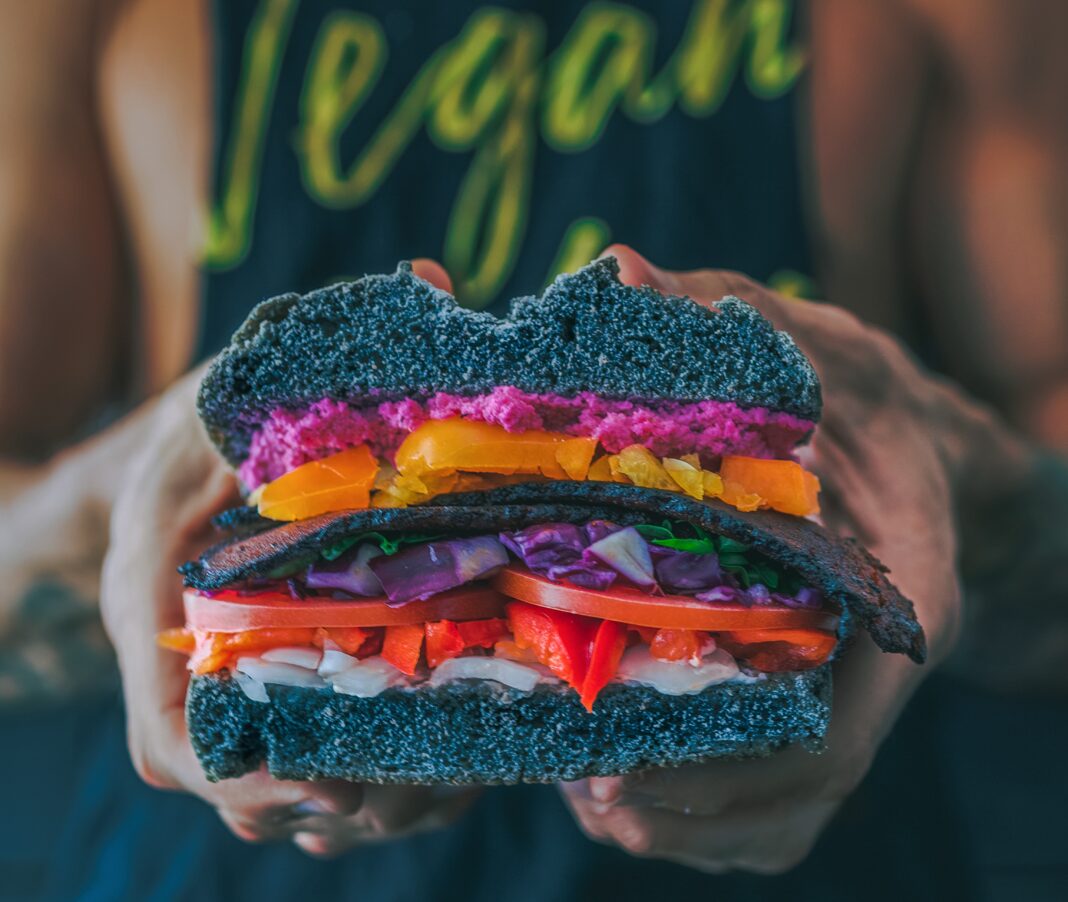
vegawarian, flexitarian vegan sandwich, black bread with vegetables held by a woman wearing a vegan t shirt
We love vegan burgers. New research shows how good veganism is for land use.

About a third of the food produced for human consumption is estimated to be lost or wasted globally. But the biggest part of food waste, which is not included in that estimate, may be through dietary choices that result in the squandering of environmental resources.

Consider that cows, chickens, pigs – whether for eggs, dairy, or meat – all need to eat plants – and farmers need to grow food for them. Imagine there were no more meat eaters? If we all become vegans or ate meat grown in a lab? How would that shift edible crops for us?

This is a good study for proponents of Alt Protein, alternative meat, fake fish and milk from a lab companies.
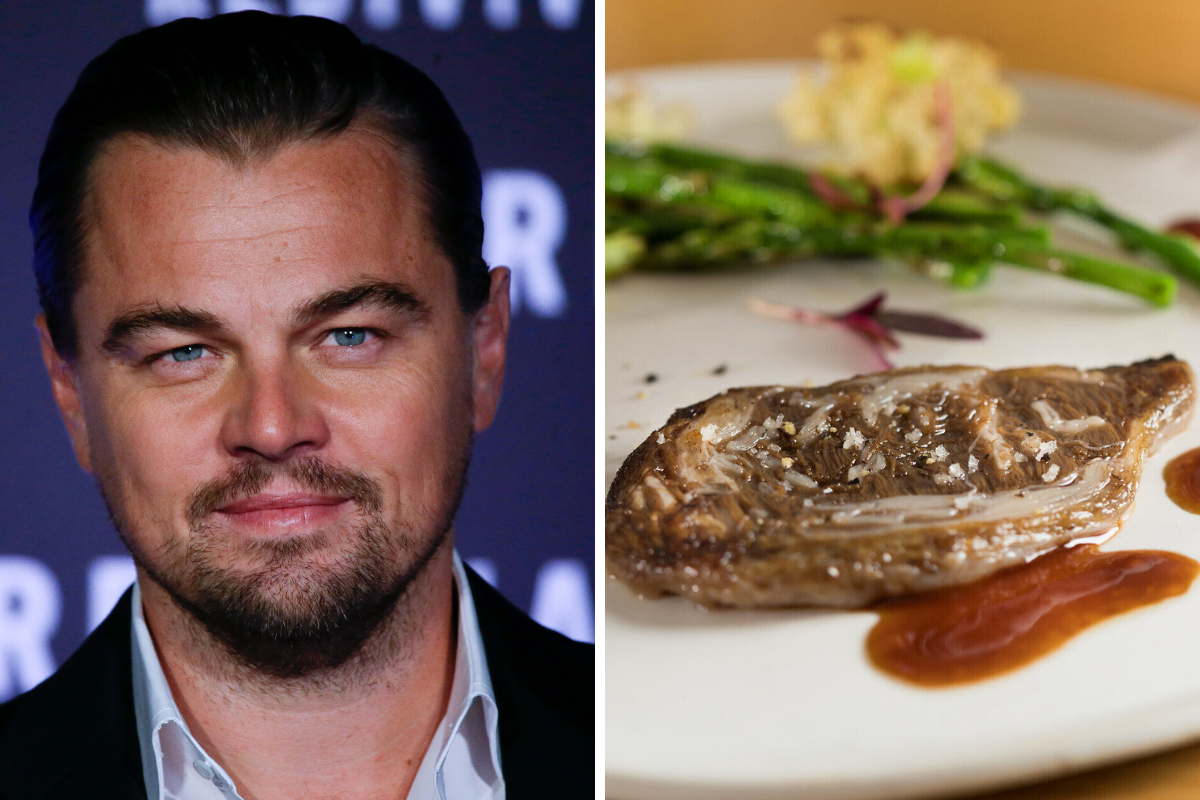
Leonardo Dicaprio, meatless meat, aleph farms, mosa meat, investment
Leonardo DiCaprio invests in Israel’s Aleph Farms, a company from Israel that makes meat in a lab

In a study published in the Proceedings of the National Academy of Sciences (PNAS), researchers at the Weizmann Institute of Science and their colleagues have now found a novel way to define and quantify this second type of wastage.

The scientists have called it “opportunity food loss,” a term inspired by the “opportunity cost” concept in economics, which refers to the cost of choosing a particular alternative over better options.

Opportunity food loss stems from using agricultural land to produce animal-based food instead of nutritionally comparable plant-based alternatives.

The researchers report that in the United States alone, avoiding opportunity food loss – that is, replacing all animal-based items with edible crops for human consumption – would add enough food to feed 350 million additional people, or more than the total US population, with the same land resources.

“Our analysis has shown that favoring a plant-based diet can potentially yield more food than eliminating all the conventionally defined causes of food loss,” says lead author Alon Shepon, who works in the lab of Prof. Ron Milo in the Department of Plant and Environmental Sciences. 

I had the pleasure of gardening with Alon a few years ago when he showed the parents of the Tel Aviv Waldorf School, Beit Hinuch Aviv, how to grow a permaculture garden. We’ve ben harvesting it ever since. Earlier he’s researched papers on why beef is much worse for the planet than chicken or pork. Read the brief on the study here.

Alon Shepon, favors turning farms into food for people
Alon Shepon

In the 2018 study, the scientists compared the resources needed to produce five major categories of animal-based food – beef, pork, dairy, poultry, and eggs – with the resources required to grow edible crops of similar nutritional value in terms of protein, calories, and micronutrients.

They found that plant-based replacements could produce 2 to 20 times more protein per acre than using that land for animal feed.

The most dramatic results were obtained for beef. The researchers compared it with a mix of crops – soya, potatoes, cane sugar, peanuts, and garlic – that deliver a similar nutritional profile when taken together in the right proportions.

The land area that could produce 100 grams of protein from these crops would yield only 4 grams of edible protein from beef. In other words, using agricultural land for producing beef instead of replacement crops results in an opportunity food loss of 96 grams – that is, a loss of 96% – per unit of land.

This means that the potential gain from diverting agricultural land from beef to plant-based foods for human consumption would be enormous.

Karin Kloosterman
Karin Kloostermanhttp://www.greenprophet.com
Karin Kloosterman is an award-winning journalist, innovation strategist, and founder of Green Prophet, one of the Middle East’s pioneering sustainability platforms. She has ranked in the Top 10 of Verizon innovation competitions, participated in NASA-linked challenges, and spoken worldwide on climate, food security, and future resilience. With an IoT technology patent, features in Canada’s National Post, and leadership inside teams building next-generation agricultural and planetary systems — including Mars-farming concepts — Karin operates at the intersection of storytelling, science, and systems change. She doesn’t report on the future – she helps design it. Reach out directly to [email protected]

Read More

TRENDING

Health Canada approves lab grown milk

Canada's approval of animal-free dairy proteins marks a milestone for precision fermentation and the growing alternative-protein industry. Will consumers embrace milk made without cows?

Fish or Vegan Omega-3? Does quality, source and science matter more than you think?

In the modern nutrition universe, that level of commitment deserves an applause. But for those who don’t live in a Nordic fishing village, the nutrition company Zinzino has built its omega-3 research and formulations around these principles, combining biomarker testing, antioxidant protection and traceable sourcing across both sustainably harvested small-fish oils and a vegan marine-microalgae alternative.

Remilk makes cloned milk so cows don’t need to suffer and it’s hormone-free

This week, Israel’s precision-fermentation milk from Remilk is finally appearing on supermarket shelves. Staff members have been posting photos in Hebrew, smiling, tasting, and clearly enjoying the moment — not because it’s science fiction, but because it tastes like the real thing.

Canada gives green light to Remilk’s cloned milk

For now, the symbolic impact is huge. “Reinventing dairy by removing cows from the equation” was once a science-fiction idea. With Canada’s green light, it’s officially a market reality — and the race to define the future of milk has entered a new phase.

Yerukim Forms a New Green Economy Where the Money is Really Green

The Yerukim members who pick up the recyclables get to keep the monetary reward, the public earns "green" bills that can be used in shops, and business owners get to be associated with environmentalism.

Choosing Riyadh over Dubai? What Investors Should Know

Saudi Arabia is deploying capital at unmatched scale to catalyze tourism and advanced industry while rewiring its power-and-water backbone. The investable frontier is widening—especially in renewables, grid storage, water efficiency/desal retrofits, and hospitality operating platforms. Prudent investors will insist on phased delivery, enforceable KPIs (energy, water, biodiversity), and RHQ/zone compliance—while pricing political-economy and reputational risks alongside growth upside.

Sell your cooking oil for biodiesel money

Want to make money on old french fry oil? Sell it.

Qatar Alternative Energy Summit Pairs Investors And Innovators

Alternative energy investors and innovators can meet n' greet in Doha, Qatar March 16 and 17.

Here’s How To Implement The Four Pillars Of Employee Engagement

If you throw a party for your work team and they are vegans, don't make it a barbecue. Know the sustainability values of your team to boost moral and retain good people.

Locals From Rishon Fight IKEA

Big Box stores are a pretty new concept in Israel, and thank God that not every Israeli city wants them in their backyard. A word from someone who has see the beautiful farmland around her hometown Newmarket, Ontario stripped and converted into vulgar strip malls of big box shops: they have no place in a healthy and sustainable town or city.

The Jewish National Fund Meets An Inconvenient Truth

According to the JNF, it has transformed thousands of acres of barren land into green forests in Israel. They state that each person emits about 23 tons of carbon per year, estimating that each tree planted can absorb one ton of carbon in its lifetime. That's a whole lot of trees you'd need to be planting. Could so many fit in Israel?

How to quiet noise from construction in your office

Streets need to be resurfaced in New York but the humming and grinding noise is unsettling. Noise is environmental pollution. 

Popular Categories