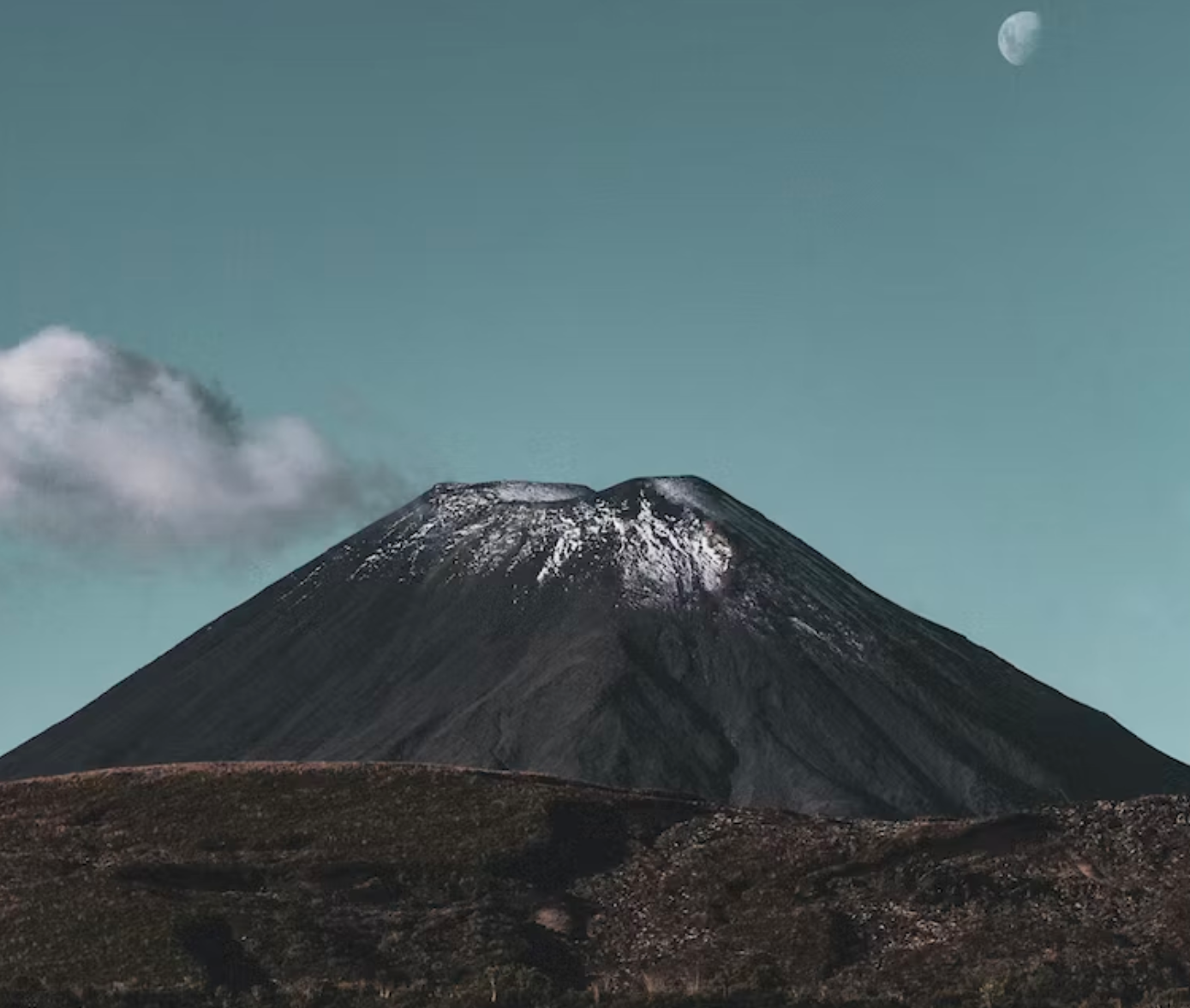
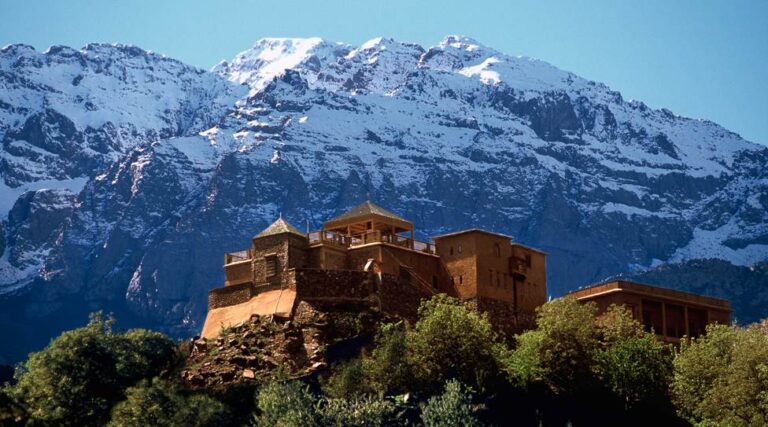
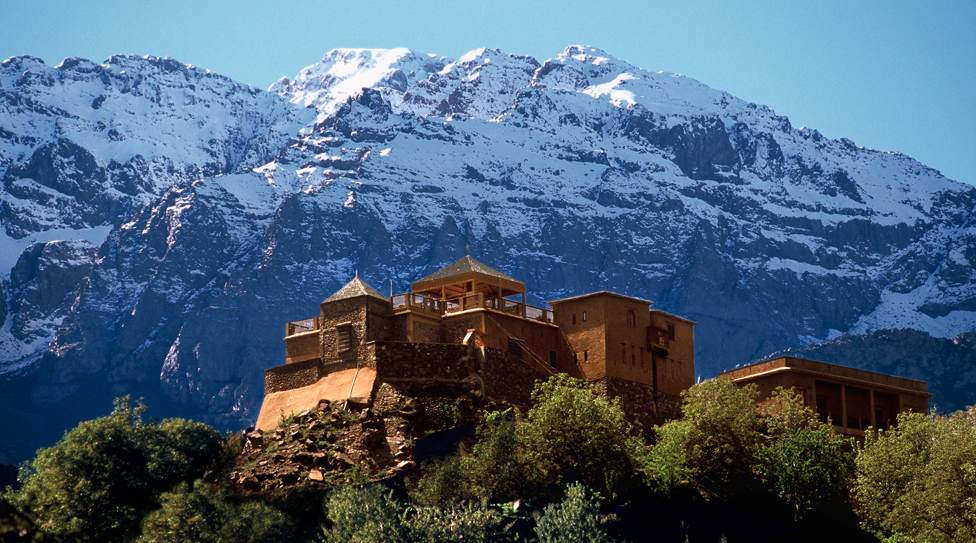
At the base of Toubkal in the Atlas Mountains. We visited this kasbah a decade ago. And it has taken some damage from the earthquake but all residents and guests were safe.
The earthquake that hit Morocco on 8 September in the Atlas Mountains was one of the most devastating that Morocco has seen decades: the quake killed more than 2,800 people and injured thousands more.
At 6.8 in magnitude, the earthquake was not huge, the disaster was exasperated by lack of preparedness, says disaster researcher Ilan Kelman: “Earthquakes don’t kill people, collapsing infrastructure does,” he says in a recent article.
Buildings in Morocco are often designed to control for extremes of temperature, which are an ever-present risk, whereas earthquake resilience has taken a back seat, he explains. This is the same problem that plagued Turkey and its devastating earthquake recently.
One sustainable building method which has stood the test of time, and withstood earthquakes is the use of self-healing plaster used by the Romans in the Levant region and beyond. Straw bale building, one story high is supposed to be remarkably resilient against earthquakes, as are triangular shaped buildings. Perhaps these methods aren’t viable in mountain regions or cities.
We are looking for sustainable design engineers to help us write a guide for countries looking to earthquake proof with sustainable concepts in mind. Send your ideas to [email protected]
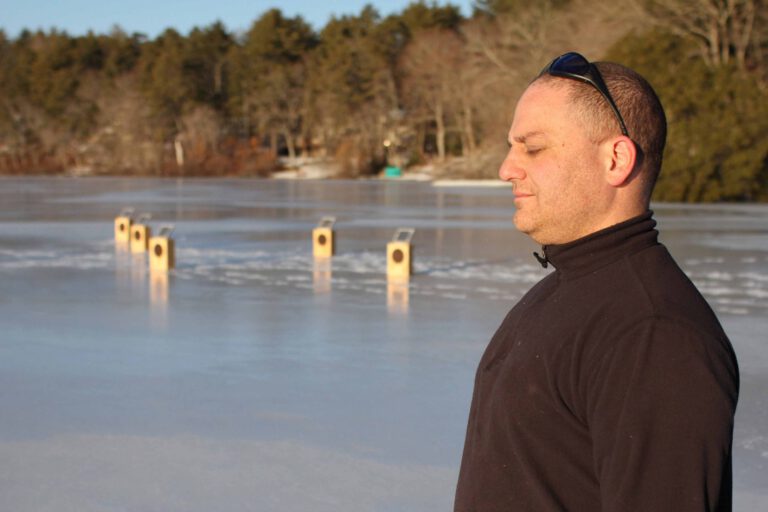
Environmental artist Craig Colorusso creates environmental art using sound. Image via Kevin Belli
There is a beautiful stretch of forest in Bentonville, Arkansas called, “Coler Mountain Bike Preserve.” It is an amazing chunk of land with several mountain bike trails throughout and one main drag. There’s even delicious coffee at a place called Airship in the middle. There are two bridges bookending the main drag a little over a mile apart from each other, I had the pleasure of composing sound for them.
Covered Bridge ONE and El Segundo are two separate, yet connected, sound pieces that play for several hours a day. Covered Bridge ONE is a multi-channel piece for electric guitar that has been bowed, scraped, rubbed and plucked. El Segundo Is a multi channel piece for Clarinet and Bass Clarinet. Each played by a solar powered sound system that begins shortly after sunrise and ends shortly after sunset. Both are based on the chord C# Suspended 2nd.
The idea was to make something that would welcome people as the entered the park. A burst of sonic gratitude, and also for those returning a welcome home. I wanted to make something that engulfed the participant but also allowed the ambient sounds of the environment to also be heard in the mix, bugs, wind, water, leaves, cycle sounds etc.
The world is already a beautiful place I’m just trying to enhance little parts of it here and there.
Our lives have become so cluttered with luxury and convenience it is quite refreshing to get outside and just breathe and listen. The older I get the more intrigued by the natural world I become. Weather is a never ending series of systems colliding with each other. And it’s beautiful.
Through this process with my work I feel more in common with a farmer than an architect. I have an ongoing relationship with the weather and natural world unlike anything I’ve experienced before.
In 2009 I went to the desert with David Sanche-Burr and Richard Vosseller to make art using sustainable energy outside. We went to the Goldwell Open Air Museum in Rhyolite, NV and created Off The Grid. My piece “Sun Boxes,’ Changed everything for me. It’s a solar powered sound installation, comprised of 20 speakers all making a Bb Chord.
I have come to sound art and installation work from the world of punk rock. Although I loved being on stage, the barrier between the audience and the performer felt confining. I wanted to make something that didn’t have that barrier. I wanted to make something that people could feel like they were apart of. Once I made my way outside I saw no reason to go back inside. I wanted to make work that improvises with mother nature.
Covered Bridge ONE and El Segundo are presented as music but I think it’s something else. Recently a friend of mine sent me a video of a beautiful crane in the water under Covered Bridge ONE. It was just being a bird elegantly drinking from the water while my friend was on her walk. The video was cool: I could hear the sounds of the Bridge in the background. My friend said, “Even birds like your work. Congratulations.”
It really struck me because I felt like, once again, it’s presented as a composition, but these pieces give you just a moment of pause to realize that you are part of some thing way bigger than you. Isn’t that what we’re all after? So the medium is not sound but sound is used as a vehicle to offer the participant a moment of stillness. To be outside and reminded that I am merely one tiny part in the world feels so empowering.
I had a similar experience myself while testing the sound system for El Segundo. I sat in the grass and listened to the audio as leaves fell from trees taking their last graceful moments before they go back to the earth. It was beautiful and an honor to be witness to this process.
Craig Colorusso has been exploring the intersection of sound, light, and space through sculpture since 2000. His installations consist of wood, metal, fabric, and electronics.
Saudi Arabian mangrove forests can help mitigate climate change
The United Nations Environment Program (UNEP) has chosen Saudi Arabia to host World Environment Day 2024 which will center on the theme of “land restoration.” Saudi Arabia has an incredible vision for mangrove reforestation and it is starting to open up archeology from the past to foreigners and international research institutions, but as it looks to tourism from the West Saudi Arabia is very misguided about new community building seen with Neom projects which are completely out of line with sustainable development goals. It’s like they took some great sales teams from Europe on the most “eco” ideas they could find on paper and multiplied everything by a trillion.
But putting Saudi Arabia in the center of the discussion, if only for an event like World Environment Day, will open the nation to criticism and balance from environmentalists around the world. It may be Saudi territory, but nature and the world should belong to every human/
According to UNEP, the event will “accelerate action on the restoration of landscapes and ecosystems.”
World Environment Day, established by UNEP in 1972 is celebrated annually on June 5, and encourages awareness and action for the protection of the environment. It is supported by many non-governmental organizations, businesses, government entities, and represents the primary United Nations outreach day supporting the environment. It is also called Eco Day, Environment Day, WED (world environment day).
Over the past five decades, the Day has grown to be one of the largest global platforms for environmental outreach. Tens of millions of people participate online and through in-person activities, events and actions around the world. 2024 will mark the 30th anniversary of the UN Convention to Combat Desertification. The sixteenth session of the Conference of the Parties (COP 16) to the United Nations Convention to Combat Desertification (UNCCD) will be held in the Saudi capital, Riyadh, from 2 to 13 December 2024.
Illustrated image of The Line, Red Sea, Saudi Arabia. It cuts off the flow of nature completely.
According to the UN Convention to Combat Desertification, up to 40 per cent of the planet’s land is degraded, directly affecting half of the world’s population and threatening roughly half of global GDP, $44 trillionUSD. The number and duration of droughts has increased by 29 per cent since 2000 – without urgent action, droughts may affect over three-quarters of the world’s population by 2050.
A floating city, the largest in the world is planned for the Red Sea, Saudi Arabia
If I look at the track record of Saudi Arabia with its production and manipulation of cost of fossil fuels by Saudi Aramco and its apparent lack of awareness for sustainable development at all of Neom‘s projects like The Line and a desert ski-hill for a planet on fire, it would make more sense to choose a country like Israel to show the world how to combat desertification: not by buying the latest in desalination technologies, but by inventing and implementing new technologies.
Israel also has an efficient mode of watering crops, using drip irrigation, a process the country invented decades ago. These facts matched with advances in agriculture and reforestation would make Israel an obvious choice. But the world is still kowtowing to the highest bidder. So big oil money wins the game, again.
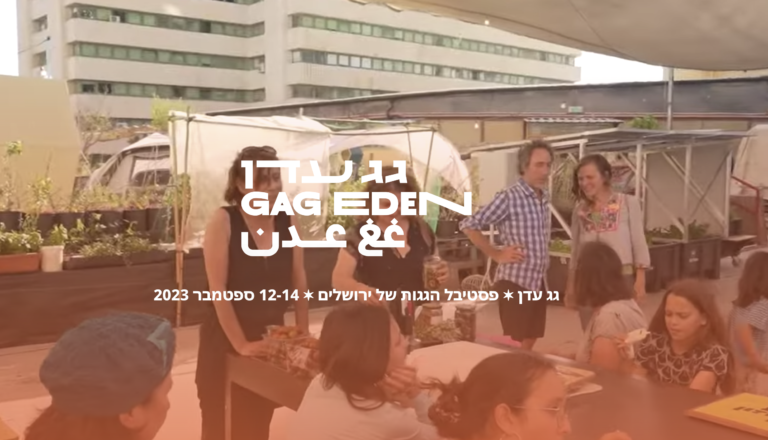
Jerusalem celebrates Gag Eden, a play on words for Gan Eden or the Hebrew word for paradise. It is a 3-day green roofs festival in the heart of the city
This is not a festival about rooftops. It is a festival about the possibility of reinventing the city itself. Gad Eden is about adding the ground space that is in such shortage, and to dream up a reality of abundance for all of us. This year, we are celebrating the new rooftops that joined the city center on top of the art schools, and the brave decision of the Jerusalem Municipality, which together with us implemented the program for tapping into the potential of urban rooftops.
Video of Gag Eden, 2021:
Thanks to this initiative, in the upcoming years, one million meters of rooftop wilderness will be transformed into valuable green havens.
Muslim women in East Jerusalem learn the art of beekeeping (via Haaretz)
And above all, Gag Eden is celebrating the fact that we are no longer alone, lone madmen on the roof – but a part of a growing and optimistic movement of people from all sectors, religions, sexes, and genders that come together to create the spaces we are missing, the realms of healing that the city and we need.
Join us for three days in which we will make and get to know the city we deserve.
Israel has an uneven contribution to the cultivated meat market. This means growing real meat with live cells, but circumventing animal suffering. It’s meat in a lab, if you will. Impossible Burgers is “meat” made from pea protein that just tastes like a whole lot of coconut oil. Cultivated meat is the real thing but made in a lab. No animals need to be slaughtered for lab meat. In Israel think Aleph Farms, Steakholder Foods,Super Meat, Believer Meats, and now BioBetter.
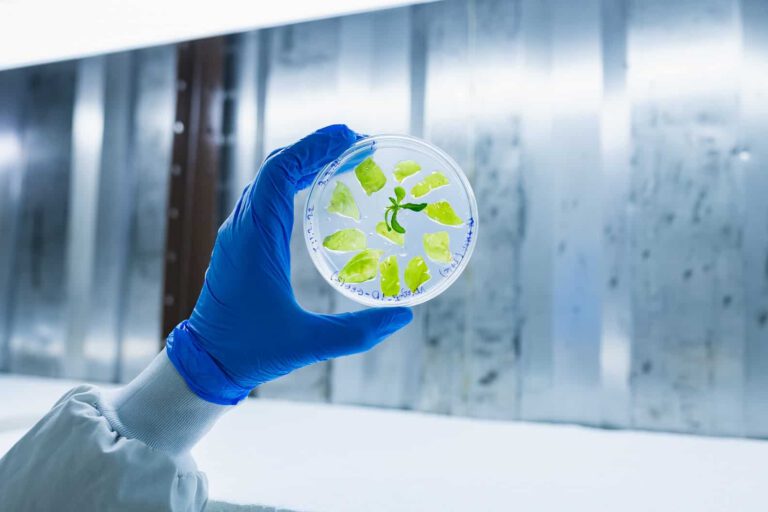
BioBetter just sent Green Prophet an announcement that it has opened its food-grade pilot facility to grow raw materials for the expanding cultivated meat market. The company has pioneered a unique protein manufacturing platform using tobacco plants as self-sustained, animal-free bioreactors.
They tell Green Prophet: “BioBetter is going to market raw materials, the growth factors, ingredients that are needed in the cultivated meat production process. We are not making bioreactors. Also, we are not making actual meat, we produce growth factors in tobacco plants that function like bioreactors for the cultivated meat industry.”
Currently cultivated meat production processes are relatively expensive, making it a challenge to scale up and reach price parity with animal-based counterparts: “Cultivated meat is still very expensive in comparison to conventional meat and the key is to reduce the growth medium costs to a minimum,” explains Amit Yaari, the CEO of BioBetter.
Companies like Israel’s Aleph Farms have introduced small steaks but the cost is hundreds to thousands of dollars to produce meat in a lab. BioBetter could help Aleph Farms make steaks faster and at less cost.
BioBetter makes raw materials for the cultivated meat market“Our target is to reduce the production cost of growth factors, including insulin, a key part of the growth
medium, to $1 per gram which is a 100-fold less than the going rate today,” notes Yaari.
BioBetter has achieved five impressive milestones in just the past year:
1. Production scale-up/building pilot plan
2. Commercial scale cultivation of insulin- and FGF-expressing tobacco plants
3. Reaching GF expression levels that enable a significant reduction of production costs
4. Significant regulatory progresses and advances with the Israel Ministry of Health
5. Collaboration with leading cultivated meat companies
BioBetter’s technology is a new purpose for the traditionally shunned tobacco plants, transforming them
into bioreactors for the production of growth factors for meat. Tobacco plants are typically used to make vaccines.
Growth factors for cell growth play a key role in the proliferation and differentiation of cultured meat cells, allowing for the formation of authentic and well-structured muscle tissue. Designed for both environmental safety and efficiency, these bioreactors will be grown in a large- scale, net house cultivation system. The plants are carefully engineered to prevent the escape of any transgenic material.
They are induced to express growth factors only when chemically triggered, and the company exclusively uses non-food, non-feed tobacco plants to eliminate any risk of inadvertent consumption or cross-contamination of food crops.
Sustainability at the core?
Tobacco plants produce growth hormones for molecular farms or cultivated meat
While the science talk may inspire the common sense sustainability folk to just return to actual farming or hunting, “Our commitment to sustainability shines through in every facet of our operations,” says Yaari. “We plan to use recycled and low-quality water for irrigation, minimize nitrogen fertilizer use, and reduce emissions and environmental impact.
The newly established pilot plant has the capacity to process 100kg of tobacco plant-derived GFs
daily. Constructed in adherence to the highest quality standards, the facility meets all regulatory
requirements for production of food-grade growth factors, including FGF2 and insulin. It currently is
progressing through essential stages of securing approval from the Ministry of Health for food
manufacturing licensing. The company is committed to scalability, adhering to ISO2200 and HACCP
standards.
Meat proteins are grown with the help of tobacco plants
BioBetter also made breakthroughs in the cultivation of bovine insulin-expressing plants. Several
thousand square meters of FGF2-expressing tobacco plants are already thriving in northern Israel.
It’s the first time growth factor sources have been successfully planted in large net-houses, in four
locations, and with a fruitful harvest obtained in its first season.
Plans are underway to cultivate more FGF2 and insulin-expressing plants, with commercial roll-out projected for 2024.
The 250 million USD global cultivated meat sector is poised for substantial growth, yet its realization hinges upon a significant supply of growth factors. The most significant challenge of the cultivated meat industry is to produce and scale up at the right cost,” notes Aviv Oren, Director of Business Engagement and Innovation, the Good Food
Institute, Israel. “BioBetter’s technology, which is based on molecular farming of food-grade growth
factors in the required quantities and costs for industrial production, is a pivotal addition that has
the potential to accelerate this industry.”
In 2022, BioBetter secured 10 million USD in an A-round investment led by Jerusalem Venture
Partners (JVP). The company also is an active member of the Israeli Cultivated Meat Consortium,
which unites academic institutions, large companies, and start-ups to collaboratively advance the
field of cultivated meat.
Blue crabs have invaded Tunisia and have become a viable product for fishers in this North African region. Can Italy love their new blue crabs too?
The invasive blue crabs that made their way to Tunisia from the Indian Ocean via the Suez Canal were not welcome at first but since have turned into a new export. Another species of blue crab that originated in America is causing its share of problems for fisherman right now in Italy.
The Callinectes Sapidus, the blue crab, the Atlantic blue crab, or the Maryland blue crab is threatening Italy’s clam-farming and fishing industries. The Italian government has allocated about $3 million USD to fund the capture of as many blue crabs as possible.
At the same time, the blue crab is the fifth most popular crab in the world market. It is especially sought out in the Asian, United States and Australian markets where it is featured on the menus of many restaurants.
According to Nature, the blue crab in Italy was first observed in the Mediterranean Sea in 1949, where it was probably transported in the ballast waters of transoceanic ships.
“The colonisation took some time, it is a slow process,” says Gianluca Sarà, marine ecologist at the University of Palermo. Before invading the Po River Delta, Atlantic blue crabs have been spotted in other locations in Italy. Established populations were first detected in 2014 in the lagoon of Lesina and Varano, in Apulia.
Climate change is suspected to be one of the reasons the blue crab was able to slide into Italy from the Adriatic Sea. Researchers are now looking on how their colonisation will impact other aquatic sea life and shores.
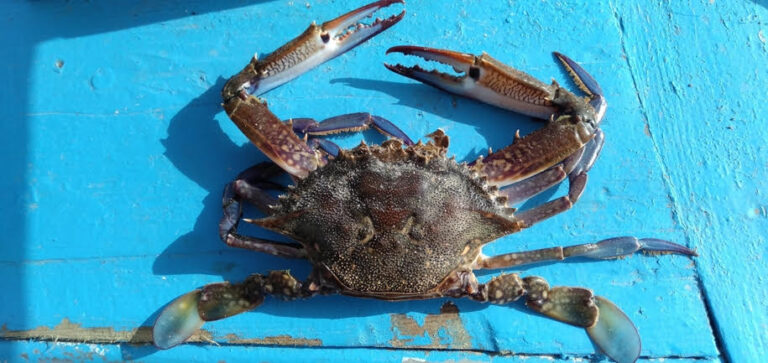
Blue crab catch in Tunisia
Invasive species like the Portunus segnis from the Indian Ocean or Callinectes Sapidus, the Atlantic blue crab, lived in ecosystems that that developed over thousands, maybe millions of years. The Suez Canal changed this separation between seas fast and is the reason why the Mediterranean is over-run with jellyfish every summer, making it impossible to swim in places like Israel and Lebanon for fear of getting stung during the hottest times of the year.
Two blue crabs invade. Let’s get those crabs straight
Portunus segnis, is the scientific name for the African blue swimming crab. It is a crustacean, and a swimming crab belonging to the family Portunidae. It is native to the western Indian Ocean, but invaded the Mediterranean Sea via the Suez Canal in Egypt. In 2015 it invaded the Gulf of Gabes, in southern Tunisia. Now the country has dozens of crab-processing plants. “At first fishers wanted this species to disappear, but now they are asking the authorities for regulations to protect it,” says one fisherman.
Another invasive blue crab, the one invading Italy currently is Callinectes sapidus, the Atlantic blue crab, or regionally known in the US as the Maryland blue crab. It is a species of crab native to the waters of the western Atlantic Ocean and the Gulf of Mexico, and it is now introduced internationally. It is also known as the Chesapeake blue crab.
Global shipping industry to blame for invaders
According to The Revelator, “global shipping is moving invasive species around the world.”
They report that “in July 2021 federal agents in New Orleans abruptly ordered the 600-foot cargo ship Pan Jasmine to leave US waters. The ship, which had sailed from India, was preparing to offload goods when inspectors noticed fresh sawdust on the cargo deck and discovered non-native beetles and ants boring into wooden packaging materials. The unwelcome insects included an Asian longhorn beetle, a species that was introduced into New York 25 years ago, where it has killed thousands of trees and cost $500 million in control efforts.
“The crew of beetles aboard the Pan Jasmine is not an isolated incident. That same month bee experts north of Seattle were scouring forest edges for Asian giant hornet nests. These new arrivals, famously known as “murder hornets,” first turned up in the Pacific Northwest in 2019, also likely via cargo ship. The two-inch hornets threaten crops, bee farms and wild plants by preying on native bees. Officials discovered and destroyed three nests.
“And this past autumn Pennsylvania officials urged residents to be on the lookout for spotted lanternflies, handsome, broad-winged natives of Asia discovered in 2014 and now present in at least nine eastern states. Believed to have arrived with a shipment of stone from China, the lanternfly voraciously consumes plants and foliage, threatening everything from oak trees to vineyards.”
Can world governments agree on necessary preventative measures?
Redress winner Nils Hauser worked with Timberland to upcycle waste into iconic fashion pieces. All in the name of a circular economy and beating fast fashion.
Leading fashion brands know that the good old days of fast fashion are changing. They can no longer produce low cost gear without considering a good wage, ecologically sourced raw materials, eco shipping and handling and a vision for the products end of life. Companies like Shein may still have a lead in the market but consumers, even young ones, are catching on that upcycled or recycled clothes are where at its at.
Heralding this mission and driving big brands forward is Redress, a Hong Kong-headquartered environmental NGO accelerating the change to a circular fashion industry. They work with big brands and young designers to envision and change the fashion industry in every part of its cycle from cradle to cradle. Their focus is on Asia where most fast fashion is produced by people in deplorable conditions.
They recently announced the winners of the Redress Design Award 2023.
Nils Hauser from German upcycles materials from Timberland to make new fashion
Winning first prize Nils Hauser from Germany got a chance to work on a sustainable design collaboration out of VF Corporation’s Tokyo Design Collective with the Timberland design team for the brand’s Spring 2025 apparel collection.
Hauser out-designed eight other emerging designers from Australia, Canada, France, Hong Kong, India, Sri Lanka, and the USA, following a nine-month educational competition that attracted applications from 46 countries and regions.
“Collaborating with a world-leading brand like Timberland and bringing my sustainable fashion ideas into the mainstream and large-scale fashion market whilst working with Timberland’s expert team is a designer’s dream,” said Hauser. “Designers have solutions, and we know that by working together we can make change,” he said.
Change is much needed. Fashion, we know, is one of the world’s most polluting industries. Approximately 100 billion apparel items are sold per year, representing a 50% increase since 2006, with the majority of clothing being landfilled or burned within one year of production. Every second, the equivalent of one garbage truck of textiles is landfilled or burned.
A Nils Hauser moodboard that inspired his creations for Redress and Timberland
Meanwhile, 80 percent of a product’s environmental impact is determined at the design stage.
“Design decisions made at the drawing board can change the world,” said Redress Founder, Christina Dean. “Fashion needs to reinvent itself to become more circular. Floods and fires are continuing. Our Redress Design Award Finalists are fashion’s fire-fighters. Making sustainability and circularity an industry norm feels like a far-off dream, but it’s worth fighting for if we want to reduce fashion’s negative environmental impacts.”
The finalists designed waste out of fashion with the circular design techniques of zero-waste, upcycling, and reconstruction. They explored textile waste streams for their design materials, from manufacturing waste and consumer castoffs to the more imaginative reuse of turbans, tents, and bedsheets.
Their bold designs and sourcing methods represent creative and innovative solutions to increase current circularity achievements, which presently see less than one percent of clothing being recycled back into clothing.
“Our collaboration with Redress gives us the unique opportunity to directly connect with emerging fashion designers who have a passion for sustainability, equipping them with the skills and knowledge needed to usher in a new era of sustainability in fashion,” said Jeannie Renne-Malone, VP of Global Sustainability at VF Corporation. “VF remains committed to fostering a lower carbon future through implementing sustainable design principles, such as circular design, that minimise the industry’s environmental impact.”
Hauser now takes the previous winners’ baton from Redress Design Award 2022 winner, Federico Badini Confalonieri from Italy, 2021 winner Jessica Chang from Taiwan, and 2020 menswear winner Lê Ngọc Hà Thu from Vietnam, who each contributed towards sustainable capsules in collaboration with Timberland.
The 2023 Redress winner and ones to watch:
First Prize winner: Nils Hauser, Germany
Runner-Up Prize winner: Ruwanthi Gajadeera, Sri Lanka
Hong Kong Best Prize winner: Mandy Fong, Hong Kong
People’s Choice winner: Pavneet Kaur, India
The 2023 Redress prize?
The Redress Design Award first prize winner will join VF’s Timberland team to collaborate on a design project. They will also have the opportunity to work closely with the VF Corporation Sustainability & Responsibility team to ensure that materials and design strategies maximise sustainability, and will gain exciting insights from across the supply chain from sourcing to product development, while deepening their skills and understanding around sustainable production and marketing.
The first prize winner will also receive…
$6,400 USD to propel their sustainable fashion career
A high-performance lockstitch machine and an overlock sewing machine from JUKI
One year individual access to all areas of Bloomsbury Fashion Central, including the Fairchild Books Library and the Fashion Photography Archive
Want to fast-track your career at a sustainable fashion business school or qualify for a future Redress internship? Try the Redress online course.
A disability in children can be the biggest challenge in life. But there are natural, earth-centered approaches to healing such as yoga that when combined with traditional physio can have great outcomes.
When faced with the challenges of raising a child with disabilities, families often navigate a complex web of treatments, interventions, and therapies. Amidst this array of options, physiotherapy stands out as a powerful tool that can profoundly impact a child’s quality of life. It goes beyond just physical improvements; physiotherapy offers a transformative touch that can shape brighter futures for children with disabilities.
The Essence of Physiotherapy
At its core, physiotherapy focuses on enhancing and restoring functional movement. For children with disabilities, this can mean various things: developing the strength to sit independently, improving balance for confident walking, or refining motor skills to engage in play and daily activities. Through targeted exercises, techniques, and tools, physiotherapists work diligently to help children overcome physical barriers.
The Age of Adaptability
Children, with their innate adaptability, often respond remarkably well to physiotherapeutic interventions. Their young bodies and brains are highly plastic, allowing for significant improvements and adaptations. This plasticity, when combined with physiotherapy, creates a window of opportunity to mold and shape optimal physical outcomes.
Beyond Physical Milestones
Creating a well-balanced human being is the goal.
While the tangible milestones achieved through physiotherapy—like taking a first step or climbing a playground ladder—are cause for celebration, the intangible benefits can be even more significant. Children who can move more freely often experience boosts in confidence and self-esteem. Their world becomes less restrictive, opening doors to social interactions, academic opportunities, and a richer tapestry of life experiences.
Physiotherapy can also act as a foundation for other forms of therapy. For instance, a child who gains better control over their limbs might find it easier to engage in occupational or speech therapy. The synergy between different therapies amplifies the benefits for the child.
Building a Supportive Environment
Physiotherapists do not work in isolation. They often function as part of a larger team of caregivers, teachers, and other therapists. By understanding a child’s physical capabilities and limitations, they can guide families and educational institutions in creating supportive environments. This can include anything from recommending adaptive equipment to suggesting classroom setups that accommodate a child’s unique needs.
Furthermore, the bond between a physiotherapist and a child can be truly special. Through regular sessions, they become trusted figures in the child’s life, cheering on every achievement and offering support through every challenge.
Staying Updated and Informed
When planning and managing therapy, understanding NDIS pricing arrangements is essential. Familiarizing yourself with these arrangements ensures you can effectively budget and access the services your child needs without unexpected financial constraints.
The realm of physiotherapy is dynamic, with constant research unveiling better techniques, tools, and strategies. For parents, staying updated can make a significant difference. Joining support groups, attending workshops, and staying in touch with the child’s physiotherapist can provide insights into the latest advancements that might benefit the child.
For families residing in Australia, it’s paramount to ensure that the physiotherapist working with your child is registered with the National Disability Insurance Scheme (NDIS). Choosing an NDIS registered physiotherapist guarantees that the professional understands the intricacies of treating children with disabilities, offering a consistent standard of care and expertise.
Physiotherapy’s transformative touch is a beacon of hope for many families. Through the hands of skilled professionals, children with disabilities are offered a chance to unlock their full potential, paving the way for brighter, more fulfilling futures. Whether it’s the joy of a child taking confident strides or the subtle growth in their social interactions, the profound impact of physiotherapy resonates in every aspect of their lives.
Want to learn more about holistic approaches to disability? Be inspired by this man who travelled 100 miles in his wheelchair.
When Muslim pilgrims talked to sorcerers on their way to Mecca: Muslims used stones for warding off the evil eye. A pile of unusual magical objects was uncovered in Israel and believed to be used by sorcerers helping pilgrims on their way to Mecca in Saudi Arabia.
You know about the Evil Eye and hamsa, hamsa, hamsa for keeping it away? It’s an old practice in the Middle East. Finding some sources to superstitions are the strange magical tools found along pilgrim routes and described by Israeli researchers in the Journal of Material Cultures in the Muslim World. The researchers found stones and sculptures, some broken, and guess these objects were used in magical rituals carried out in order to ward off the evil eye, to heal diseases and more.
According to the researchers, “This discovery reveals that people in the Early Ottoman Period—just as today—consulted popular sorcerers, alongside the formal belief in the official religion.”
Archeology site where camp with magical objects was found
Itamar Taxel of the Israel Antiquities Authority, Uzi Avner of the Dead Sea-Arava Science Center, and Nitzan Amitai-Preiss of the Hebrew University of Jerusalem were involved in the study that looked at the objects found in the Eilat region in the 1990s.
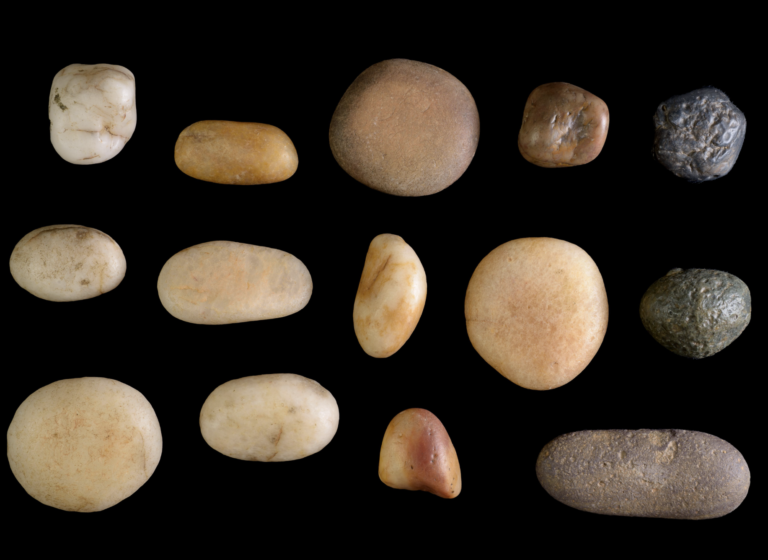
The group of objects is associated with rituals or ceremonies and comprises predominantly dozens of fragments of clay globular rattles, mostly similar to table tennis balls, containing small stones, that sound when the rattle was shaken. There were 2 miniature votive incense altars found, a small figurine of a naked woman or a goddess with raised hands, a characteristic feature of deities or priests; a few other figurines, and crystal pebbles.
The examination of the clay used for the ceramic objects has shown that they came from Egypt.
This is the first time that such a large assemblage of ritual objects of this kind has been found, and it is even more unique at a temporary site and not a permanent settlement.
A magical sculpture endowed with properties then broken?
The magical objects were found next to the Pilgrimage Road (Darb al-Hajj, in Arabic) that led from Cairo, crossed the Sinai Peninsula, and continued in the region of Eilat to the town of Aqaba, and then crossed the Arabian Peninsula on the way to Hajj in Mecca and Medina. This route was in use from the first centuries after the rise of Islam, from the 7th century to the 19th century.
“The spot of these artifacts next to the camping site, and the comparison of the artifacts to those known in the Muslim world, as well as the fact that these artifacts were found together as a group, lead to the understanding that they were used in magical rituals,” the researchers announce, adding:
“The artifacts were found broken, and they may even have been purposely broken in the ceremonies. It seems that these rituals were carried out at the site by one or several people who specialized in popular magical ceremonies. From the literary sources, we know that there was a demand for magical rituals among people from different strands of society. Such rituals were carried out daily alongside the formal religious rituals—including in the Muslim world—and it is probable that the pilgrims making their way to the holy cities of Mecca and Medina were no exception,” they add.
The Darb el-Haj road will be part of tourism and educational activities in Israel showing how cultures past lived their lives in the Holy Land.
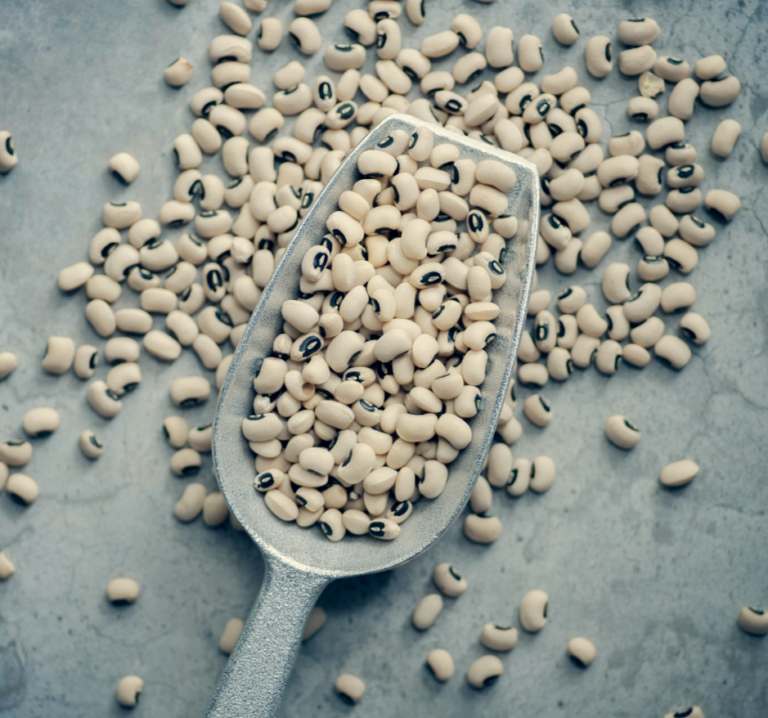
Israel, arguably the food-tech capital of the world, has come up with a new invention to supplement the alternative protein market: making a protein from black-eyed peas, also known as cowpea. The company says that the peas are gene-edited to make them easier for harvesting, but that the process does not fall into a GMO category. The company Better Pulse joins a long line of alternative meat and alternative plant-based solutions to feed a growing planet. We featured a recent round up of the top cultivated meat products from Israel (see Aleph Farms, Believer Meats) but what makes Better Pulse different is that it contains no meat protein at all but offers a reliable alternative for plant-based milk and yoghurts or any manufactured plant based protein product.
If you have ever read any modern criticism of agriculture (Michael Pollan, Robin Wall Kimmerer, Yuval Noa Harari), you will know that most of our food is derived from monocrops. While there may be hundreds of different grain types or bananas, we typically eat the same ones over and over again. It gets worse when you look at our staple crops where more than 51% of our caloric intake is sourced from just four staple crops—rice, soy, wheat, and corn.
These crops are threatened by global warming. We need to diversify what we eat and how we eat it. Arguably the best solution is for us all to return to the land and start regenerative farming and foraging, but likely only a handful in every community will do that. For alternatives, Better Pluse hopes to offer another protein-rich solution for food resiliency and food security.
Black-eyed peas plant are among the oldest cultivated crops which is also very tolerant to extremes in heat: “The looming effects of climate change on the resiliency of the protein supply chain, particularly soybeans, underscore the urgency of adopting Black-eyed peas as a solution,” says founder and CEO Alon Karpol, “Better Pulse’s enhanced Black-eyed peas genetics will fortify global food security, drastically reduce Black-eyed peas cultivation costs, and its protein will provide a sensory experience akin to various dairy products.
Unlike its soybean or green and pea counterparts, Better Seeds’ Black-eyed pea protein is distinguished by its white color and subtle aftertaste profile – characteristics that are essential for food ingredients.
Fresh black-eyed peas cultivated by Better Pulse.
The company has concluded a Proof-of-Concept phase where it achieved the production of over 70% protein, and integrated it into diverse food products. The company has special access to black-eyed peas genetics that are ready for mechanized harvesting, enabling cost cost-effective, and profitable cultivation beyond Africa, the primary region where black-eyed peas are grown today.
The initial financial backing for Better Pulse was provided by BetterSeeds, a portfolio company of Israel’s Smart-Agro Fund.
The alternative protein in food is worth an estimated $6.7 billion USD with an CAGR of 6.7%.
Keep your chocolate pure, fair trade and organic: a guide to eating chocolate the green way.
Chocolate is alternately portrayed as a sinful delight – damaging to your health and your waistline – or as a food with health benefits. So which is it? According to the Mayo Clinic website, a trusted health authority in the United States: “flavanols in cocoa beans have antioxidant effects that reduce cell damage implicated in heart disease. Flavanols also help lower blood pressure and improve vascular function”
So there is something positive in the treat we love. But before we can answer the question, “Is chocolate friend or delicious foe?” we have to ask ourselves which chocolate we’re talking about. To do so, let’s take a short historical look.
Chocolate was first enjoyed as a drink by Mayan and Aztec cultures thousands of years ago, but the beverage they revered as magical was bitter pure chocolate. The Europeans adopted it, added a little honey or cane sugar, and it became a hit.
By 1868, Cadbury found a way to process it into a solid bar. Without many additives, it likely had many of the nutritious qualities that those ancient civilizations valued. However today’s Cadbury Dairy Milk has a lot of added ingredients, even though some of its bars may be certified as Fair Trade. It’s just full of other stuff.
Natural and artificial flavor – this could be anything. Unhealthy ingredients hide anonymously under these labels.
So while chocolate itself may have health giving properties, there are three problems with many of the products found in the marketplace today.
1. The percentage of chocolate may be quite low (nowhere near what the Mayans and Aztec were drinking). Look for the highest percentage.
2. Some of the additives may be harmful to your health.
3. Much of the chocolate on the market contains so much sugar that it negates whatever benefit you gain from the chocolate itself.
In Israel, for instance, the chocolate market has improved dramatically over the last twenty years. It’s now easy to find chocolate with 70 percent or 85% to 100% cocoa in supermarkets. Some brands contain no soy lecithin or other questionable ingredients. I would recommend these for health-conscious people.
Brands we tried recently and love and which can be ordered online include ChocoSoul from Toronto which we ate plenty of this past summer.
Chocosol from Toronto sets the stage for the world’s best chocolate
Think fair trade and organic too
In addition, many top quality chocolate shops now line the streets of main cities in Israel, and I imagine the same is true in other Middle East cities which likely both imports and give home to small chocolatiers. Ask them about their ingredients or follow your taste buds: The best tasting chocolate is made with the purest ingredients.
Other brands of chocolate are available in health food stores. Many have the advantage of being organic and some of them labeled fair trade. Child slavery and other abuses are ongoing problems in the chocolate trade and should be taken into consideration when making your purchase.
The only way to identify chocolate that does not involve child slavery is to either buy one specifically labeled as such, or one that is on the Fairtrade International list.
Fair Trade Chocolate We Like:
Alter Eco sells organic chocolate that regenerates ecosystems, empowers farmers, and reverses climate change.
GiddyYo is crafting organic, plant-based, dark chocolate, coffee, superfoods and bodycare.
Belvas – the first organic chocolate factory in Europe and Belvas was named “Europe’s greenest micro-business” by the European Commission (EMAS award).
Camino is a Canadian brand of fair trade and organic food products, owned by La Siembra Co-operative, based in the Ottawa-Gatineau region. Established in 1999, La Siembra Co-operative became the first registered importers of Fairtrade Certified cocoa and sugar in North America and today works with 25 producer co-ops, supporting more than 47,500 family farmers in 14 countries.
Chocolove is a chocolate manufacturer with headquarters and a manufacturing facility in Boulder, Colorado, founded in 1995 by entrepreneur Timothy Moley. The company produces all-natural and organic chocolate bars. Chocolove imports chocolate and cocoa butter from Belgium to produce its chocolate.
ChocoSol is rooted in Toronto’s St. Clair West neighbourhood of Regal Heights, where the team turns cacao into stone-ground dark chocolate, develops their growing Chocosoil project on the rooftop garden, and hosts behind-the-scenes tours and events in their Cacao Commons.
Have a favorite brand to share? Add to the list by submitting in comments or email us chocolate@greenprophet,com
Why is September 13th World Chocolate Day?
Raoul Dahl’s birthday is World Chocolate Day. His character Willy Wonka made chocolate more desirable than it ever was
World Chocolate Day is a yearly celebration that pays homage to one of the world’s most beloved treats: chocolate. This special date is celebrated every September 13th and is steeped in history, tradition, and, of course, lots of chocolate.
The idea started in 1995 when International Chocolate Day was established in France and this day changed to September 13th, the birthday of Roald Dahl, the children’s book author who wrote the iconic novel “Charlie and the Chocolate Factory.”
A reticulated giraffe was born without spots at Brights Zoo in northeastern Tennessee at the end of July. The zoo is asking the public to cast their vote on what to name her.
A baby giraffe was born without spots last month. The birth took place at Brights Zoo in Tennessee. She is the only known solid-colored giraffe in in the world. And unlike her mother with regular markings, this unmarked giraffe is an anomaly. She is about 6 feet tall and is expected to grow to a height of about 15 feet. In other rare occasions sometimes the baby giraffes are born with brown spots. But a reticulated giraffe, one with no spots, is one-of-a-kind known to nature.
Zookeepers at the zoo say as far as giraffe experts say she is the only one in the world. There was one report in the 1970s in Japan of a giraffe born without spots.
A rare giraffe born without markings is now called Kipekee
The zoo reports that she had no problem integrating into the herd: “She was immediately accepted by the entire giraffe tower. They treat her as they see her no different than any other giraffe born here at the zoo.”
Obviously the zoo and its visitors are excited. The public was called on to vote on a possible name via the zoo Facebook page. The options and their meanings in Swahili were:
1. Kipekee – Unique
2. Firyali – Unusual or Extraordinary
3. Shakiri – She is most beautiful
4. Jamella – One of great beauty
And after Labour day in the US, the decision was made: she will be called Kipekee.
Want to help giraffes survive? Visit Safe Giraffes Now for fundraising campaigns.
An Antarctic research base, polluted. Pollution in Antarctic marine environments (clockwise from top right): Rubbish on the seafloor adjacent to Casey Station, resulting from historical waste disposal practices (photo Chris Patterson); an abandoned waste disposal site, close to the shoreline near the former Wilkes station, which is a source of contaminants into the local marine environment (photo Ian Snape); wastewater disposal into the sea is common practice at most Antarctic stations and is a source of pollution (photo J. Stark). Stark et al. & Australian Antarctic Division, CC-BY 4.0
If there is anywhere on earth we can consider pristine and pure, it must be remote locations like the Antarctic region. But it actually has a dirty secret, according to a new report issued this past summer in the PLOS One journal. Parts of the sea floor near Australia’s Casey research station may be as polluted as busy in-use harbors today, like Rio de Janeiro, Brazil, according to researchers.
The contamination is likely to be widespread across Antarctica’s older research stations as well, announces Jonathan Stark, a marine ecologist at the Australian Antarctic Division in Hobart who was a co-author of the latest paper. “These contaminants accumulate over long time frames and don’t just go away,” he told Nature.
The The National Oceanic and Atmospheric Administration launches an ozonesonde balloon.
In the new report Stark and his colleagues documented high concentrations of hydrocarbons — those are compounds found in fossil fuels — and they also reported heavy metals, such as lead, copper and zinc. Many of the samples they took were also full of polychlorinated biphenyls, which are highly carcinogenic chemical compounds that were common before being banned in 2001.
As part of the study, the researchers compared their samples with data from the World Harbour Project — which is an international collaboration to track pollution and the health of large urban waterways –– and to their shock they found that lead, copper and zinc were similar to those in Sydney Harbour and Rio de Janeiro over the last 20 years.
The old Casey rubbish tip. All rubbish tips on Australian stations were closed in 1985. Photo: Gavin Johnstone
The human ‘footprint’ and spatial extent of human activities and associated impacts in Antarctica, continues to grow as national Antarctic programs establish, expand, modernise and rebuild stations. There are currently 112 scientific research stations or national facilities established in Antarctica, including both year-round and summer only operations.
Many research stations have been operational for a long period of time, with 44 of them established prior to 1980; while a further 35 established between 1980 and 2000.
Prior to the 1980’s little attention was given to the environmental impacts of station activities, the scientists document in their report: waste and rubbish were disposed of by dumping into landfill sites, onto sea ice, or into the ocean. From the 1980’s onwards environmental management practices improved greatly, largely due to the introduction and ratification of the Protocol on Environmental Protection to the Antarctic Treaty (known as the Madrid Protocol).
For example, solid waste is now mostly exported from the continent. Historical practices have however, resulted in a legacy of environmental contamination. As most stations are located in coastal areas, this can lead to contamination of local marine environments, with sources including sewage and wastewater discharges, oil spills, and waste disposal sites.
While pollution of marine environments is likely to occur at all coastal stations to varying degrees, it is not well documented and has only been reported for a few stations in the Antarctic.
The researchers sum up: “Our understanding of the processes that affect contamination of the Antarctic coastal marine environment is relatively limited. For example, it is not known how long existing contamination will persist or if natural processes will attenuate and/or distribute contaminants beyond existing contaminated areas.
“Similarly, our understanding of the impacts of such contamination on marine benthic ecosystems adjacent to stations, and the significance of such impacts in local and regional contexts is limited. To begin to address such issues it is important to ascertain the nature and extent of contamination of marine ecosystems around Antarctic stations.”
Most of the stations are built on ice-free areas where most of the diversity of plant and animal life subside. Only about 1% of the Antarctic is ice-free so pollution these areas can have dire consequences for the nature there.
While each nation is responsible for the operations of their research stations, each country practices its responsibility differently. The researchers propose an action plan which includes at the very soonest upgrading wastewater treatment facilities.
Antarctic delivery service: The National Oceanic and Atmospheric Administration
The Argentine Antarctic Institute in Buenos Aires are using bacteria to remove hydrocarbons from soil around Argentina’s Carlini Base on King George Island. This is a similar approach to the use of fungus on a pristine island damaged by a US military base.
Does this issue move you? Check here on Wikipedia if your country has an Antarctic research base. If you want to get involved reach out to your federal governments or researchers in the universities working at these bases.
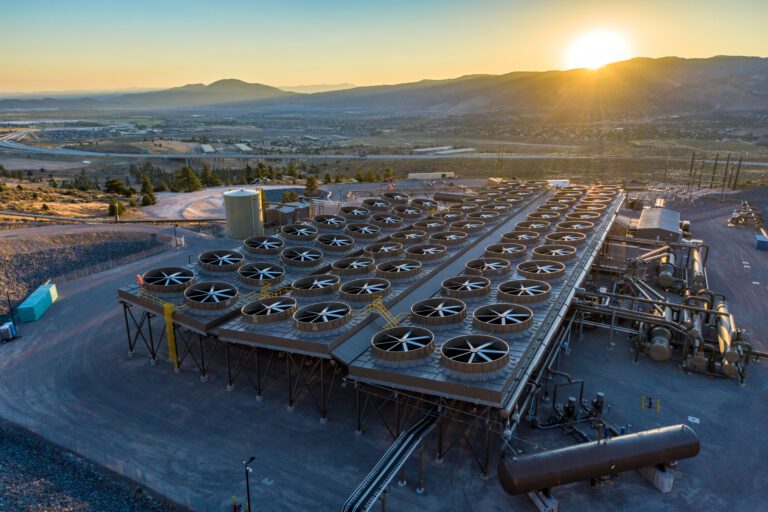
Ormat collects heat energy from the earth’s crust transforming it into electricity. Via Ormat.
Ormat Technologies (NYSE: ORA), a leading renewable energy company from Israel specializing in geothermal energy, rang the opening bell at the New York Stock Exchange last week to celebrate its 20th year on the exchange.
Ormat’s CEO, Doron Blachar said: “We are honored to celebrate Ormat’s history as a publicly traded company by ringing the NYSE opening bell. As we reflect on 20 years of trading on the NYSE, I am proud of what we have accomplished, and am particularly proud of the Company’s continued growth in developing and providing geothermal, storage and other renewable resources across the globe.
Since Ormat began trading on the NYSE, the geothermal giant grew revenues from $219 million to over $700 million. They have expanded their portfolio from ten electricity generation and recovered energy projects to 42 complexes including 13 energy storage facilities. Some countries they operate in include the US, Kenya, Guatemala, Indonesia, Honduras, and Guadeloupe. They provide clean power to companies like eBay and their servers in Utah.
Their energy generating capacity increased from 343 MW to 1.28 GW across geothermal, energy storage, solar PV and recovered energy, which includes 170MW/298MWh of energy storage capacity.While Ormat has been publicly traded for nearly two decades, its long-term goal is to reach our goal of 1.9 to 2.0 GW portfolio by the end of 2025.
Founded in 1965 as a family business, Ormat has been in the business longer than most of us have been alive. The company owns, operates, designs, manufactures, and sells geothermal power plants primarily based on the Ormat Energy Converter – a power generation unit that converts low-, medium- and high-temperature heat into electricity. The Company has engineered, manufactured, and constructed power plants, which it currently owns or has installed for utilities and developers worldwide, totaling approximately 3,200 MW of gross capacity.
Ormat’s current total generating portfolio is 1,277 MW, comprised of a 1,107 MW geothermal and solar generation portfolio that is spread globally in the U.S., Kenya, Guatemala, Indonesia, Honduras, and Guadeloupe, and a 170 MW energy storage portfolio located in the US.
How does geothermal energy collection work?
Many areas of the world have heat generated from the earth’s core and crust that makes its way to near the surface of earth. In geothermal energy production, a production well is drilled into a known geothermal reservoir and from here water is heated and the steam turns turbines which then drive an electricity generator. Power is then stored or transmitted to power lines.
How can you tell if a food is probiotic and good for your guts? Green Prophet gives a general guide.
You may know all about the ecosystem of a pond or a woodland, but have you stopped to think about the ecosystem of your own gut? Sandor Katz did and wrote a whole book on fermented food. Your digestive tract is home to trillions of organisms. For good health, we need to maintain a proper balance between those that are beneficial and those that are harmful.
How do you know if your gut “ecosystem” is in optimal condition?
Well if you:
were born to parents with good gut flora
were born in a vaginal birth
had been exclusively breastfed for the first months of your life
have eaten primarily nutritious, toxin-free food
have seldom taken antibiotics, only when needed, and never for long periods of time
…then there’s a good chance your gut ecosystem is in balance.
Unfortunately, this describes practically no one in modern society (even if you like the Paleo Diet) which means we could all use a little help from our microbial friends. That’s where fermented foods come in.
What are some examples of fermented foods?
Before the advent of refrigeration, pickling was a much-needed way to save freshly harvested vegetables. Every country has its favorite pickled veggies – and the best source of information about local pickles is usually a grandmother. Some Middle Eastern favorites include pickled beets, pickled lemons, and dill pickles.
Preserved lemons, fermenting naturally, right. Preserved peppers, left
Before milk started to be routinely pasteurized, all dairy food had beneficial bacteria. Even today, some probiotic dairy foods are available. You can read here about natural, Slow Cheese in Europe. Many condiments also started their careers as fermented foods. One example is ketchup.
Closer to home, bright yellow “amba” – a mango sauce popular in Iraq and Israel and often drizzled on falafel – is another. Even soft drinks, such as ginger ale, which certainly aren’t healthy today, used to be healthy drinks brimming with beneficial bacteria.
How can you tell if it is probiotic?
Unfortunately, most, if not all, canned and bottled fermented foods you find in the supermarket are pasteurized. With nothing living in them, they can be stored for long periods. This is great for the manufacturer and retailer; but it means that these foods won’t help your gut ecosystem. These foods are technically “dead”.
Pickled vegetables (and fruit), will be probiotic if they are:
1. pickled without vinegar or oil.
2. unpasteurized.
What about yoghurt or kefir?
The modern process for making yogurt creates some confusion. The kind of yogurt found on your supermarket shelf is made from pasteurized milk; however probiotic bacteria are added to the milk to turn it into yogurt.
If it isn’t pasteurized a second time, it’ll have beneficial bacteria and will be labeled “bio”. Note that the fresher it is, the greater the quantity of more beneficial acidophilus and other bacteria it will carry.
Fermented foods not only taste wonderful, they’re also wonderfully healthy. They even look attractive pickling in their jars. Once they’re ready, they keep in the fridge for months. They’re a wonderful addition to any meal.





 Jerusalem celebrates Gag Eden, a play on words for Gan Eden or the Hebrew word for paradise. It is a 3-day green roofs festival in the heart of the city
 bees
bees