

 I am a fanatical ‘thrifter,’ an unstoppable charity shop consumer; the best bit about shopping in this way is that all the guilt of buying too many clothes is eradicated because they are second hand.
Instead of being a part of the disposable fashion industry, I am reusing loved clothes as well as donating my own. I am one of a growing breed of charitable, fashionable students without a guilty conscience.
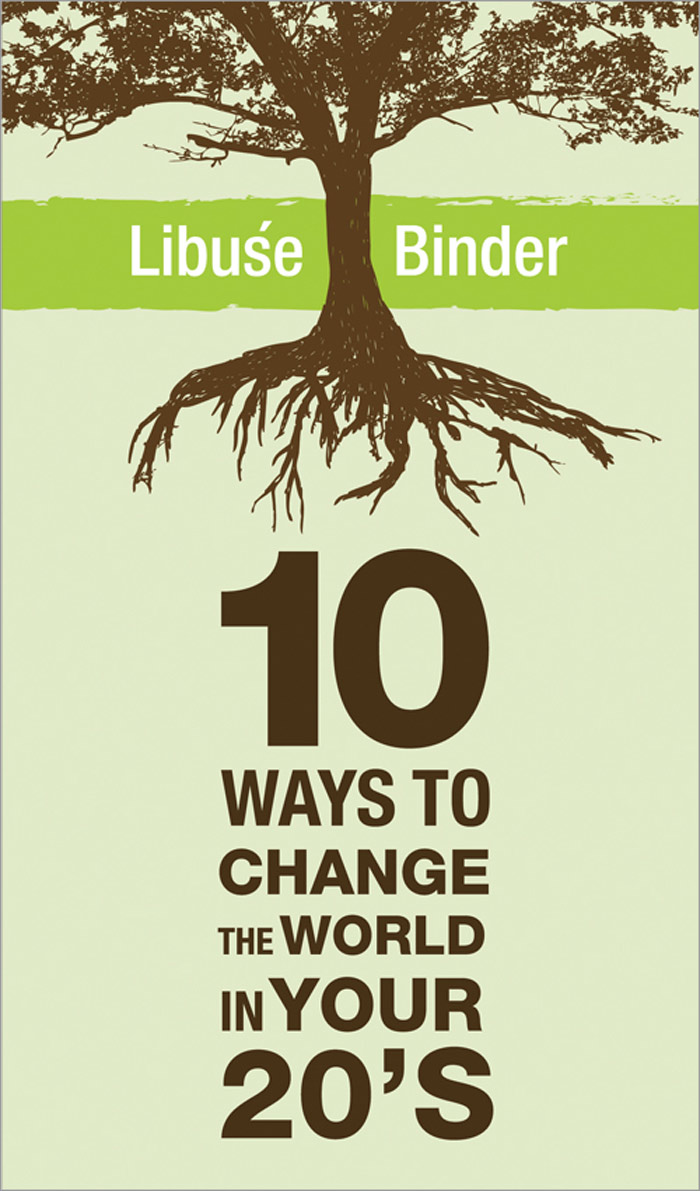
Libuse Binder would be proud. Her book “10 ways to change the world in your twenties” is full of similar stories and messages, which ring true for me as a student who strives to be as eco aware as possible in everyday life. Binder focuses on how we can simply and practically change our habits and actions to benefit the wider world with bold heading, chunky boxes, and relevant logos.
This book, as Binder says, “is not limited to any age group.” However, the presentation of facts and suggestions makes for easily digestible reading, a rare thing in the world of eco-literature and a bonus for any busy student.
Helpful lists of suggested eco-organisations, websites and volunteer positions (although American) coincide with basic messages that are inspirational as well as manageable.
She writes, “changing the world is deeply personal,” understanding that striving for change can seem a daunting, often unachievable idea. But as the book recommends and advertises, focusing on what means the most to you makes it easy to achieve your personal goals.
Most inspirational of all are the success stories that Binder includes amongst the facts and figures, which tell of people in their twenties who have made it their focus and in many cases their careers to fight for change and help others. If they can do it, so can we!
In a nutshell
The chapter, Ways to live, give and thrive through volunteering, describes in a nutshell all of the reasons I feel the need to get involved in volunteer work.
“In order to break down the walls of hopelessness, poverty, and cultural isolation, we need to foster a greater awareness of what is happening in the lives of both our local and global neighbours,” says Binder.
She presents the challenge of becoming a volunteer in such a refreshing and optimistic way that I am now looking at how to become a WWF volunteer and last weekend volunteered at an organic farm in the UK (I also wwoofed last year in France and love the idea of helping organic farmers and becoming a part of a community).
The experiences that I accumulate push me to do more and give more time to worthy causes. This book highlights the small as well as larger decisions one can make to help the world become more humane, and generally a healthier and happier place to live.
Throw an eco-party
Binder not only tackles ways of reducing waste at home, but also throws parties to get friends on board worthy ventures, and finds ways to travel in an environmentally friendly way; she introduces ideas about boycotting companies with bad values and practices, and networking in order to bag the “perfect world changing job for you.”
Although these more active and vocal missions may cause some students to shy away, for me they are Binder’s freshest suggestions. In some cases she seems to be spelling out ways in which we can live ecologically that are already ingrained in daily life for a lot of us (for example recycling, reusing plastic bags and reducing water use by flushing less and not letting taps run). However, for students newly arrived on the green scene the information in this book is so neatly presented that new habits could be easily adopted.
Thrift by name, thrift by nature
“10 ways to change the world in your twenties” has given me new ideas as well as reaffirmed my current beliefs and actions; by the time I start my new university term I will have swapped some books (thrift by name, thrift by nature), radically reduced my use of plastic containers and food wrappers, volunteered in my local area, and continued with my compost-making mission.
As an example of Binder’s target audience, if I am inspired, then I’m sure other students will feel equally motivated. Whether you are a student or not, this book is sure to get you on (or back on) track with changing the world.
This review is by Ellen Grant. Ellen was brought up to love animals and plants and when, at the age of fourteen, her family moved to an old farmhouse with fifteen acres of land Ellen was infected with the green bug. Now living in Bristol and attending Bath Spa University, Ellen is not only aware of her responsibility to be an eco-student, but seeks to make writing about the environmental crisis her career. After months spent in the city she likes to take time in the summer to go wwoofing or volunteering at festivals and farms.
Read more on green volunteering:


I like this review, and am sufficiently intrigued by green parties to get the book and find out more.