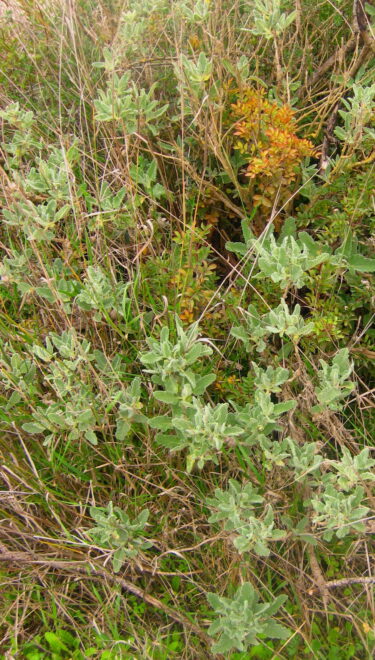
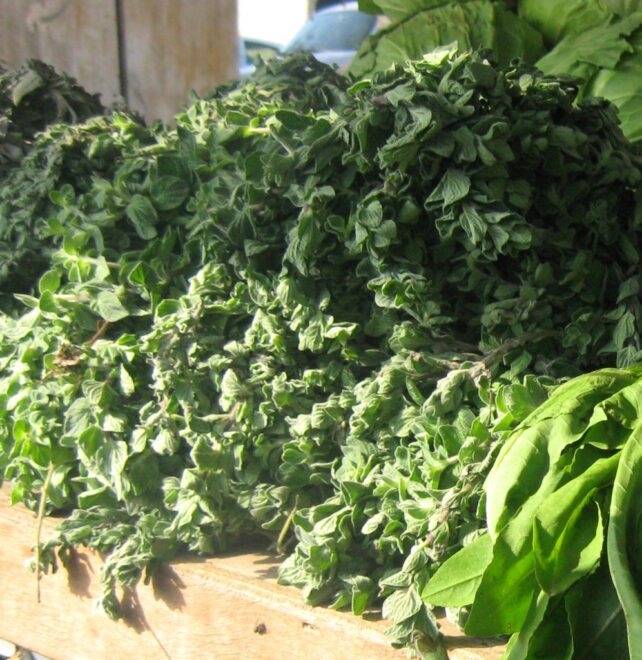
Think of truffles, a gourmet wild food. The European tuber commands astronomical prices because of its inimitable flavor, rarity, and difficult harvesting. Oregano-like za’atar herb and thorny akub (Gundelia tournefortii) are desired in the Middle East in the same way. Read our post on the delicious truffles that grow in the desert.
Akoub and za’atar grow wild in the arid hills of Cyprus, Lebanon, Israel, the Sinai Peninsula (Egypt), Syria, and Turkey. In Israel both za’atar and akoub are protected species. Both can be cultivated. Both may be collected from the wild for personal use, in moderate amounts. We even have a recipe for za’atar pesto from chef Moshe Basson.
But traders illegally picking them for sale collect them by hundreds of kilos. Often they uproot the whole za’atar plant. With akoub, taking the edible flower head means no seed left for the next year. As a result, wild za’atar and akub are on the brink of extinction.
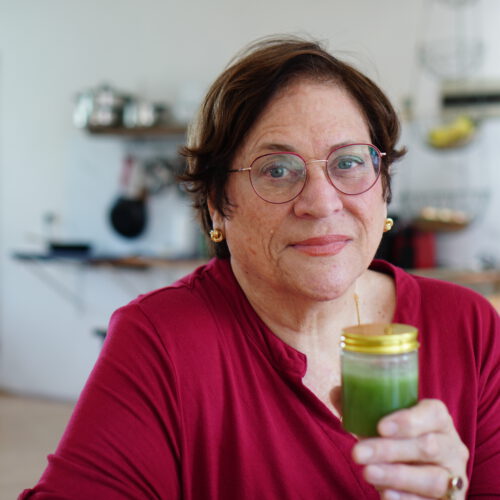
I myself grow za’atar in a container on my balcony; it’s a hardy Mediterranean herb that flourishes from year to year in the same spot. I bought the seedling from a plant nursery. I’ve also seen contraband sacks of the herb in Arab open-air markets.
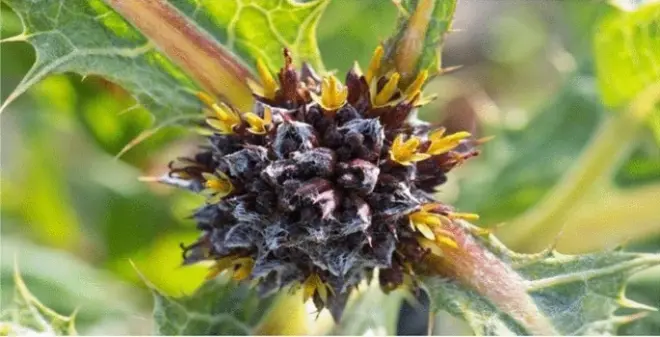
But admittedly you need to be a farmer to grow akoub, because propagation is tricky, the season is short, and the sharp thorns surrounding the delicious leaves and flowers make harvesting hard.
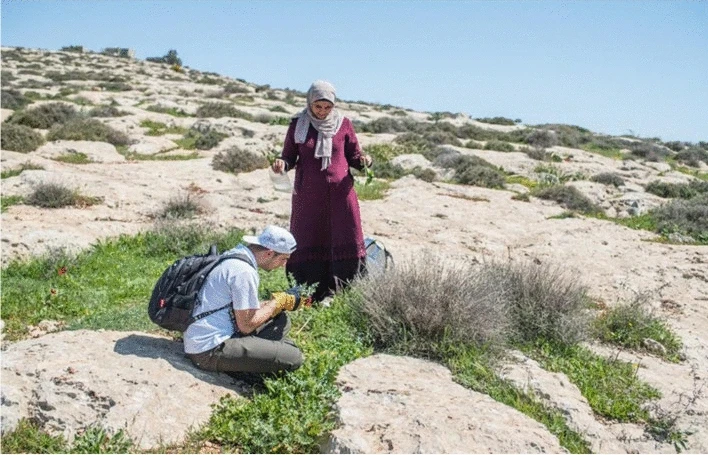
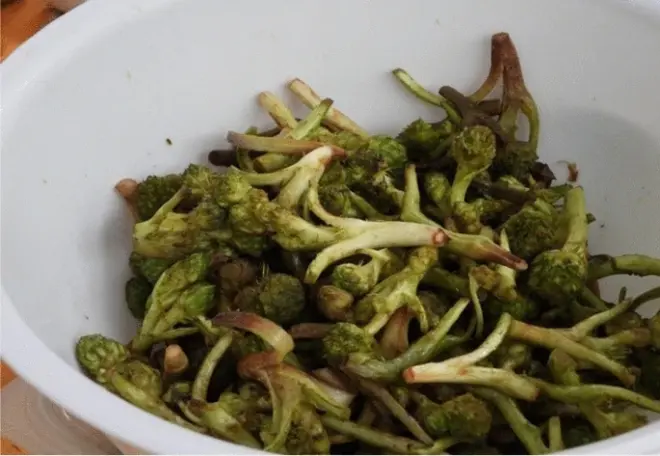
When living in northern Israel, I’d buy fresh akoub from a Beduin vendor in the local open-air market. It was expensive because of the labor involved in harvesting – I’ve seen robed Beduin slowly walking over the hills, stooping to pry the akoub away from the earth with a knife, then stripping the thorns off the edible stems.
I cooked both the flower and the stem. And yes, it was delicious, with its artichoke-like flavor. But now I wonder where that delicious akoub came from, and if I’d contributed to its overharvesting.
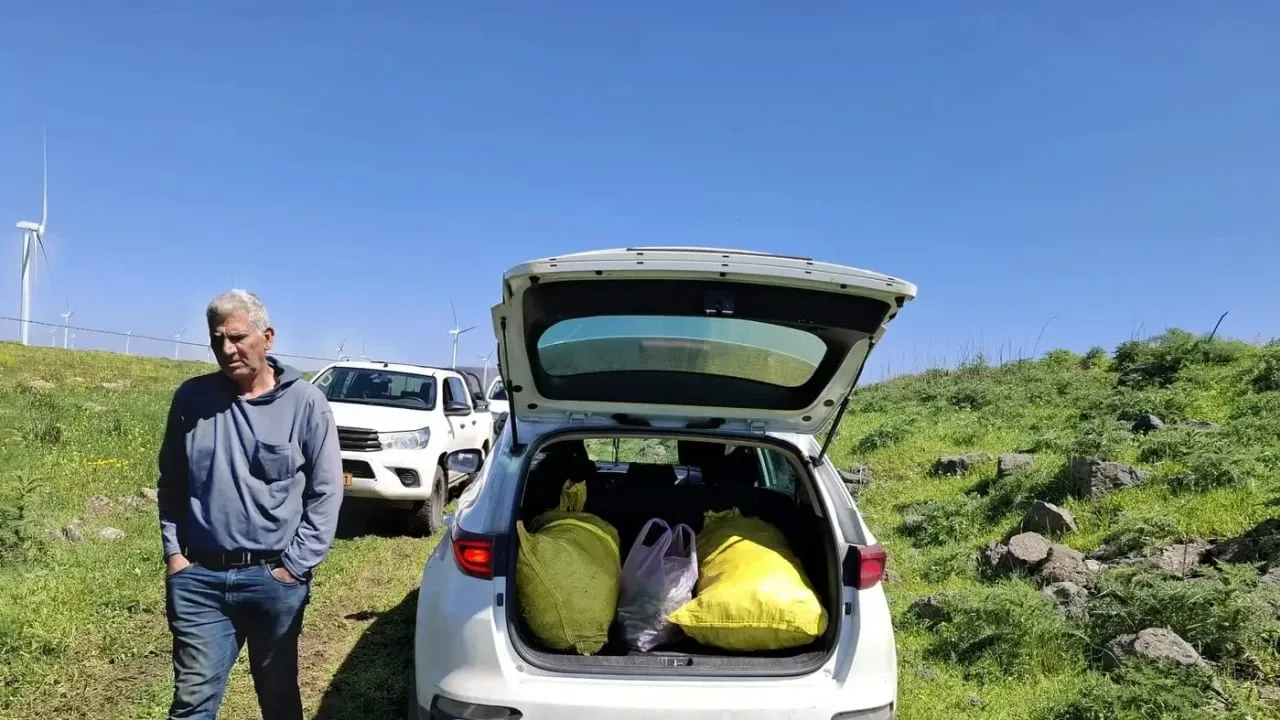
The Israel Nature and Parks Authority in the Golan have confiscated hundreds of kilos of za’atar and akoub. Some were meant to be sold in local markets, but much of this illegal produce makes its way across the border to Jordan.
Yaron Maderchi, head of the Investigations Department at the Israel Nature and Parks Authority, states that the fight against the illegal picking of wild plants is first and foremost a struggle to preserve them for future generations.
“We focus on strict enforcement against traders, not on picking for personal use,” said Maderchi. “There’s room for tradition and for responsible use of natural resources, but when picking is carried out on a commercial scale and without oversight, it leads to severe damage and even local extinction of species.”
The Israel Nature and Parks Authority noted that overpicking is driven mostly by financial incentives.
“Akoub is a highly sought-after product in the market, and illegal harvesting can generate profits of thousands of shekels per day,” said Oriya Vazana, a regional inspector in the central Golan for the Israel Nature and Parks Authority.
“Economic pressure leads people to enter these areas in large numbers,” said Vazana. “The entire market operates in cash, without oversight. Beyond the damage to the plant itself, we are also seeing collateral harm: cutting fences, opening gates, damage to grazing lands, and safety risks on roads. This is a complex issue that requires significant resources, manpower, and targeted enforcement throughout the short harvesting season.”
The plant has significant ecological importance, serving as a food source for pollinators and insects and contributing to biodiversity. Left unharvested, the flower head dries up and tumbles on the ground, dispersing seed.
About 240 kilos of akoub and 25 kilos of za’atar were seized by the Israel Nature and Parks Authority in the Golan, working with border police.