
A damning report by Greenpeace shows apathy towards recycling and hoodwinking by soda companies Coca Cola and PepsiCo.
Most plastic simply cannot be recycled, a new Greenpeace report concludes. A new report called Circular Claims Fall Flat Again, released today, finds that American households generated an estimated 51 million tons of plastic waste in 2021, only 2.4 million tons of which was recycled. That means that 4.% of all plastics created were actually recycled.
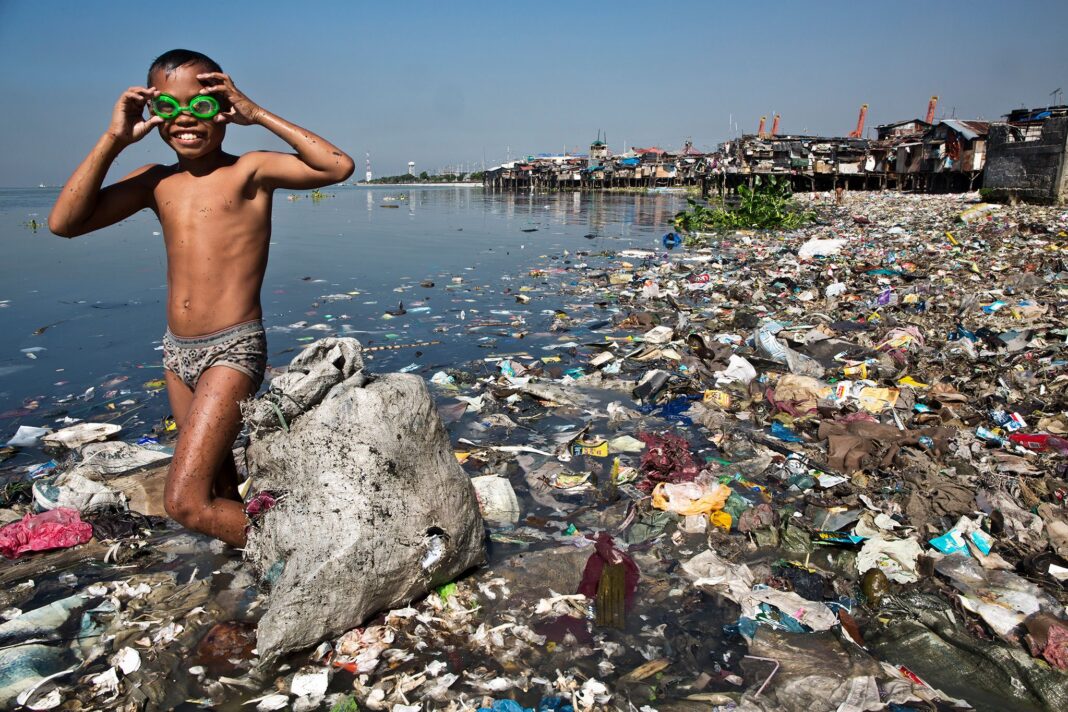
In Lebanon, the plastics problem is so bad that that they’ve clogged storm sewers, leading to flooding and one death so far this season.
If you are buying bathing suits made from bottles and phones or flip-flops from fishing nets, you are just kidding yourself. The problem is us when we buy any plastic at all. And that which is declared to be “recyclable” is most of time really not, claims Greenpeace.
No plastics in the US should be labelled recyclable
The report also finds that only two of the plastics do meet the FTC threshold. “No type of plastic packaging in the US meets the definition of recyclable used by the Ellen MacArthur Foundation’s New Plastic Economy (EMF NPE) Initiative,” says Greenpeace.
Plastic recycling was estimated to have declined to about 5–6% in 2021, down from a high of 9.5% in 2014 and 8.7% in 2018. At that time, the US exported millions of tons of plastic waste to China and counted it as recycled even though much of it was burned or dumped.
By EMF NPE standards, an item must have a 30% recycling rate to receive the “recyclable” classification. Two of the most common plastics in the US that are often considered recyclable – PET #1 and HDPE #2, typically bottles and jugs – fall well below the EMF NPE threshold, only achieving reprocessing rates of 20.9% and 10.3%, respectively.
For every other type of plastic, the reprocessing rate is less than 5%.
While PET #1 and HDPE #2 were previously thought of as recyclable, this report finds that being accepted by a recycling processing plant does not necessarily result in them being recycled – effectively negating the recyclability claim.
Lisa Ramsden, from Greenpeace said: “Corporations like Coca-Cola, PepsiCo, Nestlé, and Unilever have worked with industry front groups to promote plastic recycling as the solution to plastic waste for decades. But the data is clear: practically speaking, most plastic is just not recyclable. The real solution is to switch to systems of reuse and refill.”
According to the report, which is an update to a 2020 report, mechanical and chemical recycling of plastic waste fails because plastic waste is extremely difficult to collect, virtually impossible to sort for recycling, environmentally harmful to reprocess, often made of and contaminated by toxic materials, and not economical to recycle.
Ramsden said: “Single-use plastics are like trillions of pieces of confetti spewed from retail and fast food stores to over 330 million US residents across more than 3 million square miles each year. It’s simply not possible to collect the vast quantity of these small pieces of plastic sold to US consumers annually.
“More plastic is being produced, and an even smaller percentage of it is being recycled. The crisis just gets worse and worse, and, without drastic change, will continue to worsen as the industry plans to triple plastic production by 2060.”
How to turn off plastic use
Ramsden continued: “We are at a decision point on plastic pollution. It is time for corporations to turn off the plastic tap. Instead of continuing to greenwash and mislead the American public, industry should stand on the right side of history this November and support an ambitious Global Plastics Treaty that will finally end the age of plastic by significantly decreasing production and increasing refill and reuse.”
A number of cities globally claimed they would end plastic bags and single-time use plastic. Tel Aviv and Amman, Jordan for instance. Kuwait, Qatar and the UAE too have all said they will ban the bag. None of these countries, regions and cities have these cities have done a thing to stop endless plastic bags, soda bottles and consumerism. With Saudi Arabias’s schizophrenic mangrove tree planting mixed with skiing in the desert, we don’t know if we should laugh or cry. If America isn’t recycling, if most things we buy aren’t recyclable, what’s the world coming to?
The Greenpeace report urges companies to take several additional steps to mitigate the systemic problems associated with plastic recycling, including phasing out single-use plastics, committing to standardized reusable packaging, and adopting a Global Plastics Treaty to help set international standards.
It might be too late, but worms are found to eat plastic. And you can try this superworm plastic-eating experiment at home with all the plastics that may never really get recycled.

How Greenpeace conducted this study
The original comprehensive, objective survey of acceptance of plastic items at U.S. residential material recovery facilities for curbside recycling has been continually updated since its creation in October 2019 and was reverified in August 2022.
The survey was performed and verified by technically qualified volunteers of The Last Beach Cleanup: two registered professional chemical engineers and a recycling industry expert. The acceptance information was found in the public domain and is publicly shared to promote transparency and establish a traceable account of facts related to “recyclable” claims and labels for plastic products.