Fujitsu helps create a digital twin to save the sea

Fujitsu helps create a digital twin for the sea

A new project in Spain shows how digital twins, which are virtual replicas of real environments, are becoming powerful tools for protecting ecosystems. Fujitsu and the BCN Port Innovation Foundation have announced a proof of concept to create an ocean digital twin at the Port of Barcelona. (Will they use Mirai robots at sea?)

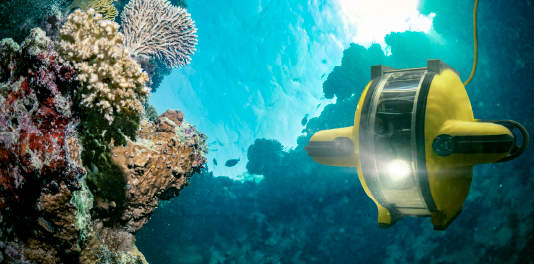
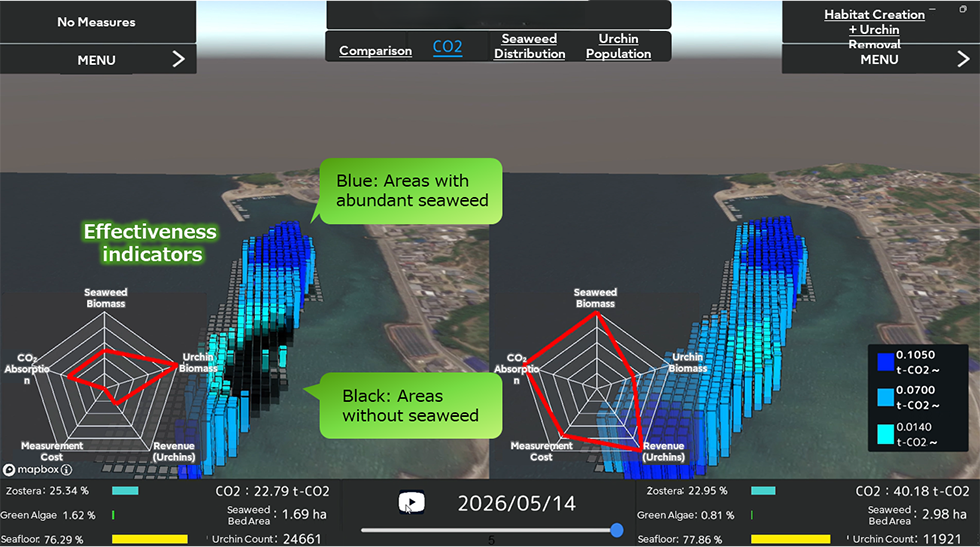
The initiative will use underwater drones, artificial intelligence and advanced analytics to generate detailed digital models of the seabed and marine life. The goal is to support “the regeneration of the marine environment, the protection of biodiversity and the promotion of the blue economy.” Using non-destructive sensing, the system will visualize biodiversity, estimate vegetation coverage and calculate blue carbon stored in marine algae.
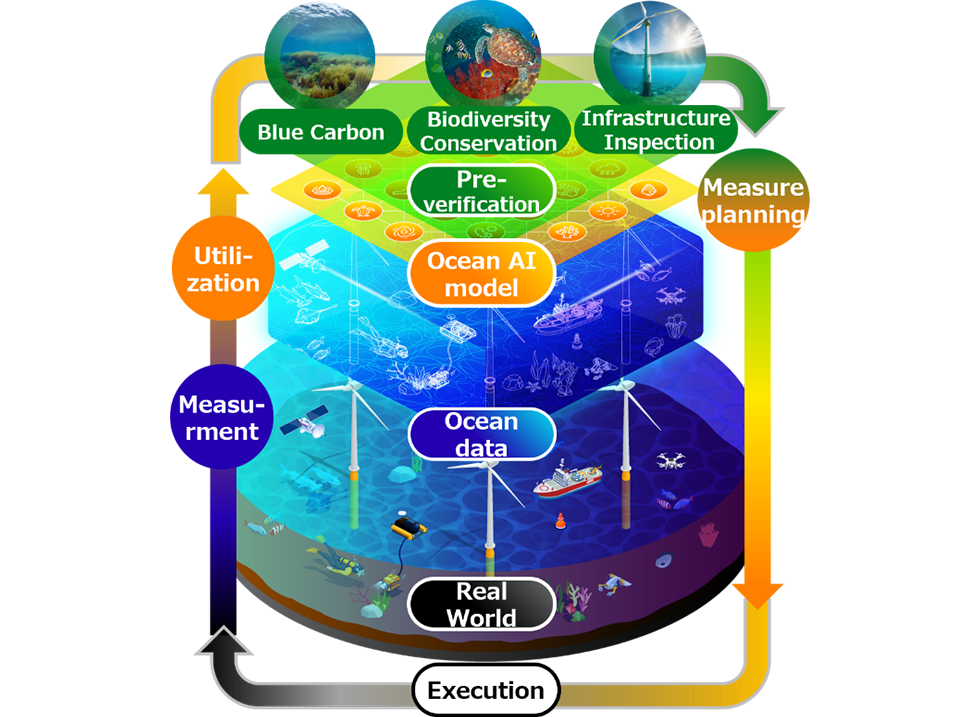
How a digital twin works. Image via Fujitsu
marine How a digital twin works. Image via Fujitsu

Digital twins work by collecting real-world data through sensors, drones or satellites and feeding it into a digital model that mirrors the real ecosystem. In Barcelona, autonomous vehicles will map the seabed while machine-learning systems translate the information into measurable indicators. According to the project description, “Machine learning models convert this data into quantitative environmental intelligence, estimating vegetation coverage, assessing habitat extent, and calculating blue carbon absorption.”

One powerful feature of digital twins is the ability to test future scenarios before action is taken. The platform developed by Fujitsu will allow environmental simulations to evaluate policy or infrastructure impacts. The system “enables the simulation of ‘what if’ scenarios, helping pre-verification of environmental measures before they are implemented to prioritize investments based on their real impact.”

Ángeles Delgado, president of Fujitsu Spain and Portugal, says the approach turns complex marine data into practical insight: “This project demonstrates how technology can become a true ally of sustainability. The ocean digital twin allows us to transform complex data from the marine environment into actionable information to protect biodiversity, promote blue carbon initiatives, and make evidence-based decisions.”

Ocean twins are part of a broader trend using digital replicas to manage environmental systems. Cities are building urban digital twins to model climate impacts, researchers are creating forest twins to track carbon storage and wildfire risk, and global projects such as Europe’s Destination Earth climate twin aim to simulate the entire planet to improve climate forecasting and environmental planning.


Karin Kloosterman
Karin Kloostermanhttp://www.greenprophet.com
Karin Kloosterman is an award-winning journalist, innovation strategist, and founder of Green Prophet, one of the Middle East’s pioneering sustainability platforms. She has ranked in the Top 10 of Verizon innovation competitions, participated in NASA-linked challenges, and spoken worldwide on climate, food security, and future resilience. With an IoT technology patent, features in Canada’s National Post, and leadership inside teams building next-generation agricultural and planetary systems — including Mars-farming concepts — Karin operates at the intersection of storytelling, science, and systems change. She doesn’t report on the future – she helps design it. Reach out directly to [email protected]

Read More

TRENDING

Elkhorn corals planted to restore reef diversity

The project centers on “Flonduran” corals, which are offspring of Florida elkhorn corals bred with elkhorn corals from Honduras. These new corals are being evaluated alongside Florida elkhorn corals of the same age that are outplanted side by side in natural reef habitats to assess whether the new genetic diversity can enhance coral resilience and reduce coral bleaching during Florida’s warm summers.

Econcrete makes built coastlines richer in marine life with new investment

    A decade ago, we met Shimrit Perkol-Finkel in a...

Want to speak “dolphin”?

While Is Anyone Listening? may not satisfy those looking for hard statistics, it’s a compelling read for anyone interested in the intersection of science, philosophy, and animal behavior. Herzing’s voice—at once personal, precise, and probing—asks us not just to decode dolphin sounds but to consider our role as co-inhabitants of a shared, noisy planet.

Meet Andreas Weil, the founder of Israel’s EcoOcean, protecting the seas for all

A feature article interviewing Israel's leading marine conservationist, Andreas Weil. He founded EcoOcean and has enabled hundreds of thousands of people to learn about the ecological aspects of marine conservation. He also brought the concept of Blue Flag beaches to Israel.

Washington bans marine aquaculture nets for farmed fish in world first

Washington State made history, becoming the first—and only—place in the world to successfully remove and permanently ban commercial net pen aquaculture.

Yerukim Forms a New Green Economy Where the Money is Really Green

The Yerukim members who pick up the recyclables get to keep the monetary reward, the public earns "green" bills that can be used in shops, and business owners get to be associated with environmentalism.

Choosing Riyadh over Dubai? What Investors Should Know

Saudi Arabia is deploying capital at unmatched scale to catalyze tourism and advanced industry while rewiring its power-and-water backbone. The investable frontier is widening—especially in renewables, grid storage, water efficiency/desal retrofits, and hospitality operating platforms. Prudent investors will insist on phased delivery, enforceable KPIs (energy, water, biodiversity), and RHQ/zone compliance—while pricing political-economy and reputational risks alongside growth upside.

Sell your cooking oil for biodiesel money

Want to make money on old french fry oil? Sell it.

Qatar Alternative Energy Summit Pairs Investors And Innovators

Alternative energy investors and innovators can meet n' greet in Doha, Qatar March 16 and 17.

Here’s How To Implement The Four Pillars Of Employee Engagement

If you throw a party for your work team and they are vegans, don't make it a barbecue. Know the sustainability values of your team to boost moral and retain good people.

Locals From Rishon Fight IKEA

Big Box stores are a pretty new concept in Israel, and thank God that not every Israeli city wants them in their backyard. A word from someone who has see the beautiful farmland around her hometown Newmarket, Ontario stripped and converted into vulgar strip malls of big box shops: they have no place in a healthy and sustainable town or city.

The Jewish National Fund Meets An Inconvenient Truth

According to the JNF, it has transformed thousands of acres of barren land into green forests in Israel. They state that each person emits about 23 tons of carbon per year, estimating that each tree planted can absorb one ton of carbon in its lifetime. That's a whole lot of trees you'd need to be planting. Could so many fit in Israel?

How to quiet noise from construction in your office

Streets need to be resurfaced in New York but the humming and grinding noise is unsettling. Noise is environmental pollution. 

Popular Categories