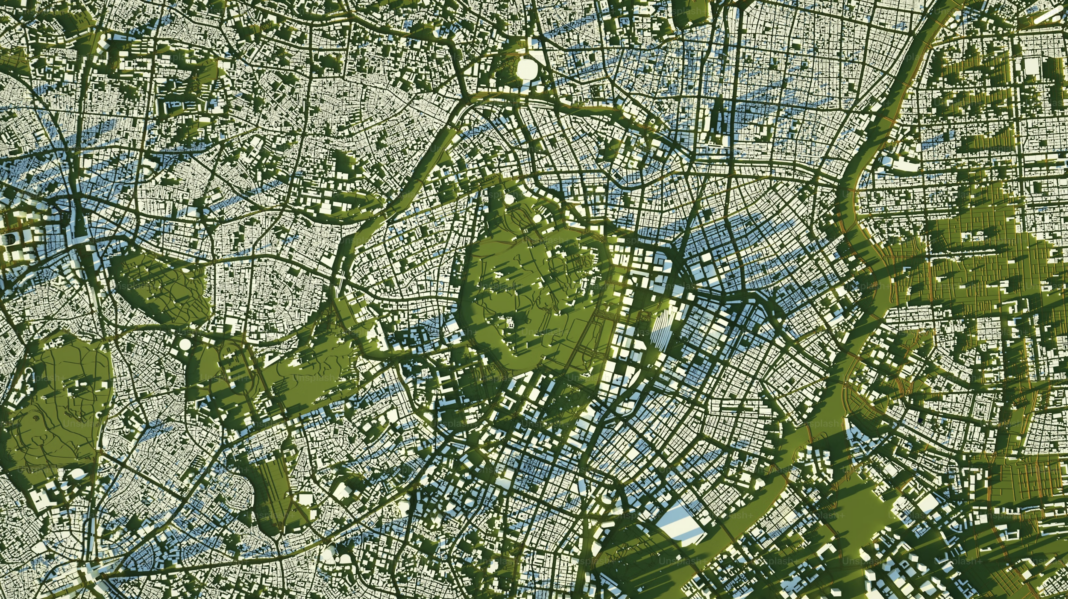


Working through the complexities of real estate is challenging. This area has undergone a revolution with the advent of Geographic Information System (GIS) mapping. GIS mapping technology provides a dynamic perspective on interpreting and analyzing data associated with geographic locations. In this article, we will discuss GIS mapping and its transformative effect on real estate.
Understanding GIS Mapping
Before discussing further, let’s first understand “What is GIS mapping?” Geographic aspects of GIS mapping use hardware, software, and data to capture, store, manage, analyze, and display geographically referenced information. GIS gives insight into spatial relationships and patterns by layering data on top of each other. This technology is essential for industries dependent on geospatial data. This digitization has enhanced the power of the GIS to manage large volumes of data. This allows not only for the discovery of hidden scientific facts and their retrieval but also the presentation of results in an easy-to-read format. People can navigate through maps, graphs, and charts to learn more about a place. Additionally, GIS enables a deeper level of analysis and visualization, which drives better decisions.
Uses In Real Estate
Real estate professionals use GIS mapping to improve many aspects of their jobs. GIS provides useful analysis and decision-making tools throughout the entire real estate lifecycle, from site selection to property management.
1. Preliminary Assessment and Selection of Sites
Choosing a location is king in real estate. GIS mapping is used to find ideal sites based on demographics, proximity to amenities, infrastructure, etc. This type of technology enables professionals to superimpose multiple datasets to get a complete picture of where a location may be ideal.
2. Market Analysis and Trends
Market trends are an important aspect of every real estate venture. With GIS mapping, users can see market information for property values, sales trends, and rental rates. This helps identify emerging or fast-growing markets and make space for strategic decisions based on spatial patterns.
3. Landholding and Strategic Planning
Good property management relies on well-organized data. GIS mapping provides the tools necessary to track property, monitor maintenance activity, and determine the impacts of new developments. This technology aids in long-range planning through knowledge of land use, zoning, and ecological aspects.
4. 3D Virtual Tours and Interactive Maps
Virtual tours and interactive maps make customers feel involved. Potential buyers can see neighborhoods and amenities by visualizing properties and their surroundings. This leads to data-driven decision-making and better customer satisfaction.
5. Personalised Property Searches

With GIS mapping, clients can filter properties according to certain criteria. It allows users to filter properties by location, price range and features for a personalized search experience. This feature helps streamline searching and improve productivity.
6. Environmental Impact Assessments
GIS mapping offers all analytical tools to assess the environmental impacts of development on natural and ecological resources. It informs analysis that contributes to sustainable practice and helps avoid potential harm.
7. Community Consultation and Design
Participatory planning is an essential element of sustainable development. Many community members find it difficult to visualize a proposed project within their context and even harder to express an opinion without having seen it. You can bridge the gap by developing a GIS image and facilitating feedback gathering. This approach to participatory assessment encourages collaboration and transparency.
Challenges And Future Outlook
Aside from its benefits, GIS mapping faces challenges such as data quality and consistency. The key to a comprehensive analysis and sound decision-making is ensuring that a data source is valid. Moreover, the convergence of GIS with new technologies like artificial intelligence opens an area of innovation. Real estate industry and future of GIS mapping Solutions With the advancement of technology, GIS will continue to innovate and provide a more complex and advanced tool for analysis and visualization. Innovation in areas like 3D mapping and real-time data integration is set to change everything.
Conclusion
The emergence of GIS mapping has changed how real estate agents approach the changing landscape. This technology has numerous applications that require less efficiency and enhanced effectiveness, from site selection to customer engagement. Though challenges lie ahead, the prospect of GIS mapping in the future presents many exciting advancements and new opportunities within the real estate sector. We are likely just beginning to understand how this technology will impact the real estate industry. Future developments could open many new solutions and sustainable practices.