Tips to sustainable travel using the Internet

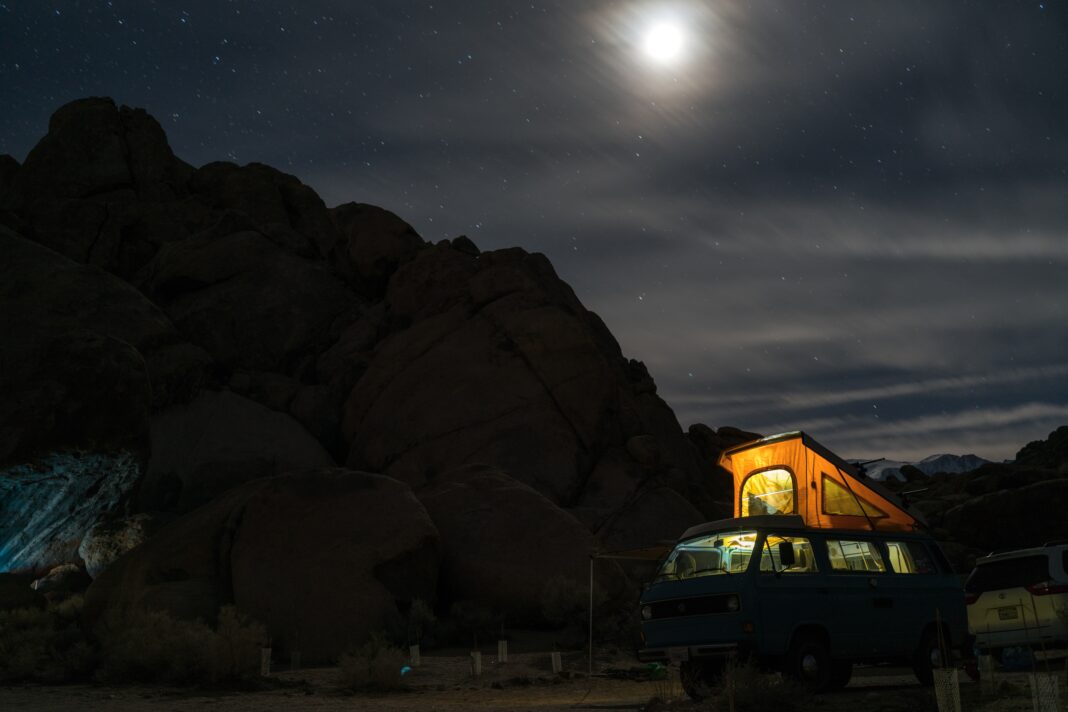
Van life under the stars
#Vanlife is a great way to live and work remotely for a year or two

Traveling around the world on a shoestring budget means you can travel longer and work less to save for your trip. While it’s hard to ever become the No Impact Man there are ways to live on a shoestring, eat simply, buy like a spendthrift and enjoy your time meeting new people instead of shopping at Home Depot to repair the house that holds you while you work. 

The first thing you need to know, and I am sure you have heard about it, is that booking sites for rental cars, airfare and hotels use tracking software to know from which country you’ve entered the site and they can count how many times you check prices on a page. Notice the prices going up higher every time you check? 

It’s not likely such a demand for what you want but the company knows you are checking and automatically puts the price up every time. There are a handful of reliable VPN companies you can use to block your location and in some cases toggling between countries can get you better rates. I use VPN Express when I need a temporary VPN, and Surfshark is just fine too – just take a top 5 VPN download and you are good to go. I’d pay with PayPal because it’s easier to get your money refunded if the software doesn’t work the way you intended. And it’s safer than giving your credit card.

Cloaking your location can also work for getting good rates on cars but after 5 years of having to rent cars every year, sometimes for a couple of months at a time, I’d given up on all the comparison sites and I’d just stick with Autoslash. I’ve had personal help from guys like Chris over there. While you don’t have options to find electric or hybrid cars these can come up in your search results and you can filter the best choices out later according to your budget and location. 

How to find places to stay: every country in the world has sustainable, local cost options. But you need to get into the mindset of the people there first to understand how to travel with less impact and how to travel sustainably. In countries like Turkey you don’t have to Google for LEED hotels. You can stay at small, family-built pensions that offer home-cooked meals. Turkey is also one of those countries where you don’t need a car to travel far and well. Small buses and even larger ones traverse the country in a web –  making it easy for you to get on and get off with ease and your budget intact. 

Countries like Canada, less so. Lodging is relatively expensive, but with the enormous scale of provincial and national parks you can camp for about $40 USD a night during peak summer months. Provincial parks will let you stay in wild camping zones for an even lower rate and if you have a map of the Crown Land you can probably figure out ways to camp for free out in nature. 

So when sustainable travel budgeting choices you make on the internet are important. But don’t make too many choices. Book a few nights and then figure out from the locals how to do more with less. Each country has its tips and tricks and if you want to act like a local go out and meet some. 


Bhok Thompson
Bhok Thompsonhttp://www.greenprophet.com
Bhok Thompson is an “eco-tinkerer” who thrives at the intersection of sustainability, business, and cutting-edge technology. With a background in mechanical engineering and a deep fascination with renewable energy, Bhok has dedicated his career to developing innovative solutions that bridge environmental consciousness with profitability. A frequent contributor to Green Prophet, Bhok writes about futuristic green tech, urban sustainability, and the latest trends in eco-friendly startups. His passion for engineering meets his love for business as he mentors young entrepreneurs looking to create scalable, impact-driven companies. Beyond his work, Bhok is an avid collector of vintage mechanical watches, believing they represent an era of precision and craftsmanship that modern technology often overlooks. Reach out: [email protected]

Read More

TRENDING

How Torvinen Jaakko’s ugly wood can lay the foundations for green building

Canada's forests generate billions of dollars in economic value each year, yet vast amounts of irregular timber are downgraded to wood chips or biomass. A collaboration between researchers at Carleton University and Aalto University is challenging that model, demonstrating how "ugly wood" can be transformed into high-value architecture while reducing waste and storing more carbon in buildings.

Kansas City’s Second Attempt at a Conversion Therapy Ban: What the Proposed Ordinance Does and Why It’s Being Rewritten

Kansas City is attempting to revive protections against conversion therapy with a new ordinance carefully designed to withstand recent First Amendment challenges. Rather than banning conversion therapy by name, the proposal targets harmful therapeutic practices linked to increased risks of depression and self-harm, creating what supporters hope could become a legal model for other U.S. cities.

A Face Swap Tool for Training and Internal Comms

Corporate training videos often require repeated filming, travel, and production resources every time policies or personnel change. AI-powered face swap tools offer a more sustainable approach by extending the life of digital training content, reducing unnecessary reshoots, and helping organizations communicate more efficiently—provided they are used transparently with clear consent and ethical governance.

How a tick bite can lead to a life-threatening meat allergy AFG

Imagine developing a severe allergy to steak after a single tick bite. That's the reality for people with alpha-gal syndrome, a rapidly emerging condition linked to lone star ticks and other tick species. As researchers uncover how tick saliva rewires the immune system, health officials warn that hundreds of thousands of Americans may already be living with this unusual red meat allergy.

Russia’s Arctic superdeep oil drill revives debunked ‘infinite oil’ theory

Russia is reviving the controversial abiotic oil theory with plans to drill superdeep holes in the Arctic. While small amounts of abiotic methane exist deep within the Earth, most geologists reject the idea that commercial oil reserves originate from non-biological processes, raising questions about the environmental cost and scientific value of the project.

Yerukim Forms a New Green Economy Where the Money is Really Green

The Yerukim members who pick up the recyclables get to keep the monetary reward, the public earns "green" bills that can be used in shops, and business owners get to be associated with environmentalism.

Choosing Riyadh over Dubai? What Investors Should Know

Saudi Arabia is deploying capital at unmatched scale to catalyze tourism and advanced industry while rewiring its power-and-water backbone. The investable frontier is widening—especially in renewables, grid storage, water efficiency/desal retrofits, and hospitality operating platforms. Prudent investors will insist on phased delivery, enforceable KPIs (energy, water, biodiversity), and RHQ/zone compliance—while pricing political-economy and reputational risks alongside growth upside.

Sell your cooking oil for biodiesel money

Want to make money on old french fry oil? Sell it.

Qatar Alternative Energy Summit Pairs Investors And Innovators

Alternative energy investors and innovators can meet n' greet in Doha, Qatar March 16 and 17.

Here’s How To Implement The Four Pillars Of Employee Engagement

If you throw a party for your work team and they are vegans, don't make it a barbecue. Know the sustainability values of your team to boost moral and retain good people.

Locals From Rishon Fight IKEA

Big Box stores are a pretty new concept in Israel, and thank God that not every Israeli city wants them in their backyard. A word from someone who has see the beautiful farmland around her hometown Newmarket, Ontario stripped and converted into vulgar strip malls of big box shops: they have no place in a healthy and sustainable town or city.

The Jewish National Fund Meets An Inconvenient Truth

According to the JNF, it has transformed thousands of acres of barren land into green forests in Israel. They state that each person emits about 23 tons of carbon per year, estimating that each tree planted can absorb one ton of carbon in its lifetime. That's a whole lot of trees you'd need to be planting. Could so many fit in Israel?

How to quiet noise from construction in your office

Streets need to be resurfaced in New York but the humming and grinding noise is unsettling. Noise is environmental pollution. 

Popular Categories