
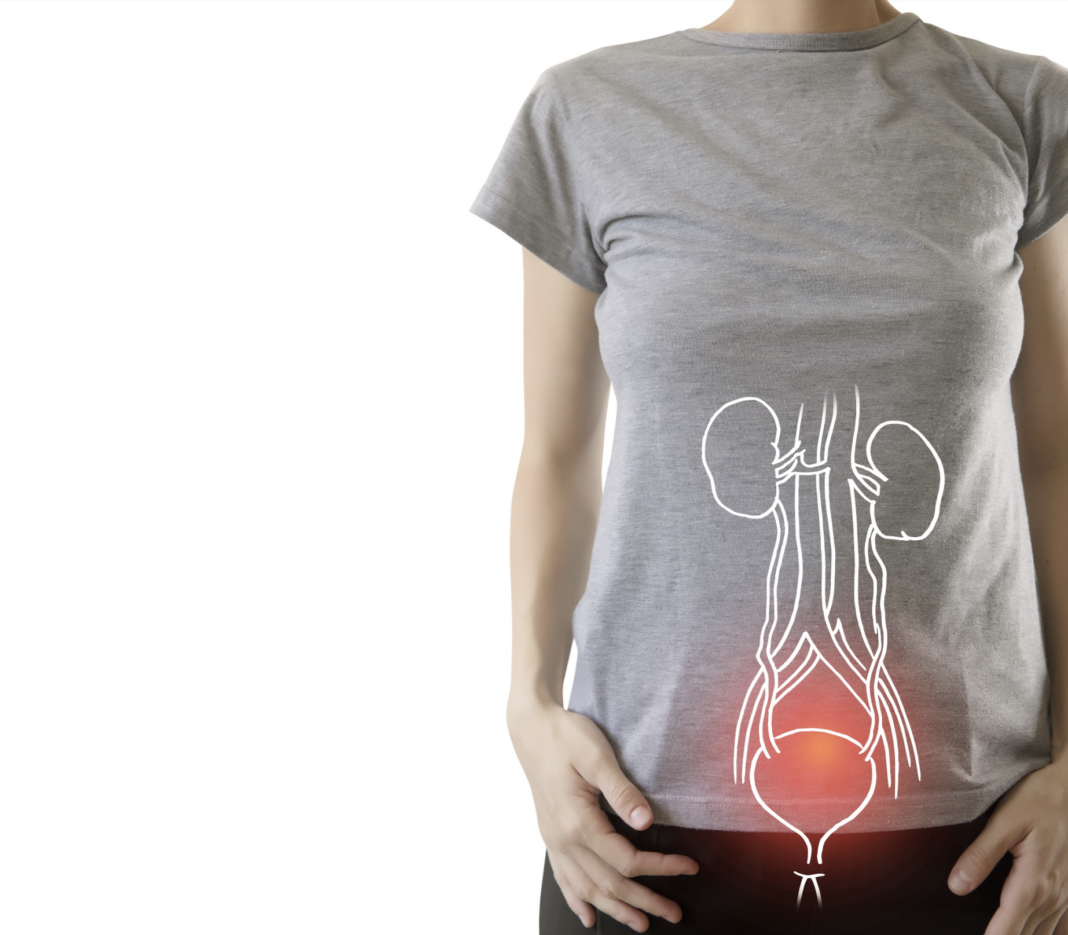

 If you’ve ever taken your dog out for a walk that turns into a rather jarring run and felt the unpleasant and unwanted trickle of urine leak out into your underwear, this may not simply be a one-time thing. If you’ve experienced the same level of discomfort when laughing a little too hard with your friends or bouncing along to a workout video, incontinence may be the culprit.
It’s wise to understand the various types, causes, and symptoms of incontinence in order to better manage it. While the severity of the condition may vary depending upon the person, it’s essential to ensure that no other underlying conditions are to blame. After all, dealing with incontinence can be an embarrassing and inconvenient in and of itself. Finding ways to minimize any additional health risks is key, as well as ensuring that your current situation is well managed and understood.
What is incontinence?
In your quest toward coping with incontinence, it’s important to understand what the term actually means. Generally speaking, it refers to the involuntary loss or urine or feces, due to weakened bowel and/or bladder muscles. Though it’s typically associated with aging individuals, those who have experienced any sort of physical or mental trauma can fall victim to this condition.
Causes of incontinence
As mentioned above, the causes of incontinence can range depending upon the individual and their circumstances. If the inability to control your bodily functions is temporary, it may be caused by a urinary tract infection, constipation, stimulating substances, medications, and/or vaginal irritation. If symptoms persist, the reason for such may fall under one of the following categories:
- Aging
- Physical trauma such as pregnancy and childbirth
- Neurological disorders caused by a disease, disability, or other nerve-damaging injuries:
- Diabetes
- Parkinson’s disease
- Multiple sclerosis
- Spinal cord injury
- Cognitive impairment caused by a mental disability
- Enlarged prostate blockage
- Physical impairment such as arthritis
- Pelvic organ prolapses
- Surgical damage
- Cancer
- Kidney or bladder stones
- Interstitial cystitis (inflammation within the bladder)
- Increased pressure on stomach due to being overweight (or obesity)
If you’ve endured any of the above events, paired with frequent misbehavior from your southern areas, it might be time to consult with a doctor to determine whether you’ve developed an incontinence problem.
Types of incontinence
While the involuntary loss of urine and feces may seem straightforward, there are several different types of incontinence that affect individuals in varying ways. It’s vital to understand the differences in order to gain a thorough understanding of your own condition.
The most common types of incontinence could come in the form of the following:
- Stress incontinence: Urine leaks out when bladder is under pressure. This pressure may be exerted through coughing, sneezing, laughing or exercising.
- Urge (overactive bladder) incontinence: You feel the sudden urge and desire to relieve yourself immediately. This can lead to frequent bathroom visits during the day and night.
- Mixed incontinence: A combination of stress and urge.
- Overflow incontinence: Frequent dribbling of urine due to an incomplete emptying of the bladder. This is usually caused by a blockage in the urinary tract.
- Functional incontinence: A physical and mental impairment prevents you from finding and or using the toilet when you require it.
- Reflex incontinence: The sudden contracting of bladder muscles causes urine (typically large amounts) to leak out. This is usually due to neurological impairment caused by nerve damaging injuries or illness.
For further information regarding the different types, refer to comfort-first intimates brands such as Knix to expand your existing knowledge.
Potential complications
Living with incontinence can present multiple challenges, if not effectively addressed. Skin problems such as rashes, sores, and infections, for example, can develop due to your constantly wet skin rubbing against the material of your pants. Risk of suffering from urinary tract infections is also believed to increase if you suffer from incontinence.
Apart from the physical dilemmas of dealing with an uncooperative bladder, your personal life may also take a hit. Whether within a social or professional situation, your need to frequently relieve yourself may lead to embarrassment and/or misunderstandings.
Therefore, it’s essential to implement any methods and tools of management, so the quality of your life doesn’t diminish.
Ways of coping with incontinence
Depending on your physical and mental capabilities, there are several coping mechanisms available—some designed specifically for incontinence, while others are small everyday changes that could improve not only the latter but also your health in general. These small changes may seem uncomfortable at first, but you’ll barely notice them later on:
- Pads, adult diapers, and specially made underwear
You may hear the term adult diaper and think that you’re way too proud to ever try out a pair. They can, however, help lessen the discomfort that typically comes with incontinence. Similar to female menstruation pads, incontinence pads, diapers, and underwear come in various shapes and sizes, depending on your requirements, and are made with moisture absorbance in mind.
- Maintaining a healthy weight
As touched upon previously, excess weight can place additional pressure on the pelvic muscles and in turn lead to incontinence. Therefore, it’s wise to maintain a healthy body mass index (BMI) but also judge the latter based upon your individual body type and existing health conditions.
- Pelvic floor exercises
It shouldn’t come as a surprise that exercise can help boost your overall mental and physical health. When said exercise is directed (carefully) toward an area that’s struggling to remain as fit and healthy as it used to—such as your pelvic floor muscles—it may in turn strengthen the area and reduce symptoms of incontinence.
Kegel exercises, in particular, are recommended for decreasing unwanted bouts of urination. By tightening and releasing the relevant muscles for the instructed periods of time, you may notice a positive change within the capabilities of your bladder and bowel.
- Practice yoga

If you’re into yoga, you may already be doing your part to reduce the severity and presence of incontinence. Similar to pelvic floor exercises, yoga can help strengthen your pelvic floor muscles while improving overall flexibility, correct posture, and breathing control—all of which can potentially aid in incontinence management.
- Bladder training
Retraining the bladder to hold on to larger portions of urine may benefit you in the long run. Those who suffer from frequent urination can involuntarily train the bladder to hold small amounts. Therefore, investing in some form of behavioral therapy may prove beneficial.
- High-fiber diet
High-fiber foods are known for absorbing extra fluid within the body, as well as thickening up the stool. Including such ingredients within your daily cooking may, therefore, help you manage symptoms of bowel incontinence.
- Limit stimulating substances
Individuals who don’t suffer from any form of incontinence will most likely feel the occasional bowel/bladder discomfort after drinking excess (or average) amounts of stimulating foods and drinks such as alcohol and coffee.
Spicy and acidic food such as curries and citrus fruits, may also upset your stomach and lead to bladder leakage. If you suspect incontinence to be the culprit of your issues, limiting these kinds of food and drink may prove beneficial.
- Minimize or quit smoking
Smoking can cause mild to severe coughing episodes. Coughing, as stated previously, could place additional strain on your pelvic muscles and in turn create a very damp and unpleasant situation.
Reducing or completely quitting smoking may lessen symptoms.
- Appropriate clothing
Wearing nothing but tight and restrictive clothing may only worsen your condition—again due to unwarranted pressure. For those who struggle with physical and mental impairments, clothing that is difficult to remove at a moment’s notice may cause undue distress and discomfort.
Ensuring your clothing is optimized for the worst-case scenarios is wise, if you still struggle to manage those moments of urgency. Loose, stretchy fabrics are recommended, as well as easily loosened clasps (Velcro fasteners) in comparison to sticky zippers.
- Avoid excessive lifting
Lifting heavy or awkward items can also put strain on your pelvic floor muscles. Whether you’re a weightlifter or a mother needing to carry young children, it’s wise to do so in a safely and with the right technique. In order to lower your risk of incontinence, tightening your bladder muscles before lifting may help. Unless part of your workout routine, avoiding any unnecessary lifts is also recommended.
- Treat constipation promptly
The straining associated with constipation can worsen symptoms of incontinence. Therefore, it’s recommended to seek professional help in order to know how to manage your constipation and in turn reduce the likelihood of your incontinence worsening.
- Drink plenty of water
While it may seem counterintuitive to drink a lot of water if you already struggle with constant trips to the bathroom, it’s actually suggested to help the situation. Maintaining a healthy consumption of water is vital in order allow for an efficient bladder capacity. Failing to drink enough water can also lead to constipation.
Final thoughts
If you suffer from incontinence and struggle to find effective means of management and relief, trying out a few of the options in this post may improve your situation. Monitoring your daily diet and exercise routine is wise, as well as practicing methods of bladder control and strengthening. Wearing comfortable clothing and specially made pads and/or underwear may also be necessary and ease the torment of incontinence.


