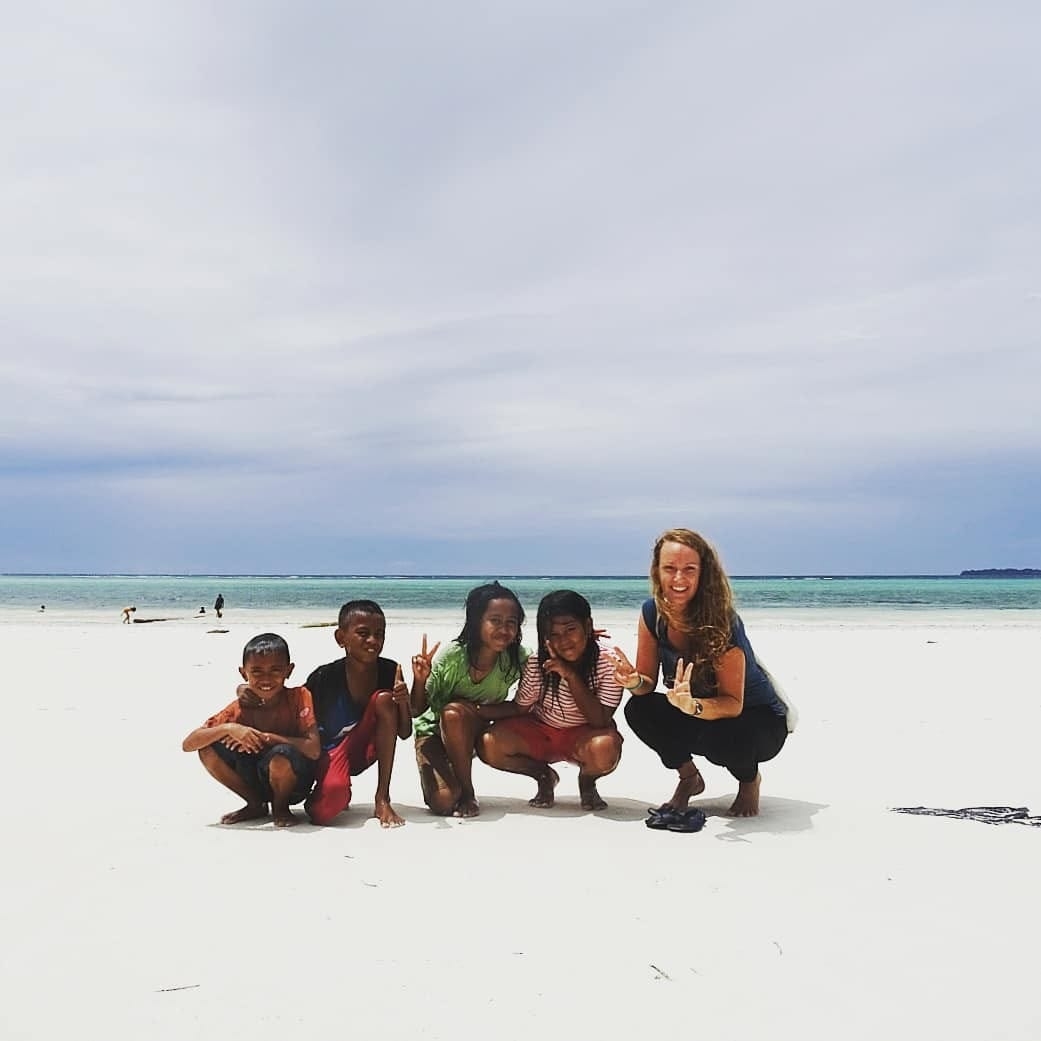


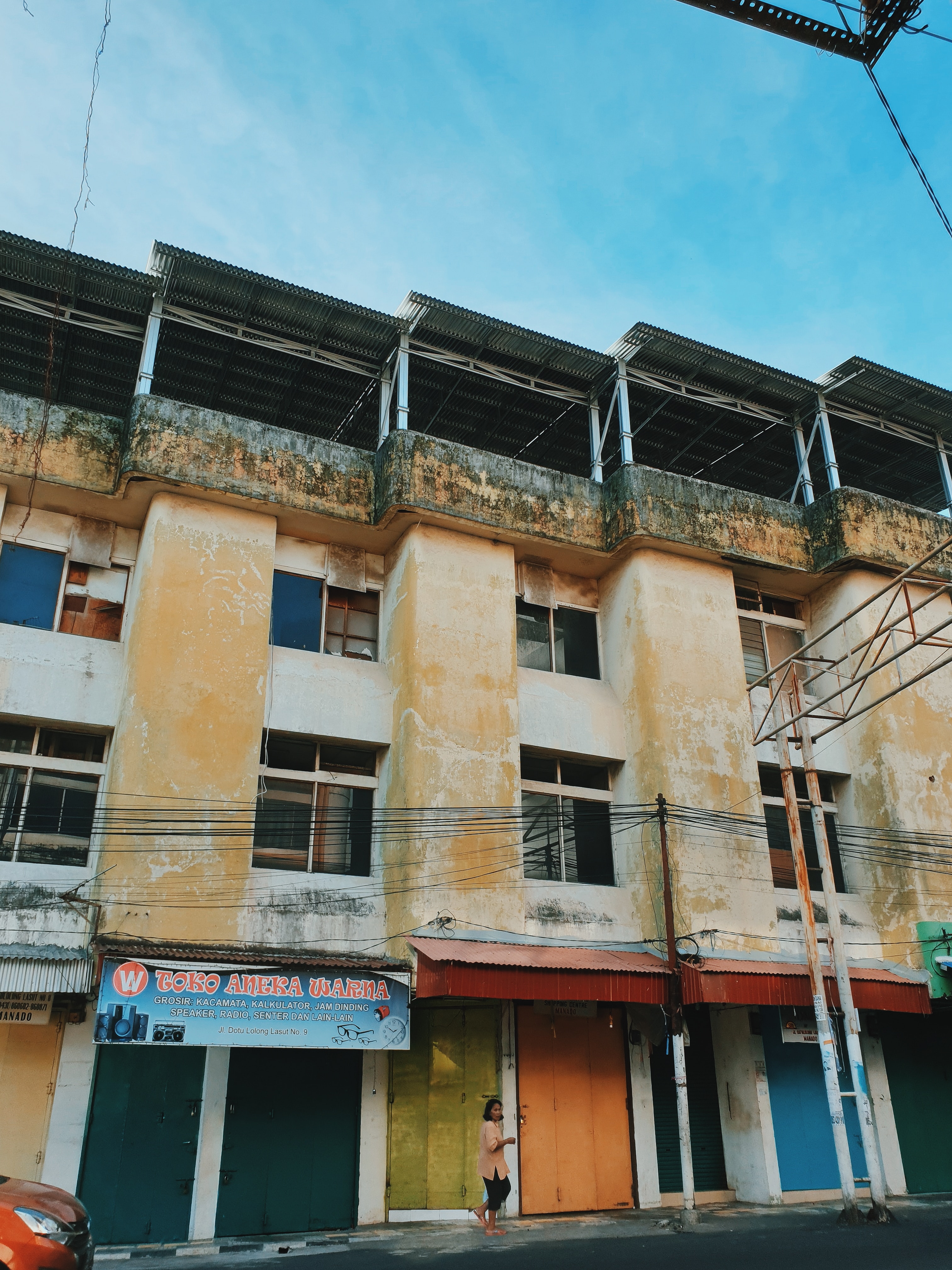
In the remote eastern part of the Indonesian archipelago lies the island of Sulawesi. Tucked away in the northern corner of the island is the city of Manado, where Manengkel Solidaritas is based. As the only environmental NGO in North Sulawesi, it’s doing groundbreaking work aimed at conservation of the coastal and marine environment.
The NGO runs multiple projects with themes such as coral transplantation, mangrove rehabilitation, sea turtle protection, waste management, environmental education, and development of eco-tourism. I participated in some of the projects and was impressed with the high impact, the dedication, and the professionalism I witnessed—which made me want to find out more about the organization.
I had an interview with Sella Runtulalo, the leader of the NGO, to find out what are the keys to its success—although Sella humbly states she doesn’t want to call the NGO successful just yet: “The journey is still long and there are still many villages that need help”.
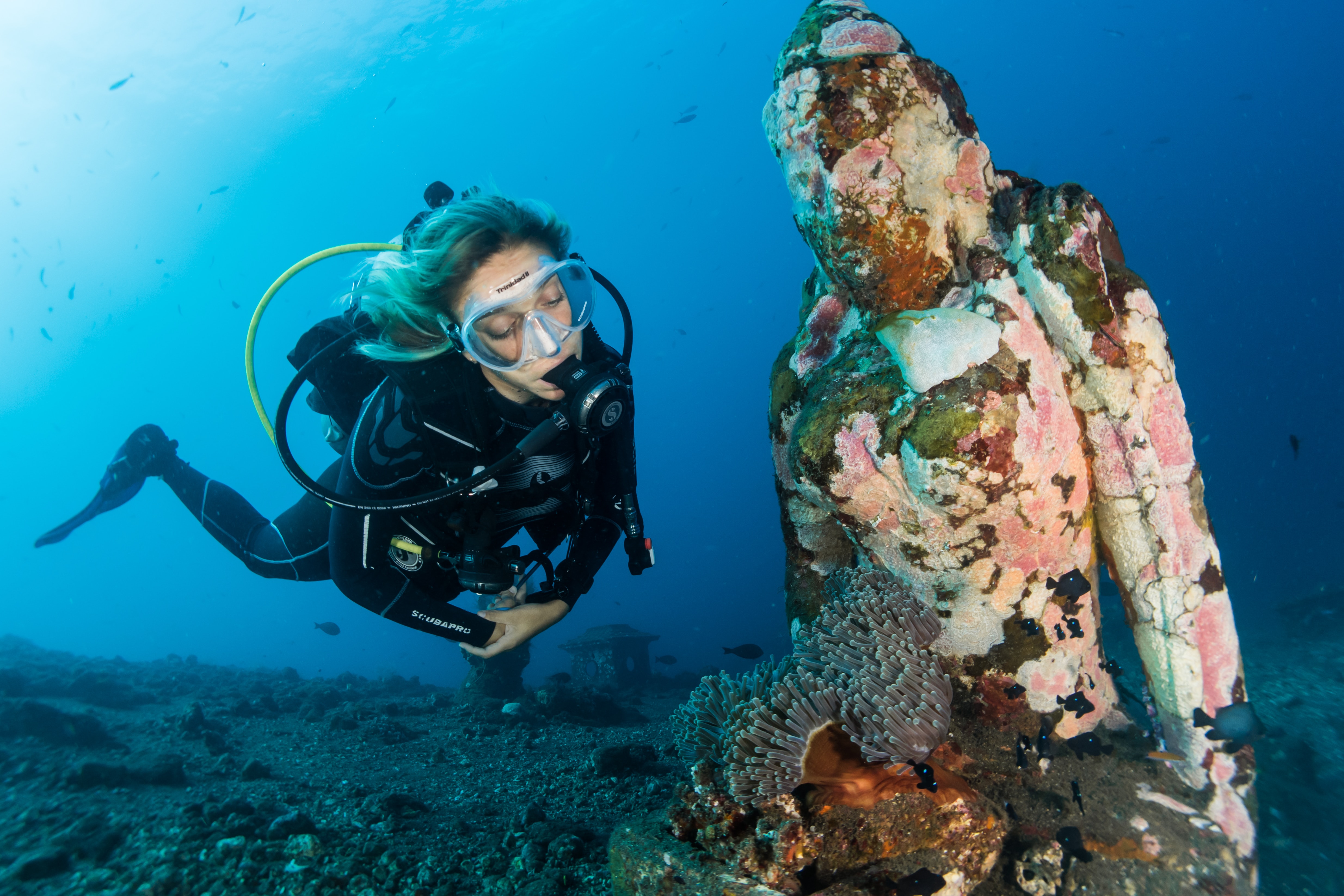
Manengkel Solidaritas was officially founded in 2015. Sella explains: “North Sulawesi is part of the Coral Triangle and has a very high biodiversity, but there were no local NGO’s doing marine conservation programs at the time. There were only national NGO’s doing the work, without any knowledge transfer to local NGO’s. So in 2015, we decided it was time to create a local NGO, specifically for this region.”
Educating the locals from the “sea” up
One of the main environmental issues that Manengkel Solidaritas has to tackle is a lack of knowledge and education about sustainable practices among local people.
According to Sella, “local people living in the coastal areas have little understanding of how to use their marine resources sustainably.
“They still use destructive fishing tools like fish bombs and poison. There aren’t a lot of programs for environmental education for children. If we want to change the nation, if we want to make a change for the future, we have to start with the children”.

One village at a time
All the NGO’s projects are centered around helping local communities develop, working closely together with the village people. Sella says: “We are not political and we are non-profit: we are working to help local communities. We always aim to provide solutions to the local village’s challenges. We come, we help, we advocate, we work together, and when the local capacity is big enough to run the program independently, it’s time for us to move on to another village.”
Manengkel Solidaritas puts a lot of effort into involving local people in their projects. Sella describes the typical approach as follows: “Initially we do socialization, followed by a workshop on the village level, and then we try to make the people understand why the program that we bring to their village is important.
“We start with the village key persons, and after they understand we hold a village meeting for the wider community, to get their support.”

Although this strategy is usually effective, creating involvement can be a challenge. Sella recalls a project which Manengkel Solidaritas took over from another organization, only to find out that it has previously been very unsuccessful. “This local community was very discouraged and distrusted NGO’s. It was very difficult to get their trust back. Initially, we had to work alone, but after one year, we got their trust.
“When they saw we were working 100 percent for them, they started to get involved, little by little”. This particular project is now so successful, it will become a government icon.
Here we have the first key to Manengkel Solidaritas’ success: the commitment to working together with local communities. At the very heart of the organization is a grassroots approach to sustainable development, which empowers local communities to make meaningful changes. The impact of the NGO’s projects demonstrates the profound power of working locally.
Cooperate locally, but get government support
While cooperation with local communities is the basis for Manengkel Solidaritas’ success, cooperation with third parties—including the government, donors, and private businesses—is what enables and sustains its success. As Sella puts it: “We can’t work without support from the government. We can’t work without trust from donors.”
According to Sella, Manengkel Solidaritas’ projects generally receive a lot of support from the government. The government plays an important role in establishing supportive policy, networking, and getting support from third parties. The NGO also works together closely with the government during the execution of projects: it always brings government representatives to local village meetings and integrates its programs into government programs.
Sella explains: “The exit strategy for each of our programs is to integrate the program into a government program. Every government, on the village and provincial level, has development programs. We integrate our eco-tourism projects into village business unit programs and our programs for marine protection into programs for marine protected areas on the provincial level.”
This also safeguards the continuation of the programs after Manengkel Solidaritas pulls out.
For funding, Manengkel Solidaritas still depends on support from donors. The NGO managed to establish good relationships with international donors in the past. To get their trust, Sella states it’s essential to work with high dedication and deliver excellent results. “Donors have told us that when they work with us they are satisfied because we deliver results beyond the expectations. If they ask for seven, we give them ten.”
Nonetheless, over the past years, it has become increasingly difficult to get funded by international donors. “They consider Indonesia to be a country already moving forward and have moved their focus to other countries. So the cake is now smaller and every national and local NGO wants a small slice of that cake. This means we can’t put our expectations on international donors any longer and we have been forced to look for other sources of funding”.
Private sector support
Manengkel Solidaritas is now putting its efforts into establishing cooperation with Indonesian companies in the private sector. Currently, three companies have committed to working with Manengkel Solidaritas for the next five to ten years. “Of course we still hope more companies will come and support our work”, Sella expresses. According to her, the most important factor in meeting Indonesia’s future environmental goals is a collaboration between the government, the private sector, and NGOs.
Work with 100% heart
This covers our second key: besides cooperation with local communities, cooperation with local government, donors, and private companies is essential to the NGO’s success. Yet there is a third key—and it’s a factor that keeps popping up throughout our interview. This is what makes up the DNA of Manengkel Solidaritas as an organization and runs like a thread through everything it does.
It’s the NGO’s unofficial motto: ‘we work with heart’.
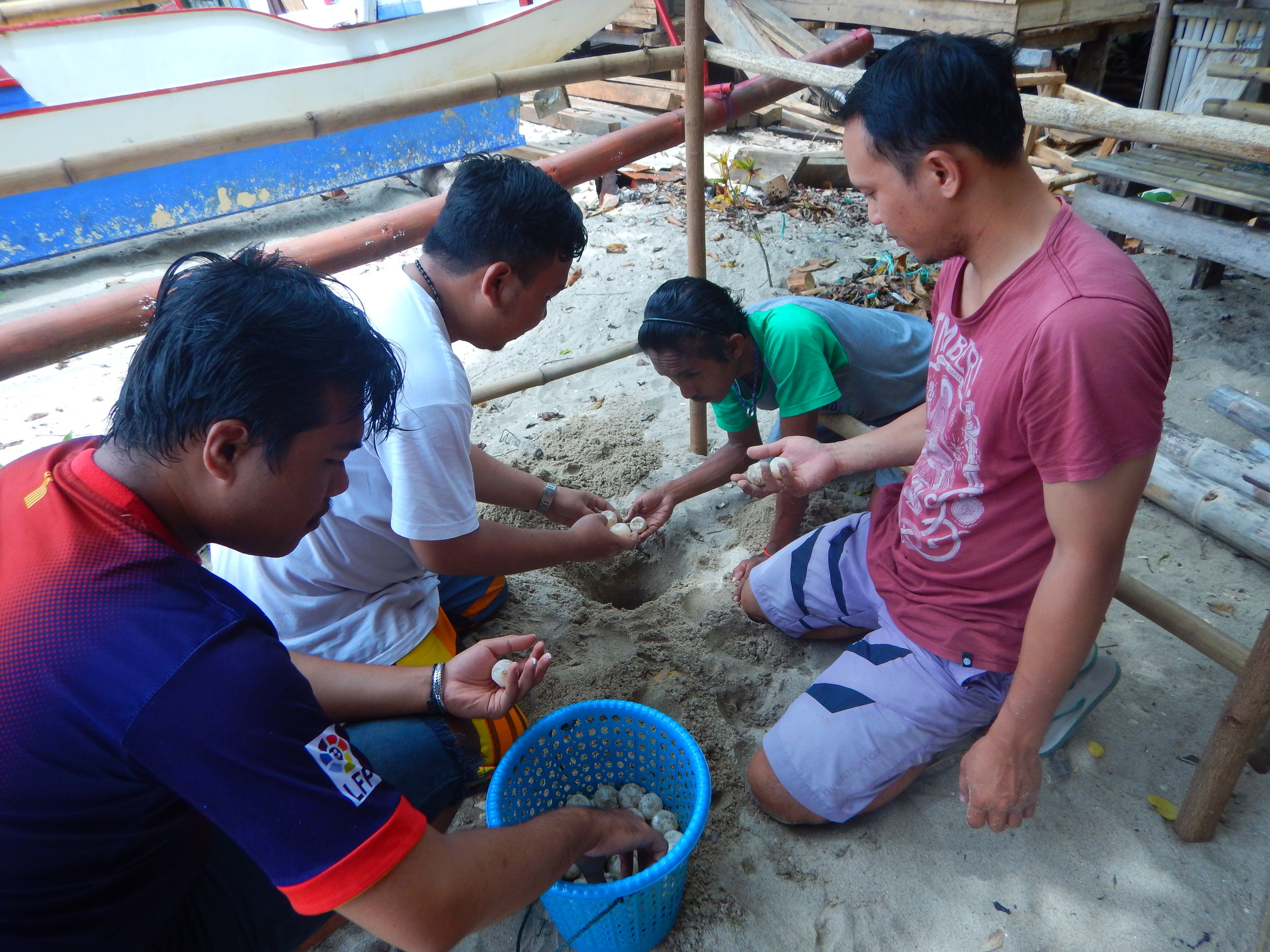
As a manager, Sella highly values strong and solid teamwork and she aims to establish an organizational culture that emphasizes this. “We work as a family here. That’s our strength, our core. If one of us fails, all of us fail. If one of us has a great achievement, it’s an achievement for all of us. We celebrate together, every season, the good and the bad.”
Working from the heart for Sella doesn’t mean compromising on expectations or results: “In the first place, we work with the head.” Sella and her team have high expectations and always strive for the best results. “We have a lot of work to be done and we have a time schedule: we have to achieve on time. We work based on targets. If we have achieved a target we can go home early. If not, we work until late night.”
But Manengkel Solidaritas combines this high level of professionalism with a lot of love for the job. Sella explains: “I really want every one of us to work happily and sincerely because we love our job and not because something is pushing us. This is our home, this is our work, this is our business, and we’re doing it from the heart”.
She continues: “Working in an NGO is different from working in a bank or the government sector, where you come in at eight o’clock, sign your attendance sheet, and then go home at five o’clock—like it’s a machine. We work with people and when we see that a village is successful and can continue independently, the satisfaction is so big. We can see the smile of the people”.
When I ask her what would be her best advice for starting environmental NGO’s, she doesn’t hesitate: “The first thing is to work from the heart. Don’t think about profit, don’t think about benefits, just work with your heart and then the other things will follow. Hopefully!” she adds, laughing.

In the name of love
Manengkel Solidaritas has become successful in just a few years, partly because it emphasizes meaningful cooperation with all parties involved: from local villages to the government and private companies. But the love for the work and dedication to the cause truly make Manengkel Solidaritas stand out. The social media posts of the organization are a reflection of this. They are concluded with the slogan ‘atas nama cinta’. It means: ‘in the name of love’.