Syrian conflict and broken roads opens new business channels for cycling

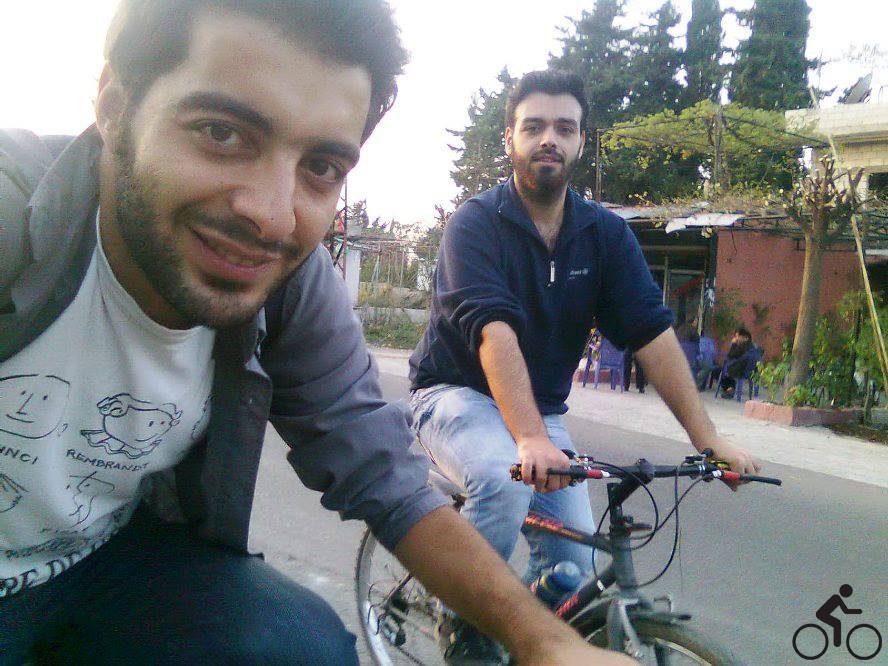
Riding Bicycles in Damascus, SyriaA Facebook campaign called “She Wants a Bicycle Now” led by Syrian college students is getting young people on bikes in impressive numbers.

A shout-out on social media urged participants to cycle to school and park their bikes near their classrooms, a provocative gesture, since (in stark contrast to US and EU schools) most Syrian campuses prohibit bikes.

Organizers, mostly engineering students, told Syria Untold that they aim “to change community habits and promote alternative transportation.”

Bikes reduce pollution and save Syria’s scarce petrol, which doubled in price since 2012.

Three years of brutal war have caused catastrophic losses for most Syrian businesses, but not for the city’s few bike shops. Sales are exploding as young Damascenes increasingly swap their cars for bikes to avoid epic traffic jams caused by hundreds of security checkpoints where every car is army-inspected.

This backdrop of car-woes (over half of the capital’s streets have been closed) likely underpins the wild success of the student campaign.

Hundreds of bicycles appeared on campuses; photos were shared on Facebook and supporters posted personal experiences. Professors joined in, as did local clerics. (Just a few months back only delivery men and newsboys rode bikes.)

Damascus bike ridersThe excellent turn-out was especially remarkable since average bike costs in Damascus hover at 400 Syrian pounds ($30), out of reach for many.

“I get to university in 20 minutes. It used to take me two hours by bus, depending on traffic,” said student Mohammad Sabbagh, “I can do whatever I want with my time now, as I don’t have to wait for the bus anymore.”

Cleric Mohammed Ali Malla posted, “To navigate the streets of Damascus, our only option is bicycles.”  Another user wrote, “When I’m stuck at a checkpoint and I see 32 bicycles in front of my car, I think to myself, I really need a bike.'”  Student Manar Masri said he took up cycling after he stumbled on the Facebook page, “It’s wonderful that all these people, especially young girls, want to cycle.”

In Syria, bicycles have been viewed as a poor-man’s means of transportation, with the emphasis on “man”.  Biking babes had been a rarity in this conservative Muslim country.  Concern over breaking traditions had stopped women, especially those wearing hijab, from using bikes.

“I wear hijab, and this was my first time riding a bike. I left my house with my brother, who encouraged me,” posted one rider, “You can do this on your own”, he told me, ‘Break your barrier of fear!’ This is where my adventure started. I continued and met many checkpoints, but everyone was very nice, some smiled and blessed me. It was an amazing and liberating experience and I encourage every girl to do the same. It feels awkward in the beginning but you quickly get used to it.”

But not everyone supports the idea. According to Middle East Online, a street seller complained as he watched a young woman ride past,  “Now we’ve seen it all!”

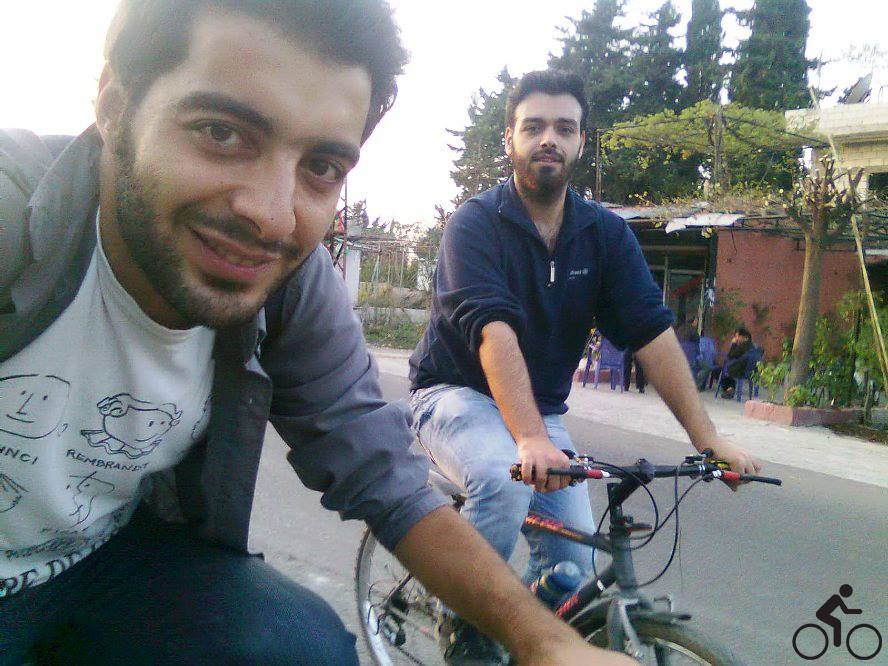
Image of Syrian cyclists from “She Wants a Bicycle Now” Facebook page

Read More

TRENDING

Saudi Arabia’s fashion week and bathing suits

Together with the Ministry of Culture, the commission is working to unlock a thriving cultural sector to preserve and elevate the traditions that make the Kingdom unique.

The Muslim headscarf and caring for “hijab hair”

In the diverse tapestry of Islamic culture, the hijab stands as a symbol of modesty, identity, and faith for Arab and Muslim ladies. We firmly believe wearing a hijab or a Muslim head scarf should be an act of faith and a woman should always decide. Some women believe the hijab is empowering. But how to avoid nasty hijab hair?

Child bride hangs for murdering her husband

Child bride at 15 hangs for killing her abuser husband.

Death by modesty police? Iranian women burn head coverings to protest #MahsaAmini

A young Iranian woman, 22, has died in custody after being arrested by Iran’s morality police for improper clothing. Her death sparked anger on social media under her name #MahsaAmini.

Without a hijab? Iran’s surveillance cameras will track and punish you

Like China who has been using AI and facial detection surveillance to pinpoint people breaking lockdown, Iran's morality police are using cameras to catch women without a head covering –- a moral sin in Iran.

Yerukim Forms a New Green Economy Where the Money is Really Green

The Yerukim members who pick up the recyclables get to keep the monetary reward, the public earns "green" bills that can be used in shops, and business owners get to be associated with environmentalism.

Choosing Riyadh over Dubai? What Investors Should Know

Saudi Arabia is deploying capital at unmatched scale to catalyze tourism and advanced industry while rewiring its power-and-water backbone. The investable frontier is widening—especially in renewables, grid storage, water efficiency/desal retrofits, and hospitality operating platforms. Prudent investors will insist on phased delivery, enforceable KPIs (energy, water, biodiversity), and RHQ/zone compliance—while pricing political-economy and reputational risks alongside growth upside.

Sell your cooking oil for biodiesel money

Want to make money on old french fry oil? Sell it.

Qatar Alternative Energy Summit Pairs Investors And Innovators

Alternative energy investors and innovators can meet n' greet in Doha, Qatar March 16 and 17.

Here’s How To Implement The Four Pillars Of Employee Engagement

If you throw a party for your work team and they are vegans, don't make it a barbecue. Know the sustainability values of your team to boost moral and retain good people.

Locals From Rishon Fight IKEA

Big Box stores are a pretty new concept in Israel, and thank God that not every Israeli city wants them in their backyard. A word from someone who has see the beautiful farmland around her hometown Newmarket, Ontario stripped and converted into vulgar strip malls of big box shops: they have no place in a healthy and sustainable town or city.

The Jewish National Fund Meets An Inconvenient Truth

According to the JNF, it has transformed thousands of acres of barren land into green forests in Israel. They state that each person emits about 23 tons of carbon per year, estimating that each tree planted can absorb one ton of carbon in its lifetime. That's a whole lot of trees you'd need to be planting. Could so many fit in Israel?

How to quiet noise from construction in your office

Streets need to be resurfaced in New York but the humming and grinding noise is unsettling. Noise is environmental pollution. 

Popular Categories