Life Returns To Gulf – Once A Sewer On Turkey’s Aegean Coast

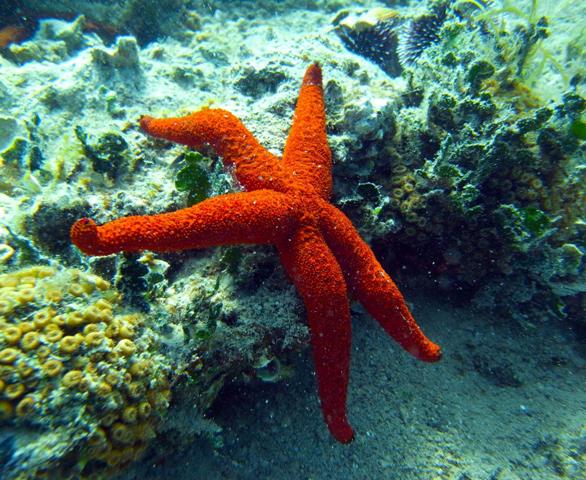
izmir gulf starfish TurkeyNew underwater photos from five different locations around the Gulf of Izmir confirm that life is returning to the once-blighted water.

The gulf was used as an open sewer system from the 1960s until 2000, when the city of Izmir initiated the Big Gulf Project to clean it up. Those efforts are paying off, according to observations collected by the Marine Sciences and Technology Institute of Turkey’s Dokuz Eylül University (DEU) in a newly released report, according to the Turkish paper Hürriyet Daily News.

Water quality improving rapidly

izmir gulf starfish

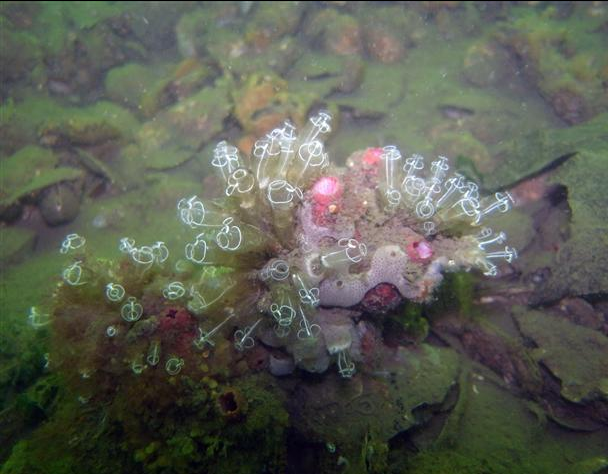
Underwater photos from five different locations around the gulf provide the most visually striking evidence that life is returning to the area.

Various species of seahorses, starfish, shrimps, anemones, fish, algae, and plant life are bringing color back to the gulf as levels of dissolved oxygen rise in the water.

“We have been monitoring the biological situation of the İzmir Gulf since 1996. We take samples in all four seasons. We also measure the heavy metal rate in the sea once a year,” DEU Marine Sciences and Technology Institute project coordinator Professor Filiz Küçüksezgin told the Hürriyet Daily News.

Environmental and economic benefits

gulf izmir turkey sea life

The ultimate goal of the Big Gulf Project is to make the gulf clean enough to swim in, according to Ahmet Alpaslan, the general manager of Izmir’s water and sewage system.

The city will establish a special channel north of the gulf to prevent shoaling and increase water circulation there, says Alpaslan.

The project will undoubtedly take several more years, but when the gulf is ready for swimmers, the marine life that is returning to the area will make it a rewarding destination for snorkelers and divers.

The third most populous city in Turkey, Izmir is very near the ancient city of Ephesus, and already attracts many tourists each year.

Wildlife conservation not usually a priority in Turkey
gulf izmir turkey sea life

The Big Gulf Project was made possible thanks to hefty investments by the Izmir municipality.

Sadly, many authorities in Turkey aren’t so willing to invest in protecting their local environment. Environmental degradation from power plants, mines, chemical plants, trash dumps, and other industrial projects usually goes unmonitored and unaddressed.

Polluting Paradise, for example, a recent documentary by Turkish filmmaker Fatih Akin, showed the tragic and disgusting effects of a massive landfill on the lives of villagers in Turkey’s lush Black Sea region.

In eastern Turkey, the unusually diverse ecosystem of the Aras River basin — a main stop for millions of bird migrating between Africa and Eurasia — is threatened by a hydroelectric dam backed by the Turkish central government.

The Izmir Gulf clean-up is a rare example of conservation done right in Turkey. Hopefully more municipalities will follow Izmir’s example in protecting their natural riches.

::Hürriyet Daily News

Read more about nature conservation in Turkey:
Istanbul’s Natural Oases: The Atatürk Arboretum and Belgrade Forest
Hydroelectric Dam Threatens “Ecological Massacre” in Turkey
Polluting Paradise Documentary Follows Turkish Village’s Battle Against Invading Garbage
In Remotest Anatolia, Lone NGO Speaks Up On Nature’s Behalf

Images via Hürriyet Daily News

Julia Harte
Julia Hartehttp://www.greenprophet.com
Julia spent her childhood summers in a remote research station in the Rocky Mountains of Colorado, helping her father with a 25-year-old experiment in which he simulated global warming over a patch of alpine meadow. When not measuring plant species diversity or carbon flux in the soil, she could be found scampering around the forests and finding snowbanks to slide down. Now she is a freelance journalist living in Istanbul, where her passion for the environment intersects with her interest in Turkish politics and grassroots culture. She also writes about Turkish climate and energy policy for Solve Climate News.

Read More

TRENDING

5 Reasons Why You Should Save Seeds (and plant them)

Saving seeds from tomatoes, peppers, herbs and flowers helps preserve biodiversity, strengthen food security, and keep heirloom varieties alive. Even a small balcony garden can make a difference.

Old vultures are homebodies, like us

Vultures in their old age prefer to stay home.

Israel and Jordan sign deal to save the Dead Sea

Israel and Jordan have signed a historic deal to...

Jordan’s eco park helps the country go green!

It might not have the archaeological marvels of Petra...

Wadi Drone for conservation flies through Emirati national park and scoops top prize

It flies over mountains and through valleys, taking in...

Yerukim Forms a New Green Economy Where the Money is Really Green

The Yerukim members who pick up the recyclables get to keep the monetary reward, the public earns "green" bills that can be used in shops, and business owners get to be associated with environmentalism.

Choosing Riyadh over Dubai? What Investors Should Know

Saudi Arabia is deploying capital at unmatched scale to catalyze tourism and advanced industry while rewiring its power-and-water backbone. The investable frontier is widening—especially in renewables, grid storage, water efficiency/desal retrofits, and hospitality operating platforms. Prudent investors will insist on phased delivery, enforceable KPIs (energy, water, biodiversity), and RHQ/zone compliance—while pricing political-economy and reputational risks alongside growth upside.

Sell your cooking oil for biodiesel money

Want to make money on old french fry oil? Sell it.

Qatar Alternative Energy Summit Pairs Investors And Innovators

Alternative energy investors and innovators can meet n' greet in Doha, Qatar March 16 and 17.

Here’s How To Implement The Four Pillars Of Employee Engagement

If you throw a party for your work team and they are vegans, don't make it a barbecue. Know the sustainability values of your team to boost moral and retain good people.

Locals From Rishon Fight IKEA

Big Box stores are a pretty new concept in Israel, and thank God that not every Israeli city wants them in their backyard. A word from someone who has see the beautiful farmland around her hometown Newmarket, Ontario stripped and converted into vulgar strip malls of big box shops: they have no place in a healthy and sustainable town or city.

The Jewish National Fund Meets An Inconvenient Truth

According to the JNF, it has transformed thousands of acres of barren land into green forests in Israel. They state that each person emits about 23 tons of carbon per year, estimating that each tree planted can absorb one ton of carbon in its lifetime. That's a whole lot of trees you'd need to be planting. Could so many fit in Israel?

How to quiet noise from construction in your office

Streets need to be resurfaced in New York but the humming and grinding noise is unsettling. Noise is environmental pollution. 

Popular Categories