What Iran Could Learn from Abu Dhabi’s First Nuclear Plant

aladdin's lamp nuclear iran, abu dhabi
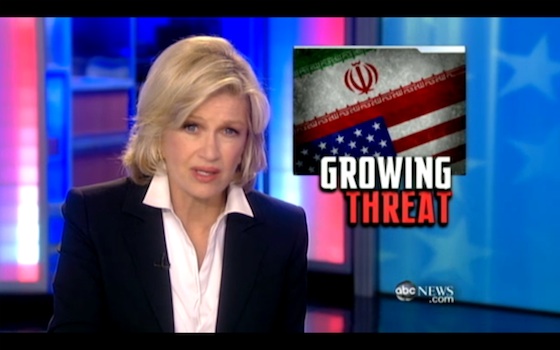
Iran’s Bushehr nuclear plant has been under suspicion for decades, rightly or wrongly.

So as not to arouse alarm, the United Arab Emirates’ civil nuclear plan has been taking the opposite approach of complete transparency. The UAE has forgone any plans to enrich or reprocess uranium itself, so as to allay any cause for suspicion or concerns about nuclear proliferation. Abu Dhabi engaged an independent regulator, and an international advisory board that includes Hans Blix – famous for the globally backed hunt for Iraq’s nukes.

And Abu Dhabi’s first ever nuclear power plant was just permitted this month.

The chairman of the UK Atomic Energy Authority, told the National “If I was going to write a template on how to begin a new nuclear programme and to get the world behind you instead of against you, I would say Abu Dhabi is doing it exactly the right way. It’s best practice multiplied by three.”

Permission for the first reactor in the UAE was given this month for site preparation to begin. Ultimately this will be one of four reactors planned at Braka in Abu Dhabi’s Al Gharbia region.

With 85 percent of its residents saying nuclear power is important for the country – much higher support than in the U.S. or Europe – and a fairly straightforward approval process, Abu Dhabi has a shot at serious carbon footprint reduction by including nuclear in its already climate-friendly energy planning that includes solar and wind power.

The key to a successful nuclear energy program is building responsible regulatory systems. Even in an advanced industrial democracy such as Japan, the Japanese “nuclear village” featured far too cosy a relationship between the industry and those overseeing it.

Similarly, the anti-nuke feeling in the U.S. also springs from corruption within its nuclear regulatory agency which has been criticized as “too close” to the industry it is supposed to regulate.

Yet, nuclear power has the potential to be successful in reducing carbon emissions, while operating responsibly just like solar or wind power. It just needs very strict safety oversight. Emploing Hans Blix should do it!

Other Middle East countries are considering nuclear power. Saudi Arabia plans to invest more than US$100 billion on 16 nuclear reactors over the next two decades. Saudis Needs to Go Nuclear by 2020 to Keep Everyone Happy at Home.

Jordan is headed there too: Jordan Pushes On With Its Nuclear Plans. And Egypt.

Middle Eastern countries have a long road ahead in developing the nuclear expertise needed to run the plants. Worldwide, as nuclear fell out of favor after Chernobyl and Three Mile Island accidents, student stopped graduating in nuclear engineering. Even in the U.S. there is a lack of current new nuclear graduates.

And with the Fukushima disaster, last year, that feeling has not abated. Kuwait has abandoned its nuclear plans in the aftermath. Nuclear training first dropped worldwide in the 1980s, as the first of these disasters began.

But still, new nuclear engineers can be trained and imported. Water is a tougher problem.

Nuclear plants are notorious for having to be shut down when water gets scarce during droughts and heat waves in France and Australia, and in the US when the Tennessee river clocked in at an astounding 90 degrees. Water scarcity is the biggest problem facing all nuclear plans, and in no place is that a bigger issue than in the Middle East.

Water, required for cooling and in emergencies, may not be easily available, in particular in Jordan with its short coastline.

Also, the region will have to add more interconnections to allow countries to share electricity in the event of unplanned shutdowns.

But there is an upside too. Nuclear power, with its copious quantities of waste heat, has been used in desalination. This has been successfully demonstrated in Japan, India and Kazakhstan.

Read more on Iran nuclear:
The Middle East Nuclear Power Boom Without Toxic Waste
Greenpeace Raises More Questions Over Jordan’s Nuclear Plans
Nuclear Power Continues World Dependence on Middle East Oil

Image of Aladdin’s lamp from Shutterstock

Read More

TRENDING

Understanding Food Production: Karl Studer on the Urban-Rural Knowledge Gap

Karl Studer occupies an unusual position in American business. As President of Quanta Services, he oversees electrical infrastructure operations across the United States, Canada, and Australia, managing thousands of employees and multibillion-dollar projects.

Wave wind energy for Nvidia’s next AI energy boom?

As AI factories consume unprecedented amounts of electricity, NVIDIA is looking beyond chips and data centers to the ocean. The company recently spotlighted Israel's Eco Wave Power and its wave energy projects in Jaffa and Los Angeles, highlighting how AI, digital twins and renewable energy can work together to meet future power demands. The collaboration reflects a growing realization that the future of artificial intelligence may depend as much on clean energy infrastructure as it does on computing power.

Etihad offers free travel insurance to any visitor to the UAE

Talk about a way to woo your visitors. Etihad, the UAE's national carrier has decided to offer free travel insurance to visitors heading to the UAE.

Weston Higginbotham found dead in a Kyoto forest: is climate anxiety part of the story?

In some ways, Weston has become a symbol of a generation wrestling with environmental and technological anxiety. Friends and family described him as deeply concerned about environmental issues. Reports also noted that he questioned the growing role of artificial intelligence in daily life, even reportedly disagreeing with his mother about her use of AI.

Billie Eilish’s Mom Takes the Stage at Hollywood Climate Summit — But Does Hollywood Still Care About Climate Change?

Hollywood once promised to help save the planet. Leonardo DiCaprio warned of climate catastrophe from awards stages. Celebrities flew to climate conferences. Studios pledged greener productions. Streaming platforms rushed to commission environmental documentaries. But in 2026, with the aftermath of wildfires, heatwaves and floods becoming routine, a question lingers: Does Hollywood still care about climate change?

Yerukim Forms a New Green Economy Where the Money is Really Green

The Yerukim members who pick up the recyclables get to keep the monetary reward, the public earns "green" bills that can be used in shops, and business owners get to be associated with environmentalism.

Choosing Riyadh over Dubai? What Investors Should Know

Saudi Arabia is deploying capital at unmatched scale to catalyze tourism and advanced industry while rewiring its power-and-water backbone. The investable frontier is widening—especially in renewables, grid storage, water efficiency/desal retrofits, and hospitality operating platforms. Prudent investors will insist on phased delivery, enforceable KPIs (energy, water, biodiversity), and RHQ/zone compliance—while pricing political-economy and reputational risks alongside growth upside.

Sell your cooking oil for biodiesel money

Want to make money on old french fry oil? Sell it.

Qatar Alternative Energy Summit Pairs Investors And Innovators

Alternative energy investors and innovators can meet n' greet in Doha, Qatar March 16 and 17.

Here’s How To Implement The Four Pillars Of Employee Engagement

If you throw a party for your work team and they are vegans, don't make it a barbecue. Know the sustainability values of your team to boost moral and retain good people.

Locals From Rishon Fight IKEA

Big Box stores are a pretty new concept in Israel, and thank God that not every Israeli city wants them in their backyard. A word from someone who has see the beautiful farmland around her hometown Newmarket, Ontario stripped and converted into vulgar strip malls of big box shops: they have no place in a healthy and sustainable town or city.

The Jewish National Fund Meets An Inconvenient Truth

According to the JNF, it has transformed thousands of acres of barren land into green forests in Israel. They state that each person emits about 23 tons of carbon per year, estimating that each tree planted can absorb one ton of carbon in its lifetime. That's a whole lot of trees you'd need to be planting. Could so many fit in Israel?

How to quiet noise from construction in your office

Streets need to be resurfaced in New York but the humming and grinding noise is unsettling. Noise is environmental pollution. 

Popular Categories