Home Blog Page 72

Solar panels power up the artificial island of Yas in the UAE

Yas Island
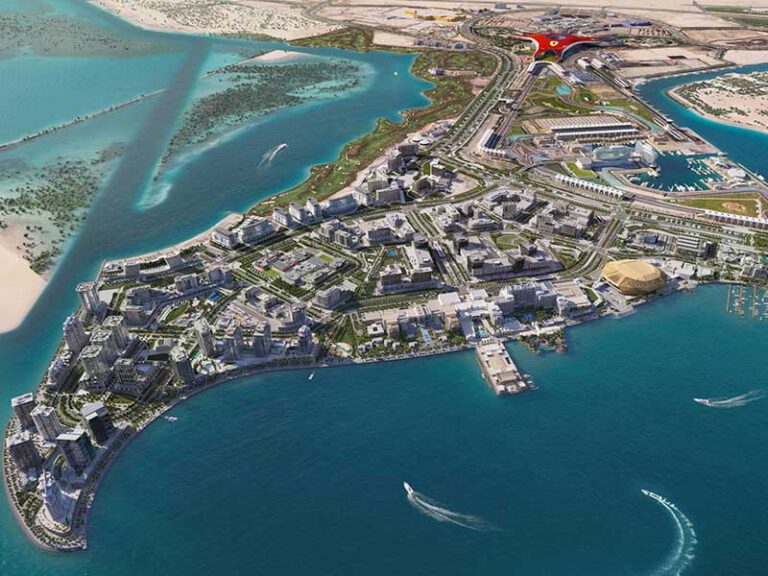
Yas Island is going to get powered by the sun

Emerge, a joint venture between the UAE’s Masdar and France’s EDF Group, has announced the successful energization of two high-profile solar photovoltaic projects on Yas Island at Yas Marina Circuit and Yas Bay Waterfront, Abu Dhabi’s vibrant day-to-night dining, entertainment and leisure destination.

The 1 megawatt peak (MWp) solar car park at Ethara’s Yas Marina Circuit, home to the Formula 1 Etihad Airways Abu Dhabi Grand Prix, will generate approximately 30 percent of Yas Marina Circuit’s total annual energy demand, equivalent to powering nearly 200 Abu Dhabi households and offsetting 900 tonnes of CO2 emissions a year.

Yas Island, an artificial island on the coast of the UAE includes Ferrari World, home to the world’s fastest roller coaster, Formula Rossa, which offers an adrenaline-pumping experience for thrill-seekers, Yas Waterworld, an expansive water park with over 40 rides, slides, and attractions inspired by the UAE’s pearl diving heritage.

Yas Island provides pristine beaches like Yas Beach, perfect for sunbathing and water sports. Additionally, the island is home to Yas Mall, Abu Dhabi’s largest shopping center.

Yas Island also boasts luxurious accommodations, including hotels such as the W Abu Dhabi.

Under its agreement with the venue’s operator, Ethara, Emerge has installed more than 1,800 solar modules across the car park of the track of the Marina Circuit, which holds a capacity of 60,000 spectators, delivering a comprehensive turnkey solution for the project, including finance, design, procurement, construction, operations, and maintenance for 25 years.

The 520kWp Yas Bay Waterfront development for Miral involved the installation of over 900 solar modules, equivalent to powering around 100 Abu Dhabi households and offsetting 425 tonnes of CO2 emissions a year. The solution included finance, design, procurement and construction and Emerge will operate and maintain the solar modules.

yas waterfront

Jonathan Brown, Chief Portfolio Officer at Miral, said: “This project is a testament of our commitment in further positioning Yas Island as a top global destination for entertainment and leisure, while consistently priorisiting sustainable practices.”

Hesham Al Jneibi, Yas Marina Circuit and Etihad Park General Manager, said: “We are keen to play our part in supporting the wide-scale sustainability efforts of the UAE, and we are focused on setting the new standard for responsible event and venue management through collaboration in the region.”

Michel Abi Saab

Michel Abi Saab, General Manager, Emerge, said: “The energization of these two solar projects on Yas Island shows the commitment by Miral and Ethara to sustainability and to minimizing their environmental footprint. These projects will deliver high-quality and reliable clean energy to Abu Dhabi’s race circuit and to one of its premier entertainment destinations, which attracts millions of visitors from home and abroad. The successful implementation of our projects demonstrates the compelling case for installing renewable energy projects at entertainment sites in the UAE.”

Yas Bay Waterfront is the third collaboration between Miral, the leading creator of immersive destinations and experiences in Abu Dhabi, and Emerge. In March 2023, Miral inaugurated Abu Dhabi’s largest solar rooftop project at Warner Bros. World Abu Dhabi, with an impressive 7-megawatt peak (MWp) capacity.

The project incorporates approximately 16,000 solar modules across the theme park’s roof area of 36,000 square meters and produces nearly 40 percent of its annual energy demand.

Emerge has also deployed on-site solar energy systems at the SeaWorld Abu Dhabi theme park, which has a capacity of 8.4 megawatts (MWp) and is scheduled to be commissioned during the second quarter of 2024.

Emerge, a joint venture between Masdar and EDF Group, was formed in 2021 to develop distributed solar, energy storage and hybrid solutions for commercial and industrial. As an energy services company, Emerge offers clients full turnkey solutions through solar power agreements and energy performance contracting at no upfront cost to the client.

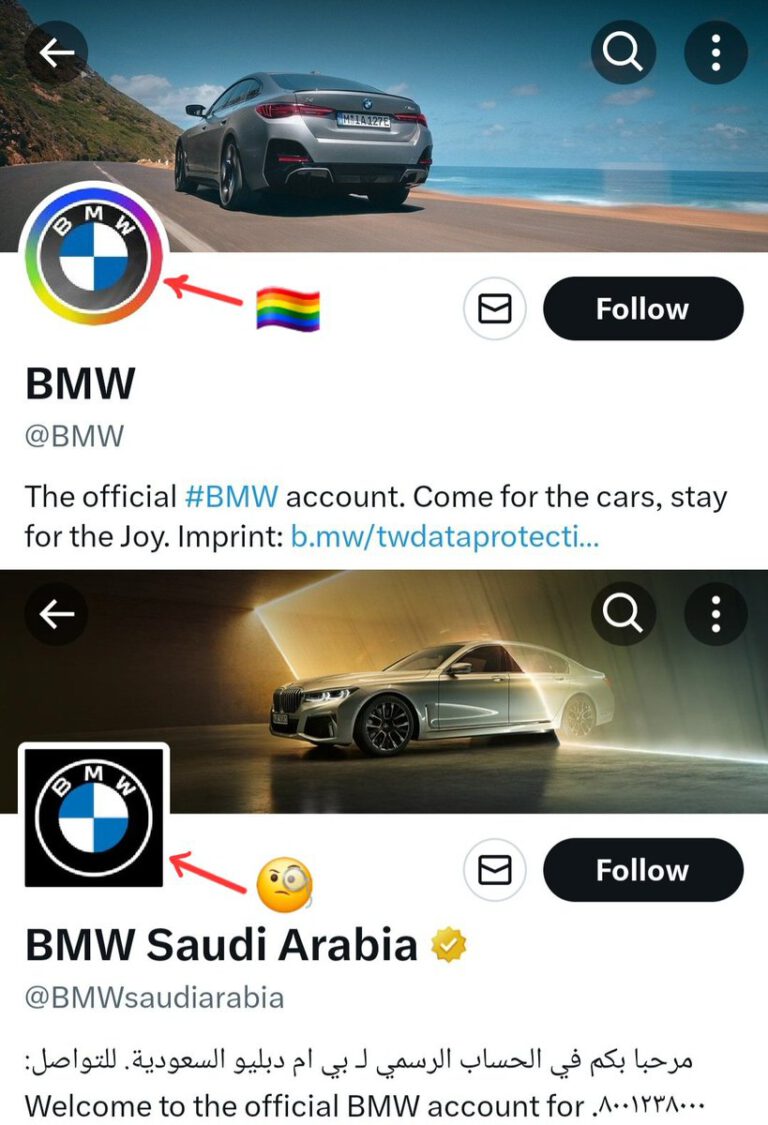
Should Pride flag colors appear on BMW Saudi Arabia?

BMW saudi Arabia pride month
BMW Saudi Arabia pride month: did you run out of ink?

Social media influencers are asking why BMW in Saudi Arabia, and international brands in general are not changing their famous logos to the colors of the LGBT movement, a rainbow flag to celebrate Pride Month? BMW has changed its international logo to reflect Pride, but the Saudi Arabian version remains unchanged.

It is common for international brands to celebrate and reflect certain holidays and celebrations throughout the year. Local branding is usually left to local marketing companies who handle the brand and its expression in respectiev countries. Should Saudi Arabia go rainbow?

Homosexuals and people who have affairs outside marriage can face death by stoning in Saudi Arabia. It is legal for a man to have more than one wife in Saudi Arabia. They are by law allowed to have up to 4.

Women were only allowed to start driving in 2018.

Cisco, BMW, Lenovo and Bethesda don't celebrate Pride in the Middle East
Cisco, BMW, Lenovo and Bethesda don’t celebrate Pride in the Middle East

According to Islamic Shariah law homosexuality is punishable by death. Men in Iran are sentenced to death if they are found engaging in love partnerships or sexual acts with other men. A Palestinian man was beheaded for being gay while seeking asylum in Canada. Canadians encourage people to explore their sexuality choices starting in grade school so it a safe place to live if you seek sexual freedom.

Being gay is not allowed in most Islamic countries. Be careful in countries like Iran, the UAE or Saudi Arabia if you engage in sexual freedom. You can be arrested or worse.

Vivo Barefoot collaborates with compostable shoe company Balena

vivobarefoot and balena
Vivobarefoot partners with Balena to 3D-print compostable and biodegradable barefoot-style footwear

Vivobarefoot is a wildly popular shoe brand founded by Galahad and Asher Clark of the Clark shoes empire. The shoes are outrageously expensive ––about twice the price of leading fashion sports brands such as Nike, yet loyal customers come back time and time again to buy shoes that give the most true-to-barefoot experience in a shoe.

Vivo is now collaborating with an Israeli-Italian company Balena which is making a method and material so that shoes at the end of their lives will compost. It should be said that even the plastic parts of Vivo’s shows start to disintegrate anyway after a year.

Balena, eco and biodegradable sandal slide, plastic, eco plastic, biocir, cycles of decomposition

What are barefoot shoes?

They have wide area for your toes to open out. The soles have zero padding, and just a thin layer of rubber between your foot and the world. No support. Because “you are the technology” as the slogan goes. Our feet, essentially, are built to support our backs and bodies. Modern shoes, Vivobarefoot claims, can actually damage your feet and body by changing your gate, and by putting pressure on areas of your body when running like your knees.

Why does Abebe Bikila run without shoes?Abebe Bikila - Wikipedia 1960 Rome Olympics In Rome, Abebe purchased new running shoes, but they did not fit well and gave him blisters. He consequently decided to run barefoot instead.
At the 1960 Rome Olympics Ethiopian runner Abebe purchased new running shoes, but they did not fit well and gave him blisters. He decided to run barefoot instead. And won.

My son has been wearing Vivo shoes for 7 years and so have I. The rubber on the soles of the shoes wear out before the rest of the shoe. So if rubber and plastics aren’t going to last a lifetime, we can say it’s time to usher in the idea of footwear that can melt back to the earth.

Vivobarefoot says they have been prototyping 3D-printed footwear since 2019. Brand co-founder Asher Clark previously called the development of a 3D-printed shoe “an obsession”. The process involves 3D-printing the harder parts of the shoe such as the sole, then 3D-knitting the upper part. By 3-D printing, essentially shoes can be customized to a customer’s foot in the color choice they want.

Vivobarefoot and Balena 3D print a shoe to mimic the shoes of primal man


Vivobarefoot, 3D printed and knitted uppers.

Read related: the 10 best marathons in the Middle East

By making shoes to measure, less material is wasted and product longevity is likely enhanced due to the shoes fitting the wearer perfectly. This translates to reduction in energy use and greenhouse gas emissions across the product value chain, according to companies that assess product life cycle.

Balena, eco and biodegradable sandal slide, plastic, eco plastic, biocir, 3 colors
Balena slide, biodegradable and compostable

Through its new partnership with Balena, Vivobarefoot is aiming to create 3D-printed shoes made with material that is both compostable and recyclable. Balena will apply its ‘BioCir flex’ material to the partnership. This material includes at least 50% bio-based content.

VivoBarefoot’s Clark said: “The world doesn’t need new shoes. We need a new system and new materials.”

David Roubach, balena shoes
David Roubach, Balena shoes

Banela’s founder David Roubach said that there “is a need to advocate for a clearer circular economy model with a fundamental change in the materials we use” to reduce waste in this sector.

Billions of pairs of shoes are made globally each year. And most of these get thrown out as a by-product of fast fashion. That’s why there are so many flipflops in the Syechelles. If you have a business idea to work with a biodegradable material for rubber ducks and flipflops on a cruise line, you have a new impact company.

More on Balena here.


Shakshuka, Tunisian Eggs Poached in Tomato Sauce

3

shakshouka shakshuka eggs tunisia israel photoTomato sauce, eggs, and  a little chili heat. What’s not to love?

Shakshuka came to Israel by way of immigrants from Tunisia. Its rustic North African origin is betrayed by the chili bite and how it makes the most of local ingredients: ripe tomatoes, bell peppers, and eggs. Sustainable, flavorful, folkloric and quick. Can’t get better than that.

Shakshuka: Eggs Poached in Tomato Sauce

Yield: four servings

Ingredients:

4 ripe tomatoes, not peeled and roughly cut into chunks

2 medium yellow onions, peeled and sliced thinly

2 bell peppers of different colors (red and yellow are especially attractive), seeded and sliced into eighths

2 cloves garlic, chopped roughly

1 teaspoon ground cumin

2 teaspoons salt, or to taste

Freshly-ground black pepper to taste

1 small, de-seeded red chili, finely chopped – or 1/2 teaspoon cayenne flakes

1/4 – 1/2 cup water, as needed

4 large eggs

A handful of chopped coriander, parsley, or spring onions, for garnish

Method:

Prepare the vegetables, putting each sliced or chopped one in a separate bowl.

1. Put the ground cumin into a large skillet and let it heat through for a few seconds or until the aroma rises. Add the olive oil to the skillet.

2. Add the onions and sauté  for two minutes, till they wilt. Add the sliced peppers to the skillet and sauté another 5 minutes, or until they too are softened.

3. Add the chopped tomatoes, garlic, salt, pepper, and chopped chili or cayenne flakes. Cook over medium heat, stirring, for 20 minutes. Add water as needed to make a thick sauce. Do not add so much water as to make the sauce runny. It should be juicy but semi-solid, like a thick pasta sauce.

4. With a spoon, gently push aside the vegetables in four places. Break one egg into each of these places. Cover the skillet with a lid, lower the heat, and cook a further 10 minutes or until the eggs are set to your liking.

5. Sprinkle the shakshuka with the chopped green herbs. Serve 1 egg per person, with generous amounts of sauce.

1- portion serving: spoon some of the sauce into a small frying pan and cook one egg in it.

Meat alternative: Fry a few hot Merguez sausages in olive oil and garnish the Shakshuka with them.

Lazy cook’s alternative: Take any amount of leftover pasta sauce, cook green peppers in it, add cayenne, and poach eggs in it. Add grated cheese (not traditional, but nice) or sausage as above.

Green alternative

Moshe Basson's book has a version of green shakshuka

Moshe Basson's book has a version of green shakshuka
Moshe Basson’s book has a version of green shakshuka

In any case, make sure to have plenty of fresh bread to mop up the sauce.

Enjoy!

More Middle-Eastern recipes from Green Prophet:

Za’atar-topped Pita

Moroccan Stuffed Artichoke Hearts
Apricot Chutney
Pea Pod Soup Recipe

Photo of shakshuka by Miriam Kresh

Quran guidelines on how to be ecological in the Muslim faith

honey beekeepers palestinian
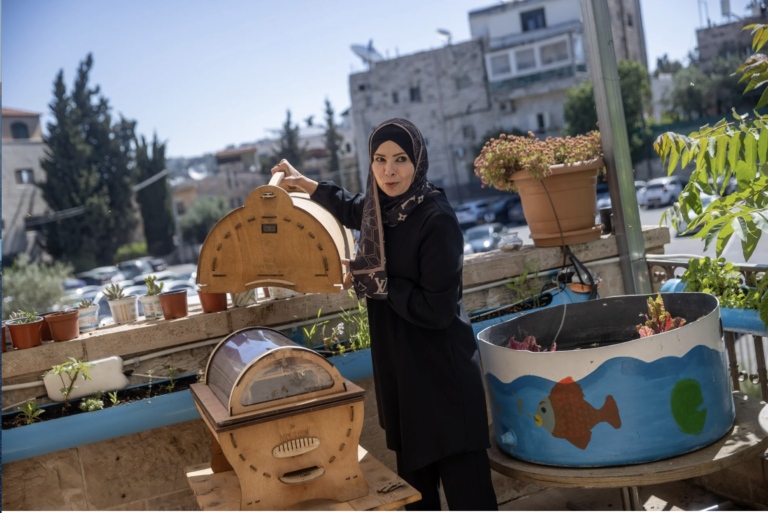
Muslim women learn the art of beekeeping.

The new Al Mizan offers Quranic context to ecological concerns and questions

Similar to Pope Francis encyclical Laudato Si’ published in 2015, Al-Mizan is an Islamic-inspired global call to head the cries of the people and the earth seeking to inspire billions of people from all religions in all parts of the world to tend to our one planet, our home.

The Muslim-based Covenant ushers in a movement for comprehensive action and concerted efforts to achieve, collectively, sustainable lifestyles. Some of the topics inside include the prohibition of killing birds for sport, protecting nature and plants, and the discussion on genetic engineering, if it’s satanic or sent from God? In this case, only questions are asked? 

We quote from the guide: “Genetic engineering brings with it a host of ethical and practical problems. Is genetic manipulation to be prohibited absolutely as the satanic “changing of God’s creation,” which may lead to environmental catastrophe? Or does it offer legitimate means to cure genetic illnesses and to stave off starvation by enhancing the drought resistance and disease resistance of our crops?

“We might bear in mind that justifications are offered for most evils on the basis of the benefits they bring, whereas if, like intoxicants and gambling, the harm in them is greater than the good, the sharī‘ah requires their prohibition. If, on the other hand, genetic engineering is permissible within limits, how are these limits to be defined?”

“Al-Mizan,” or “balance” in English, gives a Muslim perspective on how faith can inform and inspire action in the face of current global ecological challenges. It calls on Muslims and the broader global community to unite to restore ecological balance and preserve the Earth for future generations.

“The word ‘Al-Mizan,’ the title of our treatise, means equilibrium and reciprocity. The Quran describes all beings as balanced and integrated in interconnected and interdependent equilibrium,” said Othman Llewellyn, one of its lead authors. According to the scholar, God had unfolded all things in a balance with one another, and all things need, support and benefit the other.

eco muslim, eco-Islam, sustainable Islam, green islam, green prophet

“Nothing is created wantonly or in vain. All are created in truth and for right, and each has rights on us: that we care for it,” said Llewellyn, a member of the International Union for Conservation of Nature’s World Commission on Protected Areas and World Commission on Environmental Law.

Christian leaders said the document struck a balance between the Islamic worldview and the Christian perspective, particularly that of the Catholic Church.

“In many ways, ‘Al-Mizan’ is the Islamic equivalent to Laudato Si’, the encyclical of Pope Francis, and more recently, the ‘Laudate Deum,’ a follow-up document,” said Catholic Archbishop Hubertus van Megen, the apostolic nuncio in Kenya and South Sudan: “‘Al-Mizan,’ although building entirely on its own profound Islamic tradition, resonates in many ways the teachings of ‘Laudato Si’.’

“In fact, I would like to invite all of you to read them in tandem, as they raise together a harmonious song of praise, who is the creator of the universe,” said van Megen.

Rabbis in Israel have come up with a Jewish version of this theology and have called it the Eco Bible.

Al Mizan can inspire religious and secular people alike

Who is part of the covenant? The Islamic World Educational, Scientific and Cultural Organization, The Islamic Foundation for Ecology and Environmental Sciences, Üsküdar University, The Qur’anic Botanic Garden, The College of Islamic Studies at Hamad Bin Khalifa University in Qatar, and UNEP Faith for Earth.

Al-Mizan draws from the Holy Quran, practices of Prophet Mohammad, and the teachings of Islam urging humanity to value and protect nature. 

In October 2019, at the 8th Islamic Conference of Environment Ministers (ICEM) held in Rabat, Ministers approved a strategy of “enhancing the role of cultural and religious factors in protecting the environment and achieving sustainable development in the Islamic World”, building upon the foundations laid since the first ICEM held in Jeddah in 2002.  

Following this, there was a sense that a global platform linking environmental issues to Islamic teachings and incubating Islamic perspectives on nature was missing, yet urgently needed.

This would serve to demonstrate how Islam can be a driving force towards the achievement of the 2030 Agenda for Sustainable Development, leveraging cultural practices and traditional knowledge in driving behavioral changes required alongside science and policy.

green promise, Muslim, eco sustainable Islam
Download the Islamic Covenant for the earth

To this end, the Covenant drew a team of renowned Islamic-environmental scholars and leading institutions comprising of diverse religious and geographic backgrounds to mobilize the world’s 1.8 billion Muslims towards a stronger environmental ethic and routine. You don’t need to be a Muslim to be inspired by the philosophy. 

Read related: The Eco Bible for the Woke Generation

Titled Al-Mizan, derived from the opening of Surat Al-Rahman, the Core and Drafting Team present a Covenant for the Earth.

Want to know more? You can download the covenant here.


China starts to mine the moon

China moon lander moonians, collect minerals

The space race is on: China has succeeded in landing a non-manned spacecraft to the far side of the moon, China’s space agency announced. The Communist nation aims to collect more minerals from the moon. There is a global debate on who should own minerals in space, and if we should take them. Another debate is on space junk and the over-lighting of the skies by space satellites like Bluewalker and Starlink.

While Elon Musk and the UAE have a mission to get to Mars, the immediate rush is to get to the moon to mine for minerals, and to begin the building of international moon bases for astronaut missions and missions to Mars. 

Read related: AI creates pottery glaze that could work on Mars

The landing elevates China’s space power status in a global rush to the moon, where countries, including the United States, are hoping to exploit lunar minerals to sustain long-term astronaut missions and moon bases.

hydroponic moon mars
Lunar Plants Research Documentation, NASA

Read related: This start up creates Lunariums to grow plants on Mars

A Chinese spacecraft has successfully landed on the moon’s far side to collect rock samples, further intensifying the ongoing space race to the lunar surface with the United States and partner nations.

China’s Chang’e-6 entered the lunar orbit and landed on June 1, according to the European Space Agency (ESA), which contributed a Swedish-developed payload to the mission.

The mission is the sixth in China’s Chang’e moon exploration program. It is named after a Chinese moon goddess. The far side of the moon is permanently hidden from Earth’s view and olds significant scientific mysteries.

The lander is expected to drill and collect moon surface materials of up to 4.4 pounds which will be loaded into an ascent vehicle before launching back into lunar orbit for an expected rendezvous and docking with the orbiter.

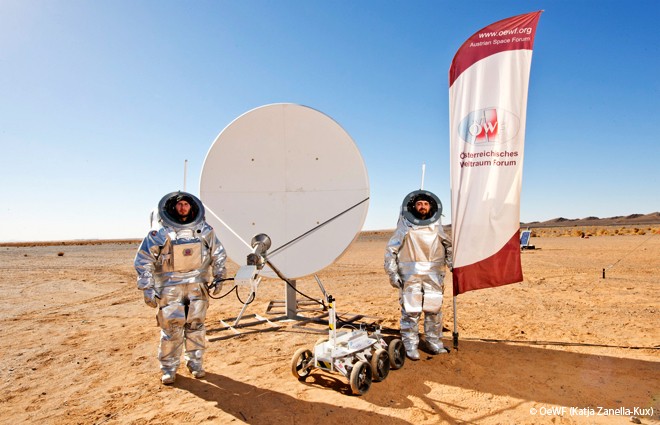
Morocco and Austria space mission
Morocco and Austria also want to go to Mars!

Scientific and International Collaboration Onboard

While all eyes are on Communist China for its support of Iran and Russia, the Chinese have still managed to cooperate with several international scientific missions which included their instruments.

The Negative Ions at the Lunar Surface (NILS) payload, developed by the Swedish Institute of Space Physics, and the Detection of Outgassing RadoN (DORN) instrument from France will collect data during the lander’s operational period on the surface. An Italian passive laser retro-reflector and a small rover are aboard the lander. (Remember when the Italians reflected sun onto this town which was always in a shadow?)

Chang’e-6 also carried a small satellite called Icube-Q which was developed by Pakistani and Chinese universities.

China aims to put a person on the moon before 2030, which would make it the second nation after the United States.  NASA plans to send people to the moon by 2026.

Would you live on Mars or the moon?

The big goal is an International Lunar Research Station planned for the 2030s which expects collaboration from many countries and organizations. 

A 2020 Chinese moon mission brought back minerals to China. The Chinese discovery of a phosphate mineral in columnar crystal has the nation clamoring for more of the Moon.  They have discovered a new phosphate mineral now named Changesite-(Y).

Several countries and organizations have signed up for this ambitious project, signaling China’s growing influence and commitment to leading the next era of space exploration.

The world’s first trillionaire will mine the skies

Astrophysicist Neil deGrasse Tyson once told the World Government Summit in Dubai that the first trillionaires are likely to be those who mine asteroids for minerals and water to further the exploration of the universe. Planetary Resources and Deep Space Resources are working out which asteroids offer the greatest potential for profits.

Nation states are also involved in the space-mining race, with countries such as Luxembourg, Japan and the United Arab Emirates leading the pack.

We must ask ourselves as in the case of deep sea mining now started by Norway: Who owns resources in space? Will space mining be a free-for-all, operating on a first-come, first-served basis? And who – if anyone – has the oversight to ensure the resources are used responsibly and for humanity’s benefit?

Desert art and solar energy in Oman

0
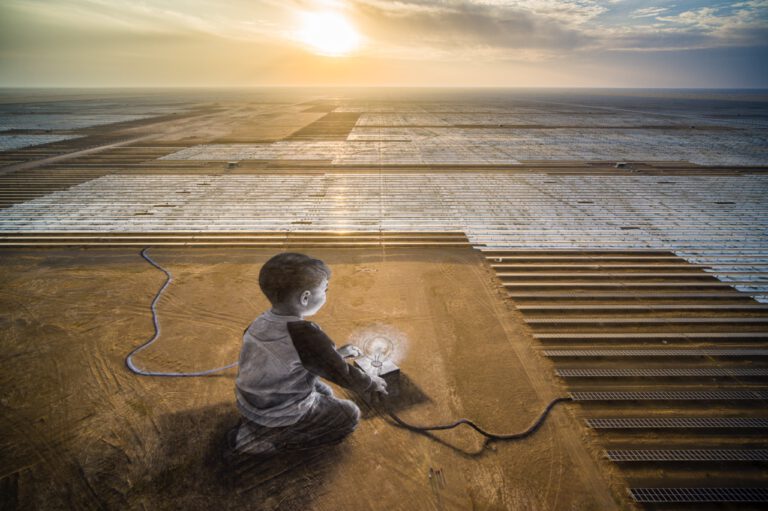
French artist Saype creates a natural sand mural in the desery of Oman
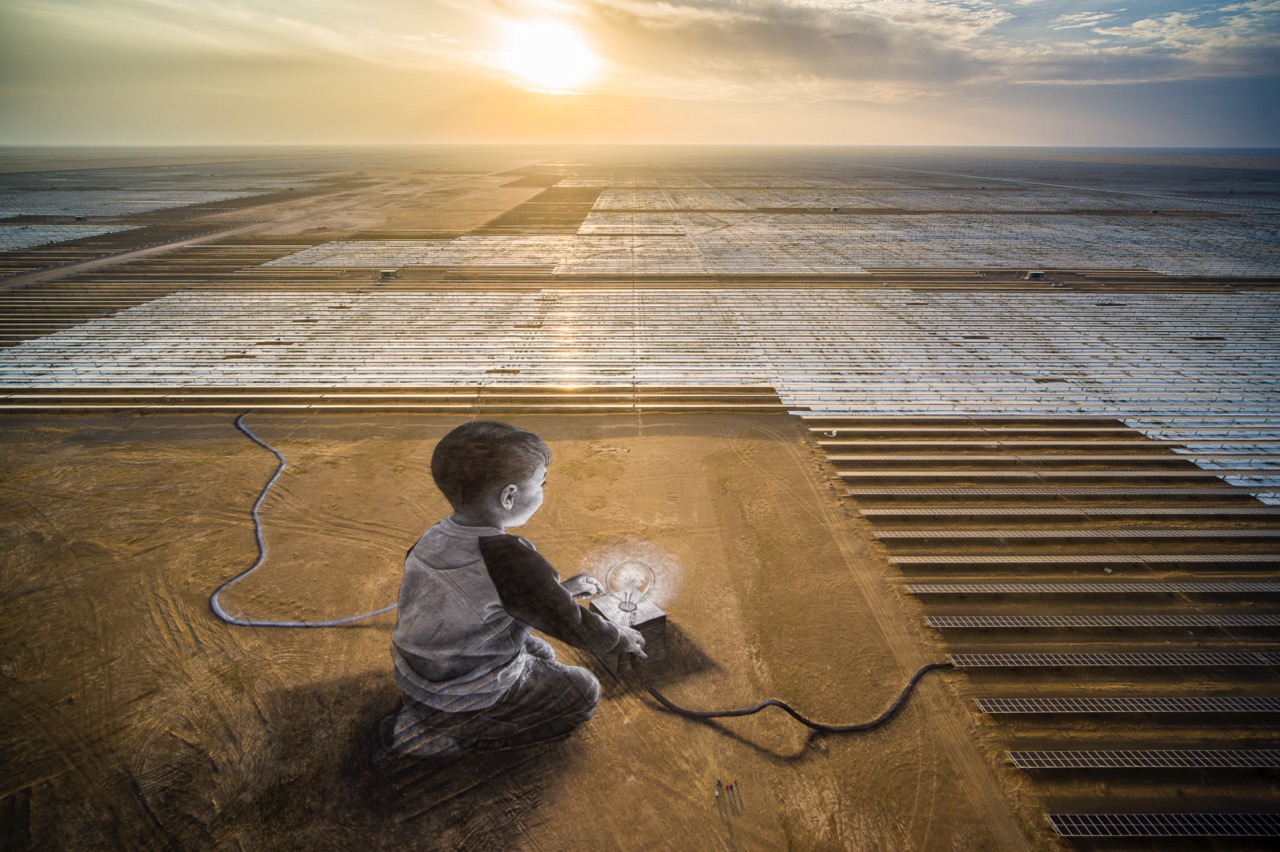
French-Swiss artist Saype realized a giant landart painting on March 11th, 2023 at the Ibri solar farm, Ibri 2 IPP Project, in Oman. 

Oman is increasingly becoming a key player in the global push towards renewable energy, leveraging its vast desert landscapes to harness solar power. Look to the Ibri Solar Project, a 500 MW capacity plant that underscores the nation’s commitment to diversifying its energy sources and reducing its carbon footprint and diversifying away from oil.

Highlighting this beautiful scene is the French-Swiss artist Saype who laid out a mural of hope in the sands of the Wahiba Desert. With an overall area of 11,250 square meters, this artwork was created using biodegradable pigments made out of charcoal and chalk. This work questions us about our relationship to energy, and the new solutions to get out of fossil fuels.

The Ibri Solar Project, located in Al Dhahirah Governorate, is a cornerstone of Oman’s renewable energy strategy. Operational since early 2021, it represents a significant leap in the nation’s quest to derive 30% of its electricity from renewable sources by 2030.

The plant, covering an area of 1,300 hectares, features over 1.4 million solar panels and is expected to produce approximately 1,500 GWh of clean electricity annually. This is sufficient to power around 50,000 homes and reduce CO2 emissions by about 340,000 tons per year, equivalent to taking nearly 70,000 cars off the road

The project is a collaboration between the Oman Power and Water Procurement Company (OPWP) and a consortium led by Saudi Arabia’s fossil fuel company ACWA Power, which includes Gulf Investment Corporation and Alternative Energy Projects Company. ACWA Power is the lead investor in the project with a 50 percent stake, GIC has a 40 percent stake and AEPC controls the remaining 10 percent.

Saype’s mural spanned over 5,000 square meters of the desert, depicting a pair of hands holding a seedling. This artwork, part of his worldwide “Beyond Walls” project, aims to connect communities across borders through a shared commitment to environmental stewardship and social unity. Let’s hope the same can happen between Gaza and Israel.


The Future of Texas Energy: Is Transitioning to 100% Renewables Possible?

0

Texas sign with a cactus in bloom

Texas has been called the “Energy Capital of the World” for good reason. According to the EIA, the state is the country’s top crude oil and natural gas producer, accounting for 27 percent of its natural gas production and 42 percent of its crude oil production. The state also houses the majority of the nation’s oil refineries.

Texas has many energy sources. However, it is also the country’s primary energy consumer. The industrial sector accounts for over half of the state’s energy consumption. However, Texas is determined to harness different energy sources, including wind and solar. Let’s explore how Texas plans to achieve its goal of fully transitioning to renewable energy.

Current Trends on Energy Consumption in Texas

Since Texas is a major energy producer, its energy consumption is changing significantly. The state uses solar and wind power as sustainable energy sources. Increasing electricity demands and a call for energy efficiency are also steering the trends in the state. Some of these critical trends include:

Primary sources of energy

Natural gas is Texas’s predominant energy source, generating most of its electricity. It’s also cost-effective and cost-efficient compared to coal, giving Texas more reason to focus on natural gas as an energy source. 

Local power plants are shifting from coal to natural gas, significantly reducing carbon emissions. This shift helps decrease the negative impact on the environment.

Population growth and urbanization

Texan cities, such as Houston, Dallas, and Austin, are seeing rapid population growth. The state also has a robust industrial sector, including manufacturing, petrochemicals, and technology. These sectors continuously grow and create a surge in energy consumption and demand.

Electricity and natural gas usage have become apparent in residential and commercial areas. As such, there’s an increasing demand for better infrastructure and diversified energy sources. Consumers primarily shape the energy landscape in Texas. Meeting their needs and ensuring sustainability and reliability remain priorities.

Technological advancements

Advances in energy storage technologies are now evident. These advancements are more viable. They address the unpredictability that could result from using renewable energy sources.

Innovations in grid management are also noted. Real-time data analytics and automated controls are crucial. They enhance the energy system’s overall stability and efficiency.

Environmental policies and regulations

As the world’s eyes shift to climate change awareness, the need for environmental sustainability becomes greater. Energy policies are influenced and modified with these environmental changes in mind. A great emphasis has been placed on reducing carbon emissions and the shifting to cleaner energy sources. They are at the forefront of the new policies and regulations being made.

Federal and state regulations are now changing to support the adoption of renewable energy. They’re also aiming to improve grid reliability and encourage energy efficiency.

Market trends and consumer behavior

Global market trends and technological changes affect the fluctuating energy prices. Even policy shifts have influenced the masses’ energy consumption patterns and investment decisions.

As investments in energy infrastructures in Texas increase, so does the hope for a better future for the state’s energy landscape. Transmission lines and renewable energy projects are currently under construction. These developments can all contribute to much-needed environmental change.

Decentralization and Distributed Energy Resources (DER)

The decentralization of energy systems is an emerging trend in Texas. Many homes and companies have recently chosen to install rooftop solar panels and home battery systems. This shift in systems has contributed to a well-distributed energy grid.

Another trend gaining popularity is the development of microgrids. Localized energy solutions have emerged that improve energy efficiency, resilience, and reliability. The development of microgrids is evident in remote or critical infrastructure locations.

Expansion of Renewable Energy

As mentioned, Texas is renowned for its oil and natural gas resources. At present, they’re also expanding their horizons to renewable energy sources. You can expect nothing less from the country’s leader in wind energy production and solar power generation. 

These developments are driven by many factors, primarily technological advancements and reduced costs. Supportive environmental policies and regulations also play a role.

Development of wind and solar power

Texas’s efforts in developing wind and solar power are exceptional. These movements have reinforced Texas’s national leadership in renewable energy. The state houses the largest installed wind capacity in the country, and this ingenuity takes advantage of the favorable wind conditions in Texas.

Texas has been investing heavily in wind farms, specifically those located in West Texas. At present, wind energy generated in the state accounts for over 26 percent of all wind-sourced electricity in the USA.

Solar power has also become widespread, mainly because it has become readily available to the masses. In fact, the costs of solar panels have decreased. Large-scale solar projects have become commonplace in the state, creating an abundant energy mix.

The state has plenty of wind and solar power, further diversifying energy sources. This leads to significant economic growth, job creation, and a reduction in carbon emissions.

Innovations in renewable energy technologies

Texas is spearheading the clean energy revolution. The state continually supports breakthroughs in photovoltaic (PV) technology and innovates wind turbine efficiency. These advancements promote the efficiency and reliability of wind and solar power systems.

Innovations in renewable energy source technology make these goals doable and cost-effective. They also cement Texas’s position as the 100 percent renewable energy source movement leader.

Investment in renewable infrastructure

Texas has invested in smart grid technologies as a proponent of shifting to renewable energy. These technologies boost the power grid’s efficiency, reliability, and resiliency. Additionally, these advancements help manage demand and integrate renewable energy sources effectively.

The standards for energy efficiency for appliances and buildings have improved. At present, these changes are being implemented to help reduce energy consumption. They’re also targeting the reduction of consumers’ utility bills.

Government and private sector initiatives

Texas aims to make the transition to renewable energy more appealing. Policy incentives have been implemented to encourage people to show their support for the state’s environmental goals.

Texas is offering a 100 percent tax exemption on the appraised value of wind, on-site solar, or biomass power generators. Additionally, a franchise tax exemption is being offered to specific groups, including sellers, installers, and manufacturers of solar energy devices. 

Texas also permits a deduction on the margin allocated to the state. This is permissible within Texas’s use and purchase of specific solar energy products.

The private sector also takes initiatives to further these environmental projects and goals. Companies like Rhythm Energy offers Texas energy plans to help with the transition. These energy plans are fully powered by renewable sources. They allow individuals and businesses to contribute to Texas’s vision of a renewable energy future.

Trajectory of renewable energy in Texas

While Texas’s goal for the future is clean and bright, obstacles must be overcome. Fortunately, alongside these challenges are opportunities. It’s possible to fully realize and achieve the goal of running purely on renewable energy.

Challenges ahead

Many are scrutinizing environmental, social, and governance (ESG) initiatives. The quest for a future for renewable energy has also been scrutinized. Unfavorable reactions have risen on a state level across the country as a response to popular ESG trends. Policies with goals that don’t align with ESG’s visions are also currently being pursued.

Opportunities to look out for

Although some policies might be made to counter the ESG-related efforts, Texas still shows promise. The local policymakers actively support ESG-related initiatives and industries. They’re encouraging companies to explore renewable energy as part of their energy strategy. As soon as more people and businesses join this movement, the goal of a total renewable energy transition will be possible.

Conclusion

Texas has always shown great promise as the Energy Capital of the World, and it’s taking that name to new heights with its recent endeavors. By staying committed to using renewable energy sources, Texas encourages sustainability. Hopefully, this goal will be fully realized for the betterment of the country and the world.

 

Have an impact company that can change the world? Apply for these 4 global prizes

Zyed sustainability prize, $3 million USD prize for impact ideas that change the world.
Zayed Sustainability Prize, $3 million USD prize for impact ideas that change the world.

Zayed Sustainability Prize

The Zayed Sustainability Prize is a prestigious international award that recognizes and rewards impactful, innovative, and inspirational sustainability solutions across the globe. Established in 2008 and named in honor of Sheikh Zayed bin Sultan Al Nahyan, the founding father of the United Arab Emirates, the prize aims to continue his legacy of environmental stewardship and sustainable development. The prize is awarded annually in five categories: Health, Food, Energy, Water, and Global High Schools, each designed to address critical challenges facing the world today.

The Health category honors solutions that improve physical, mental, and social well-being, with a focus on projects that can be scaled to benefit large populations. The Food category targets innovations that enhance food security, sustainable agriculture, and nutrition. The Energy category recognizes initiatives that increase access to reliable, affordable, and sustainable energy. The Water category focuses on projects that offer sustainable water management solutions. Finally, the Global High Schools category encourages and empowers young people to develop sustainable projects within their schools and communities.

Winners of the Zayed Sustainability Prize receive not only financial support but also global recognition, which helps them to scale their projects and maximize their impact. The prize fund totals $3 million, distributed across the categories, with each winner receiving up to $600,000. This financial boost, combined with the prestige of the award, has enabled past laureates to expand their initiatives, foster new partnerships, and influence policy. Through these efforts, the Zayed Sustainability Prize continues to drive significant advancements in sustainability, directly contributing to the global effort to achieve the United Nations Sustainable Development Goals (SDGs).

THRIVE Global Impact Challenge

The THRIVE Global Impact Challenge is an annual competition aimed at fostering innovative solutions in the agri-food sector to address some of the world’s most pressing challenges. Organized by SVG Ventures THRIVE, a leading agrifood investment and innovation platform, the challenge seeks to identify and accelerate the development of breakthrough technologies that can significantly enhance the sustainability and resilience of the global food system.

Open to startups from around the world, the THRIVE Global Impact Challenge invites participants to present their cutting-edge technologies and business models in areas such as food security, environmental sustainability, and climate resilience. The competition focuses on five key areas: Sustainable Food Production, Food Quality & Safety, Food Waste Reduction, Smart Agriculture, and Supply Chain Management. Startups are assessed on their potential to drive positive social, economic, and environmental impacts.

Winners of the challenge receive a suite of benefits designed to propel their startups to the next level. These include access to THRIVE’s extensive network of mentors, investors, and industry partners, as well as participation in the THRIVE Accelerator program. This program offers tailored support, including business coaching, strategic guidance, and opportunities for pilot projects and collaborations with leading corporations in the agrifood sector. Additionally, winners receive significant visibility and recognition through THRIVE’s media channels and events.

The THRIVE Global Impact Challenge not only provides a platform for groundbreaking innovations but also fosters a collaborative ecosystem where entrepreneurs, investors, and industry leaders can work together to solve critical issues in the food system. By supporting innovative startups, the challenge aims to drive transformative changes that contribute to a more sustainable and resilient future for agriculture and food production worldwide.

She Loves Tech 2024 Global Competition

She Loves Tech is the world’s largest startup competition focused on women and technology. Founded in 2015, this global platform aims to bridge the gender gap in technology and entrepreneurship by providing female-led and female-impact tech startups with opportunities for investment, mentorship, and global visibility. The She Loves Tech Global Competition is the centerpiece of this initiative, showcasing innovative tech solutions that have the potential to create a positive impact on women and society.

The competition is open to early-stage startups that have a viable product or service and demonstrate significant potential for growth. It specifically targets startups that either have at least one female founder or a product designed to address a problem faced by women. The competition spans multiple rounds, starting with regional rounds held in various countries around the world, culminating in a global final where the top startups compete for the grand prize.

Participants in the She Loves Tech competition benefit from a comprehensive support system. They receive mentorship from leading experts in technology and business, access to She Loves Tech’s extensive network of investors and industry partners, and exposure to media and public relations opportunities. Winners receive cash prizes, investment opportunities, and spots in accelerator programs designed to fast-track their growth and development.

She Loves Tech goes beyond the competition by fostering a global community of female entrepreneurs and innovators. Through its various programs and initiatives, it provides continuous support and resources to help women-led startups thrive. The competition has grown exponentially since its inception, now operating in over 40 countries and partnering with major corporations and investors to drive its mission. By highlighting and supporting female tech entrepreneurs, She Loves Tech aims to create a more inclusive and diverse tech ecosystem, ultimately driving economic growth and innovation.

Global Innovation Fund (GIF)

The Global Innovation Fund (GIF) is an international, nonprofit investment fund that supports the development, rigorous testing, and scaling of innovations aimed at improving the lives of people living on less than $5 a day. Launched in 2014, GIF operates with a mission to accelerate evidence-based solutions that address global development challenges, with a focus on innovations that have the potential to transform the lives of the world’s poorest people.

GIF offers a unique approach to funding by providing flexible financial support through grants, loans, and equity investments. This allows GIF to back a wide range of innovations at different stages of development, from early-stage ideas to proven interventions ready for scaling. The fund prioritizes innovations that are cost-effective, scalable, and have a strong potential for measurable social impact. GIF’s portfolio spans various sectors, including education, health, agriculture, water and sanitation, and energy.

Applicants to the Global Innovation Fund undergo a rigorous selection process where their innovations are evaluated based on their potential impact, evidence of effectiveness, and scalability. Successful applicants receive not only financial support but also technical assistance, monitoring, and evaluation support to ensure their solutions are effectively implemented and scaled. GIF’s funding is designed to be catalytic, providing the necessary resources to bridge the gap between proven solutions and widespread adoption.

The impact of GIF’s investments is significant, as the fund leverages a venture capital-style approach to drive social impact. By focusing on high-impact innovations, GIF aims to achieve sustainable improvements in the quality of life for the world’s poorest populations. The fund’s emphasis on evidence and results ensures that its investments lead to tangible benefits and contribute to the broader goals of poverty reduction and sustainable development. Through its innovative funding model, GIF plays a crucial role in fostering breakthroughs that have the potential to create lasting change on a global scale.

Reefs get a boost from Zeroe in the UAE

Reeframe is an artificial reef project in the UAE

Zeroe, a UAE-based comprehensive carbon management company, will sponsor an artificial coral reef through Project Reefframe project, a pioneering initiative aimed at restoring and preserving coral ecosystems in the UAE. This sponsorship underscores Zeroe’s commitment to environmental sustainability and its recognition of the critical role oceans play in mitigating climate change.

Reeframe is an artificial reef project in the UAE
A Reeframe project, Freestyle Divers

As the United Nations highlights in Sustainable Development Goal 14, oceans are essential for life on Earth. They produce 50% of the oxygen we breathe, absorb 25% of carbon dioxide emissions, and capture 90% of excess heat generated by these emissions. This makes them a vital buffer against the impacts of climate change.

However, oceans face unchartered threats from pollution, plastic waste, and rising temperatures. Coral reefs are experiencing alarming rates of degradation, impacting biodiversity and coastal communities. The United Arab Emirates is building artificial islands and industry that need to consider the future of its oceans.

Reeframe
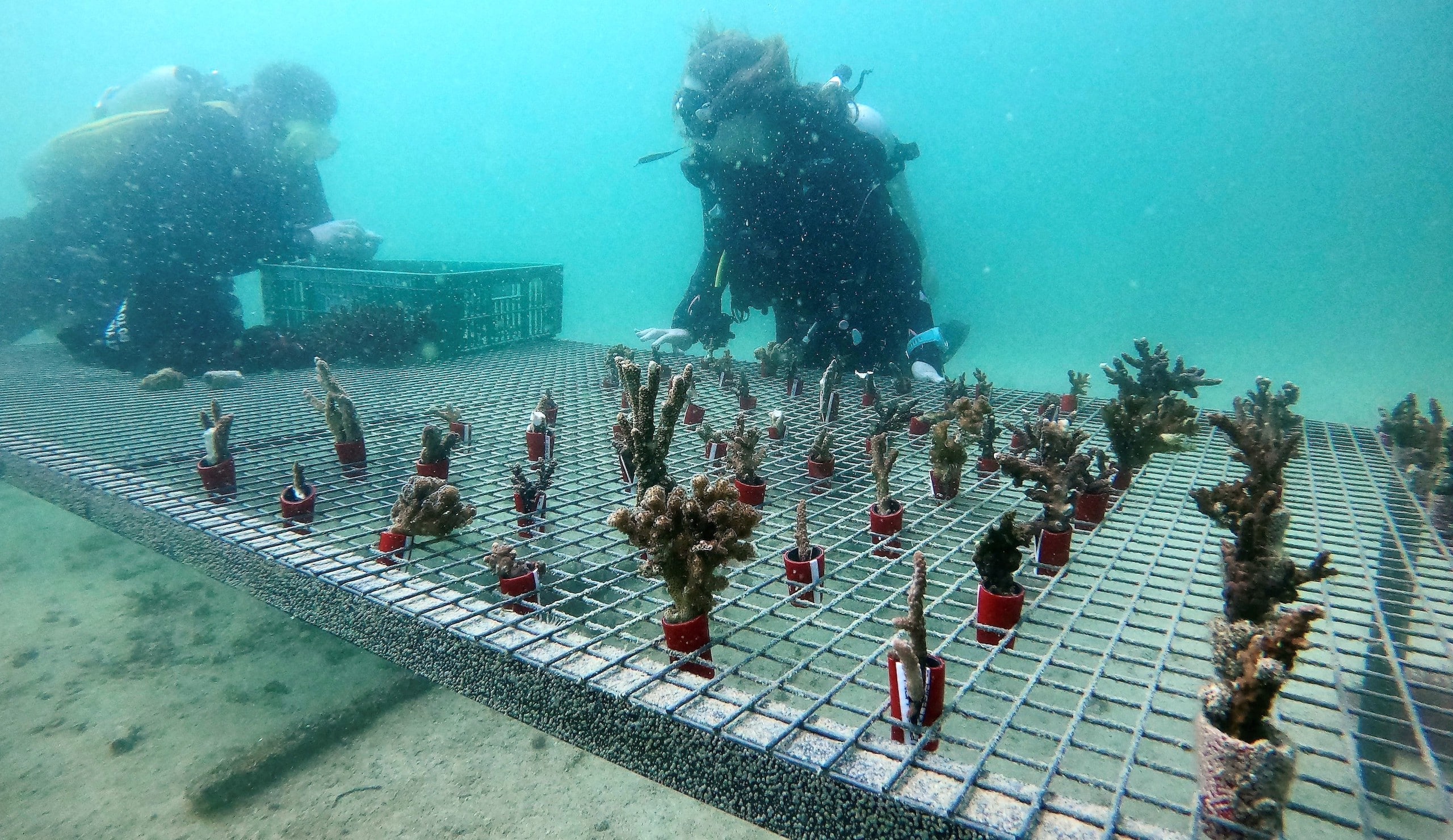
Reeframe in action. Photo by Freestyle Divers

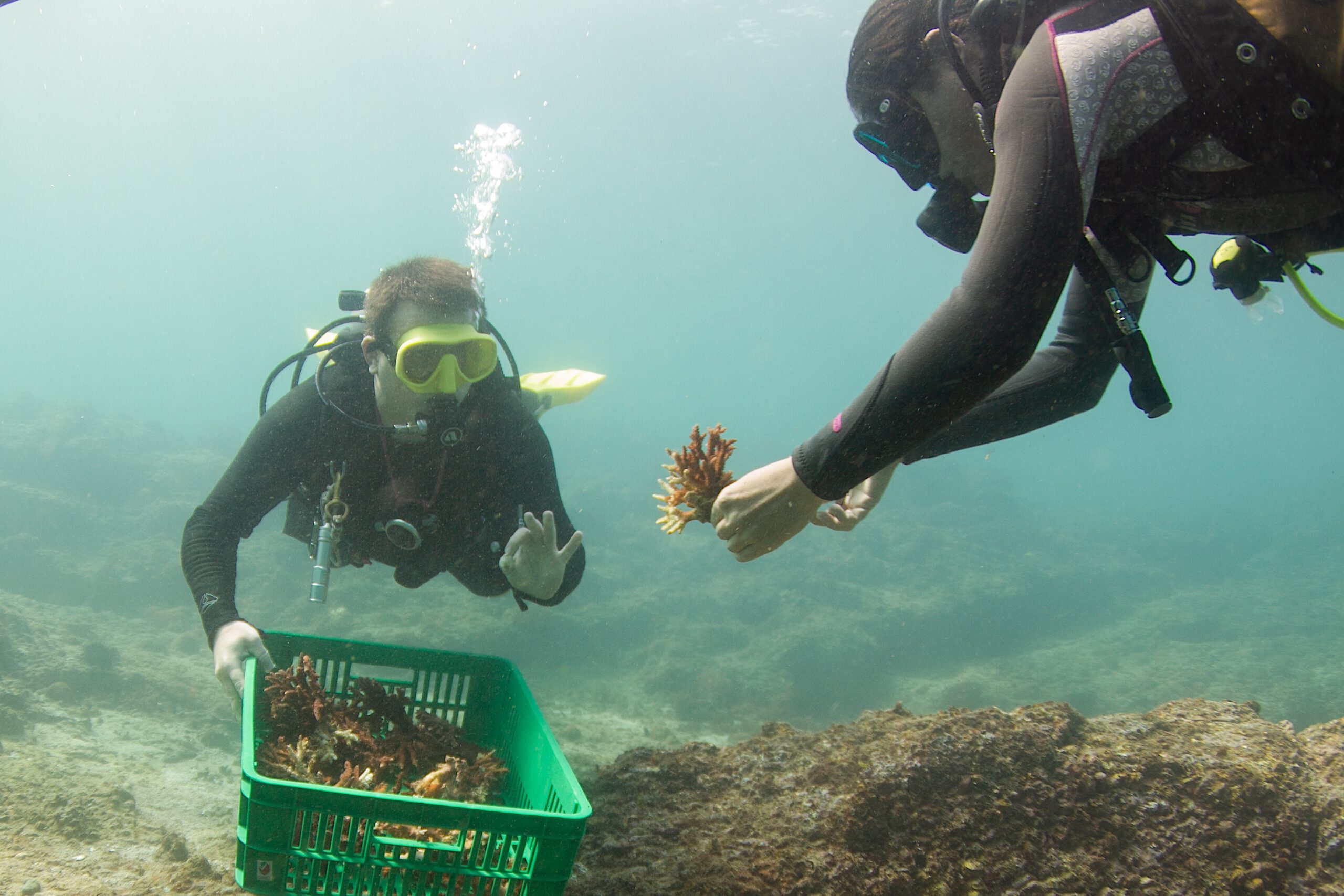
Project Reeframe, led by Freestyle Divers, is a collaborative effort to rescue and restore coral reefs in the UAE. By creating artificial reefs and transplanting rescued coral fragments, the project aims to create thriving marine ecosystems that can withstand the challenges of climate change.

Darryl Owen, Owner and CEO of Freestyle Divers and Project Reeframe said, “This sponsorship will enable us to expand our efforts in rescuing and restoring coral reefs, ensuring their survival for future generations. Together, we can create a more sustainable future for our oceans and the communities that depend on them.”

Zeroe’s sponsorship of an artificial reef through Project Reeframe demonstrates the company’s dedication to environmental conservation. This initiative aligns with Zeroe’s broader sustainability goals and its belief in the power of technology, collaboration, and innovative thinking to drive positive change.

“Climate change is a complex problem that requires a systemic solution made up of many smaller efforts at all levels, simultaneously. We are proud to contribute to a project that is making a real difference in preserving these invaluable ecosystems,” said Lauren Haworth, Head of Marketing & Partnerships at Zeroe said.

Photo by Freestyle Divers

Zeroe is a carbon management platform based in the UAE, which gives companies a way to measure, manage, and reduce their carbon footprint. By leveraging advanced artificial intelligence and adhering to the GHG Protocol, Zeroe simplifies carbon accounting, ensuring compliance and facilitating sustainable business practices.

Project Reeframe is a pioneering coral reef restoration project based in the UAE, run by Freestyle Divers. By creating artificial reefs and transplanting rescued coral fragments, Project Reeframe aims to restore damaged reefs, promote biodiversity, and enhance the resilience of marine ecosystems.

Saudi, IBM collaborate to develop AI model for Arabic dialects using Watson

Watson IBM
IBM’s Watson learns Arabic and integrates it into AI

A generative AI program is being developed through a collaboration between Saudi Arabia and IBM, focusing on multiple Arabic dialects. The Saudi Data and Artificial Intelligence Authority (SDAIA) has announced that their Arabic large language model ALLaM, will be integrated into IBM’s AI and data platform, Watsonx.

Watsonx is widely used by companies for creating editorial content, developing chatbots, and writing programming code. This includes applications like scripting for video games and customer service chatbots.

Watson research has been pioneered in IBM Israel. Researchers David Carmel and Dafna Sheinwald from IBM Israel played a key role in building Watson, the supercomputer that played Jeopardy in 2011 – and won. Watson won USD 77,147, which was donated to various charities, besting Ken Jennings’s USD 24,000 and Brad Rutter’s USD 21,600.

This research will be applied to better understand Arabic language models. ALLaM stands out for its ability to retrieve and generate information in both audio and text formats across various Arabic dialects, a challenge that has long puzzled developers.

This collaboration is expected to drive further technological advancements, according to Esam Alwagait, director of SDAIA.

The development of ALLaM could lead to a surge in Arabic GPT text generators, similar to Google’s Gemini, X’s Grok, and OpenAI’s ChatGPT. Trained on hundreds of millions of articles in both Arabic and English, ALLaM aims to overcome the traditional challenges of working with Arabic dialects.


Egypt developing green methanol fueling stations with Abu Dhabi’s AD Ports

Maersk danish company uses green methanol in its fleet of ships
Maersk, a Danish shipping company uses green methanol in its fleet of ships

AD Ports Group, the operator of industrial cities and free zones in Abu Dhabi, in the United Arab Emirates is spearheading a consortium to develop a green methanol plant in Egypt.

Green methanol, made from biomass such as plant waste, is a synthetic fuel produced renewably and without polluting emissions (in theory), and can be produced from green hydrogen. This chemical compound can be used as a low-carbon liquid fuel and is a promising alternative to fossil fuels in areas where decarbonisation is a major challenge.

Green, Blue and Grey Methanol – what’s the difference in fuel types?

Green methanol (or bio-methanol) may be produced via biological pathways (anaerobic digestion), thermo-chemical pathways (gasification) or electrofuel pathways (power to gas). Blue methanol is made using blue hydrogen in combination with carbon capture technology. Grey methanol is produced using natural gas.

The new Egyptian facility will aim to supply low-carbon fuel for maritime transport, presenting an opportunity to establish clean alternative energy storage solutions globally.The addition of a facility in this area will provide fueling solutions for those mainliners who have ordered green methanol-powered vessels.

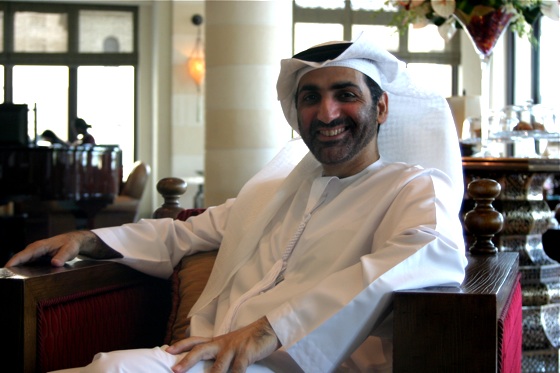
One challenge with Egypt and the Suez Canal, currently, is keeping terrorists such as the Yemenite Houthis terror group from sabotaging its shipping line from the Indian Ocean to the Red Sea to the Mediterranean. Working with the moderate UAE will help broker peace in the region. The UAE even has a Green Sheikh who was a regular contributor to Green Prophet over the years.

green sheikh, profile, mina al salam hotel, dubai
Green Sheikh, by Green Prophet’s Tafline Laylin

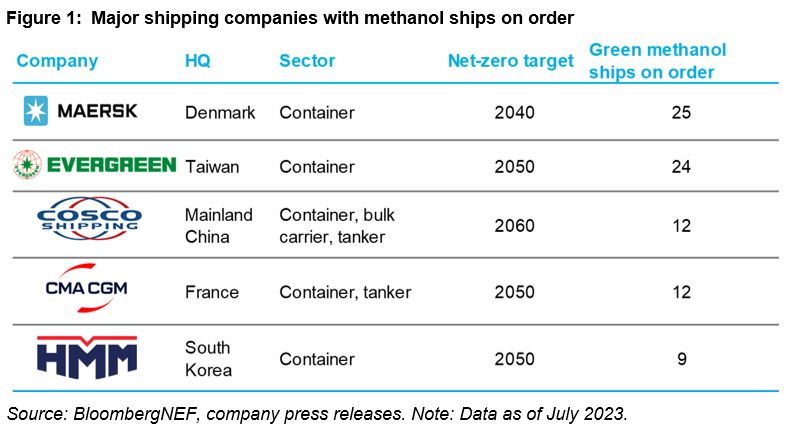
According to Abu Dhabi’s AD Ports they anticipate more than 100 methanol-fuelled ships will be in service in the next 2 years by 2026, representing around a million tonnes of additional methanol demand.

According to Drewry and Clarksons, a maritime research group, the methanol-fuelled vessel fleet will grow from 2 per cent to 14 per cent of the global fleet based on orders already placed.

“This initiative not only aligns with the UAE’s decarbonisation goals but also accelerates the energy transition in shipping, positioning us at the forefront of the green hydrogen revolution and enabling us to contribute to global environmental stewardship and economic diversification,” said Ammar Mubarak Al Shaiba, CEO – Maritime & Shipping Cluster, AD Ports Group.


Developing carbon-friendly projects in other nations can earn countries carbon credits through UN mechanisms.

The group has signed a preliminary agreement with Egyptian container shipping line Transmar and Orascom Construction for the project, which will include storage and export facilities for the synthetic fuel.

methanol green hydrogen
Bloomberg’s numbers for green ethanol ships on order

Green methanol, a low-carbon synthetic fuel, can be produced from biomass or through carbon capture and green hydrogen. It offers a sustainable alternative to fossil fuels, especially in sectors like chemicals and plastics where decarbonization is challenging.

This fuel is also more cost-effective to store and transport, utilizing existing infrastructure for regular fossil fuels.

Maersk and Hapag Lloyd are already integrating such green methanol ships into their fleets. Evergreen, Cosco, CMA CGM and HMM have ships on order, according to Bloomberg.

Next EU Parliament must crack down on lobbying from ecologically-toxic industries

children are exposed to asbestos in make-up
There could be toxins like asbestos in your makeup

With policymakers in Brussels steadily eroding the EU Green Deal ahead of next month’s European elections, governments, NGOs and scientists have joined forces to counter this short-sighted political point-scoring. On 14 May, environment ministers from 11 member states issued a joint letter calling for the reversal of obstructionist countries’ sudden opposition to the Natural Restoration Law’s final green light.

This initiative notably arrived a day after 140 environmental NGOs published an open letter lambasting the EU’s green backtracking, particularly fueled by the likes of Hungary, Poland and Slovakia.

Lamenting how Europe’s “basic environmental standards” are being scrapped “to appease industry lobbyists,” the letter’s signatories highlight the host of other diluted, blocked or outright abandoned Green Deal files “despite the growing evidence of looming ecological collapse.”

With calls for a European “right to a healthy environment” re-emerging in May, achieving this noble ambition will require a broad coalition of incoming MEPs to crack down on ecologically-destructive industries’ excessive lobbying influence while fending off a potential far-right, anti-green lurch.

Big Tobacco ‘poisoning the planet’

man smoking handsome

In this climate, the tobacco industry remains one of Europe’s worst offenders. Take the conflict of interest scandal involving Jan Hoffman, a former DG SANTE official who had worked on issues of tobacco traceability right before jumping to Dentsu Tracking, the tobacco industry-linked firm controversially awarded the contract to run the EU’s tobacco track and trace system.

Big Tobacco continues to aggressively lobby EU policymakers to delay effective, citizen-first policies, such as the recommendation on smoke-free environments to tighten rules on tobacco usage in public places as well as the long-awaited revisions of the Tobacco Products Directive (TPD) and Tobacco Taxation Directive (TTD). BAT has notably made clear its intention to interfere with the latter, blatantly disregarding the WHO Framework Convention on Tobacco Control (FCTC)’s Article 5.3 lobbying rules as well as its ITP Protocol’s Article 8 stipulations on industry-independent track and trace.

This lobbying-induced regulatory vacuum enables the industry to continue freely polluting and maximising profits at the expense of Europe’s social and environmental well-being – a reality highlighted by the European Parliament’s Working Group on Tobacco in its new White Paper. The fruit of a multi-sector collaboration including MEP Pierre Larrouturou, NGO coalition the SmokeFree Partnership and WHO FCTC Program Director Kelvin Khow, the White Paper cites a landmark WHO report revealing how the tobacco industry is “poisoning our planet.”

Beyond causing over 8 million preventable deaths annually, Khow’s contribution spotlights how Big Tobacco also destroys 600 million trees, razes 200,000 hectares of land and guzzles over 20 billion tonnes of water. Tobacco production accounts for 5% of global deforestation and over 80 million tonnes of annual CO2 while cigarettes remain “the most littered item on the planet,” with roughly 4.5 trillion highly-toxic filters polluting the world’s oceans, beaches, parks and soils every year.

Moving forward, the MEP-led White Paper rightly advocates for the TTD-TPD revision process to address this scourge. According to its authors, WHO FCTC-aligned measures such as banning cigarette filters, imposing “polluter pays” clean-up obligations and prohibiting tobacco companies from promoting greenwashed ‘ESG’ credentials will be crucial in tackling Big Tobacco’s environmental carnage while countering its lobbying influence.

‘Big Toxics’ dissolving Green Deal

A leading White Paper contributor, the Corporate Europe Observatory (CEO) has rightly questioned why the “public interest firewall…on public health matters,” applied to the tobacco lobby – in theory if not in practice – has not been extended to Europe’s chemicals industry. Dubbed the ‘Big Toxics,’ the industry’s four largest chemicals companies and three EU trade associations are amongst the biggest spenders in Brussels, outspending even Big Tech according to the CEO’s LobbyFacts initiative.

This excessive influence has delayed the REACH regulation reform aimed at enhancing public health and environmental protection against toxic chemicals. Aggressively opposing REACH from its inception using dubious research, countless loophole requests among a wider arsenal of influence, the Big Toxics continue to use fearmongering narratives to impede its much-needed revision.

While the Commission resisted the industry’s initial assault on the Green Deal’s chemicals pillar, the chemicals lobby has capitalised on mounting political aversion towards green regulations. With key Green Deal files falling off the agenda, Big Toxics are now targeting the EU proposal to ban polyfluoroalkyl substances (PFAS) – so-called ‘forever chemicals. 

According to the CEO, PFAS’s devasting impact in Europe includes an estimated €52-84 billion in annual health costs – likely contributing to cancer and fertility issues – and €10-20 billion in environmental restoration costs in addition to the “unquantifiable damage and suffering” these toxic chemicals generate. With the Big Toxics lobby shielding its companies from responsibility for this ecological and social plague, EU policymakers must take a strong stand.

Carmakers driving green goals into wall

old car sent to Africa
Old cars are sent to Africa to be upcycled there. But should old gas guzzlers be given life in other countries with less environmental law?

As with the Big Toxics, Europe’s automotive industry has seized on the changing political winds to dilute the Green Deal’s ambition. Led by the European Automobile Manufacturers’ Association (ACEA), the industry’s lobbying machine went into overdrive ahead of the vote on the Euro 7 regulation setting limits on highly-polluting car emissions like nitrogen oxides (NOx) and sulphur dioxide (SO2). According to environmental NGOs, these efforts helped to secure a regulatory freeze for exhaust pollution, with Transport & Environment’s Lucien Mathieu claiming that the car lobby’s victory proves that it is ”back in control.”

Ahead of the watered-down Euro 7 deal finalised by MEPs and member-state delegates last December, experts from the Consortium for Ultra-low Vehicle Emissions (CLOVE) warned that its lack of progress on emissions rules could generate €100 billion in health and environmental costs by 2050 due to excessive nitrogen dioxide (NO2) pollution from combustion engines. Responsible for 49,000 premature EU deaths every year, NO2 also indirectly fuels the formation of Particulate Matter (PM), which causes a further 240,000 excess annual deaths.

As environmental consultancy CE Delft has highlighted, these premature deaths could be slashed in half if cars’ road emissions matched the misleading levels reported in laboratory testing. The automotive industry continues to exploit this regulatory loophole on lab versus real-world emissions testing, with lobbyists using a series of undeclared Commission meetings to maintain a status quo subjecting European citizens to lethal, avoidable emissions.

Defending environmental rights

Building on MEPs’ recent ban of Amazon lobbyists over their unwillingness to transparently engage with policymakers concerning labour rights and well-being issues, the next Parliament should consider red-carding the bloc’s most toxic and high-spending industry lobbies. Doing so would send a powerful message that Europe places its citizens above corporate interests while helping create the conditions for a long-overdue right to a healthy environment in Europe.

With a new crop of young, ambitious environmental activists set be elected to the Parliament and civil society calls mounting for the Council of Europe to enshrine environmental health into the continent’s human rights system, a window of opportunity is opening for European institutions to take decisive action. Working in close collaboration with NGOs and researchers, MEPs must launch a sweeping counteroffensive against the Green Deal’s betrayal and the noxious lobbying influence at its core.

Raw honey – unpasteurized health benefits

0

Imagine this: bees, our tiny, tireless pollinators, dancing from flower to flower, collecting nectar like nature’s little alchemists. Raw honey is the magical result of their hard work – unfiltered, unprocessed, and unpasteurized. It’s the purest form of honey you can find, brimming with all the natural goodness that the bees and blooms have to offer.

Nature’s Multivitamin

Forget those synthetic multivitamins in your medicine cabinet. Raw honey is a powerhouse of vitamins and minerals. Packed with antioxidants, enzymes, and phytonutrients, it’s like a sweet gift from the heavens. Vitamin C? Check. Calcium? Check. Iron, magnesium, and potassium? Check, check, and check! It’s like Mother Nature decided to give us a health boost wrapped in sweetness.

Got the sniffles? Feeling under the weather? Raw honey is your sticky, sweet solution. Its antimicrobial properties are the stuff of legends. It can help soothe a sore throat, combat pesky coughs, and even fend off those nasty bacteria. Next time you’re feeling blah, skip the over-the-counter meds and go straight for the honey jar. Your immune system will thank you.

Gut Health Guardian

honey test, is your honey pure
Take the honey test, is your honey pure. Your test is here.

Your gut – that complex, enigmatic universe within – needs a guardian, and raw honey is up for the task. It’s a natural prebiotic, meaning it helps nurture the good bacteria in your gut. Happy gut, happy life, right? So, swirl some raw honey into your yogurt, drizzle it over your granola, or just sneak a spoonful straight from the jar.

Need a pick-me-up without the crash? Raw honey is your natural energy booster. Those natural sugars provide an instant, sustained energy hit without the dreaded sugar crash. Whether you’re scaling a mountain, hitting the gym, or just trying to survive a Monday, a spoonful of raw honey is like a jolt of pure, unadulterated vitality.

Sweet Skin Savior

skin vitamin C

Here’s a little beauty secret from the bee kingdom: raw honey is a skincare superstar. Its antibacterial properties make it a champion for acne-prone skin, while its natural humectants keep your skin hydrated and glowing. Dab it on as a spot treatment, mix it into your DIY face masks, or just spread it on and let the magic happen. Cleopatra would be proud.

And let’s not forget the planet. Supporting raw honey means supporting sustainable beekeeping practices. Bees are crucial pollinators, essential for our food supply and biodiversity. By choosing raw honey, you’re helping to protect these tiny warriors and the environment. Sweet, sustainable synergy – it’s a win-win!

Related read: These vegans save honeybees

Can you eat honeycomb?

Honeycomb is a treasure trove of nutrients. Unlike processed honey, honeycomb retains all the raw goodness, including vitamins B and C, antioxidants, and vital enzymes. The beeswax in the honeycomb is rich in long-chain fatty acids and alcohols, which can lower cholesterol levels and boost liver health. It’s like getting the full package deal: the honey and the honeycomb, a dynamic duo of nutrition.

Natural Allergy Relief

Suffering from seasonal allergies? Honeycomb might just be your new best friend. Chewing on honeycomb can help desensitize your body to local pollen. This natural process, akin to a sweet vaccination, gradually builds your immunity against those pesky allergens. It’s a delicious way to find relief and enjoy the changing seasons without the sniffles.

Digestive Dynamo

Move over, fiber supplements! Honeycomb, with its natural beeswax, is a fantastic aid for digestion. It acts as a mild laxative, promoting regular bowel movements and maintaining a healthy gut. The enzymes present in the honey help break down complex sugars and starches, making digestion smoother and more efficient. Your digestive system will thank you for this sweet intervention.

Oral Health Hero

Here’s a sticky secret: chewing honeycomb is great for your teeth. The beeswax acts like a natural chewing gum, stimulating saliva production and helping to clean teeth. Saliva is your mouth’s first line of defense against bacteria and tooth decay. Plus, the antimicrobial properties of honey keep your mouth fresh and free from harmful bacteria. It’s a sweet way to maintain your oral hygiene.

Sustainable Sweetness

By enjoying honeycomb, you’re also supporting sustainable beekeeping. Responsible beekeepers harvest honeycomb in a way that ensures the health and survival of the bee colonies. This means you can indulge in this natural delight knowing you’re contributing to the well-being of our planet’s crucial pollinators.

Culinary Creativity

Let’s not forget the culinary magic of honeycomb. Its unique texture and flavor make it a star ingredient in gourmet dishes. Spread it on warm toast, crumble it over cheese, or let it melt into your tea. The possibilities are endless, and every bite is an explosion of natural sweetness and texture.

In essence, honeycomb is more than just a sweet treat; it’s a healthful, versatile, and sustainable delight. So, next time you see that golden hexagonal treasure, don’t just admire it – eat it! Your body, your taste buds, and the bees will thank you.


animal sanctuary in ontario

The Verdict

So there you have it, folks. Raw honey and honeycomb isn’t just a sweet treat; it’s a versatile, powerful, and sustainable superfood. From boosting your immune system to pampering your skin and supporting our precious pollinators, raw honey is a golden gift from nature that deserves a spot in your pantry and your heart.

Grab a jar, savor its sweet symphony, and let raw honey work its magic. Your body, your taste buds, and the planet will thank you.

Want some money to spare? Here are 7 side hustle ideas to try

0
starting a podcast on climate change
A podcast on raising bees or climate change might help earn you a side hustle

The discussion about having a sustainable side hustle besides your principal source of income can be controversial. It’s not greedy to try and stand behind something you love to do and earn an income at the same time. 

Well, having a side hustle doesn’t have to equal overworking because, after all, you’re supposed to invest much less than for a real job, which is why most part-time jobs enter this category. However, side hustles can also mean working one or two hours per day from the comfort of your own home with sites such as Magic Eden, even if the pay isn’t that significant. Using that money to add to your savings or making small payments is still a helpful way to withstand inflation and worldwide crises, so why not do it?

So, here are some ideas to choose from in accordance with your current schedule and abilities. 

Start small with cryptocurrencies

Investing in cryptocurrencies can be done anywhere, and the first amounts you invest can be as small as you can afford. It’s important to be wary of market volatility and manipulation before beginning as a crypto investor, but if you aim for a long-term strategy, you can surely make some money in a few years with the right mindset.

Cryptocurrencies like Bitcoin and Ethereum are popular and suitable choices, but there are many other altcoins to add to your portfolio. For more diversification, it’s best to approach DeFi applications, Bitcoin Ordinals and Ethereum NFTs for maximum market exposure and safety. Check that your bank is okay working with crypto.

Deliver groceries to your neighbors

If you want to do something less stressful, you can offer your delivery services to your neighbors, like a taskrabbit, especially if you live in an area with many older people. You will not only make some pocket money but will also win people’s trust, making you a good option for many other small jobs around someone’s house.

If you want to elevate this side hustle, you can become an official food delivery employee on apps like Uber Eats, for example, where people enter their needed food and products, and you deliver everything to their door. While this can be more tiring, it’s a more stable source of income.

Do some affiliate marketing on your blog

beauty, cosmetics, David Suzuki Foundation, make up, chemicals, cancer, carcinogens, hormone disruptors
Sustainable beauty products

If you love to write and have a blog or have wanted one for a long time, know that you can build your website in a way that inspires trust, attracting potential customers who want you to promote their products. In this case, it’s best to choose a niche and focus on everything related to ecologically conscious products like solar energy, water purifiers, and sustainable cosmetics that do no harm.

Then, write as many blogs as you can for a while and try making them valuable to have a solid content base. After that, you can start promoting your blog on social media and groups that are looking for blogs with a certain audience number. You may need to make some unpaid affiliate programs for a while, but this way, you can become known in the industry.

Translate or transcribe texts

Another writing-related job is becoming a translator for smaller projects, such as poems or school assignments. While you can do this if you’ve already learned a language, it can encourage you to improve it or study a new one to expand your area of knowledge.

On the other hand, when you’re a transcriber, you usually listen to audio files and type what you hear, whether they’re videos or audio notes. There are many freelance sites where you can find such jobs, where you can create an account and prove your abilities for future potential clients to see.

Produce your own podcast

Canoe on the great lakes
How about a podcast on outdoor adventures

If you like talking and are knowledgeable in numerous areas, having a podcast is the best thing to do to make some money and spend more time doing what you want. Again, choosing a niche subject to approach in most of your podcasts would be best to better target your preferred audience, but you should be open to new ideas to discuss.

Some people access social media sites like Reddit or Twitter to discuss social matters and analyze people’s opinions in regard to hot topics on the internet, so this could help get rid of “writer’s block” since you may need to write a script for the podcast.

Of course you’ll have to get the right gear so make sure to find ways to finance any upgrades that will help improve your recording quality. Individuals living on the southern tip of the Malay Peninsula often manage to get cash fast in Singapore by taking out a quick loan that covers essential equipment without delaying their creative plans. This allows new podcasters to keep building momentum while maintaining a professional sound. With the right setup in place, it becomes much easier to focus on producing meaningful content.

Teach others what you know

Some people have the gift of teaching, but becoming a professor can be quite difficult. Instead, you can offer online tutoring classes to kids and students on one of the subjects you mastered best. While the revenue might not be that significant, you can at least build a customer base and offer more frequent tutoring classes during the week. Some people make a good living out of coaching. 

You can also take advantage of platforms like Udemy, which allow you to create your own course and personalize your coaching abilities. These platforms require you to pay a certain monthly fee or retain a percentage of your teaching prices, but they offer more exposure to customers.

Publish a book on your own

sustainable books of all time, sustainabel

Writing books has become fairly easy as many students create endless fanfics with their favorite characters or celebrities that readers love. Self-publishing is also pretty easy, especially if you do it digitally since there are low upfront costs.

You can write a book on any subject you like (choose something about our dear planet) and upload it to a book sales platform where you’re charged fees only when the book is printed and shipped, and the bookseller platform will handle that. This only takes some time to perfect your writing skills and cover editing abilities.

Final considerations

Most people are doing side hustles as a way to make some more money, whether they need it for hobbies, clothes, or to boost their savings account. Luckily, there are many ways in which you can earn some money while working from home or doing small tasks for other people, so you only need to find what’s fit for your schedule and doesn’t take the life out of you.