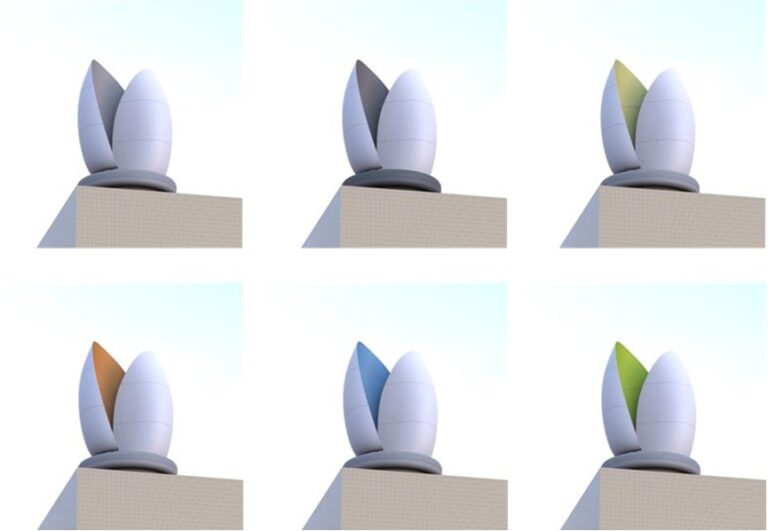
For those unaware, SpaceX has already shifted focus to building a self-growing city on the Moon, as we can potentially achieve that in less than 10 years, whereas Mars would take 20+ years.
For those unaware, SpaceX has already shifted focus to building a self-growing city on the Moon, as we can potentially achieve that in less than 10 years, whereas Mars would take 20+ years.
For those unaware, SpaceX has already shifted focus to building a self-growing city on the Moon, as we can potentially achieve that in less than 10 years, whereas Mars would take 20+ years.
For those unaware, SpaceX has already shifted focus to building a self-growing city on the Moon, as we can potentially achieve that in less than 10 years, whereas Mars would take 20+ years.
For those unaware, SpaceX has already shifted focus to building a self-growing city on the Moon, as we can potentially achieve that in less than 10 years, whereas Mars would take 20+ years.
For those unaware, SpaceX has already shifted focus to building a self-growing city on the Moon, as we can potentially achieve that in less than 10 years, whereas Mars would take 20+ years.
For those unaware, SpaceX has already shifted focus to building a self-growing city on the Moon, as we can potentially achieve that in less than 10 years, whereas Mars would take 20+ years.
For those unaware, SpaceX has already shifted focus to building a self-growing city on the Moon, as we can potentially achieve that in less than 10 years, whereas Mars would take 20+ years.
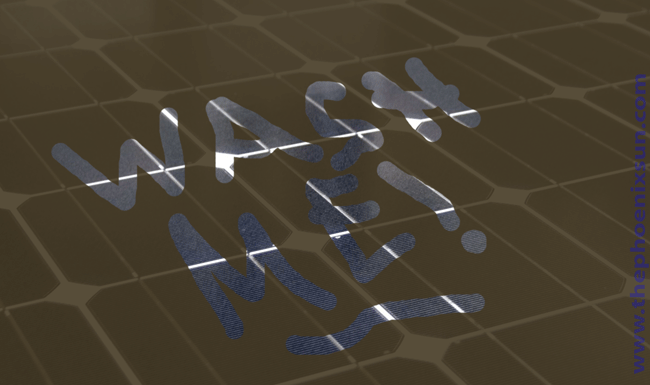
Critics site dust as a downside of using solar panels in the Middle East, but Boston University has a solution that requires no water, and no moving parts.
The sun-baked deserts in the Middle East and North Africa region are prime candidates for solar energy projects (including the ambitious DESERTEC initiative), but who is going to dust off the windblown sand to keep solar panels operating at top efficiency? Self-cleaning photovoltaic (PV) systems are available, but they generally rely on water – a scarce commodity in these arid regions.
Researchers at Boston University are now proposing an innovative solution, based on electrodynamic screen (EDS) technology developed for NASA space missions.
Ramadan observers frustrated over sluggish herb supply might be relieved to keep their meals pesticide-free
During Ramadan, families tend to stay home and cook more. Perhaps too much, at times, since earnest observers generate 500 tonnes of organic trash. But what is your favorite cous-cous dish, or other Iftar meal, without a generous helping of fresh parsley, say, or curry leaves? Not only do these herbs give your dish that extra dose of scrumptious oomph, but they also have valuable health benefits. However, if you’re in Abu Dhabi, you might be experiencing an inconvenient slump. The reasons are less apparent than you might think.
There is enough sun in the Gulf region to generate electricity equivalent to that powered by 1.5 million barrels of oil; will stakeholders make the switch?
Do you have any plans for the 23-24 of December? If not, perhaps you should consider booking a ticket to Abu Dhabi in the United Arab Emirates to attend the the second annual Gulf Solar Conference aimed at accelerating the expansion of solar power in the Gulf region. According to conference organizers, though every square kilometer in the Gulf region receives the sunshine equivalent of 1.5 million barrels of oil, the overflow of cheap oil has until now held back the exploitation of the great energy source. However, the leaders of the region are slowly coming around to the idea and point to examples such as the MASDAR project in Abu Dhabi and the new KAUST university in Saudi Arabia.
If coffee is the only way you can give yourself a kick start, then you need to find a healthier way to start your day
Coffee in the morning is a tradition for many people. Coffee as a pick-me-up during the day is another familiar habit that people rely on; however, there is some point where this custom can become a habit that you want to break. There are many health issues surrounding coffee, but the problem is, like any other addiction, it is not easy to quit.
There is always the option of going cold-turkey, but if you are a big coffee drinker who drinks more than 3 cups a day, you will find this very difficult. Your body will go through withdrawal symptoms starting with headaches and nausea. Depending on how much coffee you consume daily, you may also experience shaking, depression, mood swings and difficulty concentrating.
Your body needs time to adjust to the lack of a regular hit of adrenaline to get through the day. So it is easier to cut down on your coffee intake slowly rather than stopping completely. There are some tips that can help you cut down on coffee, but the basic idea is to slowly regulate your coffee drinking.
Patience is key
Here in the Middle East, patience is not one of the foremost qualities, however when it comes to cutting down coffee consumption, it is helpful. It will take you a few weeks to stop drinking coffee and a few more weeks after that to feel comfortable with your new lifestyle. Bear this in mind before you start, so you don’t expect any quick-fix miracles.
Dilution
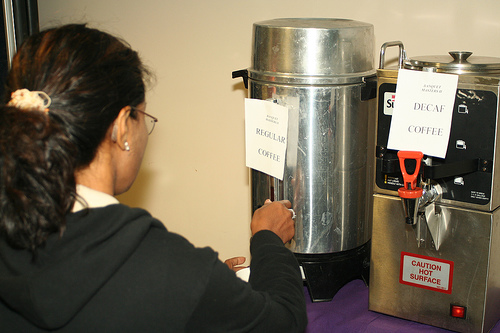
The main idea is to slowly cut down your caffeine intake; one way of doing this is to substitute decaf for caffeinated coffee. This does not mean drinking only decaf, but rather mixing decaf with your regular coffee. Do this for a few days and then make one of your cups of coffee decaf with no caffeinated coffee at all. Resist the urge. Go for decaf instead of regular to get your body used to a caffeine-lite life
Keep this system going such that every 3-5 days you substitute one more of your regular cups of coffee for decaf until you are drinking only decaf. There is a small amount of caffeine in decaf so this is a good way not to shock your body with a complete lack of caffeine.
Substitution
While decaf is a great step, the truth is that having caffeine in it means that you are not letting go of your addiction completely. So another method is to substitute coffee with green tea. There are many great herbal teas which have different effects, including some that can ease the stress your body will go through in the process of quitting coffee.
One relatively simple step which will help you, no matter which way you choose to quit, is to remember to sleep. You need to make sure you are fully rested so that you can cope with your day to day life without needing a boost of energy somewhere in the middle of your day. Cutting down on coffee may seem like a difficult step, but you will appreciate it as your health improves without the crutch of coffee.
Islamic states have the highest infant mortality rate in the world thanks in large part to a decline in breastfeeding. The good news: more women want to breastfeed.
What is a “milk mother” according to Islamic law? Do nursing mothers and pregnant women need to fast during the holy month of Ramadan? And how is it that only 37% of women in Saudi Arabia, “the heart of the Moslem world,” are still breastfeeding at six months, when the Koran requires two years?
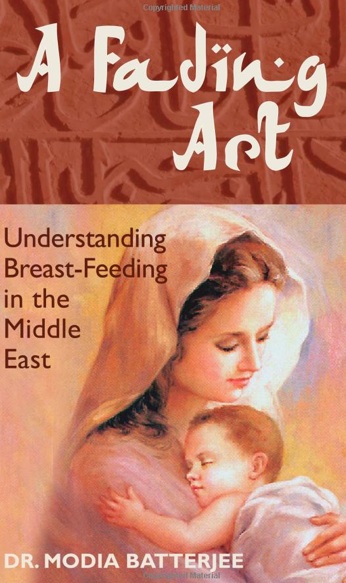
I found the answers to these questions and more in A Fading Art: Understanding Breast-Feeding in the Middle East by Dr. Modia Batterjee.
60% of Moslem children died before their first birthday
Batterjee owes her interest in the subject to her mother Anne, a breastfeeding advocate in Saudi Arabia since the late 70’s. In the introduction to her daughter’s book, Anne Batterjee describes the shocking conditions of infants in the Islamic world, including a 20% breastfeeding rate in some parts of Saudi Arabia, that led her to be trained as a Baby Friendly Hospital Initiative breastfeeding counselor and trainer.
Islamic states suffer from the world’s highest rate of infant mortality: According to a 2005 UNICEF report, 60% of Moslem children died before their first birthday, 4.3 million Moslem children die before turning 5 each year, and 1/3 suffer from persistent malnutrition.
UNICEF works to reduce these numbers by supporting breastfeeding. Anne Batterjee lays much of the blame on infant formula companies, who heavily market their products to new mothers and use medical events to promote infant formula to health care professionals.
Saudi women feel pressure to supplement
A Fading Art opens the book with a fictionalized account of a “typical” Saudi couple expecting their first baby. Both husband and wife are committed to breastfeeding, as required by the Koran.
But they know little about it, and the nurse, doctor, and grandmother recommend a bottle of formula at every turn. Batterjee’s account highlights the frustration felt by mothers around the world, who badly want to nurse. “Sarah” senses that she is being given wrong advice, but she is not sure where to go to get correct information. And it is hard for the young withstand the pressure to supplement.
The bulk of the book reports on a study Dr. Modia Batterjee conducted to understand the complex reasons that Saudi women rarely breastfeed exclusively despite recommendations by the World Health Organization to do so for the first six months.
The reasons are similar to those in the western world–employment out of the home, lack of ability to observe other nursing mothers as the extended family structure dissolves, marketing by formula manufacturers, and lack of knowledge by health care professionals. In addition, older Saudi women, who generally do not breastfeed their own children, have a great deal of influence on their daughters’ feeding choices.
Nursing in Europe is not the same as traditional practices that originated in the Middle East
What is a milk mother in Islam?
According to Islamic law, a woman can adopt a baby by becoming his or her “milk mother.” This is defined by giving five satisfying feeds of mother’s milk to a child under two.
Dr. Modia Batterjee helped induce lactation in two young women who had never given birth. With judicious use of Domperidone and Fenugreek to increase supply, along with copious pumping, the women produced enough milk to make 250 cc. of milk, or about 5 feedings.
I found it sad that these women let their milk dry up after going to so much trouble. Perhaps this also tells us something about the status of breastfeeding in Saudi culture.
In western countries, a growing number of adoptive mothers have induced lactation with varying degrees of success.
Batterjee doesn’t mention the controversial fatwas in Saudi Arabia that extended the concept of a “milk mother” to adult males. A woman who breastfeeds a male non-relative of any age would become like his mother and could be alone with her, say for work purposes, without transgressing Islamic law.
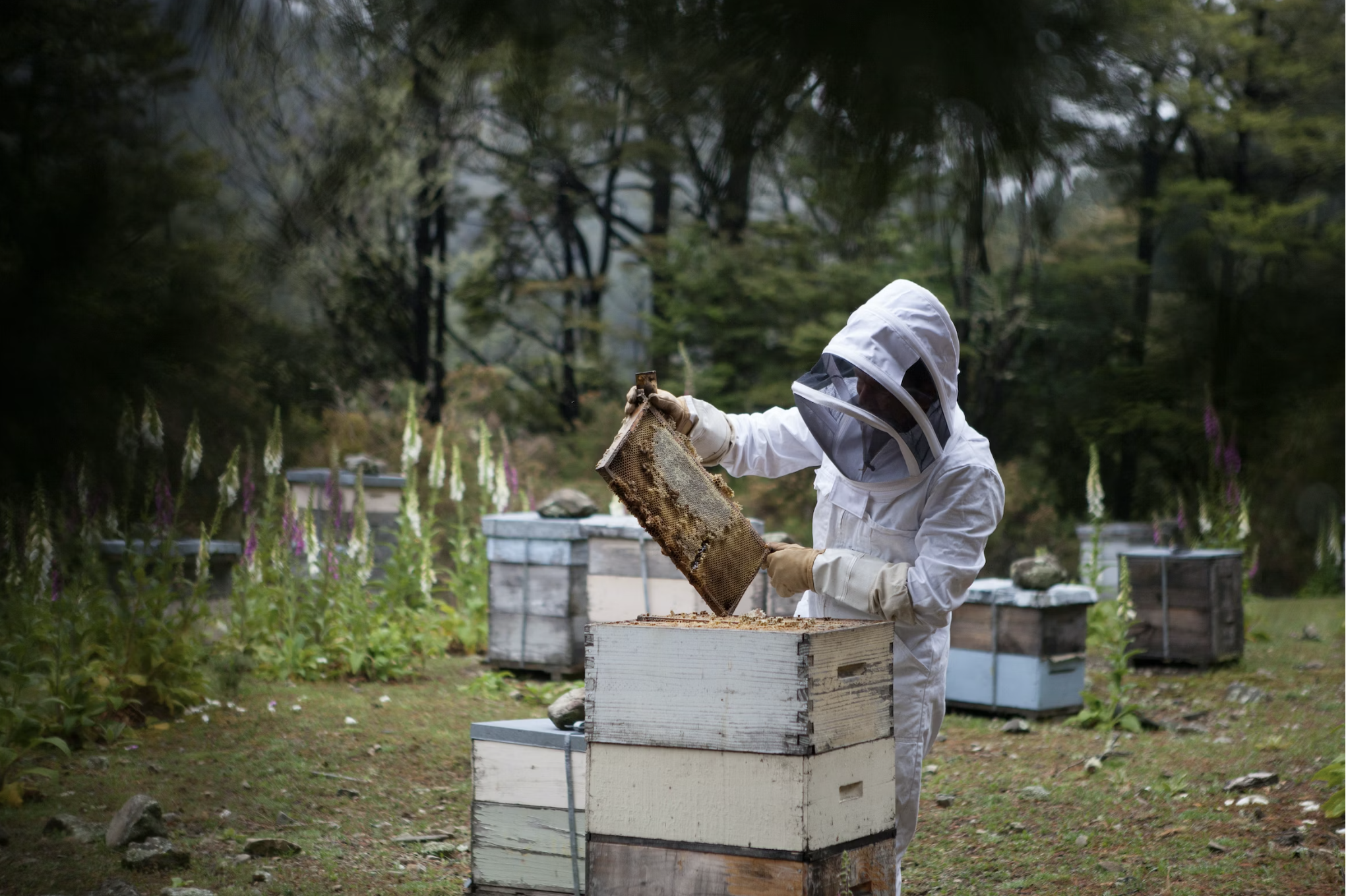
We thought we knew plenty about the medicinal value of honey and bee products. Bee pollen, propolis, and royal jelly have all been used as medicine for centuries. But who knew that bee venom has helped people for just as long?
Painful bee stings are said to relieve serious ailments. Green Prophet talked to beekeeper Yanay Zacks about Bee Venom Therapy in Israel.
Talking to beekeeper Yanay Zacks in Moshav Tsufit, Israel, we learned that patients suffering from arthritis, gout, chronic fatigue syndrome, fibromyalgia, multiple sclerosis, and other ailments claim relief from their symptoms through apitherapy – being stung by bees.
“We supply bees to two women suffering from multiple sclerosis,” says Mr. Zacks. Admitting that sacrificing the bees sometimes means taking a financial loss, Mr. Zacks altruistically continues to give the women their little flying doctors. “Each has taken 90 stings a week for the past four years,” he says. “They claim they get huge relief from the coldness and pain in their feet and legs.”
His wife chimes in: “A person can take a lot of stings, but after a while they have to take a break. It does hurt, after all. Every few months, the ladies stop therapy for several weeks and then send their husbands back for more bees.”
It’s not understood how exactly the venom helps, but theoretically it “kick starts” the production of cortisol, a substance similar to cortisone that the body produces naturally. It is known that the substance in the sting is rich in anti-inflammatory, analgesic, and immuno-modulatory properties.
There seems to be no interest in apitherapy by conventional doctors in Israel. The Zacks told us that a few acupuncturists have taken it up and apply the stings to acupuncture points for more focused therapy. For more information on apitherapy in Israel, look at the website of the Israel Apitherapy Center.
Mostly, it’s arranged informally. A family member receives a box with a certain number of bees in it. Gently picking each bee up with tweezers or even her fingers, she sits it down on the patient’s arm or leg. The outraged bee stings its enemy, the patient, and the sting separates, continuing to gently pump its valuable venom in. And so it is done by lay practitioners in countries around the world.
More international apitherapy organizations exist to inform the public and support research into the subject. If you’re considering using bee stings to relieve an ailment, it’s vital to first find out if you’re allergic to them. Afterward, you can choose between a clinic (in China clinics may charge $2.50 per sting) or just getting the bees from a sympathetic beekeeper.
The National Geographic Society has an interesting video on apitherapy:
Koala Recycling Solutions, the only Israeli company offering collection and recycling of metal packaging from consumers, tells us what we can and should be recycling.
If you’ve ever made yourself a tuna fish sandwich in Israel, you may have had some green guilt when the time came to toss out the can. Until now, the only items that are widely recycled in Israel have been paper and plastic bottles (with recycling of electronics and batteries available in very few locations). The public collection and recycling of a variety of other disposable packaging, such as metal and aluminum packaging, has not been available. Thankfully, Koala Recycling Solutions is trying to change that.
The Louvre exhibition demonstrates Saudi Arabia’s historical influence on the Middle East region; can they spread a clean energy agenda too?
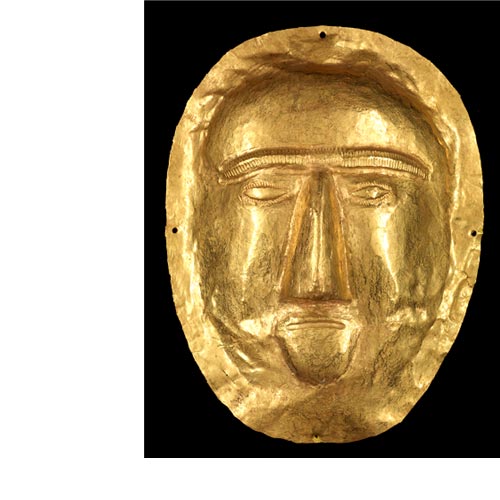
When we think of Saudi Arabia, we think of oil, robed men, Mecca, and more oil. Certainly there’s an abundant supply of it, though, like in Egypt, the country experienced power shortages this summer as a result of excess demand during a heatwave so strong it set off fires in Iran. However, even before the oil boom, Saudi’s historical artifacts – some only recovered within the last five years – demonstrate that the people from Saudi have always had a penchant for wealth. And because of the country’s geographical location, it has also had a lasting influence on other nations along its trading route.
Want a new way to travel? Want to meet a world of like-minded and interesting people? Go couch surfing.
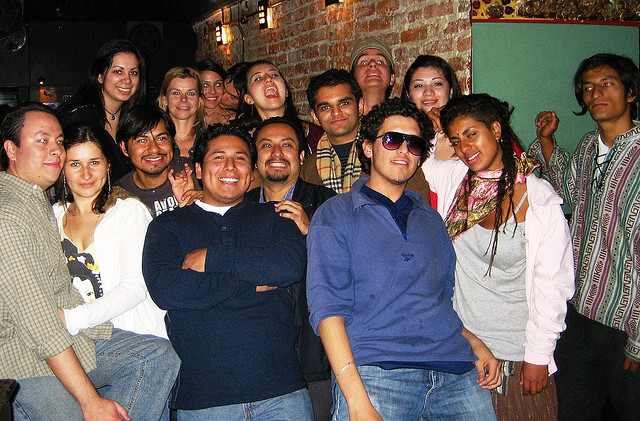
When was the last time you picked up your daily newspaper and the headlines read: “Despite Corruption and Corporate Greed, Every Day Citizens are Saving the World.” Chances are, it’s been a while, so you turn to your groovy alternative sites instead. Here, you do get the bad news. You learn that not all citizens can resist greed, like the fellow who tried to sell 14 peregrine falcon eggs for a hefty sum, but we also try to bring you stories of real people doing small things that make a big difference: there’s the woman with nine children who built a straw-bale house in Israel, and Ana Seco, who spreads her grandmother’s thrifty fashion techniques throughout the Middle East. But what if I told you that over one million friendly citizens are collectively, right now, changing how we interact with one another one couch at a time?
April fool’s in Oman in August? The mystery Omani EV is purportedly going to run 2,250 miles on one charge.
This may be just another Gulf State far-fetched innovation, like the white gold, biofuel-running Mercedes Benz in Abu Dhabi: Mr. Sultan bin Hamad al-Amri, CEO of Oman’s Noor Majan is promoting what will be the Middle East’s first locally assembled electric car.
Featured in Oman’s English language news media Times of Oman the super fast luxury car will be designed to travel from zero to 60 mph in about 4 seconds, roll for 2,250 miles on a single electrical charge, and last as long as 21 years without any maintenance.
Prototype from Mays Motors, the first electric car of the Middle East Starts production ins 2023. Looks like Mad Max.
The car’s price is said to be “somewhere between $71 and $90 thousand dollars,” which is cheaper than another electric luxury car, the Tesla Motors sports roadster and coupe that has been featured on Green Prophet, and sells for only $100,000.
The claim that the Oman electric version can “roll for 2,250 miles” on a single electrical charge makes many people wonder what kind of battery, or batteries, will be installed.
According to earthtechling (link was down in 2022), the news sounds too good to be true: “At present, the Tesla Roadster has the best range of any EV on the market (along with the biggest battery), covering 245 miles (claimed) between charges: most new electric cars under development for today’s market will only get 70 to 100 miles before needing a plug-in.”
Designed by the Better Place electric car concept company, headed by Israeli entrepreneur Shai Agassi, the Renault electric cars are scheduled to be seen on the roads in Europe and Israel sometime during 2011. Test runs in Tokyo, however show the cars can get only 80 to 100 kilometres on a single charge.
On the Omani car, Mr. Al Amri says that: “The parts of the car, including the 800-horsepower engine, are manufactured in Japan, America, Germany and Hong Kong. The car will have a solar-powered air conditioner and be fitted with massage chairs.”
Massage chairs? This kind of accessory will surely use up some of that 2,250 mile cruising range, and will be a bit distracting to the driver as well. Perhaps solar cells that will power the car’s air conditioning system might also be able to recharge the car’s batteries while in motion. In other electric car models, this idea has still to be innovated, including the Renault-Better Place design concept, the Tesla, and The GM Chevrolet Volt, which is more like a hybrid as it incorporates a small fossil fuel burning engine as a reserve power source.
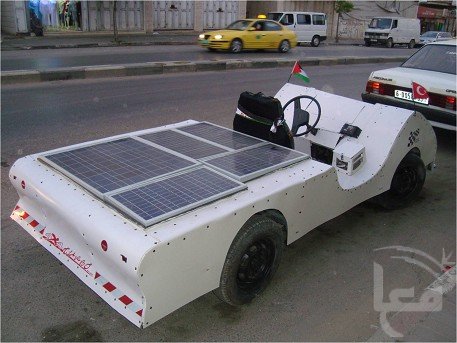
Palestine Polytechnic’s electric car not much to look at, but it is solar powered.
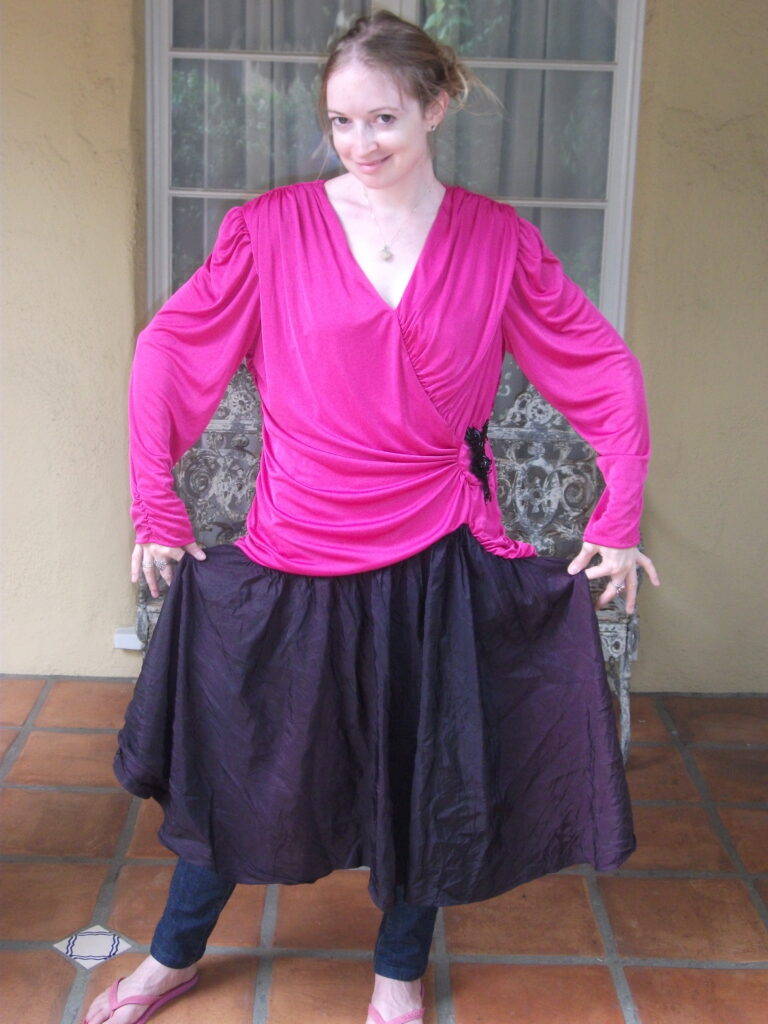
Before and after: For 365 days, and only 365 dollars, New Dress A Day blogger Marisa removes standard consumerism from her wardrobe and replaces it with 365 upcycled outfits.
Inspired by a creative rut, being newly unemployed, and her looming 30th birthday, Marisa (pictured to the left in a glamorous “before” picture) decided it was time for some drastic measures. She snipped traditional consumerism out of her life (just like she eventually snipped the shoulder pads off of that pink dress). In her own words, she will be “foregoing trips to Bloomies and Nordstrom for brand new gear. Goodbye to H&M purchases and accessory grabbing at Forever 21… 365 days. 365 items of clothing. 365 dollars.”
It’s a tent, it’s a tunnel, and it funnels the year-round cool Shamal wind.
We’ve been so enthralled with the Land Art Generator Initiative and the various designs that they have made available to the public, that we just had to share another with our readers. We’ve covered the solar thermal music designs that are bound to warm up your music life, as well as the windstalks that waver in the wind to generate electricity.
Yesterday, we wrote about an art installation that also produces electricity and encourages viewers to interact with the incessant change that is nature. A similar concept, the Solaris solar canopy also toes the line between art and function, only Hadrian Predock and John Frane aim to offer “an antidote and refuge to the frenetic future-scape internationalism of the rapidly developing Arabian coast.”
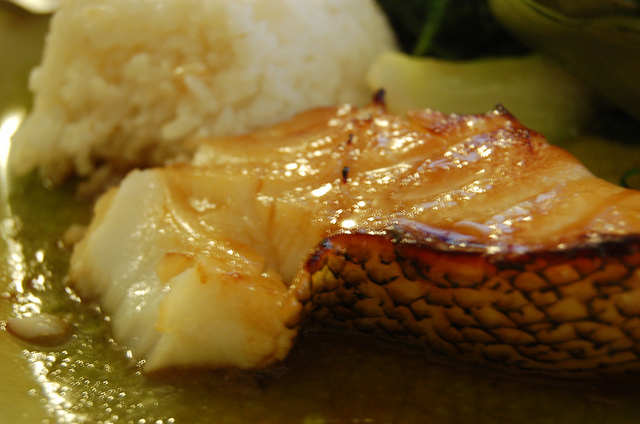
Digging for freshwater, Wadi Holdings found salt water instead; two years later, and their Seabass farm in the desertis roaring
Anyone with an untrained eye entering a desert environment would see a vast expanse of virtual nothingness: only the occasional sandstorm or a stray herd of camels sauntering by might break the blank horizon, but few would expect to find whale fossils left behind when the Tethys Sea slunk away. Fewer still would think to bring their fishing rods.
These mini-turbines are so quiet and so beautiful, you’ll want to put one on your roof
Being small is no barrier for making big news. The Leviathan Energy Wind Lotus, the most aerodynamically efficient and cost-effective small vertical axis wind turbine in its class proved that when it was wowed media at Sde Boker in southern Israel.
The Wind Lotus is the brain child of Dr. Daniel Farb, an American who settled in Israel and established Leviathan Energy in 2006. LE is a diversified clean energy group focused on providing “state-of-the-art technologies that will change the fundamentals of the renewable energy market on a global scale.”
Are Muslim vegetarians creating a false campaign to discourage meat-eating?
An article by Joseph Mayton in The Guardian created some debate. He claimed that eating less meat is more Islamic. Is it? For Muslims eating meat in small proportions is “halal” (lawful) and a blessing from God. However, Mayton claims that Prophet Muhammad did not advocate ‘daily meat eating’, nor did the noted Sheikh Hamza Yusuf: “Meat is not a necessity in shariah, and in the old days most Muslims used to eat meat – if they were wealthy, like middle class – once a week on Friday. If they were poor – on the Eids.”

 Critics site dust as a downside of using solar panels in the Middle East, but Boston University has a solution that requires no water, and no moving parts.



 A Fading Art opens the book with a fictionalized account of a “typical” Saudi couple expecting their first baby. Both husband and wife are committed to breastfeeding, as required by the Koran.

 We thought we knew plenty about






 Before and after: For 365 days, and only 365 dollars,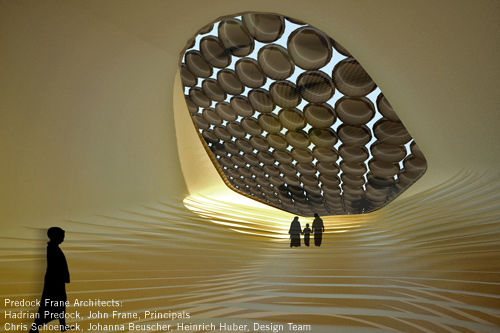
 It’s a tent, it’s a tunnel, and it funnels the year-round cool Shamal wind.