Home Blog Page 612

The strawbale house in Israel

0

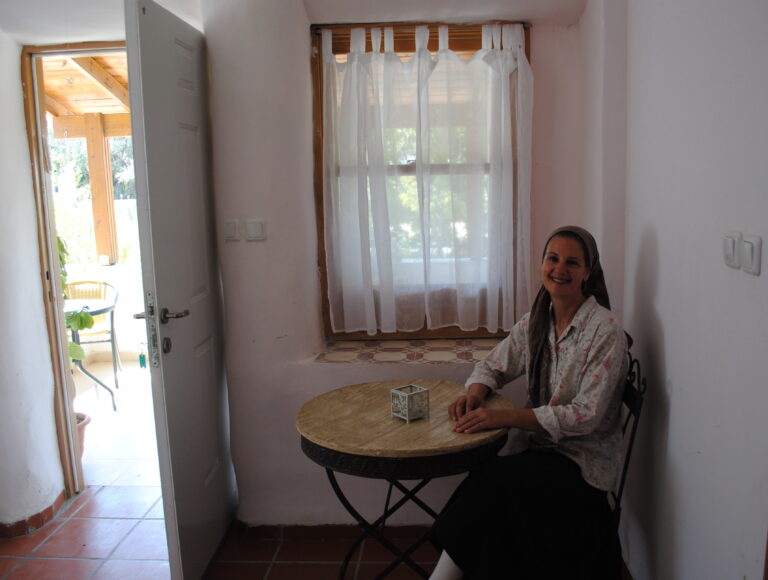
image-straw-bale-houseGreen Prophet interviews Sarah Kopp about why she built her straw-bale house in Israel.

A house made of straw and mud: sounds like the Biblical Jews enslaved in Egypt building cities with bricks that wouldn’t hold together. Yet Sarah Kopp built a house from bales of straw held together by chicken-wire, plastered with a mixture of mud, sand and chopped straw, resembling the renovations done at the Khan of the White Donkey, right there in Safed. How long can she expect this primitive-sounding structure to stand?

“One hundred years,” says Sarah, calmly.  “If you’re talking about sustainable architecture, straw bale is the number one choice.”

In Nebraska, where in pioneer times straw-bale homes and dugouts were the only options, century-old straw bale houses are still standing. Her own has has withstood a recent earthquake without damage.
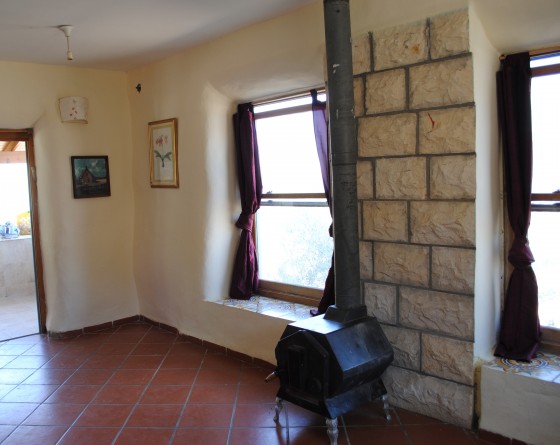
image-straw-bale-house

We visited the Kopp home in Safed, Israel this week. There was nothing primitive about the electricity, plumbing, spacious rooms with tiled floors, or shady porch. Nor in the green concepts behind the comfortable 2000-foot dwelling:- reportedly the first straw-bale house in Israel.

Dissatisfied with her modern cinder-block apartment, stay-at-home-mom Sarah Kopp dreamed of creating a house out of sustainable materials. She found support in an international organization of straw-bale builders on the Internet. Reading everything available on the topic and learning through experience, she has become one of Israel’s foremost authorities on straw-bale construction.

“I worked with the architect and engineer, and was the general contractor of my house. I taught the workers on site how to put up the straw bale walls, and did the interior earth-plastering myself. The roofers I hired refused to install the insulation on my roof; they said it was a waste of money. So I did it myself, standing on a ladder while they jeered from the ground. Modesty apart, the insulation works fine.”

GreenProphet: Sarah, what makes straw-bale buildings so sustainable?

Sarah: Ecologically, straw-bale housing is excellent. First, the basic material is almost non-processed. Then, it’s everywhere, almost free. It’s just a waste product of farming. Getting rid of straw is a problem for farmers. It’s against the law to burn it, and since it’s mostly cellulose, it’s no good for animal feed. But it makes ideal building material.

What advantages does straw bale have? Don’t vermin like to nest in it? How about fire safety?

Bugs and mice aren’t attracted because straw has no food value. And the plaster on the sides of the bales makes your walls almost fireproof. The one thing to look out for is leaking- the straw would get wet. That’s avoided with proper construction. As for stability – we had an earthquake measuring 4 points on the Richter scale in Safed, but no cracks appeared in the walls.

How long does it take to build a straw-bale house, and how do building costs compare with a conventional house?

A private individual might need up to six months to build a two-story house like ours. It could be done faster; it depends on how much disposable money he has at any time. The cost is about the same as building a conventional house. The straw bales themselves account for only about 13% of the building budget.

When we asked about the quality of life inside the house, Sarah said:
“My husband and I and our nine kids have lived in this house for nine years. It has completely justified our expectations of comfort and economy. One small wood-burning stove heats the entire structure in winter, and the ambient temperature is comfortable in summer, with no air conditioning. Another advantage is that straw bales absorb noise.”

“Cost isn’t the benefit. The benefit is the house itself.”

So it sure seems. (What we particularly liked about this kind of flexible building was how the owner can put big or little niches around the walls at whim. Niches wide as bookcases or small enough to hold the single book you’re currently reading in bed.)

How much interest is there in this kind of building in Israel?

The renovated Khan of the White Donkey here in Safed consulted me about earth plaster. I understand that sustainable building, including straw-bale, is taught on Kibbutz Lotan in the Arava. I’ve heard of one or two individuals building with straw bale. Most of all, people come from all over the country, all the time, to view my house and talk about straw-bale building.

Thank you, Sarah! Hopefully some of the folks you’ve talked to will be motivated to start their own straw-bale homes.

Sarah Kopp lectures on sustainable architecture and urban agriculture Israel, and may be contacted at [email protected]

More sustainable architecture:

700 Year Old Iranian Cave Homes

The Middle East’s “Glass Monsters”

Green Airport in Jordan?

A Visit With Bill and Athena Stein

Photos by Miriam Kresh
RECIPE: Compote, A Cool Healthy Dessert For Summer

0

plums in a basketPlums are juicy and sweet, and also versatile in the kitchen. Have you ever tried stewing them?

Summer heat can really bring you down and when it comes to cooking, nobody wants to slave over a hot stove. On the other hand, we all still want nice fresh food. What a conundrum! When it comes to dessert, though, there is a solution: a nice cool fruit compote.

When Abu Dhabi Art Meets Sand, Sun, and Sky

0

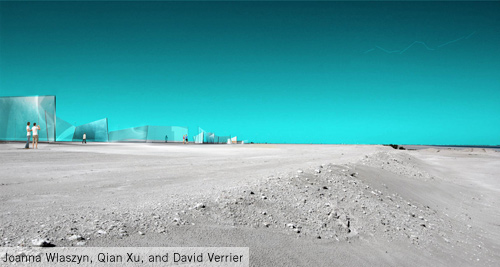
s-flow-art-installationGlass art installation in Abu Dhabi generates inspiration and energy in one fell swoop

Studied Impact in Abu Dhabi came to our attention when they publicized a power plant they designed that doubles as a residence. The firm comprises a dynamic couple, architect and artist, who merge their environmental concern with creativity in very interesting ways.

They are also the energy behind the Land Art Generator Initiative (LAGI), which is staging a unique interdisciplinary design competition. LAGI brought us the solar thermal music projects inspired by Egyptian history, and encouraged solar vs. nuclear power for the UAE. Now we’d like to introduce one competition submission, an art-meets-nature-meets-clean-energy installation designed by Joanna Wlaszyn, Qian Xu, and David Verrier.

Waterless by 2017? Yemen Capital Fails To Harvest Its Summer Rain

0

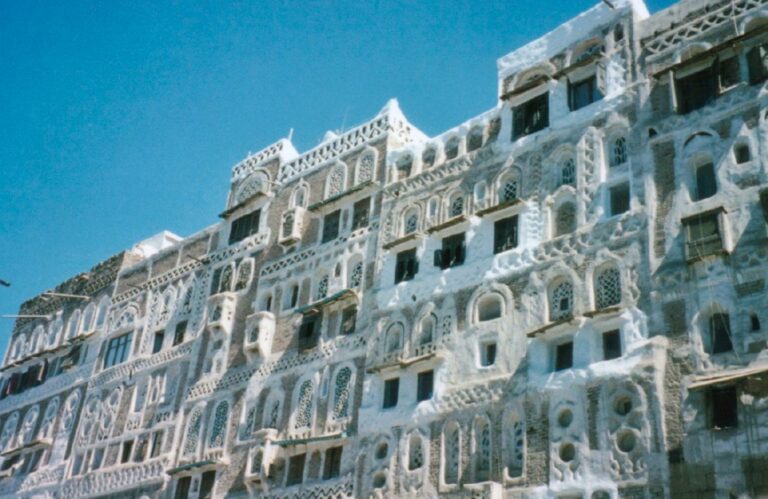
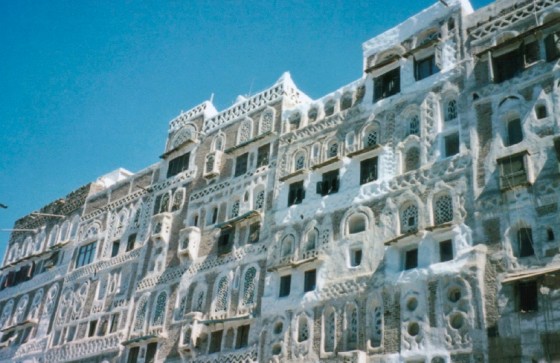
sanaa yemenYemen’s capital city is expected to be the world’s first waterless one by 2017. A skyrocketing population, lack of government planning, and the bad-habit of gat, are to blame.
Despite record rainfall in the Yemeni capital Sanaa and other areas this summer, very little is being done to harvest this water to mitigate water shortages, experts say. In May at least seven people were killed in what officials described as the worst flooding to hit Sanaa in a decade. Flooding has brought large parts of the city to a standstill on a number of occasions.

Attempts by the government to harvest rainwater are very limited, according to Ramon Scoble, a consultant for Germany’s Technical Cooperation Committee (GTZ). “The government is doing very little,” he said. “Very little funding is dedicated to rainwater harvesting for water supply and groundwater recharge. There are a number of ineffective dams in Yemen and none are supplying significant water to cities, agriculture or groundwater recharge.”

Sanaa is predicted to be the first capital in the world to run out of economically viable water supplies by 2017. Experts say this is due to a rapid increase in Sanaa’s population in recent years because of rural-urban migration, and the widespread planting; and inefficient irrigation of `qat’, a water-thirsty plant believed to consume 40 percent of all irrigated water.

Peak Wheat? One Tenth of Iraq’s Wheat Attacked by Killer Fungus

0

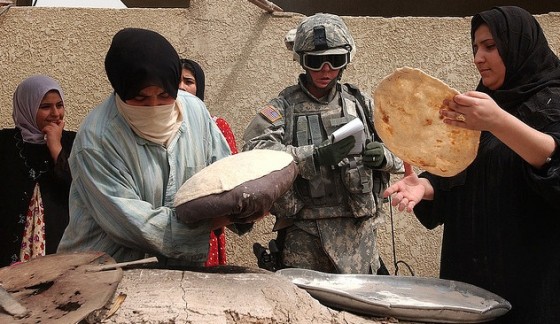
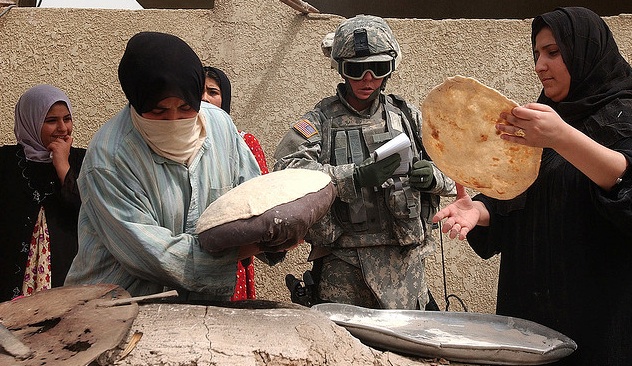
bread iraq baking army

A heat wave in Russia topples its wheat supply, leaving Egypt in the lurch. And threats of shortages, have international media in a panic. Due to the weather in Russia, Ukraine and Kazakhstan’s wheat production will drop by as much as 27 per cent in 2010/2011. And recently, a wheat fungus in Iraq due to increased temperatures has also compromised the annual output.

According to the UN-run IRIN news source, wheat rust infection rates have climbed steeply since last year because of warmer weather and higher temperatures. Hameed Mohammed Jawad, head of the Agriculture Ministry’s crops protection department said: “We don’t have a final percentage for the damage wheat rust caused last season, but preliminary information indicates it hit at least 10-15 percent of Iraq’s wheat crops.”

Man Arrested Attempting To Smuggle “Golden” Falcon Eggs

2

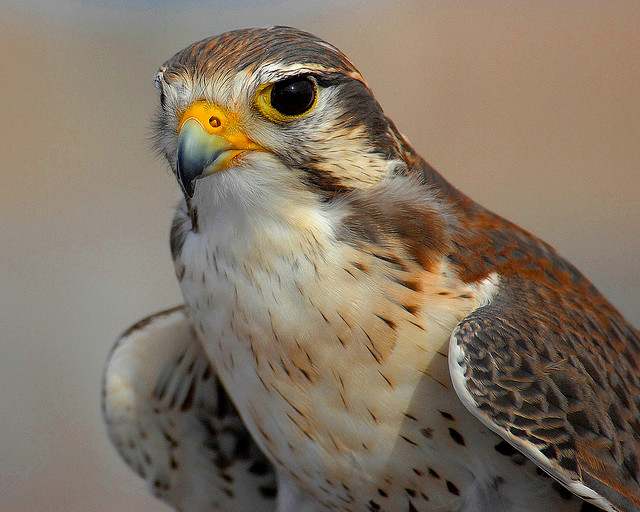
peregrine-falcon-eggs-rescuedThis raptor is coveted for sport, but it is also a protected species. UK officials celebrate the recent arrest of a professional courier.

Conservation work is not always straightforward. Good intentions, such as a fence to keep Oryx safe, can often have disastrous results. In this case, many starved to death cut off as they were from the greater feeding grounds. Nor is it easy. Some conservationists face exposure to war zones in order to protect the creatures that are not only important in themselves, but important to the greater goal of biodiversity. As such, it is disappointing that illegal trade in protected species continues, but a cause célèbre when that trade is interuppted. This is what happened when a 48 year old man was arrested before boarding a plane to Dubai.

Greening Your Flat Screens With Lab-Grown Organic LEDs

green lady tv
Growing their own light sources: TAU scientists develop organic, enviro-friendly LEDs.

Electronic products pollute our environment with a number of heavy metals before, during and after they’re used. In the U.S. alone, an estimated 70% of heavy metals in landfill come from discarded electronics. With flat screen TVs getting bigger and cheaper every year, environmental costs continue to mount. To counter this, a new solution applies a discovery in nano-technology, based on self-assembled peptide nanotubes, to “green” the optics and electronics industry. Researchers Nadav Amdursky and Prof. Gil Rosenman of Tel Aviv University’s Department of Electrical Engineering say their technology could make flat screen TV production green and can even make medical equipment — like subcutaneous ultrasound devices — more sensitive. And now, like the UAE’s Ginger Dosier who can grow bricks in the lab, scientists say they can grow their own organic LEDs.

Help the Abu Dhabi Eco-Chicks Map Out a Green Abu Dhabi

0

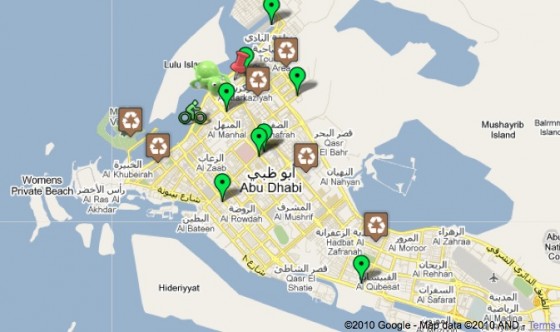
abu-dhabi-mapKnow of a sustainable lifestyle spot in Abu Dhabi?  Help the Abu Dhabi Eco-Chicks pinpoint it on their green map.

The Abu Dhabi Eco-Chicks, a “group of educated, empowered and eco-minded women,” has been busy hosting Green Drinks, green Iftar dinners, and doing all sorts of green activity. Now they are reaching out to the online community to help them with their newest project: creating an online map of sustainable living locations in Abu Dhabi.

With So Much Oil & Natural Gas, is Biofuel a Viable Mideast Fuel Option?

0

biomass-for-middle-eastA prototype algae biomass farm. Will it work in the super dry Middle East?

Biomass, a renewable energy source based on biological material from living or recently living organisms, is hailed as a possible fuel source to provide power for everything from cars and aircraft to electricity for homes, businesses and factories. Previous articles on this news site have shown the possibilities of producing biomass based fuel using everything from algae grown in special lakes in Iran to genetically altered algae to produce food as well as biofuel, and even the creation of biomass fuel from human and animal feces.

Using A Mosquito’s Best Defense Against It

2

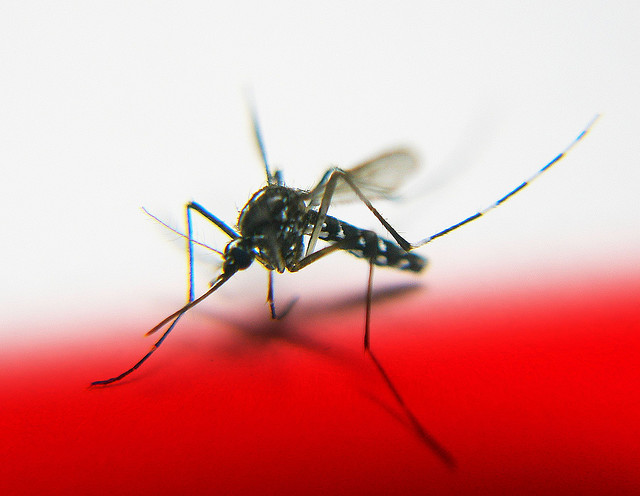
mosquito-defenseAn Israeli team is the first to succeed in identifying one of the chemicals used by thousands of prey species to avoid their predators.

Inspired by the follow-up book Since Silent Spring, Prof. Leon Blaustein felt driven to find environmentally compatible solutions for combating insect pests. Not much had been done to alleviate the chemical pollution on planet Earth that Rachel Carson warned us about in her monumental book, Silent Spring, published in the 1960s.

In chemical ecology, there are literally thousands of prey species that use chemicals to avoid their predators in some way. No one had managed to zero in on them until now. Blaustein and his colleagues have succeeded in isolating and chemically identifying two chemical cues called kairomones that affect egg-laying behavior in mosquitoes.

Blaustein tells ISRAEL21c that he was attracted to an alternative approach called Biological Control, which advocates using tactics employed by nature to help solve mankind’s problems with pests like mosquitoes, invasive moths and beetles. He says he aims “to develop mosquito pest management in concert with conservation needs.”

Currently at Israel’s University of Haifa, the American-Israeli scientist is developing a mosquito’s nemesis, by turning the insect’s chemical defense against it. Entomologists know that insects and other invertebrates release kairomones (chemicals that carry messages from one species to another, that only benefit the recipient species) that can influence how predators and prey interact.

While pheromones can attract the opposite sex, kairomones can do the opposite, and elicit a particular behavioral or physiological response from predator or prey.

Ecology Letters has published the recent study by Blaustein and US and Israeli colleagues, in which they report their finding.

Disease-carriers may be controlled

The chemicals are delivered by the backswimmer aquatic predator insect Notonecta maculata which likes to eat the larva of the Mediterranean and the Middle East mosquito Culiseta longiareolata for lunch. The chemical can be detected by mosquito mothers-to-be, who then alter their behavior and refrain from laying their eggs in pools of water where backswimmers lurk.

Now that the team has isolated the mosquito-repelling kairomones it will test the compound further to see whether it will produce a similar effect to that found in nature when chemically reproduced. In nature, kairomones can even trigger adaptations such as a change in body size, or tell a crustacean to create body armor to help protect the prey.

“We’ve now determined that the mosquitoes can detect predators of their babies in the water and avoid laying their eggs there. Whether the chemicals we found are similar to ones that other species are using, we don’t know,” Blaustein tells ISRAEL21c.

If the chemicals are developed and applied widely, the notion is that the mosquitoes will die before they have a chance to lay their eggs, because their presence may increase the female mosquito’s chance of dying from other causes before she finds a safe pool. “That’s why we think these chemicals could be a useful part of a strategy to control the population size of mosquitoes,” says co-author Joel Cohen from the Rockefeller University in New York.

“These newly-identified compounds, and others that remain to be discovered, might be effective in controlling populations of disease-carrying insects. It’s far too soon to say, but there’s the possibility of an advance in the battle against infectious disease,” he adds.

To eradicate mosquitoes in a specific way, without wiping out or altering other delicate ecological processes, more research will be needed to see how any synthetic mosquito-related kairomone could be applied in insect pest control in a widespread way.

A surprising mosquito fan

“While we see this as a potentially large breakthrough in developing another weapon against mosquitoes, the work is not over. We hope this breakthrough will spur further research to chemically determine other effective predator-released chemicals, particularly ones that are long-lasting, and then test for their efficacy,” Blaustein relates.

In North America and Israel mosquitoes are generally more of a nuisance than a health concern, but the malaria carriers in Africa and South America pose a significant health risk. “The problems are all over,” says Blaustein.

And although most people are quick to disparage the irritating mosquito, Blaustein explains why he’s a fan. “It brings us all together,” he jokes, then adds, “If I go to the wadi (valley) in the Negev in Israel, I can find mosquitoes in high numbers. And larvae in the water can clean it from certain viruses and bacteria and algae. So potentially, they can be important.

“When I was taking a medical entomology class they lectured that in Africa mosquitoes are encouraged into pots of water for drinking as they filter out the bad stuff and make it better.”

However, his final comment sounds like a nail in the coffin for the bloodsucker: “I think we could do without mosquitoes and it wouldn’t affect the ecosystem all that much,” he says, without a trace of remorse.

:: Image via tanakawho and story via Israel 21C

More Cleantech News:

Saudi Arabia’s “Vision Electro” Looks Up to Solar, Not Down to Oil

Desert University Goes Green With Gusto

Meet Greentech Media’s Michael Kanellos

Anne Frank’s Tree – The Chestnut Tree – Finally Falls

2

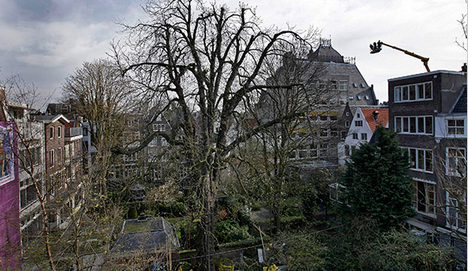
anne frank chestnut tree deadThe 152 year old tree that brought Holocaust victim Anne Frank through hard times finally fell.
Standing Bear said that man’s heart away from nature becomes hard;  perhaps this explains why we continue to dig in our beautiful, life-sustaining oceans. Or how humans are capable of cruelty to animals such as the sharks in the Mediterranean. Nothing is simple, our motives are complicated, and of course there are also good guys. We try to write about them, to propel them and their good causes into the realm of what is possible for everyone. And there are scores of other people who look to nature for help and inspiration. Anne Frank was one of them.

Syrian Vendor Could Lose His Cart For Sidewalk Sales

0

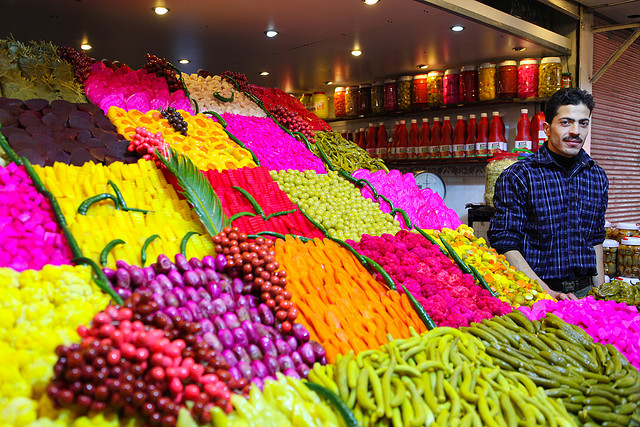
syrian-vegetable-vendorsSyrian’s police and vegetable vendors play a game of cat-and-mouse; will authorities find a way to let the market prevail?

With its campaign against plastic bags and its shiny new renewable energy plan, Syria’s environmental esteem is rising high. Moshe’s weekly flight to the greater Middle Eastern blogosphere demonstrates all kinds of awareness from Damascus and beyond. But what about Syria’s police force? Recently they’ve been raiding veggie vendors in the streets, either confiscating their produce or levying fines, ostensibly to reduce congestion. Even so, locals say the risk is worthwhile.  

Egyptian Energy Crisis Sends Protesters to the Streets

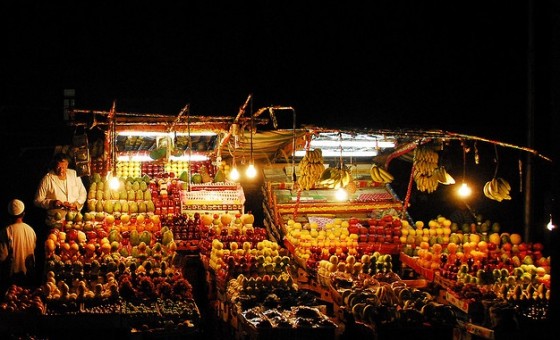
market cairo fruit lightsUnstable power…Egyptians activists blame their poor governmental planning for power cuts that have disrupted Ramadan.
The Egyptian government has announced its intention to continue decreasing electric output pending the end of a heat-wave which saw temperatures climb to 40 degrees Celsius. Government spokesman Magdi Radi announced that an “emergency plan” prepared by the government would ensure the addition of 550 megawatts to the national grid within two weeks, as well as 700 megawatts before the end of this year.    

Moroccan Environmental Activist Faces Two Years In Prison Over Trees

1

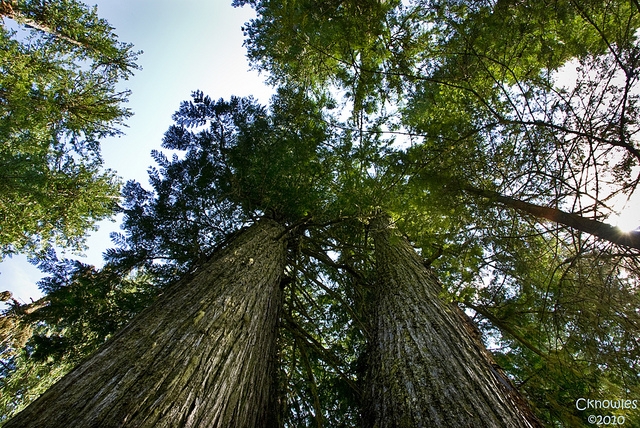
cedar trees in turkeyReporters Without Borders is providing Mohammed Attaoui legal assistance for trumped up charges received for exposing government corruption over illegal logging.
In March 2010, as Morocco hit the headlines with plans for an environmental charter and a $9 billion solar project, an environmental activist was arrested for exposing the illegal logging of protected cedar.

Just weeks after he published an exposé documenting the illegal logging as well naming those who were responsible, Mohammed Attaoui was arrested on what appear to be trumped up charges. In his exposé, Attaoui claimed that although cedar wood is a protected species in Morocco, corruption amongst the forest service and local government officials are allowing logging to go on unimpeded.

UAE To Export Camel-icious Milk To The West

3

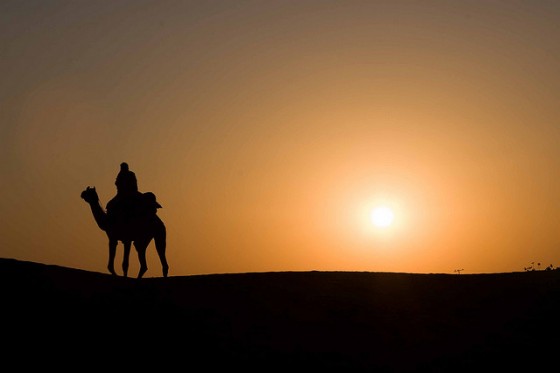
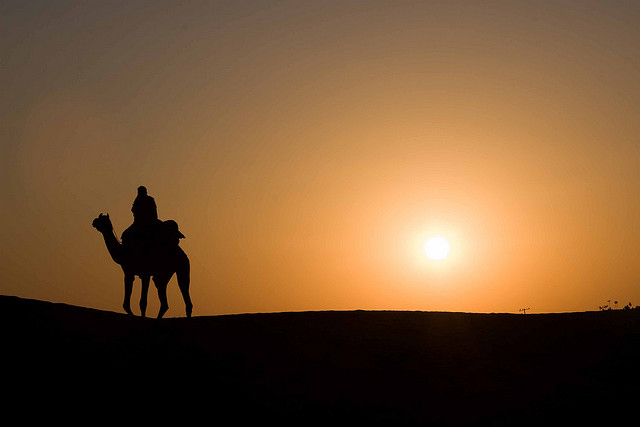
sunset-camelWe had a hump, err, hunch that camel milk would makes its way West

Plagued by bed bugs that proliferate during warmer temperatures and the kind of distorted energy policy that replaces residents in the Braka village with four nuclear reactors, the UAE doesn’t always have a lot to be proud of. Except, perhaps, camel’s milk. Rich in vitamins and iron, and easier to digest than cow’s milk, we wondered how long it would take for camel’s milk to reach America’s Wholefoods shelves. As it turns out, that might happen a lot sooner than we thought.