Home Blog Page 356

Iranian Snipers Take Aim at Tehran’s Giant Mutant Rats

0

Iran's Monster Rats

It sounds like a sci-fi B movie, but the problem is real: Super-sized rats infesting Tehran are so huge that a special team of sharpshooters using night-vision-equipped rifles have been tasked with extermination. Rats have long plagued Iran, and the problem worsens when springtime arrives: melting mountain snows flood the critters’ nests, and millions are flushed into the city’s streets and sewer network. Tehran reportedly has more rats than its 12 million human inhabitants.

“It’s become a 24/7 war,” the head of Tehran municipality’s environmental agency, Mohammad Hadi Heydarzadeh, said on state television last month. “We use chemical poisons to kill the rats during the day and the snipers at night.”

Nearly one million rats are exterminated in Tehran every year, with city authorities launching multimillion dollar campaigns annually to curb the problem.

Authorities have employed over 45 tons of rat poison, but the rodents seem impervious, thriving despite chemical warfare: some reportedly weigh as much as 11 pounds.

Tehran city council environment adviser Ismail Kahram told Iranian news website Qudsonline that the rats, “seem to have had a genetic mutation, probably as a result of radiations and the chemical used on them.” “They are now bigger and look different”, he said, according to the International Business Times. “These are changes that normally take millions of years of evolution. They have jumped from 2 ounces to 11 pounds, and cats are now smaller than them.”

So Tehran has ramped up its attack.  City officials told state media that 10 sniper teams armed with infrared scopes caught more than 2,500 rats recently, but Abu Dhabi’s The National called that number “a drop in the ocean.”

Dr David Baker, a veterinarian at Louisiana State University, told The Huffington Post it’s unlikely that a mutation caused the rats to super-size. “Nearly all genetic mutations identified across the field of biology are harmful and confer a disadvantage to the species rather than an advantage,” he said. “It’s not like in the movies.”

He conceded that there are several species of giant rats that can achieve the sizes described by Mr. Kahram.  “During the Middle Ages, black rats in Europe reportedly grew large enough – and children were small enough – to carry off babies,”  he said.

Genetic mutations aside, scientists have reported that certain rat populations are becoming poison-resistant. Last year, British researchers published findings estimating that 75% of west England’s rats were resistant to rodenticide. Last October, the BBC reported that preliminary research indicates all UK rats in could become poison-resistant within 10 years.

Rats flourish in warm weather.  As snows on the nearby Alborz mountains start melting, water levels rise,  forcing rats from their subterranean habitat.  They migrate to roadside streams along Ali Asr, the Middle East’s longest street.  The popular thoroughfare is home to restaurants and food stalls, and threads it’s way from North Tehran’s expensive neighborhoods to poorer southern suburbs, where the rat population is reportedly six times greater than the human population.

The government is considering ratcheting up the snipers to forty, but with a 6:1 ratio of vermin to humans, this war earns the monicker “quagmire”.


Traditional Passover Matzah Balls Recipe

1

image matzah ball soup

Matzah balls, the only Eastern European food that crossed over to Sephardic cuisine.

While Ashkenazic Jews have enthusiastically adopted the spicy foods of Israeli’s Sephardic communities, there hasn’t been much culinary exchange from the other direction. Ordinarily, Sephardic Jews (Middle Eastern and North African origin) wrinkle their noses at the foods of Eastern European Jewry. Too bland, too sweet, too overcooked! We know this isn’t always so, but admit that  Sephardic cuisine fits into Israel’s hot, dry climate perfectly.

There’s one Ashkenazic food that everyone in Israel loves, though, and that’s matzah balls. Come Passover, you can walk into a Yemenite or Moroccan housewife’s kitchen and see, floating in the soup pot, a batch of matzah-based dumplings made from a recipe that any Polish grandmother knows by heart. Your haroset may be based on dates or on fresh apples; you may chose to drink toxic kosher-for-Passover coke  or healthy Syrian mint lemonade – your very matzah may look and taste different from your neighbors’ – but matzah balls are pretty much the same all over.

Lebanese “Green Loan” Funded Solar Irrigation System Breaks Ground

1

clean tech, Lebanon, green loan, agriculture, organic farm, Bekaa Valley, solar power, photovoltaic panelsWhen Fadi Jamaleddine decided to install a solar array on his farm in Lebanon’s Bekaa Valley, he wasn’t thinking of the environment or global warming, he told The Daily Star.

He was simply tired of spending $50,000 a year on electricity for what is a hobby organic farm for the corporate lawyer. And while he could afford the upfront $76,000 to pay for an off-grid solar-powered irrigation system, he took out a green loan just to demonstrate to others that it is possible to do so.

Yours & Mine Eco-Fashion Arrives in Amman

1

Amman On Line Dress Shop

A new Amman clothing retailer is hitting all the green lights on the fashion runway: Yours & Mine makes sustainability chic, selling locally sourced, recycled garments in a virtual store. 

I’ve been stylin’ used clothes for decades: it’s old hat  in New York City to personalize your wardrobe with key finds from an Army & Navy store, charity thrift shop or “antique” clothing emporium.  But that tolerance for recycled fashion doesn’t transport all over the world. I’d spent years in Ireland, where the Celtic Tiger transformed a healthy hand-me-down tradition into a lust for only fresh off the rack.  Urbane Dubliners view used clothes as admission you can’t afford new.  It was heartbreaking to dump barely worn (but outgrown) items into the bin.

I left that environment for Jordan, where there is a potential (and willing) home for anything you care to discard: charities solicit clean, used clothes for a myriad of causes.  I’ve given practical, warm garments to Palestinian and Syrian refugees, Jordanian orphans, and gypsy camps.  But what to do with extra handbags? Dress-for-success business suits?  Western-style dresses and (too) short skirts? Now there’s a new solution. 

Abu Dhabi’s New Market “The Souq” Harkens Us Back to Disco Days

1

The Souk Abu DhabiEverything old is new again in Abu Dhabi’s Central Market “The Souk” where developers are inspired by the emirate’s  not-so-distant past.

Kinda crazy that the 1970’s can be viewed as olden times, but in the rapidly developing United Arab Emirates, thirty years represent radical transformation. Nestled in the base of the Emirate’s new World Trade Center is a marvelous modern souk (market).  A wood-screened atrium houses bright new shops and food outlets, with tiled walkways bathed in dappled sunlight.

The Souk sits atop one of the oldest developed sites in Abu Dhabi,  the former Central Market which once hosted the city’s original one-story souk, sprawled over 12 acres. That market began in the 1970’s. While the western world was doing “The Hustle”, a thousand emirati traders were hustling their traditional wares. It’s where the modern city of Abu Dhabi began.

Earth Architect Nader Khalili’s Book: Racing Alone

Nader Khalili founder of Cal-EarthIn the book “Racing Alone”, Nader Khalili pursues his own revolution using fire, earth, air and water.
In “Racing Alone”, the late Iranian earth architect Nader Khalili who died in 2008 recounts the years leading to the realization of his dream; building a dwelling that infuses Persian culture, history, art, and  ingeniousness, and a structure that promises the utility of withstanding the tremors of earthquakes and revolutions, heat and cold.

His material: fire, air, water and earth.

Burj Khalifa Resident Arif Mirza to Slum it in Dubai Reality Show

4

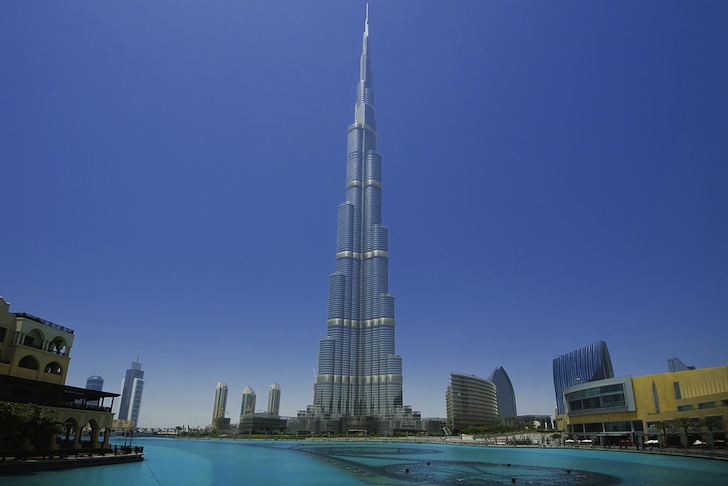
Burj Khalifa, Dubai, Slums, Scrap collector, lifestyle, culture, povertyJust 37 years old, Arif Mirza is one of the few people in the world who can afford to live on the 35th floor of the towering Burj Khalifa. Never mind the building’s crappy human waste management system, this is luxury that some people dream of having. But Mirza plans to give it all up for 33 days.

As though arriving in Dubai for the first time with nothing but $272 in his pocket, the Pakistani-Canadian entrepreneur will first get a job as a scrap collector and then work his way up from there. He will live with eight or ten other men in squalid conditions – like so many do in Dubai – and document the entire process with a three-person film crew. 

Climate Change (Officially) Contributed to Somalia Famine

4

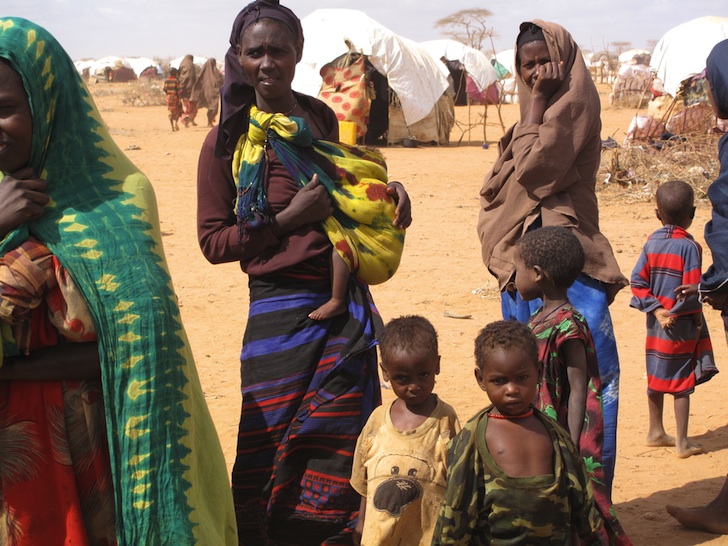
climate change, drought, Somalia, nature, global warming, Horn of Africa, climate, refugeesUp to 100,000 people died in Somalia during the 2011 famine that devastated the Horn of Africa, and British scientists have reported that climate change is partly responsible. The short rains at the end of 2010 failed as a result of natural variations in weather caused by La Nina, Peter Stott of Britain’s Met Office told the Associated Press, but the early 2011 long rains that typically occur around March and April are said to have failed because of climate change. 

Why Earth Hour Still Matters

2

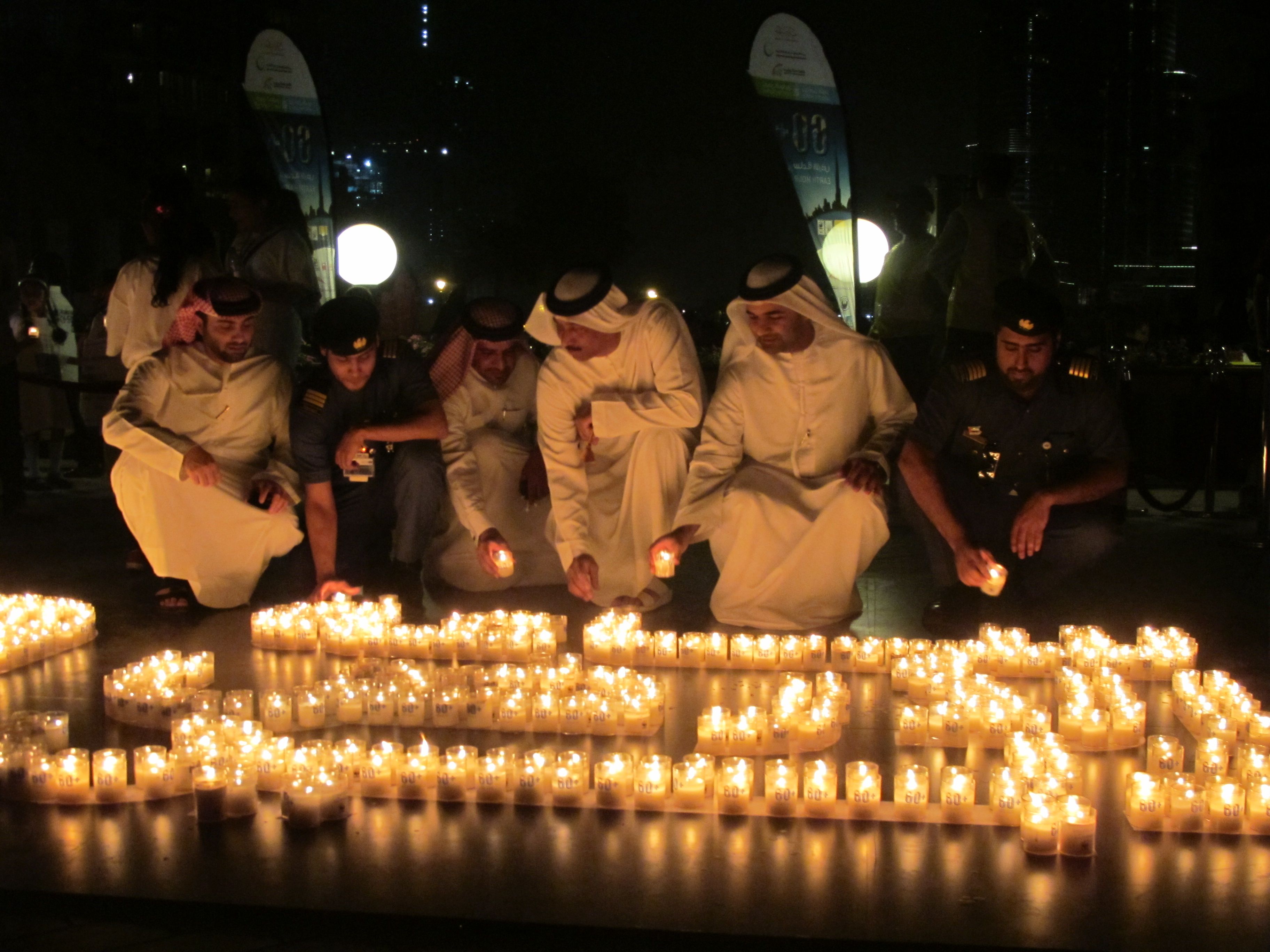
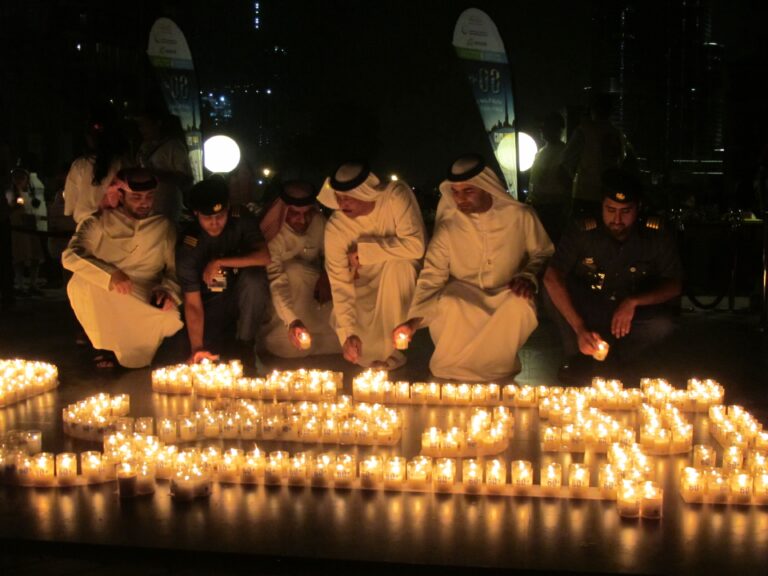
Earth Hour in Abu Dhabi UAEMarch 23 at 8:30 PM marks Earth Hour. Will you switch off?

Writing for Slate magazine, Bjorn Lomborg argues against what he believes to be the futility of Earth Hour. But Mr. Lomborg’s inability to see the value in such collective environmental efforts makes a compelling case for why we need them. As I pointed out here in Green Prophet, modern electric lights are thousands of times more efficient than ancient candles. Mr. Lomborg is also correct that today’s centralized coal power plants are unable to efficiently cope with a short-lived drop in demand. But this points to a failure our energy infrastructure, not in the Earth Hour concept. So, what is the true value of Earth Hour?

Chemical Waste Destroying Turkey’s Historical Bafa Lake Reserve

1

bafa-lakeTwo thousand years ago, Lake Bafa was a bay in the Aegean Sea, known as the Gulf of Latmus. The remains of ancient Byzantine monasteries can still be found on its islets and nearby mountains. Today, the lake in Turkey’s Muğla Province is home to remarkable biodiversity: 261 bird species, 25 plant species, 22 reptile species, and 19 mammal species. But all that is under threat. The lake’s waters have started turning green and foamy thanks to salinization and polluting discharge from factories and fish farms.

3 Ways Eco-Consciousness can Improve Your Love Life

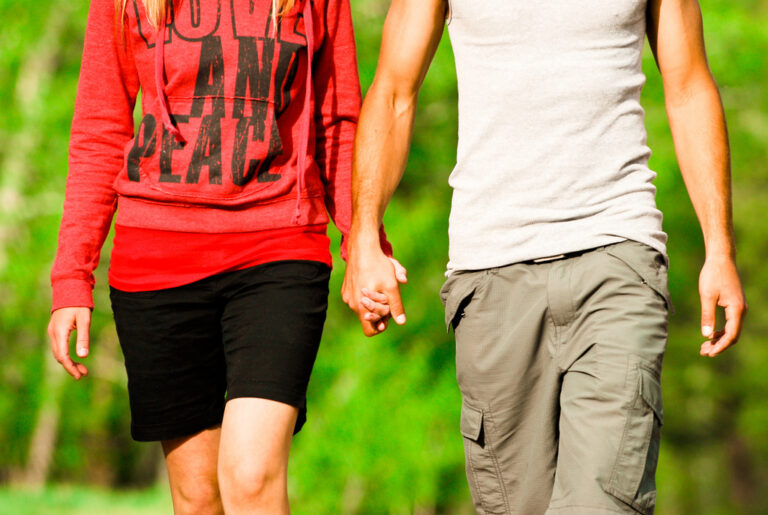
love peace hand holdingWhen you think of being eco-conscious, does your love life come to mind?

There are few things more natural than making love. For all the time we might think about it or dedicate to the discussion of it, how many of us consider the connection between the environment and intimacy? That is changing. As more environmentalists are finding their ‘E-Spot,‘ and learning about ‘Ecosex‘ – terms made popular by activists in the US – the message is being heard around the world: how we treat the planet and how we treat ourselves shows up very much in our most private experiences.

With spring upon us, and all that means for romance and love, here are 3 ways being eco-savvy now can improve your relationships for a lifetime.

Japan Mines Seabed “Fire Ice” – The World’s Most Dangerous Source of Energy?

1

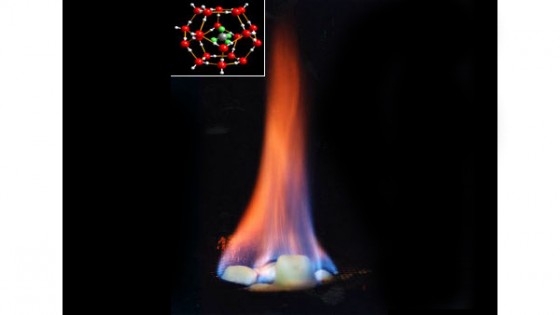
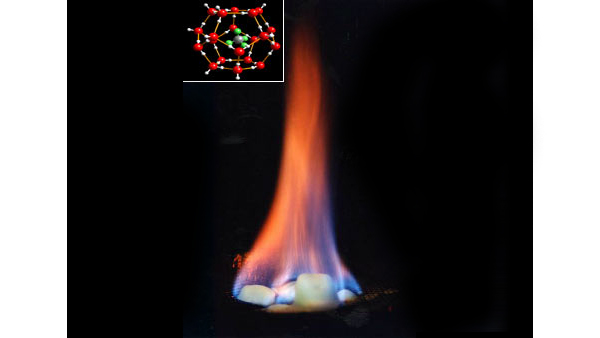
burning methane hydrate fire iceJapan Oil, Gas and Metals National Corporation, a Japanese state-owned prospecting company says it has successfully extracted methane gas from an undersea methane hydrate deposit in the Nankai trench south of Japan’s main island of Honshu. This marks the first successful extraction of methane from such deep sea deposits. The team expects their pilot rig could extract up to 10,000 cubic meters of methane gas per day. Deep sea methane hydrates could supply Japan’s energy needs for 100 years.

For a resource-poor country still recovering from the aftermath of the March 2011 tsunami and Fukushima nuclear disaster, this sounds almost too good to be true. But methane hydrate mining carries unique risks which could make this one of the most dangerous sources of energy.

Markus Kayser’s Sun Cutter is Low-Tech Laser Cutter Powered Entirely by Sun

0

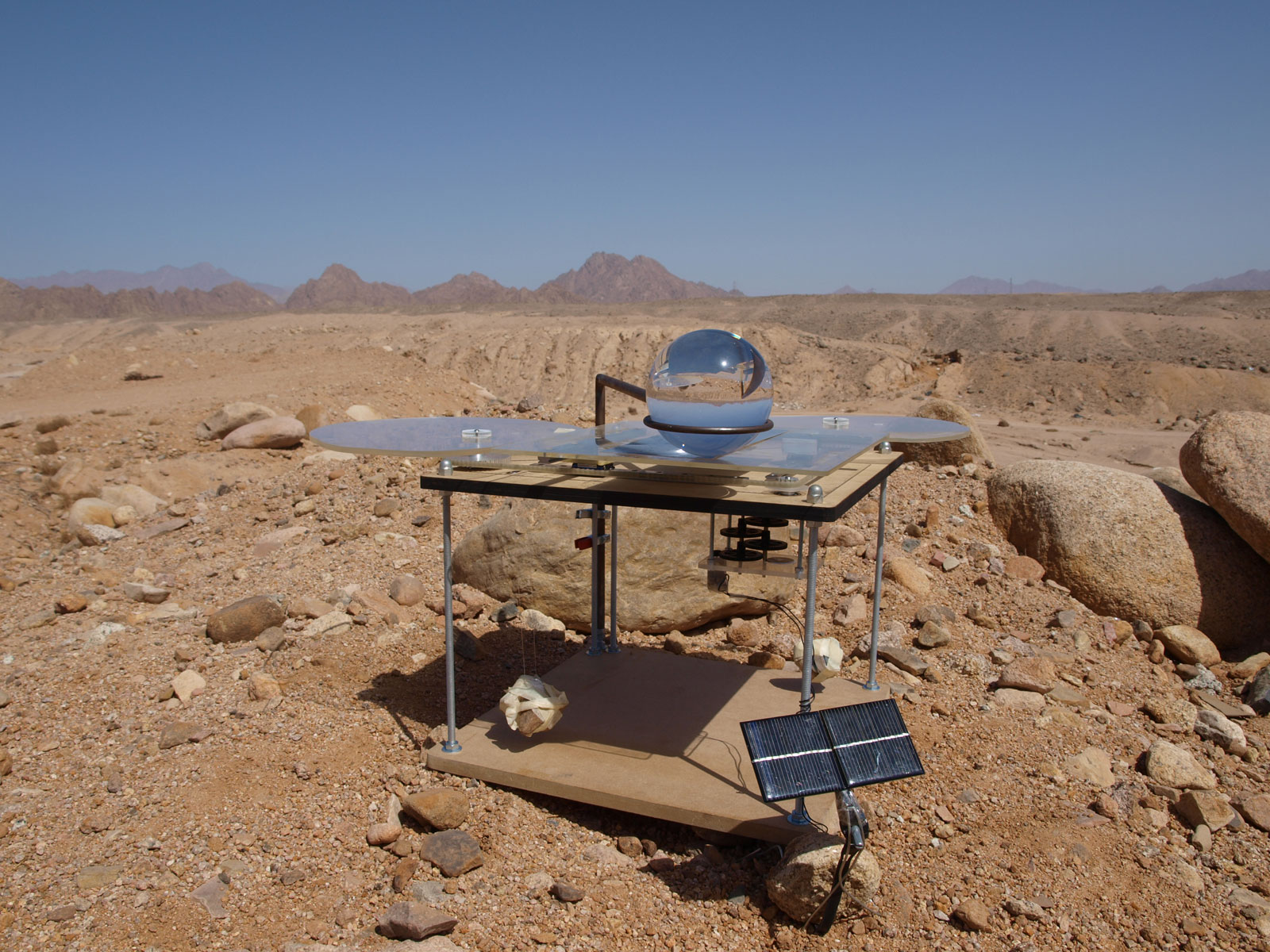
Markus Kayser, solar power, clean tech, laser printer, Sun Cutter, desertAnyone who loved the 3D Solar Sinter that uses the sun’s energy to turn sand into functional glass objects will love the Sun Cutter. Also designed by Markus Kayser, this homemade laser cutter carves pre-programmed industrial designs into a variety of materials – including cardboard, paper and even thin slabs of plywood  – and it is entirely solar-powered.  

Summer World Cup in Qatar Doesn’t Thrill FIFA Medical Chief

2

Qatar, Summer, 2022, world cup, FIFA, soccer, solar stadiums, sportsAfter months of debate about the wisdom of holding the 2022 World Cup football tournament in Qatar during the height of summer, FIFA’s medical chief has announced that he is not thrilled with the idea. Michel D’Hooghe told The Associated Press that while he has received strong assurances that the solar-powered stadiums and training facilities will be climate controlled, D’Hooghe expressed concern for the thousands of fans who will have to contend with “elevated” temperatures

Anti-Tobacco Images Fail to Sway Jordanian Smokers

0


If new anti-smoking images slapped on Jordan’s smokes don’t help puffers kick the habit, maybe Jordan should look Down Under for greater motivation: Beginning this year, as part of Jordan’s obligations to the World Health Organization’s Framework Convention on Tobacco Control (FCTC), the Ministry of Health asked cigarette companies to feature graphic anti-smoking images on cigarette packs. These images are too graphic for us to post. Google will ban our ads here if we do.

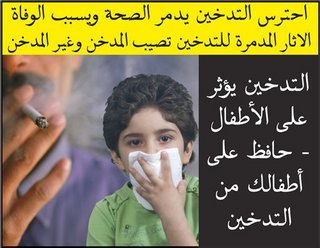
ANti-Smoking Campaign in JordanSo packs sold in Kingdom now contain very small pictures of a damaged lung, or a coughing child (see image at left), or a cartoony-fetus in its mama’s womb.

The change aims to sharply raise awareness of  tobacco-caused diseases and the dangers of second-hand smoke.

According to smokers interviewed by The Jordan Times, it’s not working.

Musa, who’s smoked for 16 years, told the paper, “Whatever they are going to place on the tobacco packs, I will not quit smoking, unless I want to.”  George, another interviewee, said, “These pictorials have no effect. I open the pack and smoke without paying any attention to the images.”

Cigarettes sold in duty-free shops or on the black market don’t bear the no-smoking imagery.

A study conducted by the King Hussein Cancer Center’s cancer control office had indicated that the graphics would motivate an estimated 25% percent of smokers to quit.

“I don’t care what pictures they put on the cigarette packet,” Mohammed told the Times.  “I started smoking when I was 18, and I haven’t stopped since. I don’t think a picture would make me stop smoking.”

Female smokers said they weren’t put off by the  photos. Raeda noted that kicking the habit was a personal choice,  saying, “Nothing, neither placing ugly images nor increasing cigarette prices would encourage me to quit smoking unless I want to.”So she says, but steeply raising cigarette prices with hefty taxation does prompt even long-term users to kick the habit.

Last year the Department of Statistics reported that Jordan’s cigarette spending was on the rise, with total spending on tobacco products reaching $678.7 million in 2010 (compared with $497.4 million in 2008). The Heath Ministry reports that smoking cost the country $1.4 billion last year, including money spent on money spent smoke-related diseases.

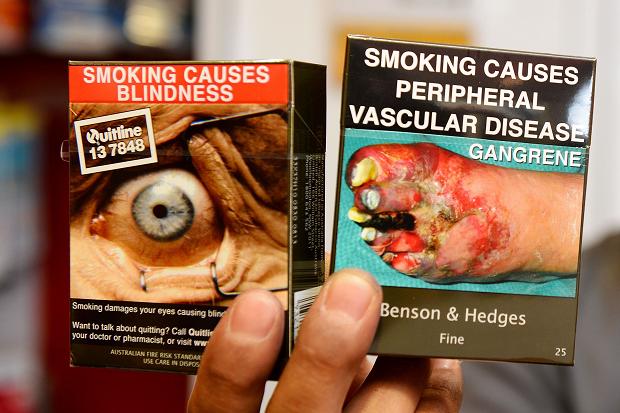
Smoking similarly smacked the Australian economy, with annual health costs at $33 billion and an estimated death toll of 900,000 over the last 60 years. So in 2012, Australia took it up a notch: the High Court ruled that all smokes must be sold in uniform packaging with minimal branding or logos on a drab brown background. The packs feature a range of eye-popping (and stomach-turning) imagery of a gangrenous foot, a cancerous mouth, or a cadaverous cancer sufferer;  in-your-face reminders of the risks of lighting up. See image above for an example.

“They’re so horrifyingly ugly that they are magnificent,” Fiona Sharkie, executive director of anti-smoking campaigner Quit Victoria told Bloomberg News.  She said callers to its hotline said the packaging was the “final push” they needed to stop smoking.

Approximately 29% of Jordanians above 18 are smokers, in addition to 14% of kids between ages 13-15, one quarter of whom smoke sheesha. According to WHO, tobacco  is killing about 6 million people each year. It contains over 4,000 chemicals of which 60 are carcinogens, in addition to addictive nicotine.

Scary statistics warrant scary warnings. Jordan would be wise to adopt the new Australian packaging and pull no punches when it comes to tobacco addiction.