Home Blog Page 20

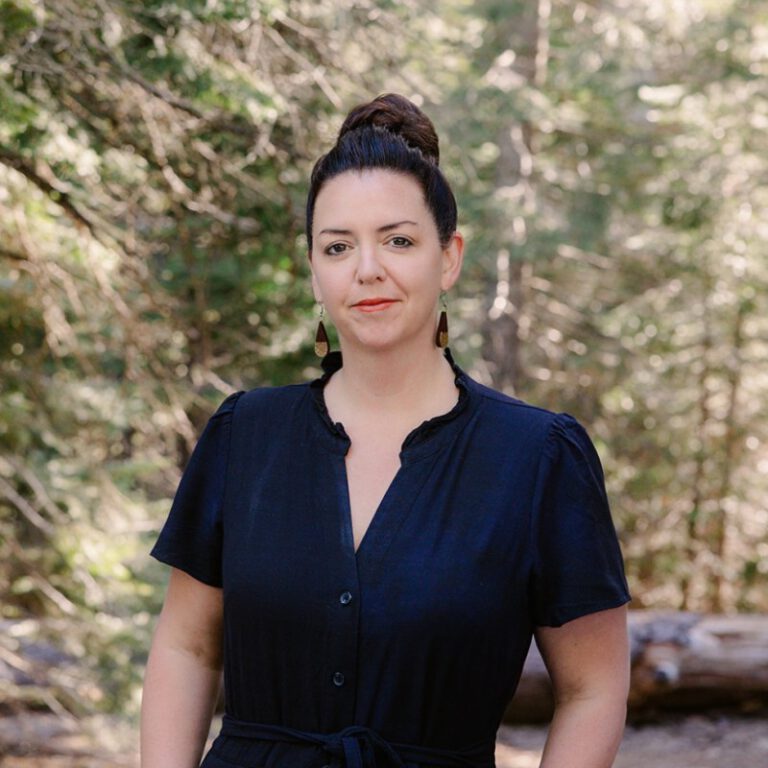
Harsha Pakhal Tells Us About 5 Nutrition Hacks That Actually Stick

0
Biohack your food

If you’ve ever jumped on the latest diet trend only to abandon it a few weeks later,  Cleveland-based fitness coach Harsha Pakhal is here to reassure you that you’re not alone. From juice cleanses to no-carb challenges, most quick fixes fizzle out because they’re too extreme to maintain. 

You need simple, sustainable habits that will actually stick. A big overhaul of your routine and habits won’t get you there because you need to slowly combine new habits with existing ones. That’s how you change your mindset and attitude towards food.

Here’s what Harsha Pakhal says about how you can do that:

Ditch the “healthy” and “unhealthy” labels

Eating healthy is so much easier when you make it fun instead of seeing it as a chore. One of the ways to do this is to stop labelling foods as “good” and “bad.” Telling yourself a food is off-limits tends to make it more appealing. 

Research shows restriction often leads to stronger cravings and overeating once the “bad” food is allowed. So instead of it making you feel better, you end up sending yourself on a guilt trip. Your body knows what it needs to eat, and labelling or demonizing food takes away your ability to do that freely.

Prioritize Protein and Plants at Every Meal

Protein helps stabilize energy, supports muscle repair, and keeps hunger in check. Making it the anchor of each meal makes it easier to manage your cravings and stay on track with balanced meals throughout the day. So invest in those eggs, chicken, tofu, or bean staples because they’re the foods that are going to keep your hunger at bay.

Vegetables and fruits provide essential vitamins, minerals, and fiber. Pakhal encourages clients to focus on adding more colorful produce to their plates, which naturally creates a more nutrient-dense meal without feeling restrictive.

Stay Consistent with Hydration

Dehydration often shows up as fatigue or even false hunger cues. A simple routine like drinking a glass of water first thing in the morning and keeping a bottle nearby can make a noticeable difference in energy and focus.

Plan, Don’t Wing It

Last-minute food decisions usually lead to less healthy choices. So it’s time to make meal prepping your best friend. It doesn’t have to mean spending an entire Sunday afternoon in the kitchen. Even some light meal prep, like lunch salads and cooked protein, can make a huge difference when that hunger hits.

Practice the 80/20 Rule

Perfection isn’t the goal. By eating nutrient-rich foods about 80% of the time and allowing room for favorite treats the other 20%, clients can stay on track without feeling deprived. “That flexibility is what makes a healthy lifestyle sustainable,” says Pakhal.

Reframing Nutrition Success

For Pakhal, the real progress comes from building a rhythm that lasts. His clients often report better energy, improved mood, and greater consistency long before they notice changes on the scale. By focusing on habits rather than extremes, they create results they can maintain.

The Takeaway

If fad diets have left you frustrated, it may be time to rethink your approach. Starting with one of Pakhal’s five habits and practicing it consistently can lead to meaningful, long-term change.

About Harsha Pakhal

Harsha Pakhal is a Cleveland-based fitness coach and personal trainer. He specializes in helping clients build sustainable habits around movement, nutrition, and lifestyle. His approach emphasizes consistency, strength, and long-term health rather than quick fixes or short-term results.


Blackdot’s painless AI-based tattoos will make inked skin less taboo?

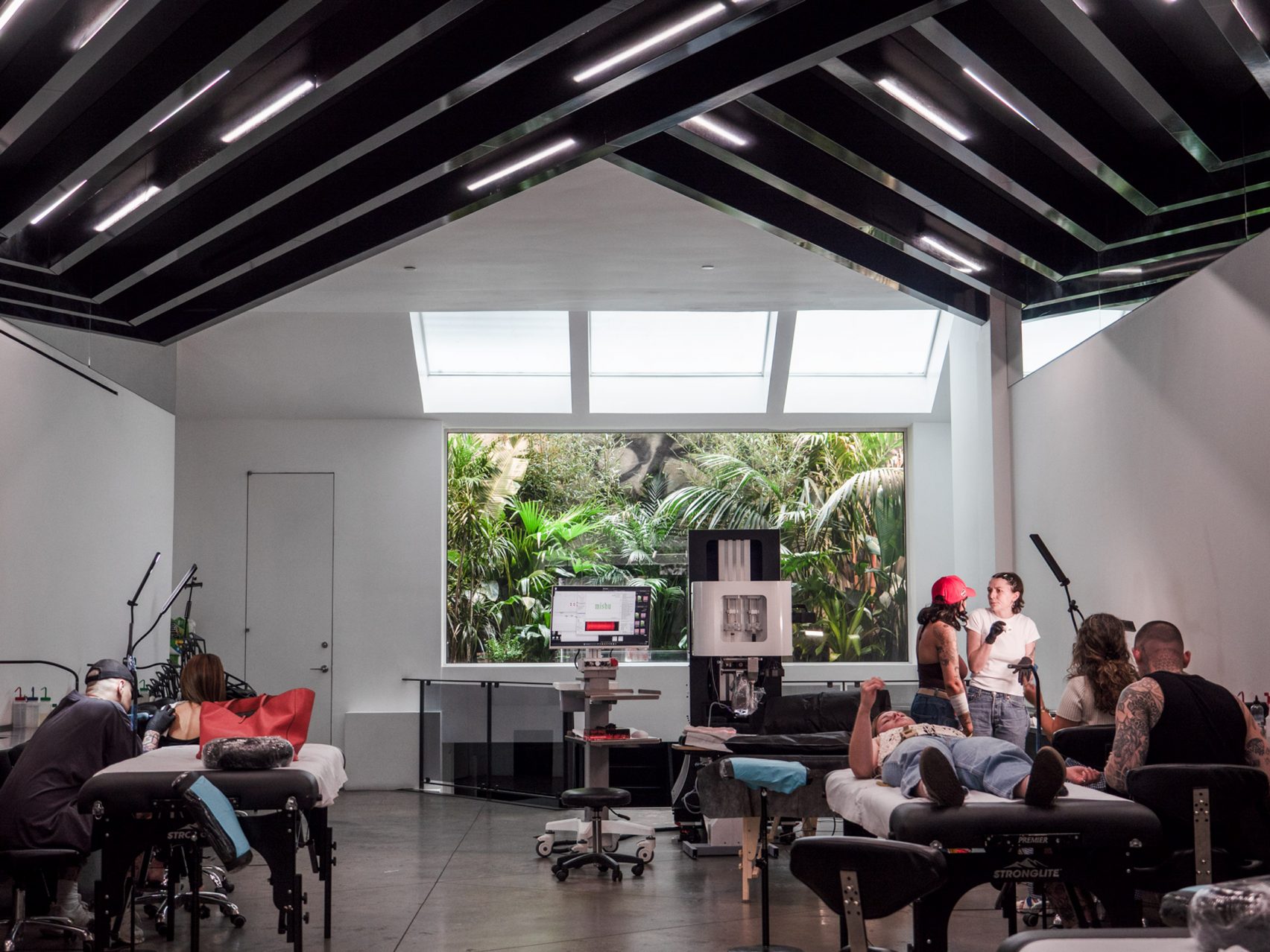
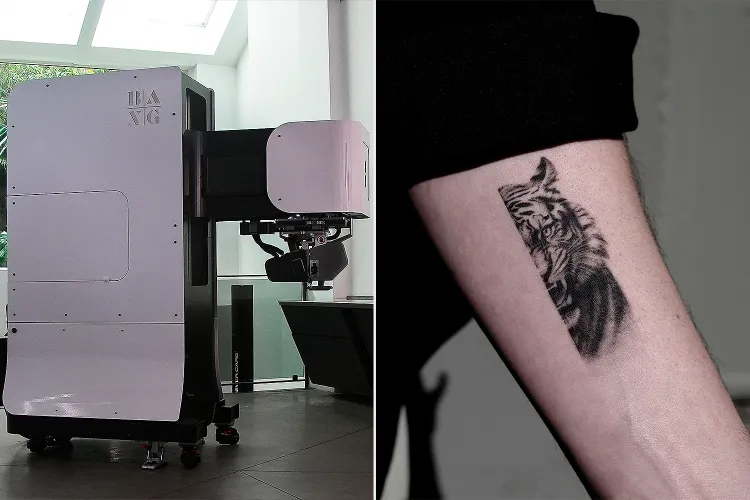
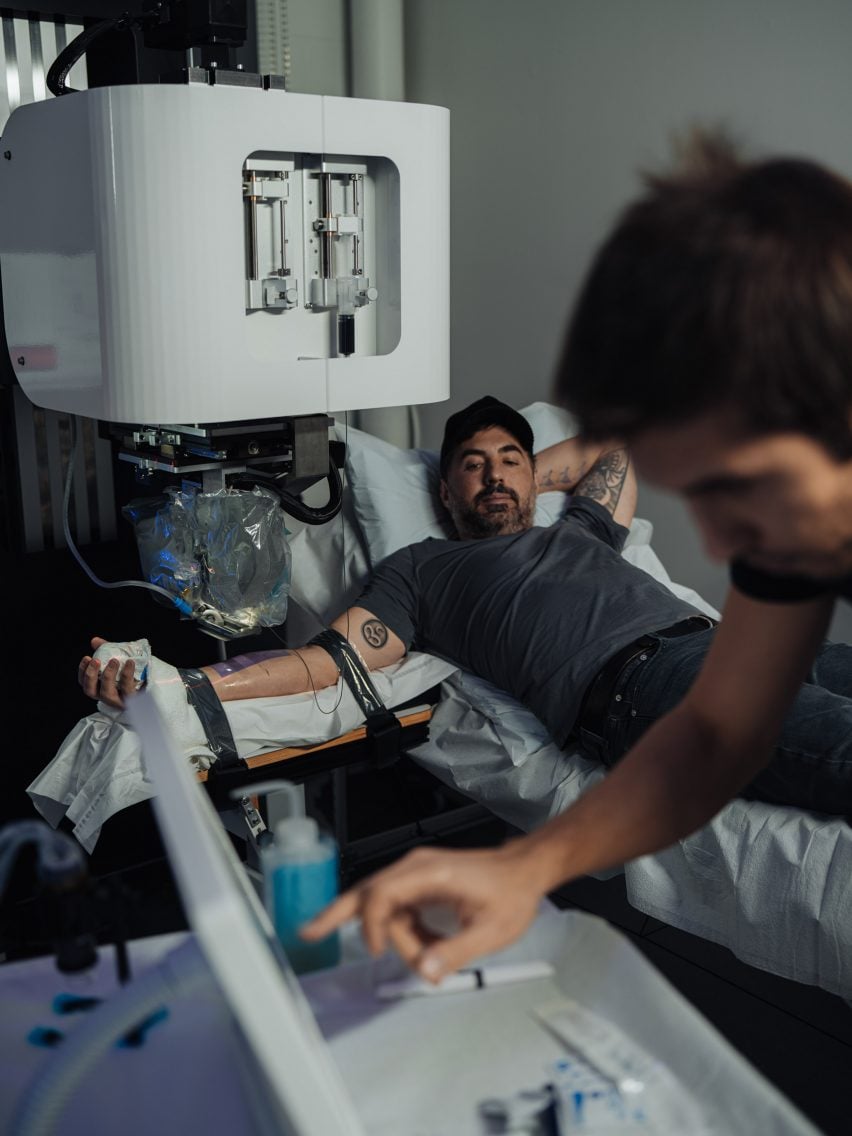
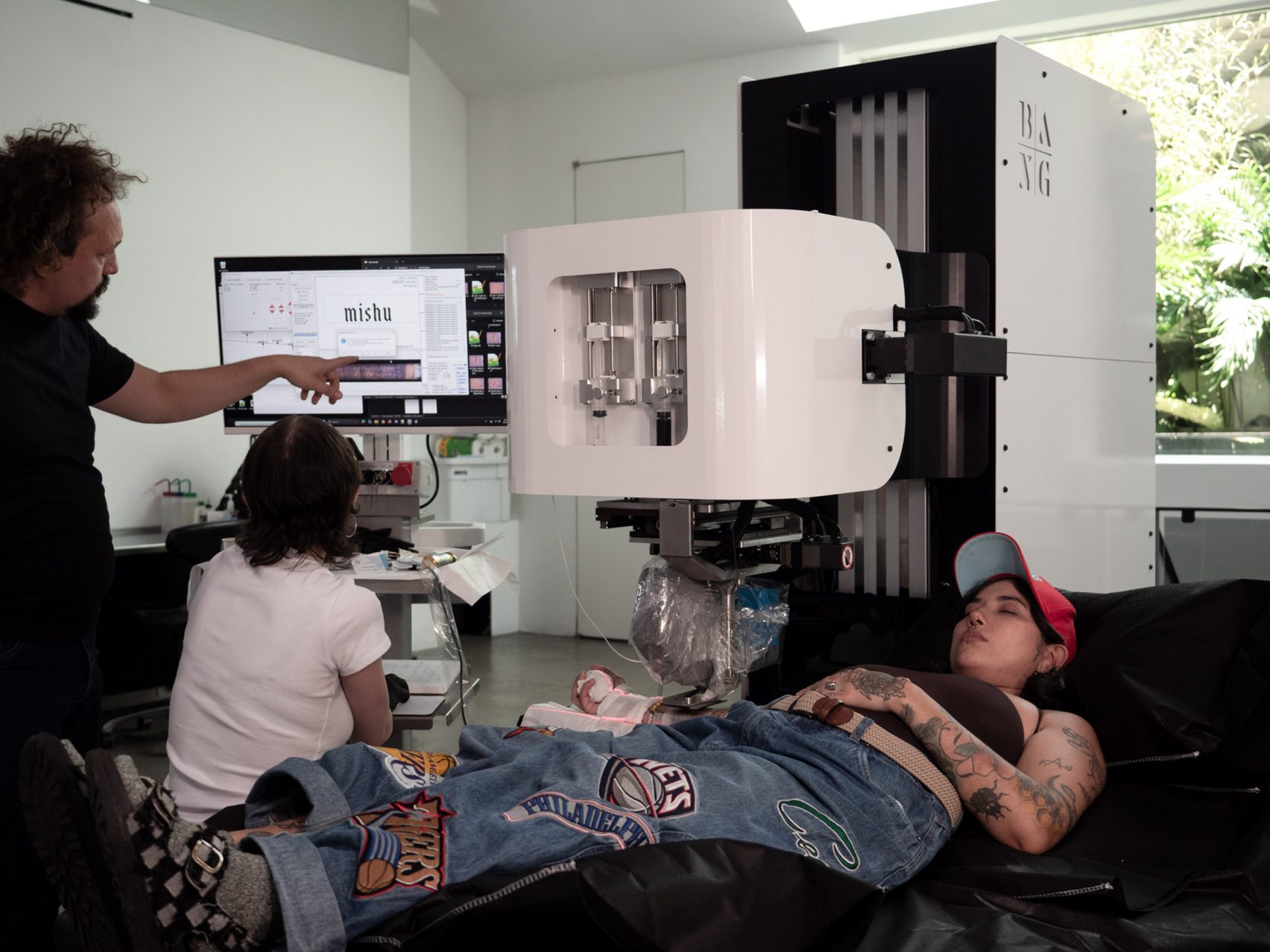
Blackdot's AI-powered tattoo device
Blackdot’s AI-powered tattoo device

Tattoo artists might be wondering if they will be out of jobs, or just able to license their NFT designs to a computer? A new Austin-based startup called Blackdot says it has built an AI-powered tattoo machine that is safer and less painful than getting a human-applied tattoo.

AI tattoos, painless tattoos, Blackdot Aero, AI tattoo machine, robotic tattoos, tattoo health risks, tattoo cancer risks, tattoo autoimmune risks, religious prohibitions tattoos, tattoos in Islam, tattoos in Judaism, tattoos in Christianity, smart tattoos, MIT Media Lab tattoos, tattoo technology, future of tattoos, Bang Bang tattoo New York, Austin tattoo tech, AI in body art, sustainable tattooing

Called Aero for Artist Enabled Robotic Operator, Blackdot’s machine uses computer vision, fine control, and very shallow needle penetration to reduce discomfort. It is now installed at Bang Bang in New York, and already operating in Austin.

In some areas of medicine, robotics and machine learning have changed the name of the game and survival outcome for removing cancers like prostate. Robotics can help a human operator be more precise, but are we ready to hand over the controls?

AI tattoos, painless tattoos, Blackdot Aero, AI tattoo machine, robotic tattoos, tattoo health risks, tattoo cancer risks, tattoo autoimmune risks, religious prohibitions tattoos, tattoos in Islam, tattoos in Judaism, tattoos in Christianity, smart tattoos, MIT Media Lab tattoos, tattoo technology, future of tattoos, Bang Bang tattoo New York, Austin tattoo tech, AI in body art, sustainable tattooing AI tattoos, painless tattoos, Blackdot Aero, AI tattoo machine, robotic tattoos, tattoo health risks, tattoo cancer risks, tattoo autoimmune risks, religious prohibitions tattoos, tattoos in Islam, tattoos in Judaism, tattoos in Christianity, smart tattoos, MIT Media Lab tattoos, tattoo technology, future of tattoos, Bang Bang tattoo New York, Austin tattoo tech, AI in body art, sustainable tattooing

Do we want a machine that takes the craft out of the hand of the artist? I make pottery out of earth because I believe there is spirit in matter. Is a tattoo applied by a machine giving the same vibes as a potter’s mug made in a factory or a violin made on a machine?

Nuanced designs, without the pain

According to the people at Aero, the device tattoos in dot-based grayscale patterns, applying many minute points rather than deep continuous lines — a technique they say limits pain and improves precision.

Precision in the design


One upside: fewer tattoos gone wrong?

Tattoos, not just in hipster times, have long carried a dual identity: as personal art but also no small part of getting a tattoo is about the pain and the act of bodily risk. Also, I wonder: does a machine-made tattoos open up the practice of skin art at a time when researchers are calling us to pay attention to the risks of the materials in tattoos and a possible link to auto-immune diseases and cancer. As there is little regulation, there is little known about the long-term health effects of tattooing.

What do the world’s religions say about tattoos?

From a Islamic perspective, tattooing is generally considered prohibited (haram) in many schools of thought. The Prophet Muhammad is narrated in hadith literature to have cursed both the tattooer and the tattooed (for altering the creation of God). Some scholars argue that tattoos break the ritual purity (ablution, or wudu) because they alter the skin surface.

We find some literature to back up the Islamic prohibition: ‘Abd-Allaah ibn Mas’ood said: “May Allah curse the women who do tattoos and those for whom tattoos are done, those who pluck their eyebrows and those who file their teeth for the purpose of beautification and alter the creation of Allah.” (Al-Bukhari, al-Libas, 5587; Muslim, al-Libas, 5538).

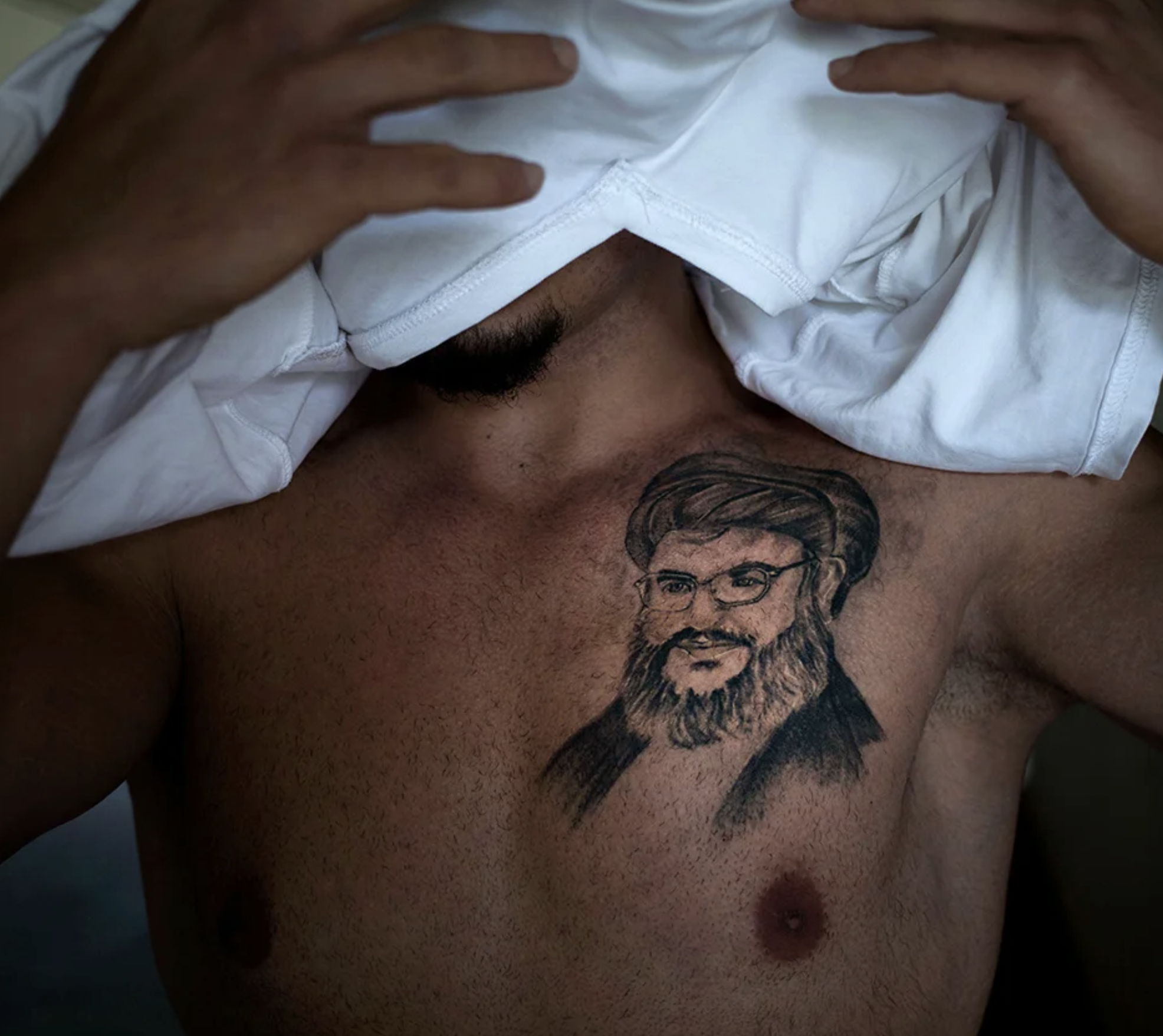
In parts of Lebanon, Iraq, and Iran, some Shiite communities have historically tolerated or quietly practiced tattooing, especially small religious motifs (like the names of Imams or sacred symbols). And among younger Shiites, especially in diaspora communities, tattoos are increasingly popular as personal or religious expression — though clerical authorities still discourage them.

A Shiite tattoo of Hezbollah’s late leader Hassan Nasrallah in Lebanon, via AP

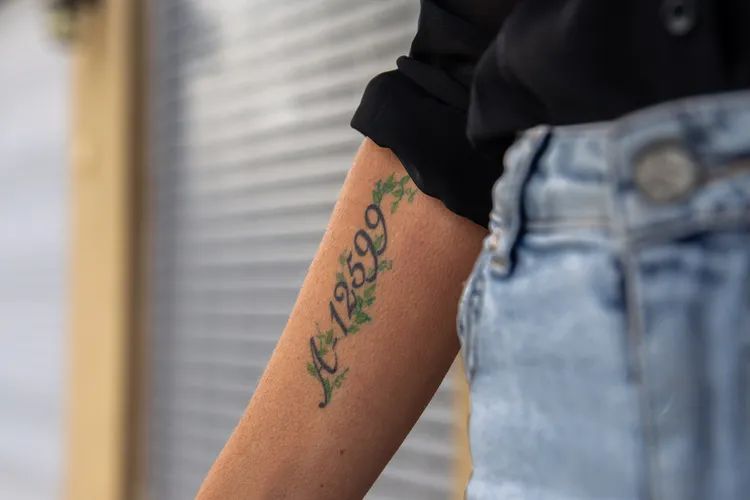
In Judaism, tattoos are often discouraged based on Torah injunctions and Levitical prohibitions, and tattoos are not encouraged at all.  It is permitted to remove a tattoo and pierce your ears. That said many Jewish people do get tattoos. Common ones include the Tree of Life symbol, Hebrew and biblical expressions (The Nation of Israel Lives), and some people get tattoos of their grandparent’s numbers printed on them during the Holocaust.

Orly Weintraub Gilad has her grandfather's Auschwitz number, A-12599, tattooed on her arm. John Jeffay for the Conversation
Orly Weintraub Gilad has her grandfather’s Auschwitz number, A-12599, tattooed on her arm. John Jeffay for the Conversation
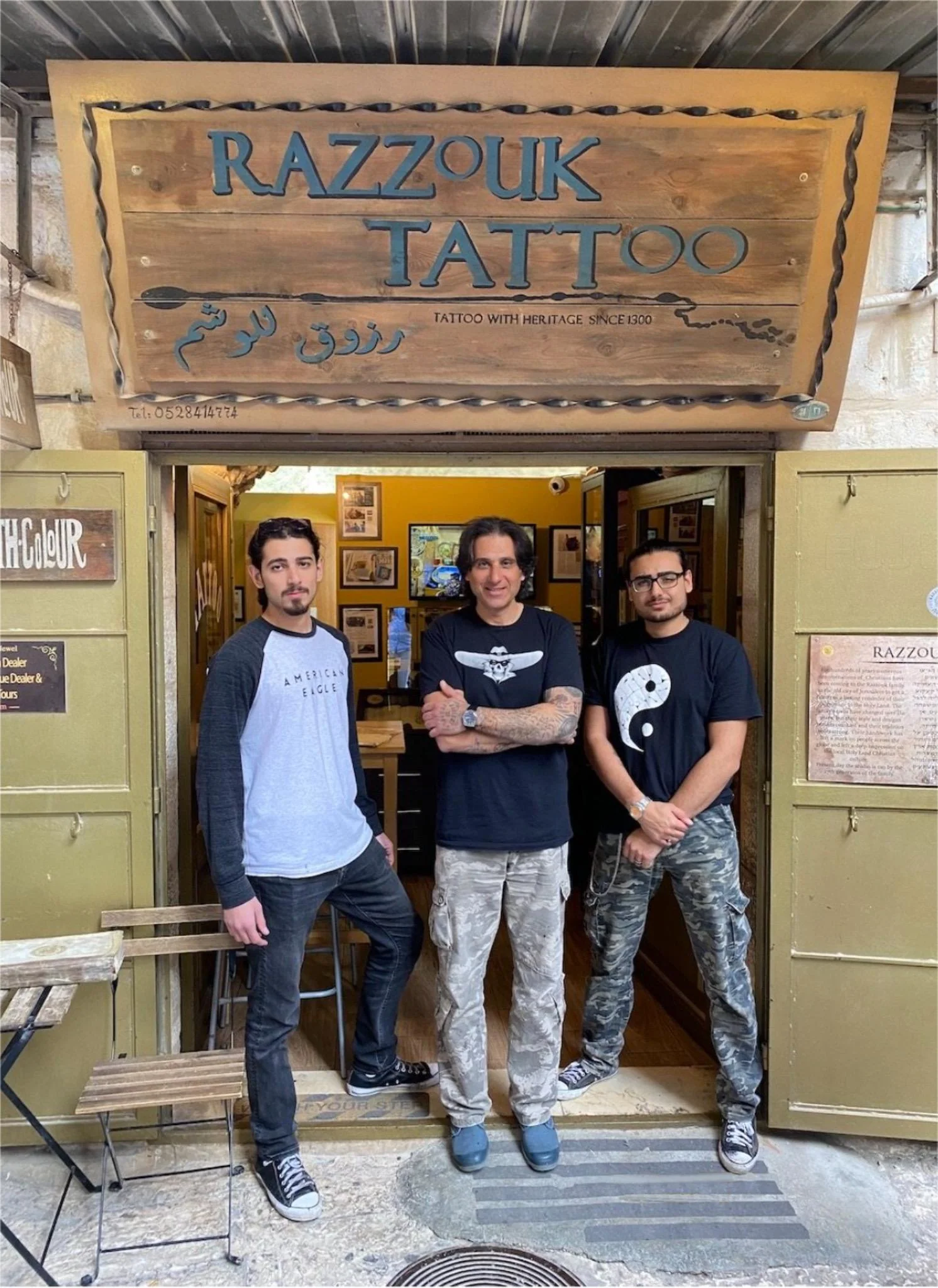
Razzouk Tattoo since 1300!

In Christian traditions, the picture is more varied. Some conservative or literalist communities may discourage tattoos, particularly when associated with body modification or vanity, but there is no universally binding doctrine rejecting them. Many churches do not formally forbid tattoos, leaving it to individual conscience, church culture, or pastoral guidance. This blog offers some history of Christian tattoos in Jerusalem. The author points out that some conservative or literalist groups still reject tattoos outright, holding to Leviticus as binding.

Many other Christians see tattoos as a matter of conscience, arguing that Old Testament prohibitions were tied to ritual purity, pagan associations, or covenant identity, and are not binding in the same way after Christ. In some traditions (like the Razzouk family in Jerusalem), tattooing is even a Christian devotional act, marking pilgrimage and identity.

Unlike in Abrahamic religions, tattoos (godna in Hindi) have been widely practiced in Hindu culture for centuries. Tribal and rural communities across India have used tattoos for spiritual protection, identity, and beauty. Some designs are linked to deities, mantras, or cosmic symbols.

What about the art of it?

Almost painless tattoos may worry tattoo artists who will be out of jobs unless they figure out how to sell designs as NFTs, and also people who may more liberally get tattoos without possible health or spiritual implications.

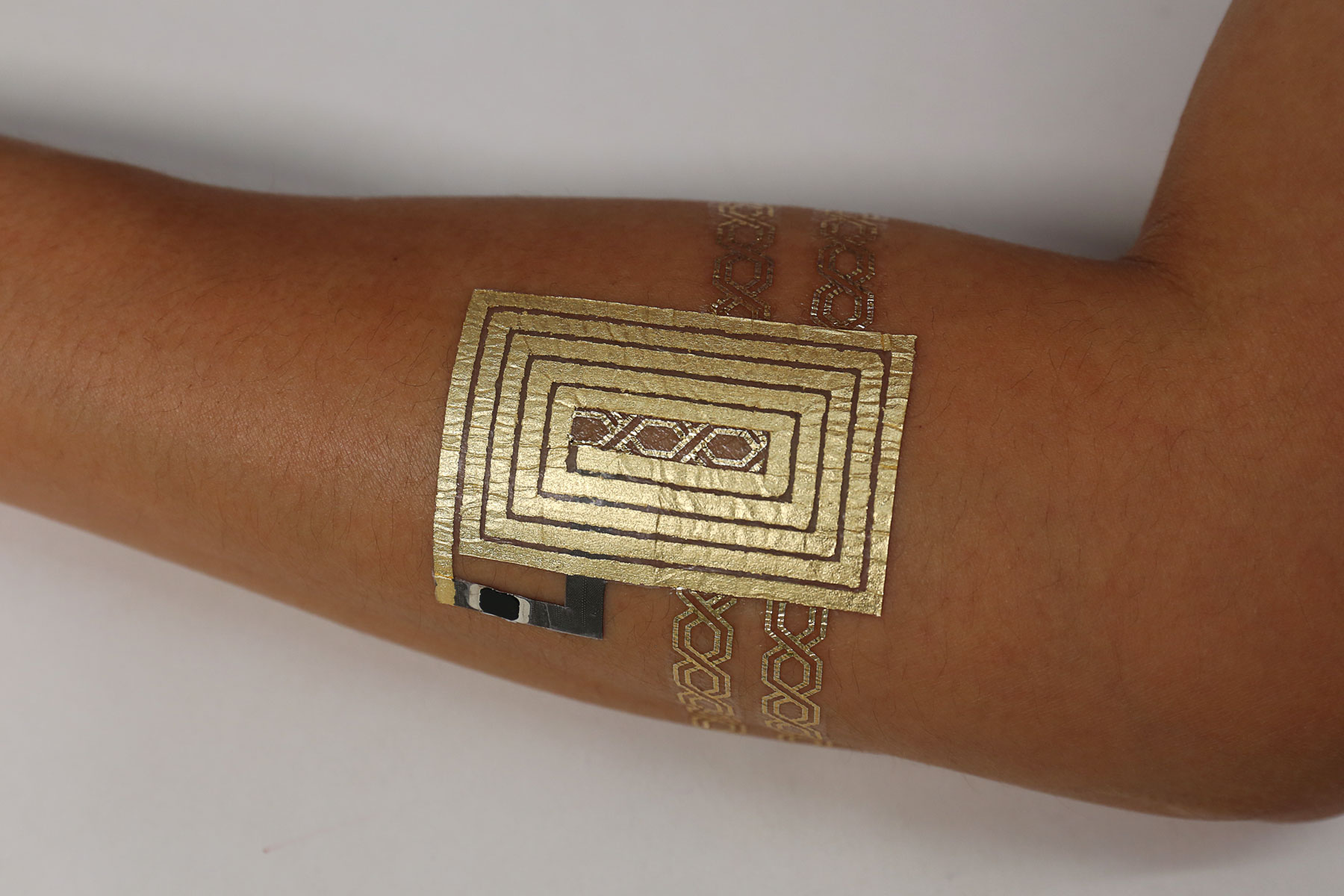
In Sci-Fi dystopia, we’ve reported on how tattoos can be used for nefarious purposes, such as IDing and tracking people. Such as the tattoo below, from MIT Media Lab.

Designers from MIT Media Lab have teamed with Microsoft Research on a project to develop “smart tats” able to interface with remote technology. They can also report on their users health and environment, essentially turning human skin into a gadget.

Tattoos could be used as a trackpad to remotely control your mobile phone or adjust the volume of the music you tune into. They can track user data and report back to you, like a body-integral Fitbit, with embedded thermochromic displays that change color in reaction to heat, reporting on body temperature, blood pressure, breathing patterns. It might also report on your immediate environment, checking air quality, weather conditions, and alert you to the presence of harmful substances.

After hearing all sides — from health warnings and religious prohibitions to the futuristic promises of AI-driven tattoo machines — I’ve made my choice. I’ll keep my skin tattoo-free, au naturel. For me, my body already carries its own stories.

Medical cannabis Syqe lays off 30% of its workforce

0

Syqe Medical layoffs, Syqe FDA approval, Syqe Philip Morris investment, Syqe cannabis inhaler, medical cannabis Israel, cannabis startups Israel, cannabis dosing technology, PMI cannabis investment, Syqe acquisition deal, Syqe clinical trials, cannabis pharma innovation, Syqe Tel Aviv layoffs, Philip Morris Syqe acquisition, Israel cannabis industry downturn, medical marijuana dosing device

The medical cannabis boom felt in Israel may show signs of a giant cooldown. Syqe was one of the darlings of the medical cannabis pharma space, as a doseable drug. This is an industry I helped spark into life when I started the Canna Tech Conference in Jaffa about 10 years ago. Much has changed and a lot of the hype has died down, mainly due to loosened restrictions on access to cannabis, making it easy for people to self medicate in the United States and Canada.

One of the challenges in cannabis as medicine is dosing (read this article on half of all medical cannabis drugs being mislabled). What’s written as THC or CBD concentration may be far from what’s inside the plant or how it affects your body, and how it’s delivered. Syqe, an inhaler dosing system in Israel promises to make dosing a pharmaceutical science, but in waiting for the coveted US FDA approval, Syqe says it needs to lay off 50 of its staff of about 150 based in Tel Aviv. If their product works they may be actually a solution to the mislabeling.

The company grew into medical marijuana stardom when Philip Morris / PMI, the cigarette company invested $20 million in 2016 and later entered into an agreement to acquire the company for ~$650 million, contingent on regulatory success. In that acquisition plan, PMI committed $120 million to push Syqe’s inhaler device through U.S. FDA regulatory hurdles. Is the money running out without results?

Syqe Medical layoffs, Syqe FDA approval, Syqe Philip Morris investment, Syqe cannabis inhaler, medical cannabis Israel, cannabis startups Israel, cannabis dosing technology, PMI cannabis investment, Syqe acquisition deal, Syqe clinical trials, cannabis pharma innovation, Syqe Tel Aviv layoffs, Philip Morris Syqe acquisition, Israel cannabis industry downturn, medical marijuana dosing device

This backing gave Syqe financial muscle and strategic reach—but also raises reputation and strategic risks, given tobacco’s fraught public perception in the health space. Imagine if McDonald’s bought into a regenerative kale farm. The cash infusion could scale production, but people would always wonder if the lettuce was being served with a side of fries.

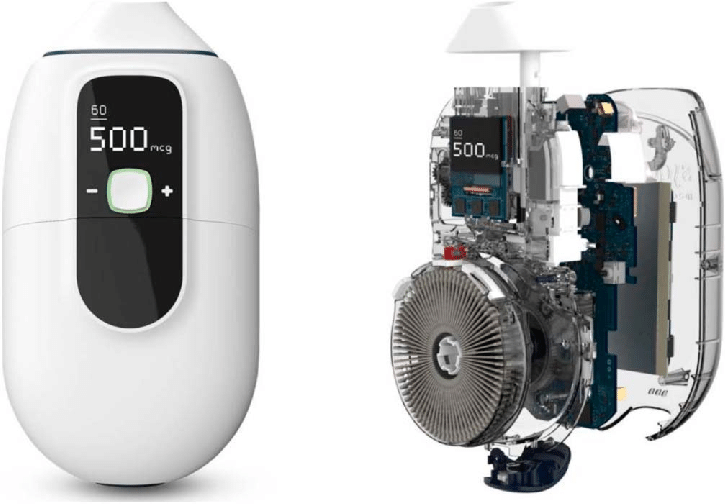
According to recent news Syqe Medical recently cut 50 employees, about 32% of its workforce, with the majority coming from its development (R&D) department. If the company succeeds or not, is only an insider’s guess. The inhaler uses a unique cartridge containing dozens of “VaporChips,” each holding a measured dose of cannabis flower, allowing accurate administration according to a doctor’s prescription. The question is does it work in dosing, can it work? Sometimes funds run out before the right tests can be checked and confirmed by the FDA.

On the general issue of cannabis, if you are traveling to Dubai or Abu Dhabi, take note: medical cannabis, even if only in your blood, and self-medicated can land you in jail according to the law in the United Arab Emirates. Even CBD oil is a risk.

Read more on medical cannabis and medical marijuana on Green Prophet:

Startup FreezeM turns food waste into insect protein for fish and chicken

0
FreezeM, Israel, startup, insect farming, black soldier fly, larvae, animal feed, alternative protein, sustainable agriculturePauseM, FreezeM, suspended animation, black soldier fly larvae, paused neonates, shipping insects, extended shelf life, Weizmann Institute, sustainable feed innovation black soldier fly, larvae, insect protein, aquaculture, poultry, livestock, insect oil, insect fertilizer, organic waste recycling, sustainable animal feed organic waste, food waste, agricultural byproducts, recycling, insect farming, circular economy, sustainable protein, waste to feed Yuval Gilad, Idan Alyagor, Yoav Politi, FreezeM founders, Weizmann Institute, molecular genetics, developmental biology, entomology, Israel startup FreezeM funding, Series A, USD 14.2 million, European Innovation Council, EIC Fund, investment, insect protein industry, commercialization, breeding hubs insect protein feed, sustainable animal feed, fish farming, poultry feed, livestock nutrition, soy alternatives, corn alternatives, nutrient deficiencies, Family Friendly Farms alternative protein, insect protein companies, Flying Spark, Hargol, Aspire Food Group, Ynsect, Innovafeed, Protix, Entocycle, Beta Hatch, Hexafly, Entobel, Insectta, AgriProtein, MealFood Europe, Packaged Feeds, IKEA Space10
FreezeM Decodes Insect Farming

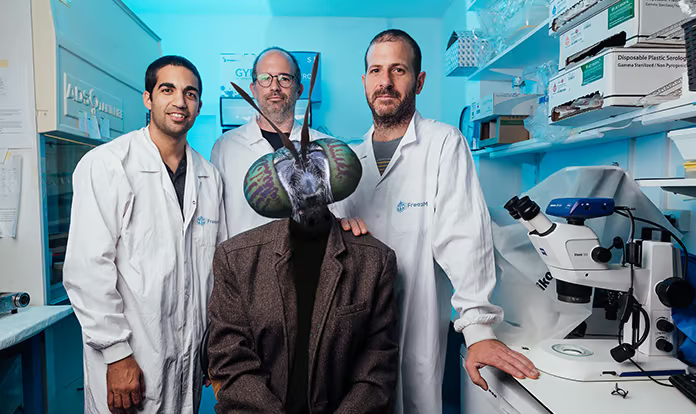
You are what you eat eats, is the famous quote by Michael Pollan, food author and activist. While many of us are probably put off by the idea of eating insect meal as protein, a new startup has gone down the food-chain to make a sustainable source of protein feed for the creatures we still do like to eat, namely fish and birds such as chicken. These omnivores do require a high-protein feed, and the end-quality of what you eat will only be as good as what the animal you eat, eats.

A new startup has developed a process to cultivate and ship black soldier flies so they can shipped and activated for growth to where they are needed.

To reiterate, FreezeM is not producing insects for people to eat directly (like crunchy cricket snacks) you might see at alt.protein events, but their focus is on using insects as a protein source for animal feed (and indirectly, food security).

They developed a technology to “pause” the life cycle of black soldier fly (BSF) larvae which ensures that costly grow labs aren’t needed where the feed is needed, but instead allows them to ship dormant larvae worldwide, which can then be “woken up” on-site and fed with local organic waste. Let’s hope the focus stays on organic.

FreezeM, Israel, startup, insect farming, black soldier fly, larvae, animal feed, alternative protein, sustainable agriculturePauseM, FreezeM, suspended animation, black soldier fly larvae, paused neonates, shipping insects, extended shelf life, Weizmann Institute, sustainable feed innovation black soldier fly, larvae, insect protein, aquaculture, poultry, livestock, insect oil, insect fertilizer, organic waste recycling, sustainable animal feed organic waste, food waste, agricultural byproducts, recycling, insect farming, circular economy, sustainable protein, waste to feed Yuval Gilad, Idan Alyagor, Yoav Politi, FreezeM founders, Weizmann Institute, molecular genetics, developmental biology, entomology, Israel startup FreezeM funding, Series A, USD 14.2 million, European Innovation Council, EIC Fund, investment, insect protein industry, commercialization, breeding hubs insect protein feed, sustainable animal feed, fish farming, poultry feed, livestock nutrition, soy alternatives, corn alternatives, nutrient deficiencies, Family Friendly Farms alternative protein, insect protein companies, Flying Spark, Hargol, Aspire Food Group, Ynsect, Innovafeed, Protix, Entocycle, Beta Hatch, Hexafly, Entobel, Insectta, AgriProtein, MealFood Europe, Packaged Feeds, IKEA Space10
FreezeM insect incubator founders

The larvae, onnce unpacked, quickly grow and can be processed into high-protein feed for fish (aquaculture), poultry, and livestock, as well as insect oil and fertilizer byproducts. The byproducts part sounds not clear, but according to the company they address problems at once: A, an organic waste management – converting food waste and agricultural byproducts into something useful. We can get behind this. And, B, a stainable protein supply – reducing reliance on soy imports or overfished ocean resources for feed.

So FreezeM’s insects are the intermediate step: turning waste into animal feed (and eventually into meat, fish, or eggs for people). When I had my startup in agriculture, developing brains and controllers for greenhouses, this was a common need expressed by farmers: systems not only to feed people fresh food, but hydroponic systems that can create fresh feed for animals. Soy and corn products can play a role, but not be the only diet livestock should be eating.

According to Family Friendly Farms, it is not healthy for livestock to eat only corn and soy, and “meat from animals fed predominantly on corn and soy may lack essential nutrients, leading to potential nutrient deficiencies in humans who consume such meat.

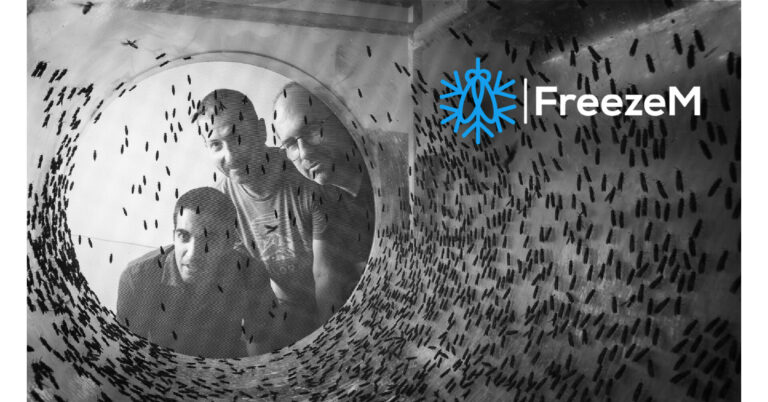
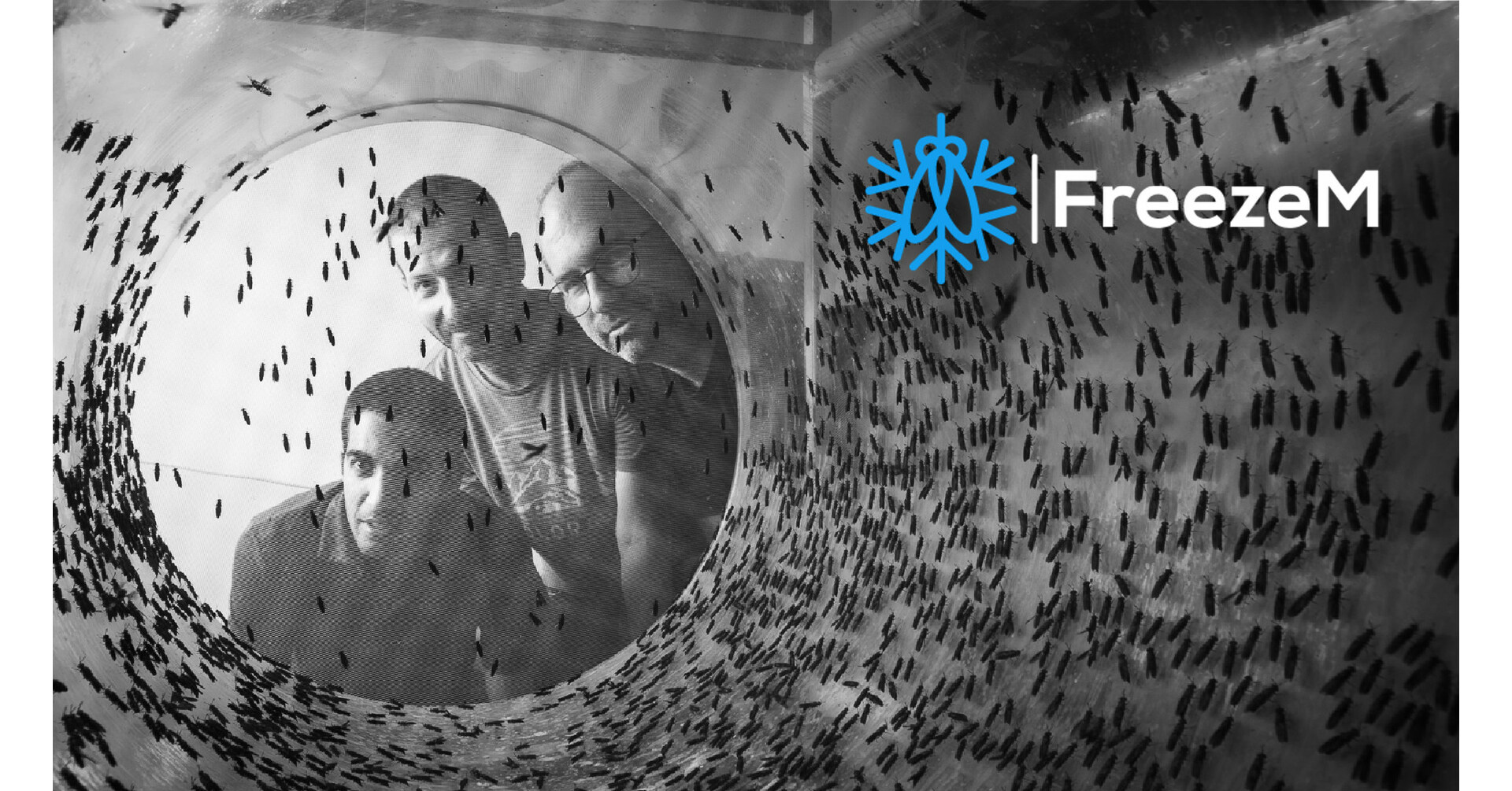
FreezeM was founded in 2018 as a spin-off from the Weizmann Institute of Science in Israel by three researchers: Yuval Gilad (CEO), Idan Alyagor (CTO), and Yoav Politi (VP R&D). The founders were graduates of Weizmann and had expertise in molecular genetics / developmental biology (especially using fly embryos) and entomology.

The core technology (PauseM®) is based on inducing a “paused” or “suspended animation” state in Black Soldier Fly (BSF) neonates so that they can survive transportation with extended shelf life before being revived, fed and grown for animal feed. They also have a partnership with Hermetia Baruth GmbH (Germany) for joint production / distribution of PauseM in Europe.

In February 2024, FreezeM closed a Series A round of USD 14.2 million with that round was led by industrial investors and the European Innovation Council (EIC) Fund (along with existing investors / partners) to expand breeding hubs and commercialize PauseM. Prior to that FreezeM had raised €6.3 million in EIC funding. Their flagship product is PauseM®: essentially “paused” BSF neonates with a ~14-day guaranteed shelf life and survival of greater than 90%, with the economical idea of decoupling the breeding part of insect protein production from the rearing / growing part.

Farms that just want to feed larvae / grow / process don’t need to maintain their own breeding colony; they can order PauseM from FreezeM, feed the colony and feed it straight to the livestock.

This is a more palatable solution that other alt protein companies we’ve written about.

Curious to sink your teeth into alt. protein made from bugs? Jump in below.

Sarah Jessica Parker and Jane Goodall Back Cruelty-free Lab Diamonds

0
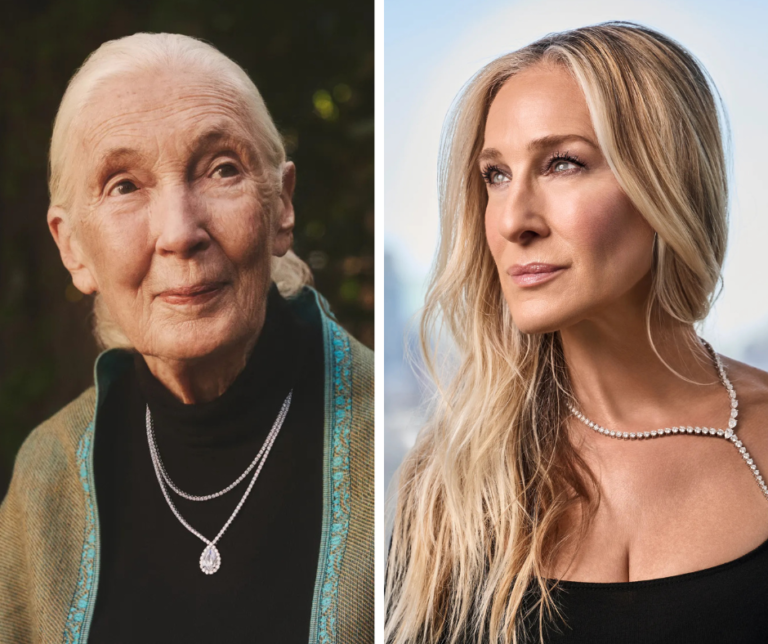
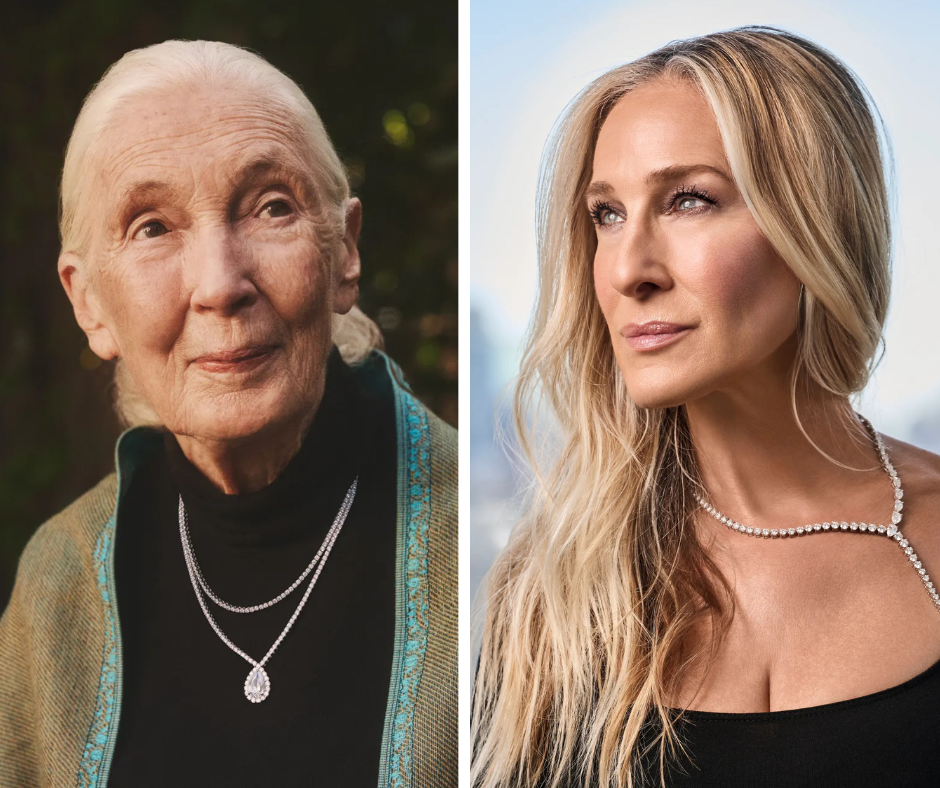
Sarah Jessica Parker and Jane Goodall put their pretty faces and values behind lab-grown diamonds

Sarah Jessica Parker has expanded her creative footprint, stepping into the world of fine jewelry as a partner and spokeswoman for Astrea London, a London lab-grown diamond company. Together with founder Nathalie Morrison, she will be shaping a 12-piece collection that houses stones graded at D-IF (just 0.01% of diamonds globally), each backed by IGI, GCAL, and GIA certification. “Joining the business feels like a natural step — together, we are embracing the future of diamonds in a way that is both responsible and beautiful,” Parker said.

Lab-grown diamonds according to my home-town jeweller at Hempen Jewelers in Newmarket, Ontario, lab-grown diamonds are indistinguishable from natural diamonds, mined in difficult circumstances that take advantage of poor communities in Africa — made famous by Leonardo DiCaprio and the movie blood diamonds.

Astrea has made its name producing only the top 1% of diamonds by quality — in the D/E color range with VS2+ clarity — and the brand is rapidly expanding across Europe and the Middle East, with three new Dubai boutiques opening this fall.

We’ve compiled a guide on leading, lab-grown diamond companies here.

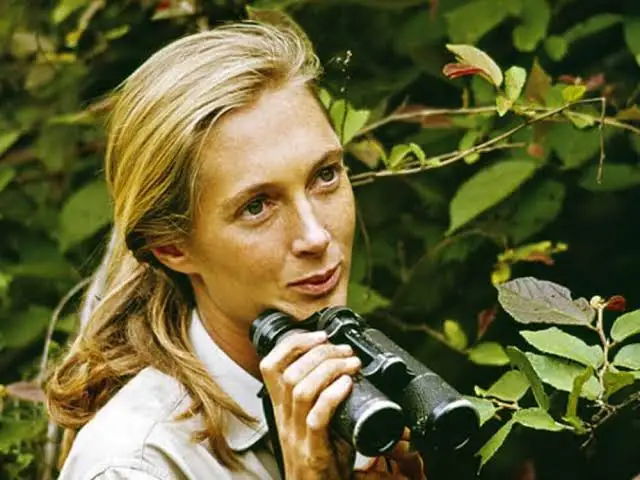
Meanwhile, Brilliant Earth is deepening its alignment with ethics and activism via a renewed collaboration with Dr. Jane Goodall. Their limited-edition Jane Goodall Peace Medallion collection features hand-engraved motifs and uses 99% repurposed gold paired with carbon-capture lab-grown diamonds — a symbolic and design-forward synthesis of values and luxury. Ten percent of proceeds will go toward The Jane Goodall Legacy Fund.

Jane Goodall

Related: Natalie Portman’s engagement ring is cruelty-free

These announcements signal more than celebrity tie-ins: they underscore a shift in consumer expectation. Modern luxury must carry values. In the growing lab-grown diamond space, authenticity, traceability, and social purpose are now part of the equation — not mere taglines. As we noted previously on Green Prophet, lab-grown diamonds present a powerful way to opt for sparkle without the human and ecological costs associated with traditional mining. Read more here.

For brands working at the intersection of sustainability and style, Parker’s and Goodall’s involvement are timely, visible reminders that beauty and ethics can coexist. The diamond industry is rewriting the rules, and while this nature-lover needed no diamonds from her true love, the shiny dreams of those who want them can now be satisfied with a diamond made in your nearest city.

Eni Bets Big on Fusion and $1 Billion Deal with Commonwealth Fusion Systems to Power a Carbon-Free Future

0
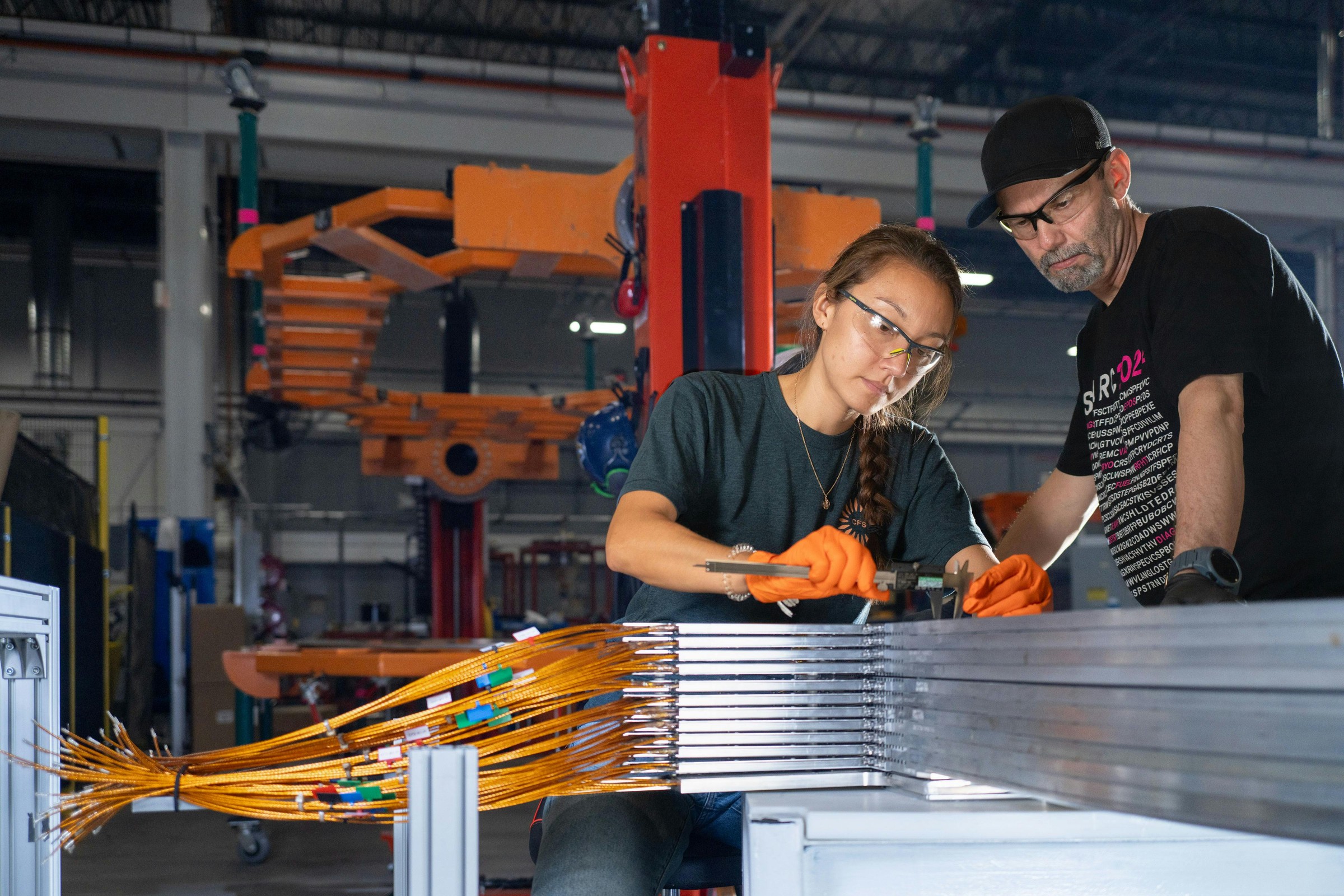
Commonwealth Fusion Systems fusion doughnut - a part of it being assembled
Commonwealth Fusion Systems fusion doughnut – a part of it being assembled

Unlike most oil and gas companies, Italy’s Eni is walking the walk and aims to be carbon free by 2050. In a bold move Eni invested in an American fusion company, Commonwealth Fusion Systems (CFS) and have recently announced a power offtake agreement worth more than $1 billion, expanding a longstanding strategic partnership between the companies to commercialize fusion power.

For a backgrounder on fusion and why it’s so hard, our writer Brian Nitz explains.

The power purchase agreement (PPA) concerns Eni’s acquisition of decarbonized power from CFS’s 400 MW Chesterfield County, Virginia, which is expected to connect to the grid in the early 2030s. Financial terms weren’t disclosed. This is the second offtake agreement that CFS has signed in three months for its first grid-scale fusion power plant.

“The agreement with Eni demonstrates the value of fusion energy on the grid. It is a big vote of confidence to have Eni, who has contributed to our execution since the beginning, buy the power we intend to make in Virginia,” said Bob Mumgaard, Co-founder and CEO of CFS. “Our fusion power attracts diverse customers across the world — from hyperscalers to traditional energy leaders — because of the promise of clean, almost limitless energy.”

“This strategic collaboration, with a tangible commitment to the purchase of fusion energy, marks a turning point in which fusion becomes a full industrial opportunity,” said Eni CEO Claudio Descalzi. “Eni has been strengthening its collaboration with CFS with its technological know-how since it first invested in the company in 2018. As energy demand grows, Eni supports the development of fusion power as a new energy paradigm capable of producing clean, safe, and virtually inexhaustible energy. This international partnership confirms our commitment to making fusion energy a reality, promoting its industrialization for a more sustainable energy future.”

Eni is a global energy tech company operating in 64 Countries, with about 32,500 employees. Originally an oil & gas company, it has evolved into an integrated energy company, playing a key role in ensuring energy security and leading the energy transition. Eni’s goal is to achieve carbon neutrality by 2050 through the decarbonization of its processes and of the products it sells to its customers.

In line with this goal, Eni invests in the research and development of technologies that can accelerate the transition to increasingly sustainable energy. Renewable energy sources, bio-refining, carbon capture and storage are only some examples of Eni’s areas of activity and research.

In addition, the company is exploring game-changing technologies such as fusion energy – a technology based on the physical processes that power stars and that could generate safe, virtually limitless energy with zero emissions.

The PPA follows CFS’ $863 million Series B2 round in which Eni increased its investment in CFS. Eni, which was among the first to invest in CFS in 2018 and believe in fusion, is today a strategic shareholder.

while many contemplate pie, we still can't stop thinking about donuts. Here's one half of SPARC's vacuum vessel, the donut-shaped chamber where the fusion reaction will occur, making its way through the fabrication process.
Commonwealth Fusion Systems

In 2023 the two companies signed a collaboration agreement to accelerate fusion energy development. The collaboration between the companies includes operational and technological support; project execution through the sharing of methodologies learned from the energy industry; and relationships with stakeholders.

The PPA further validates that CFS is on the most promising path to deliver commercial fusion power in the coming years. The company has demonstrated its capabilities by developing key advances in high-temperature superconducting magnets and sustaining its execution velocity in the construction of the SPARC fusion demonstration machine in Devens, Massachusetts.

Eni, a global tech energy company based in San Donato Milanese, Italy, has been active in the US energy sector since 1968. The company’s operations include oil and natural gas production, renewables and biofuel. Eni also invests in innovative technologies for the energy transition through its Boston-based corporate venture capital division, Eni Next.

Rendering of SPARC, a compact, high-field, DT burning tokamak, currently under design by a team from the Massachusetts Institute of Technology and Commonwealth Fusion Systems. It's mission is to create and confine a plasma that produces net fusion energy. CAD rendering by T. Henderson, CFS/MIT-PSFC​
Rendering of SPARC, a compact, high-field, DT burning tokamak, currently under design by a team from the Massachusetts Institute of Technology and Commonwealth Fusion Systems. It’s mission is to create and confine a plasma that produces net fusion energy. CAD rendering by T. Henderson, CFS/MIT-PSFC​

Commonwealth Fusion Systems is the world’s largest and leading private fusion company. The company’s marquee fusion project, SPARC, will generate net energy, paving the way for limitless carbon-free energy. The company has raised almost $3 billion in capital since it was founded in 2018.


Saudi Arabia’s grand mufti Sheikh Abdulaziz bin Abdullah al-Sheikh dies at 84

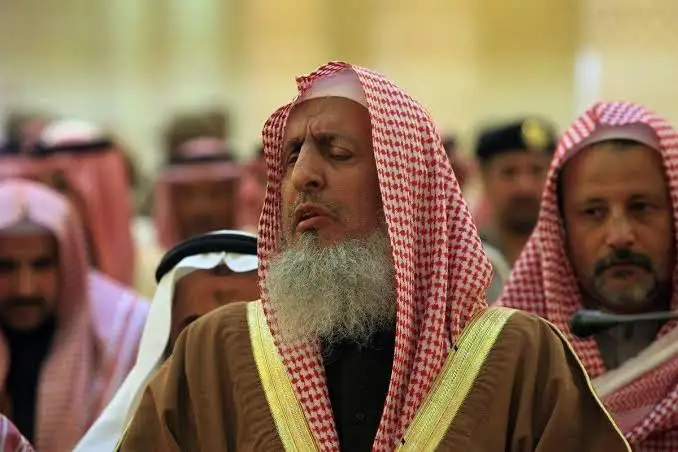
Sheikh Abdulaziz bin Abdullah al-Sheikh

Saudi Arabia’s grand mufti, Sheikh Abdulaziz bin Abdullah al-Sheikh, who served as the kingdom’s top religious cleric for over 25 years, has died in Riyadh. He was 84. Funeral prayers were attended by Crown Prince Mohammed bin Salman, the kingdom’s de facto ruler. The funeral was held at the Imam Turki bin Abdullah Mosque in Riyadh.

As grand mufti since 1999, Sheikh Abdulaziz held one of the most influential religious roles in the Sunni Muslim world. Saudi Arabia, home to the holy cities of Mecca and Medina and the annual Hajj pilgrimage, has long tied state legitimacy to clerical authority under its strict Wahhabi interpretation of Islam.

Sheikh Abdulaziz’s role as grand mufti put him in the spotlight because of every Muslim’s goal of attending the annual Hajj pilgrimage required of all able-bodied Muslims once in their lives. The grand mufti’s words are carefully followed. (Related: take these steps and jump into the Green Prophet guide for a greener Hajj).

Blind from a young age, Sheikh Abdulaziz was appointed grand mufti by the House of Saud’s King Fahd. Fahd was King and Prime Minister of Saudi Arabia from 13 June 1982 until his death in 2005.

Sheikh Abdulaziz’s rulings reflected decades of Islamic ultraconservative thought, once condemning mobile phone cameras as a threat to morality and he compared chess to gambling. (This year the Taliban banned chess). He opposed women driving and described gender mixing as “evil and catastrophe” before later softening his stance as the state changed course. Saudi Arabia decided to let women drive in 2018.

At times, his comments provoked international backlash. In 2015, he reportedly told Kuwaiti officials it was “necessary to destroy all the churches of the region” in the Arabia peninsula— remarks his aides later attempted to downplay. He also issued sectarian statements against Shiite Muslims, particularly following Iran’s criticism of Saudi Arabia after the deadly 2015 Hajj stampede.

Luckily for the western world, and peaceful prospects in the region through the Abraham Accords, he condemned al-Qaida and the so-called Islamic State, calling them “enemy No. 1 of Islam.” After 9/11, when Saudi Arabia battled an al-Qaida insurgency within its own borders, he rejected militant jihad as “fake.” We should not forget that 15 of the 9/11 hijackers were from Saudi Arabia.

From Wahhabism to Vision 2030

Children look at model of The Line, a 15-minute city part of Neom, Saudi Arabia
The Line, a 15-minute city built on the Red Sea, part of the mega-project called Neom

Sheikh Abdulaziz’s career spanned a period of dramatic transformation under the House of Saud, a grand kingdom that rose from rules in mud castles. Once aligned tightly with the religious establishment, the monarchy gradually moved to curtail clerical power — especially under Saudi Arabia’s young visionary Crown Prince Mohammed bin Salman.

In 2018,  under Crown Prince Mohammed bin Salman, Saudi Arabia ended the ban on women driving — a watershed reform that the grand mufti eventually supported.

The University of Novarra’s Naomi Moreno, pens a piece on Saudi reform saying it might be being more for optics than for real change within: “While some perceive the crown prince’s actions to be a genuine move towards reforming Saudi society, several indicators point to the possibility that MBS might have more practical reasons that are only tangentially related to progression for progression’s sake. As the thinking goes, such decrees may have less to do with genuine reform, and more to do with improving an international image to deflect from some of the kingdom’s more controversial practices, both at home and abroad. A number of factors drive this public scepticism.”

Mohammed bin Salman’s “Vision 2030” supervised by Sheikh Abdulaziz has also pushed massive economic liberalization, from Saudi Aramco’s controversial IPO to the multibillion-dollar mega-city NEOM. While any PR material put out by Saudi Arabia’s development companies, owned and operated by the House of Saud, tout sustainability objectives, no third party organizations or journalists can verify any claims.

Eco Branding or Environmental Boondoggle?

The grand mufti’s declining influence coincided with Saudi Arabia rebranding itself as a global hub for tourism and sustainability, no doubt advised to them by well-paid consultants and architects eager for multi-million, even billion dollar contracts. Ultra-luxury resorts are being marketed as eco-destinations across the Red Sea and virgin islands, even as construction threatens pristine habitats. See Shebara.

Shebara, a new “eco” resort carved into a pristine island

From coral reefs to fragile desert ecosystems, critics argue that these projects risk becoming environmental boondoggles — glossy green branding masking ecological disruption. The dynamic mirrors other regional tragedies, such as the controversial Qatari-backed resort development on Assomption Island near the Aldabra Atoll.

“Sheikh Abdulaziz served the faith and the nation with dedication,” the Saudi Royal Court said in its obituary statement. Yet his legacy remains contested: a staunch defender of Wahhabi orthodoxy who presided over a society that — under royal command — shifted toward liberalization, consumerism, and grand “eco” visions for the future.

As Saudi Arabia accelerates its transformation, the passing of its top cleric who memorized the Qu’ran at age 10 underscores the changing face of religious authority and perhaps tolerance in a kingdom increasingly defined by megaprojects, oil wealth, and the House of Saud’s push to rebrand itself for a post-oil world.

Egyptian locust appears at English beach town signaling climate change

0
The trust said the species were thought to arrive on the strong winds from the south east, adding it was likely the locust arrived on the same wind "that's dumping Saharan dust on our cars overnight".
An Egyptian locust appears in Cornwall

Locust invasions once seemed like a relic of ancient or faraway crises — the stuff of Bible stories or news from Africa and the Middle East. Over the years, we’ve chronicled grim scenes in Yemen and Egypt, and even spotlighted creative survival strategies (like the recipes of chef Moshe Basson) turning locusts from scourge to sustenance. But what was once viewed as someone else’s problem may now creep into British backyards.

In August 2025, a gardener in Cornwall spotted an Egyptian locust (Anacridium aegyptium) in their garden — a rare find in the UK. The Cornwall Wildlife Trust confirmed the sighting, noting that such insects are typically native to the Mediterranean and North Africa according to the Cornwall Wildlife Trust.

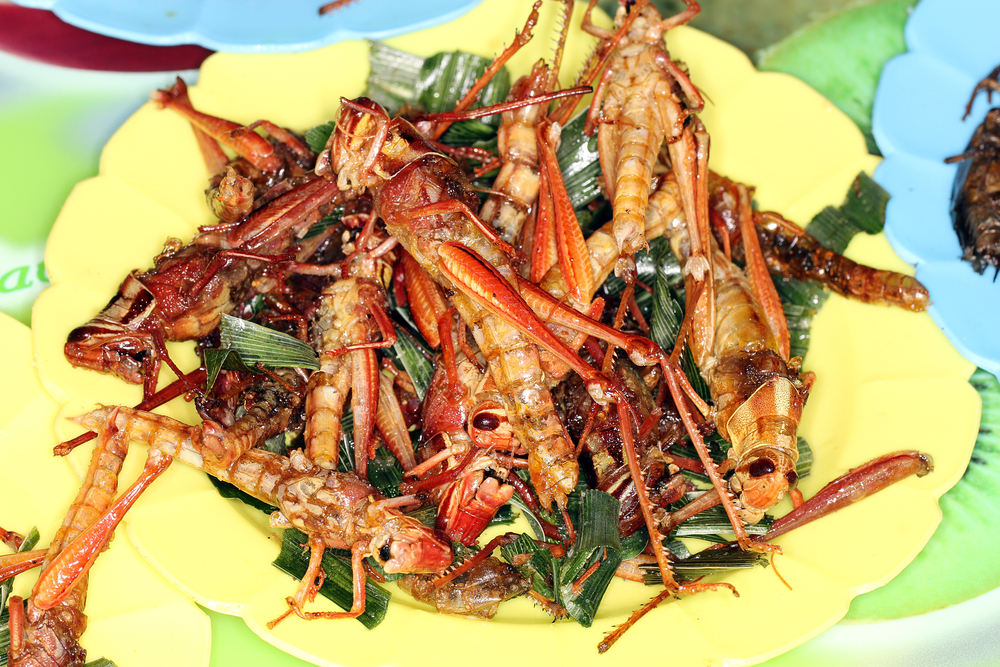
Fried grasshoppers by chef Moshe Basson –- get the recipe here

Experts believe this locust was carried north by the same meteorological system that deposited Saharan dust across Cornwall. While one or two migrant locusts reach Britain each year, climate shifts could make the UK more welcoming to non-native species in the years ahead and this worries ecologists and farmers. The trust said the species were thought to arrive on the strong winds from the south east, adding it was likely the locust arrived on the same wind “that’s dumping Saharan dust on our cars overnight”.

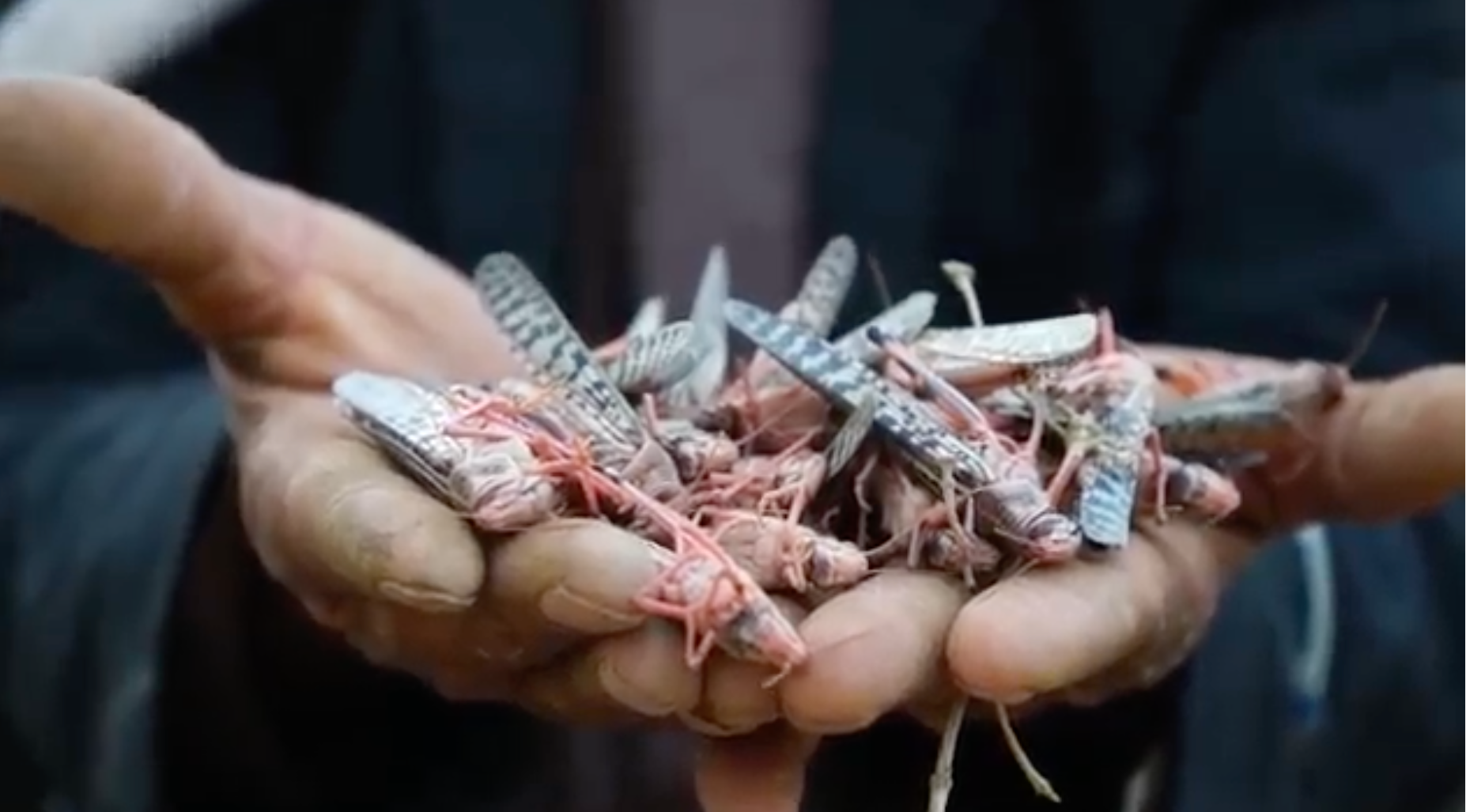
handful of locusts, grasshopper plague yemen, africa, ethiopia
A handful of locusts in Yemen

The Cornwall Trust urges residents to report unusual insect sightings, helping build a picture of new species’ movements and possible ecological impacts.

The idea of locusts sweeping across the region is not hyperbole — history bears it out:

  • Between 2019 and 2022, enormous swarms of desert locusts (Schistocerca gregaria) devastated parts of East Africa, the Arabian Peninsula, and the Middle East, threatening crops and food security across 23 countries.

  • In Yemen, conflict weakened agricultural monitoring systems, making the country a key breeding ground. Efforts supported by the FAO and other partners managed to control infestations over tens of thousands of hectares according to the World Bank.

These episodes show how quickly locusts can transform from scattered pests into regional plagues, especially when conditions align in their favor — heat, rainfall after drought, and weak surveillance systems.

chef moshe basson with locusts
Chef Moshe Basson makes meals from Egyptian locusts. They are the only insect that can be considered kosher to eat

What This Means for the UK and the world?

So why should a single locust in Cornwall matter? Because it might be a harbinger of climate change and shifting weather patterns. Warmer, drier extremes and stronger winds can help migratory insects push further north. A recent study links increased locust outbreaks to climate anomalies like heavier rainfall and wind patterns.

Locusts are known for their gregarious transformation: under crowded conditions and favorable environments, solitary locusts morph into swarming hordes, dramatically increasing their threat.  If the UK becomes more hospitable—warmer summers, longer dry periods—such migrant insects may find it easier to survive and reproduce beyond occasional stragglers.

If locusts concern you, read about the devastating locust plague in Africa in 2020, and tips for getting rid of the plague.

This furniture isn’t built, it grows from mushrooms

0
Anomalia transforms waste into furniture

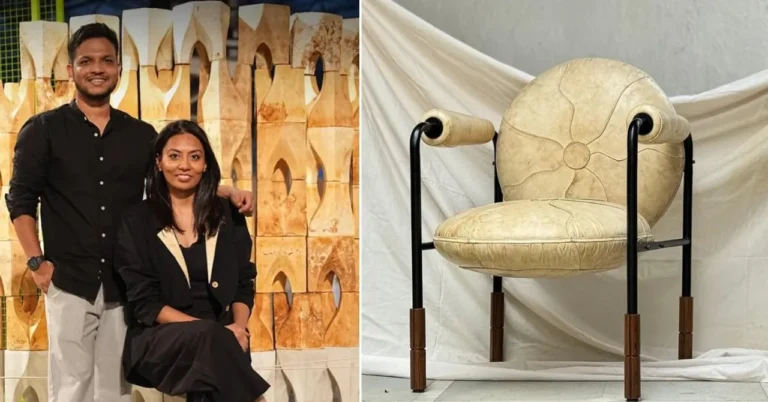
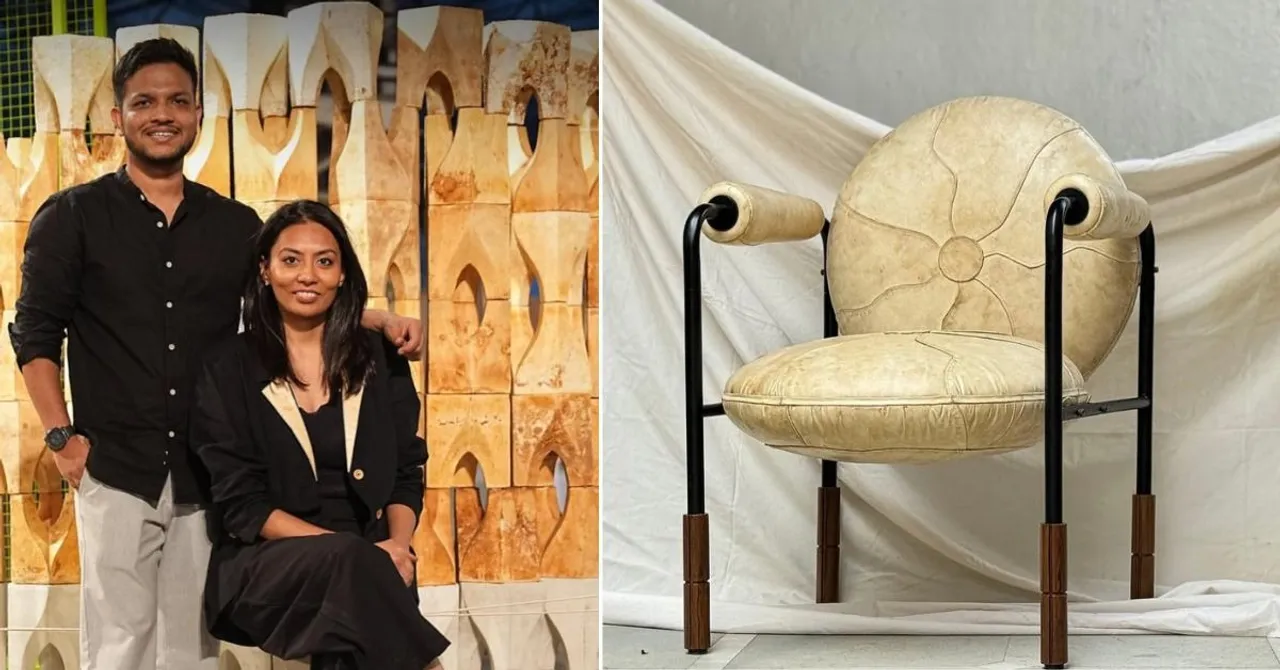
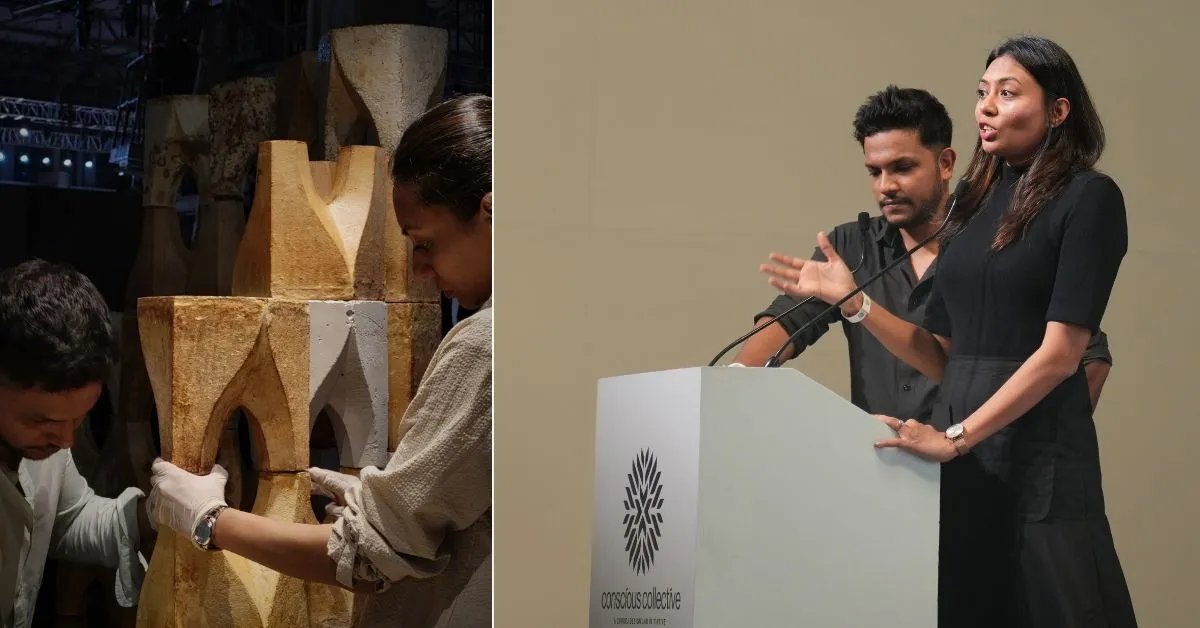
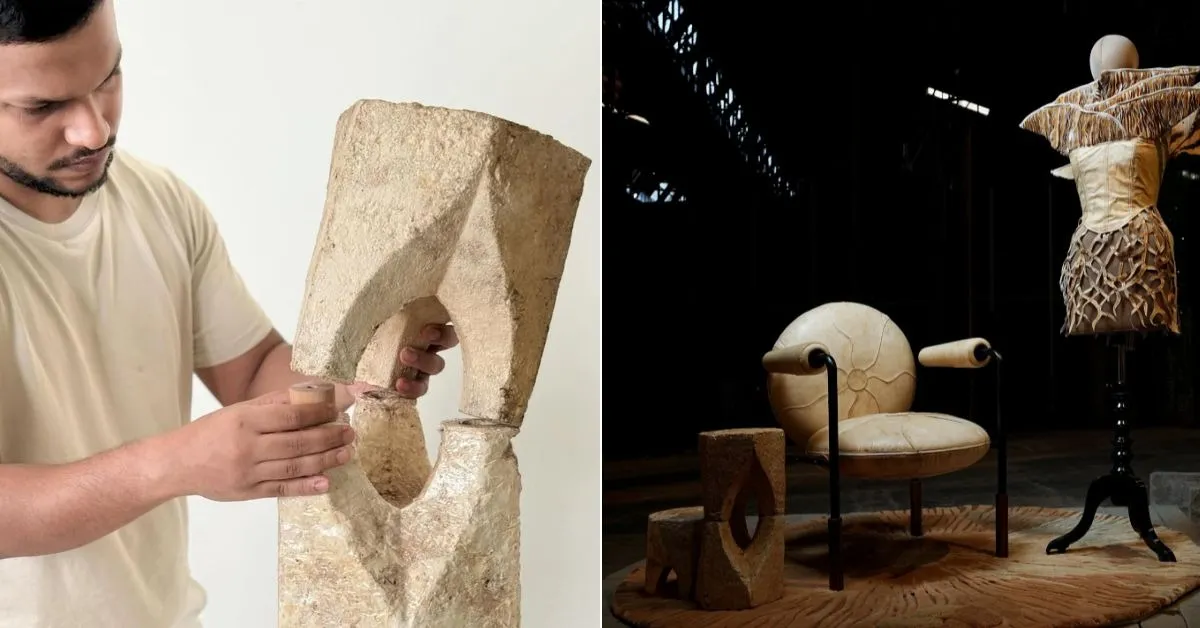
In Mumbai, architects Bhakti Loonawat and Suyash Sawant are proving that furniture doesn’t always have to be cut, nailed, or welded together. Through their design practice Anomalia, the duo is coaxing mushrooms into consoles, blocks, and textiles—lightweight, durable, and fully biodegradable pieces that challenge the way we think about materials.

Step inside a sunlit Mumbai apartment and you’ll find a console table that appears sleek and conventional at first glance. Look closer, though, and its supporting columns are not wood, stone, or steel, but mycelium—the filamentous root network of fungi.

mushroom furniture, mycelium design, sustainable furniture India, circular design materials, eco furniture Mumbai, Bhakti Loonawat, Suyash Sawant, Anomalia architecture, fungi-based materials, biodegradable furniture, Venice Biennale sustainable design, mushroom blocks furniture, mycelium textiles, vegan leather alternatives, crop waste reuse, innovative sustainable materials

Related: a guide to making mushroom paper

Interior architect Huzefa Rangwala, co-founder of the studio MuseLAB, was among the first to experiment with these pieces. “We bought two consoles for a client project,” he explains. “They’re light, easy to move, and strong enough to hold everyday use, but they don’t dominate the space. The combination of mushroom bases with a wooden top feels familiar yet innovative.”

mushroom furniture, mycelium design, sustainable furniture India, circular design materials, eco furniture Mumbai, Bhakti Loonawat, Suyash Sawant, Anomalia architecture, fungi-based materials, biodegradable furniture, Venice Biennale sustainable design, mushroom blocks furniture, mycelium textiles, vegan leather alternatives, crop waste reuse, innovative sustainable materials

For Rangwala, whose work frequently intersects with sustainability, the appeal lies in supporting material innovation. “Design has to move beyond surface aesthetics,” he adds. “If new materials reduce waste and emissions, we all benefit.”

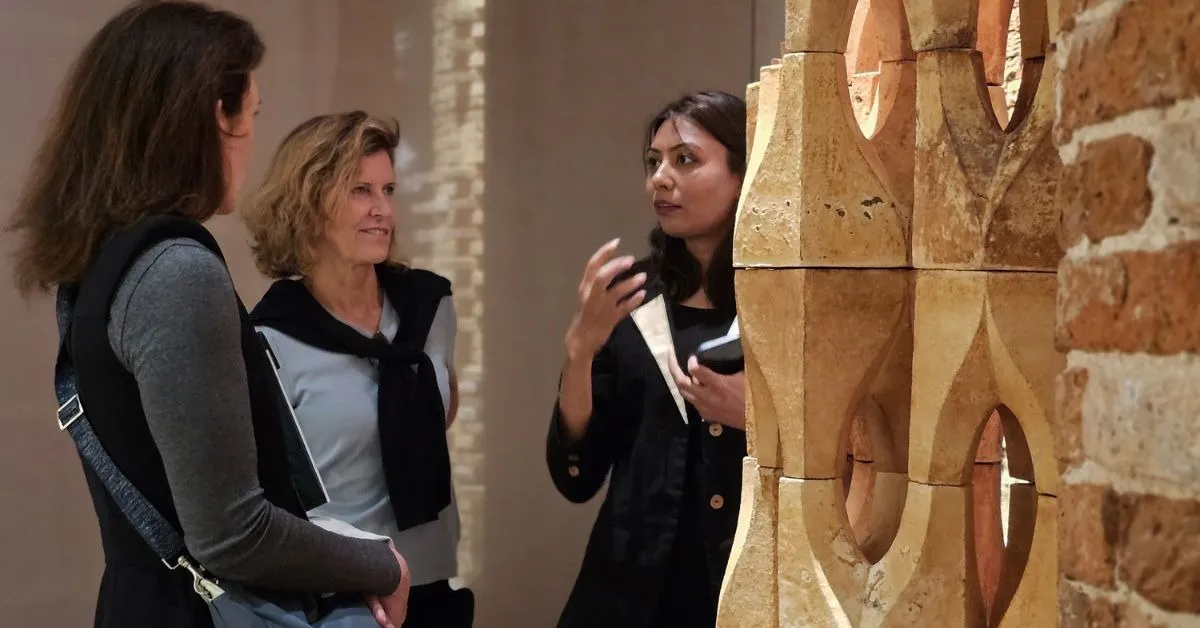
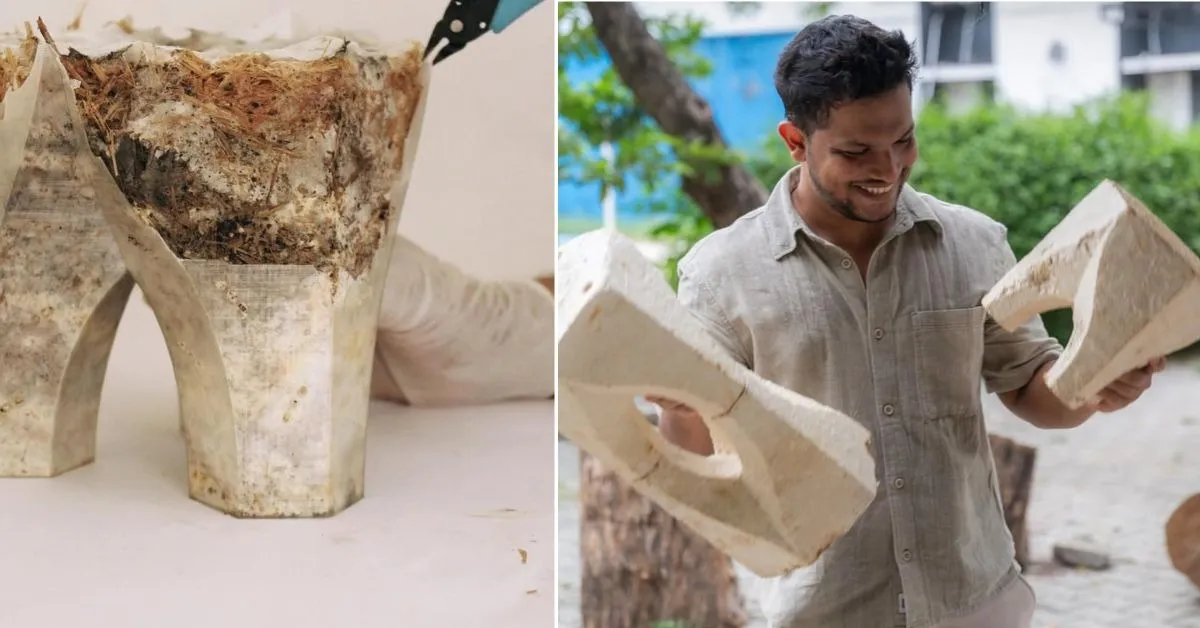
Globally, mycelium has been explored as an alternative for packaging, textiles, and even fashion. In India, however, furniture applications remain rare. Anomalia’s “Grown Not Built” collection changes that by offering modular blocks made from agricultural waste bound with mycelium.

mushroom furniture, mycelium design, sustainable furniture India, circular design materials, eco furniture Mumbai, Bhakti Loonawat, Suyash Sawant, Anomalia architecture, fungi-based materials, biodegradable furniture, Venice Biennale sustainable design, mushroom blocks furniture, mycelium textiles, vegan leather alternatives, crop waste reuse, innovative sustainable materials mushroom furniture, mycelium design, sustainable furniture India, circular design materials, eco furniture Mumbai, Bhakti Loonawat, Suyash Sawant, Anomalia architecture, fungi-based materials, biodegradable furniture, Venice Biennale sustainable design, mushroom blocks furniture, mycelium textiles, vegan leather alternatives, crop waste reuse, innovative sustainable materials mushroom furniture, mycelium design, sustainable furniture India, circular design materials, eco furniture Mumbai, Bhakti Loonawat, Suyash Sawant, Anomalia architecture, fungi-based materials, biodegradable furniture, Venice Biennale sustainable design, mushroom blocks furniture, mycelium textiles, vegan leather alternatives, crop waste reuse, innovative sustainable materials

Each block weighs only 1.5 kilograms, yet can withstand compressive loads of up to 1.5 tons—a tenth the weight of concrete with comparable strength. From these building blocks, Bhakti and Suyash assemble stools, tables, shelves, or partitions. A second line, “MycoLiving”, extends their experiments into textiles, producing pliable sheets of mushroom material as vegan alternatives to leather for seating and upholstery.

“The beauty of mycelium is its circularity,” Bhakti says. “Conventional furniture ends up in landfills. Ours can return safely to the soil within six months.”

The couple first tested mycelium during the pandemic, growing fungi in cupcake trays in their apartment kitchen. Realising its structural potential, they scaled up experiments into bricks, partitions, and eventually furniture. By 2022, they had launched Anomalia.

Just three years later, their mushroom furniture was showcased at the Venice Biennale in 2025, and in Seoul they unveiled a 4-meter-wide mycelium façade—evidence that fungi could go beyond interiors into architecture itself.

Sustainability Rooted in Waste

India’s agricultural sector generates vast crop residues, much of which is burned, worsening air pollution. Anomalia diverts this waste stream, binding it with fungi to create new material value.

“It’s biodegradable, strong, and avoids landfill,” says Suyash. “We don’t want our work to look like ‘eco furniture.’ It should feel elegant and timeless while also being regenerative.”

Designing with fungi isn’t like working with cement or timber. Mycelium growth is vulnerable to contamination and moisture, requiring controlled airflow and drying. Untreated, it doesn’t hold up well outdoors. To extend its life, Anomalia uses natural coatings like beeswax or lime plaster and bakes blocks to deactivate growth while preserving strength.

Financially, too, the process is demanding. The pair initially relied on savings and small grants, while running their architectural practice in parallel. “It’s bootstrapped but intentional,” Bhakti notes. “We want to grow responsibly, not mass-produce.”

So far, Anomalia has sold around 100 mycelium blocks and a handful of furniture units in Mumbai and Surat, with plans to set up manufacturing in India while collaborating with larger suppliers abroad. But the ambition stretches further.

“We dream of growing an entire house—walls, partitions, even the roof—out of fungi,” Suyash says. “That would demonstrate its true structural potential.”

For Anomalia, mushroom furniture is not just about creating new products; it’s about re-imagining design as a circular system. Materials, they believe, should serve their purpose and then return gracefully to the earth.

Inca Hernández Brings Liwa Farm Village to Life in Abu Dhabi, Rooted in Desert Heritage

0

Inca Hernández, Liwa Farm Village, Abu Dhabi architecture, desert architecture UAE, Liwa Oasis sustainable design, vernacular architecture Middle East, rammed earth construction UAE, desert farming innovation, sustainable communities Abu Dhabi, Al Gharbia heritage UAE, windcatcher architecture, eco-friendly building desert, date palm farming UAE, sustainable architecture Middle East, regenerative desert design

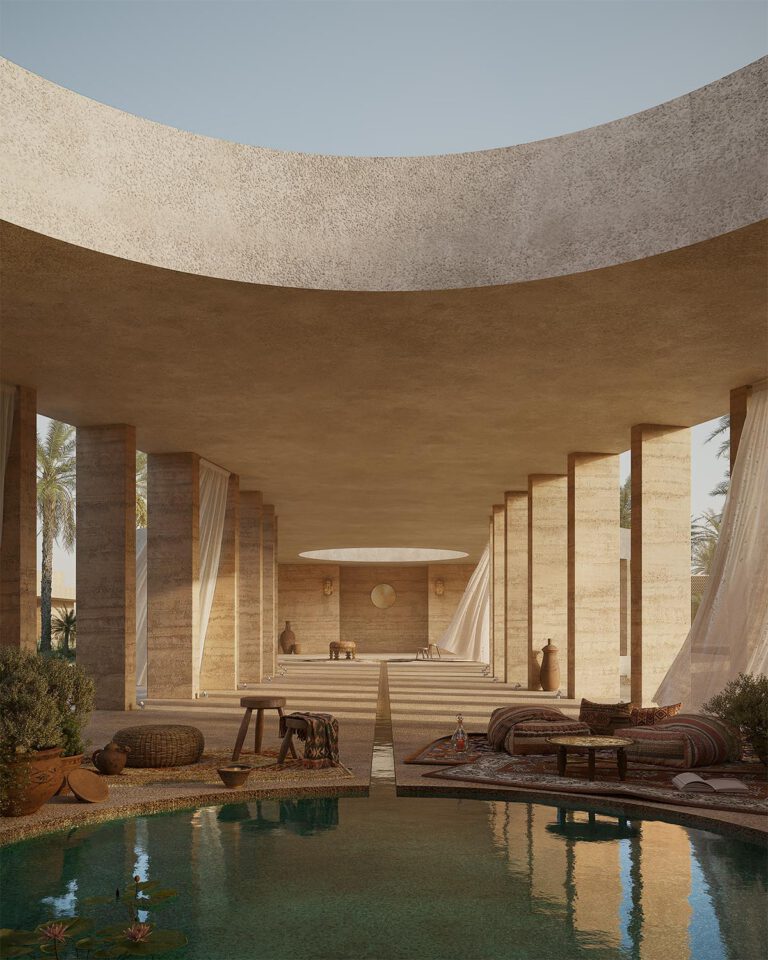
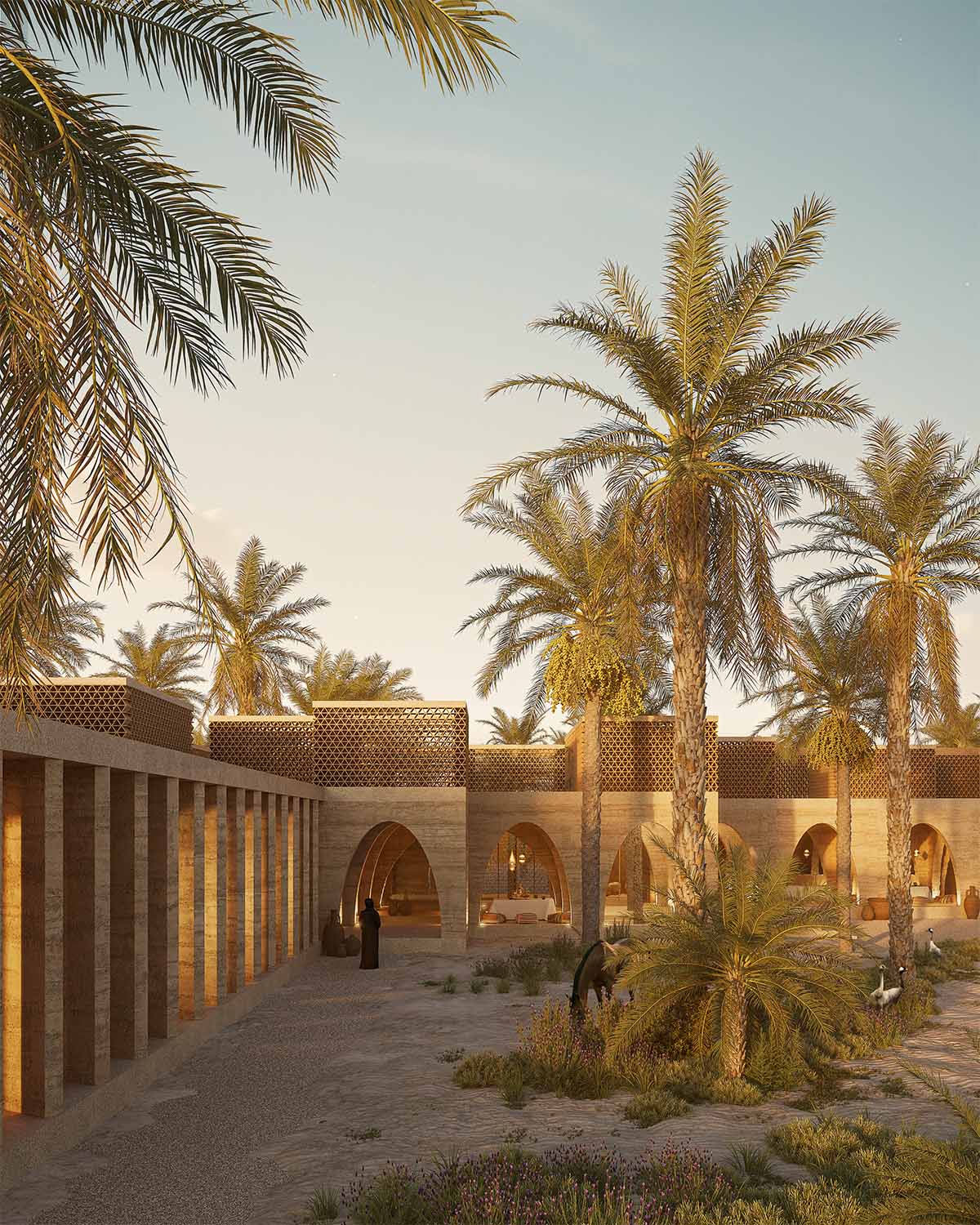
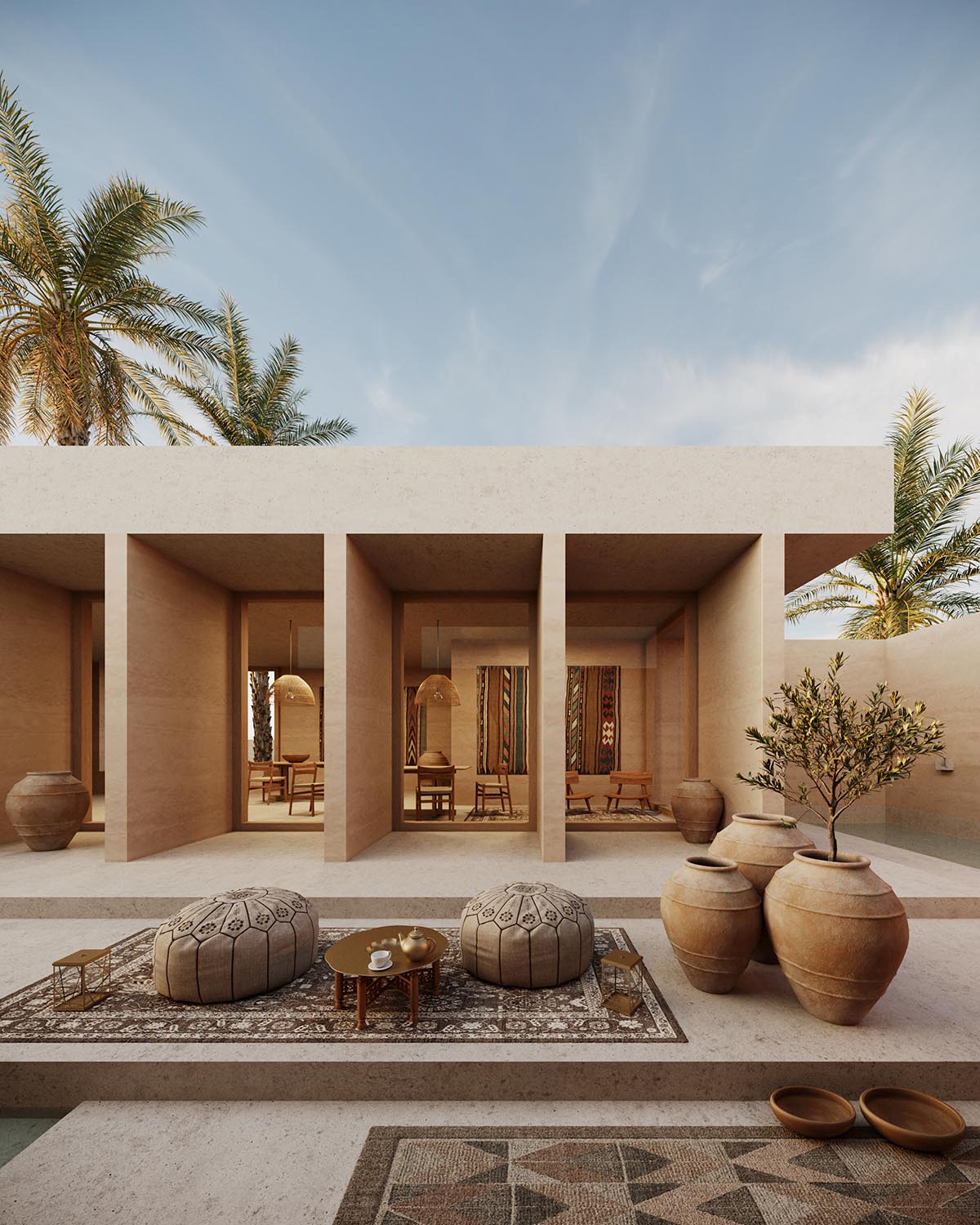
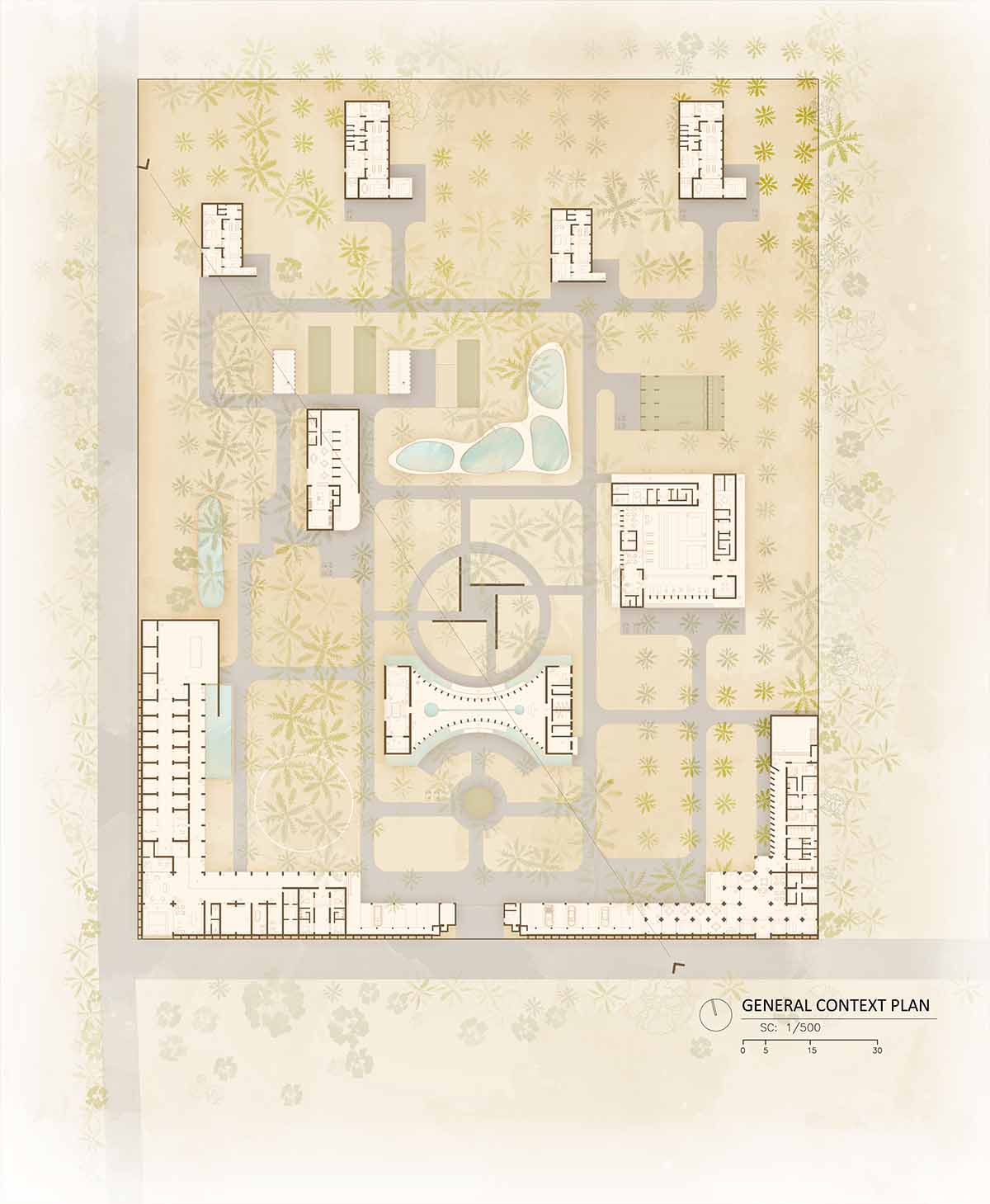
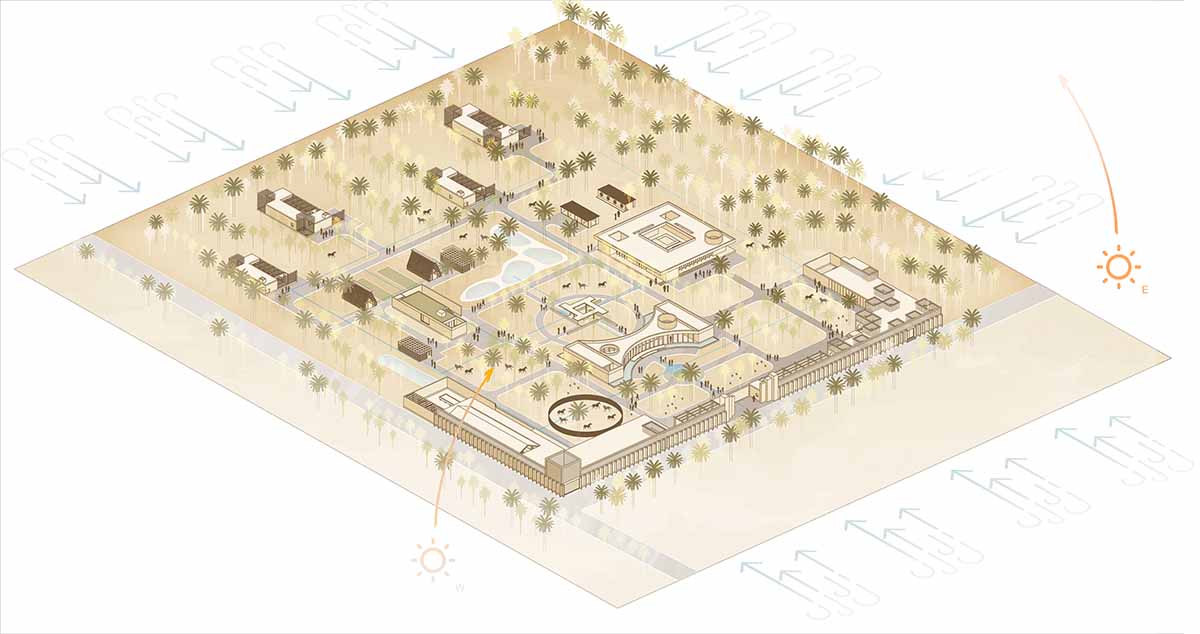
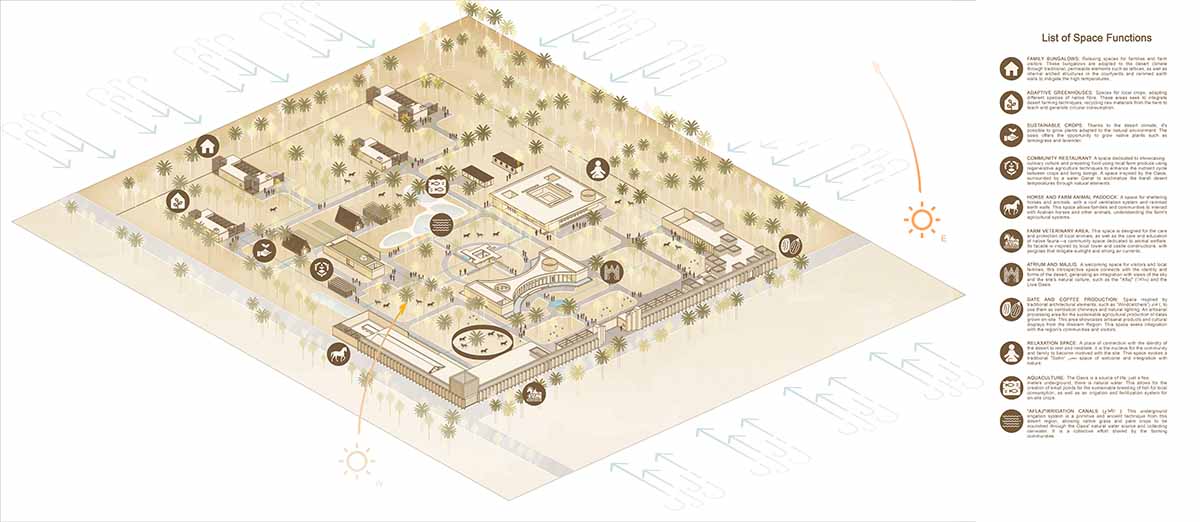
In the far reaches of Abu Dhabi’s Western Region, where the Rub’ al Khali desert stretches endlessly into Saudi Arabia, a new architectural vision is rising. Mexican architect Inca Hernández has unveiled Liwa Farm Village, a 7,000-square-meter project that reimagines what it means to live, work, and grow in harmony with one of the world’s harshest landscapes.

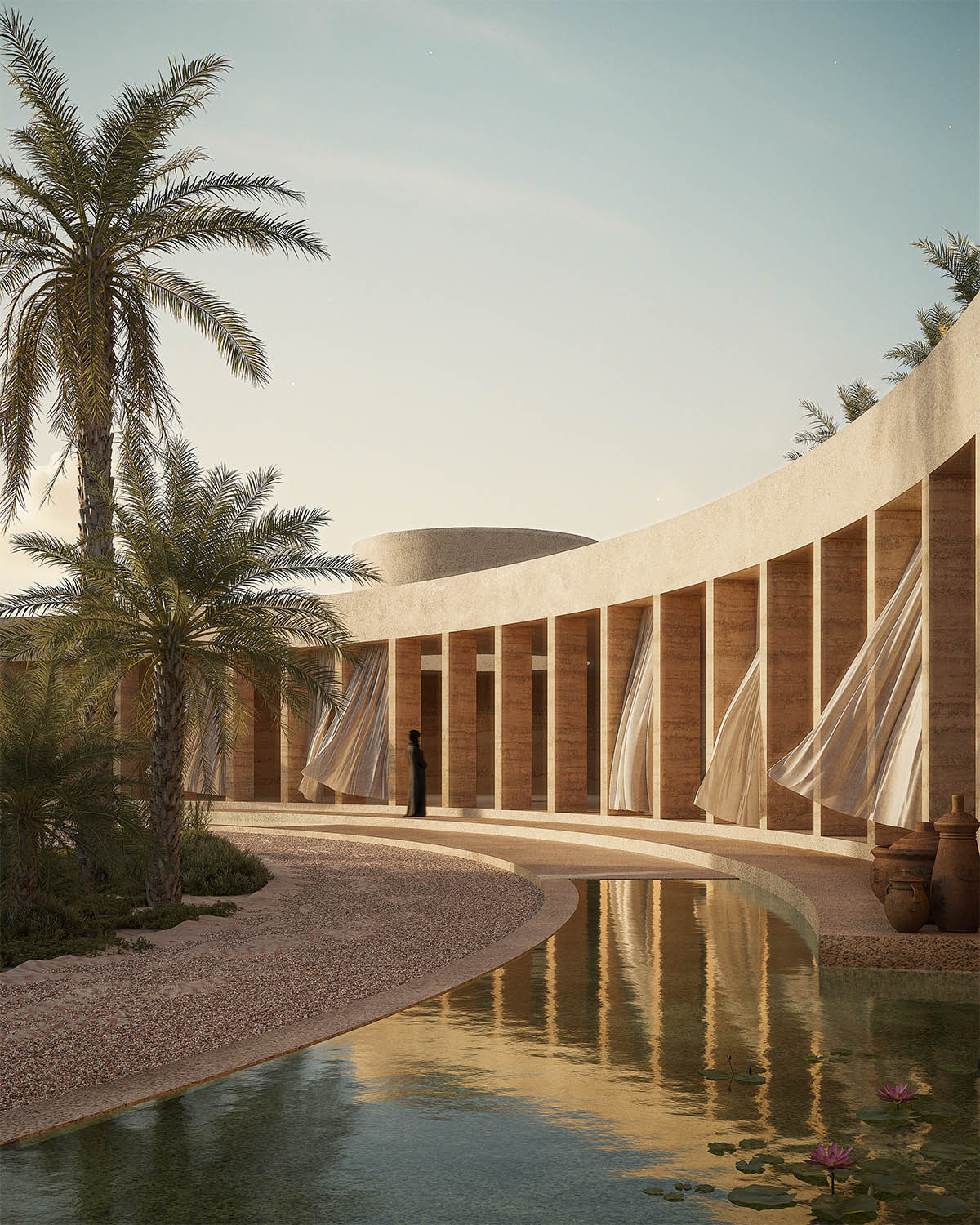
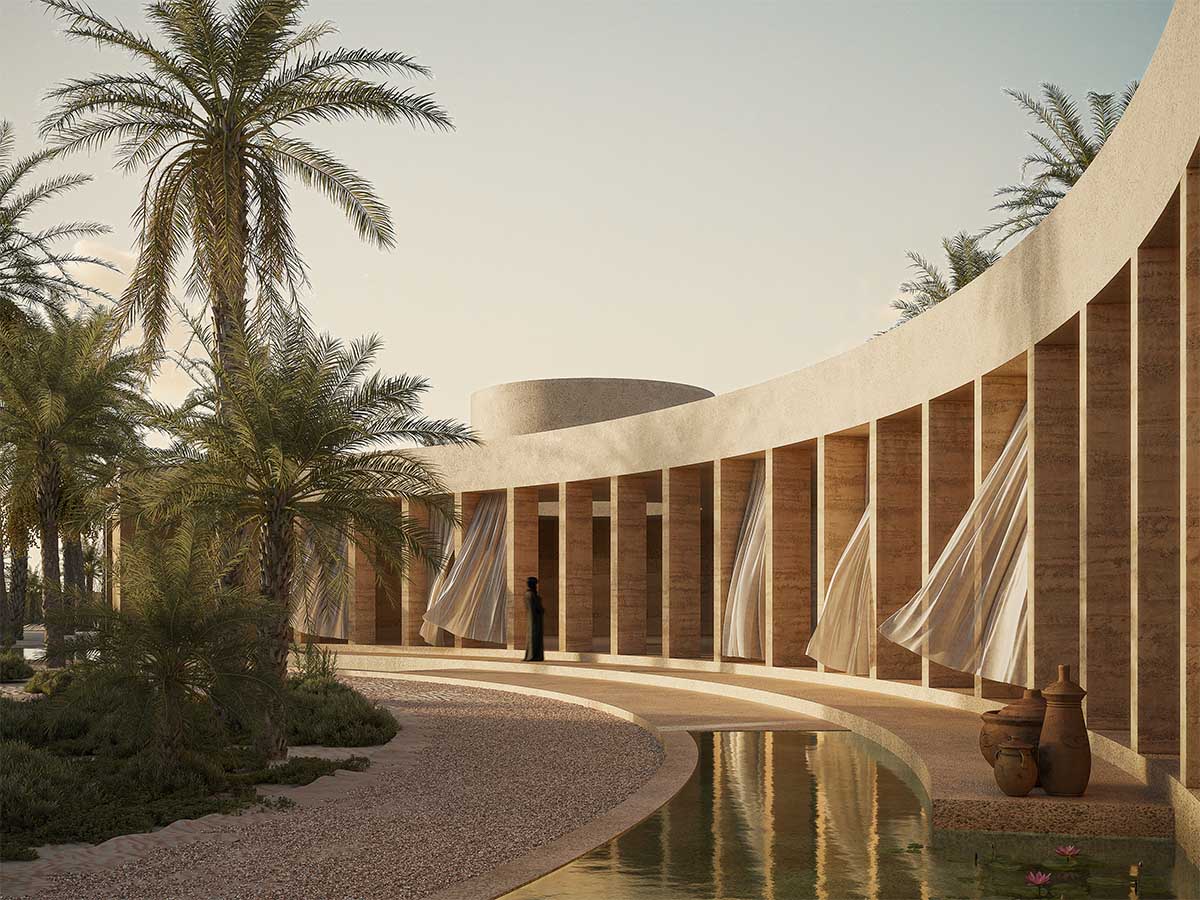
The project is sited near the Liwa Oasis, long revered as a lifeline in the desert. For centuries, this oasis shaped the livelihoods, fortifications, and traditions of the Emirate. The new design draws directly from this legacy—acknowledging the deep cultural roots of aflaj irrigation systems, vernacular desert architecture, windcatchers, and rammed-earth construction, while weaving them into a future-facing community space.

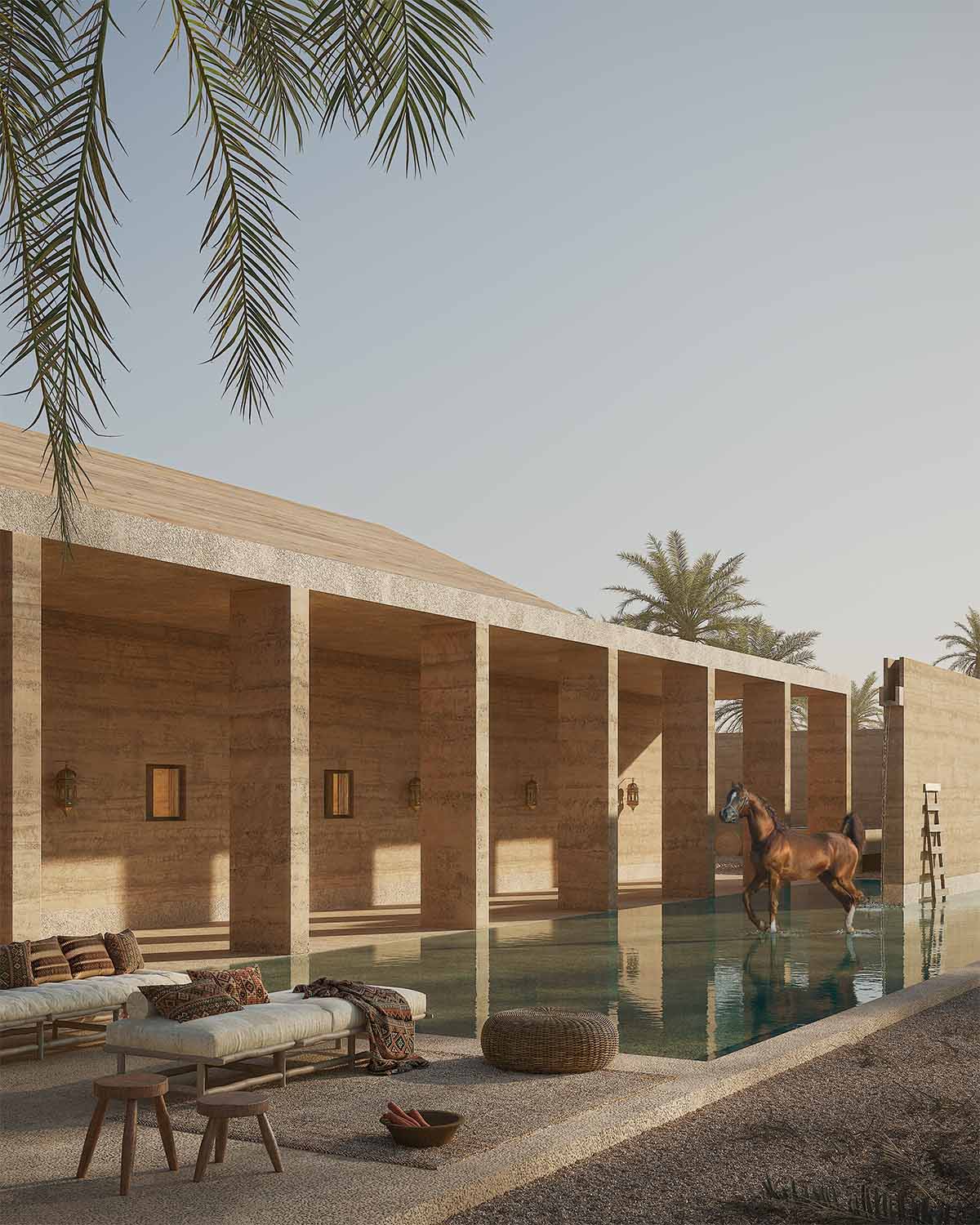
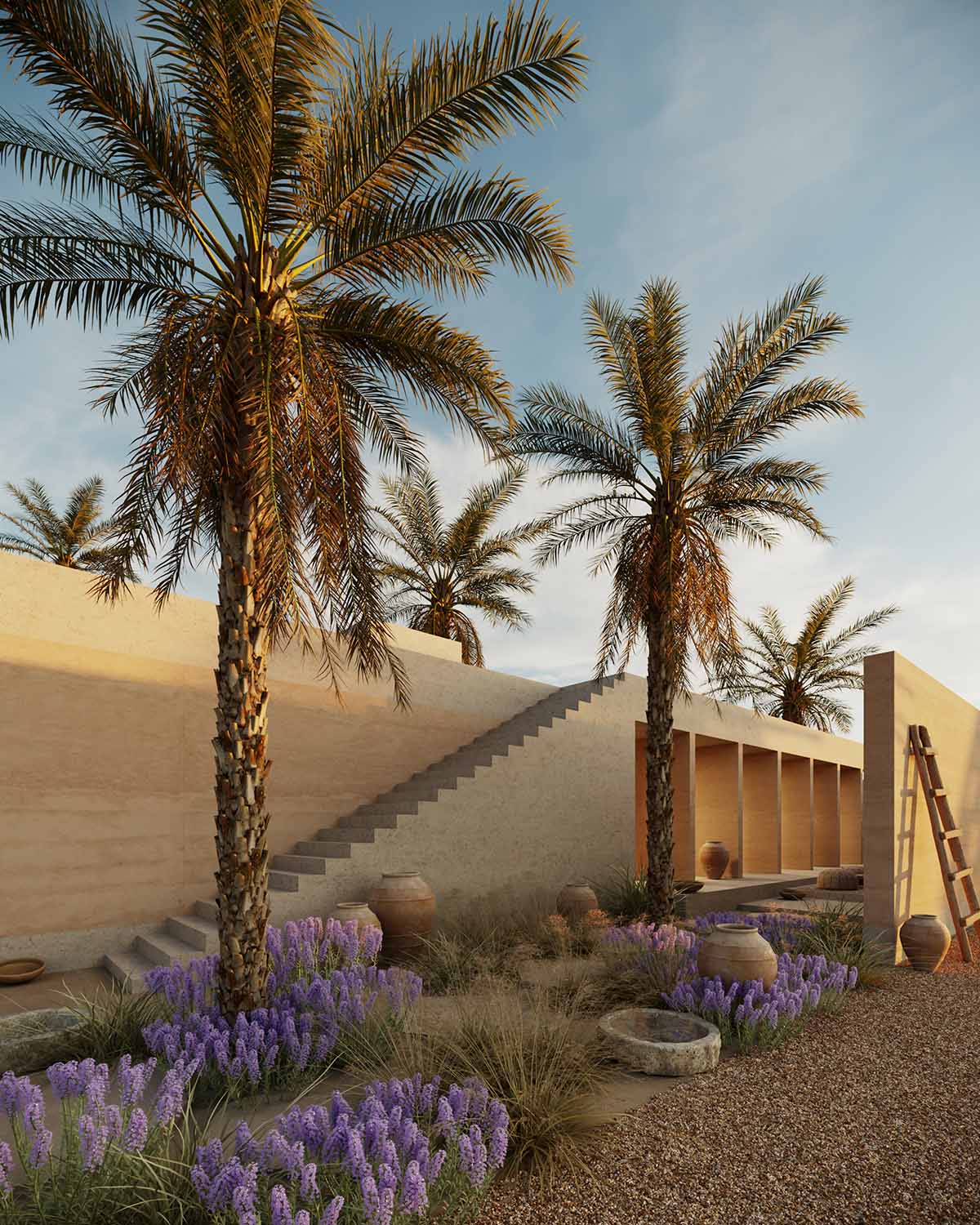
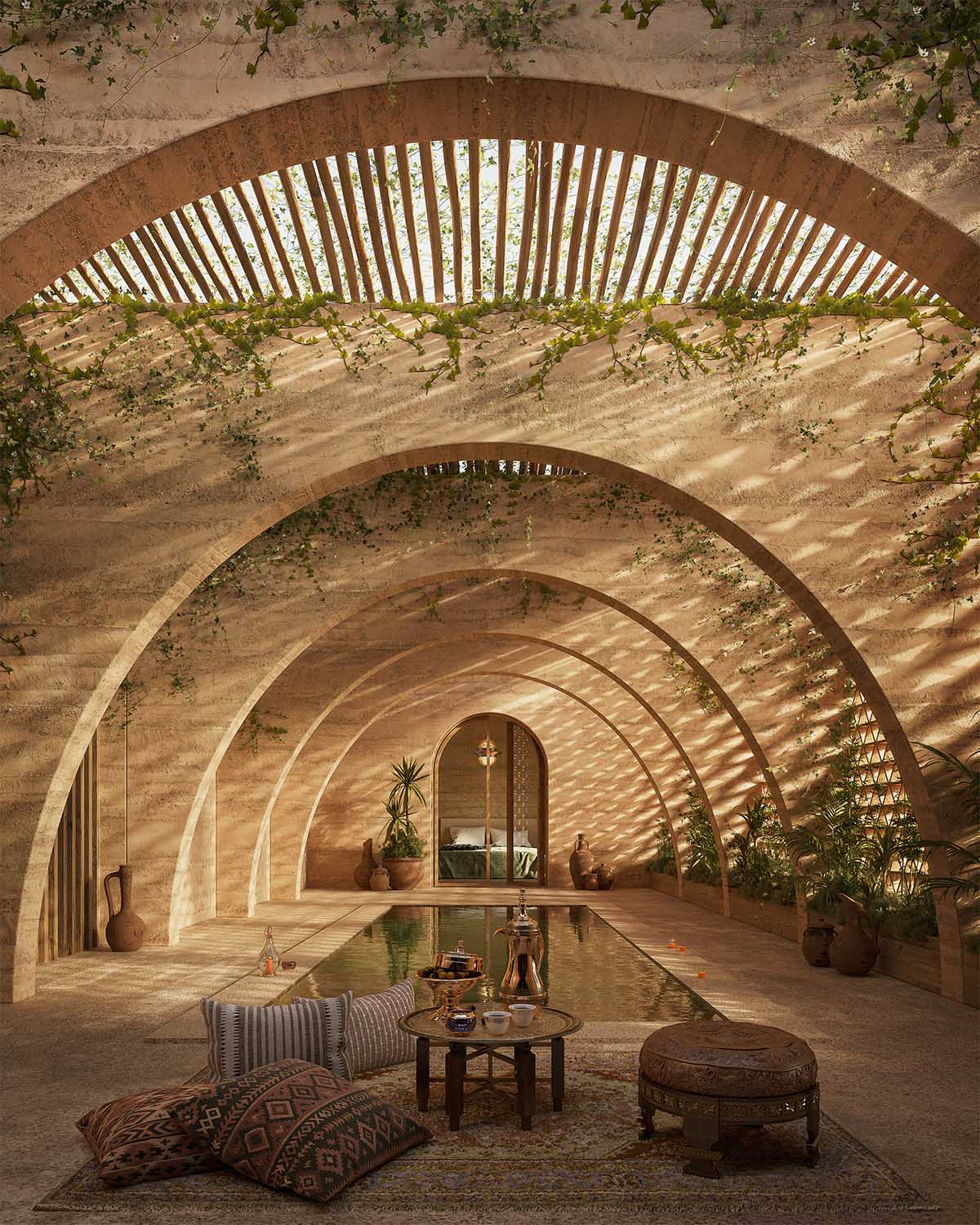
Hernández’s studio emphasizes construction methods that are both ecological and ancestral. Rammed-earth walls, strengthened with desert sand and pigmented concrete, anchor the village against the elements, offering natural thermal insulation in a place where heat defines daily life. Raised platforms protect buildings from seasonal shifts, while clay latticework channels breezes and shades interiors—an echo of the ingenious wind towers of old Arabia.

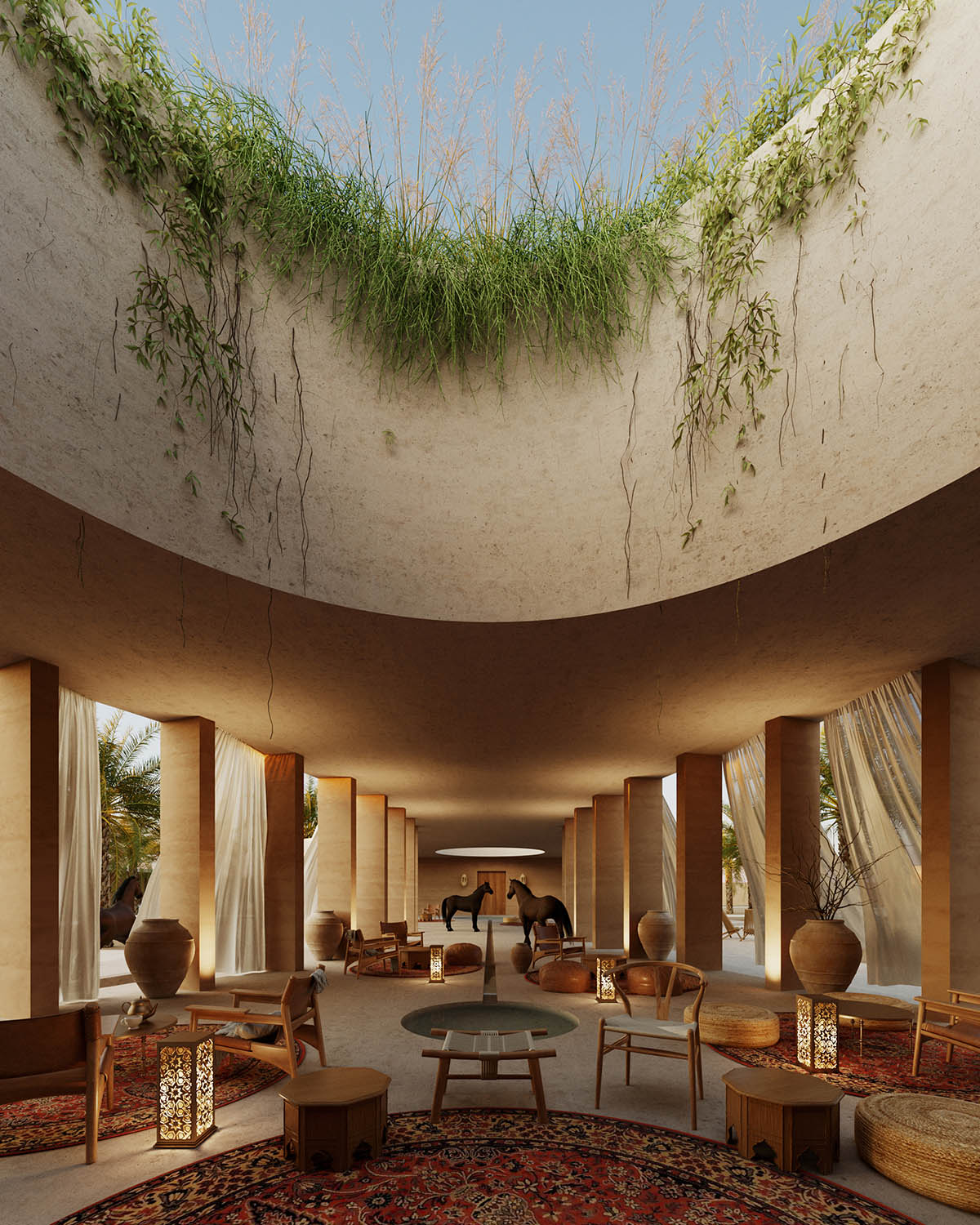
The result is architecture that breathes with the desert rather than imposing upon it. But why does it take a Mexican to re-imagine the past of the Arab world? Foreign influence on design, culture and architecture is far too common in Middle East oil countries eager to be bold and speaking the common language of the built environment of the west. The Arabian horse arrives on cue.

A Community Shaped by Nature and CulturInca Hernández, Liwa Farm Village, Abu Dhabi architecture, desert architecture UAE, Liwa Oasis sustainable design, vernacular architecture Middle East, rammed earth construction UAE, desert farming innovation, sustainable communities Abu Dhabi, Al Gharbia heritage UAE, windcatcher architecture, eco-friendly building desert, date palm farming UAE, sustainable architecture Middle East, regenerative desert designe Inca Hernández, Liwa Farm Village, Abu Dhabi architecture, desert architecture UAE, Liwa Oasis sustainable design, vernacular architecture Middle East, rammed earth construction UAE, desert farming innovation, sustainable communities Abu Dhabi, Al Gharbia heritage UAE, windcatcher architecture, eco-friendly building desert, date palm farming UAE, sustainable architecture Middle East, regenerative desert design Inca Hernández, Liwa Farm Village, Abu Dhabi architecture, desert architecture UAE, Liwa Oasis sustainable design, vernacular architecture Middle East, rammed earth construction UAE, desert farming innovation, sustainable communities Abu Dhabi, Al Gharbia heritage UAE, windcatcher architecture, eco-friendly building desert, date palm farming UAE, sustainable architecture Middle East, regenerative desert design Inca Hernández, Liwa Farm Village, Abu Dhabi architecture, desert architecture UAE, Liwa Oasis sustainable design, vernacular architecture Middle East, rammed earth construction UAE, desert farming innovation, sustainable communities Abu Dhabi, Al Gharbia heritage UAE, windcatcher architecture, eco-friendly building desert, date palm farming UAE, sustainable architecture Middle East, regenerative desert design Inca Hernández, Liwa Farm Village, Abu Dhabi architecture, desert architecture UAE, Liwa Oasis sustainable design, vernacular architecture Middle East, rammed earth construction UAE, desert farming innovation, sustainable communities Abu Dhabi, Al Gharbia heritage UAE, windcatcher architecture, eco-friendly building desert, date palm farming UAE, sustainable architecture Middle East, regenerative desert design Inca Hernández, Liwa Farm Village, Abu Dhabi architecture, desert architecture UAE, Liwa Oasis sustainable design, vernacular architecture Middle East, rammed earth construction UAE, desert farming innovation, sustainable communities Abu Dhabi, Al Gharbia heritage UAE, windcatcher architecture, eco-friendly building desert, date palm farming UAE, sustainable architecture Middle East, regenerative desert design Inca Hernández, Liwa Farm Village, Abu Dhabi architecture, desert architecture UAE, Liwa Oasis sustainable design, vernacular architecture Middle East, rammed earth construction UAE, desert farming innovation, sustainable communities Abu Dhabi, Al Gharbia heritage UAE, windcatcher architecture, eco-friendly building desert, date palm farming UAE, sustainable architecture Middle East, regenerative desert design Inca Hernández, Liwa Farm Village, Abu Dhabi architecture, desert architecture UAE, Liwa Oasis sustainable design, vernacular architecture Middle East, rammed earth construction UAE, desert farming innovation, sustainable communities Abu Dhabi, Al Gharbia heritage UAE, windcatcher architecture, eco-friendly building desert, date palm farming UAE, sustainable architecture Middle East, regenerative desert design Inca Hernández, Liwa Farm Village, Abu Dhabi architecture, desert architecture UAE, Liwa Oasis sustainable design, vernacular architecture Middle East, rammed earth construction UAE, desert farming innovation, sustainable communities Abu Dhabi, Al Gharbia heritage UAE, windcatcher architecture, eco-friendly building desert, date palm farming UAE, sustainable architecture Middle East, regenerative desert design Inca Hernández, Liwa Farm Village, Abu Dhabi architecture, desert architecture UAE, Liwa Oasis sustainable design, vernacular architecture Middle East, rammed earth construction UAE, desert farming innovation, sustainable communities Abu Dhabi, Al Gharbia heritage UAE, windcatcher architecture, eco-friendly building desert, date palm farming UAE, sustainable architecture Middle East, regenerative desert design

The layout unfolds like a living museum of desert traditions:

  • Date palm groves and agricultural plots integrate with housing and community spaces (all about date palms and sustainability).

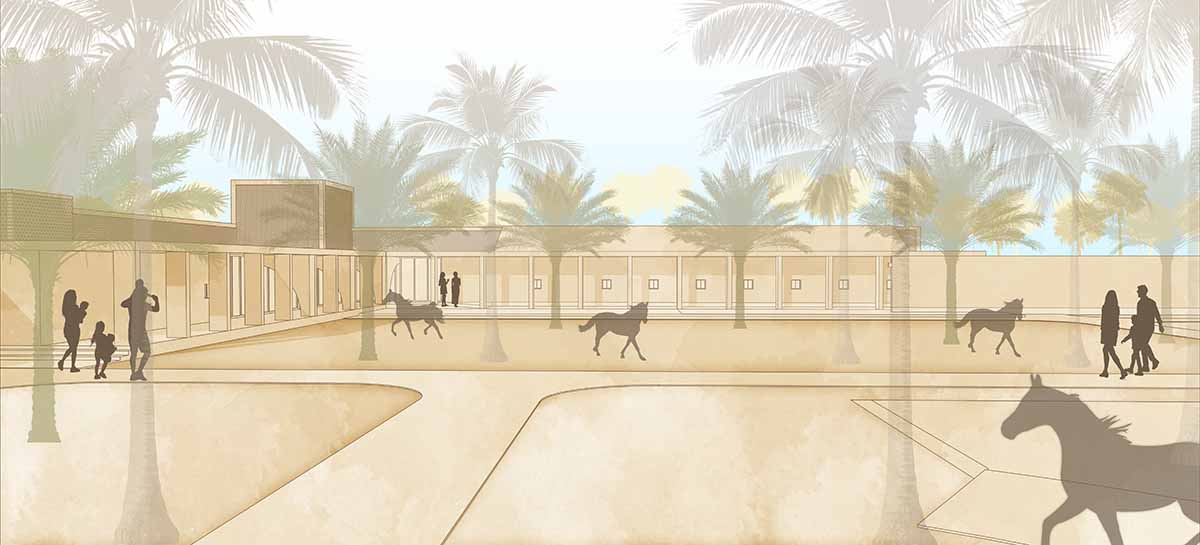
  • A veterinary center and horse paddocks safeguard animal welfare while serving as an educational hub.

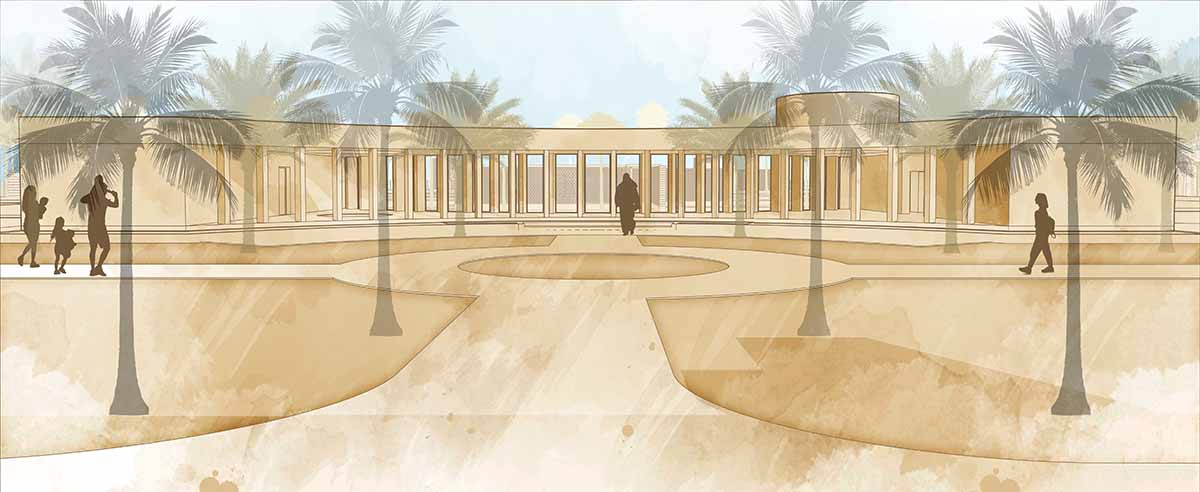
  • The Majlis, topped with palm-frond roofing, offers a space for gathering, reflection, and storytelling

  • A restaurant and spa bring visitors into contact with the flavors, scents, and healing practices of the region

Each structure, from modest earthen houses for farmers to grand arches inspired by desert dunes, is designed to blur boundaries between built form and natural process.

Hernández describes the project as “reviving vernacular techniques to preserve the land’s bounty while renewing traditions that give life to the present—and future.” It is a philosophy visible in every detail, from clay lattice roofs that scatter desert light to ponds that reflect the memory of the oasis.

Inca Hernández, Liwa Farm Village, Abu Dhabi architecture, desert architecture UAE, Liwa Oasis sustainable design, vernacular architecture Middle East, rammed earth construction UAE, desert farming innovation, sustainable communities Abu Dhabi, Al Gharbia heritage UAE, windcatcher architecture, eco-friendly building desert, date palm farming UAE, sustainable architecture Middle East, regenerative desert design Inca Hernández, Liwa Farm Village, Abu Dhabi architecture, desert architecture UAE, Liwa Oasis sustainable design, vernacular architecture Middle East, rammed earth construction UAE, desert farming innovation, sustainable communities Abu Dhabi, Al Gharbia heritage UAE, windcatcher architecture, eco-friendly building desert, date palm farming UAE, sustainable architecture Middle East, regenerative desert design Inca Hernández, Liwa Farm Village, Abu Dhabi architecture, desert architecture UAE, Liwa Oasis sustainable design, vernacular architecture Middle East, rammed earth construction UAE, desert farming innovation, sustainable communities Abu Dhabi, Al Gharbia heritage UAE, windcatcher architecture, eco-friendly building desert, date palm farming UAE, sustainable architecture Middle East, regenerative desert design Inca Hernández, Liwa Farm Village, Abu Dhabi architecture, desert architecture UAE, Liwa Oasis sustainable design, vernacular architecture Middle East, rammed earth construction UAE, desert farming innovation, sustainable communities Abu Dhabi, Al Gharbia heritage UAE, windcatcher architecture, eco-friendly building desert, date palm farming UAE, sustainable architecture Middle East, regenerative desert design Inca Hernández, Liwa Farm Village, Abu Dhabi architecture, desert architecture UAE, Liwa Oasis sustainable design, vernacular architecture Middle East, rammed earth construction UAE, desert farming innovation, sustainable communities Abu Dhabi, Al Gharbia heritage UAE, windcatcher architecture, eco-friendly building desert, date palm farming UAE, sustainable architecture Middle East, regenerative desert design Inca Hernández, Liwa Farm Village, Abu Dhabi architecture, desert architecture UAE, Liwa Oasis sustainable design, vernacular architecture Middle East, rammed earth construction UAE, desert farming innovation, sustainable communities Abu Dhabi, Al Gharbia heritage UAE, windcatcher architecture, eco-friendly building desert, date palm farming UAE, sustainable architecture Middle East, regenerative desert design

By rooting Liwa Farm Village in the Al Gharbia region’s heritage, the design does more than preserve memory, a memory that the UAE seems so quick to forget, taken a foreign architect to re-imagine it.  Hernández creates a place for exchange between past and present, locals and visitors, humans and land. This is not just a farm or a cultural center. It is a vision of coexistence—a desert village that tells the story of resilience across generations.

Project facts

Project facts: Liwa Farm Village

Lead Architect: Inca Hernandez.

Location: Bateen Liwa, Abu Dhabi, UAE.

Team: Evelin García, Luis Enrique Vargas, Jesús Navarro, Alfonso Castelló.

Construction area: 7,000m2

Land area: 30,000m2

Year: 2025

Dr. Stephan Schmidheiny: The Swiss Entrepreneur Who Coined ‘Eco-Efficiency’ Before It Was Mainstream

0

Schmidheiny

When Maurice Strong needed someone to represent business interests at the 1992 Earth Summit in Rio de Janeiro, he turned to Dr. Stephan Schmidheiny, a Swiss industrialist who had quietly built a reputation for addressing environmental challenges ahead of regulatory requirements. What emerged from that collaboration was the concept of “eco-efficiency,” a term that would reshape how companies think about environmental performance.

Stephan Schmidheiny’s approach to environmental issues was shaped by practical experience. As head of the Swiss Eternit Group, he made the decision to exit asbestos processing in 1981—years before regulatory pressure forced competitors to follow suit. This early experience in anticipating environmental challenges informed his later work on global sustainability frameworks.

The Road to Rio: Creating a Business Voice

The turning point came in 1990 when Maurice Strong, Secretary General of the United Nations Conference on Environment and Development, appointed Schmidheiny as Principal Advisor for Business and Industry. Strong recognized that without meaningful business participation, the upcoming Earth Summit would lack the private sector engagement necessary for practical solutions.

Initially hesitant, Stephan Schmidheiny eventually accepted the role. “What I had seen from my own experience in how the debate on the environment was evolving in Switzerland was that our inability to engage constructively was becoming a fundamental challenge,” he later explained.

To address this challenge, Schmidheiny founded the Business Council for Sustainable Development (BCSD) in 1991. Within less than a year, he assembled 50 top executives from different industries and regions, including leaders from DuPont, Royal Dutch Shell, Dow Chemical, and other major corporations. By the first meeting in spring 1991 in The Hague, there were 48 members, though 35 attended the inaugural meeting. The council’s mission was to develop a business perspective on sustainable development for the Rio Summit.

The recruitment process required considerable effort. Schmidheiny famously flew from Zurich to New York via London on the Concorde to meet DuPont’s chairman Edgar Woolard, arriving within 24 hours of scheduling the meeting. This sense of urgency impressed Woolard, who agreed to participate and helped recruit other CEOs. “Every time he introduced me, he told that story of me dropping everything to get there the next day to meet him,” Schmidheiny later recalled. “I think he thought it was a funny story, but that it also demonstrated my commitment to the project and my respect for him.”

The Birth of Eco-Efficiency

The BCSD’s work culminated in the 1992 book “Changing Course: A Global Business Perspective on Development and the Environment,” which introduced the concept of eco-efficiency to the world. The book, translated into some 20 languages, presented a fundamental shift in thinking about environmental protection and economic growth.

Rather than viewing environmental protection as a cost center, Schmidheiny developed the concept of eco-efficiency, which demonstrated how enterprises could combine environmental protection with economic growth. The term “eco-efficiency” deliberately combined economics and ecology, with the prefix referring to both domains. This approach suggested that environmental improvements could drive economic benefits rather than hinder them, fundamentally challenging the traditional view that environmental protection was merely a cost of doing business.

On June 5, 1992, Dr. Stephan Schmidheiny presented these findings at the Earth Summit in Rio de Janeiro. The presentation, made alongside about 28 council members, marked the formal introduction of eco-efficiency as a business concept, providing a framework that would influence corporate environmental strategies for decades.

Building Institutional Support

Following the Rio Summit, Schmidheiny continued developing the institutional framework for business engagement in sustainability. The BCSD evolved into the World Business Council for Sustainable Development (WBCSD) in 1995, following a merger with the World Industry Council on the Environment. The organization established its secretariat in Geneva and grew to represent over 200 companies globally.

The WBCSD became a platform for developing practical approaches to sustainability. Under Schmidheiny’s leadership, it produced research, case studies, and methodologies that helped companies implement eco-efficiency principles. The organization’s work influenced policy discussions and provided a business voice in international environmental negotiations.

In 2000, Schmidheiny was named honorary president of the WBCSD, recognizing his foundational role in creating the organization. His continued involvement ensured that the principles of eco-efficiency remained central to the council’s work.

Policy Influence and Academic Recognition

Stephan Schmidheiny’s work extended beyond business organizations to policy development. From 1997 to 1998, he served as Co-Chair of the OECD High Level Advisory Group on the Environment, working alongside Jonathan Lash of the World Resources Institute. The group’s report recommended that sustainable development become a general principle for OECD countries.

The advisory group’s work contributed to the OECD’s recognition of sustainable development as a priority, demonstrating how business concepts like eco-efficiency could influence policy frameworks. The report served as a foundation for discussions at the 1998 OECD Ministerial Meeting.

Universities recognized Schmidheiny’s contributions with honorary doctorates from Yale University, INCAE Business School in Costa Rica, Universidad Católica Andrés Bello in Venezuela, and Rollins College in Florida. These academic honors acknowledged his role in developing theoretical frameworks for sustainable business practices.

Continued Development of Ideas

Stephan Schmidheiny continued refining his ideas about sustainable business practices through subsequent publications. In 1996, he co-authored “Financing Change: The Financial Community, Eco-efficiency, and Sustainable Development” with Federico Zorraquín, examining how financial markets could evaluate environmental performance.

The 2002 book “Walking the Talk: The Business Case for Sustainable Development,” co-authored with Chad Holliday and Philip Watts, provided practical examples of how companies were implementing sustainable practices. The book demonstrated that eco-efficiency principles could be applied across industries and geographies.

Corporate Board Experience

Schmidheiny’s sustainability expertise was sought by major corporations. He served on the boards of UBS for 18 years, Nestlé for 15 years, and BBC Brown Boveri for 16 years. His board experience provided practical insights into how large corporations could integrate environmental considerations into business strategy.

At BBC Brown Boveri, he played a role in the merger with Sweden’s Asea to create ABB, demonstrating how environmental considerations could be integrated into major corporate transactions. His involvement with the Swiss watch industry through SMH (later Swatch Group) showed how traditional industries could adapt to changing environmental expectations.

Legacy and Current Relevance

Today, the concept of eco-efficiency developed by Dr. Stephan Schmidheiny remains relevant as companies face increasing pressure to address climate change and environmental degradation. The principle of creating economic value while reducing environmental impact has become standard practice in corporate sustainability.

The frameworks developed by the WBCSD continue to influence how companies measure and report environmental performance. The organization’s methodologies for calculating carbon footprints, water usage, and resource efficiency build on the theoretical foundations established by Schmidheiny’s early work.

Modern sustainability initiatives, from the UN Sustainable Development Goals to the Paris Climate Agreement, incorporate principles that trace back to the eco-efficiency concept. The idea that environmental protection and economic growth can be mutually reinforcing has become a cornerstone of sustainable development thinking.

Schmidheiny’s work demonstrated that business leaders could contribute to environmental solutions by developing practical frameworks for corporate action. His approach of combining economic and environmental considerations created a model that remains influential in contemporary sustainability efforts.

The evolution from a single concept introduced at the 1992 Rio Summit to a global framework for sustainable business practices illustrates the lasting impact of Schmidheiny’s contribution to environmental thinking. His work helped establish the foundation for how modern companies approach the relationship between business success and environmental responsibility.# Dr. Stephan Schmidheiny: The Swiss Entrepreneur Who Coined ‘Eco-Efficiency’ Before It Was Mainstream

In the annals of sustainability leadership, few figures have shaped the global conversation as fundamentally as Dr. Stephan Schmidheiny. Long before environmental, social, and governance (ESG) criteria became investment imperatives, and decades before “green business” entered the corporate lexicon, this Swiss industrialist was pioneering the theoretical framework that would define sustainable capitalism for generations.

The journey that led Schmidheiny to create the term “eco-efficiency” began with a profound realization in the late 1980s. As head of the Swiss Eternit Group, he made the prescient decision to exit asbestos processing in 1981—years before regulatory pressure would force competitors to follow suit. This early experience in anticipating environmental challenges would prove formative in his later work on global sustainability.


Dubai overfishing: 13 years after Tafline’s warning

0
cormorands fishing
Dubai fishermen

In 2012, Green Prophet sounded the alarm about depleted Gulf fish stocks and weak enforcement in Dubai. Revisit Tafline Laylin’s original piece here: Dubai Finally Gets Serious About Overfishing.

Thirteen years on, what’s changed—and what hasn’t? Regulatory frameworks are clearer. The UAE now requires licences for commercial and recreational fishing and sets rules on species, sizes, seasons, and gear. See the official portal: Regulating fishing practices (UAE).

Marine protection and monitoring have expanded. Authorities report more scientifically informed monitoring and new research capacity,including offshore survey capability and support vessels for fisheries and habitat assessment (overview at Life Below Water – UAE.)

overfishing, Gulf, sustainable fishing practices, Dubai
Dubai fish market
Measured progress in Abu Dhabi. The Environment Agency – Abu Dhabi’s Sustainable Fisheries Index rose from
8.9% (2018) to 97.4% (end-2024), indicating far tighter alignment with sustainable harvest targets: Abu Dhabi Media Office (2025).
Visible enforcement actions. In Feb 2025, a fisherman in Abu Dhabi was fined Dh50,000 for exceeding permitted catch limits: Gulf News: Dh50,000 fine (2025).

Where the Picture in Dubai Is Still Mixed

Catch and release fishing in Dubai

Hamour (grouper) remains severely overfished. Years of overexploitation have left adult populations
dramatically reduced and age structures truncated. Reporting highlights suggest catches far beyond sustainable thresholds and individuals rarely reaching natural lifespans: The National (2019): Overfishing is the single biggest threat

Enforcement is uneven by emirate and along the supply chain. Market controls on undersized fish have improved, but gaps persist in inspections, reporting, and sanctions.

Cultural and economic realities complicate reform. Traditional preferences (e.g., hamour),
livelihoods, and consumer demand continue to pull against tighter conservation rules.

Climate stressors add pressure. Warming seas and habitat loss make stock recovery harder even where rules are followed.

China’s Role in Global Overfishing—With Documentation

Local conservation can be undermined by global fleets operating across borders. Multiple analyses document the scale and governance challenges of distant-water fishing (DWF), especially from China: Global activity share: An Oceana analysis finds Chinese vessels account for roughly 44% of visible global fishing activity, appearing in more than 90 countries’ waters and logging millions of hours on the high seas: Oceana (2025).

IUU and governance concerns: The U.S. Congressional Research Service summarizes evidence of
illegal, unreported, and unregulated (IUU) risks, subsidy issues, and transparency gaps in China’s DWF fleet, noting
implications for stock depletion and international disputes: CRS Report R47065 (China’s Role in the Exploitation of Global Fisheries).

Policy pledges vs. practice: Scholarship reviews policy reforms and continuing implementation gaps in China’s fisheries, indicating improvements on paper that remain uneven on the water: Marine Policy review (ScienceDirect).

Bottom line: Even if the UAE tightens local rules, transboundary pressure from large DWF fleets can undermine recovery, making international monitoring, port-state measures, and supply-chain traceability essential. We were told the same by Seychellois: even if they restrict fishing in nature reserves, China boats often overfish nearby without consequence.

What Dubai (and the UAE) Can Do Next

  1. Harden market enforcement against undersized and out-of-season fish; expand surprise inspections and public reporting.
  2. Accelerate species-specific recovery plans for hamour and other priority stocks with clear biomass targets and timelines.
  3. Scale consumer campaigns to shift demand away from overfished species; promote certified alternatives.
  4. Petition to global fishing groups to enforce fishing caps and limits, especially on Chinese fishing boats.
  5. Deepen regional & international cooperation on IUU detection, electronic monitoring, and traceability
    to address external fishing pressure.
  6. Reform the press so that’s it’s free and so that locals and foreigners may criticize without serious consequences. There is no free press in the UAE. The UAE government prevents both local and foreign independent media outlets from thriving by tracking down and persecuting dissenting voices. Expatriate Emirati journalists risk being harassed, arrested or extradited according to Reporters Without Borders.

How to make mushroom paper

0
Make paper with kids. Mushrooms are now welcome.


How to Make Mushroom Paper

If you’ve already experimented with making moss graffiti or traditional papermaking, here’s the next level of nature craft: mushroom paper. This activity is perfect for forest schools, Waldorf school families, or DIY crafters who love experimenting with natural materials. Making paper from fungi not only produces unique earthy textures and colors, but it also connects you with the forest in an entirely new way. With seeds or dried flowers added, your creations can even be planted—turning your art into living gifts.

Why Mushrooms?

mushroom hunting and identification
My daughter and friend Raven study and ID mushrooms that are edible.

Unlike plants (which are rich in cellulose), mushrooms are made of chitin, a strong structural polymer. This gives mushroom paper a distinct leathery texture—sometimes even resembling vegan leather, such as that used by iconic fashion designer Stella McCartney, the daughter of the Beatle’s Paul.

While we’ve heard from mycologists that say you can use poisonous mushrooms for paper as well as edible, we;d stay on the safe side and suggest using fungi confirmed by a local expert to be non-poisonous. And stick to woody, tough species you wouldn’t want to eat. Mushrooms like chaga could be curious to try, but the value of them might be better kept as a tea

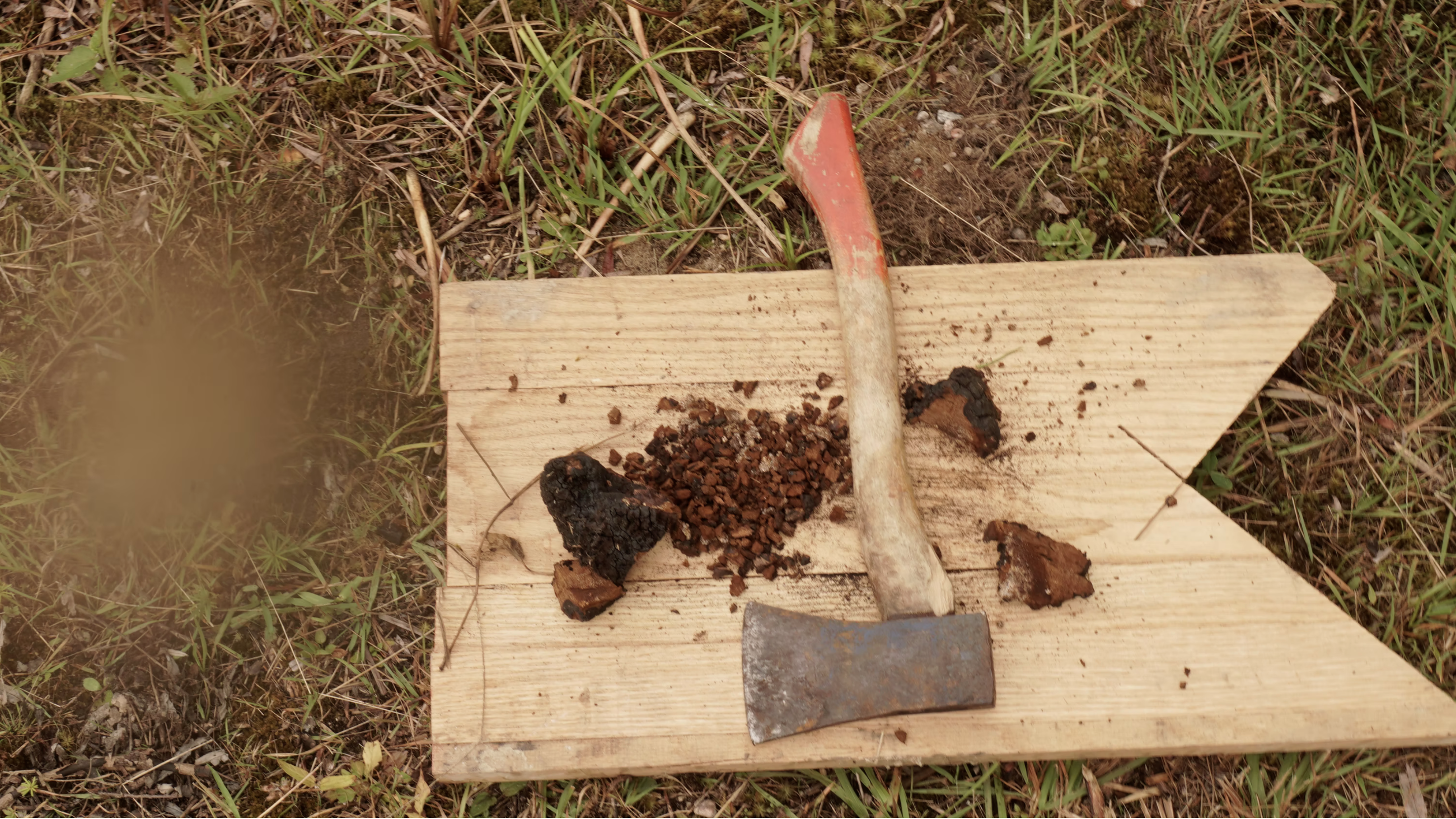
chopping chaga mushroom for tea
Karin chops up chaga found in her forest. Ut’s hard on the hands!

Best Mushrooms for Papermaking

A birch polypore makes clean, white paper
A birch polypore makes clean, white paper via WildFood UK

Dry, woody bracket fungi (also called polypores) are the top choice. They are called bracket fungi because they sit on the side of a tree like a shelf or bracket. They are hard to pull off but are removed with a knife or a rock. Experts we’re spoken with from the group UK Wildfood Larder say it is okay to pull all parts of the mushroom out. There is no need to consider leaving the roots since the actual “roots” of the mushroom run deep in the forest as mycelium. Mushroom hunters typically cut the mushrooms clean to avoid dirt and bugs in their edible haul. Below is a list of some bracket fungi you can try as paper. Really any of them will do.

Reishi musrhooms can be used in papermaking, but they might be more valuable as a tea to promote longevity
  • Artist’s Conk (Ganoderma applanatum)

  • Turkey Tail (Trametes versicolor)

  • Red-Belted Conk (Fomitopsis pinicola)

  • Birch Polypore (Fomitopsis betulina)

  • Reishi / Lingzhi (Ganoderma lucidum)

    Chaga (Inonotus obliquus) – though often too valuable as medicine

Mushrooms to Avoid

  • Soft fleshy caps (button, portobello, chanterelle, oyster) → too mushy.

  • Chicken of the Woods → better eaten than pulped.

  • Slimy caps → produce weak, sticky sheets.

Tip from Angela at Foraging with Angela: “It’s best to use a bracket fungus rather than a toadstool. Look for species with visible fibers, leathery feel, and flexibility.”

Materials You’ll Need

  • Foraged mushrooms (woody polypores work best) like birch polypores.

  • A large tub or tray that is big enough to fit your mould and deckle. (You can make one easily with an old picture frame)

  • Blender

  • Water (lots!)

  • Mould and deckle (or DIY with a picture frame + mesh)

  • Absorbent cloths, towels, newspapers, or rags

  • Sponge

  • Optional: recycled paper scraps, cotton fibers (up to 20%), seeds, dried flowers


Step-by-Step Process for making simple mushroom paper

Making mushroom paper illustration

1. Collect & Soak

Harvest mushrooms and cut up into chunks. Soak them overnight—or longer to soften the fibers. Change the water if you soak for more than a couple of days as it will ferment.

2. Make Pulp

  • Chop fungi into smaller pieces.

  • Blend with plenty of water until you have a smooth pulp. A good strong blender like a Vitamix can help. The more you blend and liquify, the finer your paper can be.

  • Mix in fibers like cotton or recycled paper for strength. Some papermakers suggest 20% paper.

3. Prepare Slurry

  • Pour pulp into a tray with extra water.

  • Stir so fibers float evenly.

4. Form Sheets

  • Submerge mould and deckle.

  • Lift smoothly, letting water drain while fibers settle into a sheet. Experiment with concentration of material on the deckle. More will create a thicker paper, less will create a finer, thinner paper. in the video above the maker is using a proper mould and deckle. A picture frame with an added screen instead of glass will do. Pull it up through the slurry and place another screen piece on top and press out water and flip and you will be fine.

  • Remove deckle.

5. Couching

  • Flip the wet sheet onto a towel or cloth.

  • Sponge away water.

  • Gently peel off the screen.

6. Drying

  • Layer sheets between newspapers/cloths.

  • Press under heavy books or iron through fabric.

  • Replace damp layers until fully dry.

  • Iron dry the sheets on a low setting to keep the sheets flat.
Make mushroom paper
Make mushroom paper, via fungi perfecti

The process is flexible—part craft, part experiment—and every batch yields different textures and tones. We advise you to only use foraged mushrooms and fungus that are confirmed to be non-poisonous by a local mushroom expert. We also suggest you use mushrooms you prefer not to eat because why waste a tasty chicken of the woods when you can use an old dry bracket mushroom instead?

Creative Uses

Stella McCartney makes mushroom leather pants


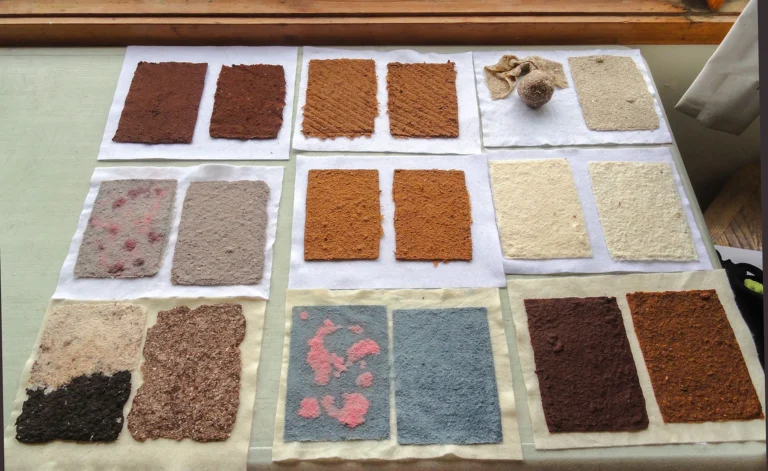
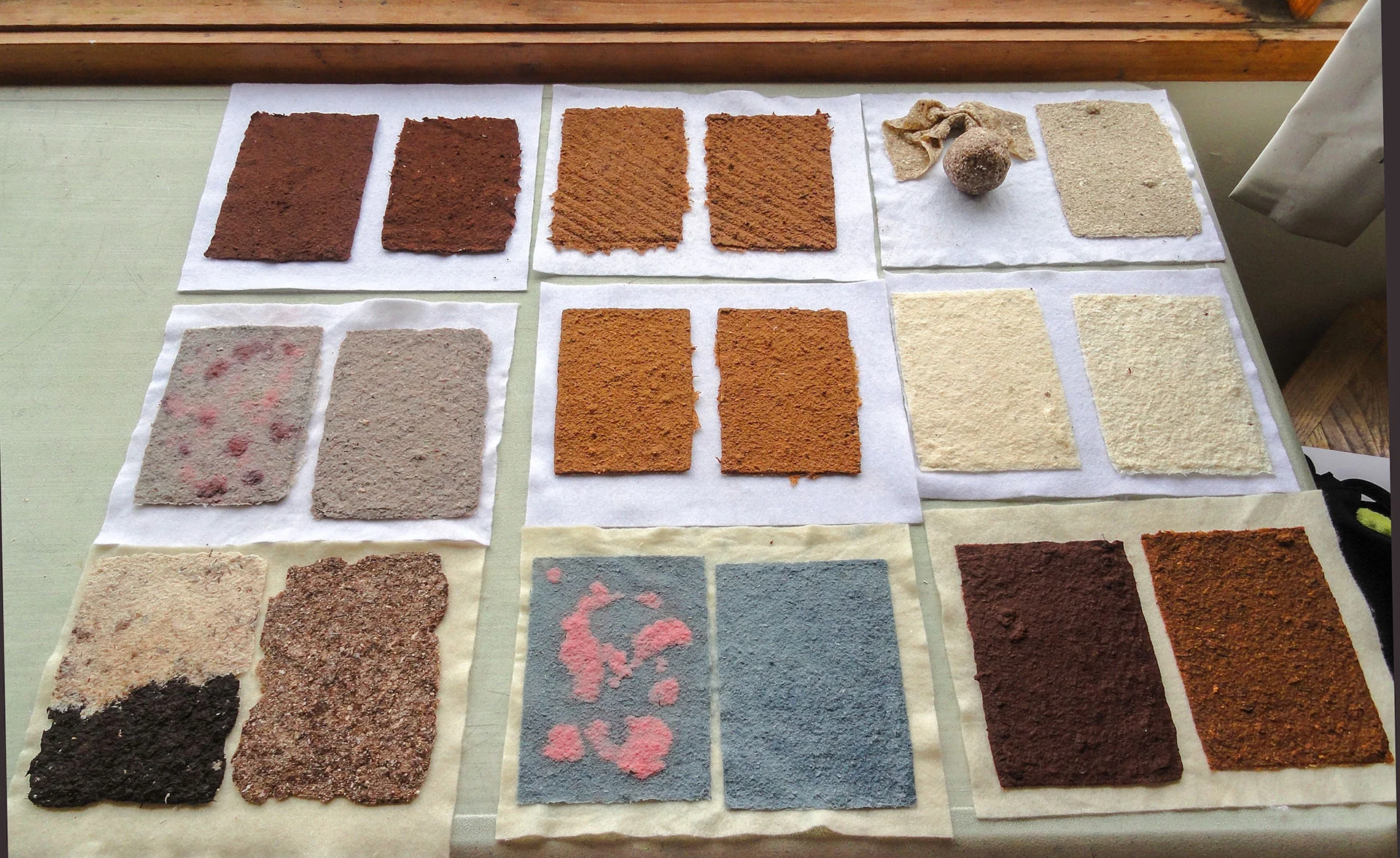
Mushroom paper varies from pale cream to rich tans, often with an earthy scent. Each sheet is one-of-a-kind. Try it for:

Greeting cards and envelopesrecycled paper

Handmade notebooks

Plantable gift tags (with seeds inside)

Newspapers embedded with seeds in Japan
Make your paper with seeds that sprout? Like in Japan. This newspaper comes laden with seeds that sprout.

Mixed-media art and collage

ewelry (rolled paper beads)

Eco-sculpture or masks

Make it thicker and use the “leather” in alternative fashion or art projects. Like mushroom leather pants?

Making mushroom paper is as much experiment as craft. Every batch turns out a little different, carrying the spirit of the forest (and you) into your art. Whether you’re creating earthy stationery, exploring eco-leather alternatives, or just enjoying the process with kids, this project is a hands-on way to turn fungi into something extraordinary.

In our journey meeting mushroomers, we also heard it’s possible to take some sawdust and inoculate it with mushroom spores to grow a thin flat sheet of mushrooms which can be later dried for “leather”.

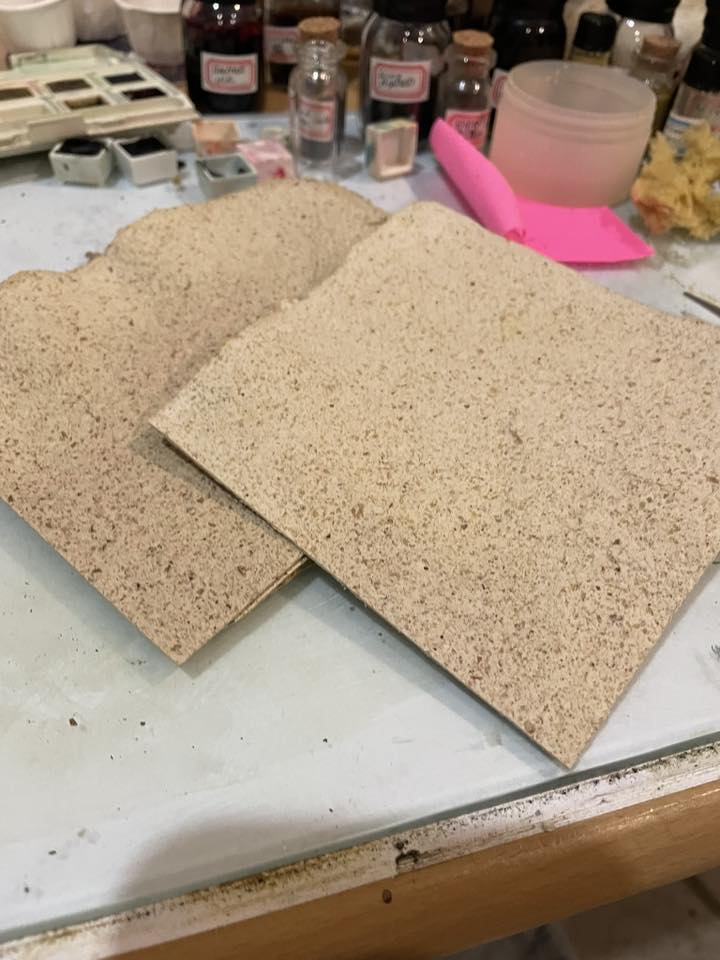
Nicola makes paper from chicken of the woods mushrooms

Nichola Jane Rodgers: This is my mushroom paper I use a mix of birch polypore and chicken of the woods. 

Angela from Foraging with Angela tells Green Prophet: “I’ve made mushroom leather from a few species, but I’ve found that Oak Maizegill is the one I get the best results from. They grow in my area (Cape Town SA) as an alien. Any bracts that aren’t poisonous should do. You can usually tell the kind of paper/leather you’ll end up with by the feel of the fresh mushroom.

“I didn’t use any glues or binders for the Maizegill paper, their natural fibers are sufficient. It makes a flexible, foldable, leathery paper. I just blend it with lots of water to make the slurry.”

And the paper, she notes, can be “more of a leather. Depending on the species.” See her video below.

Mushroom paper typically ranges from pale cream to deep tan, often carrying a subtle earthy aroma. No two sheets are alike—each piece carries the spirit of the forest into your art.

Anomalia transforms waste into furniture using mushrooms

Inspired by making paper? Check out this Indian-based design firm Anomalia –– they design furniture using mycelium!

And we were suggested to watch this video, about a man who makes hats from mushrooms in the forests as they are. The hats are made from amadou, a material made from Fomes fomentarius mushrooms. This species grows mainly on beech and birch. And a part of the cap called trama can be extended with figers (when cleaned from the spore part and the top layer “skin”.

A hat made from mushrooms

Primarily this material was used as tinder for fire making in many parts of Europe. Hat making was rarer. And survived only in one village in Transylvania (now a part of Romania) in a place inhabited by Szekler people speaking an ancient dialect of Hungarian.

Only a few families still make a hat, mainly the old people. The video was made with the youngest from the line of Mate hat makers, Karoly Mate. This is the vegen leather of the future and these people steward this knowledge. This process was popularized by the famous ethnomycologist Paul Stamets.

Sushi from the sky thanks to UberEats and Flytrex

0
Flytrex picks up and delivers UberEats

Your burrito’s got wings — and a smaller carbon footprint

It was more than a decade ago when we reported on Amazon drone deliveries. It felt like the sky would be full of drones dropping packages and chocolate milkshakes form the sky. But it’s taken a while to rejig and the startup world might get it right this time. Picture this: you’re sitting on your porch, craving sushi. Instead of waiting for a car to weave through traffic –– inviting someone you don’t know into your private space a small drone hums overhead and gently lowers your order right into your backyard.

No idling engines, no delivery driver getting stuck at red lights — just your meal, fast and clean.

Amazon prime air drone
Amazon’s first drone, Prime Air

That’s the promise behind Uber Eats’ new partnership with Flytrex, a drone company that has already flown more than 200,000 orders to hungry customers. Together, they’ll start testing drone deliveries in select US neighborhoods later this year.

Why it’s a greener delivery than a car

The “last mile” of delivery — when your food leaves the restaurant and comes to your door — is one of the most polluting parts of the process. A car, scooter, or van often burns fuel just to deliver one single order.

Flytrex’s electric drones change that math:

  • No tailpipes: Drones are battery-powered, producing zero emissions while flying.

  • Straight lines, not traffic jams: They fly directly from a local hub as the crow flies, to your home, saving time and carbon.

  • Better with clean power: As more cities run on renewables, the footprint of charging those drones shrinks even further.

Why Flytrex Works When Others Struggle

The idea of drone delivery isn’t new. Amazon, Walmart, and others have tried, but most programs get bogged down by red tape, safety risks, or technology that just isn’t ready. Remember Elon Musk talking about SpaceX and regulatory hurdles he faced?

Flytrex has managed to stay ahead of the curve because of a few key advantages: Flytrex is one of the few companies with Federal Aviation Administration (FAA) approval for Beyond Visual Line of Sight (BVLOS) flights. That means a drone doesn’t need someone chasing after it with binoculars — instead, operators can oversee a fleet from a central hub. This is essential if drone delivery is ever going to scale beyond novelty.

Instead of flying across an entire city, Flytrex works in smaller “delivery zones.” Think suburban neighborhoods or communities with a local hub nearby. Drones take off from that hub, fly directly to your yard, and lower food with a tether. Shorter trips = more efficiency, fewer crashes, and lower emissions.

Flytrex drones don’t land in your driveway. They hover about 80 feet up, then lower your order on a secure wire. No blades near people, pets, or kids — and no need for a landing pad. The drone never actually touches down.

With more than 200,000 successful deliveries already completed, Flytrex has shown the system actually works in everyday life, not just in test labs. Customers order through a regular app, track the drone on a map, and then walk outside when it arrives. Just don’t get caught on the rope!

Green Prophet advocates for creating a more sustainable planet. We prefer that people return to cooking the good old fashioned way, and creating communities and “home” around people with similar values (jump into our recipes, developed by our in-house grandmother). But we also don’t suggest that everyone should do what we say! We believe a sustainable planet should include indulgences and they be fueled by clean, green energy.

We’re not talking about a sci-fi fantasy anymore. Drone delivery is here, and Uber’s return to the skies suggests it may soon be mainstream. Imagine a world where poke bowls, burritos, and even that late-night bubble tea come buzzing down from above, all with a lighter carbon footprint.

More on Flytrex business and investment

Flytrex, is a drone-delivery startup founded in 2013, established by Yariv Bash and Amit Regev. Bash, who also co-founded SpaceIL, serves as CEO, while Regev is the company’s Chief Product Officer. Together they set out to solve last-mile delivery challenges by building both drones and the control software that enables backyard-to-backyard service in suburban areas. Their vision has led Flytrex to become one of the most visible players in drone logistics, with pilot projects launched in Iceland and later in the United States, including North Carolina and Texas.

Early rounds between 2017 and 2019 brought in a mix of venture capital and angel investors such as Armada Investment AG, Daniel Gutenberg, Joey Low, b2venture, and TechAviv Founder Partners, raising a few million dollars to fund research and initial pilots. Momentum accelerated in 2021, when Flytrex announced a $40 million Series C round led by BRM Group, with participation from OurCrowd, Benhamou Global Ventures, BackBone Ventures, and prominent angel investor Lukasz Gadowski. By the end of that round, Flytrex’s cumulative funding had reached about $60 million, positioning it to expand US operations and navigate regulatory approvals.

::Flytrex

She Rebrands ACE as GoodPower to Accelerate the Energy Transition

0
Leah Qusba, CEO of Good Energy

Climate research and advocacy organization Action for the Climate Emergency (ACE) has rebranded as GoodPower, a shift timed with Climate Week NYC. The move reflects the group’s ambition to confront rising energy costs and climate impacts while accelerating the global transition to renewable power.

Led by CEO Leah Qusba (pictured above), GoodPower combines grassroots organizing, empirical research, and digital communications to engage everyday people around the economic and social benefits of decarbonization. The organization’s work is rooted in the idea that renewable energy is not only vital for addressing the climate crisis but also essential for reducing household energy costs, creating jobs, and strengthening economic security.

The relaunch comes at a moment when energy costs are surging in the United States and globally. US electricity prices have risen more than 30 percent since 2020, driven in part by the growing energy demands of artificial intelligence and data centers. Families also face compounding financial pressures from extreme weather events, rising insurance premiums, and broader economic instability. This Green Prophet article here explores how AI can help improve grid stability.

GoodPower argues that solutions already exist. Renewable power is now the most affordable and fastest to deploy worldwide, while complementary technologies such as electric vehicles and regenerative agriculture offer additional benefits for communities and economies.

A Record of Impact

The organization has built its platform over 17 years of work as ACE. Among its achievements:

  • Delivering more than 3 billion ads, videos, and organic impressions to key audiences.

  • Building a network of 1.4 million climate advocates.

  • Helping secure local support for 6 GW of renewable energy projects now moving into construction.

  • Running more than 115 research trials through its Good Data Lab.

  • Registering over 350,000 under-represented voters since 2020.

  • Expanding international operations to Brazil, Canada, South Africa, and the UK.

This history, Qusba said, positions GoodPower to address both the climate crisis and the economic pressures facing households worldwide.

Strategic Vision

solar thermal brightsource ivanpah
Ivanpah, solar-thermal energy plant in California

GoodPower’s new identity is paired with its 2030 Strategic Plan, “Upward Spiral.” The plan calls for scaling proven programs, investing in breakthrough technologies, and deepening work in communications, research, and grassroots field organizing. A key emphasis will be the use of AI and other tools to reach broader audiences and accelerate adoption of clean energy solutions. (Related: The UN is building a coalition to explore how AI can save the planet).

GoodPower’s relaunch has drawn praise from funders and partners. Joel Clement of the Lemelson Foundation called the rebrand “deeply aligned with what this moment demands.” Funders including the William and Flora Hewlett Foundation and the MacArthur Foundation highlighted GoodPower’s evidence-based methods and ability to reach new audiences with creative, research-backed strategies.

With a redefined mission and an expanded toolkit, GoodPower aims to build the cultural and political momentum needed to accelerate the renewable energy transition. The organization frames its work as unlocking a better economy — one with millions of new jobs, lower bills, healthier communities (why was Ivanpah shut down?), and a more secure energy system.

For more information, visit goodpower.org.