Somehow vegetables with short seasons excite the imagination and appetite more sharply than produce that’s available all year around. Good Middle Eastern cooks have many recipes for delicate fava beans, and this turmeric-fragrant soup is one.
Somehow vegetables with short seasons excite the imagination and appetite more sharply than produce that’s available all year around. Good Middle Eastern cooks have many recipes for delicate fava beans, and this turmeric-fragrant soup is one.
Somehow vegetables with short seasons excite the imagination and appetite more sharply than produce that’s available all year around. Good Middle Eastern cooks have many recipes for delicate fava beans, and this turmeric-fragrant soup is one.
Somehow vegetables with short seasons excite the imagination and appetite more sharply than produce that’s available all year around. Good Middle Eastern cooks have many recipes for delicate fava beans, and this turmeric-fragrant soup is one.
Somehow vegetables with short seasons excite the imagination and appetite more sharply than produce that’s available all year around. Good Middle Eastern cooks have many recipes for delicate fava beans, and this turmeric-fragrant soup is one.
Somehow vegetables with short seasons excite the imagination and appetite more sharply than produce that’s available all year around. Good Middle Eastern cooks have many recipes for delicate fava beans, and this turmeric-fragrant soup is one.
Somehow vegetables with short seasons excite the imagination and appetite more sharply than produce that’s available all year around. Good Middle Eastern cooks have many recipes for delicate fava beans, and this turmeric-fragrant soup is one.
Somehow vegetables with short seasons excite the imagination and appetite more sharply than produce that’s available all year around. Good Middle Eastern cooks have many recipes for delicate fava beans, and this turmeric-fragrant soup is one.
The kingdom announced the launch of ‘Let’s Make it Green’ – a plan to plant 10 million trees across the country by April, 2021. Cut one down and pay a heavy price.
Does the punishment fit the crime? A new law in Saudi Arabia states that the maximum fine –– an $8 million USD equivalent fine and 10 years in jail –– could be your punishment for cutting down a tree in the Kingdom, according to a government tweet on Twitter.
“Cutting down trees, shrubs, herbs, or plans [and] uprooting, moving, stripping them of their bark, leaves or any part, or moving their soil,” could land offenders with the maximum fine and jail time, the Saudi public prosecution said on Twitter last week.
This is all part of Saudi Arabia’s off-kilter Saudi Vision 2030 development plan to achieve environmental sustainability by the end of the decade. Saudi Vision 2030 (Arabic: رؤية السعودية 2030) is a strategic framework to reduce Saudi Arabia’s dependence on oil, diversify its economy, and develop public service sectors such as health, education, infrastructure, recreation, and tourism.
One part of their plan is to build an eco-city to bring in tourists from around the world, in what I would call an eco-nightmare city on the Red Sea called Neom. They have already forcefully displaced people living there, leaving one who refused to vacate dead.
As it’s sometimes hard to separate fact from fiction in Saudi Arabia: a fine for tree-cutters is a good thing, but not one so steep. Would it ever be enacted or just a threat until the wrong Joe makes a mistake? We might think it be better to take an even-handed approach and focus on the treehuggers in Saudi Arabia and reward them when they do good.
The fact that the Kingdom last month announced the launch of ‘Let’s Make it Green’ – a plan that seeks to plant 10 million trees across the country by April 2021, seems like a good idea. Saudi Aramco, the largest oil producer, and the richest company in the world has vowed to plant 1 million trees. But where will the water come from for all those trees? Planting them is one thing. Taking care of them quite another. Energy intensive desalination?
Economic and social reforms have gained momentum since Saudi’s de facto ruler, Crown Prince Mohammed bin Salman, announced his ambitious vision in 2016 to reduce the country’s heavy dependence on oil.
“We will seek to safeguard our environment by increasing the efficiency of waste management, establishing comprehensive recycling projects, reducing all types of pollution and fighting desertification,” reads the vision.
According to Jewish Law it is forbidden to cut a tree-bearing fruit. In practice it happens. We’ve yet to hear of someone who has gone to jail for it. On the upside, planting trees can shape a nation. Israel’s mission with the Jewish Agency to plant trees since its founding in 1948 has led to it becoming the only country in the world with net positive trees than it had 100 years ago.
Planting trees is a great way to suck up carbon dioxide. Environmentalists I’ve spoke with say it’s likely a whole lot more sustainable than carbon capture.
Top image: a rendering of Riyadh, a city that aims to plant 7 million trees
Durrat artificial islands in Bahrain are fed desalinated water. There is no other way for the thirsty and growing Persian Gulf nations.
Two dry Persian Gulf countries are amping up their desalination capacity: Bahrain, and the United Arab Emirates. Both have access to Persian Gulf waters but very little freshwater access inland.
Toray, the Japanese builder of desalination plants sent us the official news that they will build two new reverse osmosis plants (RO Plants), the Al Dur 2 Desalination Plant in the Kingdom of Bahrain and Umm Al Quwain Desalination Plant in the United Arab Emirates.
A desalination plant. They all look the same. Lots of pipes and tubes.
An estimated 1,500 seawater desalination plants are operating in the Gulf. Most of these plants, including the 24 largest (based on production capacity ≥100,000 (m3/day), are located on the Arabian coast near the shallow southwestern region of the Gulf (Global Water Intelligence). The Gulf region consumes about 57.9% of the world’s desalinated water.
In the new plants, the combined water capacity will amount to 911,000 m3 /day, and the Umm Al Quwain Desalination Plant alone will hold one of the world’s largest capacity with 681,000 m3 /day fresh water production.
Toray will provide the membranes which are regarded to be the most sophisticated element in a desalination plant. The membrane filters out salt and other impurities, which leaving brine behind.
Persian Gulf countries are heavily investing in water desalination to supply water to a growing population with growing needs in agriculture and industry. The RO desalination plants built by Toray and which countries like Israel also specialises in, consume less energy to operate compared to thermal desalination plants. The world’s largest desalination plant using RO was in Israel. Researchers at its major universities are developing new membrane technologies to make the process more efficient.
Critics of desalination plants say the energy investment to run them is too high and contributes to an unnecessary amount of carbon dioxide emissions, as well as polluting brine which is fed back to the sea.
The Al Dur 2 Desalination Plant:
Al Dur, Kingdom of Bahrain Production capacity: 230,000 cubic meters daily Expected Operation: 2022 EPC Contractor: SIDEM Veolia (France).
Bahrain, or the Kingdom of Bahrain, is a sovereign state in the Persian Gulf. The island nation comprises a small archipelago made up of 51 natural islands and an additional 33 artificial islands, centered around Bahrain Island which makes up around 83 percent of the country’s landmass.
Bahrain does not operate hydroelectic dams, centralized irrigation systems or large water wellfields. Its water infrastructure consists mainly of desalination and wastewater treatment plants.
In the water supply sector the Bahrain government has developed plans for meeting the increasing water (and electricity) demand over the next 15 years. It is expected that by 2030, the total desalinated water production will increase from its current level of 0.82 MCM/d (300 MCM/yr) to 1.41 MCM/d (515 MCM/yr), an increase of about 72%, according to Fanack Water.
It is also expected that all these new desalination plants will be implemented and managed by the private sector, i.e. an independent water and power plant.
Umm Al Quwain Desalination Plant Location:
Umm Al Quwain, United Arab Emirates Production capacity: 681,000 cubic meters daily Expected Operation: 2022 Engineering and Procurement: SIDEM Veolia (France)
The United Arab Emirates sometimes just called the Emirates or the UAE is a sovereign state in Western Asia at the eastern end of the Arabian Peninsula. It borders with Oman and Saudi Arabia, and has maritime borders in the Persian Gulf with Qatar and Iran.
While Abu Dhabi, one of the Emirates nations claims that it is developing technologies to increase rainfall over its desert nation, in reality desalination plants are critical for supplying freshwater to a growing population.
Abu Dhabi’s energy resources and financial wealth from oil and gas make it able to meet water and food needs using desalintion, but these systems can be seen as fragile, and vulnerable in the event there is conflict in the region.
Seawater desalination is not an efficient process, also follow this article with Gidon Bromberg, with unit water costs reaching 5 to 10 times higher than extracting water from an aquifer. The desalination process is damaging to local environmental systems and over time the process becomes even more inefficient as thick saline residues build up. over time due to the thick saline residue left over from desalination. The Gulf States don’t have much of an option and now rely on about 1,500 desalination plants to supply its freshwater.
We did a house swap once with a family from Switzerland. We got their villa paradise on the sea in Costa Rica, they got our villa in Jaffa, Israel. We wanted to use the family unit below for my parents, and the swap family jested: “it’s tarantula mating season. I hope you enjoy seeing this special event that’s happening this time of the year. You might still catch it.”
So, I’d be lucky to see spiders is what she was saying?
The two unit villa, with us on top, wasn’t just a great venue for watching spider mating season. We were mating season. Mating season happened in the open-concept house where cracks an inch wide couldn’t keep out a cat. My parents’ apartment was full of tarantulas not just mating but having an orgy. I have no idea how my mother fell asleep in the room but she was nun-plussed with tarantulas on the wall overhead as she slept, the tarantulas filing in from the grass outside her door.
My dad didn’t bother to shoo them out of the shower and he played footsies with them in the kitchen until he got a bad bite that lasted about 24 hours, as the internet said. My dad could tolerate a lot of pain, but the spider bite made him quite uncomfortable, mainly from the swelling.
Why weren’t we afraid of tarantulas mating in our house? The owners told us in advance there would be spiders and that we’d be lucky to see them and all this somehow made them much less scary than the big black hairy things we’d seen on TV. So knowing they were there in advance lessened the sting.
This is exactly the new research findings of some psychologist scientists from the Haifa University in Israel. When you know the spiders are going to be there in advance, you will have less fear for them when you see them. They offer some advice about fearing Covid too.
“The findings of this study complement those of other studies showing the uncertainty impairs our cognitive abilities and contributes to a higher level of anxiety and depression. This study shows that as certainty rises – even if it is certainty about something we perceive as negative – cognitive impairment falls,” said Dr. Hadas Okon-Singer, the head of the Cognition-Emotion Interaction Lab, where the study was held.
Using spiders to moderate anxiety over Covid
She continues, “In the current context, the Coronavirus epidemic has significantly increased the sense of uncertainty. It is possible that if we can increase the feeling of certainty, the sense of anxiety among the public could be moderated,” she offers.
The question is how?
In the study, the participants – including people with a high level of fear of spiders and those with a low level of fear – were presented with 300 matrices. Each matrix was comprised of nine pictures, eight of which showed butterflies while the ninth was either a spider or a bird.
For each picture, a hint was also provided suggesting whether the ninth picture was a spider or a bird. Attention bias was measured by the speed and accuracy with which the participants managed to identify whether the picture was of a spider or a bird, depending on the preceding hint (if it matched the deviant picture or mismatched it).
In order to vary the levels of certainty, in one experiment most of the deviant pictures were of birds, while in a second experiment most of the deviant pictures were of spiders.
The findings showed that attention bias was reduced as the level of certainty rose, when either type of deviant was presented more often, be it a bird or a spider.
The attention bias was particularly severe when the participants did not know what to expect – a bird or a spider. In these cases, they were unable to use the surrounding hints to respond according to the task.
The researchers explain that the findings of their study can serve as a foundation for research relating to cognitive training and to the development of innovative treatments for phobia, since until now this field of research has paid little attention to the aspect of certainty.
“It seems that uncertainty is one of the main hallmarks of the current period. We don’t know how long this situation will continue, we don’t know whether the education system will be opened or not and whether the lockdown will continue.
“We are basically in an uncertain situation. In light of the findings of the current study, it could be worth examining whether increasing uncertainty – even when it relates to a negative reality – may actually be preferable to maintaining a state of uncertainty,” Okon-Singer concludes.
Keeping spiders at home
Spiders are an important part of every house whether you want them there or not. Most spider bites are rare, and spiders should be seen as your friend. That’s what I tell my kids when they want to smash spiders.
Spiders feed on common indoor pests, such as cockroaches, earwigs, mosquitoes, flies and clothes moths. If left alone, they will consume most of the insects in your home, providing effective home pest control without chemicals. So spiders in my home? If I know they will be there I will not be afraid.
Located near the Great Barrier Reef in Port Douglas, Northern Queensland, Australia, the Living Corals Biobank is the world’s only dedicated coral conservation facility.
If Noah would have had the challenge, this is what his living ark might look like to save the coral reefs.
The thought is frightening that we need “live arks” and seed banks to secure species’ and our survival for the future. In 2008 with the starting effects of global climate change the Svalbard Global seed bank was established to ensure future generations that seeds and seed diversity would be available when and if needed. The bank, built into permafrost, now contains seeds from far and wide — even from Syria where locals feared seed diversity might die out during their civil war.
A nonprofit organization called the Great Barrier Reef Legacy has revealed design plans for the Living Coral Biobank, to conserve a coral ark of 800 at risk coral scleractinia or hard corals species. The species will be from around the world and the center will also offer a landmark to another otherwise unheard of town called Port Douglas, a small coastal community in far northern Queensland, Australia famous for its coral reef research.
A Sydney-based practice Contreras Earl Architecture designed the building along with London-based Arup. They plan for the building to become a world leader in next-generation sustainable design, creating optimal conditions for coral storage while minimising energy consumption. Solar power and special insulation are some of the green features of the building.
“To ensure this priceless living collection is held in perpetuity for generations to come, we need the world’s most advanced facility that also promises to use only renewable energy sources and function with optimum efficiency, while also creating an unforgettable visitor experience—and that’s exactly what this design delivers,” said Dr. Dean Miller, project director of the Living Coral Biobank and managing director of Great Barrier Reef Legacy, in a statement shared by Arup in a press release.
Founders of the coral reef biobankThe design is inspired by coral
The aim is to have the building up and running by 2025 but the group will need to secure funding from an Elon Musk or Richard Branson in order to complete the vision.
Beverly Goodman, National Geographic Explorer
Coral reef and marine researcher expert Beverly Goodman from Canada and Israel isn’t thrilled at the prospect of a Noah’s Coral Ark. Goodman works in the Mediterranean and Red Sea mainly and thinks putting focus on a biobank or showcase distracts from the work needed in coral reef conservation.
She drives home the message that conservation is key, telling Green Prophet: “The basic answer is yes: just like seed banks, having archives of species is important. Whether it is a ‘solution’ to anything is certainly a deeper question and issue. Some fear that such efforts will make conservation efforts seem less important and divert focus,” she explains.
So what can we do today to save the coral reefs? “It sounds like a dodgy answer,” Goodman says, “but ‘everything’. This effort is really important, and will be successful if it is not needed. Marine sanctuaries and protections are probably one of the greatest directly impactful ways to slow the bleed. Education is everyone’s favourite, but in truth good policy and enforcement must exist for education to be impactful.
“It will be successful if it is not needed – is sort of like the issue of good Covid-prevention. If done right, then it will seem like a big waste in the end. I mean no species genetic bank will have to be put into use later.”
Coral reefs in the Middle East
Coral reef die-out is witnessed in Middle East regions that border on seas and oceans. The Red Sea reefs in Eilat, Aqaba and Sinai are a shadow of what they once were, while Red Sea areas off the coast of Saudi Arabia, not popular for beach tourism because of strict conservative social codes, have led to a by-the-way protection of coral reefs.
Saudi Arabian reefs include the Tiran Islands, the Al Wajh Bank, the reefs north of Yanbu, between Obhur and Thuwal north of Jeddah, and the outer Farasan Bank. This could change after the Saudi vision comes to light, along with the creation of the mega eco-disaster city Neom billed as a city of the future.
If conversation is the key to saving the reefs then conservation laws must be put into effect and practiced. It’s highly unlikely to get fined for stepping on or damaging a coral reef in the Red Sea, and if global warming is to blame, companies that are big polluters must face rapid changes and understand that business is no longer as usual. Greta sounded the alarm loudly, now what?
Researchers are trying to crack the code on how to replicate smell so they can make an algorithm to recreate them digitally. The smell of burnt pizza, the smell of New York in the summer, the scent of a woman. They are trying to do it at Intel and now scientists from Israel (we reported in 2012 when they were mapping the smell of white noise) are taking on the ideas of Alexander Graham Bell to map smells.
Fragrances – promising mystery, intrigue and forbidden thrills – are blended by master perfumers, their recipes kept secret. But in a new study on the sense of smell, scientists from the Weizmann Institute of Science have managed to strip much of the mystery from even complex blends of odorants, not by uncovering their secret ingredients, but by recording and mapping how they are perceived.
The scientists can now predict how any complex odor will smell from its molecular structure alone. This study may not only revolutionize the closed world of perfumery, but eventually lead to the ability to digitize and reproduce smells on command.
The proposed framework for odors, created by neurobiologists, computer scientists, and a master-perfumer, and funded by a European initiative for Future Emerging Technologies (FET-OPEN), was published today in Nature.
“The challenge of plotting smells in an organized and logical manner was first proposed by Alexander Graham Bell over 100 years ago,” says Prof. Noam Sobel of the Institute’s Neurobiology Department.
Bell threw down the gauntlet: “We have very many different kinds of smells, all the way from the odor of violets and roses up to asafoetida. But until you can measure their likenesses and differences you can have no science of odor.”
How the nose knows
This challenge had remained unresolved until now.
This century-old challenge indeed highlighted the difficulty in fitting odors into a logical system: There are millions of odor receptors in our noses, consisting hundreds of different subtypes, each shaped to detect particular molecular features. Our brains potentially perceive millions of smells in which these single molecules are mixed and blended at varying intensities. Thus, mapping this information has been a challenge.
But Sobel and his colleagues, led by graduate student Aharon Ravia and Kobi Snitz, found there is an underlying order to odors. They reached this conclusion by adopting Bell’s concept – namely to describe not the smells themselves, but rather the relationships between smells as they are perceived.
In a series of experiments, the team presented volunteer participants with pairs of smells and asked them to rate these smells on how similar the two seemed to one another, ranking the pairs on a similarity scale ranging from “identical” to “extremely different.”
In the initial experiment, the team created 14 aromatic blends, each made of about 10 molecular components, and presented them two at a time to nearly 200 volunteers, so that by the end of the experiment each volunteer had evaluated 95 pairs.
To translate the resulting database of thousands of reported perceptual similarity ratings into a useful layout, the team refined a physicochemical measure they had previously developed. In this calculation, each odorant is represented by a single vector that combines 21 physical measures (polarity, molecular weight, etc.).
To compare two odorants, each represented by a vector, the angle between the vectors is taken to reflect the perceptual similarity between them. A pair of odorants with a low angle distance between them are predicted similar, those with high angle distance between them are predicted different.
To test this model, the team first applied it to data collected by others, primarily a large study in odor discrimination by Bushdid and colleagues from the lab of Prof. Leslie Vosshall at the Rockefeller Institute in New York.
The Weizmann team found that their model and measurements accurately predicted the Bushdid results: Odorants with low angle distance between them were hard to discriminate; odors with high angle distance between them were easy to discriminate. Encouraged by the model accurately predicting data collected by others, the team continued to test for themselves.
The team concocted new scents and invited a fresh group of volunteers to smell them, again using their method to predict how this set of participants would rate the pairs – at first 14 new blends and then, in the next experiment, 100 blends.
The model performed exceptionally well. In fact, the results were in the same ballpark as those for color perception – sensory information that is grounded in well-defined parameters. This was especially surprising considering each individual likely has a unique complement of smell receptor subtypes, which can vary by as much as 30% across individuals.
Because the “smell map,” or “metric” predicts the similarity of any two odorants, it can also be used to predict how an odorant will ultimately smell. For example, any novel odorant that is within 0.05 radians or less from banana will smell exactly like banana. As the novel odorant gains distance from banana, it will smell banana-ish, and beyond a certain distance, it will stop resembling banana.
Think color mapping but with smell
The team is now developing a web-based tool. This set of tools not only predicts how a novel odorant will smell, but can also synthesize odorants by design. For example, one can take any perfume with a known set of ingredients, and using the map and metric, generate a new perfume with no components in common with the original perfume, but with exactly the same smell. Such creations in color vision, namely non-overlapping spectral compositions that generate the same perceived color, are called color metamers, and here the team generated olfactory metamers.
The study’s findings are a significant step toward realizing a vision of Prof. David Harel of the Computer and Applied Mathematics Department, a co-author of the study: Enabling computers to digitize and reproduce smells.
Environmental remediation using odor tech
In addition, of course, to being able to add realistic flower or sea aromas to your vacation pictures on social media, giving computers the ability to interpret odors in the way that humans do could have an impact on environmental monitoring and the biomedical and food industries, to name a few. Still, master perfumer Christophe Laudamiel, who is also a co-author of the study, remarks that he is not concerned for his profession just yet.
Sobel concludes: “100 years ago, Alexander Graham Bell posed a challenge. We have now answered it: The distance between rose and violet is 0.202 radians (they are remotely similar), the distance between violet and asafoetida is 0.5 radians (they are very different), and the difference between rose and asafoetida is 0.565 radians (they are even more different). We have converted odor percepts into numbers, and this should indeed advance the science of odor.”
CBD oil and yoga have a natural connection, as both the cannabidiol and the relaxation techniques strengthen the mind and body.
CBD products are now everywhere around us: in the kitchen, like beauty products, for hair and skin treatments, as CBD drinks and candies, etc. Also, we can now buy online the best CBD oil thanks to some of the best CBD online stores.
Relaxation and CBD oil
It is also worth taking a look at yoga when using CBD oil and even gurus and naturopaths refer to an almost natural relationship between both forms of relaxation and well-being.
While yoga is an invention of smart British people who studied asceticism and physical activation techniques in the former colonial empire, CBD is a very fresh and yet top-rated product made from the hemp plant.
Millions of people around the world successfully try and use cannabidiol, and the first courses are already on the way to combine Indian wisdom with the sophistication of modern cannabis research.
Slip into nirvana with CBD oil
Something like this could be the headline, and the material on the topic is varied. Relaxation while letting your senses wander and your thoughts anyway, that is typical of yoga.
Even if the individual units can, of course, be very strenuous, if we think of the breathing techniques, for example, the effect is beneficial by activating our body, and connoisseurs see the reference to CBD oil as a physically appealing preparation.
No intoxication thanks to the THC limit
CBD oil is sold as an isolate and as a full spectrum CBD from hemp, which also contains either none or a tiny residual amount of the intoxicating THC.
However, the proportion remains far too low for a psychoactive effect. Still, it only serves the entourage effect, that is the interaction of all ingredients, which in cannabis include not only cannabinoids but also flavonoids and terpenes with their aromatic notes.
Body functions in harmony with yoga and CBD oil
The most impressive thing about CBD oil is its excellent tolerance. As mammals, we humans have the body’s endocannabinoid system, which is a kind of transport system for communication in the body. When taking CBD, this communication is addressed and improved.
For this reason, alcohol is not at all suitable for yoga: drinking beer and spirits is pure, simple poisoning and consuming these toxic liquids leads to intoxication due to the breakdown in the liver.
When consuming cannabis products, basically only one functionality is addressed – the endocannabinoid system – which is already there and therefore even CBD flowers are still far more natural for the vaporizer than drinking alcohol.
Like yoga, CBD oil controls and promotes the following functions:
• Appetite and thirst,
• Regeneration,
• Sleep and
• Psychological aspects from the mood to less stress.
According to reports, yoga fans also buy the CBD oil for mental balance. Most of the time, the preparation is taken as drops after the units, CBD lotions are also very popular and even easier to use.
It is worthwhile to start with a small dose first and then coordinate it with the yoga program – relaxation and unwinding are essential for many people and because both CBD oil and Indian body wisdom are suitable for the body and the soul. A connection without a doubt.
Relax with CBD
Medical marijuana wellness is the trend in more and more spa hotels. From cannabis oil massages to hemp face masks – the hoteliers are continually developing new wellness treatments based on the intoxicating plant. Read here what the treatments promise and how legal the drug treatments are.
Deep relaxation with traditional spa treatments and CBD oil
Whether it’s a hash pipe to rest, cannabis in herbal tea or massages with psychedelic mushrooms – more and more wellness hotels in Europe are offering deeply relaxing treatments with that special something for troubled city dwellers.
A chemical analysis of the products showed that it is not uncommon for cannabis in its pure form to be detected in these tea blends, for example.
Spa treatments’ primary goal is deep relaxation and calmness. And that is even measurable!
In wellness areas of hotels that follow the cannabis trend, the hotel testers found a significantly lower level of noise pollution during their routine decibel measurements.
CBD oil massages and hemp facials should primarily have a calming effect on the circulation and skin.
But are such cannabis treatments even legal?
The THC content of hemp products or treatments determines whether they are legal or illegal. As a reminder, CBD products are legal when they have less than 0.5% of THC. It makes all the CBD oils and CBD flowers from JustBob.shop 100% legal to buy and order online.
Buy CBD oil from JustBob for pure relaxation!
High-quality organic CBD oil is suitable for a robust immune system, and only the best CBD oil can offer the best relaxation. Use the power of nature with the CBD oils developed in our laboratory, product 100% safe and that are 100% legal in the UK!
As a leading CBD online shop in Europe, JustBob ensures that you only buy the best CBD flowers and other CBD products online.
Hybrid or full electric? Elon Musk who seems so American made the electric car dream attainable. But he’s from South Africa.
Sometimes, US citizens have a hard time thinking globally. We get caught up in local politics and are less likely to read sources of world news. As the home of innovation centers like Silicon Valley, Americans also tend to have tunnel vision when it comes to recognizing the contributions to big ideas by non-Americans.
This is not to discount green energy efforts spearheaded in the States. Americans can easily find information on energy-saving efforts such as EVgo.com. People can easily find charging stations for electric vehicles and infrastructure for other conservationist ideas.
That said, there are a lot of people doing great things all over the world. Their efforts need to be recognized and applauded. Here are a handful that come to mind:
The ECO Bible
When one thinks about environmentalism, one seldom conjures the Hebrew scriptures to mind. Many only know of a few stories from the Torah that have been immortalized by Hollywood, and that few people accept as literal truth. They would be shocked to know that the Torah is also the inspiration for environmentalists. As reported by Karin Kloosterman in, “Eco Bible gives ethical green compass to the woke generation”,
A pair of eco-rabbis in Jerusalem have taken the Bible, also known as the Torah in Hebrew, and found hundreds of passages in it relating to ecology, animal rights, regenerative agriculture, the 3Rs and more, and have found a way to make old ideas relevant to us all in modern times.
From Jerusalem to Tel Aviv – From the Bible Belt to Baghdad, people of faith are recontextualizing their religion in terms of eco-friendly frameworks that are more inviting to younger adherents. Environmentalism begins with an idea. And the idea is extremely portable across all religions and geographies.
Offshore Wind Power
Wind power has always been an exciting source of energy. It has a certain WOW factor not shared by other types of power because you can actually see it. You can be driving along a lonely 2-lane highway and encounter row after majestic row of windmills. They are a glorious sight to behold. They are also clean, efficient, and relatively inexpensive sources of energy.
The only way to make them even more interesting is to put them out to sea. Being surrounded by the ocean, the UK was a natural candidate for offshore wind power. And they have invested heavily in the technology.
They currently have 10.4 GW installed with another 4 GW in the works. Britain is the leader in offshore wind power. And they intend to have 40 GW in 10 years. Ranking third in capacity, China is not far behind. They began a 12 GW construction 2 months ago. When considering the onshore muscle, China is a 236 GW power house. The winds of change are blowing throughout the world.
Investing in an Emissions-Free Future
If you want to know where a company’s priorities are, follow the money. In the case of Spanish utility,Iberdrola SA, 75 billion euros ($88 billion) is going to make them emissions free. Their goal is to triple their renewable energy capacity over the next 10 years.
In the States, there has been a race to carbon neutrality among the tech giants. It started with Apple declaring their intention to achieve it in a decade. Their competitors quickly followed with announcements of their own. Instead of competing for the share of $1,000 smartphones, the tech giants are now out virtue-signalling the others to see who can spend more money to get to carbon neutrality the soonest. In such a race, everybody wins. It almost makes those $1,000 smartphones worth it.
Regardless of the motives, US companies do a lot for the environment. It is good to know that other companies and nations around the world are equally, if not more committed to clean energy. Let us take a moment to recognize the efforts of leaders of world religion to give their people even more reason to value the planet. Let us raise a mug to the UK for reminding America and the world that the answer is blowing in the wind. And let us recognize Spain for putting their money where their heart is. With such efforts all over the planet, a better world is inevitable, and much closer than we thought.
Hydroponic farming grows crops on water and they can be stacked meaning multiple layers of crops even in urban centers. These are the founders of Infarm. Just your average farmers right?
Infarm, a company that grows fresh produce inside supermarkets, has recently announced a $170 million USD funding round to help the company expand across Europe. Their environment-controlled and automated growing chambers grow food such as leafy greens inside the supermarket, so it’s fresh, without your food accumulating food miles.
The company was founded by three Israelis in Berlin in 2013, and they announced this astounding investment achievement despite the Covid plague destroying global markets. Food, we understood, is something that must stay constant. The need for food which is grown local, and available fresh now resonates at a time of uncertainty and the basic need for survival.
The company is raising $200 million USD total in their Series C round funding which was by LGT Lightstone, Hanaco, Bonnier, Haniel, and Latitude, Atomico, TriplePoint Capital, Mons Capital and Astanor Ventures.
With a mix of equity and debt financing, the fresh capital brings Infarm’s total funding to date to more than $300 million, underscoring consumer and retailer appetite for Infarm’s approach to fresh, sustainable and local food production in the wake of this year’s pandemic.
By 2025, Infarm’s farming fridge network is expected to reach more than 5,000,000 square feet to become the largest distributed hydroponic network in the world as it builds towards helping cities become self-sufficient in their food production. Competition includes Freight Farms in the US, and BrightFarms, also American.
Infarm’s early roots were experimental
“The coronavirus pandemic has put a global spotlight on the urgent agricultural and ecological challenges of our time,” says Erez Galonska, Co-founder and CEO of Infarm. His brother Guy Galonska is also a founder: “At Infarm, we believe there’s a better, healthier way to feed our cities: increasing access to fresh, pure, sustainable produce, grown as close as possible to people,” adds Erez.
The investment will be used to deepen the regional and local penetration of Infarm’s global farming network and complete development of Infarm’s new generation of vertical cloud-connected farms, capable of generating the crop-equivalent of acres of farmland and amplifying the diversity of produce currently available through vertical farming. Vertical farming is also known as hydroponic farming or controlled environment agriculture.
The technology has become developed and well-known over the years thanks to cannabis growers who used this energy-intensive and “stealth” mode of farming to grow cannabis with high concentrations of the active ingredient THC. When it was illegal to grow in Canada, young entrepreneurs were inspired by early blueprints from NASA and farming in space, and found ways to set up a soil-less system in basements and closets. To their surprise they could grow better quality cannabis, faster as inputs such as lighting, humidity and nutrients could be tightly controlled.
And growing food became the next natural step for people who wanted to grow fresh food year round even though it’s usually not cost effective to grow tomatoes or lettuce this way, unless you do it at scale.
Hydroponics and variations of it, using just water, a semi-solid coir medium or Styrofoam and/or with fish added, has become the promise for growing food in far-flung locations like Antarctica and food deserts where chocolate bars are available at bodegas, but fresh greens are not. This is according to mothers I have met in Harlem, New York. The hydroponic method is not that complicated at all in theory but in practice it is hard to achieve good results without know-how in chemistry, engineering and biology.
An integration of advanced engineering, software and farming technology, the Infarm farms will save labour, land, water, energy, and food-miles, while contributing to a more sustainable food system, the company proposes.
Partnering with Aldi, Marks & Spencer, Sobeys
While companies like Farmigo founded in New York (also by an Israeli) wanted to put supermarkets out of business, in the past year Infarm has been working to keep them relevant and formed new partnerships with the world’s largest retailers, including Albert Heijn (Netherlands), Aldi Süd (Germany), COOP/Irma (Denmark), Empire Company Ltd (Sobeys, Safeway, Thrifty Foods – Canada), Kinokuniya (Japan), Kroger (United States), Marks & Spencer (United Kingdom) and Selfridges (United Kingdom).
With operations across 10 countries and 30 cities worldwide, Infarm harvests 500,000+ plants monthly, while using 99.5% less space than soil-based agriculture, some 95% less water, 90% less transport and zero chemical pesticides. Today, 90% of the electricity use throughout the Infarm network is from renewable energy and the company has set a target to reach zero emissions from their production next year.
With the cost of lighting typically very high in hydroponics systems I’d be curious to know how they will do that without buying carbon credits. Consider this Stanford research paper that mentioned the cost of hydroponic lettuce to be about 8KG of carbon compared to 150g if grown conventionally. The research is a few years old and certainly there can be ways to improve energy efficiencies.
What organic farmers think?
Proponents of organic farming, regenerative agriculture, and permaculture don’t love hydroponics farming because it relies on petroleum-based fertilisers and nutrients as additives, and while there may be no or few bugs in the grow chambers, there is a risk of fungus and bacteria; in nature there is always free natural sun (unless you are in Finland in the winter) and natural interactions between plant, soil; and even among small biota like mycorrhizal fungi which play a role in the uptake of micronutrients to the roots and the overall essence of what we call a plant. There is one school of thought that says the “organic” label can only be applied to soil-based farming. Lawyers are debating the issue now.
The answer will be somewhere in the middle. Like most things in life the middle way will help us. The dream is many one-acre regenerative farms to feed us healthily and to feed the planet too but meanwhile there is a gap. How do we feed everyone else who can’t afford to buy at Whole Foods?
I had a hydroponics robotics venture (see this article on Bloomberg) and I took it to New York a few years ago and found myself running in circles trying to explain why eating local is good for the planet, it’s good for a circular economy that might one day be about survival. Venture Capitalists laughed at me. They said my technology and vision was a vitamin and not a bandaid –– “a nice to have” but not “a necessary to have”, especially in cities like New York. Then Covid thinking happened.
Here is what investors in Infarm say now (and kudos to the team who worked hard building physical farms and maintaining the pilots):
“We are excited to partner with the Infarm team to accelerate their urban vertical farm vision, ultimately creating a more sustainable food system for a growing population,” says Dharmash Mistry, Partner of LGT Lightstone: “With over $1bn of customer demand, partnerships with 17 of the top 50 global grocers, Infarm is set to revolutionise the market behind a unique ‘demand led’ modular business model.”
Let’s hope. Another Israeli called Benzi Ronen came from Silicon Valley and started a farm-to-table venture in New York and was on top of the world. He had just raised $26 million to grow Farmigo into the Amazon for fresh food and I spoke with him at one point when he warned me to stay in Israel and work there locally for a couple of years before moving stateside. That’s me in the biodome below, growing bok choy for future Martians on my roof in Tel Aviv. I didn’t listen.
Benzi Ronen, founder of Farmigo, right
I had a venture in robotics to help cannabis farmers (even Mars farmers grow cannabis in space – see this article in Fast Company) and city hydroponic farmers. Farmigo was trying to eliminate supermarkets, by connecting farmers to consumers at drop off points throughout the city. The model was valorous –– who doesn’t want the freshest farm picked veggies every morning? The modern CSA? And it supported local farming, just like what Michael Pollan wants us to do. And to compete with Amazon? Yes. Yes. Yes.
I saw the challenges of the business in supplying fresh food. The mechanics of the machines, the lack of willing labor, software needed, the logistics, the importance of food safety. The fungus, the bacteria. The good bacteria. The bad. The responsibility. The chemicals needed to feed the plants, to keep the systems “clean” and safe. So much is hard to control when you are talking about living things.
I always said that if hydroponics or farmers that come from Microsoft want to make city farming work the model will look like the cellphone industry: different players supplying various parts like Qualcomm, Verizon, 3M, Broadcom, and Texas Instruments does. Even to make iPhones work.
Can and will Infarm do it all?
“We see a massive demand in the market for sustainable, environment-friendly, and healthy food – and Infarm has just the right team in place to make this happen,” says Pasha Romanovski, Co-founding Partner of Hanaco Ventures.
More about Infarm
Founded in Berlin in 2013 by Osnat Michaeli and the brothers Erez and Guy Galonska, Infarm is dedicated to creating a future where local super fresh produce is available for everyone. The farms are placed in various locations in the city, like supermarkets, restaurants and distribution centers, so that vegetables grow and are harvested close to the moment of purchase or consumption. People like Elon Musk’s brother Kimbal Musk has been doing this in New York with a project called Square Roots. They train young entrepreneurs to dream up all sorts of business models inside the shipping container farms built by Freight Farms.
Some in the VC world I have talked with question the viability of the business model of these containers. While it’s a nice idea it’s hard to get the return on the upfront investment.
But when it comes to specialty products and “farms” you can find the Infarm service model in all sorts of permutations in the United States. I got to spend some ample time in meetups with a pile of entrepreneurs building an urban farming project in New York. There I met Andrew Carter, now growing mushrooms in a warehouse in Williamsburg. There is also Farm.One which grows papalo, minutina and all the boutique and hipster greens any chef could dream up in the center of New York City. They deliver.
Lastly and most easily is to try out growing fresh greens at home without the supermarket, or less of the supermarket. I met the founder of Hamama when she was in Israel via MIT helping kids in Israel grow their own food using hydroponics at The Greenhouse. (After I wrote this story in 2008 <— kids from the US were writing me about how to donate their Bar Mitzva money to Noam Geva).
Over at The Greenhouse Camille had her head inside an aeroponics system she’d rigged up last time I saw her. She brought a few of her MIT geek friends over to my house in Jaffa and we talked about hydroponics changing the world. And now she helps people in the easiest way grow microgreens at home. That’s a hyper simplified way to do hydroponics. She was one of the most inspiring people I met in hydroponics and urban farming.
In fact many in the business are. They are people who want to change the world. Like… Have you met Henry?
Go out and meet someone, start a farm. Grow something. That’s how we change the world.
Forest bathing is a kind of therapy called for in some cultures like Japan.
Many people are turning to going outside more in order to improve their mental health. While there are many plants to see, even those which may go extinct soon, there is also some benefit to nature as therapy. What can nature do for your body, a d for your mind? Read on to find out.
Nature as a Creative Outlet
Nature is great for creative input.Nature is calming, it’s beautiful, and there is so much out there you can check out.You can use nature as inspiration for everything from canvas prints to even just as a healing resource.
Nature is filled with beautiful, bright colors and plants, and it can be a wonderful way for you to spark creativity whenever you need it.
Nature is Calming
Do you feel stressed out after a long day? A walk in nature is great for healing the mind, and the body.Nature contains plants, which provide rich oxygen to help oxygenate the blood and keep the cells healthy.
But not only that, the stillness of nature is quite relaxing. Do you feel calm when you’re in nature? It’s because it is made to naturally relax and make you feel good.
If you’ve had a long day full of ups and downs, walking in nature is good for improving your well-being and raising your stress levels, including how you deal with stress. But if the stress does not go away, then one of the best ways to get rid of it is the help of psychologists, who will gladly conduct counseling for you.
Nature is a great thing, and you can use nature as a therapy after a busy day. It’s also a COVID-safe activity, so you don’t have to worry about contracting the virus if you’re out in nature all alone.
Nature Can Make You Feel Better
Nature is a way to naturally heal.
If you suffer from depression, a walk in nature can help with healing, and uplift the mood.
That’s because it is a calm and satisfying environment, and you can be alone in a calming place, feeling good and happy.
Nature is good for when you’re feeling bad. Cabin fever is very common amongst people, especially given recent events, and a walk in nature could be thee change that you need.
Nature is a strong force, and there is so much that you can do with it. Nature is a way to feel good, happy, and secure. It’s a way to grow and be stronger, and it can make you feel more refreshed.
Nature Can De-Stress You
Did you know taking a walk in nature can help with cortisol levels?
Our cortisol levels are pretty high, given life events and such, and nature has been shown to reduce the cortisol levels in the body.
The result: it can de-stress you and make you feel god.
If you’ve had a long day full of many ups and downs, a walk in nature is good for feeling better, and improving stress levels, including how you manage stress too.
Nature Helps with Focus
Do you feel like your attention is all over the place? You’re not alone.
Many of us feel distracted, and if you do feel distracted, a walk in nature can help you focus. It can help with processing information, and focusing your attention on solving problems as well.
While nature can help with focus, it can also be used to help uplift you, so when you come back, you can also focus on the tasks at hand.
It’s a great way to reset the mind, and very healthy for you too.
Beyond Nature
While nature is a form of valid therapy, it isn’t enough.
Therapy is a necessity, and it can help improve your life, and your mood.
There are many outlets out there you can use, but you can try Mind Diagnostics if you’ve tried nature as a therapy, but need something more. You can learn about yourself, and why you feel certain ways.
Nature is healing, and it’s good therapy for when you need it.
Marie Miguel Biography
Marie Miguel has been a writing and research expert for nearly a decade, covering a variety of health- related topics. Currently, she is contributing to the expansion and growth of a free online mental health resource with Mind-Diagnostics.org. With an interest and dedication to addressing stigmas associated with mental health, she continues to specifically target subjects related to anxiety and depression.
Keto, paleo, vegan, gluten- and sugar-free, or intermittent fasting? How does a sustainabilist choose how to diet for health or weight loss?
Losing weight is something that a lot of people struggle to achieve. While most people know the importance of maintaining a healthy weight, a lot of people spend years trying to do this. For many, it becomes an uphill struggle that seems impossible to achieve. However, the good news is that there are products that can help you to lose weight.
These days, many people turn toweight loss supplements to help them to reduce excess weight. This then enables them to change their appearance, improve their confidence levels, and boost their health. Of course, it is important to ensure the supplements you buy come from a reputable manufacturer and seller and that they are high-quality supplements. You should also make sure you check the ingredients to ensure there is nothing in there that you are allergic to.
By choosing the right weight loss supplements, you can benefit in many ways. We will look at some of these benefits in this article.
Some of the Ways You Can Benefit
There are various ways in which you can benefit when it comes to using the right weight loss supplements to reach your target weight. Some of the benefits are:
A Simple Solution
One of the benefits of using weight loss products such as this is that it provides you with a simple solution to help you to reach your goals. As we all know, losing weight can be challenging, and it is all too easy to lose hope and give up. When you use weight loss products like supplements, it gives you a quick and convenient solution that can help to keep you on track and can boost the chances of reaching your goals.
Controlling Appetite
Some people really struggle when it comes to curbing their appetites, and this can lead to snacking and reaching out for sugary snacks and fattening food. It can also lead to overloading plates and increasing portions. With fat burner supplements, your appetite will be suppressed, so you will be far less likely to do any of this. As a result, it will help to reduce calorie and fat intake, which then aids weight loss. For a list of the best fat burners, check out LA Weekly for recommendations.
Increasing Energy
It is important to ensure you do regular exercise if you want to achieve your weight loss goals, and this means you need to have the energy to get involved in activities. It is important to keep energy levels up when you are losing weight, and this can be difficult because you may be making a drastic change to your fat andcalorie intake. Weight loss supplements will help to ensure you are not left feeling fatigued and drained as a result.
Boosting Metabolism
Using weight loss supplements also means that you can benefit from a boost in your metabolic rate, which means you will burn fat far more quickly. You can benefit from seeing the fat melt away when you use the right products.
These are some of the reasons you should consider using these supplements.
Most people trust their doctor’s advice. However, in the United States, many doctors feel beholden to certain pharmaceutical companies or medical suppliers that help them pay their bills. This has led to a deteriorating trust between physicians and the general public. False reports of vaccine side effects and complications have only worsened the situation in many segments of the population. As a result, some patients are seeking alternative health treatments for their chronic conditions.
This is not to say that no alternative treatment is effective or beneficial. In fact, there are many non-traditional treatments that are still relatively new and are therefore not commonly implemented but are nonetheless effective. For example, stem cells for knees can help regenerate and repair lost cartilage more safely than traditional knee replacement surgery.
However, not every alternative treatment is as effective as stem cells. This is especially true when it comes to cancer treatments. Cancer is one of the most common killers in the world, but there are hundreds of different types of cancer that can affect individuals in unique ways. Therefore, “cure-all” alternative treatments simply don’t work.
Large cancer organizations have even gone on a campaign to teach people about the dangers of alternative cancer treatments. While there’s nothing wrong with getting a second (or third) opinion from a licensed healthcare professional, you should not be self-treating conditions like cancer. Many of these “cures” can be found online for far less money than traditional cancer treatment, making them seem like enticing opportunities.
Sadly, most (if not all) of these products and treatments are scams. Cancer is a complex condition that can’t be cured with a natural topical or vitamins. Instead, you will need to seek out a comprehensive treatment that is proven to be effective.
It’s important to note that cancer is not the only condition that attracts many people to alternative treatments and therapies. People seek alternative treatments for everything from IBS (Irritable Bowel Syndrome) to back injury. Oftentimes, when patients don’t like the existing treatment options offered by physicians, they look for alternatives online. After all, why undergo a risky or painful surgery when you could just take some pills you found from an online vendor?
However, it’s not always about seeking out different treatments. The reality is that healthcare in many countries is extraordinarily expensive. In other cases, treatment for certain conditions may not even be available in your city, country, or region. This can lead desperate people to look for low-cost alternatives that, more often than not, yield almost no results.
Despite their popularity, alternative health treatments are hit and miss. Those approved by health officials are great, but you should take caution with anything that has not undergone scientific testing. Hopefully, campaigns against medical misinformation will gain more traction, while legitimate alternative treatments will become more commonplace in health clinics around the world.
CBD helps with sleep. Research shows it. Everyone knows someone who knows someone who has been helped by THC and CBD.
Let me tell you a story about Katie.
The story centers around a lady by the name of Katie who is in a deep depression. She had been dealing with depression and sleep apnea for years. She could feel herself spiralling out of control and then got really bad at one point. She noticed how everyone around her became jolly and happy. They started acting totally out of character. She was confused and hated it.
One day she gave up at work and sat in the parking lot outside of her work trying to figure out why she felt so bad. She began to think about why she had negative feelings. She saw a CBD tincture she bought a week ago and forgot about. She could feel her heat rising. She knew she had to calm down. She put a few drops of the oil under your tongue and waited… It took maybe 10-20 seconds and she started to feel a calming feeling reaching her mind.
It started to work! She started thinking about all the great things in her life. She started to feel good. Jessica was optimistic now. She had been overly positive. She started driving. She thought about how happy she was that she finally felt better.
She started to relax more and more. She felt a new wave of optimism and hope for the first time in months. She started to relish the feeling.
She thought about how wonderful it was that life could be so good to her. She thought about all the changes she would make and the experiences she would have that day. She was feeling good again.
She went to the grocery store and bought some really healthy ingredients. She decided she was going to cook dinner tonight. She felt the excitement building. It was a Friday, no one would be home, and she could do what she wanted.
In short, she was able to relax and it helped her to combat the depression. She was very happy now. She thought about all the things she was going to do. She thought about all the things she has accomplished. She felt good. She felt inspired. She felt she was ten years younger. She felt happy.
We already know everything there is to know about cannabidiol (as it is scientifically known) but we constantly get asked what exactly full-spectrum CBD oil is, how it is different from other CBD products that are available, and what its many advantages are.
We’ll address these questions in more detail later but first, let’s discuss what full-spectrum CBD oil is in the first place.
What exactly is full-spectrum CBD oil?
Full-spectrum CBD is a hemp derivative and contains a wide spectrum of cannabinoids beyond what you will find in other CBD products, including THC. It also contains other naturally occurring elements found in the hemp plant, including terpenes (known to reduce inflammation, relieve pain, and aid with sleep), fatty acids (for brain health), essential vitamins, protein, and much, much more.
Full-spectrum CBD oil is often called whole-plant CBD extract due to the fact that it contains more of the beneficial properties of the plant. The main alternative to full-spectrum CBD oil (other than marijuana) is CBD isolate which contains only the CBD molecule mechanically isolated from the hemp plant.
What are the differences between full-spectrum CBD oil and CBD isolate products?
CBD isolate removes all traces of THC, the chemical in hemp that produces a high, but the process also removes many of the beneficial properties of the plant. While full spectrum CBD oil keeps some of the THC present (but below the 0.3% required by law) it also retains many of the other nutritional and beneficial compounds found in the plant, as mentioned above.
So, is full-spectrum CBD oil a better alternative to CBD isolate?
We would say for most people yes. CBD isolate is a bit like selling fruit and vegetables that have been stripped of all their vitamins and nutritional benefits. It does have a variety of health benefits (such as anti-cancer properties and relief from neurodegenerative diseases), but research has shown that the different cannabinoids and terpenes found in the cannabis plant work better together and provide more beneficial properties in unison than when taken separately. This is called the “Entourage Effect”.
Are there any other benefits to full-spectrum CBD oil?
Yes, there are. Here are a few key ones to look out for:
Vitamins Everywhere
On top of the health benefits of the cannabinoids listed above, full-spectrum CBD oil also contains a variety of vitamins, with vitamins A, C, E, and B found in abundance in the product.
Vitamin A is essential for growth and development and is important for the immune system. It also helps with vision and is a great way to ensure retina health
Vitamin C is a powerful antioxidant and is a great way to keep your immune system healthy. It can also help control high blood pressure and may provide better memory health.
Vitamin E is primarily used to regulate the amount of vitamin A found in the body and can also provide a boost to the immune system as well as your skin health. Research also shows that it can promote blood circulation and will help prevent blood clots (especially useful for those with blood conditions).
Vitamin B can help increase energy levels in the body as well as enhancing mood and improving memory. It also helps to boost skin condition and hair health while providing a stimulus to the immune system.
Amino Acids
Full-spectrum CBD oil contains over 20 amino acids. Amino acids are known for their brain and muscle health properties and can help with things like sleep problems, exercise performance (due to their recovery properties), hair problems, anxiety and other mood issues, and are even suspected to have antiaging properties.
Fatty Acids
Another compound found in full spectrum CBD oil are fatty acids, including Omega 3 and Omega 6. Fatty acids are great for cognitive and heart health and are known to help prevent cancer and maintain eye health.
Dietary Fibre
We all know we need to consume dietary fibre to keep our digestive system healthy, but did you know that full-spectrum CBD oil is a good source of nutrients for promoting stomach and bowel health? As full spectrum CBD oil is a whole plant product, it contains many of the fibre compounds required by our bodies to keep our digestive system ticking along nicely.
What about THC? Can this be found in Full Spectrum CBD?
As mentioned earlier in the article, full spectrum CBD products do contain THC, in very small amounts. THC is the compound found in marijuana that produces a high when consumed. While full-spectrum CBD oil and a full spectrum CBD oil may contain trace amounts, it is below the legal 0.3% limit governed by federal law and provides little in the way of intoxication. It’s like having a little bit of alcohol in your kombucha. Even when you don’t intend to make hard kombucha.
All batches of CBD oil are tested by DEA registered third-party lab in the US and are certified to be below the legal limit before they go on sale.
Yes, but can I get high from full-spectrum CBD oil?
No. The amount of THC concentration found in full spectrum CBD oil is so low that it has no realistic chance of getting you high, no matter how much you consume.
Full-spectrum CBD oil is made from Hemp, does that mean it is a form of Marijuana?
There are 3 different cannabis plant types in the world that science knows about: There is cannabis sativa, cannabis indica, and cannabis ruderalis. Each are believed to have fairly different properties and make medicine with different qualities. Hemp and marijuana are two different plants from the cannabis sativa species but the level of THC in marijuana is far higher than that found in hemp.
Is full-spectrum CBD oil legal?
We wouldn’t be talking about it if it wasn’t. Full-spectrum CBD oil is now legal in all 50 states in the U.S. and was removed from the DEA’s purview by the 2018 Farm Bill. The bill made the growing, refining, and sale of hemp and any hemp-based extracts legal, so long as the level of THC found in the products falls below 0.3%.
In Conclusion
As you can see, full spectrum CBD oil is a great product with a wide variety of health benefits. Yes, many people will struggle to get past the stigma of consuming a hemp-based product but for those that do, the advantages will soon become apparent.
Maybe they are made from sustainably sourced bamboo or handmade wood. Whatever the source you need to protect those glasses so they last you a lifetime. Here’s how.
Perhaps you’re tired of getting a new pair of glasses every time the old one gets some scratches on them. Or maybe you’re just looking to learn something new. Whichever the case is for you, knowing how to remove scratches from eyeglasses is a knowledge that would come in quite handy a lot of times.
For those who use reading orprescription glasses on a regular basis, discovering scratches on them can be very frustrating. This damage not only reduces the beauty; it also disturbs your vision, thereby creating a problem it is supposed to fix. Don’t worry; you don’t need a new one yet. You can remove the scratches, and they will serve you for a longer time.
Below, you’d find instructions on how your sleek pair of glasses can come out new. What’s more? The things you need to get it done are common household items. You’re probably looking at one of them right now.
Causes and How to Avoid Them
Before we go into methods for getting rid of those annoying scratches, let’s mention some things that cause them. Sometimes, you discover these scratches and keep wondering how they go there. Knowing these makes it easy for you to escape some avoidable scratches.
Some Eyeglasses Are Not Made of Glass
Some of the glasses you buy have lenses that are not made of glass but plastic. Plastic is long-lasting and does not wear easily. They are also safer since they do not shatter like glasses. However, they get scratches easily. If you want eyeglasses that are less prone to scratches, make sure you get one that is made of glass. Buy from a reliable seller and ask questions to confirm what they are giving you.
Particles Adhere to Glasses
Depending on your environment, you have dust and other particles flying around. These particles can easily get stuck on the lenses. Now, when you rub your glasses in this condition, the particles scratch the lens. To solve this issue, you should not store your glasses where they can get exposed to these particles. Instead, store them in a proper case or microfiber bag.
Harsh Fabrics Can Cause a Scratch
Cleaning the eyeglasses with harsh fabrics would make them get scratches. These fabrics may also contain particles that scratch them. Instead of using a random cloth, get a dedicated microfiber cloth for use only on your lenses. Whenever you want a deeper cleaning, you may rinse with warm water before rubbing gently with a washing liquid. Then dry with a microfiber cloth after rinsing the soap off with water.
Handling Glasses Roughly
Sometimes, scratches can come from simply handling the eyeglasses the wrong way. Do not hold the glasses by the lens; instead, use the temple/arms. This will prevent particles on your palm or skin from scratching them. Also, do not place with the lenses facing the flat surface.
Methods for Removing Scratches on Eyeglasses
Baking Soda
Baking soda is usually one of the first suggestions that experts give when discussing removing scratches from glasses. The abrasion rating of baking soda makes it effective for removing scratches on eyeglasses without causing wear. This method involves adding water to baking soda and mixing it to form a gel. Then, apply gently on the eyeglasses. Buff into the scratch for 30 seconds, wipe clean, and allow to dry. This process can be repeated if necessary.
Car Wax
Car wax is a compound that eliminates scratches on a vehicle. Some of them can also be used for eyeglasses. Some of the popular ones include Turtle Wax. However, ensure you check read the instructions and information before using them on your lenses.
To use car wax, you have to make sure that the surface is free from dust and other particles. Then, gently apply the car wax on the scratch using a microfiber cloth. The steps have to be repeated depending on how deep the scratch is. Rinse with lukewarm water when you’re through and dry.
Toothpaste
The use of toothpaste is popular for removing scratches, but it has the potentials to damage the eyeglasses if not properly carried out. That is because some toothpaste brands have particles that can harm the glasses further.
Therefore, you need to get toothpaste with a low RDA. The application is by gentle circular motions using a microfiber cloth. Then, rinse and leave to dry. The process can be repeated for deeper scratches.
Glass Etching
There are different brands of glass etching compounds in the market that you can select from. Glass etching is powerful, and you may have to put on a hand glove before application. A cotton swab or microfiber cloth can be used for the application. However, avoid rubbing in on the scratch like the baking soda or toothpaste. Instead, apply on the glass’s surface and allow it to remain untouched for five minutes. Rinse and allow to dry.Thismethod isuseful for giving your glasses a longer lifespan.
Conclusion
The knowledge of fixing scratches can be very useful in saving your eyeglass and some money. Resist the urge to clean scratches with the cloth you’re wearing or your finger. Instead, you should clean properly using a microfiber cloth, and the methods above can be helpful in fixing scratches. If the glasses’ damage is too much to be repaired by the methods above, you may need to get another one.
Estee Lauder in Canada sets up solar power on the roof of the manufacturing facility
Being pretty comes with a cost to the environment. Buying stuff, travelling places, eating things from far away. The cost of fuel, fertilisers, packaging, servers – producing anything has a cost for our planet. Years ago cosmetic companies needed to find a way to veer away from animal testing. After animal testing was over it was parabens, preservatives and microplastics. Today the Estée Lauder Companies is staying in step with the times by going climate neutral.
“In this decisive decade for climate action, we will continue to accelerate efforts to ensure a healthy, beautiful planet for generations to come,” said Fabrizio Freda, President and CEO of the companies Estée Lauder manages.
Who is Estée Lauder today?
The company’s products are sold in approximately 150 countries and territories under brand names including: Estée Lauder, Aramis, Clinique, Prescriptives, Lab Series, Origins, Tommy Hilfiger, M·A·C, Kiton, La Mer, Bobbi Brown, Donna Karan New York, DKNY, Aveda, Jo Malone London, Bumble and bumble, Michael Kors, Darphin, Tom Ford, Smashbox, Ermenegildo Zegna, AERIN, RODIN olio lusso, Le Labo, Editions de Parfums Frédéric Malle, GLAMGLOW, KILIAN PARIS, BECCA, Too Faced and Dr. Jart+.
To achieve its Net Zero emissions and RE100 goals by 2030, Estée Lauder reduced its carbon footprint by investing in bringing renewable energy to the grid. The company signed a Virtual Power Purchase Agreement (VPPA) for 22 megawatts of wind power from the Ponderosa wind farm in Oklahoma to cover more than half of the company’s electricity footprint with renewable energy technologies.
The niece of a Hungarian chemist, Estée Lauder, nee Mentzer, was trained in the art of face creams at an early age. She founded what is today a global brand, still run by the family.
Estée Lauder also installed solar energy panels on its factories and offices around the world facilities around the world, bringing the company’s global total to more than 5 MW of solar capacity.
To cover any remaining annual emissions from operations, Estée Lauder bought carbon offsets from the Massachusetts Tri-City Forestry project in North America, which protects 6,500 acres of public forestland from significant commercial timber harvesting and ensures long-term sustainable management of the forest. Some proponents to carbon offsets, believe planting trees, not burying carbon in direct air capture, is the only sustainable and long-term solution to climate change.
“We congratulate The Estée Lauder Companies on their fantastic work to switch to renewable electricity globally,” said Helen Clarkson, CEO of the Climate Group. “When large companies like The Estée Lauder Companies set their sights on an ambitious target, they can achieve huge change at a rapid pace. This is exactly the sort of leadership we need to see in the climate decade, as we work to halve global emissions.”
Estée Lauder’s big plan for greenhouse gases
To reduce emissions 50% by 2030 from a 2018 base year. This target is consistent with reductions required to keep warming to 1.5°C, the most ambitious goal of the Paris Agreement.
To reduce GHG emissions from purchased goods and services, upstream transportation and distribution, and business travel 60% per unit revenue over the same timeframe.
What other beauty and healthcare leaders are doing progressive steps to mitigate climate change and future-proof their business? I Googled the well-known Body Shop – an early brand that said squarely we will not test on animals in the 90s, and the link that was supposed to take me to “their commitment to enrich our planet” led to a 404 error, which offered a link to “blow my mind”. Pressing on that link I was redirected to a Black Friday Sale to buy buy buy. Mind blown. Or that’s what happens when you hire an SEO manager, not a publicist, to manage your online environment.
The Body Shop, once the pioneering manufacturer and retailer of environmentally-friendly products, has now been taken over by L’Oréal who are in turn owned by Nestlé, notorious for its scandals: Child labor, unethical promotion, manipulating uneducated mothers, pollution, price fixing and mislabeling and tainted products… and notorious for undermining breastfeeding are just some of the problems that Nestle has come under fire for.
Estée Lauder is still a family owned brand, the grand-children of the woman you see in the photo above. Maybe that is the difference?
Update 2022:
The Estée Lauder Companies (ELC) has expanded its global renewable energy portfolio with an on-site solar installation at its new, state-of-the-art fill and assembly manufacturing facility, Hillmount, in Markham, Ontario. The rooftop installation makes Hillmount the company’s first Canadian facility to use on-site solar power, bringing the company’s total solar capacity to 5.7 MW worldwide and helping to further its climate action strategy.
Hillmount’s solar array will also help reduce the facility’s carbon emissions and bring additional renewable energy online. The installation will produce 730 MWh of solar electricity annually from approximately 1,600 panels and generate 10% of the annual estimated Hillmount plant demand — the equivalent of yearly electricity for 84 homes. On a cloudless, sunny day, the solar array can generate approximately 50% of the real-time plant demand. The array will also drive progress toward LEED (Leadership in Energy and Environmental Design) Silver certification for the facility.
ELC employees on the rooftop of the Hillmount facility in Toront
“Our Hillmount facility has sustainability at its core and our employees’ incredible passion and commitment have been integral to our achievements in this area,” said David Clare, Vice President, Supply Chain, Canada. “We’re very proud that our solar array will help contribute to the positive environmental impact of our global manufacturing footprint and help ELC achieve its broader climate goals.”
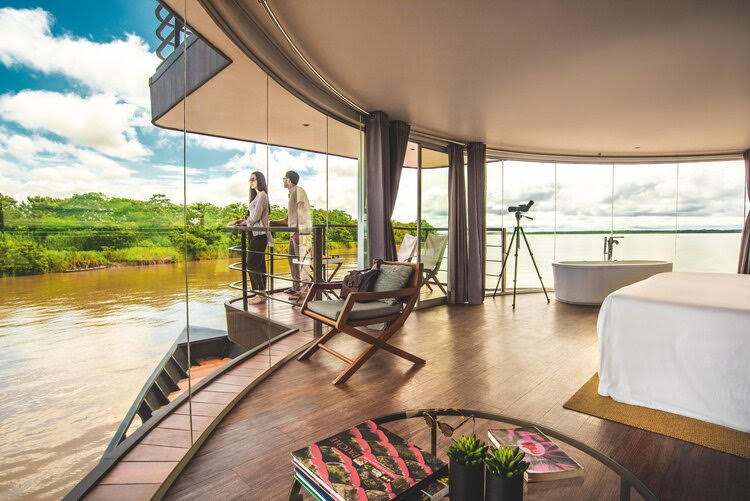
Life balance went out of whack in 2020. Some of us are already booking eco-cruises out of this year!
People who are very passionate about their work have strong work-ethics. They devote a massive part of their days to their work and try to do as much as possible to get higher in the world. While that is all great, too much work can be harmful to the human mind and body.
You may have heard sometimes about something called a work-life balance—this where you need to clearly define restrictions between your work and personal lives. Having a good work-life balance means that you give importance to both and don’t allow one to take over the other.
While sometimes it can be easy, other times it’s easier said than done. That’s where you might need to get creative and maybe get the Best Fake Doctor’s Notes to give your personal life more time.
But why should you have a good work-life balance? Let’s get into that below.
For A Good Mental Health
Not many companies and businesses place enough importance on the significance of mental health. They don’t even provide insurance policies that have good coverage for mental health related treatments and therapies.
Since mental health awareness has been increasing over recent years, you can easily find out what bad mental health can do to your overall health.
Perhaps the most prevalent issue related to working too much is burning out. This could end up having terrible side effects, like chronic stress and lower physical health.
For Your Physical Health
If your mental health is declining, then your physical health will automatically be affected. If your time is mostly being spent on work, thinking about projects, and then simply getting a few hours at night to do the same over again, you will have less time to take care of your body.
Preparing healthy meals for yourself, eating good foods from outside, and getting in the right amount of exercise in a week can take some time and needs commitment. You might not be able to give either if you work too much.
Overworking yourself might even lead to health issues like heart diseases and high blood pressure.
For A Higher Productivity
If you work in a company, they certainly would like you to be just as productive as you are hard-working. While working a lot and putting in extra hours at the office can be great and does show that you are hard-working, the quality of your work might decrease with consistent overworking.
Instead of working more and providing average results, aim to work the required period and have higher productivity.
For Better Personal Relationships
If you end up giving too much time to your work, your personal relationships might end up suffering in the end. You might miss out on getting to meet the love of your life because they were out meeting people while you were working, you could end up losing special moments in your child’s life, or other important things,
You might lose a lot of moments and times that you may regret down the line. So, why not give them time now?




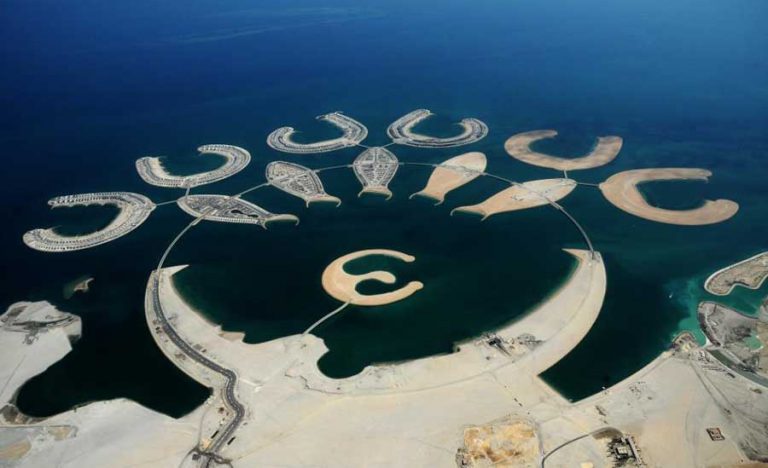
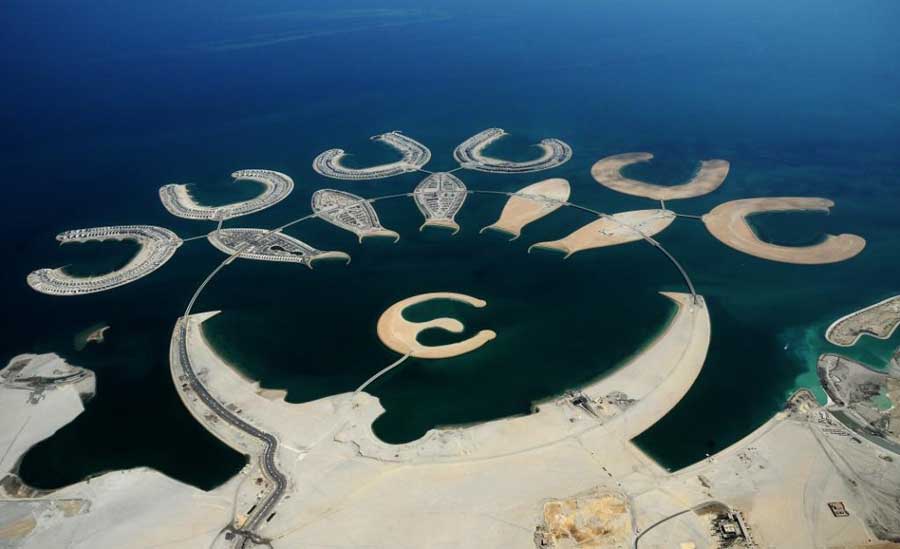





 In order to vary the levels of certainty, in one experiment most of the deviant pictures were of birds, while in a second experiment most of the deviant pictures were of spiders.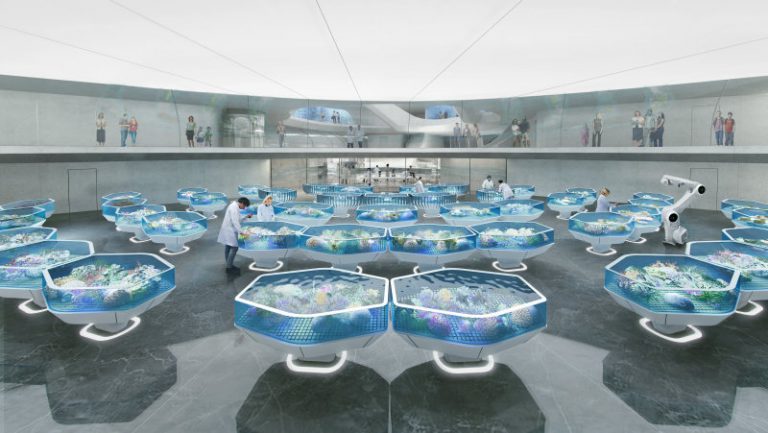
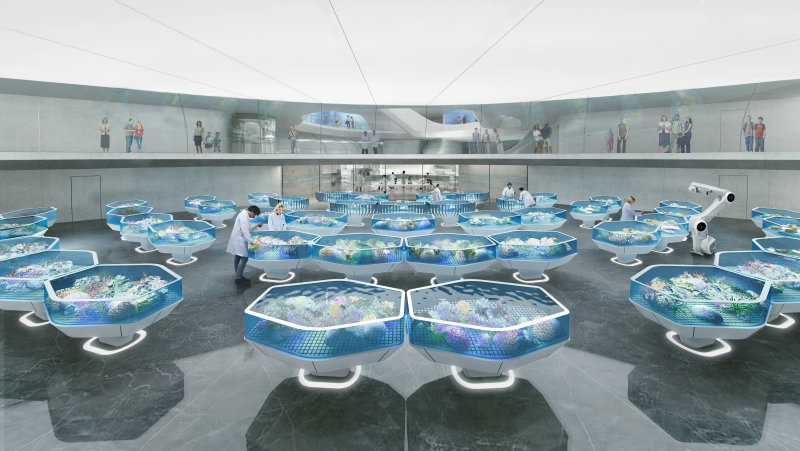




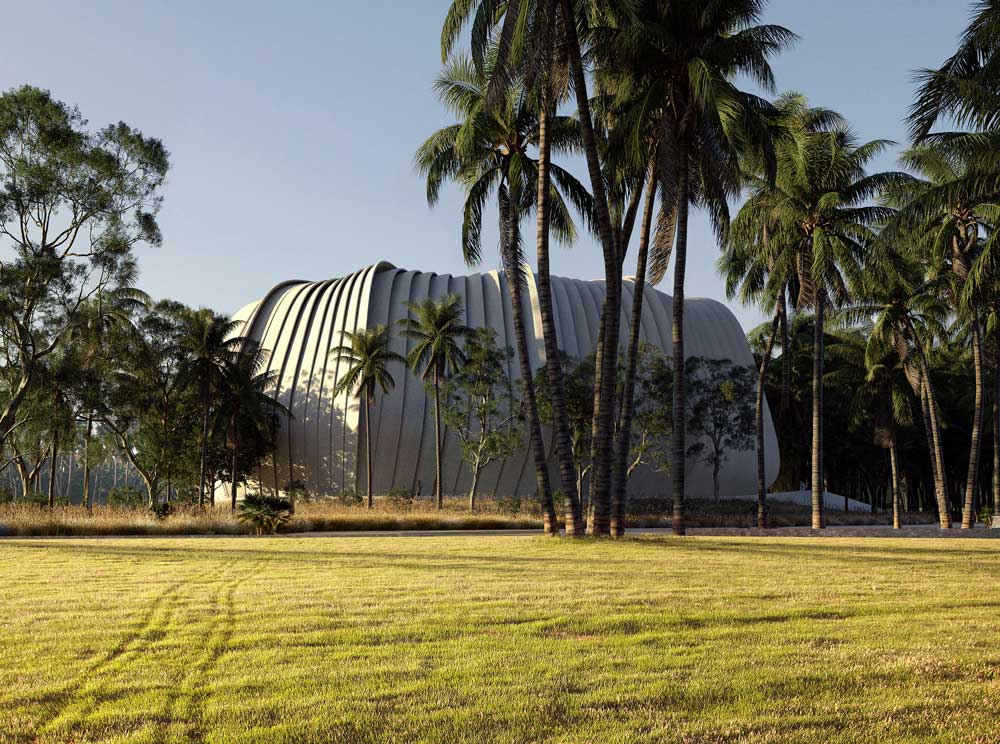
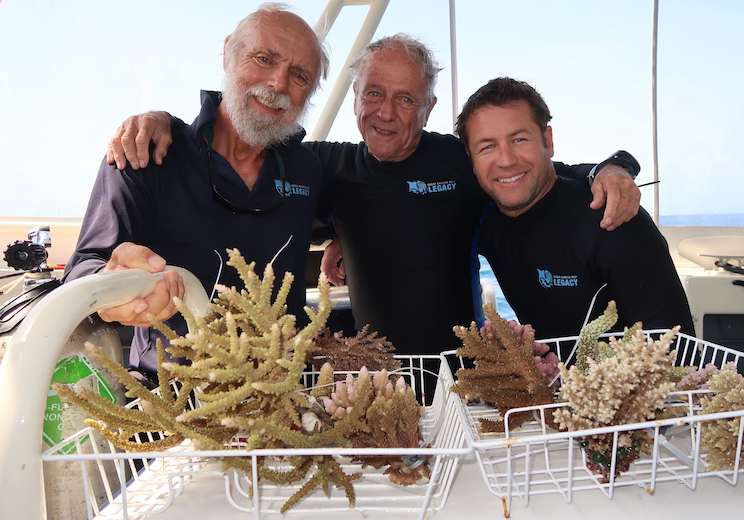

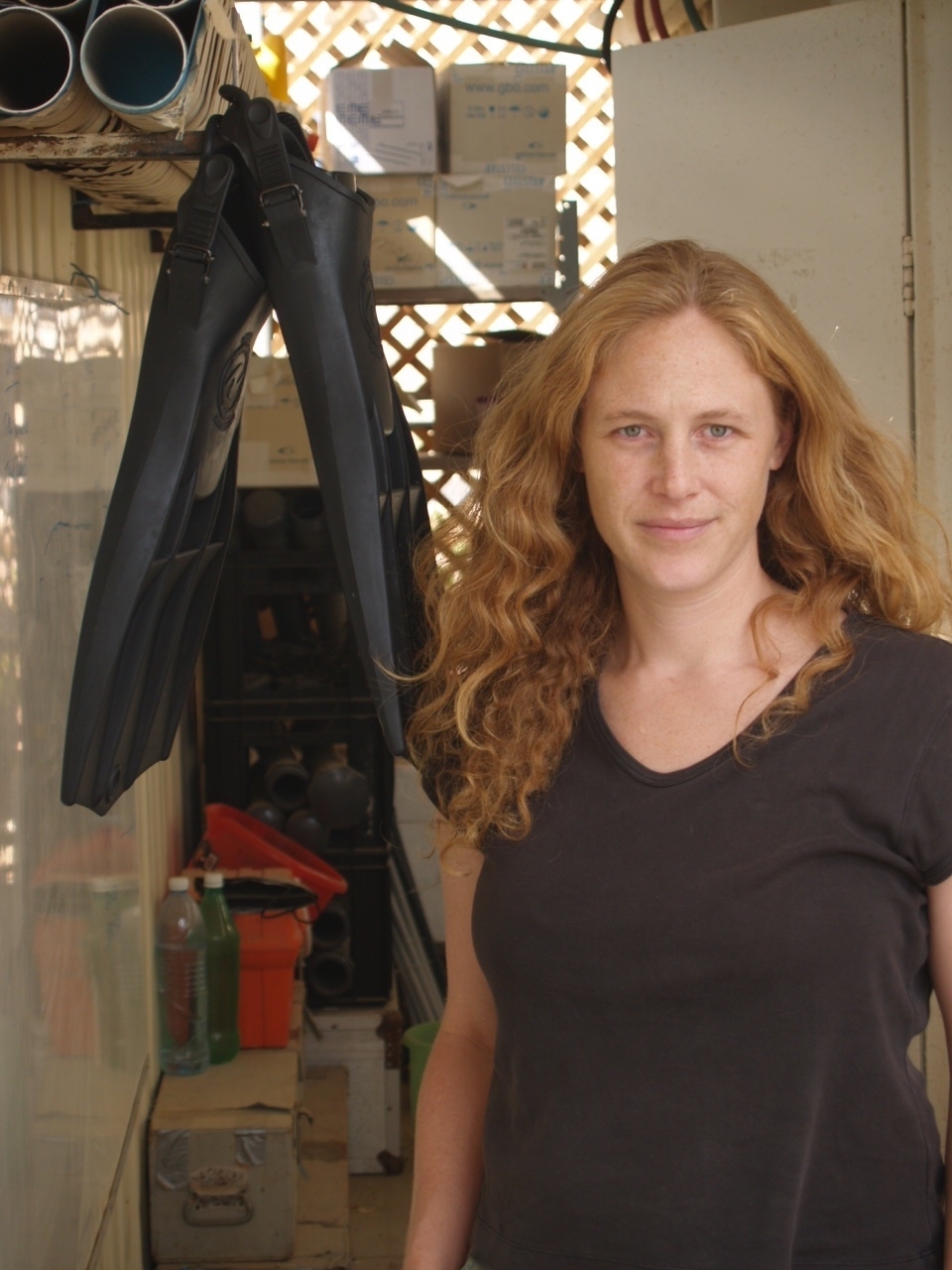






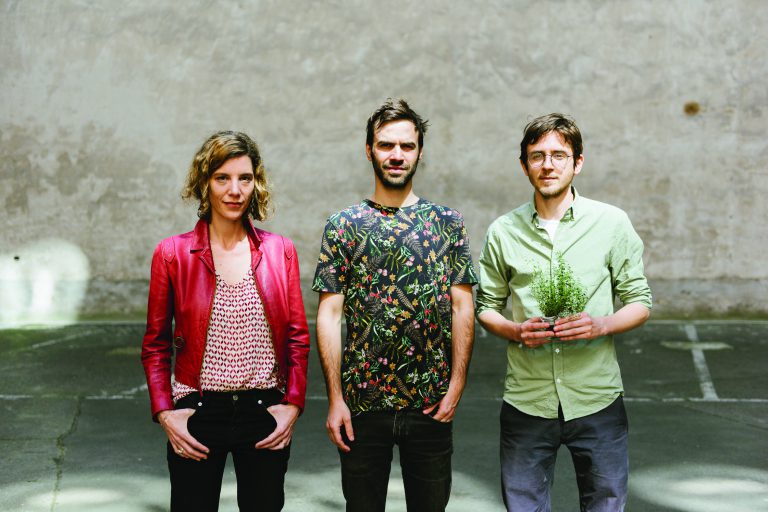
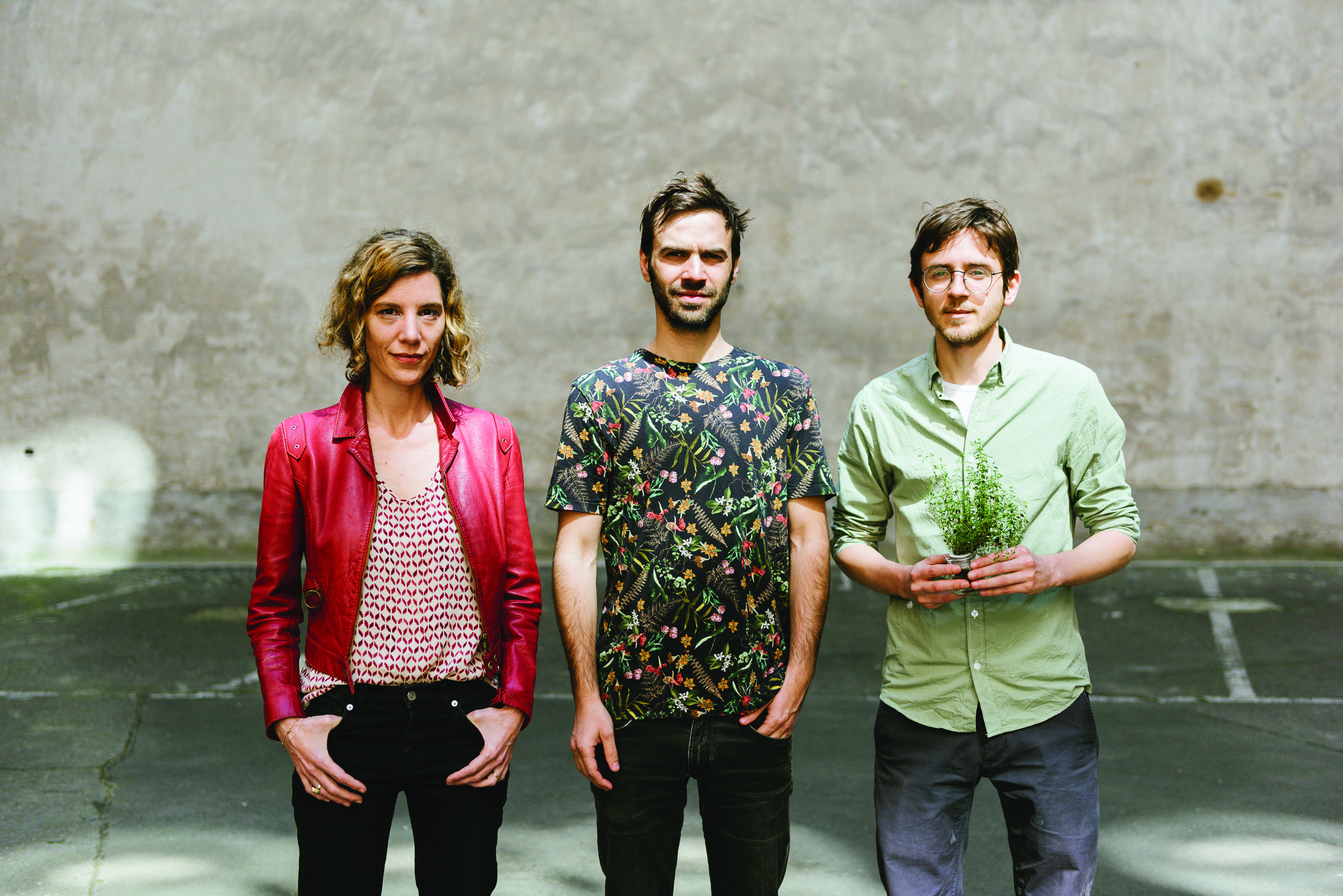


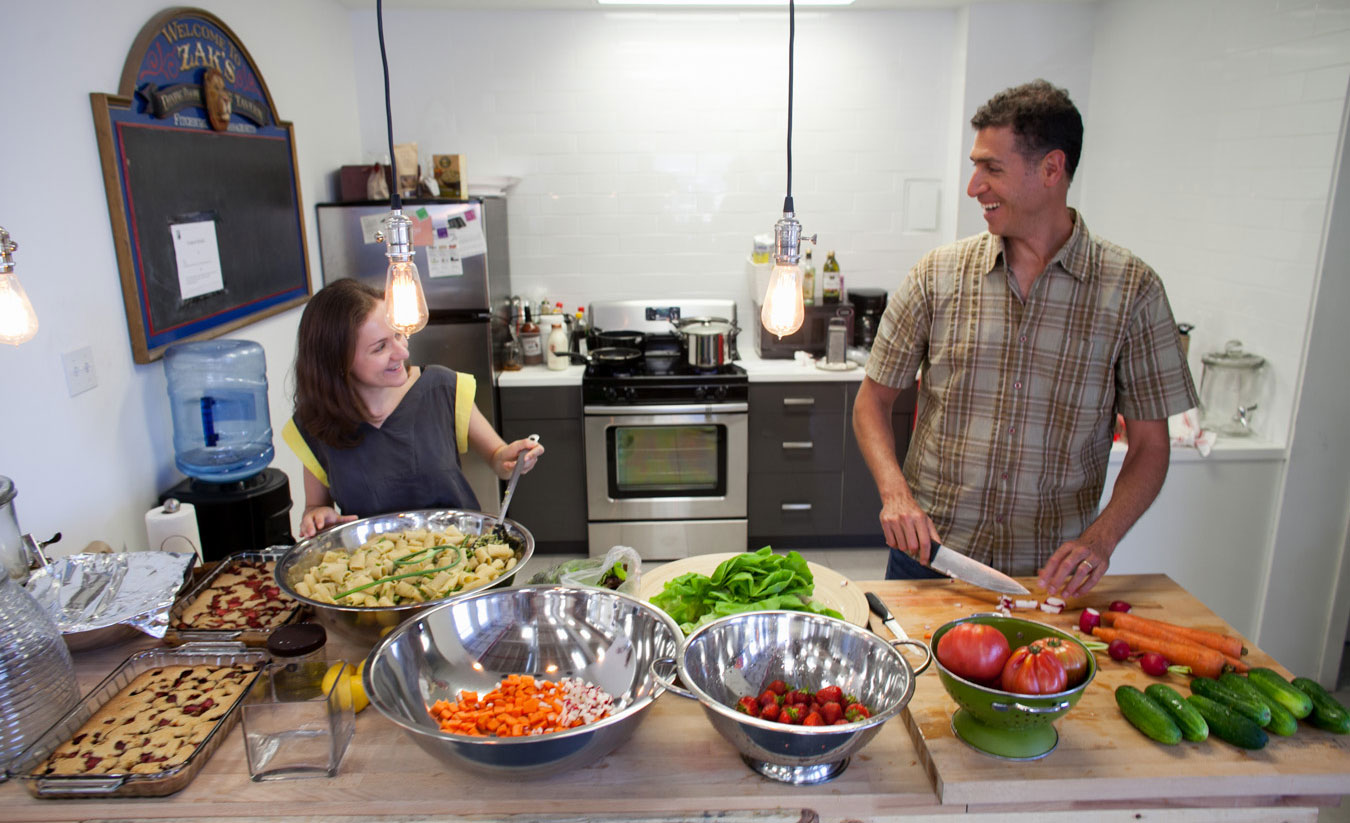



 Marie Miguel has been a writing and research expert for nearly a decade, covering a variety of health- related topics. Currently, she is contributing to the expansion and growth of a free online mental health resource with