Most people know Mars for M&M's and Snickers. Few realize the company has spent four decades researching cocoa flavanols and sustainable cocoa science. After six days testing CocoaVia with pioneers of Toronto's raw food movement, Green Prophet explores the surprising story behind one of the world's most researched cocoa supplements.
Hydraulic systems are at the heart of heavy manufacturing, but poor maintenance can lead to fluid leaks, downtime, and unnecessary waste. By focusing on preventive maintenance, fluid monitoring, filtration, and early leak detection, industrial facilities can improve efficiency, reduce environmental impact, and strengthen sustainable manufacturing without major capital investments.
Jewish herbalism is experiencing a revival as educators like Naomi Spector uncover centuries of plant knowledge preserved through the diaspora. Blending the wisdom of Maimonides, Ashkenazi and Sephardi traditions, and remedies passed from generation to generation, this forgotten ecological heritage reveals how Jewish communities adapted to new landscapes while keeping their cultural identity rooted in the natural world.
The Neptun of Marstal is more than a restored Danish sailing ship. Operated as a non-profit sail-training organization, it invites people of all ages to swap screens for sails, learn traditional seamanship and discover how caring for the sea begins by experiencing it firsthand. Along the way, strangers become crewmates, old maritime skills are kept alive, and the voyage offers a powerful lesson in environmental stewardship, cooperation and the enduring value of learning by doing.
Six beluga whales have begun leaving Canada's shuttered Marineland, but they aren't returning to the wild. Here's why the park closed and where the whales are going.
Most people know Mars for M&M's and Snickers. Few realize the company has spent four decades researching cocoa flavanols and sustainable cocoa science. After six days testing CocoaVia with pioneers of Toronto's raw food movement, Green Prophet explores the surprising story behind one of the world's most researched cocoa supplements.
Hydraulic systems are at the heart of heavy manufacturing, but poor maintenance can lead to fluid leaks, downtime, and unnecessary waste. By focusing on preventive maintenance, fluid monitoring, filtration, and early leak detection, industrial facilities can improve efficiency, reduce environmental impact, and strengthen sustainable manufacturing without major capital investments.
Jewish herbalism is experiencing a revival as educators like Naomi Spector uncover centuries of plant knowledge preserved through the diaspora. Blending the wisdom of Maimonides, Ashkenazi and Sephardi traditions, and remedies passed from generation to generation, this forgotten ecological heritage reveals how Jewish communities adapted to new landscapes while keeping their cultural identity rooted in the natural world.
The Neptun of Marstal is more than a restored Danish sailing ship. Operated as a non-profit sail-training organization, it invites people of all ages to swap screens for sails, learn traditional seamanship and discover how caring for the sea begins by experiencing it firsthand. Along the way, strangers become crewmates, old maritime skills are kept alive, and the voyage offers a powerful lesson in environmental stewardship, cooperation and the enduring value of learning by doing.
Six beluga whales have begun leaving Canada's shuttered Marineland, but they aren't returning to the wild. Here's why the park closed and where the whales are going.
Most people know Mars for M&M's and Snickers. Few realize the company has spent four decades researching cocoa flavanols and sustainable cocoa science. After six days testing CocoaVia with pioneers of Toronto's raw food movement, Green Prophet explores the surprising story behind one of the world's most researched cocoa supplements.
Hydraulic systems are at the heart of heavy manufacturing, but poor maintenance can lead to fluid leaks, downtime, and unnecessary waste. By focusing on preventive maintenance, fluid monitoring, filtration, and early leak detection, industrial facilities can improve efficiency, reduce environmental impact, and strengthen sustainable manufacturing without major capital investments.
Jewish herbalism is experiencing a revival as educators like Naomi Spector uncover centuries of plant knowledge preserved through the diaspora. Blending the wisdom of Maimonides, Ashkenazi and Sephardi traditions, and remedies passed from generation to generation, this forgotten ecological heritage reveals how Jewish communities adapted to new landscapes while keeping their cultural identity rooted in the natural world.
The Neptun of Marstal is more than a restored Danish sailing ship. Operated as a non-profit sail-training organization, it invites people of all ages to swap screens for sails, learn traditional seamanship and discover how caring for the sea begins by experiencing it firsthand. Along the way, strangers become crewmates, old maritime skills are kept alive, and the voyage offers a powerful lesson in environmental stewardship, cooperation and the enduring value of learning by doing.
Six beluga whales have begun leaving Canada's shuttered Marineland, but they aren't returning to the wild. Here's why the park closed and where the whales are going.
Most people know Mars for M&M's and Snickers. Few realize the company has spent four decades researching cocoa flavanols and sustainable cocoa science. After six days testing CocoaVia with pioneers of Toronto's raw food movement, Green Prophet explores the surprising story behind one of the world's most researched cocoa supplements.
Hydraulic systems are at the heart of heavy manufacturing, but poor maintenance can lead to fluid leaks, downtime, and unnecessary waste. By focusing on preventive maintenance, fluid monitoring, filtration, and early leak detection, industrial facilities can improve efficiency, reduce environmental impact, and strengthen sustainable manufacturing without major capital investments.
Jewish herbalism is experiencing a revival as educators like Naomi Spector uncover centuries of plant knowledge preserved through the diaspora. Blending the wisdom of Maimonides, Ashkenazi and Sephardi traditions, and remedies passed from generation to generation, this forgotten ecological heritage reveals how Jewish communities adapted to new landscapes while keeping their cultural identity rooted in the natural world.
The Neptun of Marstal is more than a restored Danish sailing ship. Operated as a non-profit sail-training organization, it invites people of all ages to swap screens for sails, learn traditional seamanship and discover how caring for the sea begins by experiencing it firsthand. Along the way, strangers become crewmates, old maritime skills are kept alive, and the voyage offers a powerful lesson in environmental stewardship, cooperation and the enduring value of learning by doing.
Six beluga whales have begun leaving Canada's shuttered Marineland, but they aren't returning to the wild. Here's why the park closed and where the whales are going.
Most people know Mars for M&M's and Snickers. Few realize the company has spent four decades researching cocoa flavanols and sustainable cocoa science. After six days testing CocoaVia with pioneers of Toronto's raw food movement, Green Prophet explores the surprising story behind one of the world's most researched cocoa supplements.
Hydraulic systems are at the heart of heavy manufacturing, but poor maintenance can lead to fluid leaks, downtime, and unnecessary waste. By focusing on preventive maintenance, fluid monitoring, filtration, and early leak detection, industrial facilities can improve efficiency, reduce environmental impact, and strengthen sustainable manufacturing without major capital investments.
Jewish herbalism is experiencing a revival as educators like Naomi Spector uncover centuries of plant knowledge preserved through the diaspora. Blending the wisdom of Maimonides, Ashkenazi and Sephardi traditions, and remedies passed from generation to generation, this forgotten ecological heritage reveals how Jewish communities adapted to new landscapes while keeping their cultural identity rooted in the natural world.
The Neptun of Marstal is more than a restored Danish sailing ship. Operated as a non-profit sail-training organization, it invites people of all ages to swap screens for sails, learn traditional seamanship and discover how caring for the sea begins by experiencing it firsthand. Along the way, strangers become crewmates, old maritime skills are kept alive, and the voyage offers a powerful lesson in environmental stewardship, cooperation and the enduring value of learning by doing.
Six beluga whales have begun leaving Canada's shuttered Marineland, but they aren't returning to the wild. Here's why the park closed and where the whales are going.
Most people know Mars for M&M's and Snickers. Few realize the company has spent four decades researching cocoa flavanols and sustainable cocoa science. After six days testing CocoaVia with pioneers of Toronto's raw food movement, Green Prophet explores the surprising story behind one of the world's most researched cocoa supplements.
Hydraulic systems are at the heart of heavy manufacturing, but poor maintenance can lead to fluid leaks, downtime, and unnecessary waste. By focusing on preventive maintenance, fluid monitoring, filtration, and early leak detection, industrial facilities can improve efficiency, reduce environmental impact, and strengthen sustainable manufacturing without major capital investments.
Jewish herbalism is experiencing a revival as educators like Naomi Spector uncover centuries of plant knowledge preserved through the diaspora. Blending the wisdom of Maimonides, Ashkenazi and Sephardi traditions, and remedies passed from generation to generation, this forgotten ecological heritage reveals how Jewish communities adapted to new landscapes while keeping their cultural identity rooted in the natural world.
The Neptun of Marstal is more than a restored Danish sailing ship. Operated as a non-profit sail-training organization, it invites people of all ages to swap screens for sails, learn traditional seamanship and discover how caring for the sea begins by experiencing it firsthand. Along the way, strangers become crewmates, old maritime skills are kept alive, and the voyage offers a powerful lesson in environmental stewardship, cooperation and the enduring value of learning by doing.
Six beluga whales have begun leaving Canada's shuttered Marineland, but they aren't returning to the wild. Here's why the park closed and where the whales are going.
Most people know Mars for M&M's and Snickers. Few realize the company has spent four decades researching cocoa flavanols and sustainable cocoa science. After six days testing CocoaVia with pioneers of Toronto's raw food movement, Green Prophet explores the surprising story behind one of the world's most researched cocoa supplements.
Hydraulic systems are at the heart of heavy manufacturing, but poor maintenance can lead to fluid leaks, downtime, and unnecessary waste. By focusing on preventive maintenance, fluid monitoring, filtration, and early leak detection, industrial facilities can improve efficiency, reduce environmental impact, and strengthen sustainable manufacturing without major capital investments.
Jewish herbalism is experiencing a revival as educators like Naomi Spector uncover centuries of plant knowledge preserved through the diaspora. Blending the wisdom of Maimonides, Ashkenazi and Sephardi traditions, and remedies passed from generation to generation, this forgotten ecological heritage reveals how Jewish communities adapted to new landscapes while keeping their cultural identity rooted in the natural world.
The Neptun of Marstal is more than a restored Danish sailing ship. Operated as a non-profit sail-training organization, it invites people of all ages to swap screens for sails, learn traditional seamanship and discover how caring for the sea begins by experiencing it firsthand. Along the way, strangers become crewmates, old maritime skills are kept alive, and the voyage offers a powerful lesson in environmental stewardship, cooperation and the enduring value of learning by doing.
Six beluga whales have begun leaving Canada's shuttered Marineland, but they aren't returning to the wild. Here's why the park closed and where the whales are going.
Most people know Mars for M&M's and Snickers. Few realize the company has spent four decades researching cocoa flavanols and sustainable cocoa science. After six days testing CocoaVia with pioneers of Toronto's raw food movement, Green Prophet explores the surprising story behind one of the world's most researched cocoa supplements.
Hydraulic systems are at the heart of heavy manufacturing, but poor maintenance can lead to fluid leaks, downtime, and unnecessary waste. By focusing on preventive maintenance, fluid monitoring, filtration, and early leak detection, industrial facilities can improve efficiency, reduce environmental impact, and strengthen sustainable manufacturing without major capital investments.
Jewish herbalism is experiencing a revival as educators like Naomi Spector uncover centuries of plant knowledge preserved through the diaspora. Blending the wisdom of Maimonides, Ashkenazi and Sephardi traditions, and remedies passed from generation to generation, this forgotten ecological heritage reveals how Jewish communities adapted to new landscapes while keeping their cultural identity rooted in the natural world.
The Neptun of Marstal is more than a restored Danish sailing ship. Operated as a non-profit sail-training organization, it invites people of all ages to swap screens for sails, learn traditional seamanship and discover how caring for the sea begins by experiencing it firsthand. Along the way, strangers become crewmates, old maritime skills are kept alive, and the voyage offers a powerful lesson in environmental stewardship, cooperation and the enduring value of learning by doing.
Six beluga whales have begun leaving Canada's shuttered Marineland, but they aren't returning to the wild. Here's why the park closed and where the whales are going.
Holding her ears from the noise in Beirut, Lebanon
Noise is toxic and damaging to your peace of mind. An unsettled mind can lead to immune system malfunctions and chronic problems related to stress. A loud industrial saw is working on construction of the building next door to me in Tel Aviv, as I type. Music blasting in nature sites, bus speakers announcing stops, criminal level shouting and incessant honking and screaming – on the streets, and in classrooms, are the norm in an overly loud Israeli city.
Israel, by law, has natural quiet hours –– between the hours of 2PM and 4PM when European Jews like to nap and it’s called schlafstunde –– Yiddish for afternoon sleep. The law is still intact, but it’s easy to get around it if you own a construction business and need to get the job done.
Chronic, including humming and droning noise by large machinery during waking and sleeping hours is not just annoying, it’s a health threat that goes largely unrecognized. The relentless din of cars, trucks, trains and planes increases the risk of hypertension, stroke and heart attacks according to research studies.
Even people who live in generally quiet areas are affected: those sudden jarring sounds coming from fire crackers are also particularly detrimental. Cities like New York enacted honking bans in some of the more populous areas of Manhattan already in the early 90s and now cities like Paris have installed noise cameras to monitor vehicles’ sound levels. Thanks to the lovely Swiss, they are introducing national quiet hours.
Noise pollution is a global concern
According to the European Environment Agency, more than one in every five EU citizens is exposed to chronic harmful levels of road traffic noise. This percentage is much higher in many urban areas. The number of people ‘highly annoyed’ and ‘highly sleep disturbed’ must be reduced by 5.4 million and 1.5 million, respectively, in order to meet the 2030 zero pollution targets for noise pollution. They say that “based on levels and measures currently in place, the prospect of meeting these targets is low.”
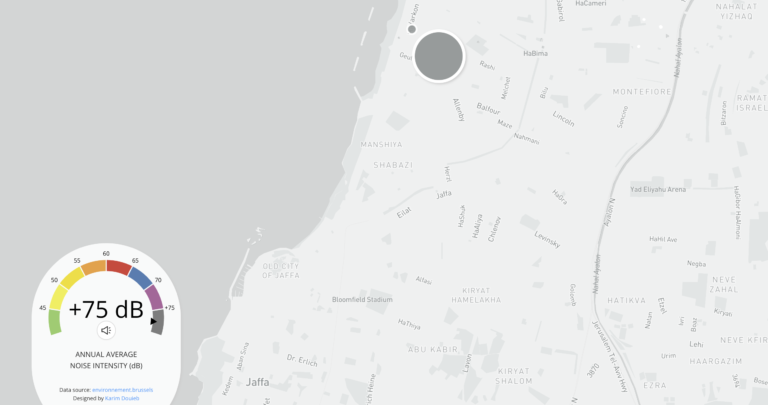
Check out Noisy City to see how cities of the world differ in sound pollution
Try this interactive map of noise pollution from Noisy City to see how your city and region fares. I rolled over Tel Aviv and experienced what more than 75 dB of sound can feel like all day, every day.
Israel fortunately, does care about noise pollution but really doesn’t do much to enforce that the laws or guidelines are met. First step to complaining about noise is finding which ministry will deal with it. The Ministry of Environmental Protection, the weakest ministry in the Israeli Government, oversees noise pollution. But on a local level the police and city authorities may also handle complaints. If it’s construction noise ongoing, a hum of an air conditioner rattling your brain or the sounds of a garbage truck picking up a bin at 4am. All are different units. Consult this complainer’s noise guide if this is what you are looking for.
If you want to change policy and law, contact Adam Teva V’Din, an Israeli organization that creates policies and the foundations for environmental law in Israel.
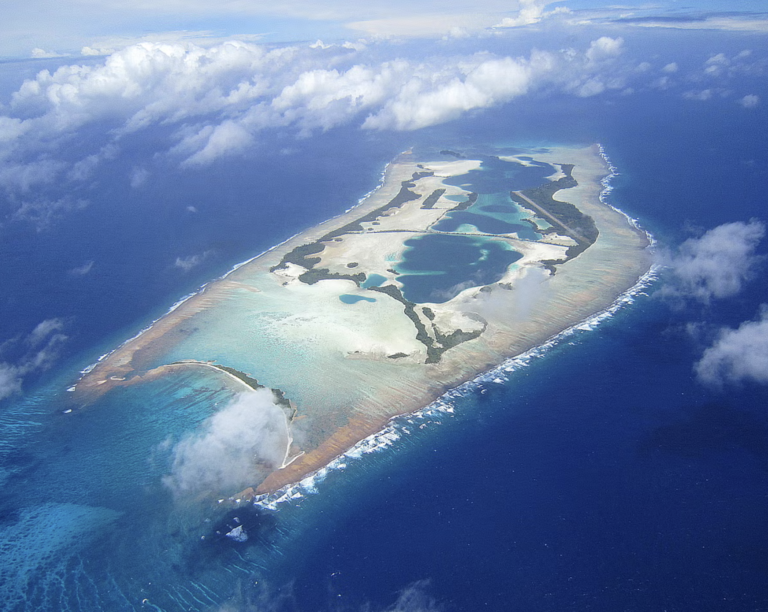
Palmyra is a habitat destroyed by a US army base. Can fungi restore it? Photo via Nature Conservancy
This lushly photographed island is in an isolated patch of the North Pacific. The atoll of Palmyra is actually home to some of the most pristine coral reefs in the world but the land around it has been ravaged by invasive coconut-palm trees and wrecked by a former US military base.
Now a nature preserve, Palmyra has become a natural laboratory for studying whether networks of fungi below ground can help to revive damaged habitats: “If we can get restoration right on islands, we have this great capacity to have an outsized impact on reversing the world’s biodiversity crisis,” says ecologist Holly Jones.
The project is run by Toby Kiers from Holland and she is also the director of the Society for the Protection of Underground Networks.
Toby Kiers investigating soil and the fungi inside it
Researchers believe that mycorrhizal networks of fungi may have evolved a unique ability to cycle nutrients between seabirds, rainforest trees, and coral reefs in the atoll. Led by Kiers, the Society for the Protection of Underground Networks (SPUN) travelled to this remote atoll – a place so untouched that researchers had to freeze their clothes each night to prevent the introduction of non-native species to the protected islands – for a recent research expedition.
In partnership with The Nature Conservancy Climate Adaptation Lab, SPUN is mapping the diversity of mycorrhizal fungi across Palmyra Atoll, 1,000 miles south of Hawai’i. This atoll, the Earth’s most remote, is the site of much lore, including a double murder, sunken treasure, and disappearing aircrafts. It is also home to a million seabirds, untouched coral reefs, and a fish population that is 44% sharks.
“Never could I have imaged sampling fungi while small sharks swam around my feet. As we hiked in the ocean between forested islands, we could hardly hear ourselves talk because the birds were so loud,” says Kiers. “Visiting Palmyra allows you to go back in time when other organisms – not humans – dominated the landscape.”
The scientists sampling Palmyra hope to understand how mycorrhizal fungi facilitate nutrient movement between the sea and the rainforest – and how remote island ecosystems are coping with climate change, invasive species, and rising sea levels.
During the course of a recent expedition, SPUN scientists collected samples from across 27 islands. These have been sent off for DNA sequencing so that the fungal players can be identified.
Strange trees that eat birds
Among the island’s species is the towering Pisonia tree. Pisonia is a native rainforest species that has been reported to digest seabirds that get trapped by the sticky substance secreted by its seeds. Kiers and her team conducted extensive sampling of the symbiotic fungi that colonize Pisonia roots to test how nutrients from birds and their guano (the bird poo) are captured and fed back to the rainforest trees.
Scientists believe that these mycorrhizal fungi create nutrient feedback loops that not only support the island’s rainforests, but also the plankton communities and coral reefs offshore: “On these remote islands – out of reach of human interference – we see an extreme form of interdependence among organisms on land and sea,” says Kiers. Lose any of these organisms – fungi, crab, birds, tree, corals – and we may witness a devastating cascade effect.
Giant crabs at Palmyra
The waters surrounding the atoll host some of the most pristine coral populations in the world. The Palmyra Atoll is also home to the largest crab species in the world. Coconut crabs grow up to a meter wide and are prolific hunters and tree climbers. The science team has hypothesised that these land crabs are helping to distribute the symbiotic fungi to new roots through their digging, re-enforcing the cycling of nutrient among birds, crabs, coral reefs and native rainforest.
Until now, the fungal communities of the atoll had never been studied, and researchers anticipate the discovery of new species able to withstand extreme heat, salinity and low nutrient conditions. Despite being so remote, the islands have been threatened by invasive species. The Nature Conservancy has removed over 1 million non-native coconut palms and eradicated large populations of introduced brown rats. And, as sea levels around the islands rise, erosion is beginning to eat away at Palmyra. So researching here can be a lab for climate change and rolling back human influence, if it is at all possible.
It’s definitely a site worth watching as Middle East capitalists for Neom in Saudi Arabia start building billions of dollars worth of so-called eco-hotels on islands in the Red Sea never inhabited by humans.
A landmark treaty set by the UN for conservation and sustainable use of marine biodiversity on high seas
The Food and Agriculture Organization of the United Nations has welcomed the approval by UN member states of a landmark legally binding agreement, under the UN Convention on the Law of the Sea, for the conservation and sustainable use of marine biological diversity in international waters, covering nearly two-thirds of world’s ocean. The world’s oceans are in trouble from over-fishing, pollution, plastic, climate change.
The FAO is set to support its members in implementing the accord, often referred to as the “High Seas Treaty”, on safeguarding Marine Biodiversity of Areas Beyond National Jurisdiction (BBNJ), which has been under discussion for nearly two decades and was approved at an intergovernmental conference in New York on 19 June after 5 negotiating sessions.
Treaty marks new heights for marine protection
The BBNJ Agreement “is of great importance to our efforts to tackle environmental challenges and promote the conservation and sustainable use of marine biological diversity on the high seas,” said Manuel Barange, director of FAO’s Fisheries and Aquaculture Division.
The agreement “enables us to complete the legal and institutional framework for global ocean governance and as a result manage and conserve our precious marine living resources more effectively,” Barange said.
The FAO has consistently advocated for sustainable and effective fisheries management as the best way to replenish stocks, conserving biodiversity and ensuring people continue to benefit from the ocean’s resources, including the high seas.
In tackling biodiversity challenges, including those in areas beyond national jurisdiction, the Organization argues that lasting progress can only be achieved through sustainable practices that enable humans to restore the health of marine ecosystems as part of effective management solutions.
As the only intergovernmental organization mandated to undertake the collection, compilation, analysis and distribution of global fisheries and aquaculture data, the FAO has played a crucial role in informing the treaty process and will assist in the implementation of this new legally binding instrument.
Groundwork already laid
Working with its partners through the Common Oceans Program, FAO has already laid the groundwork for change in the ocean governance of shared marine waters. Between 2014-2019, the program helped to establish 18 new areas to protect vulnerable marine ecosystems, contributed to the reduction of marine pollution and rebuilt tuna stocks to more sustainable levels. It has also helped to lower the bycatch, or discarding by fishers of such species as dolphins and porpoises in the Indian Ocean and the threat to marine turtles in the Pacific Ocean, as well as to build capacity on the BBNJ process and foster public-private partnerships.
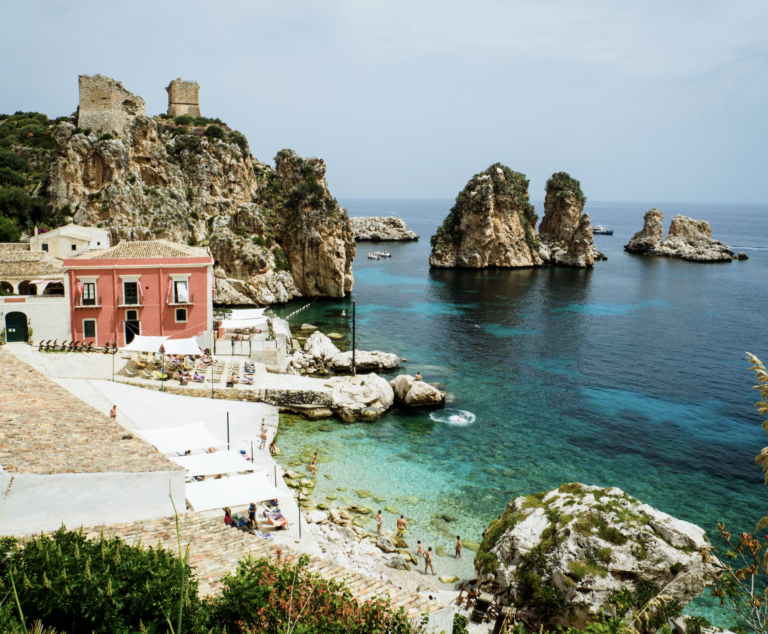
Tonnara di Scopello, Scopello, Sicily, Italy: the Mediterranean Sea looks healthy, but the damage is below the surface.
The underwater world is in danger, and the culprit is overfishing. It is a problem fueled by multiple factors, each wreaking havoc on our marine ecosystems. First, the appetite for commercial and recreational fishing puts immense pressure on important fish species, disrupting the delicate balance of life beneath the waves. But that’s not all—illegal practices, unreported catches, and forbidden gear silently destroying fish populations.
As if that weren’t enough, destructive fishing techniques like bottom trawling leave a path of destruction, harming their intended targets, unintended creatures, and fragile habitats. To make matters worse, fisheries management is drowning in a sea of challenges, from weak enforcement to limited monitoring, making it nearly impossible to accurately assess fish stocks and implement effective conservation measures. It is a dire situation, threatening the very sustainability of our oceans and the long-term health of marine ecosystems.
The Mediterranean, including Israel, may never fully recover, and the same is true for the rest of the world if we don’t take urgent action to safeguard the surviving fish populations.
Why should I care about over-fishing?
Fish dead in fish nets
Diminishing fish stocks, caused by the reduction in species diversity through over-harvesting, jeopardizes the livelihoods of the 800 million individuals working in the fishing industry. According to fishforward.edu, a staggering 93% of Mediterranean stocks are threatened by over-capturing. This decline in fish populations leads to diminished catches, financial losses, and a devastating impact on coastal communities.
The consequences of over-capturing extend beyond economics. Overfishing harms marine ecosystems’ delicate food webs and ecological relationships. The extinction of a fish species due to overfishing has far-reaching consequences, negatively impacting predators, prey, and their habitats. Disturbingly, Scientists have made a startling discovery: the Red Sea floor is leaking vast amounts of gas, further highlighting the ecological disruptions caused by overfishing. Sharks, vital to the balance of underwater ecosystems, are facing extinction in 20% of the world’s reefs and are dying off in the Mediterranean Sea.
Despite regulations, illegal fishing (IUU) poses one of the most significant challenges in combating over-exploitation. In fact, illegal fishing contributes a substantial percentage to the overall problem. Insufficient surveillance on the water hinders the enforcement of fishing regulations, allowing illegal fishermen to thrive. Their indiscriminate drag nets capture non-target species, further exacerbating the ecological imbalance caused by overfishing.
What are Israeli efforts against over-fishing?
Slow Food chef prepares Slow Fish, caught sustainably with a rod by one fisher
The Israeli government is taking decisive action to protect endangered species during their crucial reproductive periods. They have implemented fishing restrictions and season closures, incorporating measures like minimum size limits and regulating the quantity of fish that can be caught.
But that’s not all. Enter Marine Protected Areas (MPAs) – designated zones that act as safe havens for marine life. These areas restrict or even prohibit fishing activities, allowing fish populations to rebound and marine ecosystems to flourish again. The magic happens when these MPAs revive their protected spaces and help fish numbers grow beyond their boundaries.
To ensure the effectiveness of these conservation efforts, strict monitoring and enforcement are essential. Imagine increased patrols, cutting-edge monitoring systems, and even tougher penalties for those who dare to defy the regulations. It is a united front against overfishing, and these surveillance mechanisms play a crucial role in safeguarding our precious marine resources.
But protecting our oceans is not a solo mission. It requires the active involvement of fishermen, buyers, and the wider public. That’s why public awareness and education are essential to spreading the word about the value of sustainable fishing methods and shedding light on the consequences of overfishing, creating a sense of responsibility in everyone. Together, we can make informed choices and become stewards of our marine ecosystems, ensuring their long-term survival and prosperity.
What can I do to stop over-fishing?
A family hauling in a large fishing net
Educate yourself on fish sustainability policies and support the European Mediterranean nations as efforts are there to ensure that stocks are managed sustainably and work to combat IUU fishing. As an individual, you can still eat sustainably and mindfully on the Mediterranean coast.
Try different fish species – these are 7 safe fish to eat. As consumers, we tend to eat the fish we are used to, and the fishers work to meet the demand for more “common” fish. European Mediterranean fish buyers are being encouraged to help buyers try new and more sustainable local species that are not overfished and are widely available in the consumers’ respective regions. Consider eating farmed fish like tilapia.
Support small-scale fishing businesses and Slow Fish protocols. Collaboration with stakeholders, regulated sales to local restaurants, finding new markets, and establishing distribution agreements ensure a steady seafood supply.
Fishing communities like the one at the Port in Jaffa can also explore opportunities like fishing tourism, wildlife observation, cultural heritage preservation, and sustainable aquaculture. These efforts boost regional economies and emphasize the significance of fish. Making informed choices to support these initiatives is essential.
Through these collective efforts and informed choices, we can strive for a future where our oceans thrive, and the underwater world is preserved for generations.
If there’s one person to thank for the phrase “urban forager,” it’s Leda Meredith. The words encompass her passion for the wild edible plants that grow in natural settings like parks and forests, but also between cracks in the sidewalk, in empty lots, and unrecognized, in your own garden. Leda dedicated years to teaching how to identify and eat these plants, with the goal of helping people to reduce their carbon footprint by consuming locally grown foods.
Leda’s first career was as a brilliant professional dancer, a teacher of dance, and choreographer. She chose ethnobotany, the science of plants’ uses, as her second career, and earned certification in the field from the New York Botanical Garden. She had an honorary doctorate in fine arts for writing from La Universidad Leonardo da Vinci in El Salvador, and was granted Adelphi University’s Teaching Excellence Award.
She led foraging tours and held food preservation workshops all over the world. Owing to her influence, thousands of people now consciously choose to protect the environment by buying and preserving locally sourced foods, or growing them.
Leda Meredith, urban forager pioneer
Then there was Leda’s personal beauty and charm; her engaging enthusiasm for life and life’s good things; her wide-ranging intelligence and curiosity; her courage and sense of adventure.
She identified as a pagan. This is the grace she said over food:
“The energy you give me, I will turn into the actions of an honorable life. You will have no cause to be ashamed of being part of my bones. May your spirit travel in joy.”
Leda fought colonic cancer for a year. She died at home in San Juanillo, Costa Rica, where she and her husband, Richard Orbach, built a house. She is survived by Richard, and her mother, Penelope Colby. And by those many who deeply mourn her loss as a teacher and friend. I am one.
A Tesla Cybertruck is the easiest way to save money on gas, if you can find one
As gas prices rise to all-time highs around the nation, many people find themselves stressed about their finances. Rising gas prices can strain anyone’s budget. Whether you are looking to save some cash on leisurely road trips or just need help surviving the daily grind while commuting to work at votacall.com, there are some simple ways to lessen your spending at the pump. If you’re tired of rising fuel costs and ever-increasing bills, these tips can help lower your expenses without compromising safety or taking unnecessary risks with your car. Read on for a comprehensive guide to saving money on gas!
1. Drive less and more efficiently
Consider taking public transportation or carpooling for your daily commute to save money on gas. When you do drive, take advantage of your car’s fuel efficiency features like cruise control and engine start-stop technology. You can also try coasting to red lights and keeping tires properly inflated. These small changes can help you save money on the cost of gas over time.
2. Shop around for the best prices
Not all gas stations are created equal. You can easily compare fuel prices online or use a smartphone app to find the cheapest prices in your area. Look for gas stations that offer discounts or rewards programs to get even more savings.
3. Choose the right car
If you’re in the market for a new vehicle, consider one with better fuel economy so you can save money on gas each month. Electric, hybrid, and diesel cars tend to have the best fuel economy ratings.
4. Buy in bulk
You can save money on gas by buying in bulk from wholesale suppliers or large chains. Many places offer discounts when you purchase a larger quantity of fuel, so be sure to shop around for the best deals.
5. Consider alternative fuel sources
A hydrogen truck at a gas station
Alternative fuels like biodiesel, natural gas, and propane can be much cheaper than traditional gasoline. Investigate fueling options in your area to see if any of these alternatives could be the right choice for you.
These tips can help you save money on the cost of gas without sacrificing your safety or comfort. With a few simple changes, you can stop worrying about sky-high fuel prices and start enjoying the freedom of the open road.
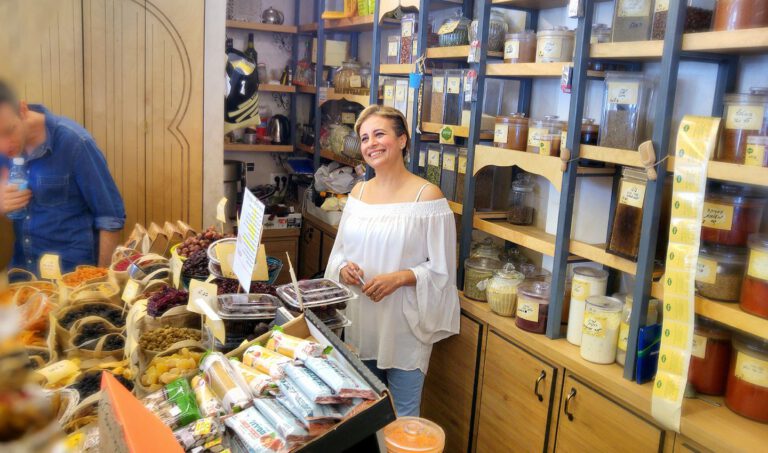
It’s rare for a Middle East spice market to be women-owned and run. But this Persian-Israeli woman Iris Tevlinksy defies market logic in Tel Aviv’s famous Levinsky Market.
Located on the corner of Hahalutsim St and Levinsky St in the famous Levinsky Market (close to Cafe Levinsky) is Tavlinsky, a unique market that has organic products that range from soaps and candles to spices and sauces. The array of products caught my eye as I was walking from a nearby coffee shop and had to stop inside to check it out.
When I went inside I met Hila Gadidi, who now owns the shop alongside her mother, Iris Gadidi for the past 10 years. Iris opened the shop because she wanted people to be consuming organic products. Iris was inspired by her mother to open the store. When Iris was a child, her mother gave her a Persian Havang, a type of pot used to grind many things, such as spices. One of which is saffron, Hila said, but you can grind any type of spice with it efficiently.
Hila preaches for her mother, who she claims was an independent woman for opening this shop all by herself. It’s difficult to open a shop here in this market, Hila said, but she is proud of her mother for being able to do so.
Tavlinksy grinds and produces all of its spices on-site, without the use of any preservatives or additives. At Tavlinsky, their mission is to serve the people the best, most organic spices. When you go to any other grocery store and buy spices, you are most likely not getting quality products. “The species you buy in-store are cheap, but they are not real spices,” Hila noted. I left the store with the Tuscany spice for 35 shekels, which I plan to make to make so many recipes with.
A Tuscan spice blend from Tavlinsky
Hila let me smell and even try some of the spices. One spice that I smelled was the “Iranian cumin”, which had a delicious strong smell that can be used to cook many different things. She also let me try the cinnamon, which they grind directly from the stick.
Cumin from Tavlinksy. Cumin is a very common spice in Israel and the Arab world.
“Not a lot of people like cinnamon. This is because the cinnamon is bitter, if it’s bitter, it’s not real cinnamon,” Hila told me. However, when I tried her cinnamon, it was almost spicy, exactly how you would like cinnamon to be. According to Hila, if the cinnamon is bitter, that means it has been mixed with coffee bean shells.
When I asked Hila how her business helps preserve of the planet, she told me “it’s not for the environment, it’s for the people.”
According to Hila, when you take real, natural medicine, and not unnatural, chemical-based medicine, it is so much better for you. The spices in the shop are for healing, “when you are stressed you drink the tea, when you have a headache, you drink the tea”.
Her best seller is the Organic Moringa, which is a superfood like spirulina. According to Hila is one of the healthiest superfoods in the world. Hila’s personal favorite is the Tuscany blend (which I had to buy for myself), which can use to make almost anything. Some of which can be schnitzel, chicken, pasta, salmon, potatoes, cauliflower and so much more.
If you are into rocks, Tavlinksy has a wide assortment to choose from. Each rock that Tavlinsky has available has a description associated with it so her customers can understand the meaning behind each one. For example, the green agate is supposed to help with self-confidence by cleansing the aura. Another example is the strawberry quartz, which stimulates the energy center in the heart and encourages universal love.
Tavlinksy is also all over social media, including Instagram, Facebook, and even Tiktok, which they have gone viral on. They can be found as “Tavlinksy” on TikTok and one of their videos got 273.4K views.
If you find yourself in the Levinksy market, I highly suggest you check out Tavlinksy. Whether you speak with Iris or Hila, you are ensured to get amazing customer service and the best, most organic products around. Especially if you are into cooking, you will find so many interesting spices and products here in the Levinsky Market.
Growing up in America, recycling has always been a well-known concept that everyone knows to do. Whether Americans participate in it or not, it can be found everywhere. Back home, we have two trash cans: garbage and recycling.
At my university, you will always find garbage and recycling. We are given lectures about recycling; the importance, the concept, and where to find them. However, now that I am in Israel (my first time), I rarely see recycling cans. Where are they? Do Israelis recycle?
Trash room in a dining common at the University of Massachusetts Amherst
In America, industries print numbers onto their materials to indicate the kind of plastic it is and this designates whether it can be recycled and in what bins. For example, in my hometown in New Jersey, we have designated days on which we can recycle, where we place them, and what rules to follow.
Each number inside the triangles indicates the type of material the item is made of. For example, number 2 indicates the material is made of high-density polyethylene. This material, which is commonly used in everyday household products is one of the easiest and safest recyclable materials. However, it is important to recognize that just because the object has a numbered indicator, does not mean it is recyclable. A number 7, classified as other, may or may not be recyclable. In the States, it is crucial to read up on your town’s recycling rules and regulations in order to educate yourself on correct trash disposal.
However, is recycling the only answer? According to the EPA (Environmental Protection Agency in the US), only 32 percent of Americans recycle. But grimmer numbers from Greenpeace suggest that the recycling rates are only about 5%. This shows that when the option is available to Americans to recycle, not all of them do it. In fact, most Americans do not take the time to educate themselves on the proper disposal of recyclable materials and therefore recycle incorrectly.
Recycling incorrectly can lead to even further problems, such as damage to the recycling equipment, and cause major delays and inconveniences in the recycling centers. (Do note however the problems with recycled plastics.)
Recycling labels
The question is how can we gives incentives for people to recycle in the proper way? As an American traveling to Israel who has decent knowledge in the area of recycling, I want to express my concern on the topic. First off, we cannot simply throw recycling cans all over Tel Aviv and expect everyone to cooperate. We need to educate Israelis and show them how to recycle, why it’s important, and then make them feel rewarded for recycling.
In order to educate, we need to put up flyers, posters, and advertisements around Tel Aviv so that the people will see them everywhere to the point where they can reiterate it in their sleep. For example, flyers hung around Tel Aviv can proclaim the importance of recycling. Or, show a sad image of a landfill. Then, provide resources so that the people can properly educate themselves in a manner that is quick and efficient for everyone’s busy lives.
Secondly, there need to be resources on recycling cans that easily show people what can and cannot be recycled. Another way to encourage recycling (an effective way that is widely seen in America) is by shaping the tops of recycling cans to only fit what can be recycled. This limits people from recycling materials that physically cannot be recycled and therefore helps the recycling centers do their job.
Lastly, it is noble to show the people that their actions toward creating a cleaner community pay off. One of the best ways is by creating economic incentives. For example, creating a program where if one recycles a certain amount of garbage, they can be given rebates and compensation. In addition, just expressing to people that their sustainable acts are worthwhile is moral.
Made eco chic shop in Jaffa for sustainable fashion
Recycling does not have to be boring. Similarly to items sold at Madeo eco-chic, a sustainable shop located in Jaffa, we can open more stores that sell items made from recycled material. There are so many ways we can reuse objects and create them into something new and fascinating.
For example, we can use recycled glass to create extraordinary art pieces:
Igreenspot.com made by Reborn Glass, Cape Coral, Florida USA
Overall, recycling not only creates a greener community, but it is also a way to bring us all together to find solutions to our disposal. Recycling does not need to be a tedious subject; we can use the subject of recycling to create new and improved concepts such as creating art and clothing.
Recycling is not a topic to shy away from. It is an innovative, expressive, and fun way to create a greener community.
Since my arrival in Israel, a notable thing I’ve seen everywhere are stray cats. Some of which look healthy and well feed, others not so much. As someone who has grown up with cats and is a big cat person, seeing cats treated poorly makes my heart break. As I explore Tel Aviv, I notice most cats are treaty nicely and look well taken care of. However, on occasion, some cats look like they are hungry, hurt, or sick.
About a week ago, I stumbled across a group of young adults in Jaffa, maybe in their mid-20s having a picnic. There was a friendly cat hanging around them, minding its own business soaking in the sun. The cat then approached one of the guys and rubbed his head against his leg. The man then proceeded to kick the cat and all of his friends laughed as he did this horrid act of cruelty. My friends and I were enraged, to the point where my friends confronted the man and called him out. Unfortunately, none of them cared and continued to act out hastily.
As I was strolling the streets of Jaffa, I stumbled across a pet store with signs covering the door spelling: “Missing cat” and “Wanted”. Another sign (in Hebrew letters) read out: “We lost Poppa”, with a detailed description on the cat that had gone missing. I was pleased to see a pet store so destined to help find lost cats and dogs, that I couldn’t help but find out more information.
WANTED, because they are lost. Lost or stolen pets are a problem on the streets of Jaffa and Tel Aviv.A sign advertising a lost cat in the Flea Market area of Jaffa.
The store, an NGO, is called Hapishpesh, located on Olei Zion Street in Jaffa. I spoke with Mirit Amar, the owner of Hapishpesh (הפשפש), and asked her about how the strays in Tel Aviv are treated.
Miri Amar, Hapishpesh
She told me that most cats are treated with love and kindness, however, there are times when the cats are treated poorly. Mirit told me about a time she witnessed a group of young boys shove a cat into a box and toss it around. With utter disgust, Mirit approached them and offered 200 shekels to take the cat away.
Mirit also told me that the cats are treated differently depending on the area. In Jaffa, there are cat feeders all over the place, and non-profit organizations that make strides to feed and protect the cats. Specifically, Hapishpesh is not only a pet store, but also a non-profit organization that donates its profits to societies that protect the cats of Jaffa.
Mirit also said that a lot of the societies in Jaffa that work to protect the cats buy from her store so she knows most of the organizations that help out.
Hapishpesh, which means The Flea in Hebrew, does everything they can to help protect the cats. The food they donate is without profit, they help to provide cats with shelter in the hot summers and cool winters, and so much more. But Mirit is proud to proclaim that most people of Jaffa are good to the cats and do whatever they can to keep them safe.
I asked Mirit what she would like to see the city of Tel Aviv do in order to help save the cats and she said she’d like to see them take on more of an effort to neuter and spay the cats in order to prevent cats from having too many kittens where they cannot be protected with the best efforts. Overall, Mirit says Tel Aviv is one of the best cities to make the most significant efforts to keep stray cats in the streets healthy, safe, and loved.
I encourage the people of Tel Aviv to buy their pet products from Hapishpesh, as I know the profits go towards good deeds. In addition, I encourage everyone to donate to nonprofit organizations so they can make their best efforts to better our community and society.
There are so many nonprofit organizations that do good acts of kindness in our world. For me, I have been donating to an American organization, RedRover which helps find endangered animals homes. However, there are so many other nonprofit organizations that are looking for donaters, including organizations that donate towards food insecurity, education, and healthcare.
This magnet goes on your fridge so you can order pet food and help save animals’ lives.
Next time you are in the Jaffa area and are in need of some pet supplies, I encourage you to check out Hapishpesh and ask Mirit about what you can do to keep the cats of Tel Aviv loved, safe, and protected.
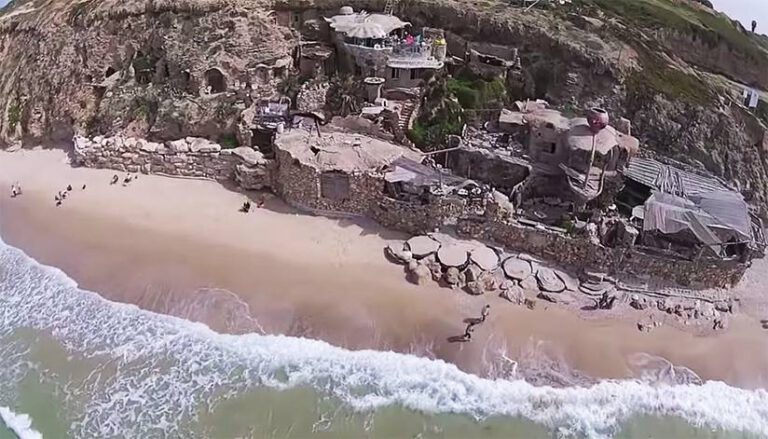
Want a bird’s-eye view of a seaside national park? In an effort to bring a new dimension to the beauty of Apollonia National Park in Israel on the Mediterranean Sea an amateur drone pilot Jesse Peters sent his aerial quadcopter high above the crashing surf and limestone cliffs – exposing the historical ruins, natural beauty, and eclectic wonders that make up this treasured site, a hobbit home, on the Mediterranean coastline – just an hour away from Tel Aviv.
But new demolition orders, based on safety concerns may mean losing this national treasure and hobbit house forever.
Located only a few miles outside the high-tech city of Herzliya, the hobbit home is part of the Apollonia National Park. This park is considered by some to be one of Israel’s best-kept secrets.
Like other coastal cities along the Mediterranean, the site features stunning sunset views and opportunities for hikes along the cliffs and sandy beaches. What really makes Apollonia stand out, however, is its history – stunning archeological sites feature a 13th-century fortress and the remains of a Roman villa – and hey, don’t forget the cliffside hobbit home of artist Nissim Kahlon.
The interior space of the hobbit home in Israel
Since the 1970s, Kahlon has been creating a maze of tunnels and hobbit-like rooms into the limestone under the ancient site of Apollonia. Those walking along the beach along the national park can witness firsthand his determination to literally carve out his own sprawling hobbit palace along the coast. Here and there you can run into Kahlon roaming the coast collecting seashells.
But Nissim’s dream may be pushed into the sand. His name means “miracles” in Hebrew and he is hoping for one. Nissim created the hobbit home with his own hands with no equal in the world. It is a palace carved out of a mountain, miraculously covered with shells and pottery and other debris that he collected from the sea and the surrounding area and turned into art.
The hobbit home of Israel is set for demolition
The Municipality of Herzliya, which owns the house and the site, appealed to UNESCO to recognize this house as a world heritage site. But Israel’s Ministry of Environmental Protection issued a demolition order on the place on the grounds that the place is dangerous and could collapse at any moment. A local fundraiser is in place to support strengthening the building and regulating it as a tourist site.
Apollonia is one of nearly 50 national parks found throughout Israel. Everything from unique geology to dense forest trails and hikes through verdant, unending plains await those explorers looking to stir their sense of wonder. Interested in a place to start exploring nature in Israel? Check out our top 10 list of environmental day trips, if you are exploring Israel.
I can’t count how many friends of mine have travelled to the Amazon to use psychedelic drugs. It’s much easier these days to find local shamans offering ayahuasca local to you. And if you are crafty and have access to a forest in Canada for amanitas like I do. Today you can easily forage for your own mushrooms.
But like in the early days of acid when synthetic psychedelics could be too powerful and melt your brain, those self-medicating or going to centers and shamans for help now know that micro-dosing – taking the medicine in tiny amounts – could be beneficial against trauma, depression and PTSD.
Psychedelics appear to work by encouraging the growth of new connections between neurons in the brain. And research, like research into cannabis CBD and THC, is slowly catching up to science.
Researchers don’t fully understand why psychedelics have such powerful therapeutic effects. Now, a study in mice suggests that psychedelics all work in the same way: they reset the brain to a youthful state in which it can easily absorb new information and form crucial connections between neurons.
DMT (Dimethyltryptamine) is a very strong psychedelic found in a number of animals and plants. Psychedelic drugs can affect all the senses, altering a person’s thinking, sense of time and emotions. Psychedelics can cause someone to hallucinate, seeing or hearing things that do not exist or are distorted.
Psychedelics such as MDMA (also known as ecstasy), ketamine and psilocybin — the active ingredient in magic mushrooms — are known for producing mind-altering effects, including hallucinations in some cases. But each compound affects a different biochemical pathway in the brain during the short-term ‘trip’, leaving scientists to wonder why so many of these drugs share the ability to relieve depression, addiction and other difficult-to-treat conditions in the long term.
Gül Dölen, a neuroscientist at Johns Hopkins University in Baltimore, Maryland, and her colleagues sought answers by studying how psychedelics affect social behaviour in mice. Mice can learn to associate socializing with positive feelings, but only during an adolescent ‘critical period’, which closes as they become adults.
New research suggests that psychedelics may be able to treat people after a stroke
Researchers gave a range of psychedelics to mice, including ketamine, psilocybin, MDMA, LSD and ibogaine. The drugs seemed to reopen a ‘critical period’ in which mice can learn to associate socializing with positive feelings.
The scientists trained mice to associate one ‘bedroom’ in their mouse enclosure with mousy friends and another room with solitude. They could then examine how psychedelics affected the rodents’ room choices — a proxy for whether the drug affects the critical period.
“It gives hope that [critical periods] are not irreversible and a very careful cellular understanding of psychedelic drugs might hold the key to reopening brain plasticity,” says neurologist Takao Hensch, part of the Nature study.
Some applications in this research may treat people after strokes when there is a critical window for physical rehab after the stroke event.
About anyone looking to self-medicate, find a trusted shaman or micro-dosing center. Never try this without a mentor.
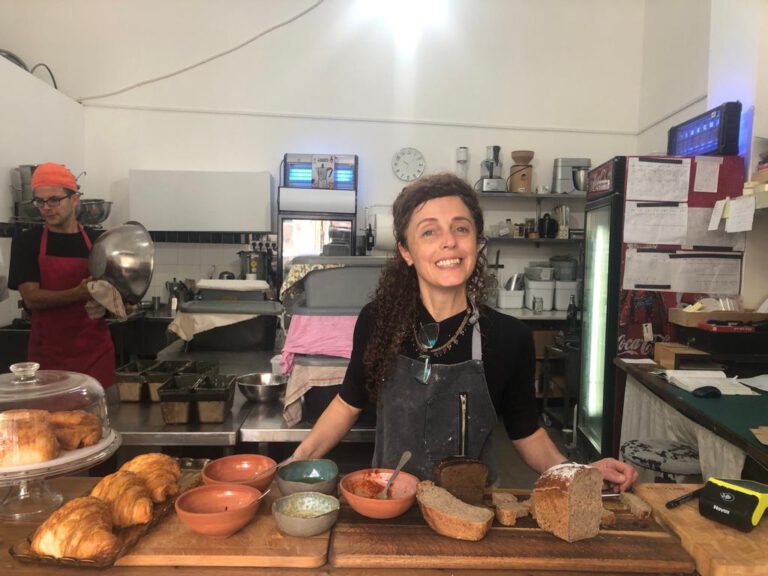
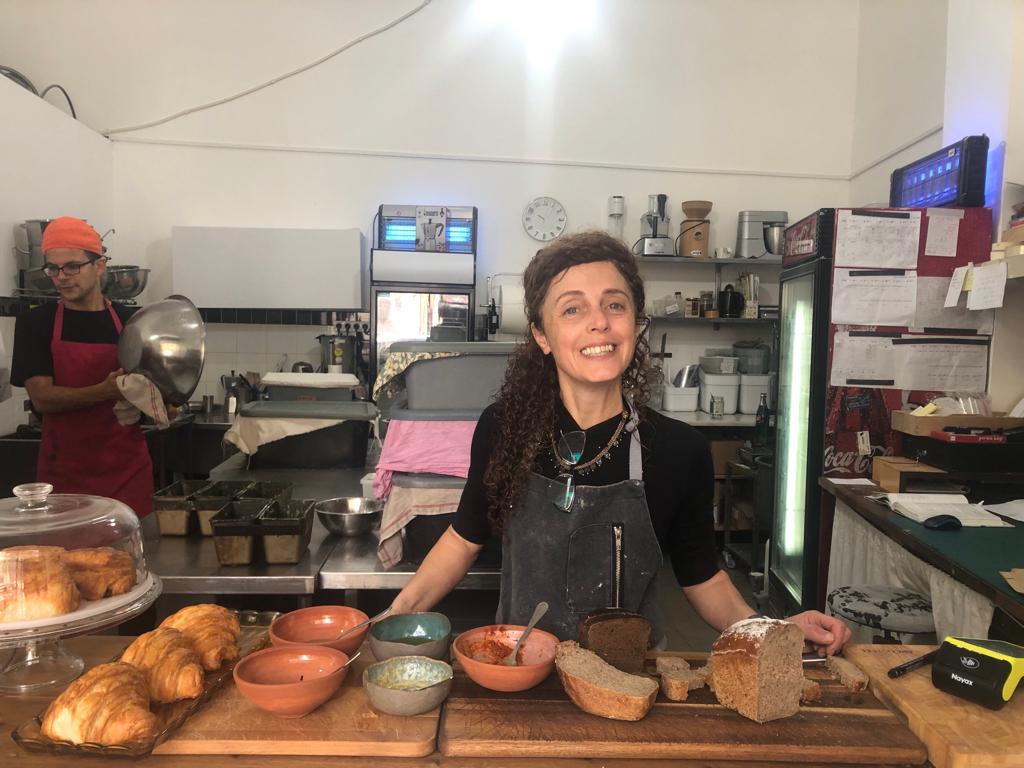
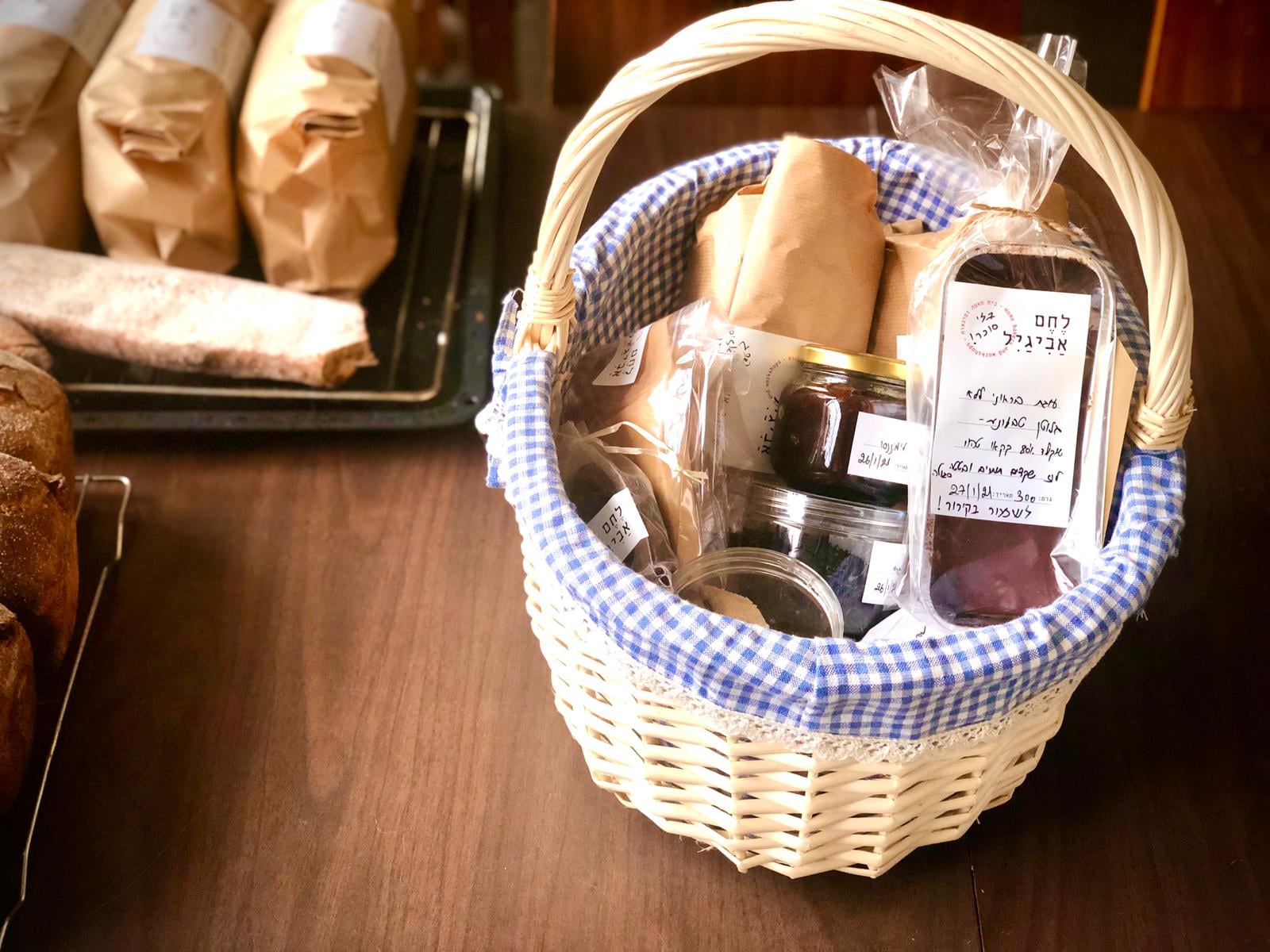
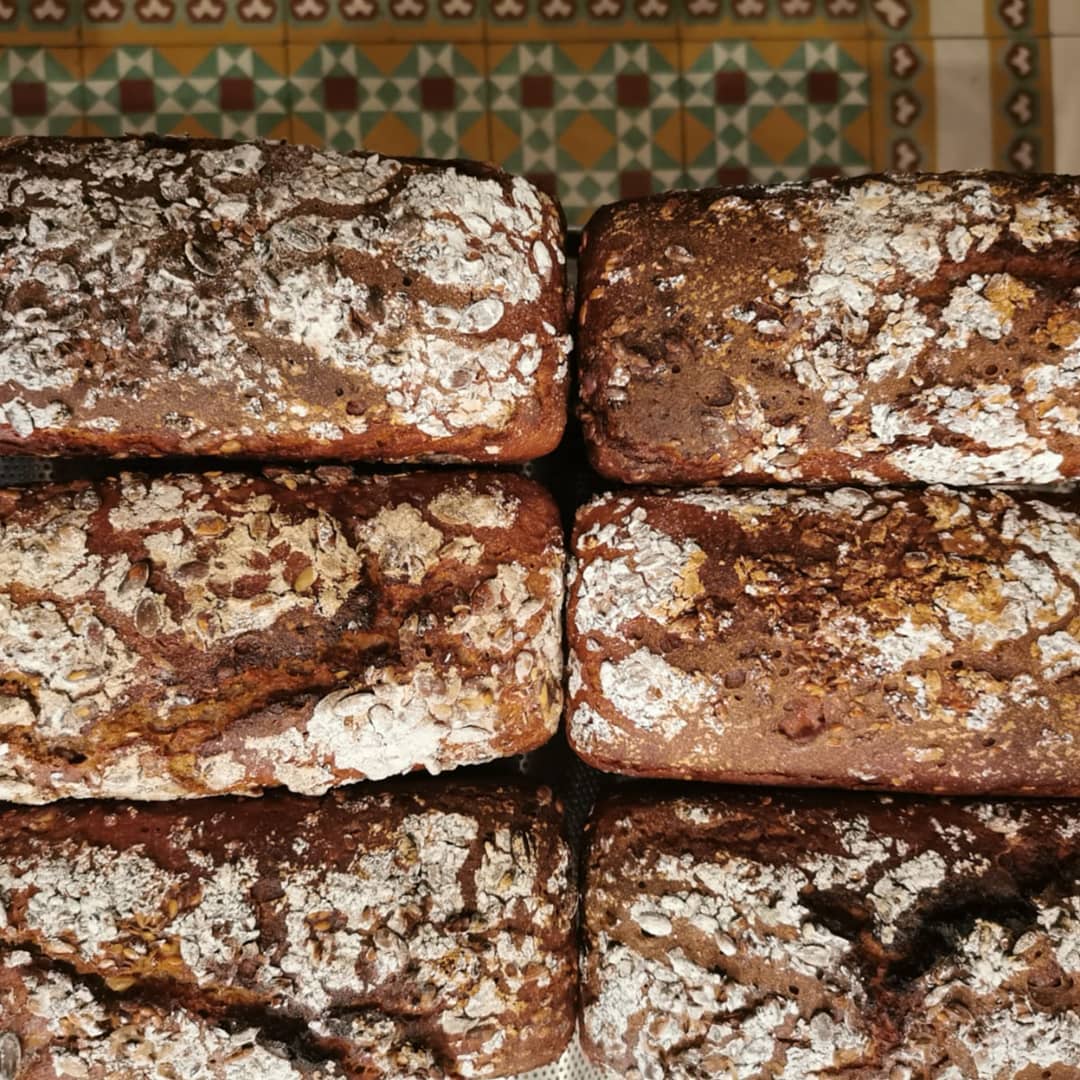
Avigail of Avigail Bakery, wild wheat bread and sourdough bread baked in Jaffa
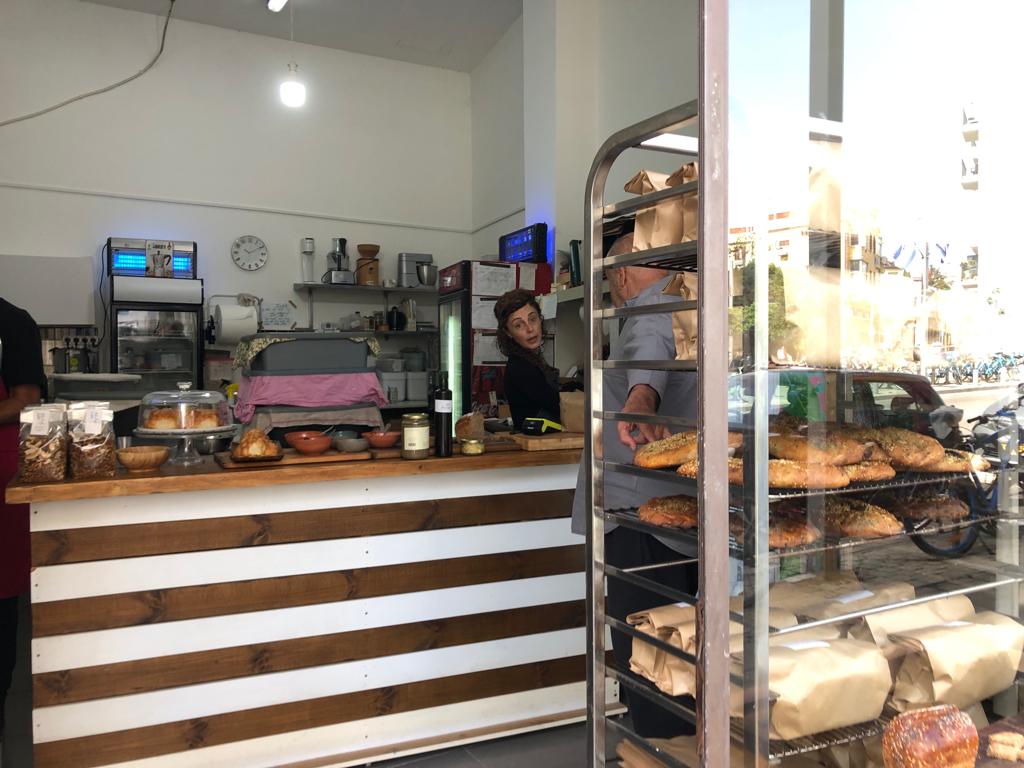
In the the beautiful city of Jaffa resides a fabulous bakery home to a variety of incredible bread. Avigail’s Breads is a sustainable bakery that produces fresh loaves everyday and challah on Fridays. I checked out Avigails Bread and asked Avigail some questions about her business.
Avigail Dahan is an incredible and knowledgeable baker who decided to switch from being in the film and television industry to baking bread. Avigail use to be a very athletic person. She would run and swim until she felt like she didn’t have the energy to sustain her lifestyle: “I had no power,” Avigail claimed, and she knew she wanted to find a way to eat bread that would work for her.
After years of being vegan and not being able to eat bread, Avigail wanted to change her diet so that bread can be incorporated into her diet in a healthy manner. Once she learned over the course of the pandemic the health benefits that bread can provide, Avigail opened Avigail’s Bread in Jaffa and her business has been blooming.
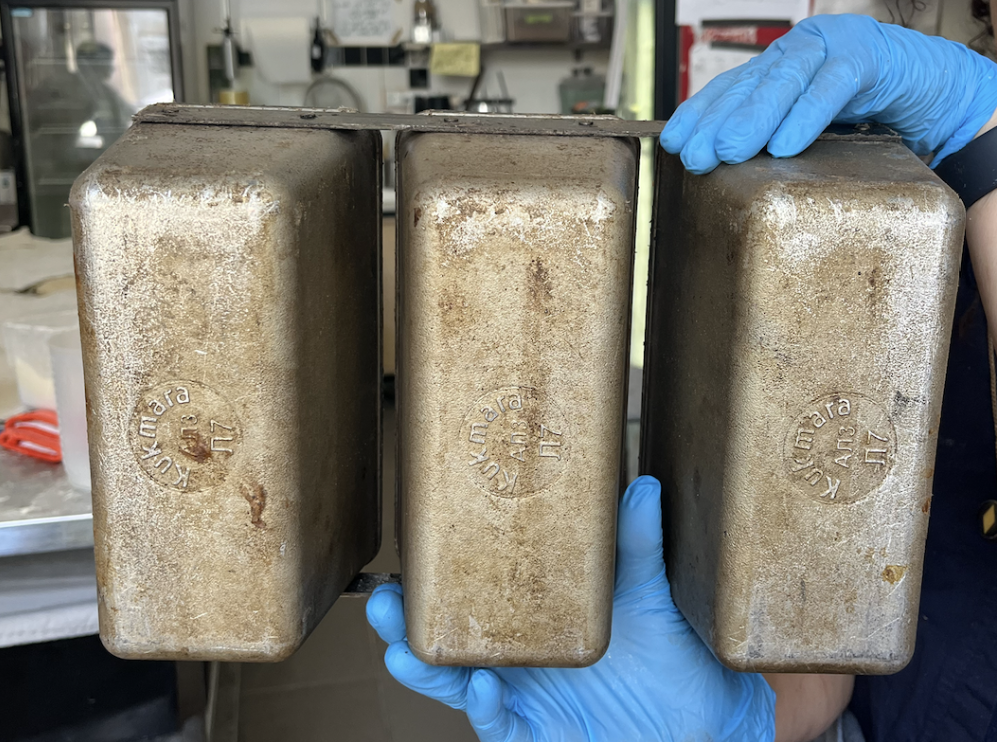
Avigail began her journey at home, using Russian pans to craft a recipe that would work for her. The pans are important to her because it helps keep the process natural and efficient. Her recipes are traditional and stem from a variety of wild wheat.
Her wheat comes from 4 different wheat companies. She picks from the mill the best type of bread, such as white, rye and wheat. The mills she gets her ingredients from are all local from Israel. One of which she gets from a mill in Haifa. Read this story on emmer.
Some bread alternatives that Avigail’s Bread has in store are gluten free, wheat, rye, and others that can be form fitted into ones diet in order to compensate for any dietary restrictions. In addition, Avigail allows her customers to come into the bakery and try different breads she has in stock. With that, she also has an assortment of spreads that customers can put on the bread and try it for themselves to ensure they take home what they like.
Wheat contains 25 kinds of proteins
Another important thing Avigail likes to tell her customers is that wheat (unlike what’s talked about in popular culture) is very nutritious. According to Avigail, white wheat has almost 25 kinds of protein and should be utlized in the everyday diet.
Coming from America, my whole life has been infiltrated with crazy diet culture and obsessions over what you should and shouldn’t eat. Once I arrived in Israel, I started taking notice of how normal it is to eat carbs here. For breakfast, it is normal for Israelis to eat bread with chocolate, which is something that would be almost criminal in American diet culture.
It was so intriguing to see how normal it is to eat bread in Israel and to hear Avigail’s side of the story. Once you know the source of your bread, the ingredients and how to eat it in moderation, bread can be a safe and enjoyable food.
Avigail Bread staff
Now that Avigail can safely eat bread, she enjoys Borodinsky bread, a dark brown sourdough bread made from rye, and Avigail inspires others to introduce bread back into their diet.
Not wasting any part of the loaf
She sells to her customers full loaves and half loaves so that they don’t need to worry about wasting bread they do not finish. She urges her customers not to freeze unused bread and instead to come back whenever and purchase a fresh loaf. One way Avigail guarantees a delicious slice of slightly stale bread is to quickly run it under water, throw it in a hot oven for a minute and you will have a like new slice.
What I was most surprised to learn from Avigail is her way of creating a sustainable system of baking. Avigail uses the leftovers from bread not sold in the store and is able to compress it down. She explained the fisherman’s bread, using the dry and unusable bread, grounds it, shreds, and is able to remake a fresh new loaf. It originated in Normandy, Avigail said. The wheat is fermented, meaning you put it in water and dry it at low temperatures. This creates a nutritious new loaf that is sustainable and still delicious. It can also be grounded into flour and used for other recipes such as schnitzel.
Shelves with fermentation crock pots, jams, sauces and more.
When I asked Avigail what she feels is the biggest environmental issue in Israel, she feels that more important than anything else is being nice to each other, being able to listen to each and come to agreements.
No matter what your dietary restrictions are, Avigail has a bread for you so that you can incorporate the health benefits of 2 slices a day into your diet. Avigail urges for people to come into her bakery and ask her about what bread will work for them based on their own dietary restrictions and allergies. Her ambition is that her customers find the bread that they can enjoy without the unpleasant side effects most bread can cause in their bodies. She joins a group of new Israeli bakers making a living on bread.
The Prince Sultan is being commemorated with prizes for developing better water solutions
The Prince Sultan Bin Abdulaziz International Prize for Water (PSIPW) is an international award focusing on water-related scientific innovation and judged by leading scientists from around the world. Bin Abdulaziz was the Saudi defense minister from 1963 to 2011 and the Crown Prince of Saudi Arabia from 2005 to 2011. Five prizes are bestowed in his honor every two years. And we like that they are going to water.
Specialized Prizes
Each of the four specialized prizes is worth $133,000 USD. Individual researchers and research teams nominate themselves for these prizes in surface water, ground water, alternative management and alternative water sources.
The Surface Water Prize coves every aspect of the study and development of surface water resources. The Groundwater Prize awards work related to all aspects of the study and development of groundwater resources. The Alternative Water Resources Prize covers desalination, waste water treatment, and other non-traditional sources of water. The Water Management & Protection Prize addresses the use, management, and protection of water resources.
Creativity Prize
Worth $266,000 USD the Creativity Prize is awarded exclusively to research teams for cutting-edge interdisciplinary scientific work that can rightly be considered a breakthrough in any water-related field. The work might be a body of research, an invention, or a new patented technology.
It is by nomination only.
Universities, university departments, research institutes, companies, and agencies can nominate interdisciplinary teams for this Prize.
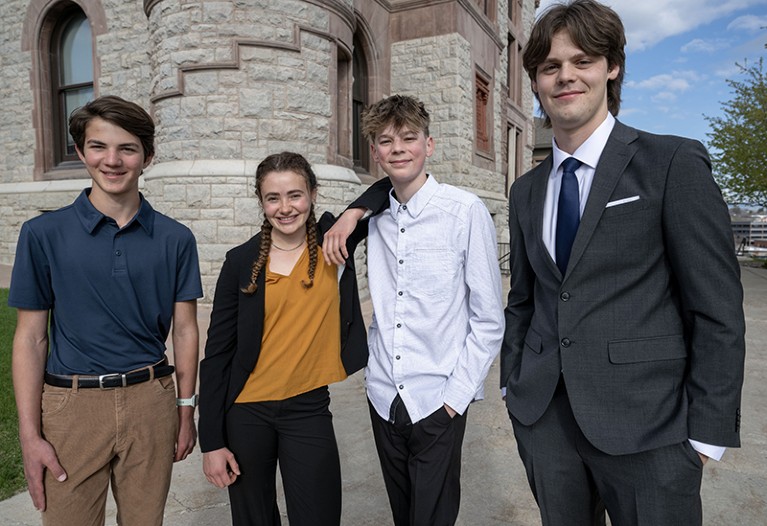
Youth plaintiffs in the climate change lawsuit Held vs. Montana pose outside the Lewis and Clark County Courthouse on Monday in Helena, Mont. (Photo by Thom Bridge/Independent Record via AP)
Sixteen kids in the United States are taking the state of Montana to court for environmental policies that they say promote fossil fuels and are in violation of their right to a ‘clean and healthful environment’.
It’s the first constitutional climate case in the country to make it to trial. And the Greta Thunbergs of the world are multiplying fast.
Expert witnesses connected to the case are likely to battle over the extent that specific climate events — such as extreme heat and wildfires — can be attributed to climate change. The judge in the case will not be able to order Montana to alter its energy or climate policies, but could declare the policies unconstitutional.
According to the New York Times, the origins of the case stretch back nearly a decade when some of these kids in the petition weren’t even born. It all started in 2011 through a nonprofit called Our Children’s Trust which back then petitioned the Montana Supreme Court to rule that the state has a duty to address climate change. The court declined to weigh in, effectively telling the group to start in the lower courts.
So the lawyers at Our Children’s Trust were slowly and steadily building their case and fast forward a dozen years worked with the environmental community to identify potential plaintiffs. They cataloged the ways in which the state was being impacted by climate change. (I mean look to Canada forest fires right if you need any more convincing). And the group documented the state’s extensive support for the fossil fuel industry, which includes permitting, subsidies and favorable regulations.
This is a case to watch and a model to follow if you want to mobilize change in your province, state or country.
The plaintiffs tell the Sierra Club that they reject any suggestion that the case represents a publicity stunt.
“As youth, we are exposed to a lot of knowledge about climate change. We can’t keep passing it on to the next generation when we’re being told about all the impacts that are already happening,” one of the lead plaintiffs said: “In some ways, our generation feels a lot of pressure, kind of a burden, to make something happen because it’s our lives that are at risk.”
The case started proceedings on June 12 in Lewis and Clark County District Court, where both sides will present evidence and testimony for the court to determine its legitimacy.
What does Ireland’s most famous thrice-baptized Jewish fictional hero have to do with beer, contrails and climate change? It’s complicated. James Joyce statue near Dublin GPO on O’Connell Street – by Brian Nitz
A Soft Day in a Moist Country? If there is a climate for writing, Ireland has that climate. “Soft day” (Lá bog in the Irish language) is a greeting and acknowledgment of the damp mist that drifts down from low clouds onto the fields and forests. On soft days this island’s climate avoids extremes. It is the weather of poetry such as Austin Clarke’s “The Lost Heifer”: “…And her voice coming softly over the meadow/ Was the mist becoming rain…”
Irish weather can also be brutal with monstrous waves and a howling wind that can push north Atlantic spray vertically 600 feet straight up the cliffs of Moher (watch me Wim Hoffing in the cold). The screech of Irish storms became the voice of the Banshee, the legendary faeries who would foretell of death or steal a child as in Yeats poem “The Stolen Child.”
Change is the most persistent feature of Irish weather. Stone-splitting sunshine alternates with wind-driven rain almost hourly on some days, leaving the rainbows and mossy-green this emerald isle is known for.
But then Covid-19 and its lockdowns brought an unfortunate irony. Day after day of sunshine and cloudless blue skies came when Irish people were limited to travelling no further than 3 miles from their homes. Dublin airport went from many tourist flights per day to only enough to carry medical supplies and other essentials. The buzz of the motorway and roar of jet aircraft disappeared into a Wadi Rum desert silence. The deep blue sky was unmarred by cloud or contrail.
Weather Before Contrails
Had such perfect weather ever before visited this damp island? I turned to an unlikely source. The author James Joyce wrote the novel Ulysses to commemorate June 16, 1904. This was the day he and his future-wife Nora Barnacle went on their first date. The book tells the fictional adventures of a thrice-baptized Irish-Jew named Leopold Bloom on his journey around Dublin on that single day. Joyce wrote with such detail that he claimed that if the city should ever be destroyed, it could be rebuilt from his book.
And here it is a perfectly sunny day in Dublin Ireland more than 100 years ago: ”Heavenly weather really. If life was always like that. Cricket weather. Sit around under sunshades. Over after over. Out. They can’t play it here. Duck for six wickets… Heatwave. Won’t last. Always passing, the stream of life, which in the stream of life we trace is dearer than them all.”
Later in the Oxen of the Sun episode of Ulysses, Joyce compares the February 1903 storm that uprooted 3,000 elm trees in Dublin’s Phoenix park to the drought that persisted on June 16, 1904: “Dignam laid in clay of an apoplexy and after hard drought, please God, rained, a bargeman coming in by water a fifty mile or thereabout with turf saying the seed won’t sprout, fields athirst, very sadcoloured and stunk mightily, the quags and tofts too.
“Hard to breathe and all the young quicks clean consumed without sprinkle this long while back as no man remembered to be without. The rosy buds all gone brown and spread out blobs and on the hills nought but dry flag and faggots that would catch at first fire. All the world saying, for aught they knew, the big wind of last February a year that did havoc the land so pitifully a small thing beside this barrenness.”
A 1984 Guinness ad played with the words drought and draught and suggested that young people don’t remember droughts. Ireland has had fewer droughts since the mid-1970s. Could it be that transatlantic travel has made Ireland wetter and that droughts were more common in Leopold Bloom’s Dublin, only 6 months after the Wright Brother’s first flight?
Do Contrails Affect the Weather?
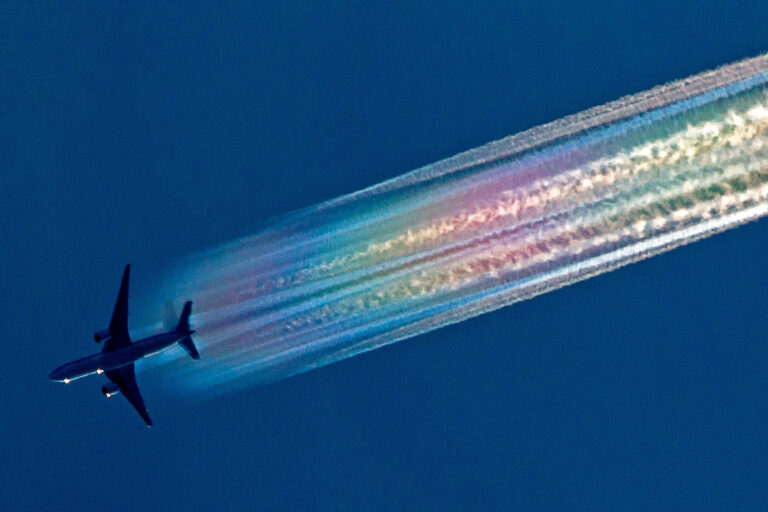
The internet is full of wonderfully silly theories about chemtrails that any crop-duster could debunk after flying barely above corn-detasseling altitude. Contrails don’t contain brain-altering drugs or other subversive substances. They are composed of water ice mixed with carbon dioxide(CO2), soot, nitrogen oxides(NOx) and other pollutants. These pollutants and the jet’s pressure wake can produce the conditions for forming contrails which can become cirrus clouds.
According to scientists at Penn State and the University of Wisconsin-Whitewater, the diurnal (night to day) temperature difference over the US increased by 1.1 degrees celsius during the three-day US flight ban after September 11, 2001. This is higher than had been in the previous 30 years. UW-Whitewater’s lead scientist David Travis told CNN, “I think what we’ve shown are that contrails are capable of affecting temperatures… Which direction, in terms of net heating or cooling, is still up in the air.”
Wouldn’t it be convenient if contrail-generated cirrus clouds reflected away exactly the right amount of sunlight to cool the earth and perfectly balance the heat-trapping effect of its CO2?
In 2011 Ulrike Burkhardt and Bernd Kärcher’s published Global radiative forcing from contrail-induced cloudiness in the international society for optics and photonics. They found the net heating effect from contrail-induced cloudiness and other emissions added to and exceeded the heating effect of CO2!
Eunice Newton Foote first discovered that CO2 and water vapor could trap heat in 1856. But unlike relatively inert CO2, the effects of water are difficult to predict. CO2 is transparent to incoming light and relatively opaque to outgoing longwave infrared energy.
The water vapor and ice in contrails blocks both incoming light and outgoing infrared energy but in different amounts depending on time of day, other cloud cover, season, local climate and other factors. The global reduction in air-traffic during Covid-19 provided opportunities to study these factors. Schumann, Pol, Teoh, Koelle et-al published Air traffic and contrail changes during COVID-19 over Europe: A model study in 2021.
Figure 8 from this study shows average optical thickness of contrails March-August 2019 (a) and the difference 2019-2020 (b). In (a) we see heavy contrail thickness over northwestern Europe. This makes sense because more contrails form where there are many flights and where the stratosphere is relatively cool. In (b) we see a drastic reduction in contrail thickness during the pandemic.
Figure 9 shows radiative forcing (RFnet) in watts per square meter from March-August 2019 and again in 2020. Colors from yellow to red mean there is a net heat input to earth and the blue end of the spectrum means there is a net loss of heat to the earth. Note that the areas of northwestern Europe which had high contrail thickness in 2019 also had a higher (redder) radiative forcing heat balance in 2019.
This and related studies are complex but fascinating to read or to pass along friends and family when they say things like, “Well I was cold when I was up to the lake last weekend so that whole climate change thing is B.S.” People devote their careers to studying climate science and the vast majority of these people are warning us to be careful about uncontrolled experiments with our atmosphere.
Bloomsday 2020
Bloomsday happening tomorrow is a commemoration and celebration of the life of Irish writer James Joyce, observed annually in Dublin and elsewhere on 16 June, the day his 1922 novel Ulysses takes place in 1904, the date of his first intimate encounter with his wife-to-be, Nora Barnacle, and named after its protabloomgonist Leopold Bloom.
In 2020, Covid-19 shortened the Chinese Lunar New Year celebrations. Venice ended Carnival early, Pope Francis gave a blessing to an empty St Peter’s square. The pandemic impacted the Hajj and religious celebrations throughout the world. Ireland cancelled Saint Patrick’s day parades and most Bloomsday celebrations.
But Bloomsday 2020 had something in common with the day Nora Barnacle and James Joyce met in 1904. Ireland’s drought ended after sunset on June 16, 2020 just as described in Ulysses:
“…But by and by, as said, this evening after sundown, the wind sitting in the west, biggish swollen clouds to be seen as the night increased and the weatherwise poring up at them and some sheet lightnings at first and after, past ten of the clock, one great stroke with a long thunder and in a brace of shakes all scamper pellmell within door for the smoking shower, the men making shelter for their straws with a clout or kerchief, womenfolk skipping off with kirtles catched up soon as the pour came.”