



Microplastics are now in our food, baby placentas, and in the brains of teens who use plastic aligners. They are blowing in the wind getting to our lungs, they are in the fish and plants and food we eat and the impact is just being noticed and understood in areas like cancer and dementia.
Microplastics are bits of plastic smaller than 5mm, and while we follow people like Boylan Slat and the Great Ocean Cleanup, the amount of plastics rolling around on farmland isn’t that well studied. These particles can disrupt soil structure, alter microbial communities that help transport soil nutrients to the plants, and even protect them. The plastic can be eaten by wheat and corn and beans, entering the food chain.
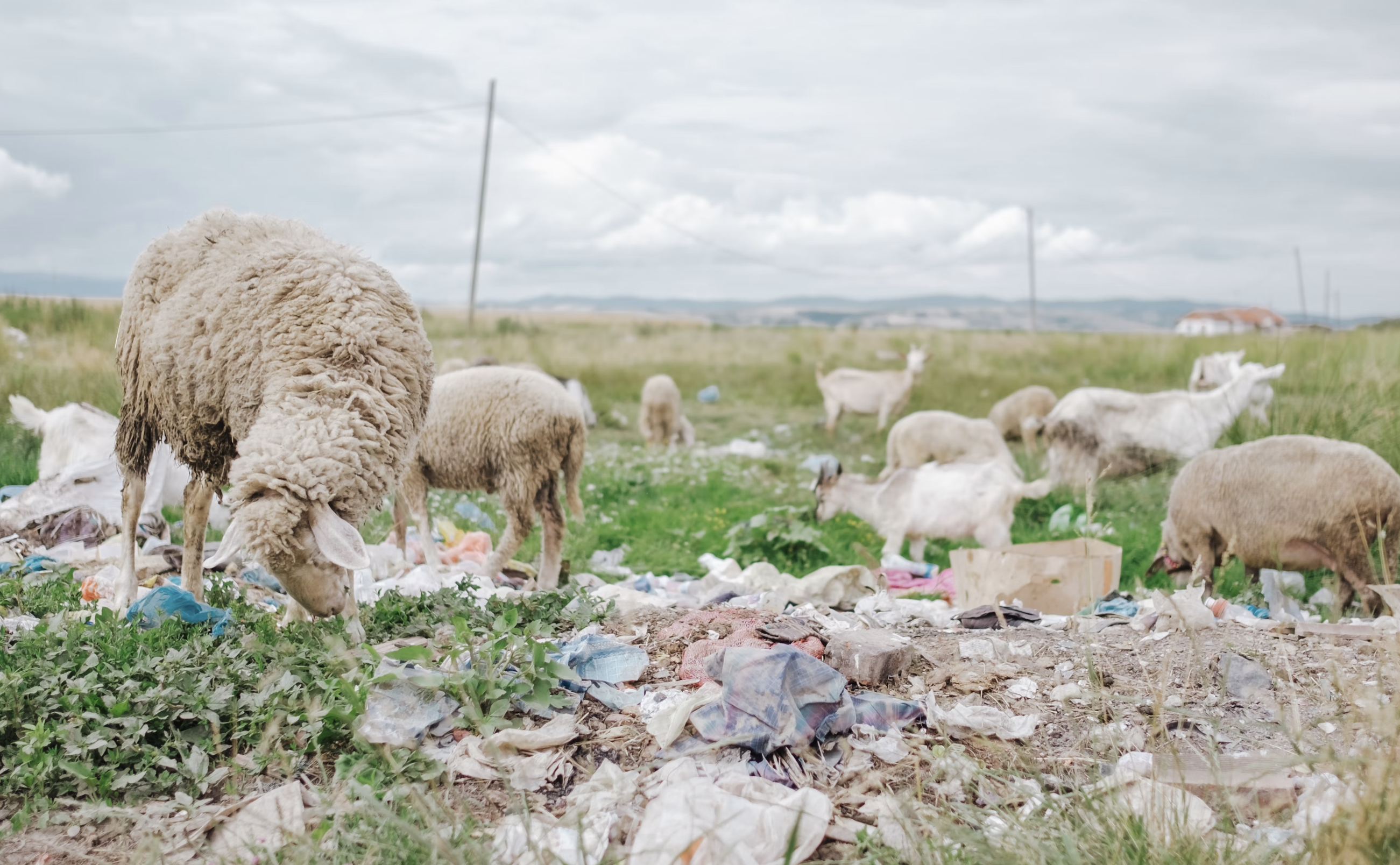
Conventional detection methods, such as sample taken and looking under a microscope to count the bits is time-consuming, labor-intensive, and often ineffective at identifying small particles, making them impractical for large-scale monitoring.
But science to the rescue. Researchers at Clemson University and the USDA Agricultural Research Service have developed a new kind of space age glasses for seeing plastics in farms from above. The glasses “see” using what they call a hyperspectral imaging technique.
The scientists study tested two types of short-wave infrared sensors on soil samples spiked with microplastics and evaluated their performance using advanced machine learning models. This system stood out for its ability to detect both polyethylene and polyamide particles – even at extremely low levels of 0.01-0.1% – offering a fast, accurate, and field-adaptable method for identifying soil microplastic contamination.
Why is this important? Many farmlands rely on mulch that is full of plastic. Think about the organic recycling programs that accept adult and baby diapers in the compost. This goes back to farming fields. Think about irrigation pipes and plastic sheets put on strawberry fields. Knowing what’s in the ground can help science and policy makers figure out how to stop negative effects.

“This study marks a significant advance in our ability to track microplastic contamination in terrestrial ecosystems,” said Dr. Bosoon Park, “The ability to screen soils quickly and non-destructively holds great promise for agricultural sustainability and environmental protection.”


