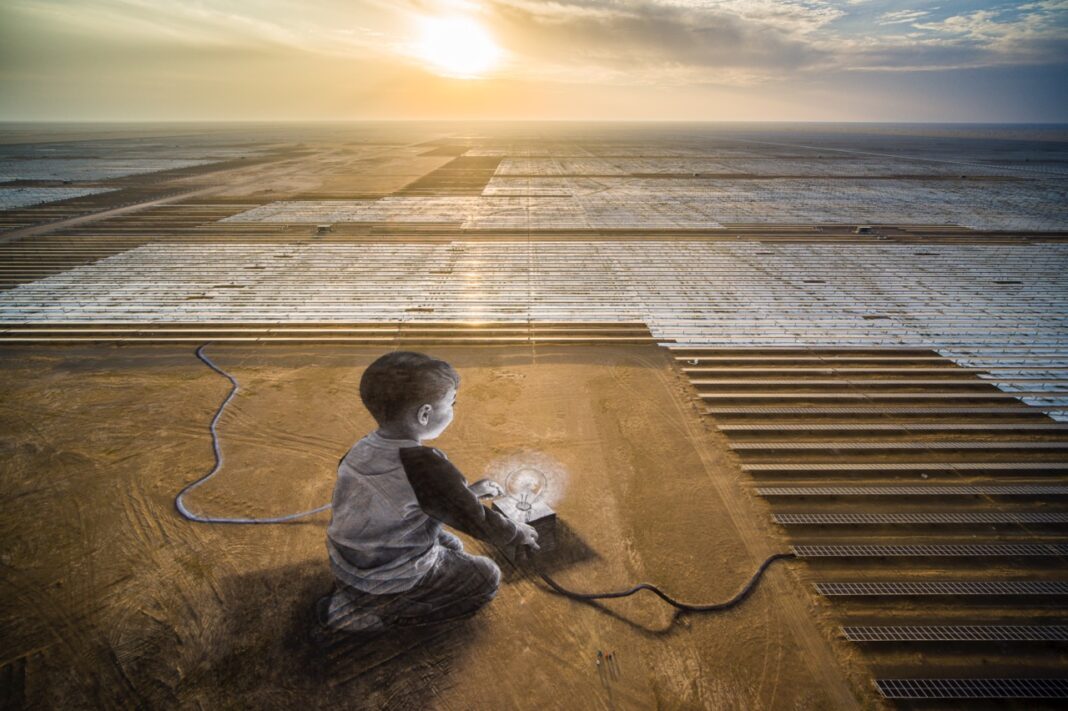


Texas has been called the “Energy Capital of the World” for good reason. According to the EIA, the state is the country’s top crude oil and natural gas producer, accounting for 27 percent of its natural gas production and 42 percent of its crude oil production. The state also houses the majority of the nation’s oil refineries.
Texas has many energy sources. However, it is also the country’s primary energy consumer. The industrial sector accounts for over half of the state’s energy consumption. However, Texas is determined to harness different energy sources, including wind and solar. Let’s explore how Texas plans to achieve its goal of fully transitioning to renewable energy.
Current Trends on Energy Consumption in Texas
Since Texas is a major energy producer, its energy consumption is changing significantly. The state uses solar and wind power as sustainable energy sources. Increasing electricity demands and a call for energy efficiency are also steering the trends in the state. Some of these critical trends include:
Primary sources of energy
Natural gas is Texas’s predominant energy source, generating most of its electricity. It’s also cost-effective and cost-efficient compared to coal, giving Texas more reason to focus on natural gas as an energy source.
Local power plants are shifting from coal to natural gas, significantly reducing carbon emissions. This shift helps decrease the negative impact on the environment.
Population growth and urbanization
Texan cities, such as Houston, Dallas, and Austin, are seeing rapid population growth. The state also has a robust industrial sector, including manufacturing, petrochemicals, and technology. These sectors continuously grow and create a surge in energy consumption and demand.
Electricity and natural gas usage have become apparent in residential and commercial areas. As such, there’s an increasing demand for better infrastructure and diversified energy sources. Consumers primarily shape the energy landscape in Texas. Meeting their needs and ensuring sustainability and reliability remain priorities.
Technological advancements
Advances in energy storage technologies are now evident. These advancements are more viable. They address the unpredictability that could result from using renewable energy sources.
Innovations in grid management are also noted. Real-time data analytics and automated controls are crucial. They enhance the energy system’s overall stability and efficiency.
Environmental policies and regulations
As the world’s eyes shift to climate change awareness, the need for environmental sustainability becomes greater. Energy policies are influenced and modified with these environmental changes in mind. A great emphasis has been placed on reducing carbon emissions and the shifting to cleaner energy sources. They are at the forefront of the new policies and regulations being made.
Federal and state regulations are now changing to support the adoption of renewable energy. They’re also aiming to improve grid reliability and encourage energy efficiency.
Market trends and consumer behavior
Global market trends and technological changes affect the fluctuating energy prices. Even policy shifts have influenced the masses’ energy consumption patterns and investment decisions.
As investments in energy infrastructures in Texas increase, so does the hope for a better future for the state’s energy landscape. Transmission lines and renewable energy projects are currently under construction. These developments can all contribute to much-needed environmental change.
Decentralization and Distributed Energy Resources (DER)
The decentralization of energy systems is an emerging trend in Texas. Many homes and companies have recently chosen to install rooftop solar panels and home battery systems. This shift in systems has contributed to a well-distributed energy grid.
Another trend gaining popularity is the development of microgrids. Localized energy solutions have emerged that improve energy efficiency, resilience, and reliability. The development of microgrids is evident in remote or critical infrastructure locations.
Expansion of Renewable Energy
As mentioned, Texas is renowned for its oil and natural gas resources. At present, they’re also expanding their horizons to renewable energy sources. You can expect nothing less from the country’s leader in wind energy production and solar power generation.
These developments are driven by many factors, primarily technological advancements and reduced costs. Supportive environmental policies and regulations also play a role.
Development of wind and solar power
Texas’s efforts in developing wind and solar power are exceptional. These movements have reinforced Texas’s national leadership in renewable energy. The state houses the largest installed wind capacity in the country, and this ingenuity takes advantage of the favorable wind conditions in Texas.
Texas has been investing heavily in wind farms, specifically those located in West Texas. At present, wind energy generated in the state accounts for over 26 percent of all wind-sourced electricity in the USA.
Solar power has also become widespread, mainly because it has become readily available to the masses. In fact, the costs of solar panels have decreased. Large-scale solar projects have become commonplace in the state, creating an abundant energy mix.
The state has plenty of wind and solar power, further diversifying energy sources. This leads to significant economic growth, job creation, and a reduction in carbon emissions.
Innovations in renewable energy technologies
Texas is spearheading the clean energy revolution. The state continually supports breakthroughs in photovoltaic (PV) technology and innovates wind turbine efficiency. These advancements promote the efficiency and reliability of wind and solar power systems.
Innovations in renewable energy source technology make these goals doable and cost-effective. They also cement Texas’s position as the 100 percent renewable energy source movement leader.
Investment in renewable infrastructure
Texas has invested in smart grid technologies as a proponent of shifting to renewable energy. These technologies boost the power grid’s efficiency, reliability, and resiliency. Additionally, these advancements help manage demand and integrate renewable energy sources effectively.
The standards for energy efficiency for appliances and buildings have improved. At present, these changes are being implemented to help reduce energy consumption. They’re also targeting the reduction of consumers’ utility bills.
Government and private sector initiatives
Texas aims to make the transition to renewable energy more appealing. Policy incentives have been implemented to encourage people to show their support for the state’s environmental goals.
Texas is offering a 100 percent tax exemption on the appraised value of wind, on-site solar, or biomass power generators. Additionally, a franchise tax exemption is being offered to specific groups, including sellers, installers, and manufacturers of solar energy devices.
Texas also permits a deduction on the margin allocated to the state. This is permissible within Texas’s use and purchase of specific solar energy products.
The private sector also takes initiatives to further these environmental projects and goals. Companies like Rhythm Energy offers Texas energy plans to help with the transition. These energy plans are fully powered by renewable sources. They allow individuals and businesses to contribute to Texas’s vision of a renewable energy future.
Trajectory of renewable energy in Texas
While Texas’s goal for the future is clean and bright, obstacles must be overcome. Fortunately, alongside these challenges are opportunities. It’s possible to fully realize and achieve the goal of running purely on renewable energy.
Challenges ahead
Many are scrutinizing environmental, social, and governance (ESG) initiatives. The quest for a future for renewable energy has also been scrutinized. Unfavorable reactions have risen on a state level across the country as a response to popular ESG trends. Policies with goals that don’t align with ESG’s visions are also currently being pursued.
Opportunities to look out for
Although some policies might be made to counter the ESG-related efforts, Texas still shows promise. The local policymakers actively support ESG-related initiatives and industries. They’re encouraging companies to explore renewable energy as part of their energy strategy. As soon as more people and businesses join this movement, the goal of a total renewable energy transition will be possible.
Conclusion
Texas has always shown great promise as the Energy Capital of the World, and it’s taking that name to new heights with its recent endeavors. By staying committed to using renewable energy sources, Texas encourages sustainability. Hopefully, this goal will be fully realized for the betterment of the country and the world.