First bee vaccine approved

Dalan bee vaccine, larvae bacterin

It’s hard to say how this is going to go with anti-vaxxers: the world’s first honeybee vaccine has been approved by the USDA in the United States. The new vaccine prevents a condition called American Foulbrood, which isa highly contagious bacteria that turns bee larvae into brown goo. It’s one of the reasons for the great honeybee die off, among other reasons such as light pollution, the use of pesticides, global warming.

You could say we have the larvae goo because we are getting nature all wrong and of course vegans would say don’t eat any honey anyway, it’s cruel! Our friends in Canada liberate bee hives. But that’s another story. Because we believe that honey is healthy and people should choose.
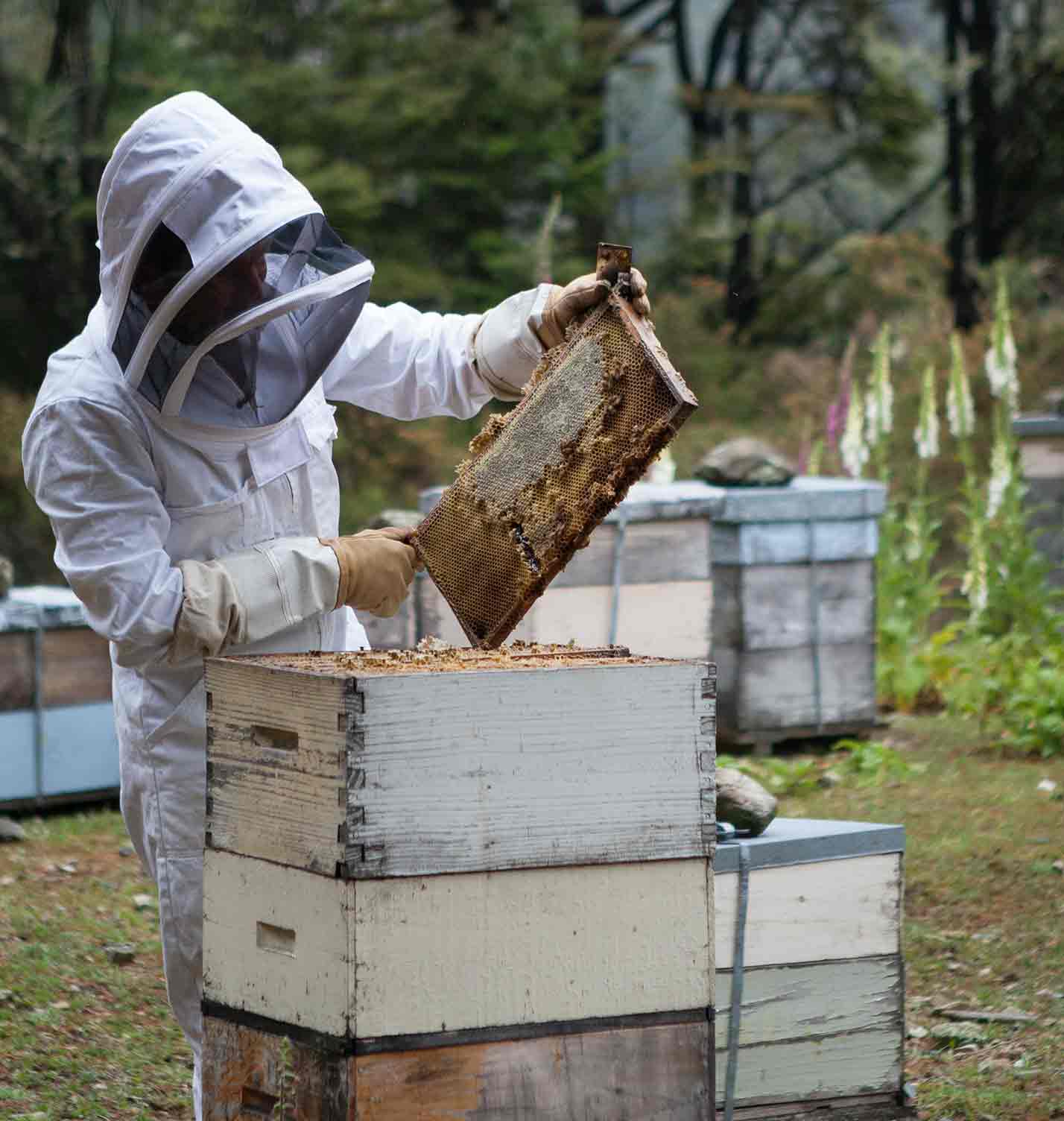
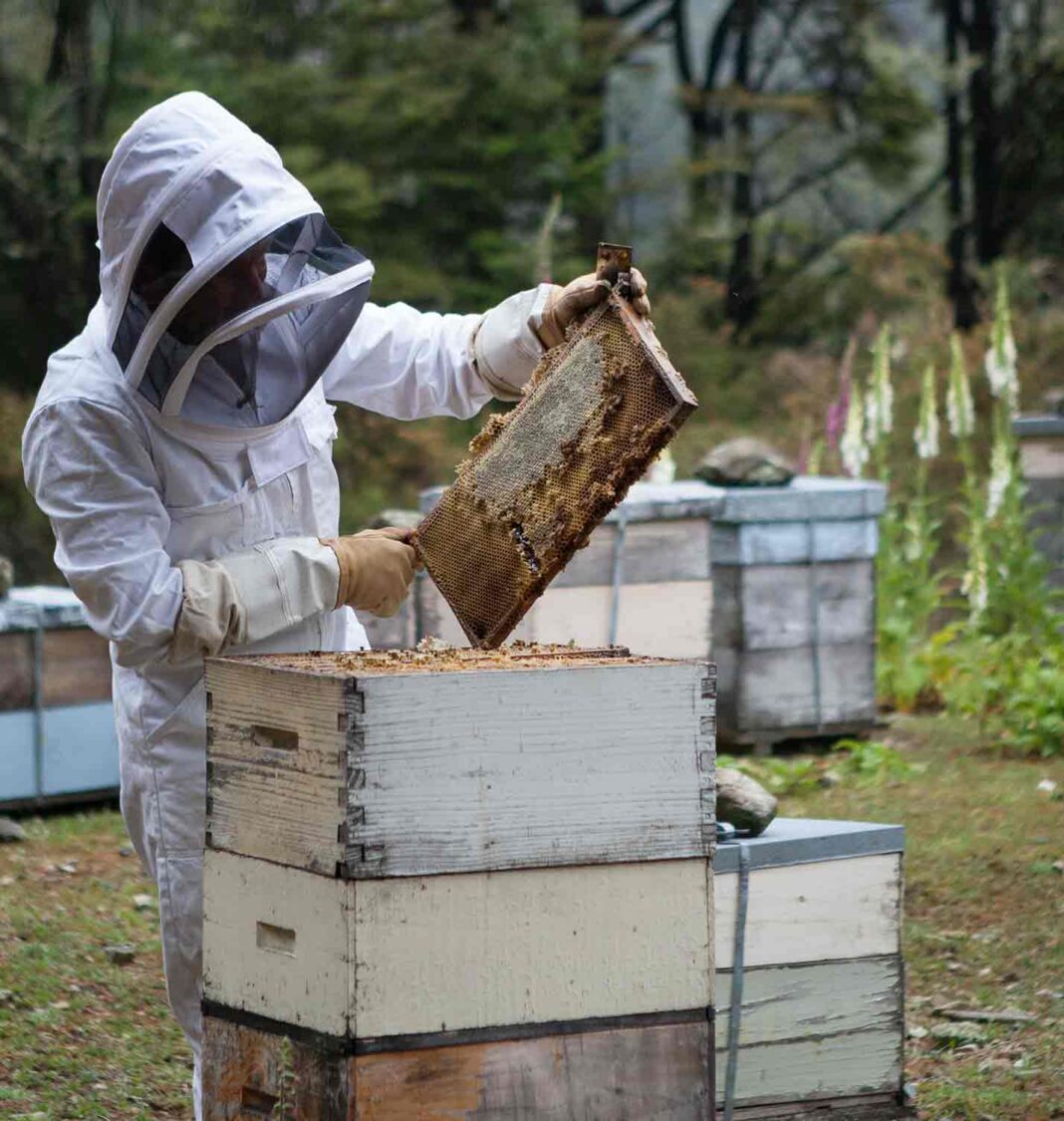
Dalan Animal Health’s vaccine for American foulbrood, an aggressive bacterial disease, is the first for any insect in the United States.
Bees may now be immune to an anti-bacterial vaccine

The new bee vaccine, developed by an American company, contains a dead version of the bacteria causing brown goo, and is incorporated into the royal jelly that worker bees feed to the queen. The queen then puts the vaccine unknowingly in her ovaries, which gives her future progeny immunity. The vaccine is non-GMO and can be used in organic agriculture, the company developing the vaccine reports.

The vaccine is developed by Dalan Animal Health, a biotech company pioneering insect health, and they have a conditional license against the bacteria Paenibacillus larvae.

“If we can prevent an infection in our hives, we can avoid costly treatments and focus our energy on other important elements of keeping our bees healthy,” explained Trevor Tauzer, owner of Tauzer Apiaries and board member of the California State Beekeepers Association. 

Honeybees, as we know, along with all kinds of bees, are a critical component of agriculture. One-third of the global food supply relies on pollination (almonds for instance), and healthy commercial hives are essential to secure high crop yields in conventional agriculture.

What is killing honeybees?

Scientists know that bees are dying from a variety of interrelated factors—pesticides, drought, habitat destruction, nutrition deficit, air pollution, global warming and more. 

However, honeybees above all that honeybees are also plagued by American Foulbrood, with previously no safe and sustainable solution for disease prevention. Cases of American Foulbrood are notifiable in the USA and Canada, and the only treatment method relies on burning the bees and infected hives and equipment.

“Our vaccine is a breakthrough in protecting honeybees. We are ready to change how we care for insects, impacting food production on a global scale,” said Dr. Annette Kleiser, CEO of Dalan Animal Health.

The bacterin was developed by Dalan Animal Health, and is manufactured by Diamond Animal Health (Des Moines, Idaho), a wholly-owned subsidiary of Heska (“Heska”; NASDAQ: HSKA).

Here’s how the bee vaccine works:

Dalan Animal Health’s vaccine for American foulbrood, an aggressive bacterial disease, is the first for any insect in the United States.

Dalan Animal Health’s vaccine for American foulbrood, an aggressive bacterial disease, is the first for any insect in the United States.

Dalan Animal Health’s vaccine for American foulbrood, an aggressive bacterial disease, is the first for any insect in the United States.Dalan Animal Health’s vaccine for American foulbrood, an aggressive bacterial disease, is the first for any insect in the United States.Dalan Animal Health’s vaccine for American foulbrood, an aggressive bacterial disease, is the first for any insect in the United States.Dalan Animal Health’s vaccine for American foulbrood, an aggressive bacterial disease, is the first for any insect in the United States.The USDA has issued the conditional license in the first instance for two years. Dalan will distribute the vaccine on a limited basis to commercial beekeepers and anticipates having the vaccine available for purchase in the United States in 2023.

Love bees? We visited a beehive and Miriam gets swarmed. Also read about this hotel in Denver, which does it for the bees. Or like meat in a lab, this Israeli company is making honey in a lab, sparing the bees and the pressures we put on them. 

#savethebees


Karin Kloosterman
Karin Kloostermanhttp://www.greenprophet.com
Karin Kloosterman is an award-winning journalist, innovation strategist, and founder of Green Prophet, one of the Middle East’s pioneering sustainability platforms. She has ranked in the Top 10 of Verizon innovation competitions, participated in NASA-linked challenges, and spoken worldwide on climate, food security, and future resilience. With an IoT technology patent, features in Canada’s National Post, and leadership inside teams building next-generation agricultural and planetary systems — including Mars-farming concepts — Karin operates at the intersection of storytelling, science, and systems change. She doesn’t report on the future – she helps design it. Reach out directly to [email protected]

Read More

TRENDING

HelloFresh’s pride prepping ad raises a bigger question: we are we still outsourcing dinner?

The backlash against HelloFresh's Pride Month marketing campaign has sparked a wider conversation about food, labor, sustainability, and whether consumers should reconnect with local farmers, butchers, and home gardens instead of relying on subscription meal kits.

Regenerative Wool or Greenwashing? Zentera Responds to Critics

Zentera responds to questions about ZQ wool, animal welfare, regenerative farming, ethical fashion and the fallout from PETA's New Zealand investigation.

The Ocean’s Hidden ‘Dark Web’ Is Being Fished Before Scientists Understand It

Deep below the ocean's surface, in a dimly lit region known as the twilight zone, millions of fish are being caught every year. Scientists say the consequences are largely unknown.

Barnacle glue could fix coral reefs, inspire new advances in building and medicine

Aalto University researchers create a protein-based adhesive inspired by barnacles and mussels that works underwater and could aid coral reef restoration.

Jaakko Torvinen finds that the next green building revolution is misfit trees

Crooked, forked and curved trees are often treated as second-class timber. They are considered less valuable, and not suitable for load bearing walls or support systems in building. If a tree trunk is not straight enough to become a saw log, it is frequently diverted into pulp production or burned for energy. Now, new research from Aalto University could help change that.

Locals From Rishon Fight IKEA

Big Box stores are a pretty new concept in Israel, and thank God that not every Israeli city wants them in their backyard. A word from someone who has see the beautiful farmland around her hometown Newmarket, Ontario stripped and converted into vulgar strip malls of big box shops: they have no place in a healthy and sustainable town or city.

The Jewish National Fund Meets An Inconvenient Truth

According to the JNF, it has transformed thousands of acres of barren land into green forests in Israel. They state that each person emits about 23 tons of carbon per year, estimating that each tree planted can absorb one ton of carbon in its lifetime. That's a whole lot of trees you'd need to be planting. Could so many fit in Israel?

How to quiet noise from construction in your office

Streets need to be resurfaced in New York but the humming and grinding noise is unsettling. Noise is environmental pollution. 

EarthX and a blueprint for sustainable investing

Trammell S. Crow, a Dallas-based businessman and father of four, is focusing his efforts on impact investing, and media that focuses on saving the planet through EarthX.

Mining Afghanistan’s Mineral Discoveries Similar to Avatar

Now that American forces in Afghanistan are commemorating the longest period of any war that America has been involved in, including the 1965-73 Vietnam War, the recent discoveries of large and extremely valuable mineral and metal deposits may finally bring to light a reason to continue the presence of US fighting forces in this war torn and backward country.

From Pilot Plant to Global Stage: How Aduro Clean Technologies’ 2026 Expansion Signals a Turning Point for Chemical Recycling Investors Like Yazan Al Homsi

The company's Next Generation Process (NGP) Pilot Plant in London, Ontario, has officially moved into initial operating campaigns, generating the kind of structured, repeatable data that separates laboratory promise from commercial viability.

Nobul’s Regan McGee on Shareholder Value: “Complacency Is the Silent Killer” 

Why the governance framework designed to protect shareholders so...

Should You Invest in the Private Market?

startustartup Unlike public stock exchanges, which offer daily trading, strict...

Popular Categories