

Moving is when good intentions meet a deadline. You meant to sell the dresser, find a home for the old laptop, and borrow crates instead of buying cardboard, and then the truck is coming on Thursday.
The good news is that the two goals fight less than people expect. Most things that make a move greener also make it cheaper or easier, and the few jobs that cost extra time are easy to spot.
Here’s where the green choice is also the convenient one, and where it’s worth spending an afternoon.
The Overlap Is Bigger Than You Think
Long moves are priced by weight and space, and a heavier truck burns more fuel over the same miles. So every box you leave behind cuts the bill and the emissions at the same time.
That one fact covers most of the advice you’ll read anywhere. Ship less, and you’ve done the cheap thing, the green thing, and the easy thing in one go, because nothing’s faster than not packing something.
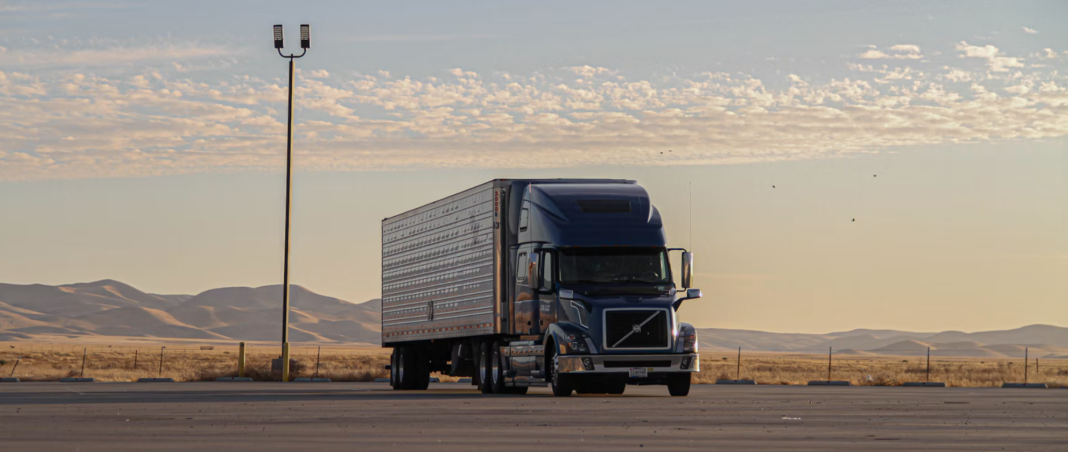
It also helps to know where the weight counts. Trucks are the heavy end of the system, and medium and heavy trucks account for 23 percent of all transportation emissions in the United States, so a lighter load on a long haul does more good than most small swaps people worry about.
That’s EPA’s 2022 figure, with transportation itself at 28 percent of total US emissions, if you want a second number to work with.
Where Convenience Wins, and That Is Fine
Nobody needs to turn a move into a test of character. If you’re working full time with two kids and three weeks on the clock, paying a crew to pack the house is the right call, and the truck was coming anyway.
Same with the odd shortcut. One night of takeout containers, a roll of tape you bought because you ran out at nine at night, a few new boxes when the free ones didn’t turn up in time. None of that is worth feeling bad about.
The things worth protecting are the ones with real weight behind them, and there are only about four of them.
Crates Instead of Cardboard Is the Easy Swap

This one costs nothing and saves the most material. Most cities rent reusable plastic crates by the week, deliver them to your door, and pick them up afterward, and they run about what a stack of new cartons costs. They also stack better, and nobody has to break them down at the far end.
If you want boxes anyway, used ones are free and everywhere. Two or three posts in a neighborhood group usually cover a three-bedroom house. Towels, bedding, and blankets do the job of bubble wrap and are traveling with you regardless, which means nothing has to be unwrapped and thrown out in the new kitchen.
Hire the Crew and Ask Two Questions
Hiring help is the convenient choice, and it can be the greener one as well, depending on who you hire. When you call experienced cross-country movers, ask whether your load gets combined with other households and whether the blankets and crates come back for reuse rather than being thrown away.
The first answer matters most. A truck carrying three families is far more efficient than one running half empty for yours, and no amount of careful packing at home makes up that difference. The second answer tells you whether anybody at the company has thought about this at all.
A flexible delivery window helps here too. Pickup dates that can shift by a few days give the company room to fill the truck, and a full truck is what makes the miles worth it.
The Jobs Worth the Extra Time

Four things are worth real effort because they otherwise end up in the landfill.
Furniture comes first. It’s heavy, bulky, and almost never recycled, so start six weeks out.
Resale apps need listing time, charities book pickups two or three weeks ahead, and refugee or shelter programs will take beds and tables that nobody wants to buy.
Then the drawer of dead electronics. Wipe each device, sign it out of your accounts, and take the lot to a certified recycler or a store take-back program, because the metals inside are worth recovering and the drawer is going to travel otherwise.
Third, the kitchen. Stop buying beyond essentials three weeks out, cook down the freezer, and take whatever is unopened to a food bank or a neighbor rather than a bag.
Fourth, the things that cannot ride on the truck at all. Paint, solvents, fuel, propane, pool chemicals, and most cleaning products go to a city hazardous waste day, and batteries go in their own tub with the terminals taped.
All four have one thing in common, which is that they need a calendar rather than effort. Charities, recyclers, and hazardous waste sites all run on their own days, so the whole job is deciding three weeks early instead of the night before.
A Rule for the Last Week
When the time runs out, and it always does, pick the choice that keeps something out of a landfill over the one that saves a bit of cardboard.
A sofa that finds a new owner matters more than whether you wrapped your dishes in paper or towels. The old laptop reaching a recycler matters more than a few extra cartons. Everything else can be bought, borrowed, or recycled later, and nobody has ever regretted paying for help in the last week of a move.