
Wild places face pressure from resource extraction, habitat conversion, and poorly managed human activity. Responsible adventure travel can create an economic incentive to keep ecosystems intact when tourism is carefully managed, and local communities share in the benefits. Visitor fees, tourism concessions, community-run accommodation, and local guiding can all direct money toward conservation while creating income linked to protected landscapes.

In some regions, that income can support alternatives to activities such as logging, land conversion, or wildlife exploitation while helping fund protected-area management. The effect depends on how tourism is structured, where the money goes, and how visitor impacts are controlled. Done well, adventure travel can support both conservation and local livelihoods across mountain, savanna, forest, and marine environments.
Trekking Fees in Nepal Fund the Villages You Pass
Many of Nepal’s major trekking regions require protected-area permits or local tourism fees that contribute to conservation and community development. In the Annapurna region, trekkers pay an entry fee to the Annapurna Conservation Area Project (ACAP), Nepal’s only self-financing conservation area. ACAP uses an integrated conservation model that supports community infrastructure, alternative energy, local livelihoods, and natural resource management alongside tourism.
A similar link between tourism revenue and local communities exists around national parks. Nepal’s protected-area system allocates 30 to 50 per cent of park revenue to buffer-zone communities, where funds can support conservation, income-generating projects, and community development. Sagarmatha National Park also has a designated buffer zone, and Nepal’s park authority credits tourism with contributing to the economic development of communities in the Everest region.
Operator choices matter too. For anyone weighing up trekking in Nepal, knowing how an agency pays, insures, and equips guides and porters can help direct more of the trip’s economic benefit toward the people working along the route. Together, permit revenue and local employment show how trekking can contribute to the communities and landscapes that make these mountain routes possible.
Kenya’s Wildlife Corridors Depend on Careful Route Planning
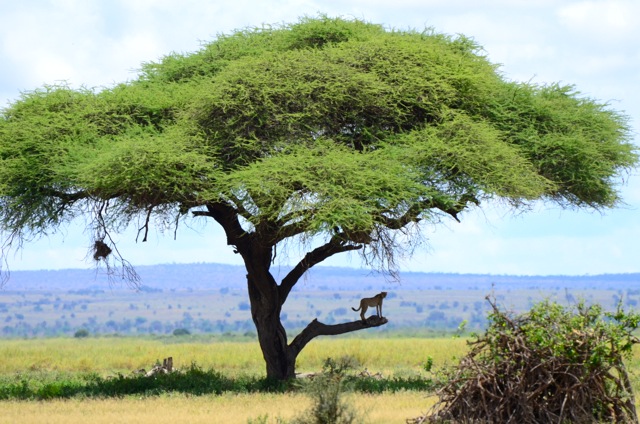
In Kenya’s Maasai Mara ecosystem, community conservancies have developed a landscape-level conservation model built around controlled tourism and land-use planning. At Mara Naboisho Conservancy, more than 700 Maasai landowners lease their land for conservation while retaining ownership and receiving monthly lease payments. Cattle grazing continues through designated zones and rotational use, helping reduce pressure on the landscape while keeping important wildlife corridors open.

Tourism numbers are also deliberately limited as a method for preserving wildlife through tourism. Naboisho currently has eight tourism camps and a maximum of 150 beds, while visitor numbers and activities are managed under conservation guidelines. This lower-density model reduces pressure on grasslands while maintaining connected habitat for elephants, lions, wildebeest, and other species moving through the Greater Mara.
Keeping these corridors open also helps connect the Maasai Mara National Reserve with surrounding conservancies and community lands. Ranger teams patrol the landscape, while ecological monitoring records wildlife movement, vegetation cover, and other changes that inform conservation decisions.
Chile Limits Daily Hikers on the W Trek
Chile’s Corporación Nacional Forestal (CONAF) manages visitor access to Torres del Paine National Park through advance ticketing and mandatory accommodation reservations for multi-day hikers on the W Trek. Anyone completing the mountain route must reserve approved refugios or campsites before entering the mountain area, helping prevent unauthorised camping and concentrate overnight stays in designated sites.

Accommodation capacity at refugios and campsites also places a practical limit on the number of people staying along the route each night. Hikers are required to remain on authorised trails, as leaving marked routes can cause erosion and damage vegetation. For those researching Patagonia W trek tours, an accredited operator can simplify accommodation, transport, and park-entry arrangements and help keep the itinerary aligned with current park requirements.
The reservation system also gives park managers greater oversight of visitor movement and improves traceability in case of emergencies or changing trail conditions. CONAF says its ticketing structure is intended to strengthen visitor control, safety, and conservation inside the park.
Costa Rica Pays Landowners to Keep Forests Standing
Costa Rica’s National Fund for Forest Financing (FONAFIFO) manages the Pagos por Servicios Ambientales (PSA) program, which provides financial payments to forest owners for environmental services such as biodiversity protection, carbon storage, water protection, and scenic value. The program supports forest protection as well as regeneration, reforestation, and agroforestry.
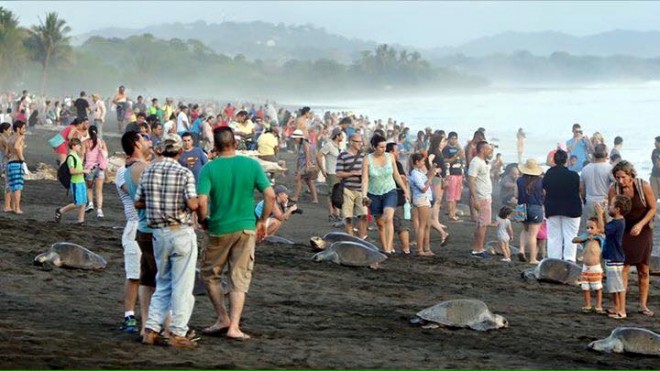
A major share of PSA funding comes from Costa Rica’s fuel tax and water-use charges, alongside other public and private contributions. These payments give landowners a financial reason to retain or restore forest instead of converting it to other uses. Costa Rica’s wider conservation strategy also includes biological corridors designed to maintain connectivity between protected areas and surrounding habitats.
Costa Rica’s forest cover has recovered dramatically, rising from about 26 percent in 1983 to more than half of the country’s land area. That recovery reflects several decades of forest policy, protected-area management, and conservation incentives, with the PSA program playing an important role in reducing deforestation and supporting forest restoration.
Svalbard Requires Guides Wherever Polar Bears Roam
The Norwegian archipelago of Svalbard enforces strict wilderness regulations through the office of the Governor (Sysselmesteren) to protect both visitors and Arctic wildlife. Anyone travelling outside the settlements must carry suitable equipment for scaring off polar bears, while the governor also recommends additional protection appropriate for polar bear encounters. Visitors must keep at least 300 metres from polar bears, increasing to 500 metres between March 1 and June 30.
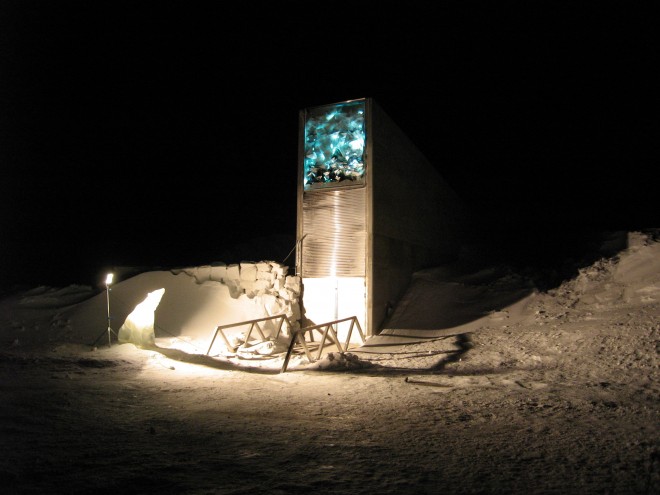
Environmental rules also limit disturbance to other wildlife. Boats must remain at least 150 metres from walrus haul-out sites, with a five-knot speed limit when travelling within 300 meters. Seasonal five-knot limits also apply near designated bird cliffs. In protected areas covered by the landing regulations, tourist landings are restricted to approved sites, helping concentrate visitor activity in places where access can be managed.
Guide requirements are becoming stricter as well. From July 1, 2027, approved Svalbard guides will be required for tourist and field activities outside inhabited areas. Guides are trained to manage safety, changing weather, and wildlife encounters while following the archipelago’s environmental regulations.
What does responsible adventure travel protect?
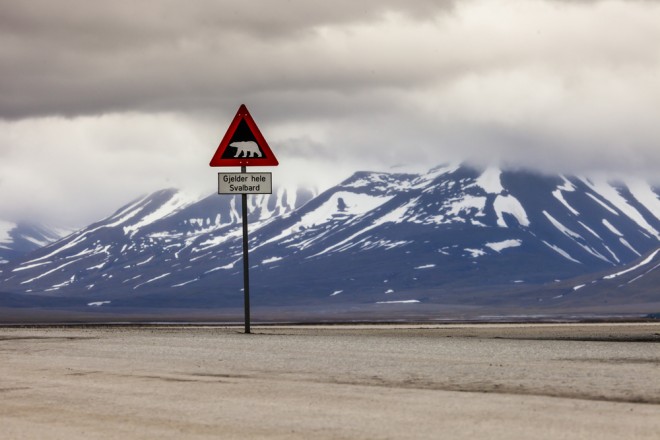
Responsible adventure travel can support both conservation and the communities living near protected landscapes. Reservation systems in Patagonia, conservation lease payments in Kenya, and tighter visitor regulations in Svalbard show how tourism can reduce pressure on sensitive environments while directing income toward local communities and protected-area management.
That approach works best when clear regulations, community involvement, and responsible operators are all part of the system. Trips that respect visitor limits, designated trails, wildlife regulations, and local employment practices can contribute to habitat protection while helping destinations manage tourism more carefully over the long term.