40 more migratory animals need protecting, warns UN group

cheetah on a leash
Fight against wildlife traffickers and those who can’t speak for themselves

A quiet emergency is unfolding in the skies, oceans, and landscapes that connect our planet. At a major UN wildlife meeting in Brazil, the Convention on the Conservation of Migratory Species of Wild Animals (CMS), governments agreed to extend protection to 40 more migratory species, from cheetahs and striped hyenas to snowy owls, giant otters, and great hammerhead sharks. Too many of them are slipping toward extinction .

This is not just about animals. Migratory species are the living threads that hold ecosystems together. They pollinate crops, control pests, move nutrients across continents, and sustain fisheries and food systems that millions of people depend on. When they disappear, entire ecological and social networks begin to unravel.
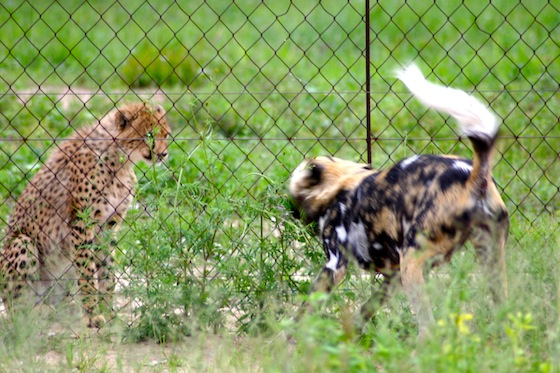
wildlife conservation, cheetahs, South Africa, endangered species, wildlife, animal conservation
Cheetahs and hyenas both need protection

The warning signs are already here. Nearly half of migratory species protected under the UN treaty are in decline, and the pressures are intensifying: habitat loss, infrastructure that blocks migration routes, plastic pollution, industrial fishing, climate change, and even emerging threats like deep-sea mining. These animals don’t belong to one country—they cross borders, oceans, and political systems. That means no single nation can save them alone.
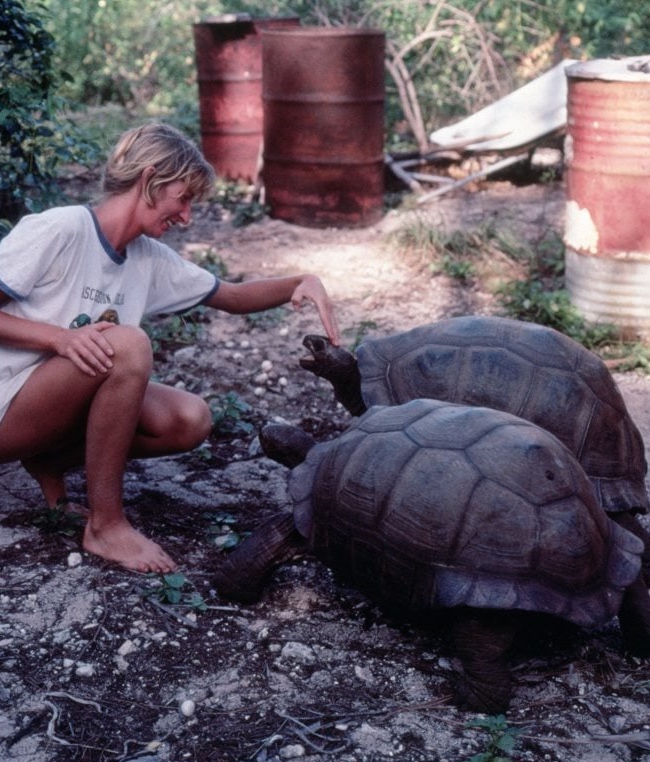
Jeanne Mortimer in her early days with the tortoises and turtles in the Seychelles

The new protections matter. Species added to the highest level of protection must be strictly safeguarded, their habitats preserved, and the dangers along their migration paths reduced. Others will benefit from coordinated international action: shared research, joint conservation plans between countries, and aligned policies across the world.

What really needs protecting now goes beyond individual species. It’s the invisible highways they depend on: flyways, ocean corridors, river systems, and seasonal habitats, the UN group tells Green Prophet. It’s also the communities living alongside these species, whose knowledge and cooperation are essential to conservation.

 “We came to Campo Grande knowing that the populations of half the species protected under this treaty are in decline. We leave with stronger protections and more ambitious plans but the species themselves are not waiting for our next meeting. Implementation has to begin tomorrow,” said CMS Executive Secretary Amy Fraenkel.

“Expanded protections for cheetahs, snowy owls, giant otters, great hammerhead sharks, and many more, demonstrate that nations can act when the science is clear. Our duty now is to close the distance between what we’ve agreed and what happens on the ground for these animals.”
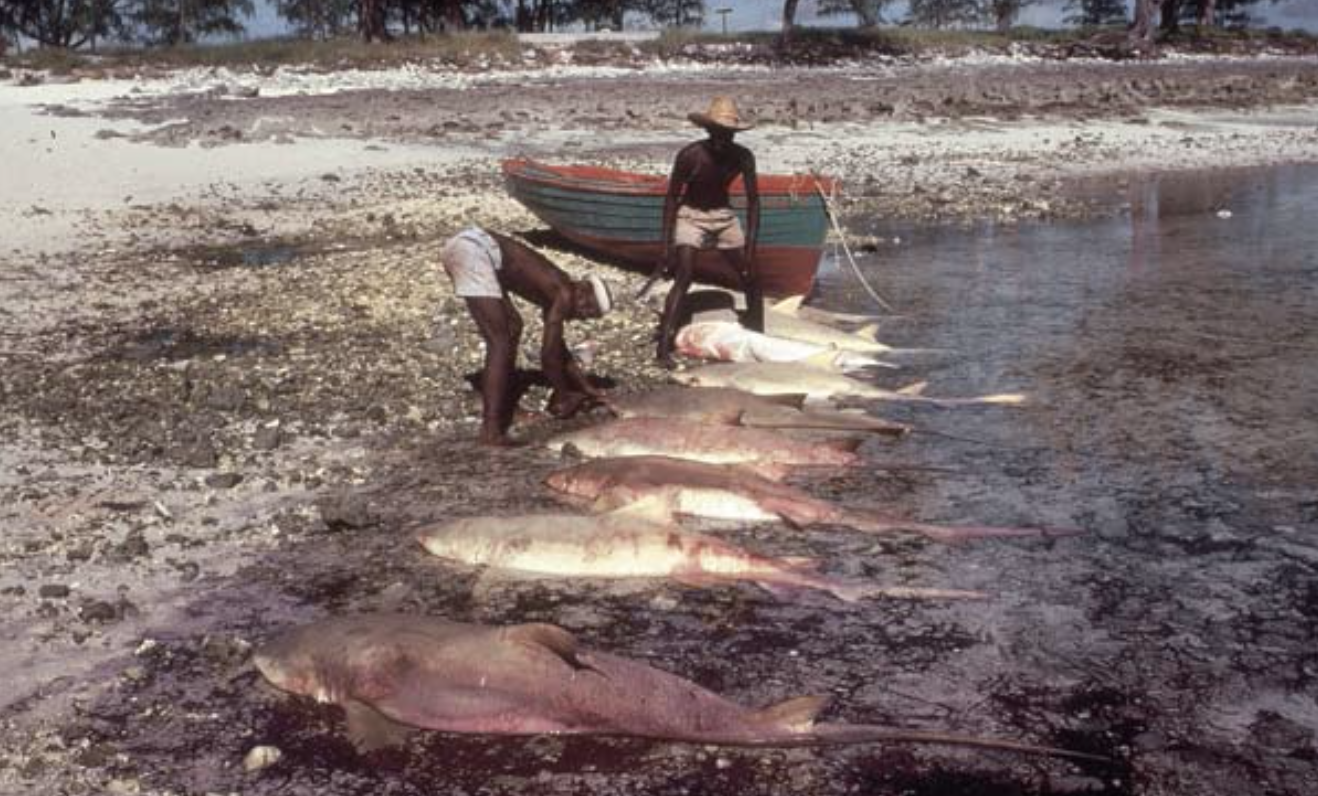
Shark Fishing at Cosmoledo in 1982 Above: Sometimes the men, especially Mazarin, went out in their small boats and fished for shark all night long. A single night’s catch might comprise as many as 10 large sharks.

And it’s the fragile balance between development and nature, especially as energy, transport, and infrastructure expand across the same routes animals have used for thousands of years.

The urgency is clear. Scientists and policymakers at the meeting agreed on stronger plans, but they also acknowledged a hard truth: the animals cannot wait for the next conference. Protection must move from promises to action—on land, at sea, and across borders.


Karin Kloosterman
Karin Kloostermanhttp://www.greenprophet.com
Karin Kloosterman is an award-winning journalist, innovation strategist, and founder of Green Prophet, one of the Middle East’s pioneering sustainability platforms. She has ranked in the Top 10 of Verizon innovation competitions, participated in NASA-linked challenges, and spoken worldwide on climate, food security, and future resilience. With an IoT technology patent, features in Canada’s National Post, and leadership inside teams building next-generation agricultural and planetary systems — including Mars-farming concepts — Karin operates at the intersection of storytelling, science, and systems change. She doesn’t report on the future – she helps design it. Reach out directly to [email protected]

LEAVE A REPLY

Please enter your comment!
Please enter your name here

TRENDING

Koh Phangan’s angels for the dogs and the cats

Koh Phangan may be known for yoga, detox retreats, and full moon parties, but beyond the curated paradise lies a different reality—one of injured stray animals and the quiet work of rescue. This story explores PACS (Phangan Animal Care for Strays), a grassroots animal shelter tackling overpopulation, disease, and neglect on the island. Through firsthand experience with teens, it reveals how meaningful travel, volunteerism, and compassion offer a deeper kind of healing—far from the Instagram version of paradise.

Nearly the half the world’s migratory species are declining, in new UN report for COP15

With larger, land-bound animals human encroachment and Middle East warns make it more troubling for the survival of migratory animals on land, air and at sea. A new United Nations report released this week warns that the situation is getting worse, not better.

The US leaves 66 United Nations organizations to “put America first”

The world needs a reset and to restart well intentioned cooperation projects from start. Because right now the UN and EU projects look like software built on code from the 80s, rickety, patched, slow to adapt, and prone to crashing under the weight of outdated assumptions.

Turkey named as climate change COP31 home in 2026

Murat Kurum as President-Designate of COP31

Nobul’s Regan McGee on Shareholder Value: “Complacency Is the Silent Killer” 

Why the governance framework designed to protect shareholders so...

Should You Invest in the Private Market?

startustartup Unlike public stock exchanges, which offer daily trading, strict...

How to build a 100-year-company

Kongō Gumi is a Japanese construction company, purportedly founded in 578 A.D., making it the world's oldest documented company. What can we learn about building sustainable businesses from them?

From Pilot Plant to Global Stage: How Aduro Clean Technologies’ 2026 Expansion Signals a Turning Point for Chemical Recycling Investors Like Yazan Al Homsi

The company's Next Generation Process (NGP) Pilot Plant in London, Ontario, has officially moved into initial operating campaigns, generating the kind of structured, repeatable data that separates laboratory promise from commercial viability.

How AI Helps SaaS Companies Reduce Repetitive Customer Support Work

SaaS products are designed for large numbers of users with different levels of experience, and also in renewable energy.

Pulling Water from the Air

Faced with water shortage in Amman, Laurie digs up...

Turning Your Energy Consultancy into an LLC: 4 Legal Steps for Founders in Texas

If you are starting a renewable energy business in Texas, learn how to start an LLC by the books.

Tracking the Impacts of a Hydroelectric Dam Along the Tigris River

For the next two months, I'll be taking a break from my usual Green Prophet posts to report on a transnational environmental issue: the Ilısu Dam currently under construction in Turkey, and the ways it will transform life along the Tigris River.

Related Articles

Popular Categories