

Hard water is common in many households and it happens when rainwater percolates through mineral-rich rock formations, particularly those abundant in calcium and magnesium. While these minerals are generally harmless and even beneficial for health, their heightened concentrations can trigger various issues, ranging from limescale accumulation in your appliances to soap not working. Ever see people who bathe in natural springs that are naturally soft water? Their hair shines. Let’s uncover six natural ways to soften hard water at home.
What makes water hard?
Hard water means by elevated mineral content such as limestone, chalk, or gypsum. The primary minerals responsible for water hardness are calcium (Ca2+) and magnesium (Mg2+). In industrial settings, hard water can lead to boiler malfunctions, while in homes, it may manifest as soap scum and clog up laundry and shower valves. Your machines might stop working.
Considering the health implications of consuming hard water, there is a delicate balance between positive and negative effects inside our bodies. On the positive side, hard water can serve as a nutrient source, providing essential minerals like calcium and magnesium that contribute to healthy bones, teeth, and overall bodily functions. Studies suggest there may be potential cardiovascular benefits, indicating that minerals like magnesium in hard water might offer protection against heart disease. Some people might prefer the taste of hard water.
On the flip side, excessive mineral content in hard water can lead to digestive issues, kidney stone formation, and adverse effects on the skin and hair. The mineral deposits left on the skin and hair by hard water can result in dryness and a less-than-smooth texture, particularly problematic for individuals with certain skin conditions.
Benefits of Soft Water
The choice between soft and hard water often hinges on personal preferences and the specific needs of a household. Soft water, achieved by reducing the mineral content, offers several advantages:
- Improved Lathering: Soft water allows for more effective lathering, facilitating the use of less soap for various purposes, from washing dishes and clothes to personal hygiene. You get get soapier!
- Reduced Scale Buildup: Unlike hard water, soft water doesn’t leave behind mineral deposits such as limescale on fixtures, appliances, and plumbing.
- Extended Appliance Lifespan: Soft water contributes to the longevity of appliances like water heaters, dishwashers, and washing machines by reducing scale buildup and maintenance requirements.
- Efficient Cleaning: Cleaning chemicals are more effective in soft water as they don’t react with minerals, ensuring a more thorough and efficient cleaning process.
6 Natural Ways to Soften Hard Water

While the installation of a water softener is a direct solution to hard water, you can collect soft water from air conditioners, and there are also natural methods to consider:
- Boiling and Cooling: Boiling hard water for a few minutes and letting it cool before use can improve its taste temporarily. Though it doesn’t eliminate minerals entirely, it provides a quick remedy. You will see a buildup on the kettle indicating that the hardness is coming out of your water.
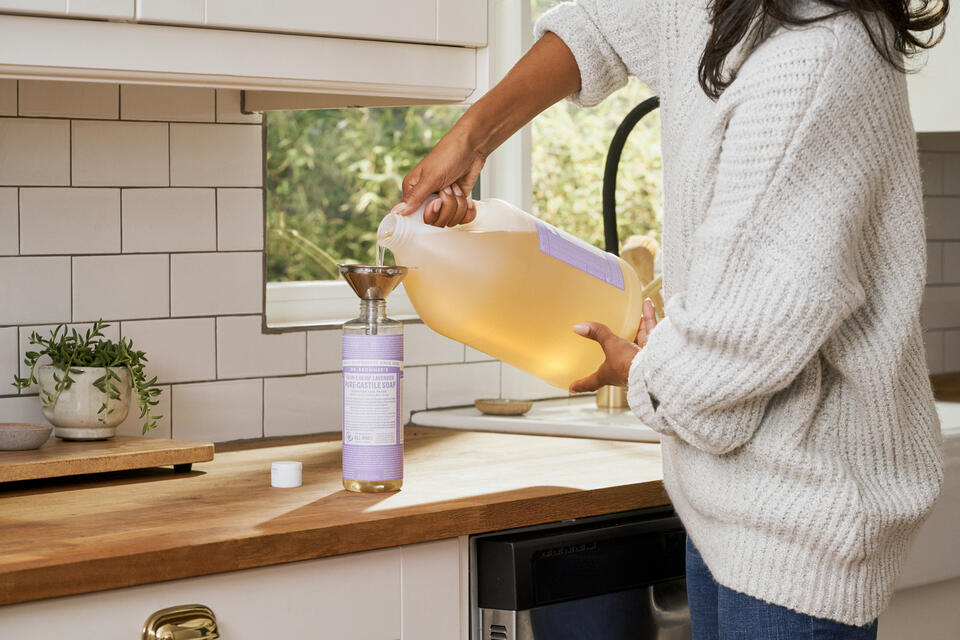
- Using Baking Soda: Adding half a cup of baking soda to the washing machine along with regular detergent minimizes the effects of hard water on laundry. It will allow you to use less soap as well. Go for an ecological kind if you can. Ecover or Dr. Bronner is popular at health food stores.
- Vinegar Treatment: Adding a cup of vinegar to the washing machine during the rinse cycle softens clothes, and soaking faucets and showerheads in vinegar overnight dissolves mineral deposits. If buildup is happening in your toilet causing a dark stain in the bottom of the bowl, attempt to drain the water from the bowl and add the highest concentration of vinegar you can find. Allow it to dissolve the hardness for an hour or so.
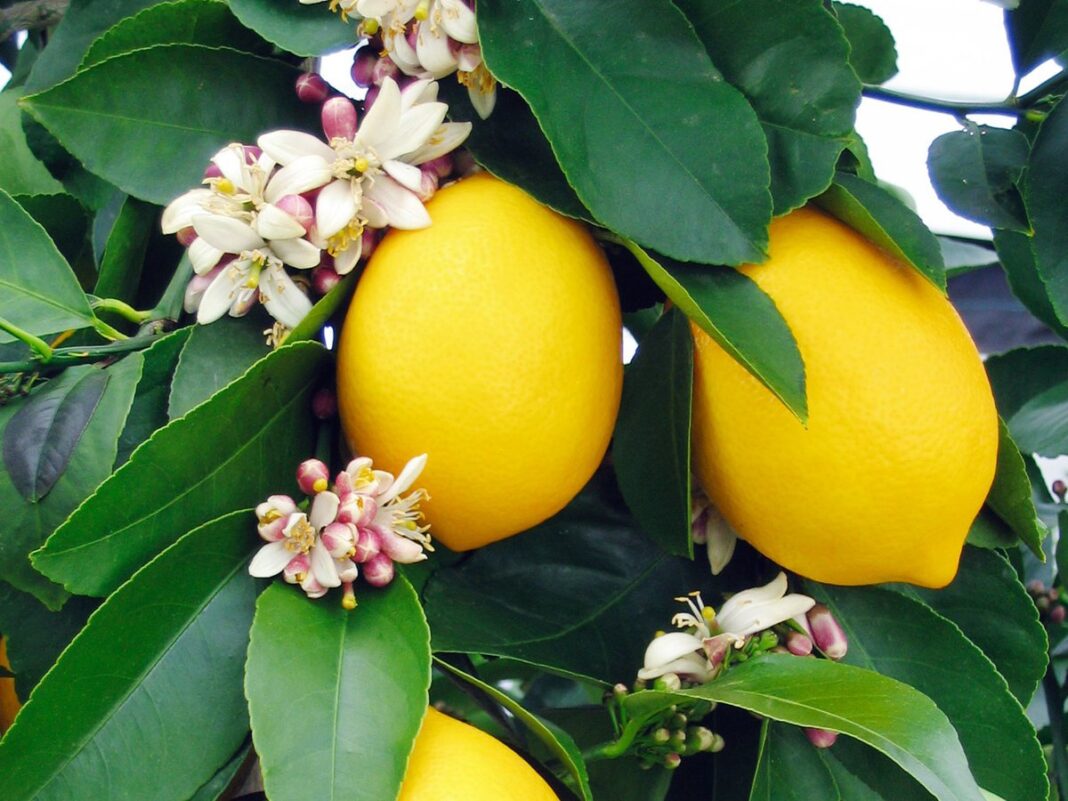
- Using Citrus Fruits: Applying lemon juice to faucets and fixtures and rinsing with water helps combat limescale and adds a pleasant scent.
- Distillation: Boiling water to create steam, which is then condensed to remove unwanted minerals, offers a methodical approach to softening water. However, it’s energy-intensive. But water distillation is a great water treatment idea if you are using a product like Mayu for remineralizing your water.
- Using the rain. For those with regulations permitting, collecting rainwater for household purposes, such as watering plants and outdoor cleaning, offers a sustainable alternative to relying on hard tap water.