Ancient aqueduct of Jerusalem uncovered

Jerusalem aerial aquaduct

Water is life. Any civilisation from the Bible or anywhere needed to live. Archaeologists in Israel uncover an ancient aqueduct in Jerusalem, one used for 2000 years to supply water to the city residents. The archaeologists marvel at the engineering and design. 

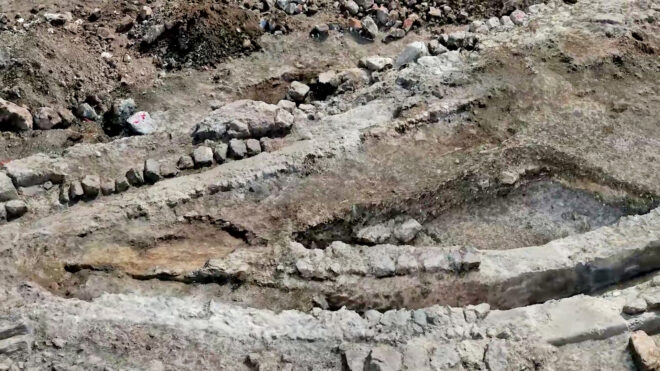
A segment of the Low-Level Aqueduct to Jerusalem has been exposed over the last few weeks in the Jerusalem neighborhood of Armon Hanatsiv. 

The Low-Level Aqueduct winds along a route of about 15 miles from Solomons Pools located south of Bethlehem to the Temple Mount in the Old City of Jerusalem with a very slight gradient – descending by about one yard along every mile.
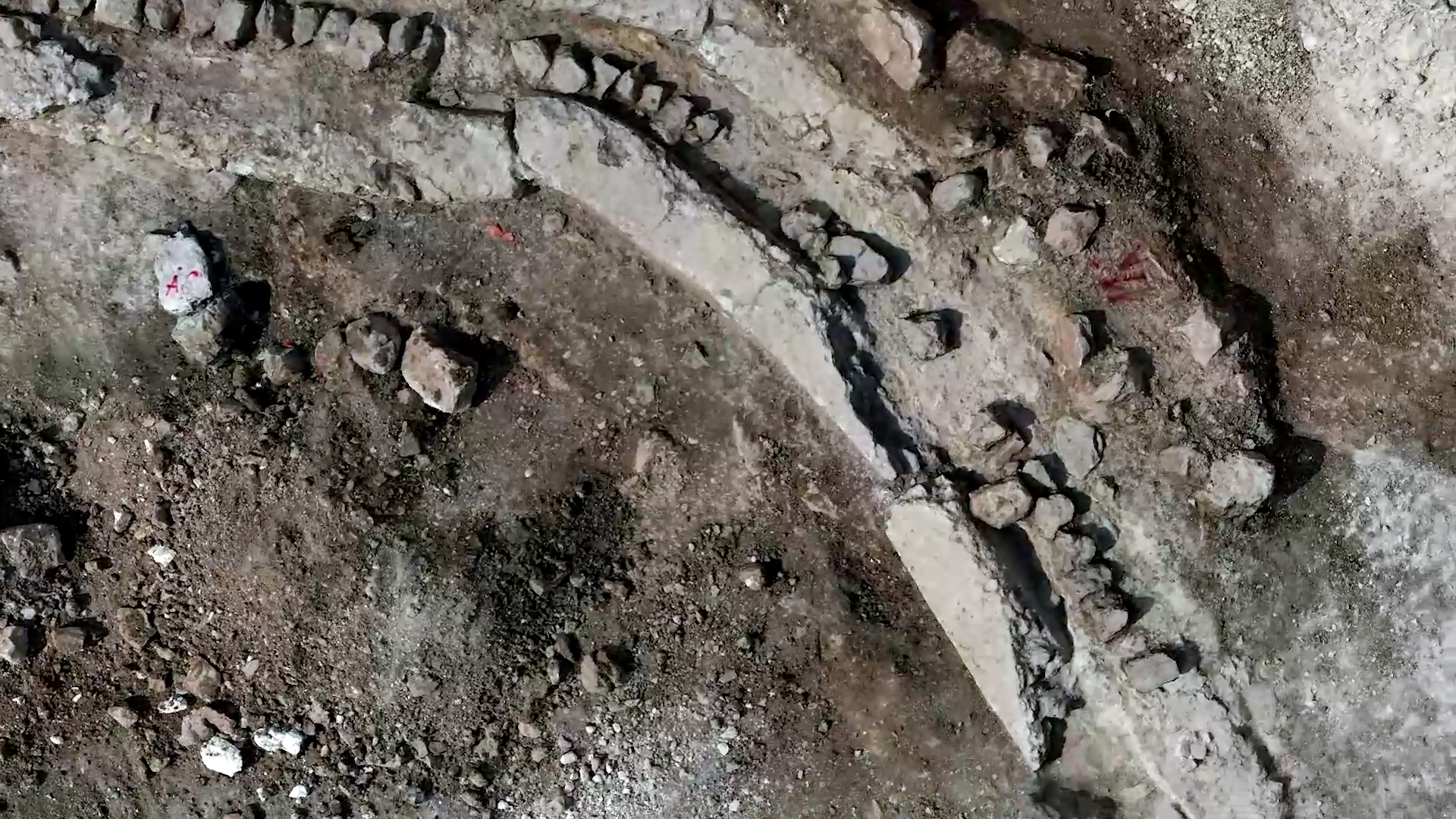
This amazing water system, started by the Hasmonean kings in order to increase the water supply to Jerusalem and in particular to the Temple Mount where Jews worshipped God, “astounds us until this very day, and due to the aqueducts ingenuity and quality, continued to be used until the British Mandate 100 years ago when the invention of electric pumps replaced it,” the researchers report.
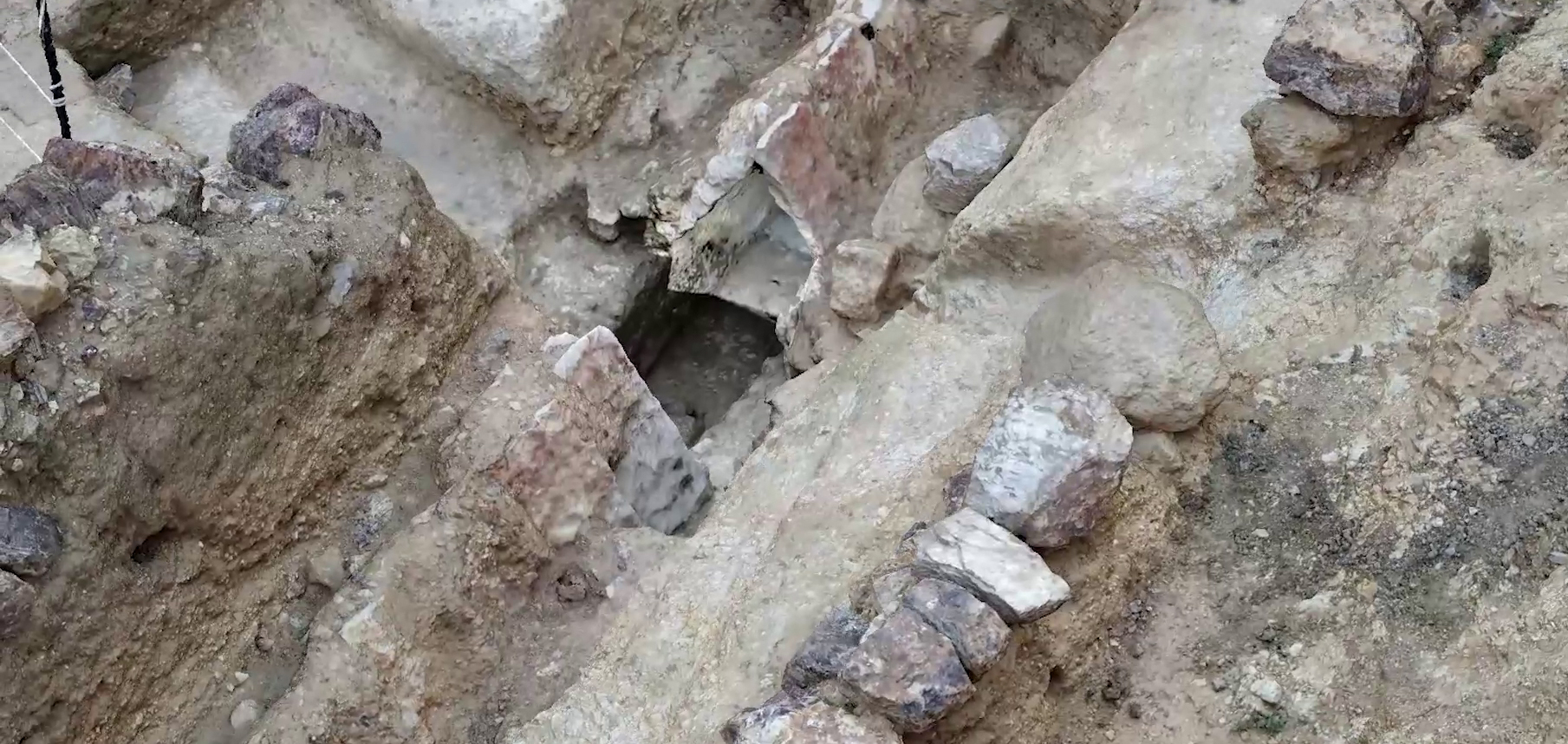
“Two aqueducts brought water from Solomons` Pools, located between Bethlehem and Efrat to Jerusalem- the Low-Level Aqueduct and the High-Level Aqueduct,” says Ya`akov Billig Of the Israel Antiquities Authority, who has researched the ancient aqueducts to Jerusalem:

“It amazes us to think how they managed in antiquity to make the accurate measurements of elevation along such a long distance, choosing the route along the mountainous terrain and calculating the necessary gradient, all this without the modern sophisticated instruments we have today”.

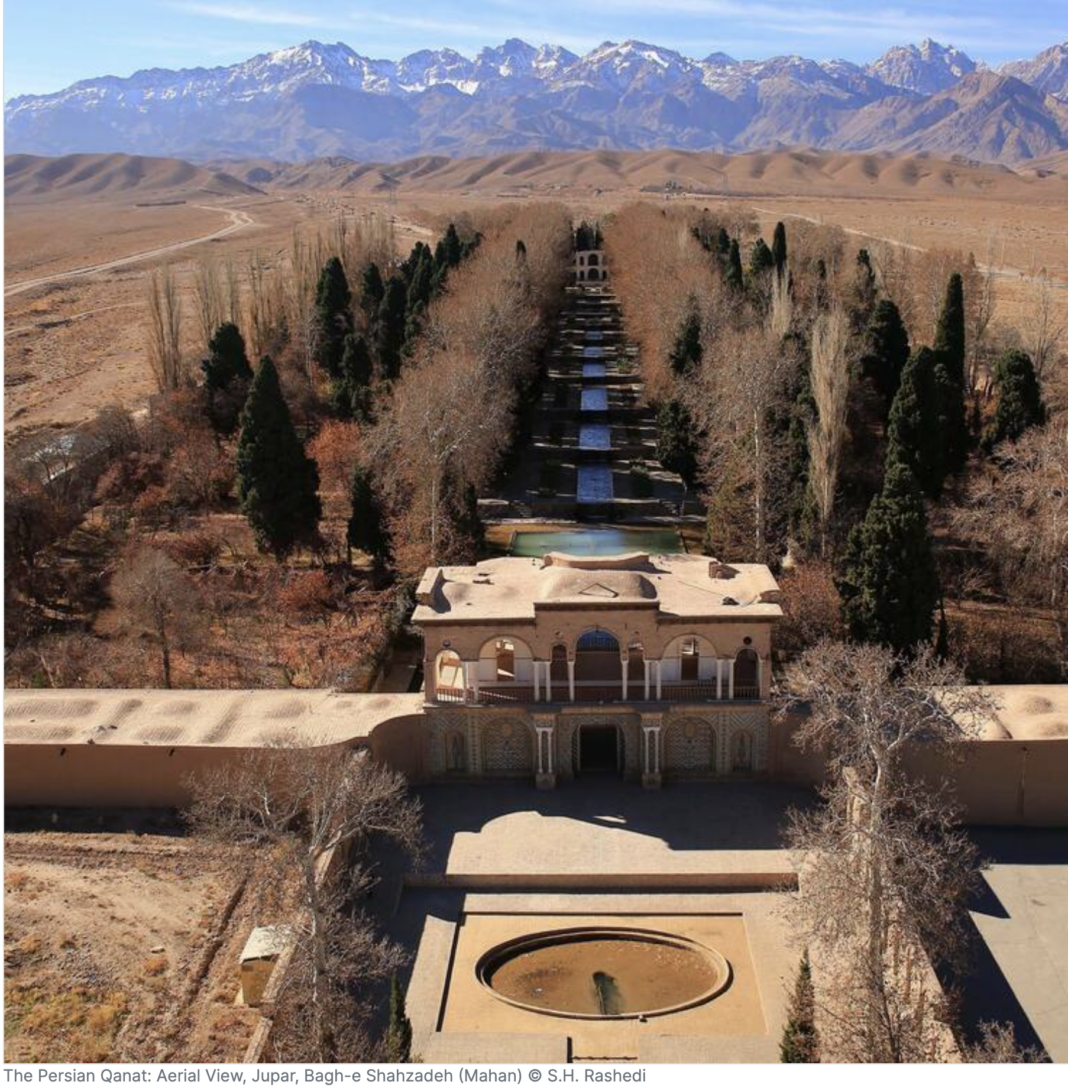
Remind you of Iran’s water qanat

persian qanat, ancient in isran

Presently, segments of the Low-Level aqueduct are being revealed under Alkachi street in the Armon Hanatsiv, in an excavation directed by Alexander Wiegmann of the Israel Antiquities Authority.

Following the excavation, conservation experts will do preservation work along the remains towards their exhibition in a park for visitors and the public.


 

Karin Kloosterman
Karin Kloostermanhttp://www.greenprophet.com
Karin Kloosterman is an award-winning journalist, innovation strategist, and founder of Green Prophet, one of the Middle East’s pioneering sustainability platforms. She has ranked in the Top 10 of Verizon innovation competitions, participated in NASA-linked challenges, and spoken worldwide on climate, food security, and future resilience. With an IoT technology patent, features in Canada’s National Post, and leadership inside teams building next-generation agricultural and planetary systems — including Mars-farming concepts — Karin operates at the intersection of storytelling, science, and systems change. She doesn’t report on the future – she helps design it. Reach out directly to [email protected]

Read More

TRENDING

Hormuz 2026 Conflict Poses an Energy and Food Security Dilemma in a Warming World

As tensions rise in one of the world’s most critical maritime chokepoints, the ripple effects go far beyond oil—touching food systems, climate pressures, and regional stability

Baby teeth read like tree rings paint a picture of toxins in early life

A new study from the Icahn School of Medicine at Mount Sinai in New York offers a striking insight into how the environments we are born into can quietly shape our brains years later. By analyzing naturally shed baby teeth, the ones tucked under pillows for the tooth fairy, researchers have reconstructed a detailed timeline of exposure to environmental metals during pregnancy and early infancy.

Poop in the East River shows the city’s rat problem and what people like to eat

New York ecology and health can be monitored by a jug of water a week.

Is your groundwater too young? New study finds risks for Parkinson’s and type of water you drink

People whose drinking water came from newer groundwater had a higher risk of developing Parkinson’s disease than those whose drinking water came from older groundwater, according to a preliminary study released March 2, 2026, that will be presented at the American Academy of Neurology’s 78th Annual Meeting taking place April 18–22, 2026, in Chicago and online.

The Saudi Startup Turning Desalination’s Toxic Waste Into Its Own Disinfectant

For millennia, the Middle East's water crisis seemed an immutable fact of geography — a region defined as much by what it lacked as by what lay beneath its sands. Today, a convergence of plummeting solar costs, advancing membrane technology, and hard-won engineering expertise is rewriting that story.

How to quiet noise from construction in your office

Streets need to be resurfaced in New York but the humming and grinding noise is unsettling. Noise is environmental pollution. 

EarthX and a blueprint for sustainable investing

Trammell S. Crow, a Dallas-based businessman and father of four, is focusing his efforts on impact investing, and media that focuses on saving the planet through EarthX.

Mining Afghanistan’s Mineral Discoveries Similar to Avatar

Now that American forces in Afghanistan are commemorating the longest period of any war that America has been involved in, including the 1965-73 Vietnam War, the recent discoveries of large and extremely valuable mineral and metal deposits may finally bring to light a reason to continue the presence of US fighting forces in this war torn and backward country.

From Pilot Plant to Global Stage: How Aduro Clean Technologies’ 2026 Expansion Signals a Turning Point for Chemical Recycling Investors Like Yazan Al Homsi

The company's Next Generation Process (NGP) Pilot Plant in London, Ontario, has officially moved into initial operating campaigns, generating the kind of structured, repeatable data that separates laboratory promise from commercial viability.

Nobul’s Regan McGee on Shareholder Value: “Complacency Is the Silent Killer” 

Why the governance framework designed to protect shareholders so...

Should You Invest in the Private Market?

startustartup Unlike public stock exchanges, which offer daily trading, strict...

How to build a 100-year-company

Kongō Gumi is a Japanese construction company, purportedly founded in 578 A.D., making it the world's oldest documented company. What can we learn about building sustainable businesses from them?

How AI Helps SaaS Companies Reduce Repetitive Customer Support Work

SaaS products are designed for large numbers of users with different levels of experience, and also in renewable energy.

Popular Categories