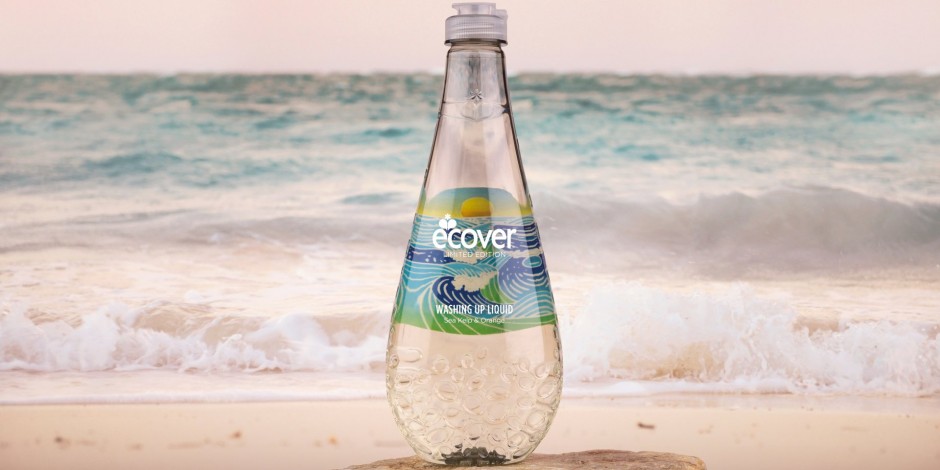
Trying to live green and being eco-friendly is great and important when it comes to protecting our mother earth. Most businesses and companies have realized this and are doing their part by using recyclable material and less use of plastic to reduce the carbon footprint in the environment so that the products are less harmful or rough on the environment.
The change, however, never starts with companies but starts with individuals. We ourselves have to strive to make the environment more eco-friendly so we can harness the resources available for a much longer and sustained period. Most of us, as individuals, are pretty wasteful and don’t care much about the environment. An average American citizen produces about 4.5 pounds of trash every day and while this may not seem like a big number individually but when thousands and millions of citizens produce the same amount of trash and waste products then it adds up to be a very huge number.
Individually, we should play our part and try to live our lives as eco-friendly as possible. Luckily, there are many ways by which we can contribute to the betterment of the environment and live an eco-friendly life. Let’s dig deeper into the 5 Step Guide to an Easy Eco-Friendly Living:
1. Recycle and Reuse
The first and foremost thing to do in order to lead an eco-friendly life is live by the rules of recycling and reusing. Instead of throwing everything away that you are done with, try to recycle it or reuse it in any way possible. Maybe you can use them for something handy or donate it to someone who needs it. You can even watch some of the DIY videos and put on your own DIY hat and try it yourself.
If you cannot think of any way to reuse a material once you are done with it then make sure that you recycle it. Instead of littering and garbaging it, just try to recycle it. If you are unsure about what kind of products can be recycled then you can easily find a detailed list on the internet. In this way, you will be contributing less to littering the environment and more to having a sustainable, eco-friendly environment.
2. Conserve Energy & Water
Another way to live an eco-friendly living is to make sure that you conserve water and energy. Both of these things are usually taken for granted but there are many people in different parts of the world who don’t even have accessibility to these basic resources of life.
Always remember to turn off your lights, fan, and other electrical appliances when you are leaving the room. When you leave the lights and other electric appliances on then you are not only wasting the energy, increasing the carbon footprint but your electricity bill will be also much higher. Just make sure that there is no unnecessary light or electric appliance turned on in your house. Also, switching to energy-efficient appliances such as LEDs will also help. You should limit how often you are using an air conditioner or furnace.
Conserving water is also a good idea and we should be thankful that we even have access to clean and pure water because many people in different parts of the world don’t even have access to clean water for drinking. To conserve water, just make sure that you are doing your best to stop its wastage which includes turning off taps, taking shorter showers, etc.
3. Use the Right Products
Whether it is a difficult task like cleaning your home or a simple task like playing games with your friends and family on a Friday night, you should always try to make sure that you are using the right products, products that don’t cause any kind of harm to the environment.
Let’s take the example of home cleaning products which includes floor cleaners, window cleaners, dish soaps, etc. Many of the aforementioned products that are available in the market usually contain different kinds of chemicals which are harmful to the environment and disposing of them in an eco-friendly way can become difficult. Over-exposure to such harmful products can also be dangerous for your health.
As far as playing with friends is concerned then always make sure that you choose eco-friendly versions of the game that you are going to play with your friends. Board games over online games.
The point of discussion was that whatever you do, whether it is a complex task or a difficult task, always make sure that you choose the right products that won’t harm the environment.
4. Try to Grow Your Own Food
If you have space, capability, and resources then try to grow your own food. If you have a big enough space for a large outdoor garden then consider growing your own vegetables, fruits, and pulses. All such items that are used on a daily basis can easily be grown. By doing so, you are not only helping the environment but also going a little light on your expenses by reducing your spendings.
When you start growing your own food then you will realize that it will only cost a fraction or a quarter of the amount that you usually spend and the products that you will grow will be home-grown and of higher quality.
However, if you don’t have the resources to build an outdoor garden to grow your own fruits and vegetables then consider buying from your local market as you won’t be contributing to the transportation of food that can lead to a huge amount of carbon released from the engines of vehicles.
5. Encourage Others
If you are trying to live an eco-friendly life then you are definitely doing good for the environment but it would be so much better if you encourage your friends, family members, co-workers, and other people in the community to do the same. One person living an eco-friendly life is good but a dozen more doing the same is just better.
Try to spread the message in your community, in your close circles, and encourage others to live an eco-friendly life. Tell them about the importance of recycling, reusing, conversing energy and how it could be beneficial for not only them but for the environment too. If you do it right and tell the right information then you will definitely be able to encourage some people to join you in the eco-friendly movement.