Meet the Mad Men for urban and small-scale farmers

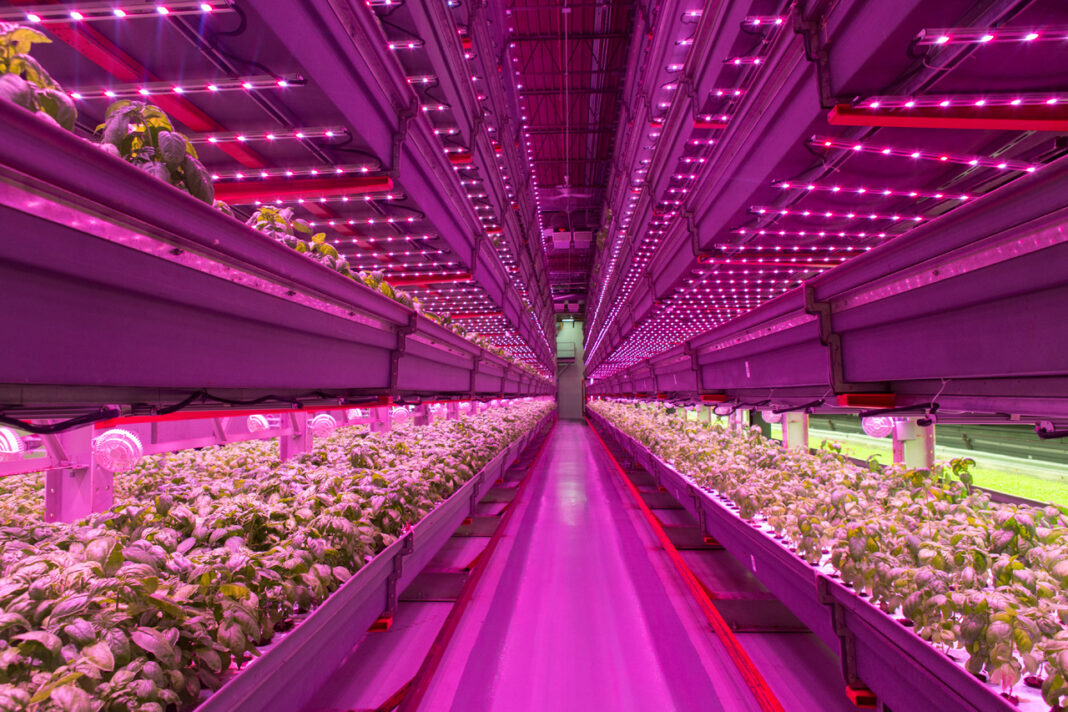
Farmed Here special hydroponic growing project
Have a special farm, growing hyper-nutritious food? Nick Burton, Founder of the State of the Soil agency helps small business farmers craft the messaging and media to sell what’s grown at a profit.

Urban farming. High-tech farming. Modern farming, or maybe it’s traditional farming? However you call it, farming in the US is shifting against the tide of large-scale monoculture, chemical company-controlled mega farming, where farmers measure success by operating at smaller loss than the year before. The farming industry is on the verge of collapse. Oil prices are dropping, seedstock prices are quadrupling and with mega billion dollar mergers like Bayer and Monsanto looming, US farmers fear the absolute worse is yet to come.

We know the world feels what happens to the US: the current breadbasket to the world in many staples such as corn and wheat.

Thousands of new farmers in the United States are revolting against the system in their own gentle way, by farming with dignity and doing things differently than factory farming. They are creating small business farms in all shapes and sizes from hydroponic greenhouse farms to one acre organic specialty crops farms.

The problem for these farmers isn’t growing. They learn what to do, they love it, and they grow successfully. Their problem, says Nick Burton, in the green business for 20 years and a hydroponic farmer for 3, is now building a media and branding services to modern farmers –– because most do not know how to market and brand themselves.

Burton (pictured below) started a new business growing hyper-local greens for Texans and has nailed the packaging, email lists, and is growing a booming business out of Paris, Texas called the Victory Lunch Club. Burton’s company supplies artisanal salads to your office desk.

nick-burton-state-of-the-soil
Burton gets behind your urban farm or smallhold farm brand, and tells your story to your market

He found marketing and media was his calling, his purpose for changing the world and has since created a new business, State of the Soil. It is intended for growers and farmers of all stripes, using any medium and system for farming. State of the Soil is like your Mad Men advertising agency if you are a small or medium sized farm business holder.

https://www.youtube.com/watch?v=yniY6lB3fBE

As the company builds out, it will be building conferences and events, starting with an online speakers event this coming January – register here.

The company will support community growers through social media, it will create events, and will provide educational resources to the people who have started farming and want to learn more.

Services will be affordable and not multiples of thousands of dollars, which the conventional ag industry has normally changed for its events and services, so no one but managers of chemical companies and financiers could afford to attend.

Burton is putting farming back into the hands of men and women. If you are keen on joining the urban farming movement, get your message and story right for the farmer’s market. Burton will show how it’s done –  sign up here.

Meet Nick at NYC AgTech week happening next week September 19 to 24. 

Karin Kloosterman
Karin Kloostermanhttp://www.greenprophet.com
Karin Kloosterman is an award-winning journalist, innovation strategist, and founder of Green Prophet, one of the Middle East’s pioneering sustainability platforms. She has ranked in the Top 10 of Verizon innovation competitions, participated in NASA-linked challenges, and spoken worldwide on climate, food security, and future resilience. With an IoT technology patent, features in Canada’s National Post, and leadership inside teams building next-generation agricultural and planetary systems — including Mars-farming concepts — Karin operates at the intersection of storytelling, science, and systems change. She doesn’t report on the future – she helps design it. Reach out directly to [email protected]

Read More

TRENDING

Kansas City’s Second Attempt at a Conversion Therapy Ban: What the Proposed Ordinance Does and Why It’s Being Rewritten

Kansas City is attempting to revive protections against conversion therapy with a new ordinance carefully designed to withstand recent First Amendment challenges. Rather than banning conversion therapy by name, the proposal targets harmful therapeutic practices linked to increased risks of depression and self-harm, creating what supporters hope could become a legal model for other U.S. cities.

What to Look for in a Senior Living Community That Truly Delivers

Choosing a sustainable senior living community means looking beyond appearances to care quality, nutrition, safety, social connection, and long-term well-being.

NuCicer — Chickpeas Move to the Center of the Plate

NuCicer has developed Nuchi, a new class of chickpea with 50% more protein and 25% less fat than conventional varieties. Co-founder Kathryn Cook explains how wild chickpea genetics, AI-guided breeding, and centuries-old biodiversity could transform the future of sustainable protein.

How Torvinen Jaakko’s ugly wood can lay the foundations for green building

Canada's forests generate billions of dollars in economic value each year, yet vast amounts of irregular timber are downgraded to wood chips or biomass. A collaboration between researchers at Carleton University and Aalto University is challenging that model, demonstrating how "ugly wood" can be transformed into high-value architecture while reducing waste and storing more carbon in buildings.

A Face Swap Tool for Training and Internal Comms

Corporate training videos often require repeated filming, travel, and production resources every time policies or personnel change. AI-powered face swap tools offer a more sustainable approach by extending the life of digital training content, reducing unnecessary reshoots, and helping organizations communicate more efficiently—provided they are used transparently with clear consent and ethical governance.

The Essential Guide To Sustainability in Project Management

Sustainability is an approach where businesses and individuals balance the environmental, social, and economic aspects of a project such that current and future stakeholders are not overburdened with the impacts of the project in future.

Yerukim Forms a New Green Economy Where the Money is Really Green

The Yerukim members who pick up the recyclables get to keep the monetary reward, the public earns "green" bills that can be used in shops, and business owners get to be associated with environmentalism.

Choosing Riyadh over Dubai? What Investors Should Know

Saudi Arabia is deploying capital at unmatched scale to catalyze tourism and advanced industry while rewiring its power-and-water backbone. The investable frontier is widening—especially in renewables, grid storage, water efficiency/desal retrofits, and hospitality operating platforms. Prudent investors will insist on phased delivery, enforceable KPIs (energy, water, biodiversity), and RHQ/zone compliance—while pricing political-economy and reputational risks alongside growth upside.

Sell your cooking oil for biodiesel money

Want to make money on old french fry oil? Sell it.

Qatar Alternative Energy Summit Pairs Investors And Innovators

Alternative energy investors and innovators can meet n' greet in Doha, Qatar March 16 and 17.

Here’s How To Implement The Four Pillars Of Employee Engagement

If you throw a party for your work team and they are vegans, don't make it a barbecue. Know the sustainability values of your team to boost moral and retain good people.

Locals From Rishon Fight IKEA

Big Box stores are a pretty new concept in Israel, and thank God that not every Israeli city wants them in their backyard. A word from someone who has see the beautiful farmland around her hometown Newmarket, Ontario stripped and converted into vulgar strip malls of big box shops: they have no place in a healthy and sustainable town or city.

The Jewish National Fund Meets An Inconvenient Truth

According to the JNF, it has transformed thousands of acres of barren land into green forests in Israel. They state that each person emits about 23 tons of carbon per year, estimating that each tree planted can absorb one ton of carbon in its lifetime. That's a whole lot of trees you'd need to be planting. Could so many fit in Israel?

Popular Categories