Iraq’s first coral reef in cold, polluted water shocks scientists

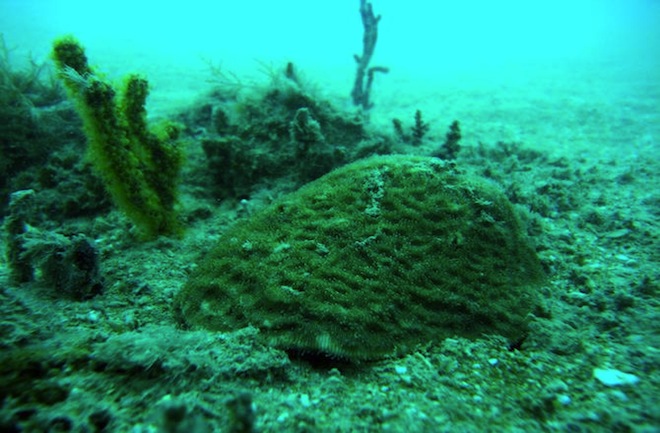
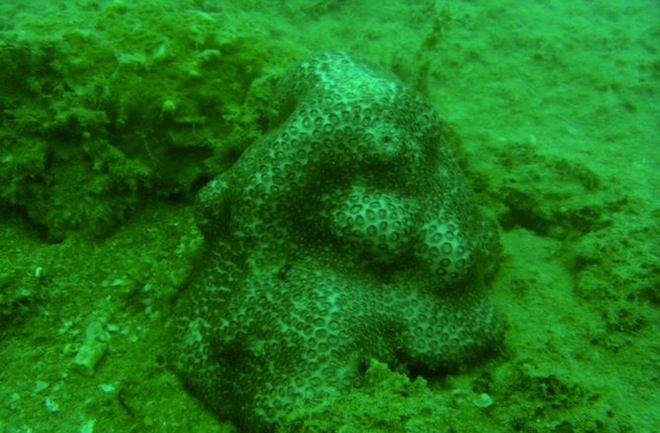
Iraq, first coral reef, war, pollution, Euphrates, Tigris, Shatt al-Arab River, Persian Gulf, global warming, climate change, nature conservation, marsh arabsScientists exploring a cold, polluted, and murky river mouth in southeastern Iraq were shocked to discover what is thought to be the country’s first coral reef.

Among nature’s most frail ecosystems, coral reefs usually thrive in clear water with ambient temperatures and little salinity, but the recent find by scientists from Germany’s Institute for Geology Scientific Diving Center suggests that some reefs are more resilient than previously thought.

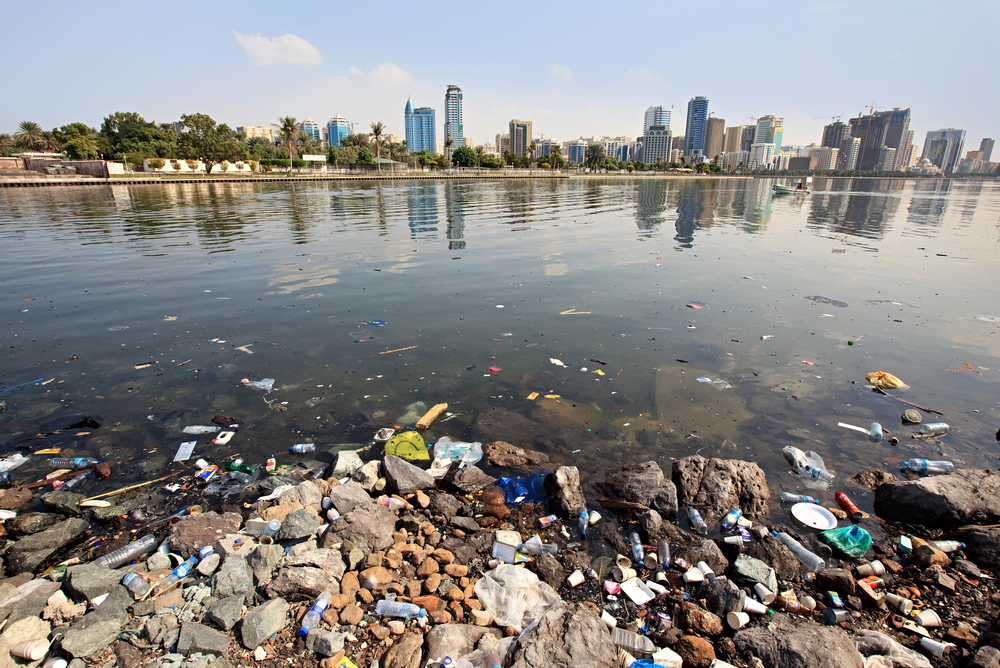
Not only is the mouth to the Shatt al-Arab River cold, polluted and turbulent, conditions that are typically unfavorable to coral reefs, but it has also been the site of considerable political instability.
Iraq, first coral reef, war, pollution, Euphrates, Tigris, Shatt al-Arab River, Persian Gulf, global warming, climate change, nature conservation, marsh arabs

The only waterway in Iraq that empties into the Persian Gulf, the confluence of the Euphrates and Tigris rivers also forms a natural border with Iran, making it of critical strategic importance to both countries.

Wars have been fought over the river, and during the American invasion and subsequent years, it was particularly integral as a means to deliver humanitarian aid and munitions to the interior.

Under these conditions, even the most devout researcher would be forgiven for overlooking the area. But the group led by Thomas Pohl persisted and for their efforts they were rewarded with the discovery of a 2.5 by 4.4 mile Palinurs Rock Reef previously unknown to science, according to Discovery News.

Related: The Marsh Arabs Who Restored a Global Ecosystem

“We were entirely surprised to find a living coral reef under such harsh conditions,” lead author Thomas Pohl of Germany’s Institute for Geology Scientific Diving Center and his colleagues wrote in the journal Scientific Reports.
Iraq, first coral reef, war, pollution, Euphrates, Tigris, Shatt al-Arab River, Persian Gulf, global warming, climate change, nature conservation, marsh arabs

While visibility was low at just three feet or less and the research team battled to study the reef, they found a fairly diverse ecosystem with a variety of hardy corals species and sponges.

“The authors identified a number of living stony corals and octocorals (which lack a stony skeleton),” writes Discovery News, “as well as sponges and aquatic mollusks that may compete with the corals for space on the reef — or that may cause the coral structure to erode.”

Like Nature Iraq, the group has struggled to mobilize the international community to take more interest in the region, which is consistently beset with political strife. They hope that this recent find will change that, Discovery reports.

“These habitats urgently need protection, conservation and research, especially given their location in areas of oil and gas exploration…”
:: Discovery News

Tafline Laylin
Tafline Laylinhttp://www.greenprophet.com
As a tour leader who led “eco-friendly” camping trips throughout North America, Tafline soon realized that she was instead leaving behind a trail of gas fumes, plastic bottles and Pringles. In fact, wherever she traveled – whether it was Viet Nam or South Africa or England – it became clear how inefficiently the mandate to re-think our consumer culture is reaching the general public. Born in Iran, raised in South Africa and the United States, she currently splits her time between Africa and the Middle East. Tafline can be reached at tafline (at) greenprophet (dot) com.

Read More

3 COMMENTS

LEAVE A REPLY

Please enter your comment!
Please enter your name here

TRENDING

10 Amazing Facts About the Sidr Tree

Most people in the West have never heard of the Sidr tree. That's strange when you think about it. This tough, thorny desert tree has fed people, bees, birds, and camels for thousands of years. It appears in Islamic tradition. Its honey sells for astonishing prices.

Elkhorn corals planted to restore reef diversity

The project centers on “Flonduran” corals, which are offspring of Florida elkhorn corals bred with elkhorn corals from Honduras. These new corals are being evaluated alongside Florida elkhorn corals of the same age that are outplanted side by side in natural reef habitats to assess whether the new genetic diversity can enhance coral resilience and reduce coral bleaching during Florida’s warm summers.

5 projects to help kickstart your company’s sustainability journey 

True progress happens when environmental ambition meets action. Decarbonizing efficiently is possible for any business in any sector, but actually getting started can sometimes feel daunting.   The trick? It’s to start small and build momentum. Here are five potential projects to help you get started.  

Hormuz 2026 Conflict Poses an Energy and Food Security Dilemma in a Warming World

As tensions rise in one of the world’s most critical maritime chokepoints, the ripple effects go far beyond oil—touching food systems, climate pressures, and regional stability

Climate change traced in sea turtle shells

It's sea turtles which may in the end save islands in the Seychelles. They may also better help us understand climate change. Like rings on a tree, scientists have found a way to read sea turtle shells and how they are impacted by climate change tells a story. 

How to quiet noise from construction in your office

Streets need to be resurfaced in New York but the humming and grinding noise is unsettling. Noise is environmental pollution. 

EarthX and a blueprint for sustainable investing

Trammell S. Crow, a Dallas-based businessman and father of four, is focusing his efforts on impact investing, and media that focuses on saving the planet through EarthX.

Mining Afghanistan’s Mineral Discoveries Similar to Avatar

Now that American forces in Afghanistan are commemorating the longest period of any war that America has been involved in, including the 1965-73 Vietnam War, the recent discoveries of large and extremely valuable mineral and metal deposits may finally bring to light a reason to continue the presence of US fighting forces in this war torn and backward country.

From Pilot Plant to Global Stage: How Aduro Clean Technologies’ 2026 Expansion Signals a Turning Point for Chemical Recycling Investors Like Yazan Al Homsi

The company's Next Generation Process (NGP) Pilot Plant in London, Ontario, has officially moved into initial operating campaigns, generating the kind of structured, repeatable data that separates laboratory promise from commercial viability.

Nobul’s Regan McGee on Shareholder Value: “Complacency Is the Silent Killer” 

Why the governance framework designed to protect shareholders so...

Should You Invest in the Private Market?

startustartup Unlike public stock exchanges, which offer daily trading, strict...

How to build a 100-year-company

Kongō Gumi is a Japanese construction company, purportedly founded in 578 A.D., making it the world's oldest documented company. What can we learn about building sustainable businesses from them?

How AI Helps SaaS Companies Reduce Repetitive Customer Support Work

SaaS products are designed for large numbers of users with different levels of experience, and also in renewable energy.

Popular Categories