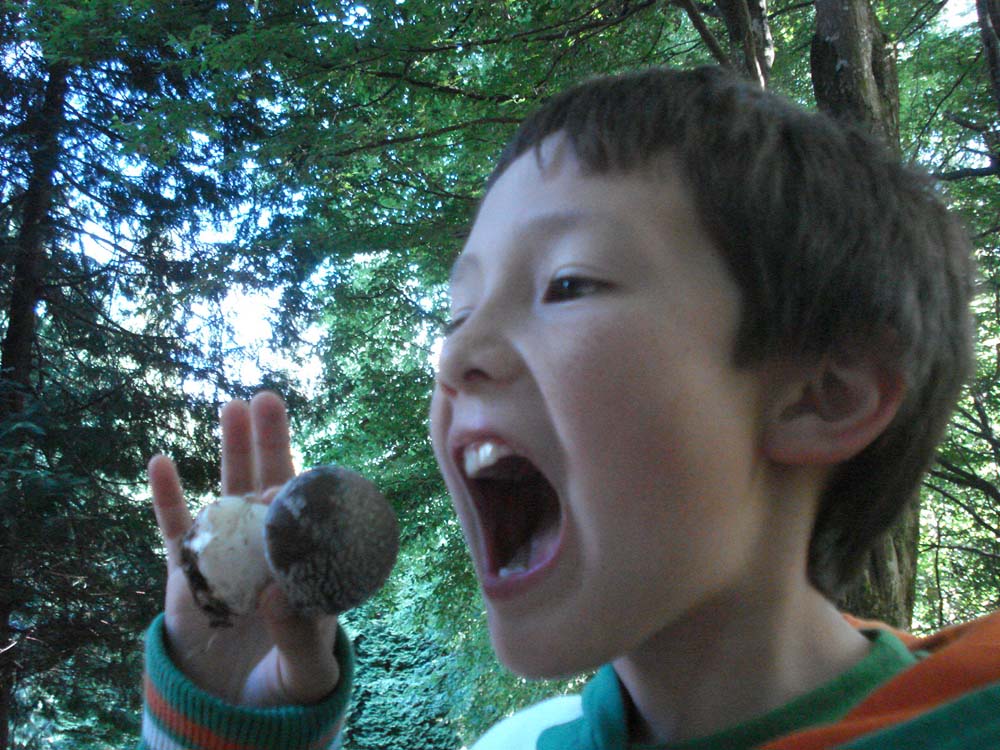

 Put your mouth where your morals are and eat the plants and vegetables you want to conserve. Image via ivanwalsh
Since the beginning of the green movement, there has been a rise in the number of organizations and businesses that are doing their part in the promotion of sustainability through conservation. This past Earth Day brought about the Earth Day Network, which has been playing its part to bring conservationist and green enthusiasts together, sharing ideas and discussing new ways to support the planet.
Other large organizations NGOS like Doug Band and the CGI (Clinton Global Initiative) have been working on successful emission reduction projects in the San Francisco Bay area. All the while, the climate is continuing to worsen, and individual, as well as collaborative acts, are important for any successful green campaign. As human beings, we’re constantly told to reduce our carbon footprint, consume less unhealthy foods, and spend less time in the shower!
But let’s take a minute to step back and look at this from a different perspective; one that the Arab-American writer and conservationist Gary Nabhan strongly suggests.
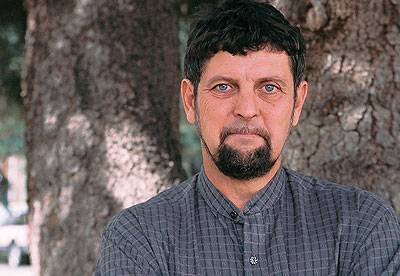 Gary Paul Nabhan, PhD (pictured left), is an Arab-American writer and conservationist who’s extensive farming work in the U.S./Mexico borderlands region has made him world renown. Specifically speaking, Nabhan is known for his work in biodiversity as an ethnobotanist. His uplifting messages and attitude towards life and culture has granted us access to multiple beneficial theories including his latest of eat what you conserve.
According to the United Nations’ Food and Agriculture Organization, about three quarters of the genetic diversity of crops been vanished over the last century and that a dozen species now gives 90 percent of the animal protein eaten globally. In accordance, just 4 crop species supply half of plant based calories in the human diet.
Nabhan claims that by eating the fruits and vegetables that we are attempting to conserve and save, we’re promoting the granular dissemination of various plant species. But this goes beyond what we typically buy in supermarkets, particularly because of price and abundance.
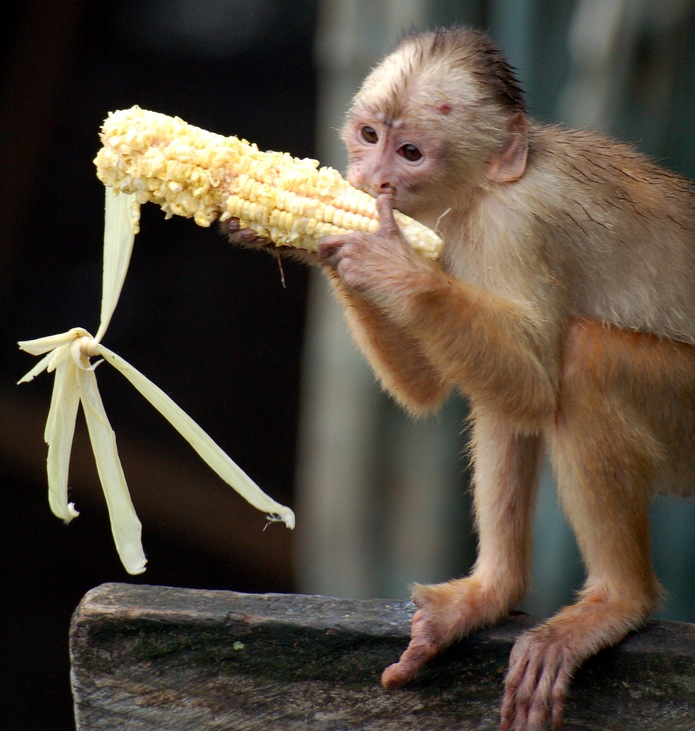 Monkeys now eat man’s mono-diet of corn. Is this what nature intended? Image via zemlinki
We must remember to try new things and immerse ourselves in the very concept of diversity.
Keep in mind; the benefits of splurging for that costly fruit/vegetable supremely outweigh the cons. Not only does one promote biodiversity and further eliminate the need of farmers to remove rare, less purchased crops off their agenda, but one also effectively encouraging healthier lifestyles.
This idea is supported by agriculturist Marco Contiero who mentions that “biodiversity is an essential characteristic of any sustainable agricultural system, especially in the context of climate change.”
Contiero believes that people should eat localized crops, spending less time purchasing imports and becoming heavily reliant.
According to Conterio’s theory, this would suggest that we, as individuals, tend our own crops and plants, and make sure to purchase localized farm products at supermarkets and groceries. In the end, this condenses export and import reliance, thus reducing our carbon footprint.
Nabhma and Contiero’s theories both rely profoundly on an action oriented approach at conservation and sustainability. With an abundance of green movements following Earth Day 2010, organizations and individuals have taken a stronger following to expert opinions like the ones demonstrated by both of these highly influential agriculturalists. So remember, when the fall season approaches, be sure to visit your local apple orchard to pick some fresh fruit. Also, as eco-conscious individuals, don’t hesitate to stop the next time you drive by a yard stand with fresh crops. Promoting biodiversity and localized farming is a crucial piece of the conservation puzzle.
This guest post is written by Dan Grifen – supporter of all things green and progressive.