“The more we leave the non-human world behind, the less human we become: and the more fearful we become. It is not the thrilling fear of the kind I have experienced with horses, it is more a soul-deep, dislocated sense of anxiety. We lose our sense of trust in the wild world: we begin to forget that we need it. We impoverish ourselves and then we begin to consider it an enrichment.”
As part of our celebration here on Green Prophet of International Earth Day, I’m delighted to share with you a real treasure of a book I read recently.
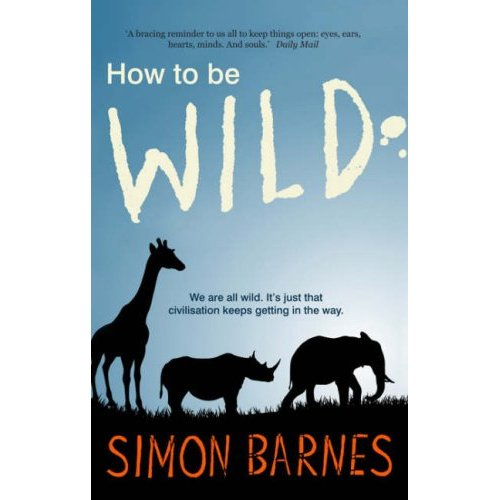
Simon Barnes’s ‘How To Be Wild’ is a real delight to dip into, put down and keep returning to, as the author loves being out – out anywhere in true South African wildness, in East Anglian windswept fenland semi-wildness, or even looking at a tree or simply a solitary bird in the sky or swooping past his house, and Barnes’ passion is joyously written and infectious.
I read parts of this wonderful book in an English city garden, and as I did so, was inspired to sit and listen, and just watch.
Around me, the interplay of a territorial blackbird and a chaffinch took place. Simon Barnes gently encourages this kind of observation, as it is precisely what he does, and records in a kind of random journal writing in this book, which is made up of 146 chunks of observation and recorded response and reflection.
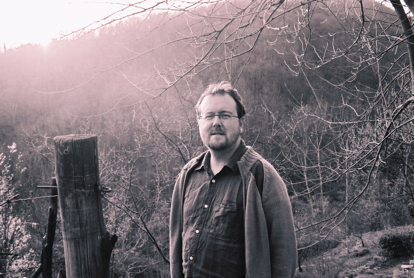
His main occupation is as a sports commentator/journalist, but he interweaves this part of his life with birding, walking, and just being out in the wild/world at every opportunity; be it along the East Anglian coast and Suffolk where he lives (and where I grew up, so every time he mentions Southwold, Walberswick, Blythborough….it resonates), or in his beloved Africa, particularly the Luangwa Valley.
“We are city-clickers with hunter-gatherer souls: we have evolved for the wild and we have created a world of oppressive tameness. We are out of step with our selves and the society we have built with such reckless brilliance. We need wildness in our lives: and the more wildness we destroy, the more clear it becomes: we need it more than ever. And there is no substitute.”
Interspersed with recollections of trips to bird reserves, or out for an evening pint with his son, or his father, or an old friend, Barnes does get polemic,particularly towards the end of the book after he has softened up his readers with some florid and funny stories: and these moments are appreciated as they come out of left field in what otherwise might become a book of pastoral whimsy.
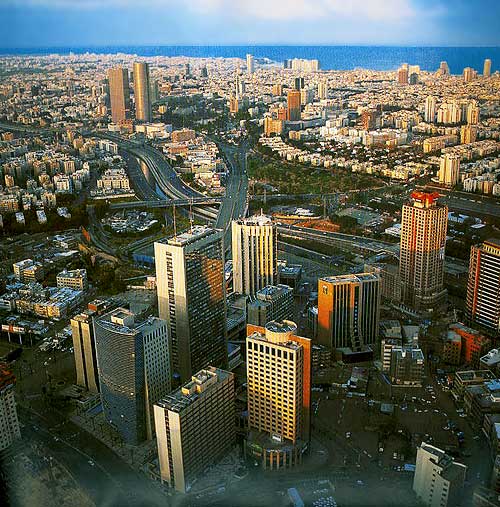
Barnes even has some reflections for those of us who are Israel-based:
“The culture of the Jews of the Diaspora is vitally important to modern life: the fact that much of Jewish culture is at two with nature has placed a difficult and dangerous element into our thinking and understanding. This is precisely what you might expect if you confine an intellectually brilliant people to ghettoes: inner-city enclaves with not a green thing to be seen for one generation after another. Such people will not be prone to windhover moments……”
Barnes encounters many species throughout his travels and rambles. He lovingly recounts meeting dormice, terns, moths, kestrels, skylarks, horses, dolphins, whales, impalas, hyenas, leopards, bull elephants, bateleur-eagles, cuckoo’s amongst many others.
This is the magic of actively being out in the world and the wild that Barnes communicates so well. I’m sure that after reading this gentle and yet impassioned book about finding, reveling in and helping to preserve the wild places and the wild things, many people will want to start recording their own experiences and sights – also on paper, or on film, photographs, or sketches – whatever.
On this day of all days, Earth Day, get out get out wherever you are – be it the Judean hills, the glorious Negev desert or a European or American city someplace, and discover the wild.
‘How To Be Wild’ by Simon Barnes 2008 published by www.shortbooks.co.uk