Home Blog Page 9

How the Mediterranean’s most hopeful UN green organizations fail at peace-building

0
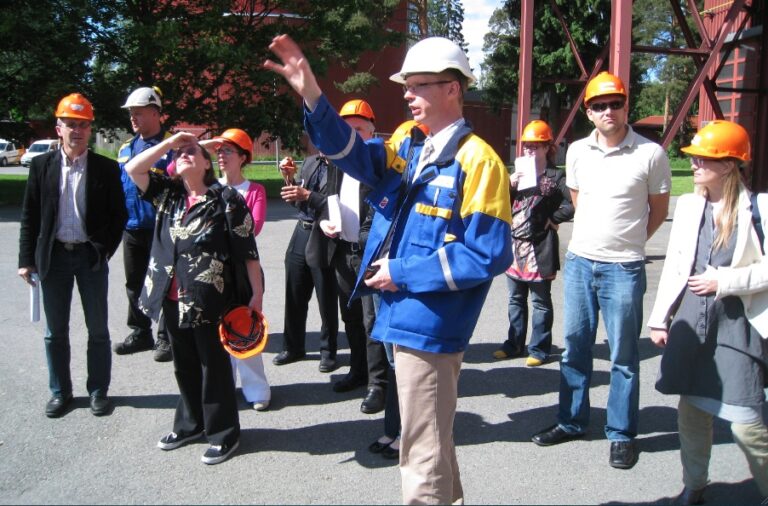
The UfM is supposed to be non-biased yet 50% of the women here are wearing keffiahs to intimidate Israelis and Jews
The UfM is supposed to be non-biased yet 50% of the women here are wearing keffiahs to intimidate Israelis and Jews.

The Union for the Mediterranean (UfM) was created to be the great bridge between Europe, North Africa, and the Middle East — a place where shared challenges like climate change, water scarcity, youth unemployment, and clean energy could be tackled together.

Instead, the UfM has become a textbook case of consensus paralysis: a structure where 43 countries must agree before anything moves forward. In practice, this means that the long shadow of the Arab–Israeli conflict still shapes what can be said, who can be present, and which countries are allowed to lead. For an institution whose sole purpose is regional cooperation, the result is tragically predictable: the Mediterranean’s biggest tools for healing rifts are the ones most consistently left unused.

Below are recent, documented examples of how Arab political pressure — often reinforced by the EU’s own risk-aversion and the UN’s quiet compliance — creates sins of omission that undermine progress in women’s empowerment, climate cooperation, cleantech, and cultural diplomacy. I’ve even seen it in forest fire prevention.

I have reached out to the spokesperson and leadership at the UfM about their exclusionary practices, which I touch on below. Nasser Kamel, a general from Egypt who heads the organization didn’t reply. His spokesperson answered the phone but then refused to send feedback about the exclusionary policies we pointed out. Green Prophet then received this:

“The participation of representatives, experts, and citizens from any Member State, including Israel, in UfM activities is at the discretion of the respective national authorities and stakeholders. As an intergovernmental organisation, the UfM does not have the mandate to compel participation although it actively encourages and welcomes the engagement of all its members in its initiatives. There is no pattern of exclusion in either pre-activity communications or post-activity follow-ups related to water or any other sector. Israel is an active and engaged Member State that regularly participates in UfM Senior Officials Meetings as well as UfM Regional Platforms and Working Groups focused on water policy dialogue and related initiatives in the Mediterranean.”

This is the pattern in groups like this. Nice words, but they practice something else entirely. As someone who works in cleantech, and as a champion for women and the environment in the region I couldn’t help but notice exclusionary policies to Israelis. They may be “there” on paper but the reality is something else.

I reached out to Anna Dorangricchia, the gender expert at the the organization about inclusivity policies. She told Green Prophet: “We don’t have produced any  specifc report on diversity and inclusion so I’m afraid I cannot really help you, sorry.

On a recent call for participation they said they are looking for more than 50% women on the call, and that they will assure a geographical balance.

Case Study 1 (2023–2024): Women & Climate Leadership Without Israelis
UfM officials regularly state that “women, youth, and climate” are the safest and most promising spaces for Euro-Mediterranean cooperation. Yet the institution’s own events tell a different story. Across the Women4Mediterranean, Women Innovators, Climate Adaptation, and Women Entrepreneurs conferences held in Barcelona, Cairo, and Brussels (2023–2024), not a single Israeli woman innovator or climate leader was featured on panels or in official delegations. They will publish data that will not include Israeli women.

This is despite Israel being:

  • A global top-tier country for women in STEM
  • A regional leader in climate adaptation, water reuse, and desert agriculture
  • Home to Arab-Jewish women-led climate ventures that embody the cooperation the UfM claims to champion. The Arava Institute is a prime example.

Women’s innovation is the softest of soft diplomacy tools — the very space where the region should be building trust. Yet because a handful of Arab governments routinely reject anything that looks like normalization, the UfM quietly complies. This is the politics of omission, which is harder to expose than outright exclusion, but just as damaging.

The excuse: Muslim Arabs, a majority by far in the region, don’t feel comfortable around Israelis. Israeli Arabs are invited through a back door when they register as Palestinians. Read below to how it’s been perfected.

Case Study 2 (2022–2024): UN Bodies Reinforcing the Same Patterns

A UN body, supposed to be neutral calls the Hamas-launched conflict, a War on Gaza

The UN’s regional arms — especially ESCWA, but also UNDP and FAO in the Gulf — hold major climate, cleantech, and development gatherings in Doha, Dubai, Cairo, and Riyadh. And the pattern repeats: Israeli experts are excluded, or invited only as “online observers.” Joint research groups are formed that include Arab states and European academics, but not Israeli institutions — even when the topic is water scarcity, desalination, agriculture, or desertification, where Israel is a global leader.

Behind closed doors, European officials will admit the reason: “We avoid confrontation. Arabs would walk out.” In other words, UN bodies — which preach inclusiveness — reinforce the same consensus paralysis as the UfM.
Again, the tools for healing rifts exist — and they are deliberately not used.

If you see the front page of ESCWA’s website they are calling the Hamas-Israel conflict, started by Hamas “a War on Gaza.”

Palestine is intentionally framed as a regional development priority, while Israel is framed as irrelevant — except as a geopolitical antagonist. Here is a UN-funded Med conference that paints Israel as a villain.

Case Study 3 (2020–2023): Cleantech, Climate Finance & Qatar’s Influence

Many UfM and EU-Mediterranean climate programs are now co-funded or co-branded with Gulf partners (Qatar Foundation, Masdar, ADQ, Saudi Green Initiative, etc.). These sponsors bring money — but also political red lines. The last meeting was in Doha, Qatar. Why are Mediterranean peace and climate leaders meeting in the Gulf?

High-visibility participation of Israelis, they will say, becomes “too sensitive.”

EU-backed research networks omit Israeli nodes even when the science requires them (e.g., micro-irrigation, solar thermal storage, grid-stabilizing technologies). This is not an accidental oversight. This is structural. Arab sovereign wealth funds are now key financiers in Mediterranean climate cooperation — and they leverage their position to enforce old regional politics inside ostensibly neutral EU frameworks.

Case Study 4 (2020): COVID-19 Recovery Programs Without Israeli MedTech
During the COVID-19 recovery period, the UfM launched major programs for digital health, medtech, and emergency response.  Yet none of its flagship recovery initiatives visibly integrated Israeli: Remote diagnostics, AI health systems, First-responder innovations, Arab–Jewish hospital cooperation models. Israel’s medtech sector could have been a perfect bridge — especially for women in health, startups in the periphery, or cross-Mediterranean humanitarian partnerships.

Instead, the UfM defaulted to the lowest common denominator: keep it technical, keep it vague, avoid political discomfort so the Arab world and natural gas and oil money stays happy.

Why This Matters Now

The tragedy of consensus paralysis is not simply that Israelis are marginalized. It is that the region loses access to the best available tools for peacebuilding:

  • Women’s entrepreneurship
  • Climate adaptation
  • Water reuse
  • Digital health
  • Desert agriculture
  • Cleantech innovation
  • Youth exchanges

These should be the spaces where cooperation flourishes beyond politics. Instead, Arab normalization resistance — unchallenged by EU and UN bodies — ensures they remain politically sanitized and technically shallow.
The Mediterranean cannot solve climate change, migration pressures, or food insecurity if it continues to sideline the very countries with the expertise to contribute. And the more the UfM, the EU, and UN bodies appease political vetoes, the more they reinforce the exact divisions they were created to heal.

The call mechanism for inclusion is broken

One way EU and UN organizations exclude Jewish Israelis, and I see this all the time in areas of cleantech and eco-events, is by limiting “eligibility” to Palestinians, not Israelis, by defining participants through population categories, not citizenship. And this is what you will find.

Many calls for participation use criteria such as:

  • Arab youth
  • Women from the Arab region
  • West Asian populations
  • Participants from conflict-affected Arab communities
  • Stakeholders from the State of Palestine

Because Israeli Arabs (Muslim or Christian) share language, culture, and geographic identity with Palestinian populations, they technically qualify for these categories. But Israeli Jews — even if regionally relevant, even if experts in the exact domain — do not qualify.

Calling for Arabs from the region, it allows organizers to include “Arab citizens of Israel” without acknowledging Israel as a state; claim inclusivity (“we included Arab voices from the region”); avoid dealing with Israeli ministries, embassies, or universities; preserve the diplomatic fiction that “all Arabs” participate while Israel does not. This results in Israeli Muslim and Christian professionals being welcomed only as Arabs, not as Israelis, effectively erasing their national identity in international fora.

The Path Forward

If institutions like the UfM want to be relevant in 2030 and beyond, and stay funded, they must protect technical cooperation from political vetoes. Guarantee representation for all regional innovators, including Israelis. Elevate women, climate, and youth programs as de-politicized peace platforms. Stop outsourcing Mediterranean cooperation to Gulf funders with political conditions. Publicly acknowledge sins of omission instead of hiding behind “neutrality”

Because the greatest danger in Euro-Mediterranean cooperation today is not conflict — it is the cowardice of institutions unwilling to use the tools that build peace.


Shooting Northern lights? Here are the best camera settings

0
Want to shoot northern lights?

Your friends are posting their best Northern Lights pics on Facebook and Instagram, and you want to try it too. How can you get the best shot on a camera that isn’t a cell phone?

Capturing a strong photograph of the Northern Lights depends on using the right equipment, settings and technique, and on adapting to changing light and movement in the sky. A full-frame digital camera mounted on a tripod offers the best results because it can collect more light with lower noise during long exposures. Jessica Fridrich uses a Nikon Z7 for her aurora work.

“I must say that, until recently, I have always considered the Northern Lights to be a phenomenon that is only visible from polar regions. Last year, I realized that I had been missing out on a lot of fun.”

What settings does she use? She typically sets the white balance to 4000K and exposes for about six seconds at ISO 1600 to 4000 with an f/2.8 lens. These choices come from practical considerations: long exposures and relatively high ISO values allow the sensor to gather enough faint light from fast-changing auroral structures, while an aperture of f/2.8 lets in more light during each exposure.

Environmental conditions change the settings. When the Moon is out or when there is light pollution, the ISO should be reduced so the sky does not overexpose. If the aurora begins to move quickly, the exposure needs to be shortened to avoid motion blur in the structures. In that case, increasing the ISO compensates for the reduced exposure time; Fridrich shortens the exposure to four seconds or even two seconds when needed. Some auroral displays change shape rapidly, so adapting exposure length in real time is important.

Correct focus is essential. Autofocus is unreliable in darkness, so the camera must be switched to manual focus. The best way to achieve sharpness is to focus on a bright star. This ensures that both the sky and the auroral structures will appear crisp. Lenses with large apertures, meaning low f-stop values, work particularly well for night photography because they allow more light into the camera. Fridrich says she often uses a 24–70 mm f/2.8 lens, keeping it wide open. The zoom capability helps capture specific details within the display. For exceptionally large or bright auroras, especially those that stretch overhead, a wide-angle lens is preferred because it can capture the full extent of the scene.

Moisture is another practical concern. Dew often condenses on lenses during long sessions outdoors, so a simple lens cloth is important to keep the glass clear.

Phones can also record auroras. Using night mode is generally sufficient, as modern phones automatically lengthen exposure time and increase sensitivity in low light. For both cameras and phones, saving images in RAW or another uncompressed format provides more flexibility for later editing, though JPEGs are acceptable for those who do not plan to process their images.

Sites like Space Weather can help you find the right nights

American students build “bread-loaf sized” satellite they will send to space

A multidisciplinary team of undergraduate students led by the University of New Hampshire designed and built a mini satellite, known as a CubeSat, that will launch into space to gather data in collaboration with NASA’s Interstellar Mapping and Acceleration Probe (IMAP) mission. The small-but-mighty satellite is set to launch on a SpaceX rocket from Vandenberg Space Force Base in California no earlier than Nov. 10, 2025 at 10:19 a.m. PST. It will head to the outer reaches of the atmosphere to study the solar wind which will help scientists in their quest to improve space weather forecasting and better protect technology in space and on Earth—such as communication networks, power grids and GPS—from potentially damaging large solar flare events. “This is an amazing opportunity for UNH students to not only get hands-on technical experience but to also collaborate with other undergraduates across the country to design and build an entire space mission from the instrument to the software that will operate it in space and the antenna and radio to command the satellite once there,” said Noé Lugaz, research professor in physics and astronomy at the University of New Hampshire. “The experience is invaluable and can open doors to future opportunities in space-related or other science and engineering careers.” A team of 70 undergraduate students from the University of New Hampshire (UNH), Sonoma State University (SSU) and Howard University (HU) designed, developed and built the satellite which was named 3UCubed—reflecting the overall concept of uplifting undergraduate students to study upwelling, and giving a nod to the three participating universities. Selected as part of NASA’s CubeSat Launch Initiative, once it is launched, the satellite will travel to the Earth’s upper atmosphere, known as thermosphere, which is the same region where many other satellites and the International Space Station orbit around Earth. It will take measurements of the atmosphere density (single oxygen at this altitude) and electron precipitation from space onto the upper atmosphere, which can cause disturbances in communication signals and lead to changes in the ozone. Data from the mission will be collected by the students and analyzed in combination with data from IMAP and will help advance the understanding of how the thermosphere in the auroral and cusp regions responds to particle precipitation and varying conditions associated with solar wind. CubeSats are a specific subset of satellites that are small and standardized and provide a cost-effective way to study space science. It is about the size of a loaf of bread and offers a simpler way to start building and operating than larger satellites, making it an ideal piece of equipment for students to hone their skills outside of the classroom. The 3UCubed satellite was fully assembled at UNH and the two payload instruments that are a part of its structure were built, tested and calibrated at UNH. The students worked for five years on the satellite, performing a variety of tasks ranging from creating the software code that controls the 3UCubed to soldering the wires during the physical build. Students with mentorship from professors and staff engineers, performed trade studies, orbit analyses, selected vendors for different subsystems, oversaw budgets for various mass, power, link and telemetry jobs and developed the framework for the flight software and operations. “At the time, I had a keen interest for the aerospace industry and saw this as a great opportunity to get valuable experience working with industry professionals,” said Alex Chesley ’22, who studied mechanical engineering at UNH and was a part of the 3UCubed mission team. “It was fascinating to learn about so many new subjects about space science and instrumentation that I had never studied before.” The hands-on experience is meant to introduce, inspire and prepare students for a successful career in a related field like space science, computer science, engineering or science education. Chesley designed the initial CAD model of the satellite and also helped create the detailed specification list for the CubeSat’s altitude control system. He now works as a configuration engineer at STS Aerospace in Laconia, N.H., where he helps develop fluid distribution systems for customers in the space, aeronautics and defense industries. “The experience with the 3UCubed mission helped with my professional growth, and it was definitely valuable to have, no matter what industry you end up working in,” said Chesley. Students from UNH also took the lead in developing the instrument software and worked with students from SSU on the flight software. SSU oversaw the development of the software for the ground station and will serve as the primary ground station for the mission, which will collect the data from the satellite and will send commands to the spacecraft so it can adjust once it is in orbit. UNH worked with HU to build the back up ground station. Students from Sonoma State University have also engaged with their region’s amateur radio operators and Scout members to construct a ground station for them to communicate with the satellite.
A bread-sized satellite developed by students

Talk about an amazing science fair opportunity! A multidisciplinary team of undergraduate students led by the University of New Hampshire designed and built a mini satellite, known as a CubeSat, that will launch into space to gather data in collaboration with NASA’s Interstellar Mapping and Acceleration Probe (IMAP) mission. Satellites, power grids, GPS, and communication systems can be ruined by solar storm damage. The orbiting “loaf” will help collect data for better predictions.

The small-but-mighty satellite is set to launch on a SpaceX rocket from Vandenberg Space Force Base in California no earlier than Nov. 10, 2025 at 10:19 a.m. PST. It will head to the outer reaches of the atmosphere to study the solar wind which will help scientists in their quest to improve space weather forecasting and better protect technology in space and on Earth—such as communication networks, power grids and GPS—from potentially damaging large solar flare events.

Selected as part of NASA’s CubeSat Launch Initiative, once it is launched, the satellite will travel to the Earth’s upper atmosphere, known as thermosphere, which is the same region where many other satellites and the International Space Station orbit around Earth. It will take measurements of the atmosphere density (single oxygen at this altitude) and electron precipitation from space onto the upper atmosphere, which can cause disturbances in communication signals and lead to changes in the ozone.

Data from the mission will be collected by the students and analyzed in combination with data from IMAP and will help advance the understanding of how the thermosphere in the auroral and cusp regions responds to particle precipitation and varying conditions associated with solar wind.

CubeSats are a specific subset of satellites that are small and standardized and provide a cost-effective way to study space science. It is about the size of a loaf of bread and offers a simpler way to start building and operating than larger satellites, making it an ideal piece of equipment for students to hone their skills outside of the classroom.

The 3UCubed satellite was fully assembled at UNH and the two payload instruments that are a part of its structure were built, tested and calibrated at UNH. The students worked for five years on the satellite, performing a variety of tasks ranging from creating the software code that controls the 3UCubed to soldering the wires during the physical build. Students with mentorship from professors and staff engineers, performed trade studies, orbit analyses, selected vendors for different subsystems, oversaw budgets for various mass, power, link and telemetry jobs and developed the framework for the flight software and operations.

“At the time, I had a keen interest for the aerospace industry and saw this as a great opportunity to get valuable experience working with industry professionals,” said Alex Chesley ’22, who studied mechanical engineering at UNH and was a part of the 3UCubed mission team. “It was fascinating to learn about so many new subjects about space science and instrumentation that I had never studied before.”

The hands-on experience is meant to introduce, inspire and prepare students for a successful career in a related field like space science, computer science, engineering or science education. Chesley designed the initial CAD model of the satellite and also helped create the detailed specification list for the CubeSat’s altitude control system. He now works as a configuration engineer at STS Aerospace in Laconia, N.H., where he helps develop fluid distribution systems for customers in the space, aeronautics and defense industries.

“The experience with the 3UCubed mission helped with my professional growth, and it was definitely valuable to have, no matter what industry you end up working in,” said Chesley.

Rare whale species spotted for the first time

0
A beak nose whale, or a ginkgo-toothed beaked whale, scientific name: Mesoplodon ginkgodens

For years, biologists studying the deep Pacific had been listening for a mysterious underwater signal: a beaked whale call labeled BW43. The signature appeared in hydrophone data beginning in 2020, but no one had ever seen the animal that produced it. That changed on a June morning in 2024, off Baja California, Mexico, aboard Oregon State University’s research vessel Pacific Storm.

Scientists on deck were preparing for another day of searching when a call came from the bridge — whales surfacing on the starboard side. For hours, two small beaked whales appeared and vanished in the distance, long enough for brief looks but not long enough to identify them with certainty.

Then researcher Robert Pitman, a now-retired scientist from Oregon State University, managed to take a small biopsy using a crossbow fitted with a sampling arrow. The fragment of skin — about the size of a pencil eraser — would later confirm what the team suspected: the whales were ginkgo-toothed beaked whales, a species never before documented alive in the wild.

The confirmation, published later in Marine Mammal Science and led by Elizabeth Henderson of the US Naval Information Warfare Center, marked the end of a five-year search. Henderson and colleagues from Mexico and the United States had been tracking the BW43 call since 2020, originally believing it might belong to Perrin’s beaked whale, another species never seen alive.

The team returned to the same area for three seasons, first with a sailboat and later a Mexican fishing vessel, without success. In 2024, working with Oregon State University and its more advanced equipment, they were finally able to pair the acoustic signal with a live animal. The Pacific Storm towed an array of hydrophones capable of identifying specific beaked whale calls and carried high-powered binoculars suited for long-distance visual searches.

Beaked whales are among the least understood mammals on Earth. There are 24 known species, most of them rarely seen because they dive deeper and stay underwater longer than any other marine mammal. Many species have only been described from stranded carcasses, and new species continue to be identified, including one as recently as 2021.

Their sensitivity to sonar is well-documented; exposure in certain circumstances can disrupt foraging or cause rapid ascents that lead to fatal injuries similar to decompression sickness. Understanding where these species live is essential for reducing the risk from naval activities and other noise disturbances.

The biopsy itself was almost lost. Before the researchers could retrieve it from the water, an albatross attempted to take it, forcing the crew to scare the bird off before recovering the sample.

The find also shifted assumptions about the whales’ range. Ginkgo-toothed beaked whales were previously known mostly from strandings across the Pacific, particularly Japan. The team’s analysis of acoustic databases suggests they live year-round off California and northern Baja California. Two previous strandings on the west coast of North America, once considered rare anomalies, now appear consistent with this distribution.

Many beaked whale calls remain unmatched to species, and several species still have no confirmed call at all. Researchers are now working to link additional acoustic signatures with specific animals so that long-term monitoring can rely on underwater listening rather than visual sightings — often the only viable method for such elusive species.

COP30 Is Designed to Confuse—So the Real Climate Blockers Stay Hidden

0
Rachel Rose Jackson
Rachel Rose Jackson

Is COP30 intentionally confusing and opaque so the public can’t see how Global North countries and big polluters block real climate action. This is the argument of Rachel Rose Jackson, Director of Climate Research and Policy at Corporate Accountability. Behind closed doors, she asserts, wealthy nations avoid paying climate debt while expanding fossil fuels, and fossil fuel lobbyists flood the negotiations. The result is an artificial COP bubble disconnected from real-world climate crises, designed to protect polluters rather than people.

Here is her piece.

“If you’re finding it almost impossible to track and understand the finer details of what is happening across the negotiating rooms of COP30, you are not alone. It’s tediously technical, and at best very confusing. This is by design. It’s all part of a carefully orchestrated plan to distance every day humans from what happens here, to construct veils of secrecy, and to create a fake, alternate universe that spurs a complete disconnect from the reality of the world that we’re all living and the climate crisis that we’re all experiencing outside of these halls.

This is an intentional plan to distract and distance from the typhoons that are currently happening in the Philippines while we are here, where hundreds of people are dying, and many activists here are not even sure if their families are safe or if they’ll come home to a community that was the same as when they left. This is a plan to create intentional disconnect from the trillions of dollars that are being spent annually on war and fossil fuel violence in places like Palestine. From the wildfires, from the floods, from the grabbed lands, from the harm caused all around the world by the very same actors that are here creating this disconnect.

It is not a coincidence that it is so difficult to track the inner workings of COP30. This carefully orchestrated illusion is crafted by the very same countries that are most responsible for climate change and most responsible for the past three decades of blocking progress to address it. I’m talking about Global North– the countries whose economies have gotten rich off fossil fuels, extracting and burning and profiting at the expense of people across the world, particularly Global South communities, frontline communities, and Indigenous Peoples.

In clearer terms, here’s what’s happening behind the doors of COP30. The systematic denial of the trillions of dollars that is overdue in climate debt by the Global North to communities in the Global South who are hit hardest and worst. This debt is not charity, it’s not kindness, it’s owed, and it’s long overdue. There’s then the thorough withdrawal of all other forms of meaningful finance that have the chance to become public and people-centered, on one hand, and the rolling out and ramping up of carbon markets and other ‘carbon finance’ schemes that allow the Global North and Big Polluters to continue profit off of polluting the planet. And then, the pretense of the TFFF, which is riddled with loopholes and is another attempt to profit off of nature. All of this while at home, these same Global North countries are proclaiming climate championship while doing very little to decrease emissions or to do their fair share of climate action. Instead, they are actually scaling up fossil fuel production.

Last week, research by Oil Change International showed that just four Global North countries have derailed an oil and gas phase out since the Paris Agreement. This quartet increased their oil and gas production by 40% between when the Paris Agreement was agreed and last year. In this same period, the rest of the world had a combined oil and gas decrease of 2%. These planet wrecking climate blockers are Canada, Australia, Norway, and the United States.

Which brings me to the United States. They’re not at COP30, right? Incorrect. Let’s be clear, the United States has always been the largest blocker of climate action at home and abroad, the largest polluter, and the biggest bully. They may not be officially at COP30, but they are very much undermining action. And the fact that they don’t have an official delegation doesn’t change that.

The United States is here as the biggest donor to the World Bank, which is now the interim trustee and host of both the TFFF as well as the Loss and Damage Fund. So they hold the purse strings to some of the biggest parts of climate action. And at home, they’re also using tariffs and economic sanctions to weaponize climate action and to prevent other countries from being able to take the action they need domestically to respond to the climate crisis. So the US is very much here. They’ve taken off the gloves and they’re ready to throw down, as are their other fight club buddies Canada, Australia, Norway, and the EU.

In addition, it’s also really important we understand that it is not only countries who are being invited to COP30 to do dirty. Kick Big Polluters Out just released exposing that there are more than 1,600 fossil fuel lobbyists at COP30. Thats means 1 out of 25 participants is advancing a fossil-fueled agenda, outnumbering delegates from the Philippines from 50 to one and delegates from Jamaica 40 to one. Big Polluters are overrunning this place. They are everywhere. They’re whispering in the ears of delegates. They are in rooms that even civil society doesn’t have access to. And just 90 of these oil and gas corporations that have attended COP26-COP29 are responsible for nearly 60% of oil and gas production in 2024.

So as we head into the final days of these critical talks, and while the climate crisis impacts people all around the world, we want to know what are Big Polluters doing here? And if Global North countries aren’t getting serious about doing their fair share of climate action, why are they wasting our time? As the window COP 30 starts to wind down, so-called world leaders mustIt’s time to step up. It’s time to Kick Big Polluters Out. It’s time for Global North countries to do their long-overdue fair share of climate action, to justly end fossil fuels, and to crack open that disconnect between the real world that’s outside these halls and the carefully orchestrated artificial universe inside these halls.”

UNESCO’s virtual museum of stolen cultural objects

0
unesco, virtual museum, stolen cultural objects, missing artifacts, looted heritage, cultural restitution, provenance research, digital exhibit, online museum, interactive gallery, diebédo francis kéré, kéré architecture, african heritage, global south artifacts, colonial era theft, repatriation of cultural property, cultural history, heritage protection, digital archive, 3d heritage imaging, global museum ethics
Diébédo Francis Kéré has designed a virtual museum with a spiralling gallery for UNESCO

UNESCO has launched a new kind of museum — one with no queues, no walls, and no climate-controlled vaults humming behind locked doors. Instead, the Virtual Museum of Stolen Cultural Objects, designed by Burkinabè Pritzker Prize–winning architect Diébédo Francis Kéré, lives entirely online. It promises to showcase some 600 missing or stolen artefacts from across the world, using 3D scans, immersive environments, and narrative storytelling to return visibility to heritage that vanished long before many of us were born.

unesco, virtual museum, stolen cultural objects, missing artifacts, looted heritage, cultural restitution, provenance research, digital exhibit, online museum, interactive gallery, diebédo francis kéré, kéré architecture, african heritage, global south artifacts, colonial era theft, repatriation of cultural property, cultural history, heritage protection, digital archive, 3d heritage imaging, global museum ethics

The headlines focus on digital innovation. But beneath the optimism lies something deeper: a global reckoning with the cultural damage of the last two centuries — when objects were taken during war, colonization, forced excavations, “private collecting,” and the grey economies of the antiquities trade. UNESCO frames the museum as an educational tool and an act of restitution, albeit a virtual one. The question is whether this new space can be more than a digital confession booth for the global North.

Kéré’s design concept draws on the symbolic roots of the baobab tree, often called the “tree of life.” Its thick trunk, powerful silhouette, and deep roots represent endurance — the idea that even when an object is uprooted, the culture that created it persists. It’s poetic, but also political: a reminder that heritage exists on the land first, not in the institutions that later house it.

unesco, virtual museum, stolen cultural objects, missing artifacts, looted heritage, cultural restitution, provenance research, digital exhibit, online museum, interactive gallery, diebédo francis kéré, kéré architecture, african heritage, global south artifacts, colonial era theft, repatriation of cultural property, cultural history, heritage protection, digital archive, 3d heritage imaging, global museum ethics

Inside the virtual galleries, visitors will find everything from looted manuscripts to sacred sculptures to objects trafficked across borders and into private hands. Each artifact is accompanied by its backstory: where it was created, how it disappeared, what it meant to the community that once held it. Some pieces have known fates; others are still missing, possibly sitting on a shelf in a Dubai flat or a house in Spain. UNESCO wants to make these absences visible — to show the wounds as well as the artifacts.

There’s also a Restitution Room, a space that highlights successful returns. These are the bright spots — cases where countries and institutions cooperated rather than clashed, and where the journey home wasn’t blocked by bureaucracy, politics, or the quiet resistance of museums reluctant to empty their vitrines.

But the virtual museum raises uncomfortable questions. Does digitizing loss risk sanitizing it? Can a VR gallery pressure powerful institutions into returning physical objects? Or will this become one more place where heritage from the Global South is appreciated — but still not actually returned? It also should ask questions about how past “colonizers” actually managed to save world heritage artifacts that would have been lost as regimes like ISIS and the Islamic State take over by force and blow up sites of cultural significance. See our story on ISIS and Palmyra.

UNESCO’s position, a federation of UN countries which also includes the Taliban and other terror states, is that awareness is the first step toward restitution. Or could this just be a way to politicize virtue signaling?

unesco, virtual museum, stolen cultural objects, missing artifacts, looted heritage, cultural restitution, provenance research, digital exhibit, online museum, interactive gallery, diebédo francis kéré, kéré architecture, african heritage, global south artifacts, colonial era theft, repatriation of cultural property, cultural history, heritage protection, digital archive, 3d heritage imaging, global museum ethics

That’s true. But awareness without political will changes little. Restitution remains tangled in law, diplomacy, and the competing narratives of empires that still do not fully acknowledge the harms they engineered.

And yet, something about this project feels necessary. In a world where climate threats, war, and trafficking still endanger cultural heritage, a digital sanctuary is better than none. More importantly, it gives communities a way to reclaim their stories, even if the objects themselves remain in limbo. Also who owns the past? All of humanity? The last ancestors of a tribe or converts to their new religion? Now that the world has gone globalized should individual heritage and ancestry be thrown to the wind?

If you jump in and visit the Middle East region, and the Arab world, you will first see an object from Sudan, a statue of a Nubian queen made about 2000 years ago. It does not state who “stole” it and when.

After the rise of Islam in Arabia (7th century), Muslim Arab armies reached Nubia (northern Sudan).
Nubian queen made from gold, 10cm in height. Was it stolen or just melted down for the price of gold by conquerers at the time?

Let the conversations begin.

Visit the Museum of Stolen Cultural Objects

Chicken and beef plumping. Are You Paying For Meat, Or For Water?

0
Chicken “enhanced” with water and salts

Let’s say you’re sautéeing ground beef. Look at the meat you’re stirring around: what’s all that water in your frying pan? It’s water all right, but you paid for meat, not H2O. It’s right to ask if this a hidden ingredient, like meat glue.

To figure out how much you paid for that water, drain it off and measure it. 1 cup of water equals about 236 grams, or 0.5 lb. Divide that into the price per kilo/lb that you paid for that package of raw ground beef, and prepare for a shock.

Cooking causes loss of natural meat fluids, about 25% of the weight. Injected meat may lose up to 40% weight. Even discounting natural loss of juices in cooking, it’s likely you paid the price of meat for that water. And you’re short of the amount of food you were counting on.

Another experiment, this one with packaged raw meat: take the piece off the damp absorbent pad it sat on, and weigh it. You may find that it weighs less than stated on the label by as much as 15%. That was water absorbed by the pad. And that’s without accounting for water leeched out when the meat hits a hot pan.

supermarket packaged meat

Many manufacturers inject water or saline solution, or water plus salt, phosphate, and flavorings into raw beef, pork, chicken, turkey, and some seafoods. This increases the product’s saleable weight. And it increases manufacturers’ profit per animal; water is cheaper than meat, after all. Phosphates make the meat retain that added water, giving it a juicy appearance and texture.

According to the USDA, about 30% of poultry, 15% of beef, and 90% of pork are injected with salty liquids. This is the FSIS’s detailed breakdown of water in meat and poultry. (Some people reach out to them asking why the meat they are trying to brown is simmering in water).

The meat is treated before getting weighed, packaged, and labeled; when the supermarket receives the product, it’s ready to sell.

Beef plumping
Reddit user shows how meat in Australia is advertised as injected with water

Injecting saline into meat is called “plumping” or “enhancing.” It’s a recognized, governnment regulated practice.  Meat manufacturers justify plumping by claiming that it grants meat and poultry better flavor and texture, (and makes them more marketable) when treated so. That’s probably true. But wait, what happened to the original flavor and juiciness?

It’s a problem. Today’s consumers demand meat and poultry bred to have less fat. Because fat contains much of the flavor and protects the natural juices, low-fat proteins tend to dry up in cooking and lose flavor. Consumers like to buy the most attractive product, and expect retail chains to conform to standard weight and appearance. From the processor’s and supermarket’s point of view, pumping salty, flavored water and phosphate into your steak is therefore doing you a favor.

Plumping’s not new, but consumers have become aware and vocal about it only recently. There were scandals in the UK about water-injected chicken and pork as far back as 2017.

Health hazards

More recently, consumers have brought up other related issues. Safety, for example. The Food Safety and Inspection Service (FSIS) lists injected meat as a high-risk carrier of E. coli bacteria, which is often found on the surface of meat. When the needles that insert the salt solution penetrate the meat, the bacteria is pushed in deeply. Cooking may not kill it, especially when the meat’s served rare.

To avoid bacterial infection in injected meat, the FSIS recommends, but does not require, that processors apply “an allowed antimicrobial agent to the surface of the product prior to processing.” What antimicrobial agents are these? And how are they applied? We aren’t told.

Salt and water sounds harmless, but the consumer eating injected meat is getting more sodium in their diet than they’re aware or can keep track of. This could be bad news for people with high blood pressure or heart disease who must minimize their salt intake.

Even meat labeled organic may contain injected saline, because FSIS lists salt and water as organic. The FSIS allows selling injected meat as “natural” and “fresh” unless the added solution changes the product’s nature in ways that require different labeling. If you want to make absolutely sure that product is free of added salt and water, look for a statement on the label reading “no artificial ingredients,” “minimally processed,” or similar.

A person standing in the supermarket and considering the label on a meat product may well wonder where they should put their trust. Must they Google every brand to feel comfortable eating it? It’s one thing to inject brine into your Thanksgiving turkey, and some people choose to, but the cook should be in control over that, not the meat processing factory.

Red flags

If the product was injected, the package label should indicate that it contains X amount of added solution. Conversely, it may read that it’s X percent meat (or chicken, or fish). You’re to understand that the missing percent is water treated with salt or salt plus phosphate.

Look on the label for the words enhanced, marinated, broth, and flavored. Those are signs that the meat has been interfered with. Avoid food packaged in sauce; you may be taking home chemical enhancers, fillers, preservatives, and yet more salt.

On the other hand, if the label reads “no added solutions,” “minimally processed,” “no artificial ingredients” or “100% beef (or fish or chicken) ” – or the listed ingredients don’t include water, salt, or phosphate, it’s probably honest meat.

If you can, buy whole cuts of roasts and chops. Learn to trim them at home. Or if that’s too much trouble, buy your supermarket meat from the butcher counter. Ask if they grind their own.

Even better, buy meat from local farms. Best of all, if you can, is to make a co-op order of freshly butchered meat together with neighbors, friends, or work colleagues. It will cost more, but consider water you pay for in plumped meat.


Stoned and driving? High THC levels might not mean you are impaired

0
hipster reads book while smoking a joint
THC blood levels don’t reliably indicate driving impairment, meaning current per se laws risk penalizing sober drivers long after cannabis use.

Previous research that evaluated the effect of the hallucinogenic molecules of cannabis (delta-9-tetrahydrocannabinol THC) the main psychoactive compound in cannabis on motor vehicle crashes concluded that there is no increase of crash risk because of detectable THC. The molecule may linger days after use and is not a reliable indicator that a driver is impaired, report scientists in a new study.

Despite evidence showing no correlation between the detection of THC in the blood and driving impairment, 6 American states in the United States have per se laws using 2 or 5 ng/mL of THC as the cut-off point for driving under the influence of cannabis, while 12 have a zero-tolerance law.

These cut-off points are considered face value evidence of driving impairment, which means that even if it has been several days since an individual’s last use of the drug and they show no behavioral impairment, they may still face legal risks, up to and including felony charges. In Dubai you can go to jail for having cannabis in your blood, even if the cannabis was consumed in London, Tel Aviv or Toronto.

To address this issue, a team of researchers led by Dr. Thomas D. Marcotte, professor of psychiatry at the University of California, San Diego, and codirector of the Center for Medicinal Cannabis Research, set out to investigate the blood concentrations of THC in regular cannabis users, as well as the simulated driving performance for participants who exceeded per se cut-off points compared with those who were below these values. The researchers measured baseline concentrations of THC in 190 regular cannabis users after instructing participants to abstain from cannabis for at least 48 hours. Following abstention, the researchers also evaluated driving performance in this group using a driving simulator.

From this, the team found that many regular users of cannabis exceed zero tolerance and per se THC cut-off point concentrations days after their last use. Specifically, 43% of participants exceeded zero-tolerance statutes at baseline, while 24% had baseline blood THC concentrations that were greater than or equal to the per se cut-off of 2 ng/mL, and 5.3% had blood concentrations greater than or equal to 5 ng/mL.

Based on the results from the driving simulation, participants with elevated baseline concentrations of THC did no worse on a driving simulator compared with participants who were below per se cut-off points. Altogether, the results add to a growing body of evidence showing that current per se THC blood limit laws lack scientific credibility as face-value evidence of impairment.

“More work needs to be done to address how to best identify drivers who are under the influence of cannabis and are unsafe to drive,” the study authors wrote. “At present, the best protocol is a combination of observations in the field and toxicology testing.” They also added that “an essential component of improving highway safety is collaborations between law enforcement and the scientific community to develop standards that are unbiased and potentially lifesaving.”

American college trains medical students on how to treat with cannabis

0
quit smoking
Cannabis flowers, usually smoked, are inaccurately labeled

Maryland, home to the FDA, is one of 38 US states, along with three territories and the District of Columbia, that have legalized cannabis for medical purposes. This legal sea change has generated increasing interest in and use of cannabis and cannabis products, yet most health care practitioners and students feel underprepared to counsel patients on medical cannabis, according to a new paper co-authored by a University of Maryland School of Medicine (UMSOM) faculty member and published in JAMA Network Open.

The paper suggests key content that should be incorporated into medical school curricula so that students will have the tools they need to serve patients in a landscape of increasing legal medical cannabis use, according to study co-author David Gorelick, MD, PhD, Clinical Professor of Psychiatry at the Maryland Psychiatric Research Center.

“This paper outlines the core competencies that physicians should possess to deal appropriately with their patients regarding medical cannabis,” Dr. Gorelick said. “The goal is to spur medical schools and residency programs to incorporate these competencies into their curricula.”

When I interviewed Dr. Raphael Mechoulam in the past, and also Dr. Alan Shackelford, both medical cannabis pioneers in their right, they both understood that dosing is key. How to find it may depend on the individual’s response to finely tuned concentrations of CBD and THC and other cannabis active compounds.

Alan Shackelford, medicinal cannabis doctor Charlotte's Web
American-Israeli physician Alan Shackelford was the first to treat children, using CBD. He helped legalize cannabis as medicine in Colorado where he practices.

The core competencies could also help clinicians address a concurrently increasing amount of legal non-medical cannabis use, Dr. Gorelick added, as 24 states, including Maryland, now allow for adult recreational sale and use of cannabis products.

In collaboration with more than 20 co-authors across 26 institutions, Dr. Gorelick and his colleagues characterized the gap between patient and clinician needs and the current medical school curriculum. They cited past studies showing that only 8 percent of medical school curricula mentioned medical cannabis in the 2015-2016 academic year, and that 66.7 percent of surveyed medical school curriculum deans felt their students graduated without adequate preparation for prescribing medical cannabis.

At the same time, the need for cannabis-informed physicians is increasing as more people are using cannabis with or without medical supervision — UMSOM researchers studying cannabis use among pregnant women found that use increased 170 percent between 2009 and 2016, for instance.

When I asked cancer researchers at Princess Margaret Hospital in Toronto, treating my dad for cancer, and one of the leading cancer clinical hospitals in the world, they were stumped and said I couldn’t access any treatments inside the hospital. The concept was out of bounds.

To better meet the needs of patients and clinicians, the authors assembled 23 clinical and scientific experts with varied backgrounds to achieve a consensus on what medical students need to know about cannabis before entering practice. The process resulted in a recommendation of six core competencies addressing the clinical utility, risks, legal landscape, and scientific evidence around medical cannabis.

The six core competencies are:

  1. Understand the basics of the endocannabinoid system.
  2. Describe the main components of the cannabis plant and their biological effects.
  3. Review the legal and regulatory landscape of cannabis in the US.
  4. Describe the evidence base for health conditions that are commonly managed with cannabis.
  5. Understand the potential risks of medical cannabis use.
  6. Understand basic clinical management with medical cannabis.

”It’s important that medical students be exposed to this information, and we currently provide lectures that cover cannabis fairly robustly in our pre-clerkship curriculum in the first two years of medical school,” said Dr. Joseph Martinez, MD, UMSOM Professor of Emergency Medicine and the school’s Associate Dean for Medical Education and Student Experience.

Students also gain hands-on experience in caring for patients using cannabis, as well as any other medications and illicit substances, after they begin their clinical rotations, he added.

“I’m pleased to say that the UMSOM medical student curriculum appears to incorporate most of the topics recommended in the JAMA Network Open article,” Dr. Gorelick said. “I hope that further progress will be made in including cannabis-related material in the curricula for clinical clerkships and residencies. This will help ensure that future physicians have the knowledge and expertise they need to work with patients who are using or considering using cannabis products.”

What a martian ice age left behind tells us about our future

0
Mars
What we can learn from Mars about climate change

We have heard that peak climate change might be in sight. Does Mars have more clues about our future? Travelling from Mars’s equator toward its northern latitudes, planetary scientists reach a region called Coloe Fossae — a landscape carved by deep valleys, collapsed blocks of terrain, scattered craters, and remarkably, the fingerprints of a long-vanished ice age. New high-resolution images from ESA’s Mars Express mission offer the clearest evidence yet that the Red Planet once cycled through dramatic shifts in climate, much like Earth.

Earth has experienced several major ice ages over the past 2.5 billion years, the most recent peaking around 20,000 years ago when global temperatures fell to 7–10 °C. These events are driven by natural changes in Earth’s orbit and axial tilt — processes known as Milankovitch cycles. They bear no relation to modern, human-driven global warming, which scientists continue to warn about the climate crisis.

Mars, too, has undergone its own glacial rhythms. The new Mars Express imagery shows long, parallel lines cutting diagonally across Coloe Fossae — fractures created as alternating segments of ground collapsed over geological time. Scattered across the area are craters of every age and state: fresh and sharp-edged, or softened by erosion.

On the crater floors and valley bottoms lie the most intriguing features: swirling, textured patterns known as lineated valley fill and concentric crater fill. These formations arise when icy debris slowly flows, glacier-like, across the surface before becoming coated with rock and dust. On Earth, similar structures are found in glaciated mountain ranges and polar regions.

What makes Coloe Fossae especially fascinating is its latitude: 39°N — far from Mars’s polar caps. How did ice accumulate so far south?

The answer lies in Mars’s shifting axial tilt. Unlike Earth, whose tilt is stabilized by its large Moon, Mars wobbles chaotically over millions of years. During periods of extreme tilt, ice can migrate from the poles into mid-latitudes. Throughout multiple cold phases, glaciers spread outward and then retreated, leaving behind the flows and fills visible today. Scientists believe this region may have been covered in ice as recently as 500,000 years ago, when Mars’s most recent ice age ended.

The broader region, known as Protonilus Mensae, marks the dramatic boundary between Mars’s smooth northern lowlands and heavily cratered southern highlands. In some places, this global divide rises as a cliff two kilometers high; in others, like Coloe Fossae, it is a rugged transitional zone shaped by glaciers, impacts, and tectonic collapse. Similar features were observed in Acheron Fossae, highlighted in a previous Mars Express release.

These discoveries deepen our understanding of Mars as a dynamic planet with a shifting climate — and may even inform future studies of how planetary climates evolve, including our own,

Global Emissions Keep Rising, But Scientists Say Peak is in Sight

0
black smog cairo
Black smog in Cairo

At COP30 in Belém, Brazil, scientists delivered another stark update: global fossil-fuel emissions are set to rise yet again this year. But for the first time, there are credible signs the world may be nearing a turning point. The timing of that peak — and what happens afterward — will depend largely on one country: China.

According to new data released by the Global Carbon Project on 13 November, emissions from fossil-fuel burning and cement production are projected to rise by 1.1% in 2025, reaching 38.1 billion tonnes of CO₂. That represents yet another record high.

Overall greenhouse-gas emissions — which also include methane, nitrous oxide and fluorinated gases — are still climbing. Yet scientists at COP30 stressed that emissions growth is slowing, and that a peak could emerge within the decade. As Bill Hare, physicist and head of Climate Analytics in Berlin, put it: “We don’t [project] the global inflection point until around 2030, unfortunately, but it does look like emissions are flattening off.”

Some researchers argue that the world may already be entering the early stages of decline for CO₂ specifically. The Global Carbon Project notes that overall carbon emissions could fall slightly in 2025 if a projected drop in deforestation and other land-use changes holds. But researchers caution that it is still “too early to say that the world has turned a corner on its fossil-fuel addiction.”

Emissions today are roughly 10% higher than when the Paris Agreement was signed in 2015 — far from where they need to be to limit warming to 1.5°C. Major industrialized countries, responsible for the bulk of historical emissions, have been reducing their emissions for more than two decades. But emissions are rising nearly everywhere else, especially across low- and middle-income countries that are growing their economies and expanding energy access.

China is the deciding factor

No country shapes the global emissions trajectory more than China. Over the past two decades, China has become the world’s largest emitter and now accounts for almost one-third of global greenhouse gases. The main driver is coal: China burned nearly 2.3 billion tonnes of it last year, according to the International Energy Agency in a Nature recap.

Yet China, conversely, is also the world leader in clean-energy deployment — wind, solar, and electric vehicles — and has committed to reducing overall greenhouse-gas emissions by at least 7% from peak levels by 2035. Hare predicts that when China’s emissions peak, global emissions will peak as well.

So are we in a good place?

A growing number of analysts believe that moment may have already arrived. Data from Carbon Monitor, which tracks daily emissions, suggests China’s carbon emissions peaked in 2024 and will fall by 1.2% this year. Researchers at the Centre for Research on Energy and Clean Air (CREA) report a similar downward trend.

According to Zhu Liu, an Earth-systems scientist at Tsinghua University, the biggest driver of the current decline is the collapse of China’s real-estate market, which has slashed demand for cement and steel. (See the problems of concrete and cement here) Clean-energy deployment is accelerating as well. China’s impact on other nations such as Ethiopia are also clear. Massive neighborhoods around Addis Ababa were built with cement and then abandoned. “I would say this is the peak of China’s carbon emissions,” Liu says.

Related: inflatable concrete homes made sustainably

China isn’t known for its accuracy in anything, certainly not the news. To win global favor and expanding trade agreements in EVs for instance, China will need to learn to be a bit more like the west. Countries that have bought Chinese EVs, for instance, understand they are a security risk as the Communist party can collect data and information about the drivers and the roads with the flip of a switch.

Over the years, the concerns of China spying have led to a wave of proposed bans and new rules on devices such as DJI drones, with US lawmakers and agencies worried that they could send sensitive information to China or be used for spying. The biggest push to ban DJI comes from the 2025 National Defense Authorization Act (NDAA).

Can a jungle jam? Brazil percussionist finds out

0

In an era when the climate crisis often feels abstract, distant, or buried beneath the data of carbon credits or financing mechanisms of COP30, a new artistic project from Brazil is cutting through the noise—literally—by turning one of the world’s most fragile ecosystems into a musical collaborator.

Pantanal Jam, a groundbreaking sound experiment created inside the world’s largest tropical wetland of Brazil, treats nature not as a backdrop but as a full artistic partner. The Pantanal—home to jaguars, giant otters, macaws, and more than 4,700 documented species—becomes both muse and musician, shaping the album’s rhythms, motifs, and improvisations in real time.

To understand the philosophy behind the project, Green Prophet spoke with Sandro Moreno, drummer, percussionist, and co-creator of Pantanal Jam.

Sandro Moreno
Sandro Moreno

His reflections reveal not only the making of an album but the emergence of a new ecological listening practice—one that invites humans to stop dominating nature’s soundscape and start collaborating with it.

Take the album “Espiral,” says Moreno. “At the very beginning of the track, a jaguar growls – not as a background effect, but as a participating artist. That growl shaped the pulse of the moment. It entered the rhythm like a beat, blending seamlessly with the percussion and setting the mood for everything that followed. It was wild, unexpected, and perfect.

“Throughout the album, this conversation with nature continues. Birds like the thrush, the Pantanal blackbird, the seriema, the hornero, the potoo, the ibis, macaws, and parakeets – they didn’t just inspire us. They played with us. Their calls, cries, and chatter became part of the music’s soul, interacting with our drums, guitars, and voices in spontaneous harmony.

“This wasn’t about layering nature sounds onto music in post-production. It was about playing with nature – responding to its rhythms in real time, allowing its unpredictability to shape our own.”

Musicians have long searched for ways to collaborate with the natural world, though few have taken it as far as Pantanal Jam.

Stevie Wonder experimented with field recordings and environmental textures on albums like Journey Through the Secret Life of Plants, one of the earliest mainstream attempts to treat nature as a co-composer rather than a backdrop.

couple recording sounds with plants

If you love this kind of sonic ecology, you’ll probably also enjoy our stories about Plants that talk using sound and AI, how we might one day speak “dolphin”, and crickets composing the soundscape at the Venice Biennale.

Scientists and sound artists have also translated plant electrical signals into audible frequencies, creating “plant music” that reveals hidden rhythms in living organisms. And Björk, through projects like Biophilia, has blended natural processes, digital ecosystems, and experimental instrumentation to explore how the environment can shape melody, structure, and emotional tone.

Pantanal Jam emerges in this lineage but roots itself directly in a living biome, playing not about nature or around it, but with it in real time.

Sandro Moreno

According to Moreno, when the group set out to create Pantanal Jam, they weren’t planning to simply compose music. They were planning to listen—deeply—to “one of the most biodiverse and magical places on Earth,” responding to it “in the most honest way we could: through sound.”

Moreno describes the concept as letting the living landscape lead: the wind, the water, the rustling trees, and most importantly the animals. These weren’t atmosphere or incidental texture. They acted as “fellow musicians,” their voices forming motifs that shaped the improvisations and guided the compositions.

For a percussionist, this demanded a different kind of listening. Moreno says rhythm exists everywhere in the Pantanal: in the lapping of water, the beating of wings, distant thunder, or dawn animal calls. Playing in that environment required letting go of control, responding intuitively, and allowing the environment to lead. It became less about performance and more about presence.

His description of the project extends beyond technique. Pantanal Jam, he says, is an invitation to reconnect with the earth through music, to experience the wild not as an accessory but as part of our own creative process. Art doesn’t have to dominate nature. It can dance with it.

The Panatal in Brazil. National Geographic.

This approach lands at a crucial environmental moment. The Pantanal is under escalating threat. Wildfires in recent years have burned unprecedented areas, droughts have intensified, and agricultural expansion continues to alter the wetland’s hydrology. Projects like Pantanal Jam do not pretend to solve these systemic issues, but they shift the cultural lens: they ask listeners to hear the biome as a living, expressive presence rather than a resource or backdrop.

By bringing listeners into this sound world, the project acts as both artistic innovation and subtle ecological advocacy. It reminds us that ecosystems are not silent. They speak constantly—if we listen.

::www.pantanaljam.com

How flat windows work on round and dome-shaped rooms

0
inflatable concrete house, inflatable concrete homes, concrete dome house, Binishell house, Automatic Construction, sustainable housing, low-cost housing, eco architecture, alternative building methods, monolithic dome, back to the land movement, affordable housing, concrete home cost, off-grid living, green building, low carbon cement, hempcrete construction, aircrete house, prefab home innovation, modern dome architecture
Inflatable concrete house

Circular homes are having a renaissance. From inflatable concrete shelters to earthen superadobe domes and traditional adobe roundhouses, curved structures promise strength, energy efficiency, and resilience in a hotter, stormier world. Their geometry sheds wind, holds heat, and uses fewer materials than boxy buildings. They also just feel better, as bed-“womb” builder Hassan Fathy always said.

But there’s one practical concern that consistently comes up when readers explore these climate-smart homes: How do you put flat windows into round walls?

Curved architecture may be ancient, but modern living still expects views, ventilation, and natural light. Fortunately, builders have developed elegant, low-tech solutions that work across materials and climates. Here’s a guide to the most effective ways to fit windows into round or dome-shaped homes.

Create a Flat “Window Buck” Inside the Curve

round home window installation, curved wall window solution, eco architecture window design, window in round room, sustainable circular house design, curved wall glazing, dome home window example, natural building window framing, round wall daylighting, curved architecture window detail, passive solar window in round room, eco-friendly home design, window buck in curved wall, wood frame insert for round home window, earthbag dome window buck, flat window frame in dome house, rectangular window in round room, inflatable concrete house window buck, superadobe window frame detail, embedded window box in curved earthbag wall, sustainable window install, monolithic dome window mounting, flat plane window insert, eco building techniques window buck, arched window in adobe home, vaulted opening in round wall, traditional earthen window design, adobe arched window reveal, curved adobe wall with arch window, passive cooling arched window, superadobe arched window form, earth architecture arch window detail, natural building vault window, thick wall arched reveal daylighting, eco desert architecture window, flat section in dome wall for window, buttress window design in round home, earthbag flat window mount, curved house with flat window panel, round room partial flat wall for window, hybrid curved-flat wall glazing, eco resort dome window flat area, sustainable home buttress window example, round-house window detail, porthole window in dome home, circular window in curved wall, eco dome porthole glazing, inflatable concrete house porthole window, small round window in adobe wall, marine-style window in dome, tiny home with circular window, storm-resistant dome porthole window, monolithic dome circular window, bubble house porthole window, minimalist round window design, recessed window in thick curved wall, passive cooling window reveal, inward-tilted window opening, deep window niche in adobe home, desert architecture recessed window, round wall window shading, tilted window frame ventilation, natural cooling window channel, curved wall window recess design, Mediterranean vernacular window recess, thick-wall window shading technique, eco passive design window
Flat buck

This is the most common method used in superadobe domes, monolithic domes, inflatable concrete houses, and even straw bale roundhouses. A window buck is a rigid, rectangular insert made from wood, steel, or composite. It’s placed into the wall while the dome or roundhouse is being built.

How it works: Construct a strong rectangular frame the size of your chosen window. Anchor it to rebar, mesh, or the foundation. Build your curved wall—earthbags, adobe, or sprayed concrete—snugly around the frame. Install a standard flat window once the wall cures.

Why builders use it: It interrupts the curve just enough to create a flat surface without weakening the dome. Standard windows fit perfectly, and the buck acts like a structural anchor.

Shape an Arched or Vaulted Opening (The Classic Adobe Method)

round home window installation, curved wall window solution, eco architecture window design, window in round room, sustainable circular house design, curved wall glazing, dome home window example, natural building window framing, round wall daylighting, curved architecture window detail, passive solar window in round room, eco-friendly home design, window buck in curved wall, wood frame insert for round home window, earthbag dome window buck, flat window frame in dome house, rectangular window in round room, inflatable concrete house window buck, superadobe window frame detail, embedded window box in curved earthbag wall, sustainable window install, monolithic dome window mounting, flat plane window insert, eco building techniques window buck, arched window in adobe home, vaulted opening in round wall, traditional earthen window design, adobe arched window reveal, curved adobe wall with arch window, passive cooling arched window, superadobe arched window form, earth architecture arch window detail, natural building vault window, thick wall arched reveal daylighting, eco desert architecture window, flat section in dome wall for window, buttress window design in round home, earthbag flat window mount, curved house with flat window panel, round room partial flat wall for window, hybrid curved-flat wall glazing, eco resort dome window flat area, sustainable home buttress window example, round-house window detail, porthole window in dome home, circular window in curved wall, eco dome porthole glazing, inflatable concrete house porthole window, small round window in adobe wall, marine-style window in dome, tiny home with circular window, storm-resistant dome porthole window, monolithic dome circular window, bubble house porthole window, minimalist round window design, recessed window in thick curved wall, passive cooling window reveal, inward-tilted window opening, deep window niche in adobe home, desert architecture recessed window, round wall window shading, tilted window frame ventilation, natural cooling window channel, curved wall window recess design, Mediterranean vernacular window recess, thick-wall window shading technique, eco passive design window
A superadobe home by Caltech

round home window installation, curved wall window solution, eco architecture window design, window in round room, sustainable circular house design, curved wall glazing, dome home window example, natural building window framing, round wall daylighting, curved architecture window detail, passive solar window in round room, eco-friendly home design, window buck in curved wall, wood frame insert for round home window, earthbag dome window buck, flat window frame in dome house, rectangular window in round room, inflatable concrete house window buck, superadobe window frame detail, embedded window box in curved earthbag wall, sustainable window install, monolithic dome window mounting, flat plane window insert, eco building techniques window buck, arched window in adobe home, vaulted opening in round wall, traditional earthen window design, adobe arched window reveal, curved adobe wall with arch window, passive cooling arched window, superadobe arched window form, earth architecture arch window detail, natural building vault window, thick wall arched reveal daylighting, eco desert architecture window, flat section in dome wall for window, buttress window design in round home, earthbag flat window mount, curved house with flat window panel, round room partial flat wall for window, hybrid curved-flat wall glazing, eco resort dome window flat area, sustainable home buttress window example, round-house window detail, porthole window in dome home, circular window in curved wall, eco dome porthole glazing, inflatable concrete house porthole window, small round window in adobe wall, marine-style window in dome, tiny home with circular window, storm-resistant dome porthole window, monolithic dome circular window, bubble house porthole window, minimalist round window design, recessed window in thick curved wall, passive cooling window reveal, inward-tilted window opening, deep window niche in adobe home, desert architecture recessed window, round wall window shading, tilted window frame ventilation, natural cooling window channel, curved wall window recess design, Mediterranean vernacular window recess, thick-wall window shading technique, eco passive design window

In traditional Middle Eastern and North African adobe buildings, window openings are shaped as arches carved into thick earthen walls. The windowpane stays flat, but the curved walls taper gracefully toward it.

Benefits: The arch distributes structural loads evenly. No lintels needed, reducing cracking. Creates deep, shaded window wells—excellent for cooling in desert climates. Ideal for passive solar design. This method is especially beautiful in hand-plastered homes and pairs well with natural finishes.

Add a Mini Flat Section or Buttress for the Window

round home window installation, curved wall window solution, eco architecture window design, window in round room, sustainable circular house design, curved wall glazing, dome home window example, natural building window framing, round wall daylighting, curved architecture window detail, passive solar window in round room, eco-friendly home design, window buck in curved wall, wood frame insert for round home window, earthbag dome window buck, flat window frame in dome house, rectangular window in round room, inflatable concrete house window buck, superadobe window frame detail, embedded window box in curved earthbag wall, sustainable window install, monolithic dome window mounting, flat plane window insert, eco building techniques window buck, arched window in adobe home, vaulted opening in round wall, traditional earthen window design, adobe arched window reveal, curved adobe wall with arch window, passive cooling arched window, superadobe arched window form, earth architecture arch window detail, natural building vault window, thick wall arched reveal daylighting, eco desert architecture window, flat section in dome wall for window, buttress window design in round home, earthbag flat window mount, curved house with flat window panel, round room partial flat wall for window, hybrid curved-flat wall glazing, eco resort dome window flat area, sustainable home buttress window example, round-house window detail, porthole window in dome home, circular window in curved wall, eco dome porthole glazing, inflatable concrete house porthole window, small round window in adobe wall, marine-style window in dome, tiny home with circular window, storm-resistant dome porthole window, monolithic dome circular window, bubble house porthole window, minimalist round window design, recessed window in thick curved wall, passive cooling window reveal, inward-tilted window opening, deep window niche in adobe home, desert architecture recessed window, round wall window shading, tilted window frame ventilation, natural cooling window channel, curved wall window recess design, Mediterranean vernacular window recess, thick-wall window shading technique, eco passive design window

Curved homes don’t need to be perfectly round. Builders often create a subtle flat segment or “mini buttress” — just wide enough for a window. This technique is common in eco-resorts in Sinai, Jordan, and Portugal that want the sculptural look of domes but the convenience of standard glazing. Why it works: It’s simple, avoids complex carpentry or brick work, and creates a stable vertical plane for installation without disrupting the overall geometry.

Install Circular or Porthole-Style Windows

Barrel sauna, panoramic window, serene beauty, lush forest, precision-crafted, cylindrical design, nature integration, wellness experience, unobstructed view, tranquil ambiance, rustic charm, modern functionality, charming retreat, contemporary luxury, natural splendor, rejuvenating journey, heart of the forest, sauna escape, forest sanctuary, soothing warmth, panoramic serenity.
A barrel sauna with a panoramic window. It’s plastic, not glass. 

Some builders embrace the curve by choosing round or oval windows. These are custom-builds, and more expensive options generally. Plastic windows, with tints, may be found in home and dome kits for a reduced fee.

Where you’ll see them: Inflatable concrete bunkers, monolithic domes, tiny eco-homes, storm-resistant shelters and in barrel sauna. They eliminate the need for a flat insert and can withstand extreme wind. Repurposed marine portholes are surprisingly popular thanks to their durability and charm.


Round homes ask us to rethink building conventions. Their curves offer comfort, efficiency, and surprising strength—but they require intentional window design. Whether you’re building in the desert, forest, or city fringe, one of these solutions will fit your climate, materials, and aesthetic.

What Are the Best Charging Solutions for Multi-Device Households?

0

Charging cables

Modern homes often depend on several phones, tablets, and smart devices that all need power. Keeping everything charged can feel messy without the right setup. Families and shared spaces now look for ways to keep devices powered without clutter or constant cable swaps. The best charging solutions for multi-device households combine speed, safety, and organization in one simple setup.

As technology grows, so does the need for smarter charging stations that adapt to different devices. From compact hubs to wireless pads, new designs make it easier to power multiple gadgets at once. This article explores practical options that help every household stay connected and ready for the day.

Statik Magnetic Cables

Statik magnetic cables offer a simple way to charge multiple devices with one cord. Each cable uses a universal magnetic charging cable design that fits USB-C, Lightning, and Micro-USB ports. This setup helps families avoid clutter and keeps charging areas neat.

The magnetic tips attach easily and reduce wear on device ports. A 360-degree rotating head allows flexible use, so users can plug in from different angles without bending the cord. This feature makes it practical for desks, nightstands, or travel bags.

Durable nylon braiding adds strength and prevents fraying over time. Some models also support fast charging and data transfer, which suits phones, tablets, and even laptops. As a result, Statik cables serve as a useful choice for households with mixed devices that need consistent performance and long-lasting build quality.

Anker PowerPort Atom PD 4

The Anker PowerPort Atom PD 4 serves households that use several devices at once. It includes two USB-C ports and two USB-A ports, which allow a mix of phones, tablets, and laptops to charge together. Its compact size saves space on desks or counters.

This charger supports up to 100 watts of total output. It can provide full power to one device or divide power among multiple devices as needed. This flexibility helps users keep everything charged without swapping cables or adapters.

Some users note that the charger can feel warm during use and costs more than basic models. However, its ability to handle high-demand devices and reduce clutter often outweighs those concerns. It suits families or shared spaces where several people need to charge at the same time.

Overall, the PowerPort Atom PD 4 offers a practical balance of speed, convenience, and capacity for multi-device households.

Nomad Base Station Pro

The Nomad Base Station Pro offers a simple way to charge several devices at once. It supports up to three Qi-compatible devices on its wide surface, so users can place phones, earbuds, or other gadgets anywhere without perfect alignment. This flexibility makes it practical for families or shared spaces.

Its aluminum frame and soft leather pad give it a clean, modern look that fits well on desks or nightstands. The build feels solid, and the materials add a touch of quality without being flashy.

The charger uses FreePower technology to detect each device and deliver the right amount of power. It connects through a USB-C port and includes a compatible power adapter in the box.

LED lights on the front show charging status, and the pad automatically stops if a device does not support wireless charging. This feature helps prevent wasted energy and keeps the setup simple for daily use.

Belkin Boost Charge 3-in-1 Wireless Charger

The Belkin Boost Charge 3-in-1 Wireless Charger offers a simple way to power multiple devices at once. It supports fast charging for phones that use MagSafe or Qi2 technology and provides dedicated spots for a smartwatch and wireless earbuds. This setup helps reduce clutter and keeps devices ready for use.

Its magnetic alignment helps each device connect securely to the pad. The phone charger delivers up to 15 watts of power, while the smartwatch and earbuds charge at lower watt levels suitable for their batteries. This balance helps maintain efficiency without overheating.

The stand’s design allows a phone to rest in either portrait or landscape mode, which makes it convenient for video calls or media viewing. Its compact shape fits well on a nightstand or desk, and the soft surface helps prevent scratches. Therefore, it suits users who want a single charging point for their main devices without complicated cables.

Twelve South HiRise Wireless

The Twelve South HiRise Wireless line offers a clean and compact way to charge multiple devices at once. It fits well on a desk or nightstand and reduces clutter by combining several chargers into one unit. Each model focuses on practical design and steady power delivery.

The HiRise 2 Deluxe supports two devices, such as a phone and earbuds. It uses Qi2 wireless charging on the main arm for faster power transfer and a slower base pad for smaller accessories. The magnetic connection helps align the phone easily and keeps it in place during use.

The HiRise 3 Deluxe expands the setup to three devices. It adds a charging spot for a smartwatch while keeping the same small footprint. Its upright phone stand allows quick access to notifications without picking up the device. This design suits users who want a single, space-saving station for everyday charging needs.

Conclusion

Multi-device homes benefit most from charging setups that combine speed, safety, and space efficiency. A good station supports phones, tablets, earbuds, and watches at once without clutter.

Smart charging features help balance power use and protect batteries from heat or overcharge. As a result, families can keep every device ready without swapping cables or outlets.

Compact hubs with both wired and wireless options fit well in shared spaces. They reduce mess, save time, and make daily charging simpler for everyone.

Choosing a station with multiple ports, surge protection, and clear indicators offers long-term convenience and better device care.


Take me home, Roman roads

0
Roman roads of the past

Two thousand years ago, all roads led to Rome. Now, thanks to modern data science, they finally do again — this time in high resolution. A newly released digital atlas Itiner-e what they call a “Google Maps for Roman roads.”It is being hailed as a kind of Google Maps for the ancient world, charting nearly 300,000 kilometres of Roman roads across Europe, the Middle East, and North Africa. The project stitches together countless archaeological and historical datasets into a single interactive network, revealing the sheer scale of the viae Romanae that once bound the empire together.

Ancient Roman roads

At its peak around AD 150, the Roman Empire stretched from Britain’s Hadrian’s Wall to the banks of the Euphrates, from the Atlas Mountains to the Black Sea. Its lifeblood was the road — engineered with stone, gravel, and astonishing precision — that carried soldiers, grain, ideas, and empire itself. But despite centuries of scholarship and excavation, our understanding of this network has remained incomplete.

Rome colosseum, self-healing mortar
Romans mastered self-healing mortar, which works well in wet environments

Although the roads are one of the best-known aspects of Roman history, it’s surprising how many details about them we still don’t know. According to the new dataset, the locations of only 3% of Roman roads are known with certainty; the rest have been inferred from satellite imagery, topographical analysis, and fragmentary archaeological evidence.

The map, created through a collaboration of classicists, GIS specialists, and open-data archivists, pulls together previously siloed regional studies — from Britain’s Watling Street to Israel’s Via Maris — into a single digital ecosystem. Each route can be explored interactively, complete with estimated construction dates, trade significance, and terrain context.

For ordinary viewers, it’s a revelation — a chance to visualize how Rome’s engineers carve through deserts, mountains, and marshes to keep an empire alive. It is, quite literally, the skeleton of Western civilization rendered as pixels and coordinates.

But this project isn’t just a nostalgic look backward. It’s also a powerful reminder of what sustainable infrastructure once meant. Roman roads were built to last millennia, with local materials, drainage systems, and low-maintenance stonework that endured centuries of weather and war. Many of today’s highways and rail lines still trace their original foundations. Roman concrete was self-healing and lasts until today.

In an age of asphalt sprawl, potholes, and short-term urban planning, the Roman network offers a strange kind of hope for our future. Ancient engineers designed for permanence and adaptation — concepts that modern infrastructure often neglects. The Romans understood maintenance as a civic duty, with roads meant to connect people, not just move things.

Roman law (Lex Julia Municipalis, 45 BCE) required local communities and landowners to maintain the sections of road passing through their territory. Public funds (the cursus publicus) supported major arteries, showing that upkeep was embedded in governance.

Some sustainability researchers see parallels between the Roman viae and today’s green corridors: both seek to balance movement, resilience, and local ecology.