It’s been nearly 130 years since Italian inventor Guglielmo Marconi generated the first radio transmission on the Isle of Wight off the coast of England. And yet, despite the amazing digital innovations that have revolutionized global communications since that historic broadcast, radio continues to be one of the most popular forms of media in the world.
This is certainly the case in Somalia, where the Food and Agriculture Organization of the United Nations (FAO) is using this trusted medium to help farmers increase production and deal with the extreme weather conditions – from droughts to erratic rain and floods – that regularly affect this arid and semi-arid eastern African country.
Launched at the height of the COVID-19 crisis as a way of dealing with the restrictions imposed during the pandemic, FAO’s radio training modules cover a broad range of topics, such as good agricultural practices, value chain development, climate smart agriculture, nutrition, fishery, livestock and financial education.
The use of such technology is suited for Somalia, a country with a rich oral tradition but poor internet penetration rates, especially in rural areas.
Radio is the most important and effective communication channel and the most popular type of mass media here. There are more than 60 radio stations in this sprawling country. It is also considered a credible and trustworthy source of information, as listeners can interact first-hand with this medium through call-ins or even in-person visits to the broadcasting station.
There’s also a gender element at play: most households own a portable radio, which typically requires just a couple of batteries to operate. Smart phones, by contrast, are less widespread and are generally owned by men, though the online media landscape is rapidly changing and offering new opportunities for disseminating information. At the moment, however, radio still represents the fundamental communication channel in the country.
FAO on air
Since 2021, FAO has produced and broadcast an average of 736 episodes per year, corresponding to approximatively 14 700 minutes on air. Each episode lasts about 20 minutes and is drafted by FAO experts in English using simple, everyday vocabulary.
The episodes are then translated into the two main spoken languages in Somalia, Maaxa Tiri and Maay, and are then broadcast by 21 radio stations spread across the country, including the Public Service Broadcaster in Somaliland.
An episode focusing on water management within the context of FAO’s Climate Smart Agriculture tells farmers how best to water their crops and how to harvest rainwater that can be used during the dry season. This efficient water use approach combined with careful crop selection can help offset the impact of a changing climate.
Another episode explains to farmers how to add value to their crops by packaging produce into containers and in particular quantities in readiness for storage and transportation; and labelling the produce to allow easy identification in stores and markets.
Hassan Fathy, vernacular architect for the people of Egypt
THE CORD
Musad Taj
A personal view by H. Masud Taj, 1980
A flight of wide stone steps. Through the ages its centre has flattened into a ramp. By the side, an ancient structure, the colour of sand, and ahead in the hazy heights the citadel touching the sky.
Turning left into a short lane, dusty and unpaved — urchins playing about in the nine o’clock heat. A little further, a massive wooden door. There is no knocker or bell so I push and it opens rather smoothly.
It is dark and cool. My eyes adjust; I am in a courtyard a Thousand and One Arabian Nights in its details. I call out the name of Hassan Fathy; no one answers. There is an earthen pot in the centre and a low arch opposite. Through it, I emerge into another courtyard, cooler and less dark.
By a stairway sways a slim white cord. I pull. Somewhere above a tinkling sound. Bells. I had heard them all through my travels. In the remote islands of Yugoslavia at the stroke of every hour; the electrically-controlled bells in Ronchamp, France; low octave ones round the neck of Swiss cows, and the usually out-of-tune Big Ben.
I pull again, and again the delicious sound. Yesterday I was in Athens, in the library of Doxiadis leafing through magazines and papers. I came across an article on bricks. It was simple and refreshing. The author was Hassan Fathy. I got his address from the librarian, it was in Cairo. Although Egypt was not on my schedule, I decided on impulse to visit it.
I pull the cord again. Perhaps he isn’t at home, but I decide to linger awhile. There is a serenity about this courtyard which I want to soak in before facing the Cairo outside — chaotic, dusty, exuberant, abounding with life and people.
I pick up a piece of paper and address it to Fathy. I am a student in search of Architecture. I’m here for two days and will be leaving tomorrow evening. I am engrossed in writing and look up to find him next to me. I greet him in Arabic and spontaneously hand over the note. He smiles. Although nearing eighty there is a childlike innocence about him. Immaculately dressed in earthy browns, it is his eyes that impress – dreamy and very expressive. I was wrong about leaving the next evening. I stayed for a month.
THE MUSICALITY
The Garden City is a modern zone in Cairo. On the map, it appears like a tangled mass of rope that some town-planner forgot to pick up. Once inside you lose all sense of direction.
Garden city, Cairo, Egypt. Photo by: Nour Elmassry
Fathy and I are heading for the Arab League’s Headquarters. “What a mess,” he tells me. “These streets, like the car, are ambiguous — you can hardly tell the front from the rear. For town-planning, look at the trees. See how the main trunk flows into branches, twigs, stems, and veins of the leaf — there is hierarchy and you know where you are.”
He pauses. “Academic training is nonsense, schools turn out student machines with no imagination. It took me ten years to purge myself of it,” he says. Again the leaf, before it joins the twig there is the stem — the stem is the transition; like the musician who moves from the mode to the melody — there is a system of connection. In fact, I’m trying to introduce musicality in the teaching of town-planning in schools. A music composition has more to do with melodies than with scales; likewise, architecture is more to do with space than with shape — it is the space between the walls and not the walls themselves.
Music is important to Fathy; someone told me that he is an able violinist. In the first few days, he said he had difficulty getting accustomed to the musicality of my voice — I suppose he meant my accent. One night after dinner Fathy put a Brahms on the stereo. The western classical was not out of place in the Arab setting. He then sat down and continued to work on a township he was planning around the oasis of El Kharga. He worked late into the night. I watched. I began to understand through his drawing what I had been unable to grasp in his words.
Oasis of El Kharga, Hassan Fathy
THE GLASS BOWL
We speed towards the ancient city of Alexandria in a black six-seater. Fathy has designed a house there which I think he particularly likes. Perhaps that is why he wants me to see it. We pass a factory, a concrete box squatting uneasily in the desert sand. Fathy looks away — he does not like what he sees, and I understand.
There were certain areas, however, where I tended to disagree with his viewpoint. To give an instance, there are many structures in the West which I have seen and for which I have regard. I like Corbusier’s Ronchamp Chapel very much and he does not. Fathy also feels strongly about the car. The man behind the wheel, he says, is reduced to a mechanist being.
Corbusier’s Ronchamp Chapel
“But,” I interrupted, “were it not for the car it would have been impossible for us to go all the way to Alexandria to see a house you’ve designed, and return the same day.”
“Not so,” he smiles. “In that case, the house would never have been that far, it would be within a radius of half a day’s walk and then we would be strolling through breezy lanes and trees instead of being confined in a machine for three hours.”
The house; like all Fathy’s houses, is remarkably cool. The mud-brick dome is pierced with round holes that have colored glass panes. When I climb to the top of the dome I find them to be merely colored glass bowls that were fixed inverted, covering the holes. I had seen them being sold in plenty by the street side, in Cairo’s crowded bazaars. From dusty pavements to the top of the dome — such transformations are characteristic of Fathy’s style. The interior of the house is bare. Fathy is asking the caretaker what has happened to all the curtains, tapestries, and carpets. The man gives evasive answers — it is clear that he is behind it all. But Fathy does not accuse, only his eyes show his surprise. He is hurt. And so it has been throughout his life. If it is not the officialdom, it is the petty thief.
When we leave, Fathy asks me what I think of the house. I tell him, also saying that it needed looking after.
“And yet noble,” he adds. When we reach the road, a short distance away, I can no longer see the house. It is hidden by a dune.
THE NICHE
Fathy’s diet is ascetic but he dines like a king. The cutlery is a good example of Turkish silver craftsmanship. The translucent dishes and bowls, I think, are Alexandrian. Chicken broth with breadsticks. Followed by sweetened guavas. And a red sherbet from Sudan made of dried petals. We eat in silence, his cat Mish-mish at our feet. In the wall behind him is a niche with a lamp. The niche is covered by a hinged traditional wooden screen (mushrabeya) which diffuses the light. When he needs more light he simply opens the screen. Next to it is one of Fathy’s miniature paintings.
Red hibiscus sorbet from Sudan tea or karkade
My eyes are on it while I eat. I find it puzzling. It shows a dome and vaulted building as seen from the front, and yet the courtyard of the same building is as if viewed from the top. Both viewpoints in the same scene. “Is that building in plan or elevation?” I ask Fathy.
He does not like my question. “That is irrelevant,” he says. Through subsequent discussions, I began to understand. A perspective views the world from a particular standpoint and in doing so imposes its own order. Things appear big or small, important or trivial depending on the relative position of the viewer. It is subjective. The miniature painting, on the other hand, is ‘realist’ in the sense that it strives to capture the essence of things and not merely their appearances.
A week later Fathy gives me the keys to his house in Gourna, where I stay for some time before moving in deeper into the Valley of the Dead. There I come across the ramped Temple of Deir El Bahri with a backdrop of a sheer rise of limestone mountains and the intense blue sky above. In its colonnade, I notice a bas-relief. It shows Queen Hatshepsut’s ship as viewed from the side with a row of oarsmen dipping their oars in the water which with its variety of fish swimming in it all shown as if viewed from above. Both viewpoints in the same continuous scene.
THE TWILIGHT
It is one of my last meetings with Fathy, and he is rather silent. The sun begins to set. “Come,” he says, “I shall show you my piece of sky.” The sight from his terrace is stunning. The house is at a height and we stand level with the top of the gigantic ancient mosques. The sun’s rays are bursting from behind a minaret.
“The Earth must meet the Sky,” he says, “the body with the soul. Look at the crestings running upon the length of the wall. The shape of their Earth-mass is a replica of the shape of the sky-void between them. The shape itself is that of a tri-foil lily (brides of the sky’ the Arabs call them). With the cresting, the contact is made on an individual level, with the minaret it is on a community level.”
The sky was now a spreading red, the silhouette of the mosques and minarets stood defined dark and powerful. “See how the minaret accelerates your vision upwards. It is divided into sections that rhythmically shorten the higher you go, like an accelerando in music. And the sections keep getting narrower and their shapes also change — from square to octagonal to cylindrical, adding to the acceleration.”
Fathy talked on till twilight merged into darkness and the stars gathered their intensity.
A personal view by H. Masud Taj, 1980, Inside Outside Magazine. Reprinted with permission.
H Masud Taj is an award winning adjunct professor at Azreili School of Architecture & Urbanism with both his studios and seminars being premised on the ethics of alterity. His lecture courses at Carleton’s Centre for Initiatives in Education are on topics of Muslim Civilizations. He delivered the Keynote Address on the Ka’aba at the 2nd International Conference of Islamic Art and Architecture, Jamia Millia Islamia University, New Delhi and was the series’ invited speaker in Lahore and Isfahan (he has since circumnavigated the globe on a lecture-tour). He has delivered annual talks on the occasion of the Islamic History Month Canada (2017-2021); including a cross-cultural reading of Leonardo da Vinci in a triad series during Carleton University’s Cinquecento Celebration. His involvement with the ‘other’ extends to animals: his book Alphabestiary (with exegesis by Bruce Meyer) featured at the International Festival of Authors in Toronto 2011.
His post-professional dissertation analyzed insightful moments of “the other ” in scholarship, chess, films and architecture via the oeuvre of Stanley Kubrick. As an architect licensed in India, he was mentored by the visionary Hassan Fathy in Egypt, and as a calligrapher by the Italic master David Hosbrough. His book on Nari Gandhi (2009) apprentice to Frank Lloyd Wright, is archived in MacOdrum Library’s Special Collections while his intercultural and interdisciplinary tri-lingual book Embassy of Liminal Spaces (2009), that synthesized his poetry, calligraphy and architecture, is a permanent installation at Canadian Chancery in Bangalore, India and inducted into the Library of Parliament, Canada.
In Canada, only 1 in 5 children who need mental health services receive them. Clinical and psychiatric programs, while effective, can involve long wait times and prohibitive costs. A new study involving McGill University researchers points to a solution to fill the gap: a low-cost, community-based program that has seen inspiring results.
Children exposed to violence are known to face higher risks of violence in the future, either as perpetrators, survivors, or witnesses. LOVE Quebec works with youth who have experienced violence to help break the cycle. In a previous study of its after-school program, participants reported an 80 percent decrease in violence in their lives and increased retention in school, while also promoting their overall mental health more broadly.
To unlock the key to its success, researchers from McGill, Université du Québec à Montréal, and Université de Sherbrooke studied LOVE’s Media Arts Program (MAP) in two Quebec urban high schools between 2018 and 2019. The program involves photography, writing, and poetry, among other activities.
Playfulness: The perfect prescription?
In the face of the participants’ profound and challenging life circumstances, the results indicate that adopting a playful approach is instrumental in fostering their willingness to share their experiences.
“There’s an important element of playfulness, which is modelled by LOVE staff,” says Franco Carnevale, a professor at McGill’s Ingram School of Nursing and the study’s principal investigator. “The outcome is an extraordinary non-clinical approach to mental health promotion and wellness that helps young people without making them feel like patients.”
The researchers propose that play sparks a positive cycle by reducing stress levels, allowing youth to change their relationship with vulnerability—by expressing it in a safe space.
The findings build upon team’s previous study about LOVE’s MAP after-school program. The mounting body of evidence demands a closer look at how low-cost community programs can help elicit the voices of children, whose experiences may be difficult to understand.
“I think we should see youth well-being as a public health priority with more active government support and more widescale mobilization,” explains Carnevale. “LOVE provides a highly impactful model, and it might just be the perfect prescription for some of the mental health challenges faced by youth today.”
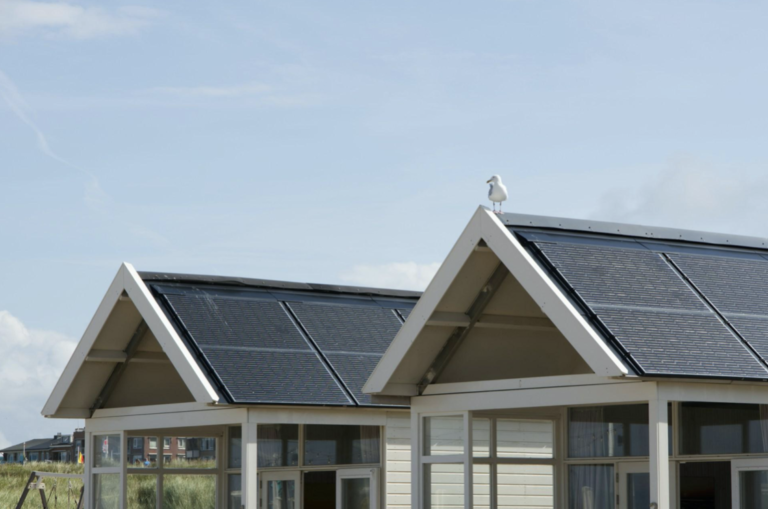
Solar energy is all the rage these days, and for good reason. With climate change looming, solar panels offer homeowners a way to personally combat rising CO2 levels while saving some green at the same time. However solar panels don’t just fall from the sky into your yard fully formed. You need to decide what kind of panels to get, review the best solar companies, and calculate the efficiency of solar panels to cover your energy needs. This choice implies lots of research and number crunching to find out the return on investment based on solar.
Advantages of Financing Solar Power Plants
On the one hand, our way to going solar is beneficial not only in terms of nature; it also can please customers with its cost-efficient approach. The act of putting up residential metallic solar panels on roofs allows the users to use sunlight hence making electricity into power for household usage. Although solar panels are not free, and they do require an initial investment, homeowners discover that substantial savings on their energy bills as well as tax credits often make the move to going with sunny power quite appetizing. But before you get started with your solar energy adventure, locating potential reliable solar companies is a necessity what I also would advise is not to choose any company arbitrarily but only one of good repute. Search for those companies that have a track record, positive customer reviews, and relevant certificates. This will, therefore ensure a smooth installation process.
The cost of solar panels has reduced drastically over the last few years hence ensuring that this becomes affordable and accessible. The federal government in addition to most states and other tax-levy providing entities provides huge incentives as well rebates for solar panels installation, which is another reason why adoptable renewables are deemed convenient by many individuals. In the U.S., a tax credit through ITC – Investment Tax Credit or federal solar investment tax credit allows homeowners to deduct 26% cost of installing Solar Panels from their Federal income taxes owed. Furthermore, most states and local utilities provide even bigger rebates that can cut the whole system in half by up to 75%.
Lastly, solar panels may help increase the home’s value and attract environmentally concerned potential buyers. For most homeowners, the energy cost savings, tax incentives rebates, and increased value of homes make solar an investment that pays itself out for the lifetime of the system. Overall, although first solar panel system investments may seem to be quite high, the long-term economic advantages of producing energy based on these modules are staggering.
When analyzing solar panels costs vs future savings, you understand that going solar is a great investment. Several factors contribute to the overall economics of solar panel installations, including the cost of equipment, installation expenses, maintenance, and the potential savings on electricity bills.
Upfront Costs
The upfront costs of solar panel installations include the purchase of panels, inverters, mounting hardware, and the installation itself. While these costs can be substantial, they are offset by potential incentives, rebates, and financing options, making solar energy more accessible to a broader audience.
Return on Investment (ROI)
The return on investment is a critical metric in evaluating the economic viability of solar panel installations. As solar panels generate electricity and reduce reliance on traditional grid power, the savings on electricity bills contribute to the ROI. In many cases, homeowners and businesses experience a positive ROI within a relatively short period, especially when taking advantage of government incentives.
Long-Term Savings
Solar panels have a long lifespan, often exceeding 25 years. Over this period, the savings on electricity bills accumulate, making solar energy an economically sound investment. Additionally, as technology advances and becomes more cost-effective, the overall economics of solar energy continue to improve.
The good news is, that once your system is installed, solar panels can provide free electricity for 20-30 years or more and increase the value of your home. By calculating all the factors that determine your specific costs and incentives, you can make an informed decision about whether the long-term benefits of solar power outweigh the initial investment for your situation.
Solar Panel Installation Tips
Evaluate Your Energy Need
Conduct an energy audit to understand your current energy consumption. This will help determine the size of the solar panel system needed to meet your specific requirements. By accurately assessing your energy needs, you can optimize the efficiency and cost-effectiveness of the solar installation.
For sizes of the system in KWs and their size directly influence the total price. Typically, most residential systems have a capacity that falls between 3 kW and 8 kW depending on the size of the house. Systems in these larger capacities around 10 to 15 kW would be suited for houses with electric heating and air conditioning. However, the real solar panels are only 15-25% of total charges. Other factors that must be included here include inverters, racks, and the installation also.
Contemplate Government Incentives, Rebates
Several governments provide incentives and rebates to promote the use of solar energy. Study the programs that are available in your area, these can significantly cut down costs on installation. Sometimes, these incentives could comprise tax credits and feed-in tariffs.
Explore Financing Options
Although up-front costs of solar panel installation are quite high, there exists a wide range of financing options that bring about the transition at more affordable prices. Some of these alternatives may consist of solar loans, leasing contracts, or PPAs. Assess each option to discover your preference.
In conclusion, solar panels would be a wise investment for many homeowners who want lower energy bills and to achieve carbon neutrality. Although the initial sticker shock of an installation’s price tag is high by comparison, combined with tax credits, incentive programs, and decades-worth of free sunshine solar system can essentially pay for themselves over time. With an increase in the productivity of panels and a decrease in prices each year, turning sun rays into energy becomes cheaper. Taking into consideration the tips to start using green energy, solar panel installations can be a bright solution to enjoy.
Air pollution makes the scent of a night-blooming plant less enticing to pollinating moths. Researchers in a Science study discovered that nitrate radicals severely degrade key odour components that attract pollinating insects to the pale evening primrose (Oenothera pallida).
Nitrate radicals, which can come from various sources including vehicle emissions, are particularly abundant when there’s no sunlight to break them down.
Artificial flowers spiked with the pollution-degraded scent received 70% fewer visits from wild hawkmoths than fake flowers with intact odour. Because hawkmoths are some of the primrose’s main pollinators this could reduce the plant’s fruit production by almost 30%.
Moths and car exhaust
The study is a bit scary for pollinators like bees and moths, as the perils of air pollution are widely acknowledged, spanning from its contribution to global warming to its detrimental effects on human health. This study tells the impact on the relationship between flowers and pollinating insects.
According to researchers, these nitrate radicals, prevalent in urban nighttime air, can significantly diminish the fragrance emitted by flowers, thereby deterring visits from crucial pollinators like hawk moths.
Sensory pollution could disrupt plant reproduction processes, potentially leading to decreased fruit production. Moreover, it poses a threat to pollinators themselves, exacerbating the already alarming global decline in their populations.
Joel Thornton, an atmospheric chemist at the University of Washington and co-author of the study, emphasizes the significance of these findings, stating, “We worry a lot about exposure of humans to air pollution, but there’s a whole life system out there that’s also exposed to the same pollutants.”
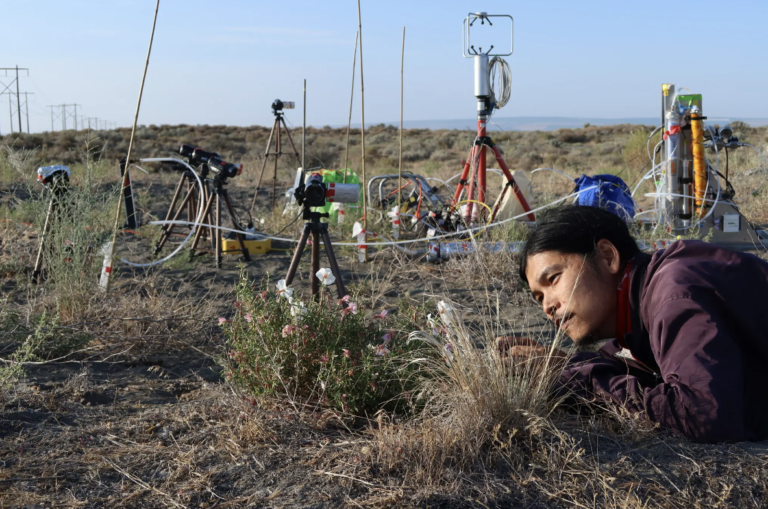
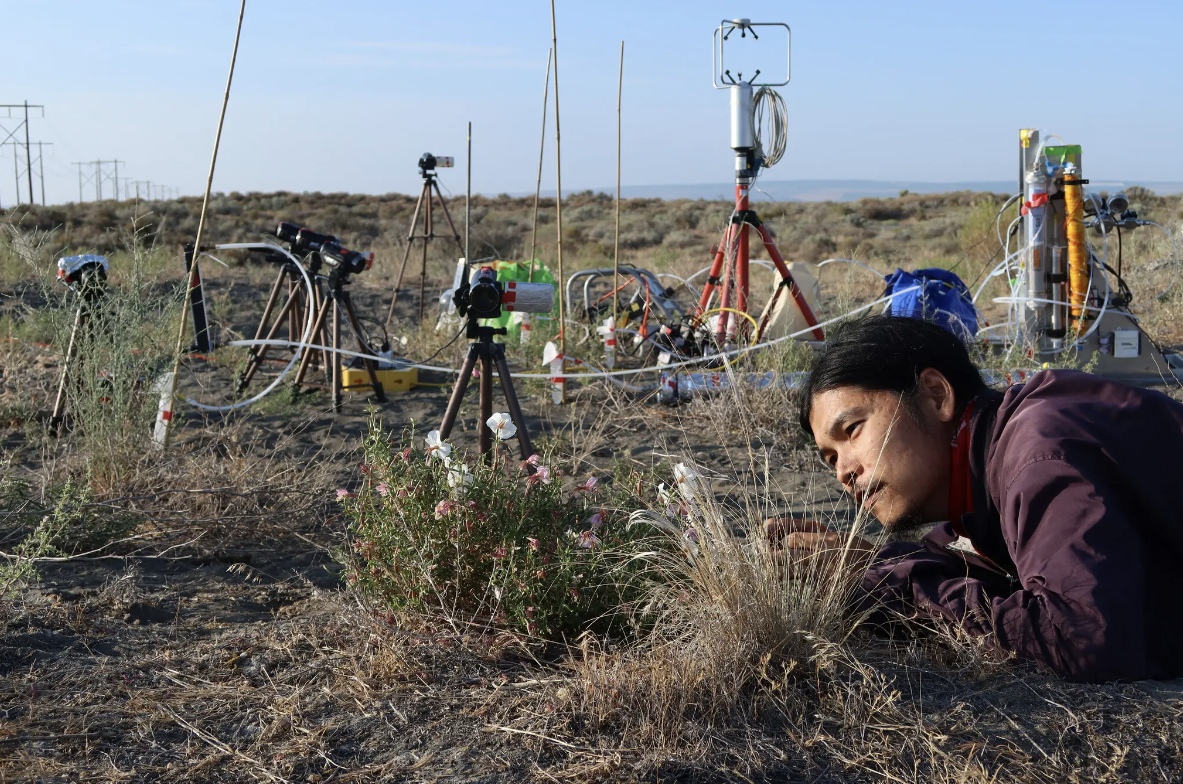
The research team, led by Dr. Thornton, along with his colleague Jeff Riffell, a sensory neurobiologist and ecologist at the University of Washington, and their former doctoral student, Jeremy Chan, who is now a researcher at the University of Naples, conducted extensive experiments focusing on the pale evening primrose, a plant reliant on nocturnal pollinators like hawk moths.
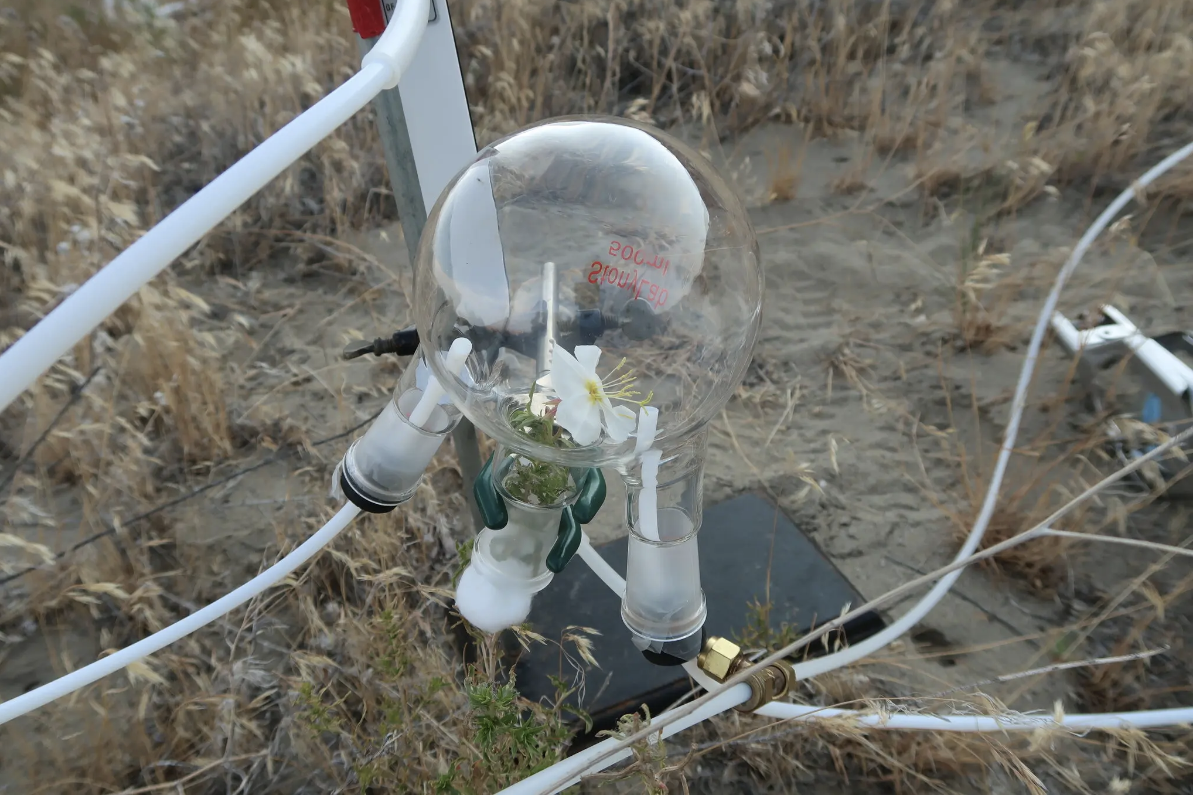
Dr. Riffell explains the sensitivity of hawk moths’ olfactory system, likening it to that of a dog’s. Through their experiments, the researchers identified 22 chemical compounds comprising the primrose scent, with particular attention to monoterpenes, which are crucial for attracting hawk moths.
To simulate the effects of pollution on flower fragrance, the scientists introduced ozone and nitrate radicals to the scent. While ozone exhibited some degradation of scent compounds, nitrate radicals proved significantly more damaging, leading to an 84 percent reduction in key moth attractants.
Further experiments conducted in wind tunnels and natural environments confirmed the detrimental impact of pollution on moth behavior and flower visitation rates. Flowers emitting a pollution-degraded fragrance received significantly fewer moth visits compared to those with an intact scent, potentially leading to a notable decrease in fruit production.
Dr. Riffell underscores the broader implications of their findings, suggesting that the problem extends beyond the specific interaction between hawk moths and primroses. Many pollinators rely on similar scent cues, indicating a potential widespread impact on ecological communities.
Through computational modeling, the researchers also estimate that pollution has drastically reduced scent-detection distances in cities worldwide since the preindustrial era, further emphasizing the pervasive nature of this issue.
In conclusion, the study highlights the intricate interplay between air pollution, floral fragrance, and pollinator behavior. By elucidating the profound effects of pollution on ecological systems, it underscores the urgent need for comprehensive strategies to mitigate air pollution and safeguard biodiversity.
Genes from a bioluminescent fungus allow the glowing petunia to produce enzymes that can convert caffeic acid (an intermediate in the biosynthesis of lignin) into the light-emitting molecule luciferin and then recycle it back into caffeic acid.
Glowing plant hits the US market
Plant lovers in the United States will soon be able to buy glowing petunias (Petunia hybrida).
The $29 US plant, sold by biotech firm Light Bio, contains genes from a bioluminescent mushroom (Neonothopanus nambi).
Because this type of petunia is not native to North America and is not considered an invasive species, the chances of the modified genes spreading should be minimal – says the company.
This is a “groundbreaking event”, says plant biologist Diego Orzáez. He suggests that having “something people can touch and bring home” could even help people to be less scared of genetic engineering.
Man poses with photo of trees he helped restore
Do you think genetic engineering should be taken this lightly and that plants that glow should be sent home to teach kids about how “cool” genetic engineering is? We should be teaching kids about protecting the diversity of plant life, and help them celebrate people who plant forests, and who save apple varieties across the United States.
A tiny home can help cut down your carbon footprint.
Today, environmentally friendly building practices are much more than just a trend—they are an absolute need. It is important when we are aiming to solve environmental problems and overcome the limitations of our ecological footprint, making energy efficient buildings have come to play an essential role. This article describes 10 innovative tools for energy efficiency and there is a pledge that this could lead to the future of a more sustainable environment. Remember, as what Resustain said – the cheapest energy is the energy you don’t use.
Smart Design and Orientation: Building the path towards energy efficiency lies on the drawing board. Smart architectural design involving orientation can result in maximizing natural light and heating, which eliminates the need for artificial lighting and temperature control. For instance, buildings located on the southern side in the north hemisphere can have sunlight for warmth and light.
High-Performance Insulation: The key player is always having an effective insulation through energy conservation. Thanks to the use of high-quality materials and technologies, buildings could stay comfortable at stable temperature levels while still using far less energy needed for cooling and heating. This includes not just walls, but also roofs, floors, and even the windows as well.
Energy-Efficient Windows and Doors: It is possible to control energy leakage substantially by investing on certain double or triple-glazed windows and well-sealed doors. These elements are vital to maintain the temperature inside and help to minimize the dependency on heating and cooling systems.
Green Roofing and Walls: Green roofs and walls not only look better but also act as natural insulators. They capture heat, reduce stormwater runoff, and improve air quality as they are good options for the urban buildings.
A solar PV plant in California
Solar Power Integration: Using Photovoltaic panels for solar energy is a direct way to decrease dependence on non renewable energy sources. Solar Solutions today have gradually become efficient and cost effective, a thing that has seen them be available to a variety of buildings.
Energy-Efficient HVAC Systems: Buildings especially with Heating, Ventilation and Air Conditioning (HVAC) systems are major energy consumers. The cost of upgrading to energy-efficient HVAC systems has great benefits as it results in significantly reduced energy consumption while maintaining comfort levels.
Smart Lighting Solutions: Combination of LED lighting with smart, automated lighting controls that adjusts light depending on occupancy and availability of daylight, results in significant energy savings. This method does not only lead to energy savings but also leads to prolonged service life of your lighting devices.
Water Conservation Practices: Having Low-flow faucets, toilets, and showerheads are some of the water conservation measures together with rainwater harvesting and greywater recycling systems. These approaches minimize the energy necessary for water heating and treatment.
Växjö care home with its coveted annual Green Building Award in the category “LEED project of the year”
Use of Sustainable Materials: By selectively incorporating materials with low embodied energy and are sustainably sourced, it is possible to reduce the overall environmental impact of a building according to here. Such materials also include bamboo, recycled steel and reused wood or recycled plastic.
Regular Maintenance and Upgrades: Finally, constant maintenance and occasional improvements of building systems are necessary to keep the level of energy efficiency. This encompasses regular inspection of insulation, HVAC systems, as well as assessments to ensure all energy systems are operating at their peak.
To summarize, the journey towards sustainable building spans several dimensions and entails integrated efforts to implement sustainable design, innovative technology, and mindful practices. Through having such practices, we can considerably cut down the environmental footprints of our buildings giving a viable pathway in attaining a greener and more sustainable future.
A tiny home can help cut down your carbon footprint.
The world is growing more and more concerned about carbon footprint, climate change and the very real challenges that come with them.
In the past, people used to talk about climate change as a faraway problem, for future genrations. But with the seas currently rising, storms more frequent and violent, and temperatures soaring at record highs, the problem is undeniably at our doorsteps. And the time to act is now.
One of the biggest ways to combat climate change and contribute to a greener planet is by cutting carbon emissions – the more carbon dioxide in the atmosphere, the worse the ‘greenhouse effect’ is on our planet. And one of the most effective ways of reducing your carbon footprint is by saving as much energy as possible.
Here are 11 to incorporate green living into your everyday life and do your bit for the environment.
Use energy-efficient appliances
A smart thermostat by Nest
There are many reasons toinvest in energy-efficient appliances. The first, of course, is by not using more energy than necessary to power the appliance, less fuel needs to be burnt up to create that energy, so less carbon dioxide gets released into the atmosphere.
The second is that not only do you save energy, but you’ll save money at the same time.
For example, a clunky old boiler will need to work harder to heat your home, whereas a new, A-rated energy-efficient boiler will use less energy to heat the same area.
Opt for LED Lighting
Alongside energy-efficient appliances,energy-efficientlighting can also go a long way in helping to cut carbon emissions.
LED bulbs use far less energy than their incandescent and fluorescent cousins to produce the same amount of light. Not only that, but they last lots longer, too.
Power down and unplug
Putting your computer in sleep mode might feel like a time-saving hack, but it’s actually wasting more energy than you realise. In fact, many electric appliances in your home, like your TV, use small amounts of energy while plugged in and switched on at the mains, even if the device itself is switched off.
Make sure when you’re not using something that you switch it completely off and switch it off at the mains for good measure, especially at the end of each day.
Use smart thermostats
Smart thermostats let you control the heating in your home from wherever you are using a handy app. So instead of worrying about if you’ve left the heating on at home when you’ve already left for work, or don’t want to come back to a chilly home after a long day, you can create a schedule or manually switch the heating on and off from your phone.
Make sure you have proper insulation
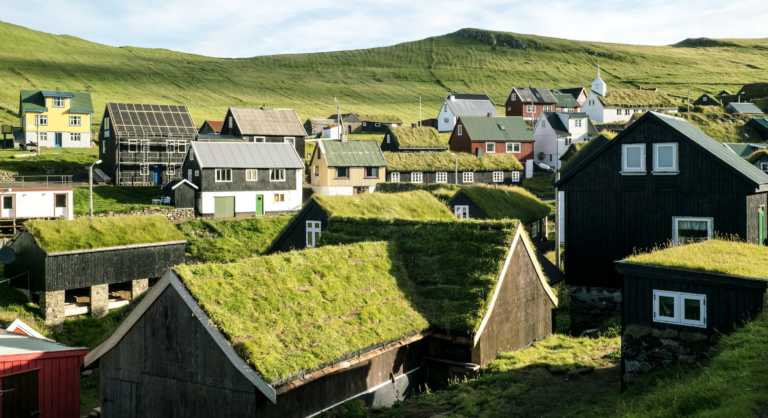
Green roofs also insulate. These ones are in the Faroe Islands
Draughty doors and windows work against you to keep the heat in during the winter, and keep the heat out during the summer. This makes your heating system work harder to warm up your living space when it’s cold outside, and your air conditioning system or fans have to run for longer to cool your space down in the summer.
Putting an old scarf at the bottom of a draughty door can help block it, and draught strips dor both doors and windows can be bought online and are relatively inexpensive.
Because heat rises, it’s important to make sure your loft is properly insulated too, so that your home doesn’t lose too much heat through the roof.
Reduce, reuse, recycle
Everyone should be following the above ‘3 Rs of the environment’ to combat overconsumption This cuts the need for the production of new items, which all use up a lot of energy in the manufacturing process.
Use sustainable transportation
It’s no secret that gas-guzzling vehicles are one of the culprits of climate change. But while most of us aren’t likely to hop on a private jet or board a giant cruise ship every day, many of us do have the option to leave our cars at home more often and take the bus or train instead.
The UK government’stransport decarbonisation plan aims to decarbonise all forms of domestic transport by 2050, including reducing domestic aviation and rail to net zero carbon emissions.
Be conscious of your water usage
Water device collects dew
You probably already know how important it is to conserve water. But did you know that water also contributes to carbon emissions?
Water usually needs to be treated before we use it, and then afterwards before it’s returned to the environment. These treatment processes all contribute to the emission of greenhouse gases – so the more water used, the more emissions are generated.
Use renewable energy sources
A Tesla Cybertruck is the easiest way to save money on gas and you can power it up with solar energy from your home
If you’re fortunate enough to afford the initial outlay, solar panels are a great way of generating your own renewable energy at home. If not, some energy firms offer green energy tariffs, and supply energy generated from renewable sources such as wind and solar power.
Support businesses that support eco-initiatives
Businesses have a massive part to play in helping to save the environment. And more and more are making an effort to reduce their carbon footprint by taking part in green initiatives in their day-to-day business, for examplesupporting tree planting initiatives.
Utility Warehouse’s tree-planting initiative sees a tree planted for each new customer who bundles three or more services with them. The ever-growing UW Woodland is located on Bryn Arw in the Brecon Beacons National Park.
Go paperless with bills
As well as planting trees, it’s also important to save them, too, so they can continue to absorb carbon dioxide in the atmosphere. And, of course, once trees are cut down they need to be processed – resulting in yet more emissions.
A multiservice company,Utility Warehouse (UW) makes it easy to switch to paperless bills, which can then be viewed in your online account or in theUW app.
The biggest players in cutting carbon emissions are the big companies of the world. But individuals can do their part, too. And by making at least some of these practical steps a habit in daily life, we can all work together to reduce our carbon footprint, and take steps towards a more eco-friendly world.
Once you’re down with flu, all the standard advice applies: rest, stay warm, drink lots of warm fluids, take something to relieve the symptoms. And have patience. With care and about a week, the bug will fade away.
Before you reach for the usual pain-killers and fever reducers, inspect your spice cupboard. I’ll bet at least a few natural helpers are lurking there. Read more about medicinal spices in our Middle-Eastern Spices and Medicine Guide. Bay leafs, peppercorns and sage will come to the rescue.
Chills. If you’re shivering with chills, try bay leaf tea to warm the body and encourage sweating. Break up a couple of leaves and steep them in hot water for 10 minutes, covered. Stir in a teaspoon of honey and drink. The taste is mild and pleasantly spicy, and the effect warming and comforting. My mother use to make this tea for me when I was a teenager suffering menstrual cramps. It helped, because bay leaf tea encourages blood circulation.
Hoarseness. Losing your voice? Grind 6 or 7 black peppercorns up – you can crush them in a metal or plastic bowl, with the bottom of a bottle. Cover the crushed peppercorns with honey and swallow it all down. The mixture opens up the throat and chest.
Mouth sores and sore throat. Sage infusion is a reliable germ-killer that has an affinity for the mucus membranes. Make a healing gargle with the silvery-green leaves. Steep a teaspoon of finely chopped sage leaves in boiling water, covered. Cool the infusion and gargle with it twice; then repeat twice more over the next 12 hours.
Mucus dripping into the throat while you’re sick is often the cause of infection. Blow your nose often, and gargle with sage the minute you feel that scratch in your throat.
Warning:
Sage has mild hormonal and drying properties. Pregnant and nursing women shouldn’t drink sage tea, nor eat food cooked with large amounts of it. Children, especially girls, should gargle with it, but not attempt to drink it. They won’t want to anyway; sage tea is bitter.
Headache. A cup or two of rosemary tea soothes the tired, achey head, due to its high calcium content. Make an infusion the same way as with bay leaves; steeped in hot water for 10 minutes. Sweeten to taste. Rosemary also clears brain fog for a while.
Pregnant women should avoid rosemary, as it tends to “clean out” the body. But nursing women can benefit from its high calcium content: one-half cup twice daily for no longer than three days.
Keep the vitamin C up with lovely mint tea. My Moroccan friends give their kids mint tea year round, and claim their kids never get runny noses. Drink it hot or cool, made with fresh leaves or dried. Sweeten to taste.
Loss of appetite. Sometimes a sick person just can’t face food. In that case, it’s crucial to stay hydrated with warm teas. Chamomile, being anti-inflammatory and especially soothing, is a great choice. Sweeten to taste and drink freely.
And remember the mystical healing properties of good soup. Chicken or miso soup are light and nutritious. If you’re not up to making your own, ask a friend to fix it.
A winter salad for flu-ey people: Peel an orange and slice it thinly. Layer the slices with fresh mint leaves and if available, sliced tomatoes. Drizzle olive oil and lemon juice over the dish, sprinkling a little salt over all. Or use your favorite salad dressing. The orange, green, and red colors are a delight to the eyes and wake up even a waning appetite. Your body will enjoy a huge hit of vitamin C.
This post doesn’t replace professional medical advice. Consult a doctor if the symptoms are unusually strong or prolonged, or if there’s high fever.
These cheese-filled dates make a piquant addition to a cheese platter. And the recipe can’t be easier: about 10 minutes of preparation should do it, then another 12 or so minutes in the oven. And – you can prepare the dates up to 24 hours in advance and have them ready to pop in the oven just as your guests arrive. Add a tray with small glasses and a bottle of arak, and you have a party. (Try our incredible arak and pomelo cocktail.)
On the family side, this is an indulgent snack for hungry people of all ages, especially those who have to wait for dinner. Serve with a small glass of buttermilk or refreshing aryan for great nutrition and that soothing, satisfied feeling.
It’s easy to understand why dates, coming from hot climates of ancient Mesopotamia, are loved throughout Arabic culture. Food historian Nawal Nasrallah, in Dates, A Global History, writes that the ancients claimed 360 uses for the date palm, including house construction, fences, thatching, irrigation pipes, among others. Nutritious dates have also been considered medicinal. That’s without what first comes to mind when thinking of dates: food. Date syrup, filling for cookies, poultry and meat cooked with dates, date shakes, and much more. And then, surprisingly – dates as an aphrodisiac. Grooms are advised to eat dates before the wedding, to ensure a lively night.
Browsing through her encyclopedic Delights From The Garden of Eden, I came across this romantic quote, where Poet Badir Shakir al-Sayyab compares his love’s eyes to date palms:
Your eyes are like two date-palm groves
at the time of dusk,
Or two balconies from which
the full moon is receding.
So to ensure happy nights, forget the blue pill and nosh up some dates. A little poetry on the side won’t hurt, either.
Dates Baked With Goat Cheese and Walnuts
An easy and unusual way to serve dates, as appetizer or snack.
shallow baking pan
sheet baking parchment
small, sharp knife
1 tablespoon olive oil
2 tablespoons fine dried bread crumbs
24 Medjool dates
125 grams – 1/4 lb. soft goat cheese
12 walnuts
Preheat oven to 375°F. – 180 °C
Line a shallow baking sheet with baking parchment, or lightly oil it.
Warm the olive oil in a skillet, over medium heat. Stir in the bread crumbs and continue stirring until the bread crumbs are golden brown, about 1 1/2 minutes. Spoon the browned crumbs onto a plate and allow to cool.
Make a small lengthwise incision in each date. Carefully remove the pits. Stuff 1 tsp. of the goat cheese into each pit-free date. Place the dates, cheese side up, in a single layer on the baking sheet.
Sprinkle the bread crumbs evenly over the top. (The dates can be prepared up to this point up to 24 hours in advance. Store, tightly covered, in the refrigerator.)
Bake the dates until warmed through, 10 to 12 minutes.
In the meantime, chop each walnut in half.
When the dates are warm and the cheese melting, press half a walnut onto the cheese.
AI deciphers the text of 2,000-year-old charred papyrus scripts, unveiling musings on music and capers.
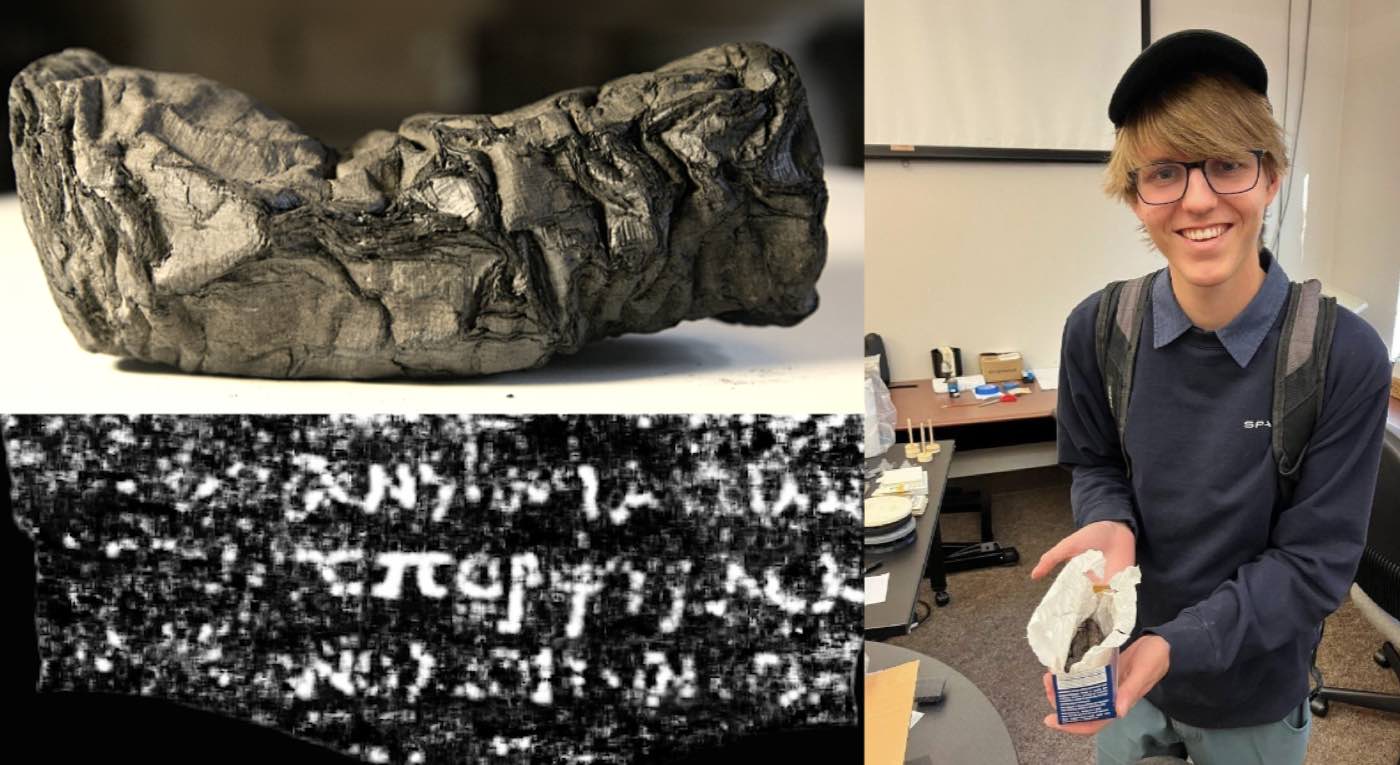
Student researchers have used machine learning to read text hidden inside charred, unopenable scrolls from the ancient Roman city of Herculaneum. The charred scroll was buried 2,000 years ago by the eruption of Mount Vesuvius.
The newly revealed passages, using software and scanning called virtual unwrapping, discuss sources of pleasure including music, the colour purple and the taste of capers. The team trained an algorithm on tiny differences in texture where the ink had been, based on three-dimensional computed tomography scans of the scrolls.
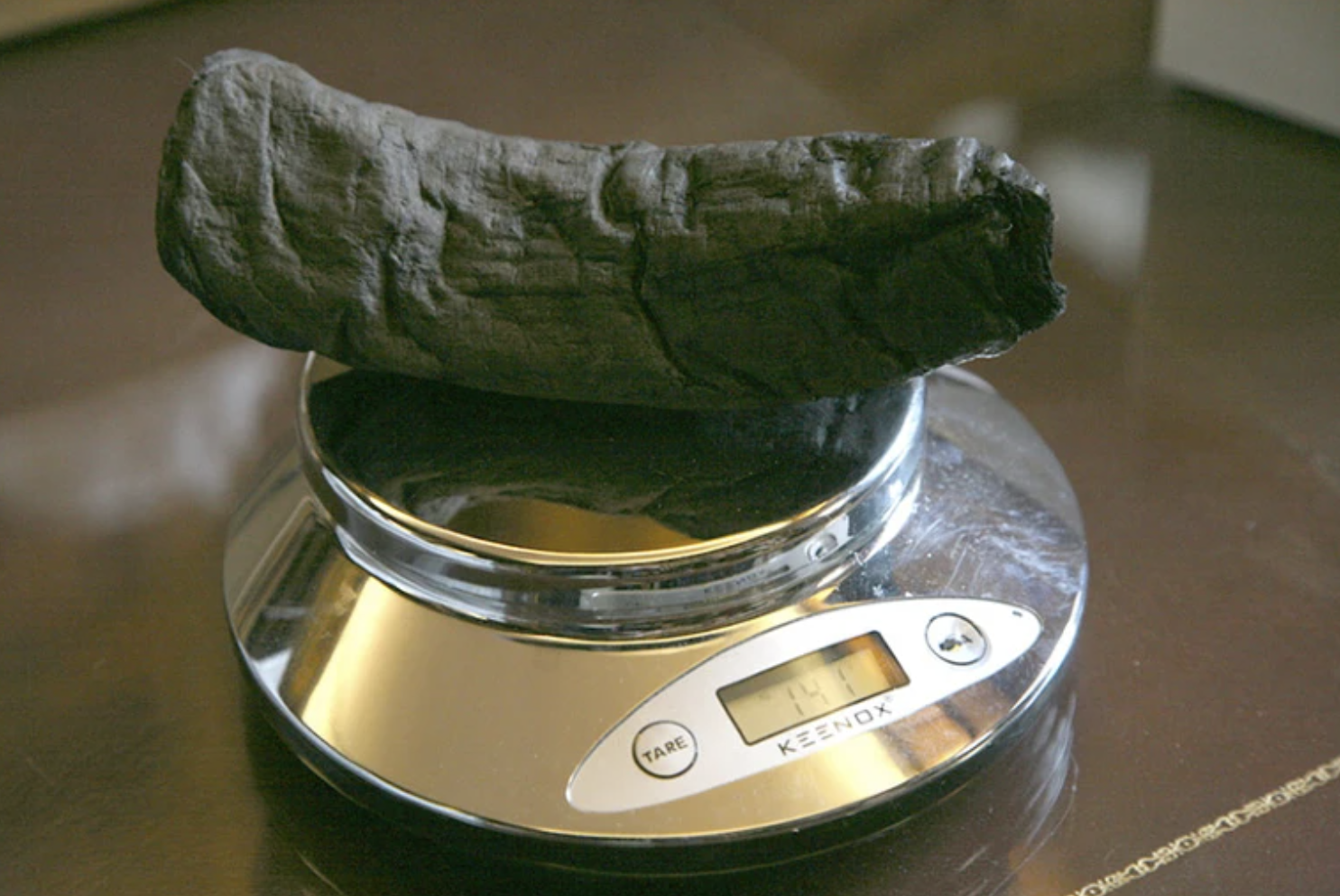
The scroll is one of hundreds of intact papyri excavated in the eighteenth century from a luxury Roman villa in Herculaneum, Italy. These lumps of carbonized ash — known as the Herculaneum scrolls — are the only library that survives from the ancient world, but are too fragile to open.
Charred papyrus, too fragile to open
The winning entry, announced on 5 February, reveals hundreds of words across more than 15 columns of text, corresponding to around 5% of an entire scroll. “The contest has cleared the air on all the people saying will this even work,” says Brent Seales, a computer scientist at the University of Kentucky, Lexington, and co-founder of the prize. “Nobody doubts that anymore.”
Ancient papyrus scrolls read using AI
Luke Farritor, an undergraduate studying computer science at the University of Nebraska-Lincoln, used the crackle to train a machine-learning algorithm, revealing the word porphyras, ‘purple’, which won him the prize for unveiling the first letters in late October. An Egyptian PhD student in Berlin, Youssef Nader, who followed with even clearer images of the text, came second.
A team of researchers used machine-learning to image the shapes of ink on the rolled-up scroll.Credit: Vesuvius Challenge
The content of most of the previously opened Herculaneum scrolls relates to the Epicurean school of philosophy, and seems to have formed the working library of a follower of the Athenian philosopher Epicurus, who lived from 341 to 270 BC, named Philodemus.
AI looks at Vesuvius papyrus scroll to look inside
The new text revealed in the contest doesn’t name the author but, from a rough first read, researchers predict it is by Philodemus. As well as pleasurable tastes and sights, the scroll includes a figure called Xenophantus, possibly a flute-player of that name mentioned by the ancient authors Seneca and Plutarch, whose evocative playing apparently caused Alexander the Great to reach for his weapons.
Researcher Seales has been trying to read these concealed texts for nearly 20 years. His team developed software to “virtually unwrap” the surfaces of rolled-up papyri using three-dimensional computed tomography (CT) images. In 2019, he carried two of the scrolls from the Institut de France in Paris to the Diamond Light Source particle accelerator near Oxford to make high-resolution scans.
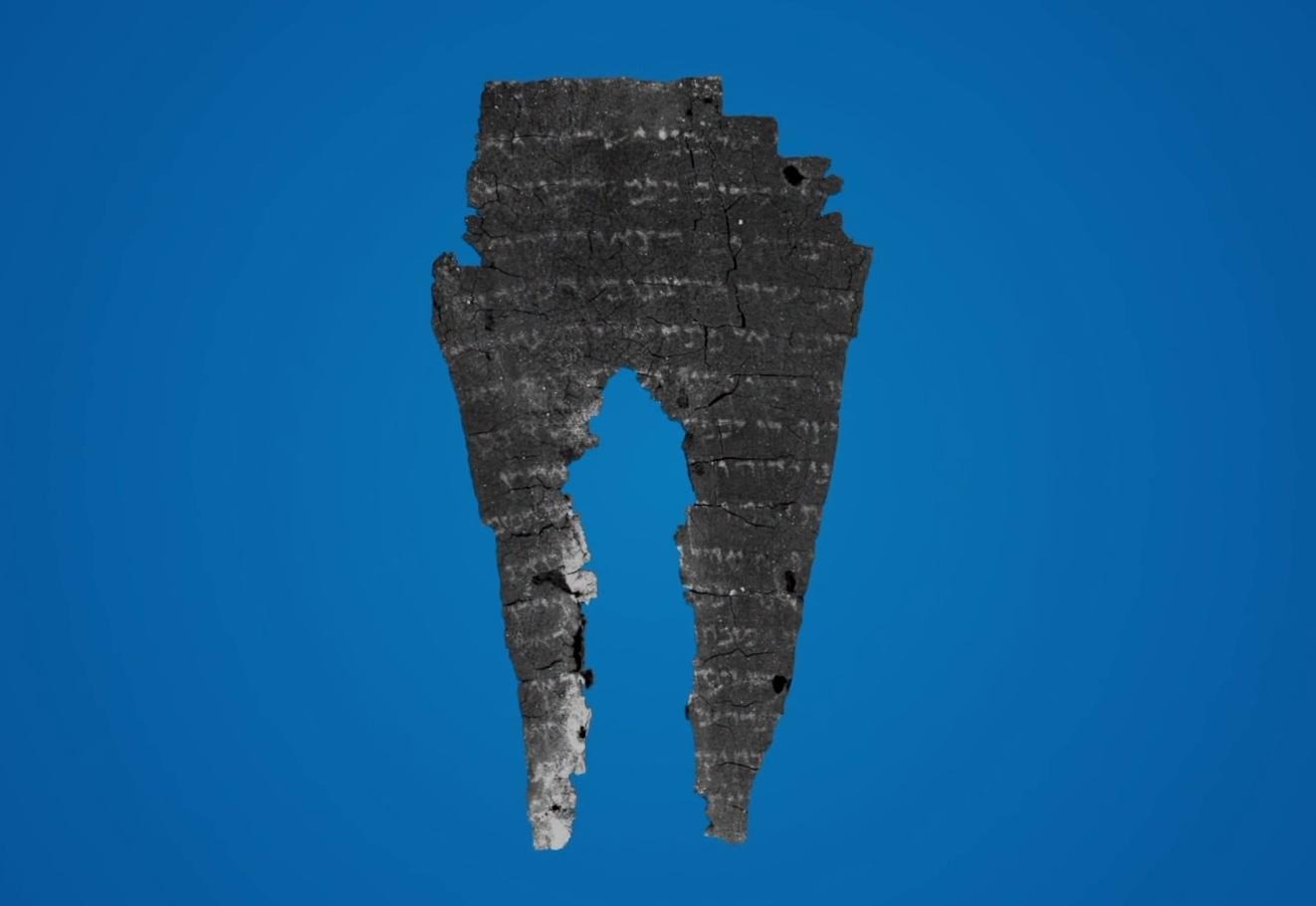
Seales team read Dead Sea scrolls from the Ein Gedi region in Israel. The Dead Sea Scrolls, also called the Qumran Caves Scrolls, are a set of ancient Jewish manuscripts from the Second Temple period. They were discovered over a period of 10 years, between 1946 and 1956, at the Qumran Caves near Ein Feshkha on the northern shore of the Dead Sea, Israel.
Wood has been a popular building material for thousands of years. It can offer a number of advantages; it’s easy to procure, strong, affordable and sustainable. It also looks fantastic and is available in a range of colours, tones and textures.
However, one downside of wood is that it can be prone to degradation. This can be prevented, but it involves providing a level of care. How can you protect your external wooden structures from the elements? Let’s find out.
Keep Your Structures Clean
When it comes to protecting your external wooden structures from the elements, the most important thing you can do is keep them clean. Being outside, these structures can quickly accumulate dirt and grime. It’s important to stay on top of things and prevent things from building up to unmanageable levels.
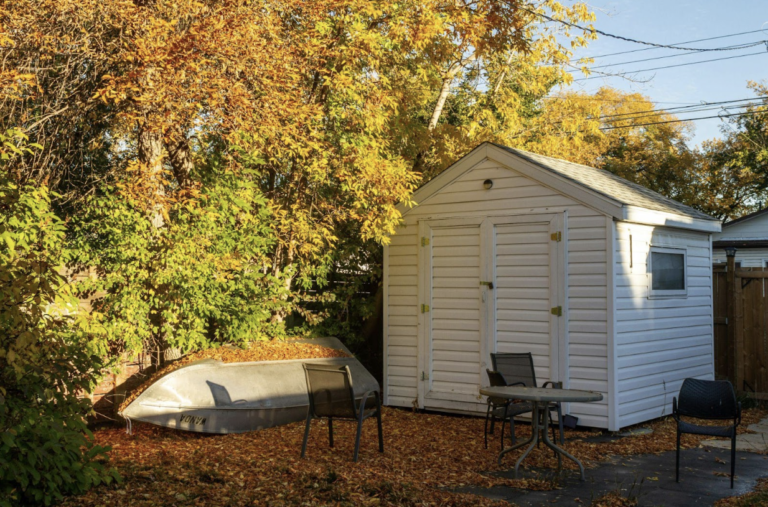
Whether it’s a wooden fence or a shed, regular cleaning will help prolong the life of the material. Move away any leaves or vegetation that have gathered around the structure, as this can be a breeding ground for mould and bacteria, which can cause wooden structures to rot and degrade rapidly.
Paint Wooden Structures
Another effective way of protecting your outside wood structures against the elements is to paint them. This will give them a protective coating that can keep out moisture, keeping them in good condition for a longer period of time.
Painting has an added bonus in that it makes your wooden structures look much more attractive. You can choose from a range of colours to brighten up your outdoor space and make things more visually interesting.
Use a Wood Preservative
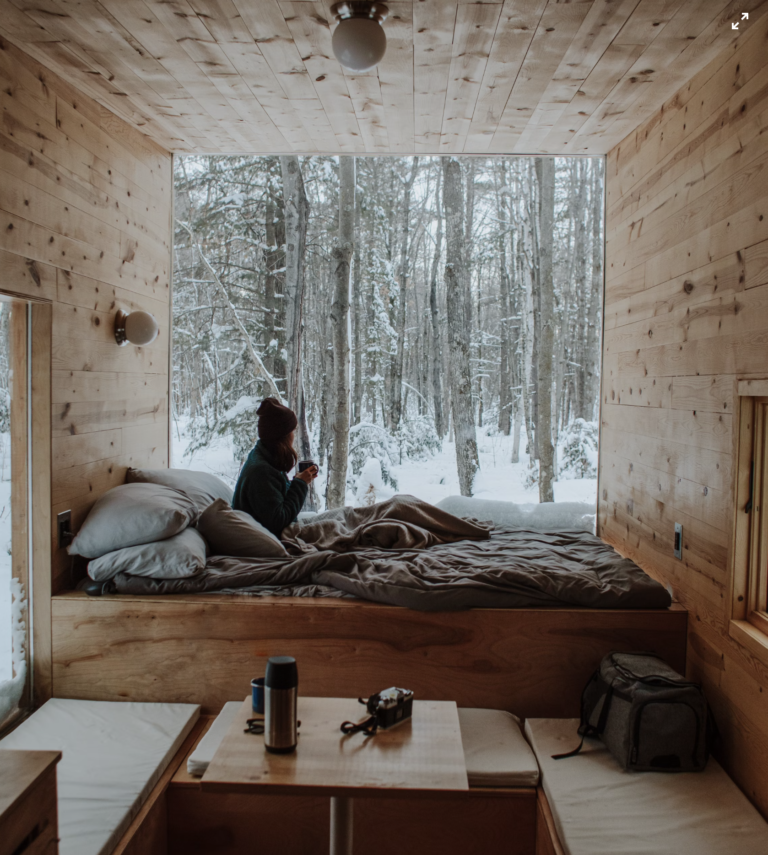
Imagine how much condensation builds up in this tiny home when the wood fire is burning? Make sure you use the right wood protection to avoid mould damage which stains wood black.
If you’re looking to give your external wooden structures even more protection, use a wood preservative. These chemicals can be applied directly to the wood itself or over paint and will safeguard the material against moisture, bacteria and other harmful pollutants.
You can pick up wood preservative products and otherbuilding supplies from Mcblair as an example. Use wood preservatives and your outside structures will last for many years to come, whatever the weather.
Check for Signs of Wear and Tear
Cleaning your structures and using paint and preservatives are important when protecting materials against the elements, but you also need to be proactive and constantly look out for signs of wear and tear.
Small areas of damage can quickly spread, and before you know it you could be faced with a large repair job, or even having to replace a structure entirely. Inspect your structures regularly to prevent this from happening. If you spot any damage, take action quickly before it gets any worse.
Don’t just check areas you can see. You need to inspect the entirety of your structures, including roofs and less accessible spots. Thoroughly and regularly checking for signs of wear and tear is one of the most effective ways to protect your external wood structures from the elements.
Conclusion
To protect your outside wood structures from the elements, keep the material clean at all times, use paint and wood preserver and regularly inspect for signs of wear and tear.
Corals don’t do well in shipping lanes. They don’t do well when people step on them or when they are met with oil spills. Coral reefs the world over are threatened and now an international team is looking to deep dive into the research that could impact laws around them. As countries like Saudi Arabia ramp up tourism in the Red Sea with Neom and The Line, and Vision 2030, and as the Houthis threaten to blow up oil tankers, the world wants to know: how do stressors like light and noise impact the reefs?
Prof. Oren Levy, Director of the Laboratory for Molecular Marine Ecology at Bar-Ilan University, is a member of a newly-launched EU project to improve our comprehension of how biodiversity is being impacted by Light and Noise Pollution (LNP) in aquatic environments such as rivers, lakes, coastal and offshore waters.
Funded by the Horizon Europe program, AquaPLAN (Aquatic Pollution from Light and Anthropogenic Noise: Management of Impacts on Biodiversity) aims to quantify the combined impacts of LNP on aquatic biodiversity in European waters and facilitate the implementation of empirically sound strategies for managing these pollutants through novel interdisciplinary approaches.
Illustrated image of The Line, Red Sea, Saudi Arabia
Prof. Levy’s contribution to the project focuses on the unique environment of tropical coral reefs in the Red Sea, where he examines the impact of light pollution on vital ecological aspects. His research targets the synchronization of coral spawning, a critical event for reef regeneration, which can be disrupted by artificial lighting. Additionally, he studies how light pollution affects the behavior of tropical fish and the colonization patterns of invertebrates in light-polluted areas, providing insights into the broader ecological impact.
Alongside colleagues from the consortium, Levy also extends his research to include the effects of noise pollution on these marine ecosystems, exploring how both light and noise pollution jointly influence coral reefs, fish behavior, and invertebrate colonization.
Understanding how LNP affects aquatic biodiversity has dramatically improved in recent decades. Evidence suggests that these effects are prevalent globally, in all types of aquatic ecosystems, from rivers and lakes to the seafloor. Despite growing knowledge and access to a range of technologies, best practice methodologies and policy interventions, there are still many critical knowledge gaps that, if addressed, would allow us to better manage and reduce these impacts.
Trankila Beach in Sinai is surrounded by coral reefs that aren’t doing well.
Project coordinator Prof. Elena Maggi from University of Pisa said, “Currently, existing regulations on the emission of Artificial Light At Night (ALAN) and anthropogenic noise are highly fragmented in inland, coastal and offshore waters. Moreover, we still need good datasets to understand how to monitor, protect and restore aquatic biodiversity effectively.”
AquaPLAN will run for four years. It is coordinated by the University of Pisa (UNIPI) and comprises a multi-actor, transdisciplinary team of 13 organizations from nine countries. The consortium recently gathered in Pisa, Italy for the project’s kickoff meeting.
A green roof is a beautiful idea for cities. They feel good, look good, they clean the air and reduce temperatures inside in the summer, increase them in the winter. They are good for the birds and the bees. But green roofs are cut off from the great web of information and possibilities found in soil attached to the earth. Scientists have a new idea: Mycorrhizal fungi.
In the US green roofs are typically planted with non-native plants in sterile soils, and their effectiveness declines over time. A Dartmouth-led research team set out to determine if managing green roof soil microbes could boost healthy urban soil development, a methodology that could be applied to support climate resilience in cities.
The team created an experimental green roof in Chicago to test how enhancing soil with native prairie microbes would change the soil microbial community over time. They were particularly interested in tracking the presence of beneficial mycorrhizal fungi.
Mycorrhizal fungi are well-known to live in roots and support plants in a symbiotic underground relationship, delivering nutrients and water to them in exchange for plant sugars. Mycorrhizal fungi could be particularly helpful to plants in green roofs that have to endure high temperatures, intense sun, and periodic flooding.
The researchers added soil rich with native mycorrhizal fungi obtained from a local restored prairie, referred to as “inoculum,” to the experimental green roof’s soil. They planted inoculated and untreated soil with native prairie plants and green roof succulents. Over two years, the team tracked changes in the mycorrhizal fungal community of the green roof. They also compared the green roof fungal species identified to those present in the inoculum and in the air.
Their findings demonstrate that active management of green roof mycorrhizal fungi accelerates soil development faster than if mycorrhizal fungal communities are left to passively reestablish on their own. Green roofs treated with mycorrhizal fungi foster a more diverse soil community that is more likely to support long-term green roof sustainability, according to the results published in New Phytologist.
“In this urban rooftop setting, we saw more diversity in the fungal communities of the inoculated soil,” said lead author Paul Metzler, soil ecology lab manager in the Department of Environmental Studies at Dartmouth. “The long-term and consistent effects of the inoculum were quite surprising, as it’s not necessarily something you would expect when working with such small microorganisms.”
Using a molecular technique called “DNA metabarcoding,” which enables the identification of multiple organisms in one sample, the researchers could identify fungi present in the green roof soils as well as potential sources of these fungi. Many fungi came from the inoculum while other species got there through some other vector such as wind.
The co-authors state that their study was different than most of its kind, as few studies track mycorrhizal community shifts over time post-inoculation and even fewer attempt to track the sources of species pools. The team also had a number of species in their green roof that likely arrived via unmeasured vectors such birds, insects, or even rats.
Green roof, Faroe island
Still, the most diverse fungal communities were those that had been treated with the inoculum, illustrating how mycorrhizal fungi could be used to improve soil health in green roofs. The results suggest that active management of soil microbial communities is effective and worth the effort and resources in cities.
“Green roofs have a shelf life and they’re not always the self-sustaining ecosystems that we think they are,” says senior author Bala Chaudhary, an associate professor of environmental studies at Dartmouth. “They can be beneficial to urban areas but tend to lose their efficacy over time.”
While green roofs are marketed as “set it and forget it,” the co-authors explain that ecological thought should be incorporated into their design, construction, and maintenance to maximize the benefits and role that green roofs play in the climate resilience of urban areas.
“Our cities could be a window into the future,” says Chaudhary. “They are experiencing the impacts of climate change—warming temperatures and increased drought and flooding—in an intensified way, which make them a great microcosm to study some of these impacts below ground.”
Call it a tajine if you own one of those lovely clay pots. Or simply regard this dish as a hearty winter stew. Either way, you’ll be enchanted with the spicy fragrance and deep colors of this Middle Eastern way with winter vegetables. Don’t hesitate to substitute canned tomatoes or frozen green beans if fresh aren’t available. And the truth is, you can cook up almost any other veg you want here: carrots, sweet potatoes, sliced red cabbage, for example.
No lack of variety here on Green Prophet. We also offer you ten winter soups to choose from.
Keep the dish vegan and serve as is, or have each diner top their dish with a spoonful or two of yogurt.
Hearty Vegetable Tajine For Cozy Winter Dinners
Loaded with butternut squash and varied greens; aromatic with Midde-Eastern spices
large, heavy pot
small bowl
large bowl
Tajine Spice Mix
1 Tablespoon cardamom powder
1 Tablespoon coriander powder
1 Tablespoon cumin powder
1/2 teaspoon ground fennel seeds
3/4 teaspoon cayenne (omit for non-spicy)
1 -1.5 teaspoon turmeric
1/2 teaspoon ground cloves
1/2 teaspoon ground ginger
For The Tajine
4 tablespoons olive oil
1 red onion sliced; (sub any type of onion)
2 or 3 garlic cloves (finely minced)
1 lb. 600g/ butternut squash (1/2 a small, peeled, cut into 2.5cm / 1″ cubes)
Small eggplant (cut into 2.5cm / 1/2″ cubes)
Small cauliflower head (small, cut into bite size florets)
1 bell pepper (cut into 2.5cm / 1″ pieces (red or yellow))
2 tomatoes (seeds removed, cut into 1cm / 1/3″ dice)
2 ¾ cups water
1.5 teaspoon salt
1/2 teaspoon black pepper
10.5 oz/ 300g/ canned chickpeas (drained)
45 oz/150g green beans (cut into 3.5cm / 1.5″ pieces (~2 cups cut))
Zest of 1 lemon
1.5 tablespoon lemon juice
Garnishes / for serving:
Handful of slivered almonds (toasted)
1/4 cup coriander / cilantro (roughly chopped)
Plain yogurt
Pinch of paprika or cayenne pepper
Combine spice mix ingredients.
Preheat oven to 180°C/350°F.
Heat 1 tablespoon oil in a large pot over medium high heat. Add garlic and onion, cook until onion is wilted, about 1 1/2 minutes, then remove to a large bowl.
Add squash to the pan and cook, stirring, for 3 minutes or until lightly golden. Remove to same bowl.
Add 2 tablespoons olive oil. Cook eggplant for 3 minutes until softened slighty. Remove to same bowl.
Add 1 tablespoon oil; stir.
Add bell pepper and cauliflower, cook for 2 minutes until the cauliflower is golden on the edges. Remove into bowl.
Add tomato and cook for 1 minute.
Add spice mix. Stir for 1 minute.
Add all vegetables back to pot. Add water. It should just cover the vegetables, no more. Add salt and pepper.
Stir, bring to simmer on stove, then transfer to oven for 30 minutes. Or continue simmering on the stove, covered, at low heat, instead.
Remove from oven, add beans and chickpeas. Simmer for 15 minutes uncovered on stove on medium-low to cook the beans and reduce the sauce.
Stir the lemon juice and zest in. The sauce will thicken with stirring a little.
Before serving, sprinkle almonds, chopped cilantro, and a pinch of paprika over the top. Have a bowl of yogurt on the table for those who want to top their dish with it.
Serve over rice or couscous.
This tajine will keep for 5 days, refrigerated. It also freezes well, up to 3 months.