Like Al Qaida, Boko Haram and ISIS who brutally raped and murdered women as a form of terror, Israel has just released an alarming report about the sexual violence of Hamas from Gaza. It is a difficult report to read but we have a copy here (links to PDF). The Association of Rape Crisis Centers in Israel’s first official report regarding the Hamas attack on October 7 highlights the following key points:
Sexual crimes were systematically and intentionally committed.
Four main arenas of sexual abuse were identified.
The sexual assaults and acts of rape involved multiple participants and included sadistic practices characterized by brutal features.
Orit Sulitzeanu, CEO of the Association of Rape Crisis Centers in Israel, emphasized the significance of the report, stating that it leaves no room for denial or disregard. The report clearly indicates Hamas’s strategic decision to harm Israel through kidnapping citizens and committing sadistic sexual crimes. Silence in response to these atrocities is unacceptable, and international organizations are urged to take a clear stance.
The report, authored by Dr. Carmit Klar Chalamish and Noga Berger, consolidates evidence and concludes that the sexual crimes were not isolated incidents but part of a systematic, targeted strategy. It focuses on sexual and gender-based violence during the October 7 massacre and subsequent war, serving as a primary testimonial foundation indicating widespread sexual crimes.
The methodology involved analyzing numerous pieces of information, including testimonies, interviews, and direct information received by the ARCCI. Findings reveal brutal acts of violent rape, often involving threats with weapons and collaboration among perpetrators. Sexual and gender-based violence occurred systematically in various arenas, including festivals, kibbutzim, IDF bases, and captivity.
The report’s authors highlight the brutal nature of the assaults, designed to inflict sadistic terror and reinforce their impact on victims and communities. The ARCCI, founded in 1990, operates as an umbrella organization for nine rape crisis centers in Israel, addressing around 50,000 calls each year. It works to promote rights and services for survivors of sexual abuse and reduce its prevalence in Israeli society.
Take a moment to behold a marvel destined to vanish from sight—an ephemeral masterpiece unveiled amidst the boundless expanse of the Saudi desert, nestled within the UNESCO World Heritage Site of Hegra in AlUla. A pair of hands that fade back into the sand. This is the ultimate in sustainable art.
New York artist, David Popa: ephemeral earth frescoes created with earth pigments, charcoal and water.
Dubbed “Hands from Sands” by David Popa, the sculpture was commissioned for the I Care campaign. This initiative, orchestrated by the Royal Commission of AlUla, serves as a clarion call to safeguarding Saudi Arabia’s cultural legacy.
Crafted from sustainable materials “Hands from Sands” epitomizes preservation, echoing the campaign’s overarching mission to nurture and conserve the country’s historical tapestry. It’s a mixed message, since Saudi Arabia is also building the 15-minute-city, The Line and other extravagant cities and holiday destinations.
More about the site: Once a bustling node along ancient trade routes, Hegra now stands as an open-air museum, boasting over a hundred meticulously preserved tombs and rock carvings.
In the canvas of Hegra, “Hands from Sands” spans over a hundred meters. For Popa, the process transcends mere creation; it is a communion with nature, a dance with the elements. Employing only natural materials, delicately mixed with source water, the artist imbues his creation with the spiritual.
Fertility may be enhanced by more sun exposure, finds new study
Women who are late to find a partner or who put a focus on a career, usually have a harder time getting pregnant in their 30s and certainly in their 40s as they become less fertile. But a new study suggests the sun might give your egg follicles a boost.
A research team looked at seasonal fluctuations in AMH (anti-Müllerian hormone) levels. Their pioneering study revealed that during the summer, women of late reproductive age — between the ages of 30 and 40 — experience increased secretion of the hormone from their ovaries. This phenomenon is suggested to be attributed to heightened exposure to ultraviolet (UV) radiation from the sun.
“The ovaries secrete the anti-Müllerian hormone, and its level in the bloodstream is linked to ovarian function,” explains Dr. Ruth Percik from the Institute of Endocrinology at Sheba Medical Center. The results of the study were published in the journal Steroids. It may be used to help improve IFV success rates.
She adds: “While the hormone level is specific to an individual woman at a given point in time and does not provide a definitive assessment of the status of her fertility, evaluating its value, trend, and comparison to the age group is the best indicator of fertility that we have. For this reason, every woman who wants to get pregnant, or is trying to, is sent for an AMH test. In Israel, all of these tests are directed to the central laboratory in Sheba. Our research group investigated the seasonal variability of the AMH tests in order to gauge how the ovaries respond to UV radiation.”
The researchers compared the AMH results of 2,235 Israeli women to the recorded levels of UV radiation. For younger women, aged 20-29, no statistical relationship was found between UV exposure and AMH level. On the other hand, among older fertile women, aged 30 to 40, a statistically significant seasonal pattern emerged: These women, whose egg reserves are in decline, responded positively to sun exposure.
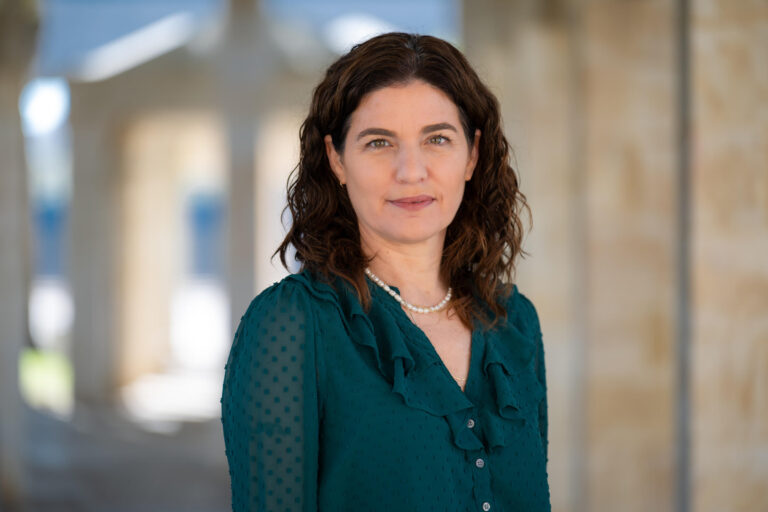
Dr. Carmit Levy, Tel Aviv University
The groundbreaking research was led by Prof. Carmit Levy of the Department of Human Genetics and Biochemistry, in a team effort of Ph.D. student Roma Parikh and Prof. Yftach Gepner of the School of Public Health, all from the Faculty of Medicine at Tel Aviv University.
“This is a preliminary, pioneering human epidemiological study,” says Prof. Levy, “and we need to be cautious about inferring a causal relationship between fertility in women and exposure to UV radiation.
“Our research suggests that the female reproductive system is indeed more fertile in the summer, but we still have no information on the mechanism or actual success rates.”
Particularly interesting is the absence of this effect among younger women in their 20s. According to Dr. Percik, this may be attributed to the ample egg reserve found in young women. “Based on my interpretation of the findings, women at the onset of their reproductive age are less in need of signals from the sun, which affect hormonal pathways that have not yet been sufficiently studied.
This effect was most pronounced among women aged 35 and older. One caveat: Exposure to the sun’s UV radiation should always be done in moderation, and further research is required in order to determine whether such exposure actually helps fertility, and how much exposure is needed. And just to be safe, you can make your own organic sunblock using this recipe.
Artificial reefs help preserve coral reefs by shifting divers away from the natural ones, according to new long-term study in the Red Sea
If you were lucky to dive into the Red Sea 25 years ago the undersea life was much different to today where Red Sea coral reefs have turned brown, and corals are dead and dying. Busy shipping lanes in the Red Sea, pollution, sunscreen, extra lights and global warming are leading to the decline of Red Sea coral.
When Green Prophet visited Egypt’s national park, Ras Abu Galum in Sinai, this past fall, beginner snorkelers from Egypt and around the world crowded through a small entry point and at every point of the couple of hours that we were there, snorkelers were standing on the reef.
Coral Reef seed bank proposed for Australia
This, researchers hope, can stop – if they make more artificial reefs for snorkelers and divers to play on –– allowing the natural reefs to recover. Divers are essentially tourists who truly love coral reefs and invest a lot of time and effort to watch them. But divers also cause damage to corals, often unintentionally, through disturbing and re-suspending sand, touching them, hitting them with their equipment, and scaring fish away.
Artificial reefs have been proposed as a means of diverting diving pressure from the natural reef to alternative sites, thus preserving both dive tourism and the coral reef.
Red Sea diver Faris is a professional snorkeler and diver at Abu Galum. He tells Green Prophet that he tries to educate the locals in Egypt about standing on the reef but it doesn’t help.
The problem was noticed years ago in Eilat, Israel on the Red Sea and, as a result, in cooperation with the Nature and Parks Authority, Prof. Nadav Shashar of Ben-Gurion University’s Marine Biology and Biotechnology Program and the OBS company, an artificial reef was established there on the border of the nature reserve enclosing the natural coral reefs.
The artificial reef was established in 2006 and, in 2007, corals, which were grown in a special coral nursery, were planted on it. Since then, it has attracted many species of reef fish and other invertebrates that are difficult to find on the natural reef.
Artificial coral reef in Eilat
The new long-term study, just published in Oceans, tracked the movement of dives before and after the placement of the reef. Before its installation, the introductory diving instructors had to lead their trainees into the reserve to enjoy the dive. However, afterwards, it became a magnet for divers, especially guided dives, and introductory dives. Since introductory dives to the natural coral reefs in the reserve have almost completely stopped.
See how the artificial reef serves as a detour site to the natural reef.
What’s more, the reef remains as attractive as ever 15 years after its installation, thus deciding the question of whether an artificial site would be attractive even after it was no longer a novelty.
A new microscopic technique zeroes in on the poorly explored world of nanoplastics, which can pass into blood, cells, and your brain
We buy bottled water, mineral or cleaned, in order to optimize our health. Yet people don’t think about the plastics in the bottle or for how many days they sit under the hot sun before you buy the bottles. Turns out a new study at Columbia University is shedding light on just how much microplastics are coming with your serving of water. A new study suggests that bottled water can contain up to an astonishing 240,000 nanoplastic particles per liter.
These minuscule particles are small enough to potentially enter our bloodstream and organs, posing unknown risks to our health and the implications of consuming these tiny particles are yet to be fully understood. The particles are so small that they can pass the blood brain barrier.
Thanks to our addiction to plastic, microplastics are showing up basically everywhere on Earth, from polar ice to soil, drinking water and food. Formed when plastics break down into progressively smaller bits, these particles are being consumed by humans and other creatures, with unknown potential health and ecosystem effects. One focus of research: bottled water, which has been shown to contain tens of thousands of identifiable fragments in each container.
Now, using newly refined technology, researchers have entered a whole new plastic world: the poorly known realm of nanoplastics, which are the spawn of microplastics that have broken down even further. For the first time, they counted and identified these minute particles in bottled water. They found that on average, a liter contained some 240,000 detectable plastic fragments—10 to 100 times greater than previous estimates, which were based mainly on larger sizes.
The study by researchers at Columbia University Lamont-Doherty Earth Observatory, Columbia University, and Columbia Mailman School of Public Health was just published in the journal Proceedings of the National Academy of Sciences.
The researchers say that nanoplastics are so tiny that, unlike microplastics, they can pass through the intestines and lungs directly into the bloodstream and travel from there to organs including the heart and brain. They can invade individual cells, and cross through the placenta to the bodies of unborn babies. Medical scientists are racing to study the possible effects on a wide variety of biological systems.
“Previously this was just a dark area, uncharted. Toxicity studies were just guessing what’s in there,” said study coauthor Beizhan Yan, an environmental chemist at Columbia University’s Lamont-Doherty Earth Observatory. “This opens a window where we can look into a world that was not exposed to us before.”
What are nanoplastics?
The gold dust bought at Walmart may make your graduation photo pretty. But one blow and it’s forever cycling as microplastics that will get into our lungs.
Microplastics are defined as fragments ranging from 5 millimeters (less than a quarter inch) down to 1 micrometer, which is 1 millionth of a meter, or 1/25,000th of an inch. (A human hair is about 70 micrometers across.) Nanoplastics, which are particles below 1 micrometer, are measured in billionths of a meter.
Plastics in bottled water became a public issue largely after a 2018 study detected an average of 325 particles per liter; later studies multiplied that number many times over. Scientists suspected there were even more than they had counted, but good estimates stopped at sizes below 1 micrometer—the boundary of the nano world.
“People developed methods to see nano particles, but they didn’t know what they were looking at,” said the new study’s lead author, Naixin Qian, a Columbia graduate student in chemistry. She noted that previous studies could provide bulk estimates of nano mass, but for the most part could not count individual particles, nor identify which were plastics or something else.
The new study uses a technique called stimulated Raman scattering microscopy, which was co-invented by study coauthor Wei Min, a Columbia biophysicist. This involves probing samples with two simultaneous lasers that are tuned to make specific molecules resonate. Targeting seven common plastics, the researchers created a data-driven algorithm to interpret the results. “It is one thing to detect, but another to know what you are detecting,” said Min.
The researchers tested three popular brands of bottled water sold in the United States (they declined to name which ones), analyzing plastic particles down to just 100 nanometers in size. They spotted 110,000 to 370,000 particles in each liter, 90% of which were nanoplastics; the rest were microplastics. They also determined which of the seven specific plastics they were, and charted their shapes—qualities that could be valuable in biomedical research.
One common one was polyethylene terephthalate or PET. This was not surprising, since that is what many water bottles are made of. (It is also used for bottled sodas, sports drinks and condiments such as ketchup and mayonnaise.) It probably gets into the water as bits slough off when the bottle is squeezed or gets exposed to heat. One recent study suggests that many particles enter the water when you repeatedly open or close the cap, and tiny bits abrade.
However, PET was outnumbered by polyamide, a type of nylon. Ironically, said Beizhan Yan, that probably comes from plastic filters used to supposedly purify the water before it is bottled. Other common plastics the researchers found: polystyrene, polyvinyl chloride and polymethyl methacrylate, all used in various industrial processes.
A somewhat disturbing thought: the seven plastic types the researchers searched for accounted for only about 10% of all the nanoparticles they found in samples; they have no idea what the rest are. If they are all nanoplastics, that means they could number in the tens of millions per liter. But they could be almost anything, “indicating the complicated particle composition inside the seemingly simple water sample,” the authors write. “The common existence of natural organic matter certainly requires prudent distinguishment.”
The researchers are already reaching beyond bottled water. “There is a huge world of nanoplastics to be studied,” said Min. He noted that by mass, nanoplastics comprise far less than microplastics, but “it’s not size that matters. It’s the numbers, because the smaller things are, the more easily they can get inside us.”
Among other things, the team plans to look at tap water, which also has been shown to contain microplastics, though far less than bottled water The researchers are now studying microplastics and nanoplastics generated when people do laundry, which end up in wastewater—so far, by a count of millions per 10-pound load, coming off synthetic materials that comprise many items of clothing.
Turkey says it will be Net Zero by 2053 and has declared a significant advancement in its renewable energy sector, allocating 7,500 megawatts (MW) of renewable capacity for industrial use this year. Net Zero by 2053 seems arbitrary and a long way off but consider Canada has declared it will be Net Zero by 2050.
Turkey is emphasising the role of renewables in reducing foreign oil and gas dependence and lowering the current account deficit, said Energy and Natural Resources Minister Alparslan Bayraktar. He stated that $5 billion USD in investments would be made for renewables starting immediately.
With an addition of over 2,800 MW in renewable energy capacity installations last year, Turkey increased the share of renewables in electricity production to 42% of its total energy needs. Bayraktar highlighted the national target of 5,000 MW of annual renewable energy additions, aligning with Turkey’s strategy to address the current account deficit and tackle climate change.
As the carbon border adjustment looms in 2026, he urged manufacturers to cut carbon emissions, underscoring the crucial role of renewable energy in this effort.
Solar power is a growing part of renewable energy Turley, with 10 gigawatts (GW) of solar panels generating 5% of the country’s electricity. Solar thermal is also important. These are the solar panels that heat water on home roofs. Although similarly sunny as Spain, Turkey has installed far less solar power than Spain.
Choosing the perfect gift for a girl can often prove to be a daunting task. It’s a delicate balance between finding something that is both practical and beautiful, without breaking the bank. While there are plenty of options available, ranging from everyday essentials to extravagant indulgences, it’s important to choose a gift that is both thoughtful and meaningful. In this article, we’ll explore why a keychain with an engraved photo inside a 3D crystal is the ultimate compromise, offering practicality, beauty, and affordability in one perfect package.
The Challenge of Finding the Right Gift:Selecting the ideal gift for a girl can be a daunting challenge. With so many options available, it’s easy to feel overwhelmed and unsure of where to begin. Practical gifts like mugs or cosmetics are often appreciated, but they may lack the personal touch that makes a gift truly memorable. On the other hand, extravagant gifts like jewelry or high-end gadgets can be prohibitively expensive for many gift-givers. Striking the perfect balance between practicality and beauty is essential to finding a gift that will truly delight the recipient.
The Allure of Practicality and Beauty Combined
A keychain with an engraved photo inside a 3D crystal offers the perfect combination of practicality and beauty. Unlike traditional gifts that may be easily forgotten or discarded, a personalized keychain serves as a constant reminder of the bond shared between the giver and the recipient. Whether it’s a cherished memory captured in a photograph or a special moment shared between loved ones, the engraved photo inside the crystal adds a sentimental touch to an everyday item.
Advantages of a Personalized Keychain
There are numerous advantages to choosing a keychain with an engraved photo inside a 3D crystal as a gift for her. Firstly, it’s a practical item that serves a useful purpose in everyday life. Whether it’s used to keep track of keys or adorn a purse or bag, a personalized keychain is both functional and stylish. Secondly, it’s an affordable option that won’t break the bank. Unlike expensive jewelry or gadgets, a personalized keychain offers a budget-friendly alternative without compromising on sentimentality or beauty. Lastly, it’s a thoughtful and meaningful gift that can be customized to reflect the recipient’s personality and interests. From cherished family photos to memorable vacations, the possibilities are endless when it comes to selecting the perfect image to engrave inside the crystal.
Preserving Priceless Memories
One of the most significant advantages of a keychain with an engraved photo inside a 3D crystal is its ability to preserve cherished memories. Whether it’s a snapshot from a special occasion, a candid moment with loved ones, or a beloved pet’s portrait, the engraved photo serves as a timeless memento that captures the essence of a cherished memory. Unlike traditional gifts that may fade or lose their significance over time, a personalized keychain ensures that memories will be cherished and remembered for years to come.
When it comes to finding the perfect gift for her that is both practical and beautiful, a keychain with an engraved photo inside a 3D crystal is the ultimate choice. It’s a thoughtful and personalized gift that combines practicality with sentimentality, making it suitable for any occasion. Whether it’s for a birthday, anniversary, or just because, a personalized keychain is sure to be appreciated and treasured by the recipient. So why wait? Explore our collection of 3D picture keychains today and find the perfect gift that will make memories last a lifetime.
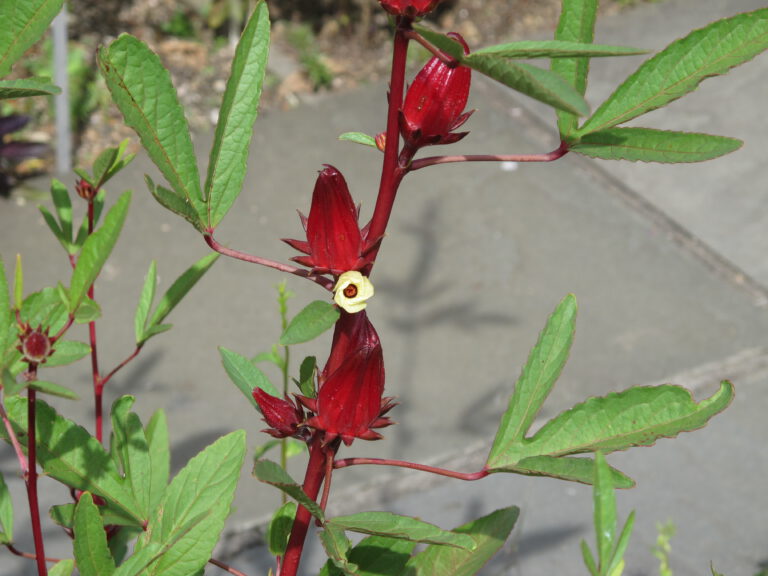
Winter time is tea time. What’s more comforting than sipping a mug of hot tea when it’s freezing outside? There’s a wide range of herbal teas to enjoy, but let’s go past the usual mint and chamomile (delicious though they are) to something a little unconventional: hibiscus flower tea. I saw a reference to hibiscus tea and sherbet in this post about meeting Egyptian architect Hassan Fathy, and found the recipes.
Most hibiscus flowers are edible, but not all. If you live where the variety known as Roselle (Hibiscus sabdariffa) grows, pick it freely, and make tea from the fresh or dried flowers. Give other hibiscus varieties a pass, unless you have an authoritative source affirming that they’re safe to consume. In any case, you’ll probably want to pick up the dried flowers at a health food store. They last 6 months if stored in an airtight container, away from light.
Roselle makes a beautiful, deep red tea, and its flavor is sweet and sour, like cranberries.
Health benefits of hibiscus?
Hibiscus contains melatonin, which helps you get a night’s sleep. Have a small snack with a cup of hibiscus tea before bed time, and you’ll sleep better for it.
The flowers are loaded with vitamin C, perfect for a hot winter drink.
Hibiscus is known to bring blood pressure down, which brings a caveat: if you’re already taking meds to reduce blood pressure, avoid this flowery tea.
The tea is somewhat diuretic, helping to flush toxins and bugs out when you’re sick.
Another caveat: hibiscus flowers have phytoestrogens that may cause early labor for pregnant women. Drinking a lot of hibiscus tea (more than 1 cup daily) may also affect the performance of birth control pills.
Making hibiscus tea is like using any other herbal: steep 1 teaspoon dried flowers in 1 cup of boiling water for 5 minutes, then strain into a mug and drink. Add lemon or lime juice if desired, and sweeten with honey.
Now how about a delicious hibiscus sorbet? Don’t save this light, floral sorbet for the summer. Serve it after any rich meal for a refreshing dessert. And it’s vegan.
Hibiscus Sorbet
Light sorbet made from hibiscus flowers
small pot
whisk
mesh strainer
ice cream maker
airtight container
ice cream scoop
1⅓ cups 300 g granulated or raw cane sugar
1 cup 40 g dried hibiscus flowers
2 Tbsp. 10 g fresh ginger, peeled and thinly sliced
STEP 1
In a small pot over medium heat, whisk 3½ cups (800 grams) cold water, the sugar, and the hibiscus flowers. Bring to a boil, stirring occasionally until the sugar dissolves. Turn off the heat and stir in the ginger. Cover the pot and refrigerate until completely cooled, about 1 hour.
STEP 2
When you are ready to churn the sorbet, set a fine mesh strainer over the bowl of an ice cream maker. Strain the hibiscus mixture, pressing on the solids to extract as much liquid as possible, then discard the solids. Churn the mixture according to the manufacturer’s directions until the sorbet is thick and frozen, with the consistency of soft serve, about 30 minutes. Transfer to an airtight metal or plastic container and freeze until set, at least 3–4 hours.
STEP 3
To serve, dip an ice cream scoop or spoon in hot water, or temper the sorbet in the refrigerator for 20 minutes before scooping. Serve immediately.
Red hibiscus sorbet from Sudan tea or karkade
Dessert
hibiscus, vegan
You can punch up this sherbet with 2 tablespoons of tequila, rum, or gin, if you want. Add after Step 1.
Professor Ozdemir, we had our last interview immediately after the publication of your book Care for Creation; An Islamic Perspective, at the end of 2022. In the meantime several things happened in the Islamic world and, nowadays, the terrible war in Palestine is getting most of the attention. Focusing on the relationship between Islam and ecology, the topic of your book, the 13th of December 2023 ended COP28. Let’s start from here: did you attend the Conference and, in general, what’s your opinion about its results?
The discussions and commitments made at COP28, including initiatives and funding for sustainable development and climate adaptation, particularly in vulnerable regions, reflect a growing acknowledgment of the urgency of our environmental crisis. This aligns with the principles highlighted in my book, Care for Creation; An Islamic Perspective, where I advocate for a proactive and faith-based approach to environmental stewardship.
The challenges highlighted by the current geopolitical tensions, including the war in Palestine, underscore the interconnectedness of peace, justice, and environmental sustainability. It’s crucial that we, especially in the Islamic world, continue to push for comprehensive solutions that address not only the symptoms of our environmental issues but also their root causes, including conflict and inequality.
I am hopeful about the future because the engagement and dialogue generated by COP28, despite its imperfections, demonstrate a collective will to confront environmental challenges. It’s essential that we build on this momentum, incorporating Islamic environmental ethics, which emphasize balance, compassion, and stewardship, into our global and local environmental actions. The path forward requires unity, innovative solutions, and a commitment to justice and sustainability for all creatures and ecosystems.
Which kind of progresses are you seeing, in the Islamic world, in terms of environmental awareness? We know, from your book, Islam is a “genetically environmentalist religion” and we know also that, from a practical point of view, there is still a remarkable amount of work ahead of us. Are there some encouraging signs?
The Mausoleum of Prophet Mohammud in Medina. The Green dome in the painting symbolises the love of the Prophet for the nature. In the end of the 6th century C.E., there was a patch of greenery on the barren desert lands, which happened to be Medina. Artist unknown.
In the Islamic world, there are indeed encouraging signs of progress in terms of environmental awareness, as highlighted by the principles and examples set forth in Islamic teachings and history. Islamic teachings emphasize the importance of caring for creation, including the preservation of nature, the responsible use of resources, and kindness towards animals. Historical examples from the Islamic world showcase efforts to establish sanctuaries for wildlife, conservation of green spaces, and the creation of public fountains and gardens. Additionally, the Islamic tradition of cleanliness and conservation is evident in teachings that discourage wastefulness and encourage the sustainable use of natural resources.
Evidence for the continuation of a tradition of mechanical engineering is provided by a book on machines written by Taqi al-Din about the year 1552.
These principles are not only integral to Islamic faith but also provide a foundation for addressing contemporary environmental challenges. The increasing engagement with these teachings and the growing recognition of environmental issues within the Islamic community are positive signs of progress towards a greater environmental stewardship.
In the Islamic world, there is a strong environmental worldview presented by Islam, emphasizing care for creation, sustainability, and conservation as core principles. Despite this, the awareness among Muslims about global environmental problems is still developing. This growing consciousness is a positive sign, albeit gradual. It’s important to recognize that environmental awareness is intertwined with broader societal factors, including democracy and the rule of law.
Bees in the Quran and apitherapy in Arabic
As these aspects strengthen within societies, they can further enhance the commitment to environmental stewardship, highlighting the relationship between governance, societal values, and environmental action. This evolving awareness, coupled with the foundational environmental ethics of Islam, suggests a path forward where increased environmental consciousness can lead to meaningful actions and policies.
Since a couple of years you are living and teaching in the US. How is the relation between ecology and Islam in that country?
In the United States, the relationship between ecology and Islam is experiencing a revival, particularly among younger generations such as Generation Z and Millennials (Generation Y). This demographic is increasingly engaging with environmental issues through the lens of their Islamic faith, finding in environmental stewardship a nonpolitical cause that resonates with their spiritual values and offers a platform for action.
This revival is not only about fighting for environmental causes but also about presenting their worldviews to their peers, showcasing how Islamic teachings align with contemporary environmental concerns. However, this movement is still in its formative stages, with young Muslims at the forefront of integrating ecological consciousness with their religious identity, indicating a promising direction for the future.
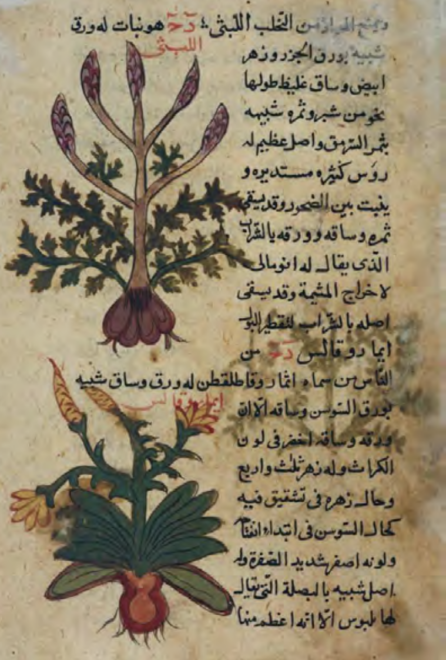
Plants of the Koran: names and diagrams of various plants and herbs with medicinal properties in the books written by scholars from 12th to 15th century.
In the United States, initiatives like Eco-Fab Living, Green Deen and Eco-Islam are prominent examples of the burgeoning relationship between ecology and Islam, particularly resonating with the younger Muslim demographics. These movements encapsulate the essence of integrating Islamic teachings with environmental stewardship, serving as conduits for young Muslims to advocate for ecological sustainability, present their faith-informed perspectives on environmental issues, and engage in nonpolitical environmental activism.
These initiatives are part of a broader, emerging trend where environmental consciousness within the Islamic community is gaining momentum, illustrating the dynamic interplay between faith and ecological responsibility. There are numerous other organizations and movements within the Islamic world that also contribute to this growing awareness and action towards environmental sustainability, each adding unique insights and approaches to the discourse on eco-Islam.
What about Muslim countries? We know that Indonesia , the most populous Muslim country is paying a lot of attention to ecology in its agenda. Could you please give us some more information about ecological initiatives in Indonesia and in other Muslim countries, for example your own country: Turkey?
In Indonesia, the most populous Muslim country, there is a significant emphasis on integrating ecological concerns into national policies and initiatives. The country has embarked on various environmental projects, including reforestation efforts, wildlife conservation, and initiatives to reduce plastic pollution. Indonesia’s approach often blends traditional Islamic teachings with contemporary environmental challenges, leveraging the widespread faith in the country to promote stewardship of the earth.
Turkey, another country with a majority Muslim population, is also seeing a growing interest in ecological initiatives. Efforts there include the expansion of renewable energy sources, such as solar and wind power, and campaigns for cleaner transportation options. The country is also involved in reforestation projects and the preservation of biodiversity through the establishment of national parks and protected areas.
Both countries demonstrate how Islamic principles of caring for the Earth are being interpreted and applied in modern environmental efforts, showcasing a blend of faith-based motivation and contemporary ecological practices.
The Templeton Foundation funded a project aimed at Strengthening the Integration of Islam and Environmental Science in Islamic Boarding Schools through the Ekopesantren Program, which has been hailed as a success story. This initiative underscores the potential for integrating religious teachings with contemporary environmental education, demonstrating a practical approach to fostering ecological awareness and action within religious educational settings. The success of the Ekopesantren Program exemplifies how faith-based institutions can play a pivotal role in advancing environmental stewardship and sustainability efforts.
In Turkey, the European Climate Foundation funded a significant project in cooperation with Üsküdar University’s Forum on Environmental Ethics, aimed at promoting the message and making of al-Mizan: A Covenant for Earth. This project represents a notable effort to intertwine Islamic environmental ethics with modern ecological concerns, fostering a deeper understanding and commitment to environmental stewardship within the Muslim community. Through such initiatives, the linkage between faith-based values and environmental sustainability is strengthened, showcasing innovative approaches to addressing global ecological challenges.
What do you advice eco-Muslims around the world? Maybe a stronger networking work should be done?
To eco-Muslims around the world, drawing inspiration from Care for Creation and al-Mizan: A Covenant for Earth, a key piece of advice would be to deepen their engagement with the principles of environmental stewardship as outlined in Islamic teachings. These texts underscore the profound connection between Islam and environmental ethics, emphasizing the responsibility of Muslims to protect the planet and live in harmony with nature.
Strengthening networking efforts among eco-Muslims and beyond is indeed vital. Here are a few specific recommendations inspired by these guiding documents:
Eco-Muslims should seek to build stronger networks both within the Islamic community and with other faith-based and secular environmental groups. Collaborating on common goals can lead to a greater impact, pooling resources, knowledge, and influence to address environmental challenges more effectively.
Utilize platforms, both online and offline, to share knowledge about the Islamic perspective on environmentalism. Workshops, seminars, and social media campaigns can help spread awareness and inspire action based on the teachings of Care for Creation and al-Mizan: A Covenant for Earth.
Engage with policymakers to advocate for environmentally friendly policies. Use the moral and ethical arguments presented in Islamic environmental teachings to push for changes that can lead to sustainable development and conservation efforts.
Encourage the adoption of sustainable practices within individual lifestyles, communities, and institutions. Initiatives can range from promoting renewable energy and reducing waste to supporting local conservation projects.
Given the universal message of environmental stewardship, seek opportunities for interfaith dialogue and cooperation on ecological issues. Such partnerships can amplify the call for action and demonstrate a united front against environmental degradation.
By focusing on these areas, eco-Muslims can leverage their faith to make a meaningful contribution to the environmental movement. Care for Creation and al-Mizan: A Covenant for Earth provide a rich framework for understanding and action, highlighting the critical role of faith in motivating and guiding efforts to safeguard the environment for future generations.
11 books for sustainable Muslims
Could you please suggest to our readers some crucial books on the relationship between Islam and ecology?
Here are some crucial books on the relationship between Islam and ecology, reflecting the growing interest in how Islamic teachings intersect with environmental stewardship:
“Islam and Ecology: A Bestowed Trust” – Edited by Richard C. Foltz, Frederick M. Denny, and Azizan Baharuddin: This anthology delves into the ethical, theological, and practical dimensions of environmentalism in Islam, offering a comprehensive overview of Islamic environmental ethics. Sustainable Muslims should read it to understand their religious responsibilities towards the environment.
“Green Deen: What Islam Teaches about Protecting the Planet” by Ibrahim Abdul-Matin: Exploring Islamic teachings on environmental protection, this book provides practical advice for Muslims to contribute to sustainability efforts. It’s a valuable resource for those seeking to align their faith with eco-conscious actions.
“Animals in the Qur’an” by Sarra Tlili: Delving into the Qur’anic depiction of animals, this comprehensive exploration examines their roles and symbolic significance within Islamic teachings and ethics. Sustainable Muslims should read it to deepen their understanding of the sanctity of all creation.
“Man and Nature: The Spiritual Crisis of Modern Man” by Seyyed Hossein Nasr: This book delves into the spiritual dimensions of the ecological crisis, offering insights into the interconnection between humanity and the natural world. It’s essential reading for Muslims concerned about the environmental challenges of our time. It has a special Sufi dimension.
“Eco-Jihad: Linking Ecology and Islam” by Tarik M. Quadir: Advocating for environmental conservation through Islamic principles, this book calls for an “eco-jihad” against degradation. It’s a crucial read for sustainable Muslims looking to integrate their faith with ecological activism.
“Muslim Environmentalisms: Religious and Social Foundations” by Anna M. Gade: Exploring the various ways Muslims engage with environmental issues, this book highlights the religious and social roots of Islamic environmentalism. It offers valuable insights for those interested in the intersection of faith and ecology.
“Islamic Environmentalism: Activism in the United States and Great Britain” by Rosemary Hancock: Examining how Western Muslim communities are involved in environmental activism, this book sheds light on the fusion of faith and ecological action. It’s a must-read for Muslims seeking to engage in environmental advocacy.
“Care for Creation; An Islamic Perspective” by Ibrahim Ozdemir: Offering an Islamic perspective on environmental stewardship, this book emphasizes the importance of caring for the Earth. It provides guidance for sustainable Muslims striving to fulfill their religious obligations towards creation.
“The Environmental Dimensions of Islam” by Mawil Y. Izzi Dien: This book explores the environmental teachings embedded within Islam, revealing the ecological wisdom present in Islamic tradition. It’s a valuable resource for Muslims seeking to deepen their eco-spirituality.
“Signs on the Earth: Islam, Modernity, and the Climate Crisis” by Fazlun M. Khalid: Investigating the intersection of Islam, modernity, and climate change, this book offers insights into addressing environmental challenges through Islamic principles. It’s essential reading for Muslims concerned about the planet’s future.
“The Need for a Sacred Science” by Seyyed Hossein Nasr: This book explores the necessity of integrating sacred knowledge with scientific inquiry, offering a holistic approach to understanding the natural world. It provides a foundational framework for sustainable Muslims seeking to harmonize faith and ecological wisdom.
Thank you Professor Ozdemir for your answers. Have you any final remarks?
Let me finish with some good news: The United Nations Environment Programme (UNEP) is thrilled to announce the upcoming publication of Al-Mizan – A Covenant for the Earth in Nairobi on 27 February 2024. This groundbreaking document represents a pivotal moment in the dialogue between Islam and environmentalism, offering a restatement of the principles that have historically governed the protection of nature within Islamic teachings, now reimagined to address the pressing environmental challenges of our times.
Al-Mizan – A Covenant for the Earth is a testament to the rich environmental heritage of Islam, articulating a comprehensive vision for sustainable living that resonates with both Muslim environmentalists and the global environmental community. This publication underscores the vital role of faith-based initiatives in promoting ecological sustainability and highlights the unique contributions of Islamic ecological ethics to contemporary environmental discourse.
The announcement is poised to be a watershed moment, marking a significant contribution to the global environmental movement. It promises to inspire action and foster a deeper understanding of the intrinsic connection between Islamic values and the stewardship of the planet.
Manuel Olivares
Manuel Olivares is an Italian author and publisher living between Italy and the UK. He is mainly interested in ecology and comparative religion. He spent several years in Asia, mostly in India, devoting a remarkable amount of time studying Eastern religions.
More recently he has strongly supported the campaign for an eco-friendly Ramadan which had an excellent, international response. For more information visit his web site www.viverealtrimenti.com.
Generally, the maritime industry has played a crucial role in the transportation and global trade sectors for many years. Like in other industries, the influence of technological innovations in the maritime sector cannot be overlooked. Various technological advancements, including Yatch innovation, have significantly improved marine shipping safety and efficiency, navigation, and communication. In recent days, there has been an increase in e-commerce, which has led to greater demand for cost-effective and efficient sea transportation services. On the other hand, with the increased advocacy for conserving the environment, technological advancements have been at the forefront to achieve this. Continue scrolling to discover the impact technology has on the marine industry.
Autonomous Shipping
One of the sector’s technologies, autonomous shipping, has made waves in the maritime industry. Even though autonomous ships have not yet spread to all parts of the globe, sensor technology, and artificial intelligence advancements are getting things closer. Autonomous vessels usually depend on advanced AI systems that gather information from various on-board sensors. These include radar systems and cameras, which help make decisions systematically while interpreting the environments correctly. The level of automation technology used in these vessels plays a crucial role in increasing safety through minimal human errors and reducing or eliminating crew needs, thus reducing operational costs.
E-navigation and GPS
Don’t get lost in Croatia, or maybe better do get lost?
e-navigation primarily helps digitalize traditional navigation tasks, thus streamlining ship operations. Also, e-navigation enables seamless communication between shore-based authorities and ships. Therefore, this allows maritime professionals to access real-time information on potential risks and traffic situations. This way, you can always plan your routes more safely and efficiently.
GPS plays a significant role in the maritime industry. The Global Positioning System (GPS) technology has hugely revolutionized marine navigation by offering reliable and highly accurate position data. As a result, sailors can confidently and quickly locate their specific locations anytime.
Cybersecurity
Like in other industries, cybersecurity is one of the most relied-on digital systems that continues to expand day by day. As more and more innovations are realized in the maritime sector, so does the risk of cyberattacks increase. Issues such as malware and system breaches can have severe repercussions in the industry, including endangering the crew’s safety. Also, they could disrupt security-sensitive cargo shipments. New technologies have helped strengthen cybersecurity for both vessel software and hardware. Thus, we can have more vital data encryption methods and robust communication networks.
SaaS and Cloud
Nowadays, freelancing has become a norm, especially after the onset of coronavirus. All business information and applications can be accessed from anywhere and anytime. This is achieved through a cloud-based computing system, leading to elevated responsiveness, effectiveness, and flexibility. Additionally, data and information sharing is crucial for ship fleet management between remote sites to smooth communication operations. Data sharing also helps promote smooth operations between shore-based teams and sailing ships. A smooth flow of information guarantees relevant and quick decision-making in the maritime industry.
Renewable Marine Energy
Renewable energies greatly impact the maritime industry by helping shift to sustainable energy practices. While some are still in the early stages of development, the primary renewable marine energies include solar panels, hydrogen fuel cells, and wind turbines.
Technological advancements significantly impact the maritime industry, including improving Yatch’s development and functioning. Click here to learn more about Yatch technology.
New research suggests ADHD is a great asset for the entrepreneur
There is a long-standing debate on whether ADHD is a condition or a normal reaction to a stimulating world. Now a new offering to those who can’t think still: the brains of people with ADHD function in ways that can benefit them as entrepreneurs, according to research from the West Virginia University John Chambers College of Business and Economics.
Associate Professor Nancy McIntyre says we need to switch to from “if ADHD functions” to “how ADHD functions.” The paper is based on a study demonstrating an entrepreneur with ADHD is able to use routines, patterns and habits like a big net that captures and stores stimuli from the environment for later use. Consider that many ADHD people may just need more sleep.
“My coauthors and I are advancing the idea that ADHD is not a cognitive deficit or disability when considering entrepreneurship,” she said. “Someone with ADHD and high entrepreneurial intent might go to a big event and meet person after person with knowledge, advice, contact information, venture capital or other resources to offer. Because their mind tends to hop all over the place, they’re making lots of connections and filing them in a way that allows them to use those resources in the future.
“Their net becomes thicker and thicker with resources that could be used to start or support their company.”
McIntyre is the former owner of an advertising agency and has ADHD herself. She said that “in one-on-one conversations and larger meetings, the ADHD created a constant rattle in my brain: ‘Boy, it’s cold in here. Are those new glasses he’s wearing? Would our client like red on that brochure more than blue? Are the kids having fun at day care?’”
Like McIntyre, many people with ADHD find it especially difficult not to immediately attend to new information. They’re predisposed to speedy cognitive processing and quick decisions, bouncing from stimulus to stimulus, continually scanning their environments and swiftly shifting their attention from old data to new.
To deal with the constant influx of information, people with ADHD often develop habits, routines, processes or shortcuts that help them assimilate all that data without becoming exhausted by it. Those routines are examples of what McIntyre calls “resource-induced coping heuristics.”
She has developed her own set of heuristics to help her cope with the massive quantity of information streaming into her mind.
“In the morning, my executive assistant provided me with a schedule. At the end of each day, she provided me with a summary and action items. She was always at my side taking notes, or if she wasn’t available, she had a recorder on the table so I could review the tape later. Those routines helped me use my resources to focus on the important information.”
McIntyre explained a cognitive heuristic takes the load off your brain. A “walking” heuristic, for example, allows a person to walk without thinking about every step as they take it. A “driving” heuristic allows someone to start the car, fasten their seatbelt, step on the brake and shift into gear more or less automatically.
Everyone uses heuristic routines to perform common tasks efficiently, without thinking through or about each part of the process. But McIntyre’s research reveals that for entrepreneurs with ADHD, heuristics can be critical to three key qualities for their success: alertness, adaptability and entrepreneurial intent.
McIntyre identified individuals with ADHD among 581 survey respondents who answered questions about those qualities.
Let’s say you have a startup that aims to change the world for growing more food, saving water, solving health problems. Start with an original idea and grow with resources at hand.
Alert entrepreneurs were good at recognizing the business opportunities around them, reading voraciously and interacting with others in order to have an ear to the ground. Those who were adaptable could change course when appropriate, challenging their own assumptions and double checking their comprehension about a problem or task. And those with high entrepreneurial intent were committed to establishing their own business, searching actively for start-up opportunities. ADHD helped drive each of these positive outcomes, McIntyre found.
She said she was interested in ADHD in a specifically entrepreneurial context because, while traditional employment rarely leaves much room for “running off in a lot of directions,” she believes entrepreneurship can offer those with ADHD the freedom to fail and try again.
“We need to get rid of the word ‘disability’ and learn to value differences and adapt to them as a society,” McIntyre said. “Even in the world of traditional employment, many companies — Ernst & Young, Goldman Sachs, IBM, JPMorgan Chase, Microsoft — are starting to look for job candidates with cognitive differences because those differences make them very skilled at certain tasks. Those with ADHD are known to be more curious, creative, imaginative and innovative.
“For people with ADHD who do want to pursue entrepreneurial careers, this research shows the more they can do to strengthen their net of routines for gathering and organizing information, the better.”
There are a slew of new ADHD clinics opening in the US and Canada using telemedicine to help diagnose and dispense drugs. Consider ditching it all and starting your own business?
Hydroquinine, an organic compound found in the bark of some trees, and a drug used to treat malaria, is known to have bacterial killing activity which may help contact lens wearers.
A new study suggests a naturally-occurring material is an effective disinfectant for contact lenses, worn by millions of people worldwide. Microbial keratitis is one of the most serious potential complications for contact lens wearers. It’s an infection of the cornea that is caused by bacteria; the most common being Pseudomonas aeruginosa.
Previous studies have found that existing disinfecting solutions are not effective for preventing biofilm, which are clusters of bacteria that attach to the surface of lenses.
Hydroquinine, an organic compound found in the bark of some trees, is known to have bacterial killing activity against Pseudomonas aeruginosa and several other clinically important germs, including Staphylococcus aureus, Escherichia coli, and Klebsiella pneumoniae.
The team behind the discovery, from the University of Portsmouth in England and Naresuan and Pibulsongkram Rajabhat universities in Thailand, has now explored the potential use of multipurpose formulas containing hydroquinine as a disinfectant for contact lenses.
They examined the antibacterial, anti-adhesion, and anti-biofilm properties of hydroquinine-formulated multi-purpose solutions (MPSs), and then compared it to two commercial MPSs; Opti-free Replenish and Q-eye. The natural compound killed 99.9 per cent of bacteria at the time of disinfection.
The paper, published in Antibiotics, says these findings may aid in the development of novel disinfectants aimed at combating the P. aeruginosa bacteria.
Dr Robert Baldock from the School of Pharmacy and Biomedical Sciences at the University of Portsmouth, said: “Commercially available disinfecting solutions, which are made up of a number of chemicals, can sometimes cause reactions with painful side-effects.
“We hoped to demonstrate that new agents made from natural products may be an excellent option to limit or reduce the risk of contact lens contamination.
“It is exciting to see how this research has progressed; from discovery to exploring potential applications.”
Hydroquinine is already known to be an effective agent against malaria in humans, and it is also being used in the Netherlands to treat nocturnal muscle cramps. Until now, there has been little investigation into its drug-resistant properties.
Lowe income people do better when they are out in nature
Data from a representative sample of the Austrian population suggests that the relationship between nature contact and well-being is consistently stronger for people on lower than higher incomes. However, this pattern was only found when people actively visited nature and not when they merely lived near greenspaces.
Findings suggest the availability, accessibility and use of green and blue spaces can play an important role in reducing income-related health inequalities. The study was led by researchers of the University of Vienna in collaboration with the University of Natural Resources and Life Sciences Vienna and was recently published in the journal Health & Place.
Cultures around the world know that nature is healing. Shinrin-Yoku is the Japanese word directly translated as “forest bathing”. A visit to the forest for relaxation. Friluftsliv, translated as “open-air living”, this Swedish word describes the ancient Nordic philosophy of outdoor life. And waldeinsamkeit is the German for a feeling of forest solitude, being alone in the woods and a connectedness to nature.
We know nature is healing but can it help you when you are really down and out? Personally speaking we say yes. Now the researchers agree: people on low incomes are at a particularly high risk of suffering from mental health problems such as depression or anxiety. One way to promote good mental and physical health is through nature contact. Time spent in nature is associated with reduced stress levels, better immune functioning, improved cognitive functioning, better sleep and greater life satisfaction. However, these associations do not seem to be the same for everyone.
What you do is more important than where you live
Forest bathing can help mental health and your relationships.
As part of a study funded by Austrian and European funding agencies, researchers surveyed 2,300 individuals across Austria representative on age, gender and region. The findings suggest that while people with higher incomes generally reported higher well-being, regardless of how often they visited nature, well-being among the poorest in society was much higher among those who visited nature often.
In fact, poorer individuals who visited several times a week had well-being levels nearly as high as the richest respondents. This pattern was clearly shown for both Austria as a whole and for those living in urban Vienna.
“What the results show is that the well-being benefits from visiting nature at least once a week across the whole year are similar to those from an increase in 1,000 Euros of income per year,” summarises doctoral student and lead author Leonie Fian from the University of Vienna.
Interestingly, these associations were only found for actively visiting nature, but not for the amount of greenness around people’s homes. In other words, what people did, appeared more important than where they lived. From a public health perspective, it is therefore important to both create greener neighbourhoods and natural recreation areas, and to ensure that they are accessible and used, especially by socio-economically disadvantaged groups.
“Especially for people on lower incomes, information about attractive natural recreation areas nearby and their accessibility by public transport plays an important role. They should therefore also be easily accessible by public transport at weekends,” says Arne Arnberger from the University of Natural Resources and Life Sciences Vienna.
Whether you’re renting out a house, apartment, or condo, tenants have come to expect certain amenities that may have been optional in the past. While you don’t need to go too far to please your renters, tenant satisfaction will greatly increase when you provide more than just basic amenities. Ultimately, satisfied tenants tend to renew their lease and become long-term tenants, so it benefits you financially.
When it comes to modern kitchen amenities, functionality and aesthetics often go hand in hand. Renters increasingly look for appliances that not only serve their purpose but also blend seamlessly with the overall decor. For instance, if you’re outfitting your rental property, you might consider suggesting tenants buy a dishwasher online that will suit your decor style, combining practicality with visual harmony. Offering guidance on such details can elevate the appeal of your property.
When your goal is to increase profitability and get those high-quality, reliable tenants, consider offering some of the following amenities with your rentals.
Smart home technology
Smart home tech is really in demand by today’s tenants. For example, there are smart thermostats, coffee makers, refrigerators, speakers, personal assistants, locks, lights, and even video security.
If the thought of managing smart technology feels like a chore, consider hiring a professional to handle your properties. A company like Green Residential, aHouston property management company, for example, offers full-service property management to Texas landlords who have their hands full.
What smart tech should you install? A Nest? A Canary? At the very least, consider smart thermostats so your renters can remotely control the temperature in their house. While it’s also a great way to help people reduce their heating and cooling costs, smart thermostats also make it possible to keep a house warm while you’re away in the winter months without worry.
Every home should feel like an eco oasis, and it can be done by saving energy. Here’s how it can be done.
You can turn it on and off with an app. If you rent property in cold areas, this is a must for making sure your pipes don’t freeze if your renters happen to be away. Granted, you’ll need to talk with your renters to make sure they follow through, but that shouldn’t be hard.
Next up are smart coffee makers and locks. Most people will love being able to brew coffee before they get out of bed, but you might get some pushback about smart locks from the older generation. However, much of the younger crowd – specifically Millennials –prefer smart locks for convenience. Since Millennials dominate the rental market, this would be a wise move. Many people have said that the existence of smart tech would greatly influence their choice in renting a property.
A pet-friendly policy
While not your traditional amenity, having a pet-friendly policy will go a long way to get you a long-term, reliable tenant. It’s not common for small pets to do serious damage. There are exceptions, but pets tend to be a reflection of their owners. If you find someone with reliable income, good credit, and stable income, they’re more likely to be responsible overall, which means they will take care of their pets. They’ll pick up after them outside and they won’t let them potty all over the carpet or tear up the rug. Most responsible people don’t have destructive pets, anyway.
Opening up your home to people with pets will get you more applicants and you can always collect a higher security deposit than usual to cover the cost of any damage. For example, if you normally require a security deposit in the amount of one month’s rent, ask for a deposit equal to two months’ rent if it’s legal in your area. It’s fully refundable, so good tenants shouldn’t have an issue paying a higher deposit.
Air conditioning
While heating is required, air conditioning is still considered an amenity, with theexception of a few states. However, extreme heat can be just as uncomfortable as extreme cold. It can also make people sick with heatstroke and be life-threatening. If you rent a property in an area that gets hot, air conditioning is a must.
A washer and dryer in the unit
Most people don’t like going to the laundromat to wash their clothes because it’s inconvenient. When you offer a washer and dryer inside your rental unit, people will feel more at ease because they can just toss something in the wash if it gets dirty anytime they want. If they need to wash a blanket or shirt for work the next day, they can.
A dishwasher
Even though dishwashers have been around for a long time, they aren’t always standard in rental units. Today, it’s tough to rent a property without a dishwasher and it’s a deal-breaker for many people. Some people prefer washing dishes by hand, but nothing beats the convenience of being able to wash everything at once after a party or holiday.
Tenants will appreciate your thoughtfulness
By providing the most desirable amenities to your tenants, you’ll attract more applicants to choose from and you’ll have happier renters. You’ll be more likely to get lease renewals and keep your units occupied with limited vacancies.
Ben-Gurion University of the Negev in Israel will create The National Institute for Climate Policy Research to promote science-based policy. By translating scientific knowledge into best practices, the Institute aims to pioneer evidence-based policy solutions, ensuring sustainability and prosperity across all levels of governance and industry. Climate change policy in Israel is lacking.
This new Institute will empower national and local decision makers as well as the private sector to foster impactful climate policies that benefit humanity and society. The new Institute will be headed by former Environmental Protection Minister Tamar Zandberg.
The confluence of climate change and the need to build the western Negev back better demands a climate policy institute at the country’s premier environmental research university. The new Institute will bridge academia, local and national government, and industry. It will develop policy papers based on over 50 years of environmental research conducted at the University and will also work with government and industry to help them elucidate and solve their climate mitigation needs.
The Institute will be part of the new Goldman Sonnenfeldt School of Sustainability and Climate Change in conjunction with the Guilford Glazer Faculty of Business and Management.
“At a time of threats and challenges, the climate crisis is a challenge that is not being marginalized and is not going anywhere. Climate research and science in Israel and around the world are advancing rapidly, and we must design science derived policies that will affect reality in the most effective and shortest way possible,” Zandberg said.
“The climate crisis is worse than we thought, and we have already reached the middle of the ‘decisive decade’ in which humanity must change direction. This means that we must act now but do it in the most appropriate way. In the near future, the Institute will emphasize the climate contexts of the renewed development of Israel and the region.”
As environmental protection minister, the focus of her term was climate change mitigation and adaptation, leading Israel to unprecedented achievements. In 2021, Israel adopted a net zero GHG emissions target by 2050, and in 2022, the government adopted a climate law for the first time in Israel’s history.
Zandberg promoted the investment of billions of shekels by the Israeli government in climate adaptation, nature-based solutions and climate technology and innovation, elements that were not part of the national budget and policy before her term.
Under her leadership, the government introduced a thorough reform in formal and informal environmental education, and significantly advanced private-public partnership as a vital key to achieving climate goals, including promotion of climate innovation, implicatory research and development and a voluntary framework for reducing carbon emissions in the business sector.




 Take a moment to behold a marvel destined to vanish from sight—an ephemeral masterpiece unveiled amidst the boundless expanse of the Saudi desert, nestled within the